


12071 Results
Form:
books
books
Price:
$49.95
(available in store)
Summary:
"A Real Living Contact with theThings Themselves" selects nine essays written throughout Scalbert’s career from the early 1990s to the present. Four of the essays are detailed studies of major buildings, including both critiques written at the time the buildings were made and comments on extant buildings that contributed to their rediscovery. Other pieces represent(...)
$49.95
(available in store)
Summary:
"A Real Living Contact with theThings Themselves" selects nine essays written throughout Scalbert’s career from the early 1990s to the present. Four of the essays are detailed studies of major buildings, including both critiques written at the time the buildings were made and comments on extant buildings that contributed to their rediscovery. Other pieces represent(...)
Title:
A real living contact with the things themselves: essays on architecture
Actions:
Price:
$49.95
(available in store)
Summary:
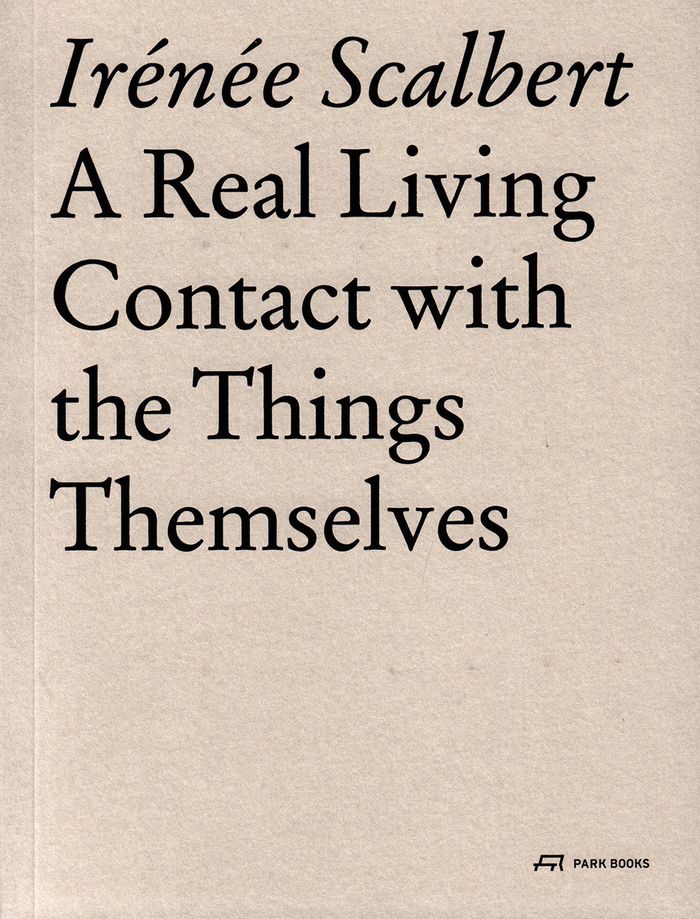
"A Real Living Contact with theThings Themselves" selects nine essays written throughout Scalbert’s career from the early 1990s to the present. Four of the essays are detailed studies of major buildings, including both critiques written at the time the buildings were made and comments on extant buildings that contributed to their rediscovery. Other pieces represent broader studies of historical movements and ideas, interpreting their significance within the context of contemporary architecture. All of the essays are based on direct experience, whether through quiet contemplation or candid interviews with architects, builders, or inhabitants. An architect by training, Scalbert writes with the purpose of illuminating the design efforts made and enriching the form of the architectures he describes, and his essays thus contribute to many key moments in the architectural history of the past three decades.
A real living contact with the things themselves: essays on architecture
Actions:
Price:
$49.95
(available in store)
Summary:
"A Real Living Contact with theThings Themselves" selects nine essays written throughout Scalbert’s career from the early 1990s to the present. Four of the essays are detailed studies of major buildings, including both critiques written at the time the buildings were made and comments on extant buildings that contributed to their rediscovery. Other pieces represent broader studies of historical movements and ideas, interpreting their significance within the context of contemporary architecture. All of the essays are based on direct experience, whether through quiet contemplation or candid interviews with architects, builders, or inhabitants. An architect by training, Scalbert writes with the purpose of illuminating the design efforts made and enriching the form of the architectures he describes, and his essays thus contribute to many key moments in the architectural history of the past three decades.
Form:
books
books
Publication:
January 2019
January 2019
Subject:
Architectural Theory
Architectural Theory
Form:
books
books
Price:
$50.95
(available to order)
Summary:
''Toward a Living Architecture?'' is the first book-length critique of the emerging field of generative architecture and its nexus with computation, biology, and complexity. Starting from the assertion that we should take generative architects' rhetoric of biology and sustainability seriously, Christina Cogdell examines their claims from the standpoints of the sciences(...)
$50.95
(available to order)
Summary:
''Toward a Living Architecture?'' is the first book-length critique of the emerging field of generative architecture and its nexus with computation, biology, and complexity. Starting from the assertion that we should take generative architects' rhetoric of biology and sustainability seriously, Christina Cogdell examines their claims from the standpoints of the sciences(...)
Title:
Toward a living architecture? Complexism and biology in generative design
Actions:
Price:
$50.95
(available to order)
Summary:
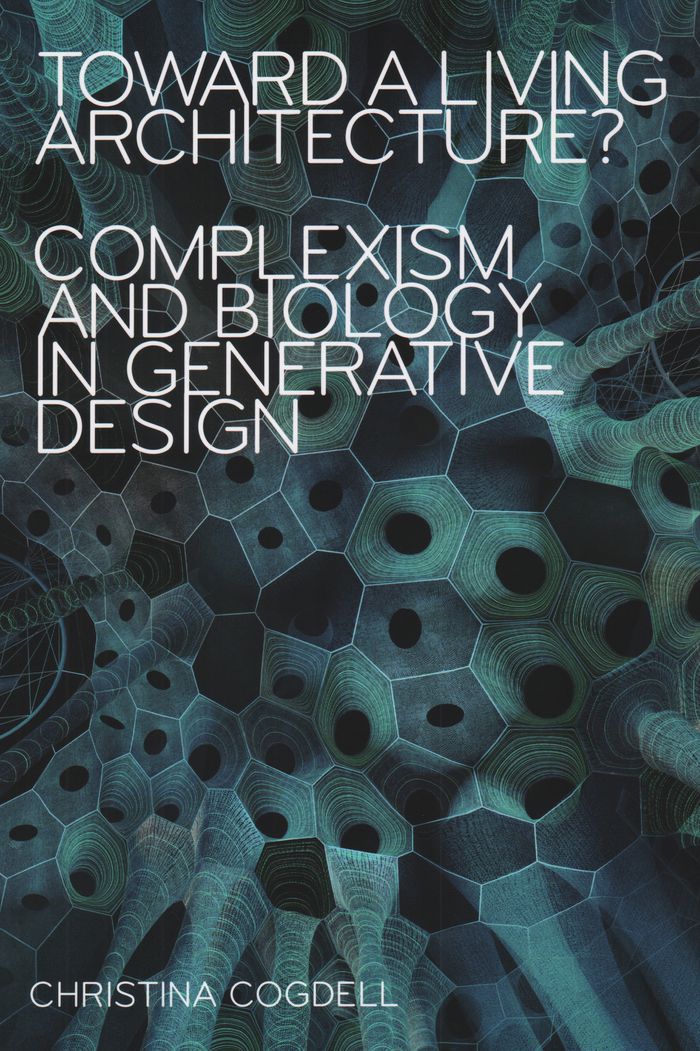
''Toward a Living Architecture?'' is the first book-length critique of the emerging field of generative architecture and its nexus with computation, biology, and complexity. Starting from the assertion that we should take generative architects' rhetoric of biology and sustainability seriously, Christina Cogdell examines their claims from the standpoints of the sciences they draw on—complex systems theory, evolutionary theory, genetics and epigenetics, and synthetic biology. She reveals significant disconnects while also pointing to approaches and projects with significant potential for further development. Arguing that architectural design today often only masquerades as sustainable, Cogdell demonstrates how the language of some cutting-edge practitioners and educators can mislead students and clients into thinking they are getting something biological when they are not.
Toward a living architecture? Complexism and biology in generative design
Actions:
Price:
$50.95
(available to order)
Summary:
''Toward a Living Architecture?'' is the first book-length critique of the emerging field of generative architecture and its nexus with computation, biology, and complexity. Starting from the assertion that we should take generative architects' rhetoric of biology and sustainability seriously, Christina Cogdell examines their claims from the standpoints of the sciences they draw on—complex systems theory, evolutionary theory, genetics and epigenetics, and synthetic biology. She reveals significant disconnects while also pointing to approaches and projects with significant potential for further development. Arguing that architectural design today often only masquerades as sustainable, Cogdell demonstrates how the language of some cutting-edge practitioners and educators can mislead students and clients into thinking they are getting something biological when they are not.
Form:
books
books
Publication:
January 2019
January 2019
Subject:
Architectural Theory
Architectural Theory
Form:
books
books
Price:
$37.50
(available to order)
Summary:
Can good design truly make us happier? Given that we spend over 80% of our time in buildings, shouldn't we have a better understanding of how they make us feel? This book explores the ways in which buildings, spaces and cities affect our moods. It reveals how architecture and design can make us happy and support mental health, and explains how poor design can have the(...)
$37.50
(available to order)
Summary:
Can good design truly make us happier? Given that we spend over 80% of our time in buildings, shouldn't we have a better understanding of how they make us feel? This book explores the ways in which buildings, spaces and cities affect our moods. It reveals how architecture and design can make us happy and support mental health, and explains how poor design can have the(...)
Title:
Happy by design: a guide to architecture and mental wellbeing
Actions:
Price:
$37.50
(available to order)
Summary:
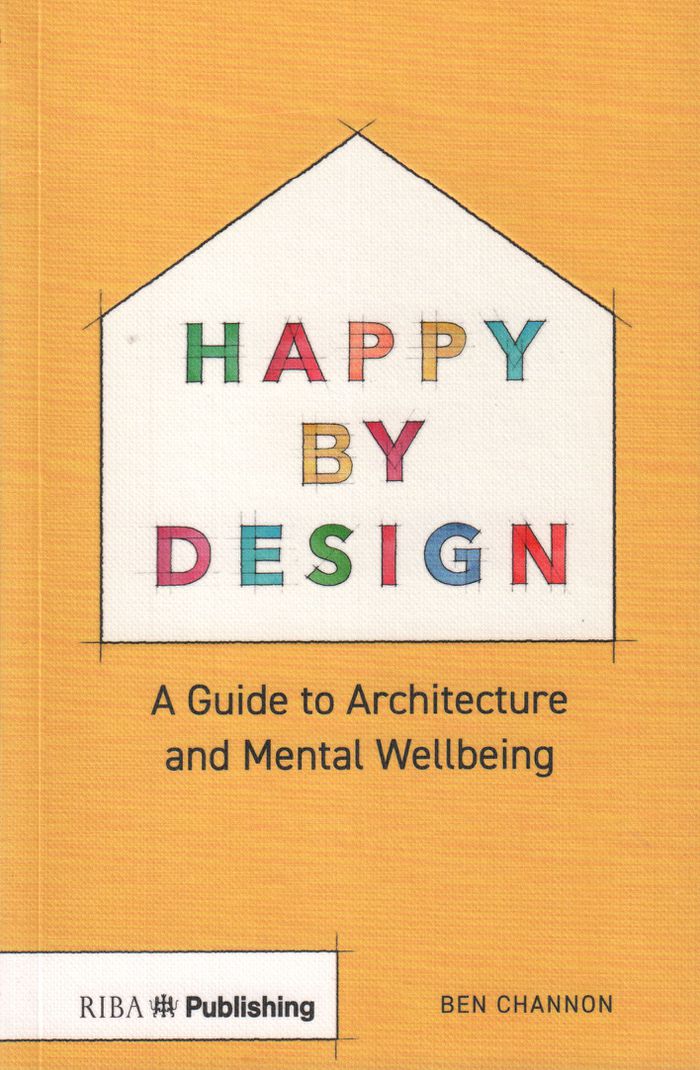
Can good design truly make us happier? Given that we spend over 80% of our time in buildings, shouldn't we have a better understanding of how they make us feel? This book explores the ways in which buildings, spaces and cities affect our moods. It reveals how architecture and design can make us happy and support mental health, and explains how poor design can have the opposite effect.
Happy by design: a guide to architecture and mental wellbeing
Actions:
Price:
$37.50
(available to order)
Summary:
Can good design truly make us happier? Given that we spend over 80% of our time in buildings, shouldn't we have a better understanding of how they make us feel? This book explores the ways in which buildings, spaces and cities affect our moods. It reveals how architecture and design can make us happy and support mental health, and explains how poor design can have the opposite effect.
Form:
books
books
Publication:
September 2018
September 2018
Subject:
Architectural Theory
Architectural Theory
Form:
books
books
Actions:
Price:
$60.95
(available to order)
Summary:
Mussolini’s bold claims upon the monuments and rhetoric of ancient Rome have been the subject of a number of recent books. D. Medina Lasansky shows us a much less familiar side of the cultural politics of Italian Fascism, tracing its wide-ranging efforts to adapt the nation’s medieval and Renaissance heritage to satisfy the regime’s programs of national regeneration.(...)
$60.95
(available to order)
Summary:
Mussolini’s bold claims upon the monuments and rhetoric of ancient Rome have been the subject of a number of recent books. D. Medina Lasansky shows us a much less familiar side of the cultural politics of Italian Fascism, tracing its wide-ranging efforts to adapt the nation’s medieval and Renaissance heritage to satisfy the regime’s programs of national regeneration.(...)
Title:
The Renaissance perfected: architecture, spectacle, and tourism in Fascist Italy
Actions:
Price:
$60.95
(available to order)
Summary:
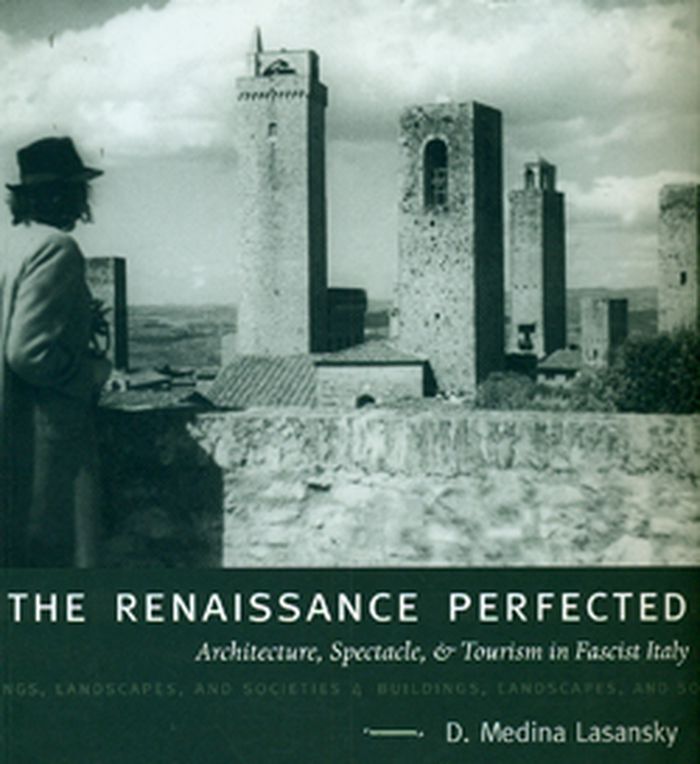
Mussolini’s bold claims upon the monuments and rhetoric of ancient Rome have been the subject of a number of recent books. D. Medina Lasansky shows us a much less familiar side of the cultural politics of Italian Fascism, tracing its wide-ranging efforts to adapt the nation’s medieval and Renaissance heritage to satisfy the regime’s programs of national regeneration. Anyone acquainted with the beauties of Tuscany will be surprised to learn that architects, planners, and administrators working within Fascist programs fabricated much of what today’s tourists admire as authentic. Public squares, town halls, palaces, gardens, and civic rituals (including the famed palio of Siena) were all "restored" to suit a vision of the past shaped by Fascist notions of virile power, social order, and national achievement in the arts. Ultimately, Lasansky forces readers to question long-standing assumptions about the Renaissance even as she expands the parameters of what constitutes Fascist culture.The arguments in The Renaissance Perfected are based in fresh archival evidence and a rich collection of illustrations, many reproduced for the first time, ranging from photographs and architectural drawings to tourist posters and film stills. Lasansky’s groundbreaking book will be essential reading for students of medieval, Renaissance, and twentieth-century Italy as well as all those concerned with visual culture, architectural preservation, heritage studies, and tourism studies.
The Renaissance perfected: architecture, spectacle, and tourism in Fascist Italy
Actions:
Price:
$60.95
(available to order)
Summary:
Mussolini’s bold claims upon the monuments and rhetoric of ancient Rome have been the subject of a number of recent books. D. Medina Lasansky shows us a much less familiar side of the cultural politics of Italian Fascism, tracing its wide-ranging efforts to adapt the nation’s medieval and Renaissance heritage to satisfy the regime’s programs of national regeneration. Anyone acquainted with the beauties of Tuscany will be surprised to learn that architects, planners, and administrators working within Fascist programs fabricated much of what today’s tourists admire as authentic. Public squares, town halls, palaces, gardens, and civic rituals (including the famed palio of Siena) were all "restored" to suit a vision of the past shaped by Fascist notions of virile power, social order, and national achievement in the arts. Ultimately, Lasansky forces readers to question long-standing assumptions about the Renaissance even as she expands the parameters of what constitutes Fascist culture.The arguments in The Renaissance Perfected are based in fresh archival evidence and a rich collection of illustrations, many reproduced for the first time, ranging from photographs and architectural drawings to tourist posters and film stills. Lasansky’s groundbreaking book will be essential reading for students of medieval, Renaissance, and twentieth-century Italy as well as all those concerned with visual culture, architectural preservation, heritage studies, and tourism studies.
Form:
books
books
Publication:
May 2009
May 2009
Subject:
Architectural Theory
Architectural Theory
Form:
books
books
Actions:
Price:
$62.50
(available to order)
Summary:
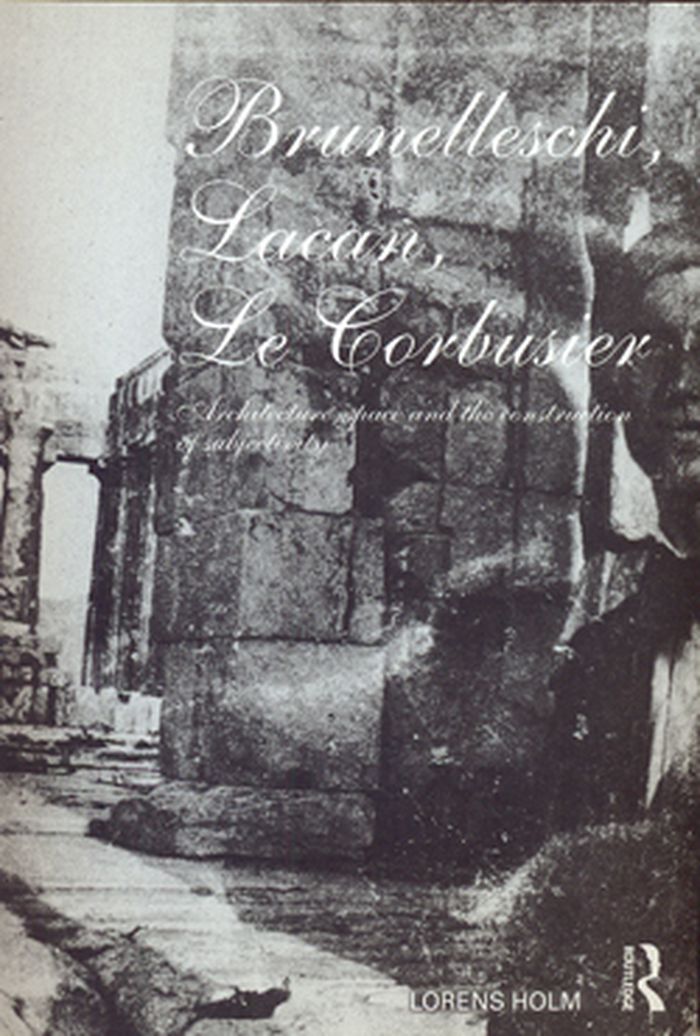
This text provides a greater understanding of spatial issues in the field of architecture. Re-interpreting the fifteenth century demonstration of perspective, Lorens Holm puts it in relation to today’s theories of subjectivity and elaborates for the first time the theoretical link between architecture and psychoanalysis. Divided into three sections, 'Brunelleschi,(...)
$62.50
(available to order)
Summary:
This text provides a greater understanding of spatial issues in the field of architecture. Re-interpreting the fifteenth century demonstration of perspective, Lorens Holm puts it in relation to today’s theories of subjectivity and elaborates for the first time the theoretical link between architecture and psychoanalysis. Divided into three sections, 'Brunelleschi,(...)
Title:
Brunelleschi, Lacan, Le Corbusier : architecture, space and the construction of subjectivity
Actions:
Price:
$62.50
(available to order)
Summary:
This text provides a greater understanding of spatial issues in the field of architecture. Re-interpreting the fifteenth century demonstration of perspective, Lorens Holm puts it in relation to today’s theories of subjectivity and elaborates for the first time the theoretical link between architecture and psychoanalysis. Divided into three sections, 'Brunelleschi, Lacan, Le Corbusier' argues that perspective remains the primary and most satisfying way of representing form, because it is the paradigmatic form of spatial consciousness.
Brunelleschi, Lacan, Le Corbusier : architecture, space and the construction of subjectivity
Actions:
Price:
$62.50
(available to order)
Summary:
This text provides a greater understanding of spatial issues in the field of architecture. Re-interpreting the fifteenth century demonstration of perspective, Lorens Holm puts it in relation to today’s theories of subjectivity and elaborates for the first time the theoretical link between architecture and psychoanalysis. Divided into three sections, 'Brunelleschi, Lacan, Le Corbusier' argues that perspective remains the primary and most satisfying way of representing form, because it is the paradigmatic form of spatial consciousness.
Form:
books
books
Publication:
December 2009
December 2009
Subject:
Architectural Theory
Architectural Theory
Form:
books
books
Actions:
Price:
$74.95
(available to order)
Summary:
The experience of movement, of moving through buildings, cities, landscapes and in everyday life, is the only involvement most individuals have with the built environment on a daily basis. User experience is so often neglected in architectural study and practice. Architecture and Movement tackles this complex subject for the first time, providing the wide range of(...)
$74.95
(available to order)
Summary:
The experience of movement, of moving through buildings, cities, landscapes and in everyday life, is the only involvement most individuals have with the built environment on a daily basis. User experience is so often neglected in architectural study and practice. Architecture and Movement tackles this complex subject for the first time, providing the wide range of(...)
Title:
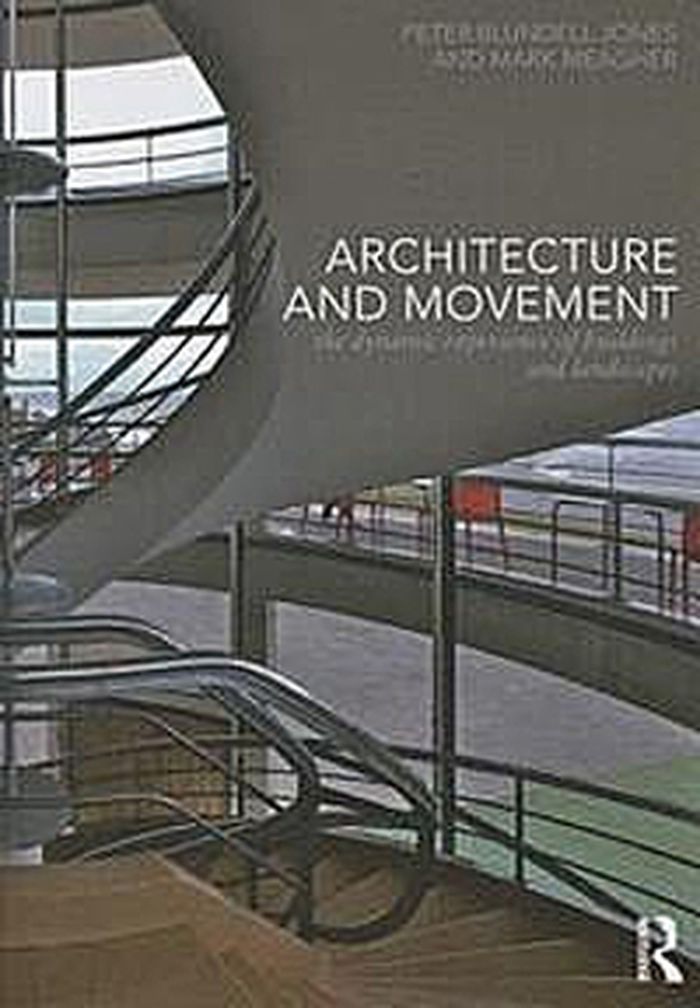
Architecture and movement : the dynamic experience of building and landscapes
Actions:
Price:
$74.95
(available to order)
Summary:
The experience of movement, of moving through buildings, cities, landscapes and in everyday life, is the only involvement most individuals have with the built environment on a daily basis. User experience is so often neglected in architectural study and practice. Architecture and Movement tackles this complex subject for the first time, providing the wide range of perspectives needed to tackle this multi-disciplinary topic.
Architecture and movement : the dynamic experience of building and landscapes
Actions:
Price:
$74.95
(available to order)
Summary:
The experience of movement, of moving through buildings, cities, landscapes and in everyday life, is the only involvement most individuals have with the built environment on a daily basis. User experience is so often neglected in architectural study and practice. Architecture and Movement tackles this complex subject for the first time, providing the wide range of perspectives needed to tackle this multi-disciplinary topic.
Form:
books
books
Publication:
January 2015
January 2015
Subject:
Architectural Theory
Architectural Theory
Form:
books
books
Price:
$75.00
(available to order)
Summary:
The retro-futuristic epoch is one of the most visually spectacular in architecture's history. This book compiles radical ideas and visionary structures. The notion of utopia proves as diverse as it does universal. From exuberant master plans to singular architectural expressions, the rise of the utopian architectural movement in the 1960s and 1970s represents a critical(...)
$75.00
(available to order)
Summary:
The retro-futuristic epoch is one of the most visually spectacular in architecture's history. This book compiles radical ideas and visionary structures. The notion of utopia proves as diverse as it does universal. From exuberant master plans to singular architectural expressions, the rise of the utopian architectural movement in the 1960s and 1970s represents a critical(...)
Title:
The tale of tomorrow: utopian architecture in the modernist realm
Actions:
Price:
$75.00
(available to order)
Summary:
The retro-futuristic epoch is one of the most visually spectacular in architecture's history. This book compiles radical ideas and visionary structures. The notion of utopia proves as diverse as it does universal. From exuberant master plans to singular architectural expressions, the rise of the utopian architectural movement in the 1960s and 1970s represents a critical shift in ideology away from mid-century traditionalism. This period shakes off the conformity and conventions of the 1950s in favor of a more experimental post-war agenda. Marked by groundbreaking reinterpretations of both the single family house as well as more large scale developments, the embrace of utopian and generally progressive thinking mirrored the cultural revolution of the times. These daring, charming, futuristic, and hopeful designs were not isolated to a particular part of the world. Visionary voices longing for a fresh approach to architecture began appearing across France, Japan, the United States, and beyond. The Tale of Tomorrow documents this prolific era in architecture--a time when anything felt possible as architects began to think further and further outside the box. 'The Tale of Tomorrow' focuses exclusively on built manifestations of utopian ideas. Highlighting well-known projects as well as the more obscure, the collection of utopian approaches compiled here maintain their visual power and infectious optimism nearly half a century later. These experimental structures, both large and small, appear in everyday places in stark contrast to their far-from-utopian contexts.
The tale of tomorrow: utopian architecture in the modernist realm
Actions:
Price:
$75.00
(available to order)
Summary:
The retro-futuristic epoch is one of the most visually spectacular in architecture's history. This book compiles radical ideas and visionary structures. The notion of utopia proves as diverse as it does universal. From exuberant master plans to singular architectural expressions, the rise of the utopian architectural movement in the 1960s and 1970s represents a critical shift in ideology away from mid-century traditionalism. This period shakes off the conformity and conventions of the 1950s in favor of a more experimental post-war agenda. Marked by groundbreaking reinterpretations of both the single family house as well as more large scale developments, the embrace of utopian and generally progressive thinking mirrored the cultural revolution of the times. These daring, charming, futuristic, and hopeful designs were not isolated to a particular part of the world. Visionary voices longing for a fresh approach to architecture began appearing across France, Japan, the United States, and beyond. The Tale of Tomorrow documents this prolific era in architecture--a time when anything felt possible as architects began to think further and further outside the box. 'The Tale of Tomorrow' focuses exclusively on built manifestations of utopian ideas. Highlighting well-known projects as well as the more obscure, the collection of utopian approaches compiled here maintain their visual power and infectious optimism nearly half a century later. These experimental structures, both large and small, appear in everyday places in stark contrast to their far-from-utopian contexts.
Form:
books
books
Publication:
April 2015
April 2015
Subject:
Experimentale architecture
Experimentale architecture
Form:
books
books
Actions:
Price:
$65.00
(available to order)
Summary:
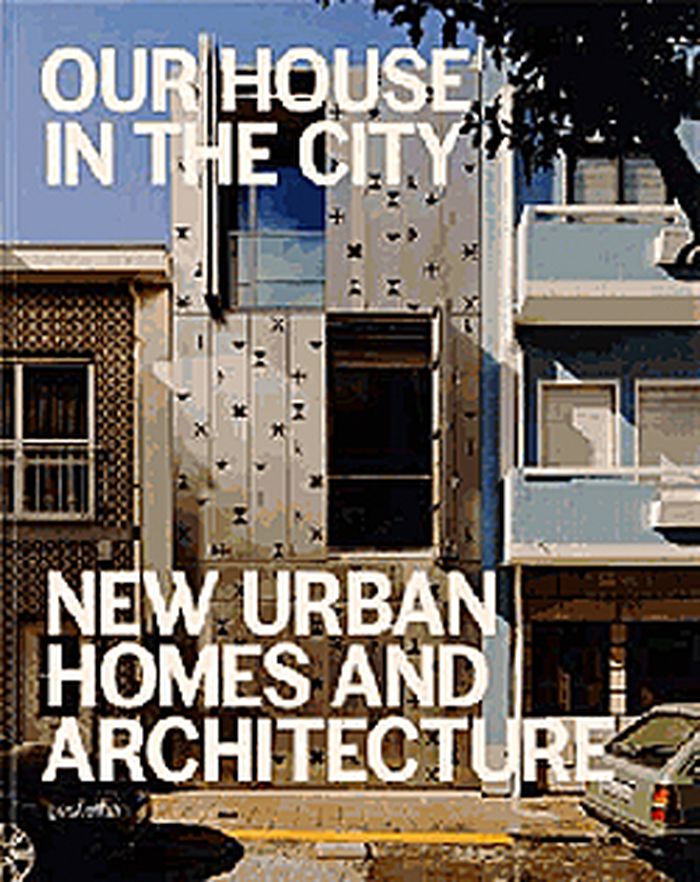
Our house in the city showcases original solutions and unusual locations for contemporary single-family homes in urban areas.
$65.00
(available to order)
Summary:
Our house in the city showcases original solutions and unusual locations for contemporary single-family homes in urban areas.
Title:
Our house in the city: new urban homes and architecture
Actions:
Price:
$65.00
(available to order)
Summary:
Our house in the city showcases original solutions and unusual locations for contemporary single-family homes in urban areas.
Our house in the city: new urban homes and architecture
Actions:
Price:
$65.00
(available to order)
Summary:
Our house in the city showcases original solutions and unusual locations for contemporary single-family homes in urban areas.
Form:
books
books
Publication:
February 2015
February 2015
Subject:
Residential Architecture
Residential Architecture
Form:
books
books
Price:
$62.95
(available in store)
Summary:
Hawksmoor wasn’t always appreciated, however: for decades after his death, he was seen as at best a second-rate talent. From the Shadows tells the story of the resurrection of his reputation, showing how over the years his work was ignored, abused, and altered—and, finally, recovered and celebrated. It is a story of the triumph of talent and of the power of appreciative(...)
$62.95
(available in store)
Summary:
Hawksmoor wasn’t always appreciated, however: for decades after his death, he was seen as at best a second-rate talent. From the Shadows tells the story of the resurrection of his reputation, showing how over the years his work was ignored, abused, and altered—and, finally, recovered and celebrated. It is a story of the triumph of talent and of the power of appreciative(...)
Title:
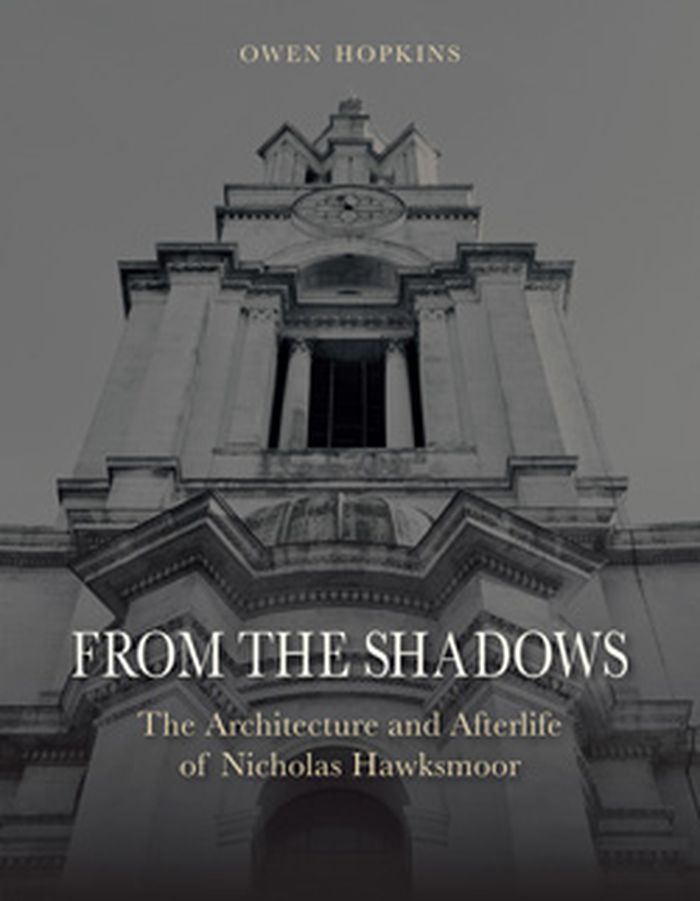
From the shadows: the architecture and afterlife of Nicholas Hawksmoor
Actions:
Price:
$62.95
(available in store)
Summary:
Hawksmoor wasn’t always appreciated, however: for decades after his death, he was seen as at best a second-rate talent. From the Shadows tells the story of the resurrection of his reputation, showing how over the years his work was ignored, abused, and altered—and, finally, recovered and celebrated. It is a story of the triumph of talent and of the power of appreciative admirers like T. S. Eliot, James Stirling, Robert Venturi, and Peter Ackroyd, all of whom played a role in the twentieth-century recovery of Hawksmoor’s reputation.
From the shadows: the architecture and afterlife of Nicholas Hawksmoor
Actions:
Price:
$62.95
(available in store)
Summary:
Hawksmoor wasn’t always appreciated, however: for decades after his death, he was seen as at best a second-rate talent. From the Shadows tells the story of the resurrection of his reputation, showing how over the years his work was ignored, abused, and altered—and, finally, recovered and celebrated. It is a story of the triumph of talent and of the power of appreciative admirers like T. S. Eliot, James Stirling, Robert Venturi, and Peter Ackroyd, all of whom played a role in the twentieth-century recovery of Hawksmoor’s reputation.
Form:
books
books
Publication:
November 2015
November 2015
Subject:
Architectural Theory
Architectural Theory
Form:
books
books
Price:
$32.95
(available to order)
Summary:
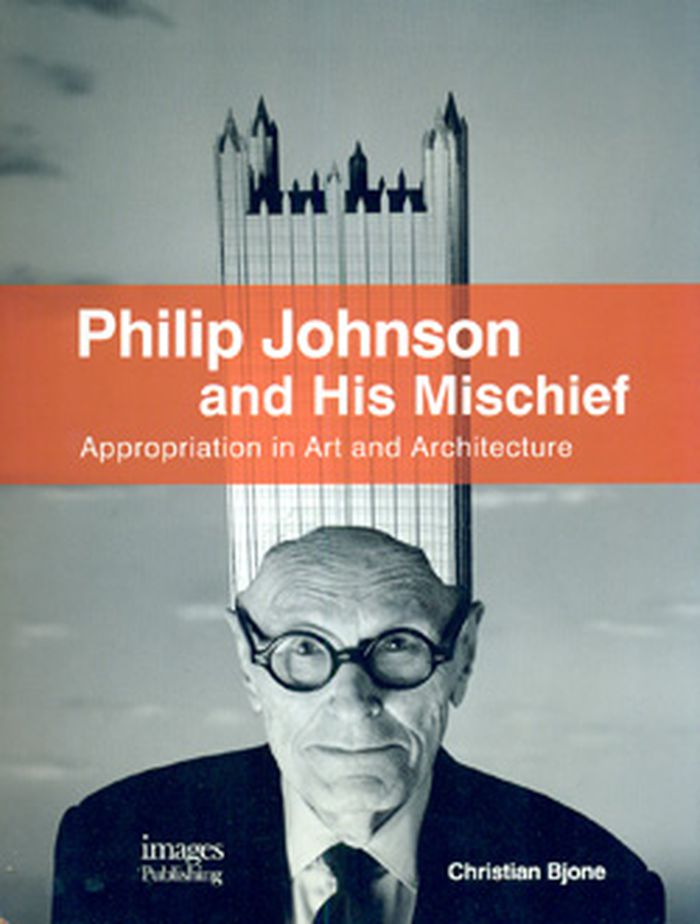
This publication looks at the concept of appropriation and how Johnson's style was influenced first by his mentor, Mies van der Rohe, and then by post-modern ideas and artists. Charting his career through the 1980s and beyond, this title serves to review Johnson's body of work and show that, far from being a weakness, his use of appropriation was a major part of his(...)
$32.95
(available to order)
Summary:
This publication looks at the concept of appropriation and how Johnson's style was influenced first by his mentor, Mies van der Rohe, and then by post-modern ideas and artists. Charting his career through the 1980s and beyond, this title serves to review Johnson's body of work and show that, far from being a weakness, his use of appropriation was a major part of his(...)
Title:
Philip Johnson and his mischief: appropriation in art and architecture
Actions:
Price:
$32.95
(available to order)
Summary:
This publication looks at the concept of appropriation and how Johnson's style was influenced first by his mentor, Mies van der Rohe, and then by post-modern ideas and artists. Charting his career through the 1980s and beyond, this title serves to review Johnson's body of work and show that, far from being a weakness, his use of appropriation was a major part of his innovative success.
Philip Johnson and his mischief: appropriation in art and architecture
Actions:
Price:
$32.95
(available to order)
Summary:
This publication looks at the concept of appropriation and how Johnson's style was influenced first by his mentor, Mies van der Rohe, and then by post-modern ideas and artists. Charting his career through the 1980s and beyond, this title serves to review Johnson's body of work and show that, far from being a weakness, his use of appropriation was a major part of his innovative success.
Form:
books
books
Publication:
October 2013
October 2013
Subject:
Architecture Monographs
Architecture Monographs


