


12071 Results
Form:
books
books
Actions:
Price:
$46.00
(available to order)
Summary:
Lessons from Modernism provides new insights into 25 buildings by a diverse selection of architects, including Frank Lloyd Wright, Paul Rudolph, Jean Prouvé, and Arne Jacobsen, and demonstrates how these architects integrated environmental concerns into their designs. Buildings are located across the United States, Central and South America, Cuba, Japan and more—and(...)
$46.00
(available to order)
Summary:
Lessons from Modernism provides new insights into 25 buildings by a diverse selection of architects, including Frank Lloyd Wright, Paul Rudolph, Jean Prouvé, and Arne Jacobsen, and demonstrates how these architects integrated environmental concerns into their designs. Buildings are located across the United States, Central and South America, Cuba, Japan and more—and(...)
Title:
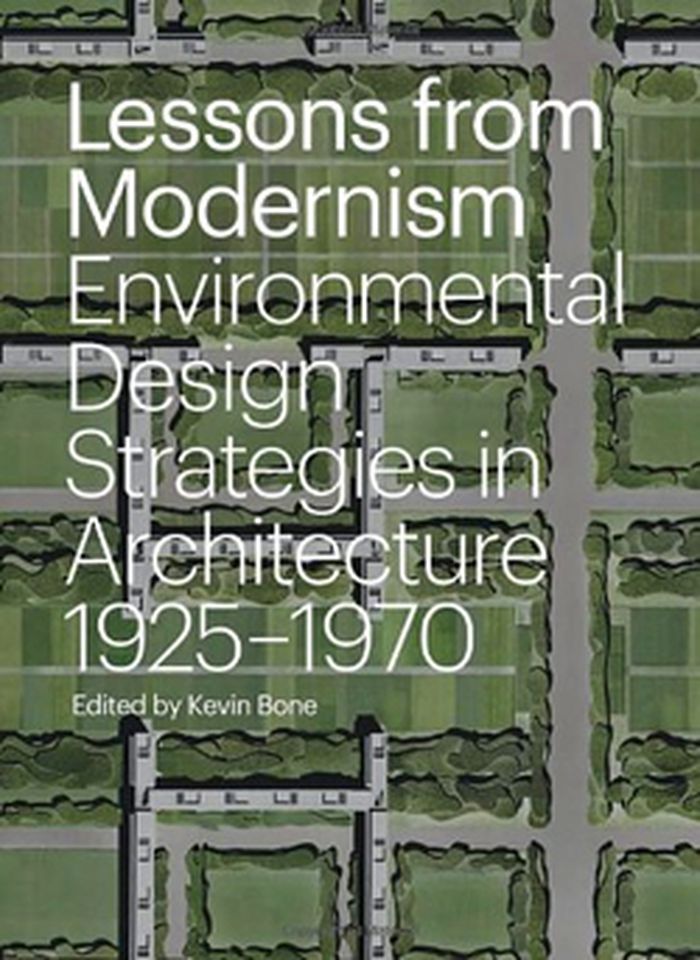
Lessons from modernism: environmental design strategies in architecture 1925-1970
Actions:
Price:
$46.00
(available to order)
Summary:
Lessons from Modernism provides new insights into 25 buildings by a diverse selection of architects, including Frank Lloyd Wright, Paul Rudolph, Jean Prouvé, and Arne Jacobsen, and demonstrates how these architects integrated environmental concerns into their designs. Buildings are located across the United States, Central and South America, Cuba, Japan and more—and include houses, art centers, commercial buildings, and civic buildings.
Lessons from modernism: environmental design strategies in architecture 1925-1970
Actions:
Price:
$46.00
(available to order)
Summary:
Lessons from Modernism provides new insights into 25 buildings by a diverse selection of architects, including Frank Lloyd Wright, Paul Rudolph, Jean Prouvé, and Arne Jacobsen, and demonstrates how these architects integrated environmental concerns into their designs. Buildings are located across the United States, Central and South America, Cuba, Japan and more—and include houses, art centers, commercial buildings, and civic buildings.
Form:
books
books
Publication:
May 2014
May 2014
Subject:
Green Architecture
Green Architecture
Form:
books
books
Price:
$70.00
(available to order)
Summary:
As the 1960s became The Sixties, architect Horace Gifford executed a remarkable series of beach houses that transformed the terrain and culture of New York’s Fire Island. Gifford’s serene 1960s pavilions provided refuge from a hostile world, while his exuberant post-Stonewall, pre-AIDS masterpieces orchestrated bacchanals of liberation. Blending cultural and architectural(...)
$70.00
(available to order)
Summary:
As the 1960s became The Sixties, architect Horace Gifford executed a remarkable series of beach houses that transformed the terrain and culture of New York’s Fire Island. Gifford’s serene 1960s pavilions provided refuge from a hostile world, while his exuberant post-Stonewall, pre-AIDS masterpieces orchestrated bacchanals of liberation. Blending cultural and architectural(...)
Title:
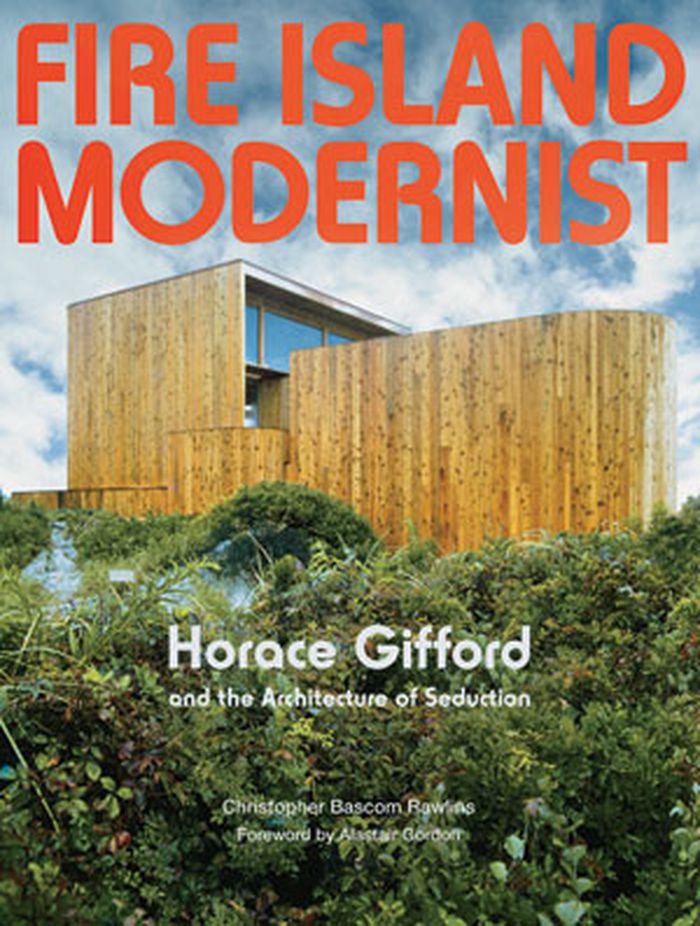
Fire island modernist : Horace Gifford and the architecture of seduction
Actions:
Price:
$70.00
(available to order)
Summary:
As the 1960s became The Sixties, architect Horace Gifford executed a remarkable series of beach houses that transformed the terrain and culture of New York’s Fire Island. Gifford’s serene 1960s pavilions provided refuge from a hostile world, while his exuberant post-Stonewall, pre-AIDS masterpieces orchestrated bacchanals of liberation. Blending cultural and architectural history, Fire Island Modernist ponders a fascinating era through an overlooked architect whose life, work and colorful milieu trace the operatic arc of a lost generation, and still resonate with artistic and historical import.
Fire island modernist : Horace Gifford and the architecture of seduction
Actions:
Price:
$70.00
(available to order)
Summary:
As the 1960s became The Sixties, architect Horace Gifford executed a remarkable series of beach houses that transformed the terrain and culture of New York’s Fire Island. Gifford’s serene 1960s pavilions provided refuge from a hostile world, while his exuberant post-Stonewall, pre-AIDS masterpieces orchestrated bacchanals of liberation. Blending cultural and architectural history, Fire Island Modernist ponders a fascinating era through an overlooked architect whose life, work and colorful milieu trace the operatic arc of a lost generation, and still resonate with artistic and historical import.
Form:
books
books
Publication:
April 2013
April 2013
Subject:
Architecture Monographs
Architecture Monographs
Form:
books
books

Actions:
Price:
$24.95
(available in store)
Summary:
En quoi la nécessité pour l'être humain de maintenir la température du corps à 37 °C engendre-t-elle l'apparition de l'architecture ? Comment un simple grenier à blé devient-il la ville ? Pourquoi l'iode a-t-il provoqué l'urbanisation du littoral ?. Dans cet ouvrage, l'architecte Philippe Rahm met en lumière les causes physiques, biologiques, climatiques ou sanitaires qui(...)
$24.95
(available in store)
Summary:
En quoi la nécessité pour l'être humain de maintenir la température du corps à 37 °C engendre-t-elle l'apparition de l'architecture ? Comment un simple grenier à blé devient-il la ville ? Pourquoi l'iode a-t-il provoqué l'urbanisation du littoral ?. Dans cet ouvrage, l'architecte Philippe Rahm met en lumière les causes physiques, biologiques, climatiques ou sanitaires qui(...)
Title:
Histoire naturelle de l'architecture : Comment le climat, les épidémies et l'énergie ont façonné la ville et les bâtiments
Actions:
Price:
$24.95
(available in store)
Summary:
En quoi la nécessité pour l'être humain de maintenir la température du corps à 37 °C engendre-t-elle l'apparition de l'architecture ? Comment un simple grenier à blé devient-il la ville ? Pourquoi l'iode a-t-il provoqué l'urbanisation du littoral ?. Dans cet ouvrage, l'architecte Philippe Rahm met en lumière les causes physiques, biologiques, climatiques ou sanitaires qui ont influencé l'histoire architecturale et provoqué le surgissement de ses diverses formes, de la préhistoire à nos jours. Relire l'histoire de l'architecture à partir de ces données naturelles longtemps ignorées par l'historiographie du XXe siècle permet d'affronter les défis environnementaux majeurs de notre siècle et de mieux construire dorénavant face à l'urgence climatique.
Histoire naturelle de l'architecture : Comment le climat, les épidémies et l'énergie ont façonné la ville et les bâtiments
Actions:
Price:
$24.95
(available in store)
Summary:
En quoi la nécessité pour l'être humain de maintenir la température du corps à 37 °C engendre-t-elle l'apparition de l'architecture ? Comment un simple grenier à blé devient-il la ville ? Pourquoi l'iode a-t-il provoqué l'urbanisation du littoral ?. Dans cet ouvrage, l'architecte Philippe Rahm met en lumière les causes physiques, biologiques, climatiques ou sanitaires qui ont influencé l'histoire architecturale et provoqué le surgissement de ses diverses formes, de la préhistoire à nos jours. Relire l'histoire de l'architecture à partir de ces données naturelles longtemps ignorées par l'historiographie du XXe siècle permet d'affronter les défis environnementaux majeurs de notre siècle et de mieux construire dorénavant face à l'urgence climatique.
Form:
books
books
Publication:
January 2024
January 2024
Subject:
Architectural Theory
Architectural Theory
Form:
books
books
Price:
$30.00
(available in store)
Summary:
Architecture is often thought to be a diary of a society, filled with symbolic representations of specific cultural moments. However, as Craig L. Wilkins observes, that diary includes far too few narratives of the diverse cultures in U.S. society. Wilkins states that the discipline of architecture has a resistance to African Americans at every level, from the startlingly(...)
$30.00
(available in store)
Summary:
Architecture is often thought to be a diary of a society, filled with symbolic representations of specific cultural moments. However, as Craig L. Wilkins observes, that diary includes far too few narratives of the diverse cultures in U.S. society. Wilkins states that the discipline of architecture has a resistance to African Americans at every level, from the startlingly(...)
Title:
The Aesthetics of equity: notes on race, space, architecture, and music
Actions:
Price:
$30.00
(available in store)
Summary:
Architecture is often thought to be a diary of a society, filled with symbolic representations of specific cultural moments. However, as Craig L. Wilkins observes, that diary includes far too few narratives of the diverse cultures in U.S. society. Wilkins states that the discipline of architecture has a resistance to African Americans at every level, from the startlingly small number of architecture students to the paltry number of registered architects in the United States today. Working to understand how ideologies are formed, transmitted, and embedded in the built environment, Wilkins deconstructs how the marginalization of African Americans is authorized within the field of architecture. He then outlines how activist forms of expression shape and sustain communities, fashioning an architectural theory around the site of environmental conflict constructed by hip-hop culture. Wilkins places his concerns in a historical context, and also offers practical solutions to address them. In doing so, he reveals new possibilities for an architecture that acknowledges its current shortcomings and replies to the needs of multicultural constituencies.
The Aesthetics of equity: notes on race, space, architecture, and music
Actions:
Price:
$30.00
(available in store)
Summary:
Architecture is often thought to be a diary of a society, filled with symbolic representations of specific cultural moments. However, as Craig L. Wilkins observes, that diary includes far too few narratives of the diverse cultures in U.S. society. Wilkins states that the discipline of architecture has a resistance to African Americans at every level, from the startlingly small number of architecture students to the paltry number of registered architects in the United States today. Working to understand how ideologies are formed, transmitted, and embedded in the built environment, Wilkins deconstructs how the marginalization of African Americans is authorized within the field of architecture. He then outlines how activist forms of expression shape and sustain communities, fashioning an architectural theory around the site of environmental conflict constructed by hip-hop culture. Wilkins places his concerns in a historical context, and also offers practical solutions to address them. In doing so, he reveals new possibilities for an architecture that acknowledges its current shortcomings and replies to the needs of multicultural constituencies.
Form:
books
books
Publication:
October 2007
October 2007
Subject:
Architectural Theory
Architectural Theory
Form:
books
books
Price:
$51.50
(available in store)
Summary:
The city of Homs, like so many places in Syria, has suffered mass destruction since the war began in 2011. So far, the architectural response to the crisis has focused on ''cultural heritage'', ancient architecture, and the external displacement of refugees, often neglecting the everyday lives of Syrians and the buildings that make up their homes and communities. In(...)
$51.50
(available in store)
Summary:
The city of Homs, like so many places in Syria, has suffered mass destruction since the war began in 2011. So far, the architectural response to the crisis has focused on ''cultural heritage'', ancient architecture, and the external displacement of refugees, often neglecting the everyday lives of Syrians and the buildings that make up their homes and communities. In(...)
Title:
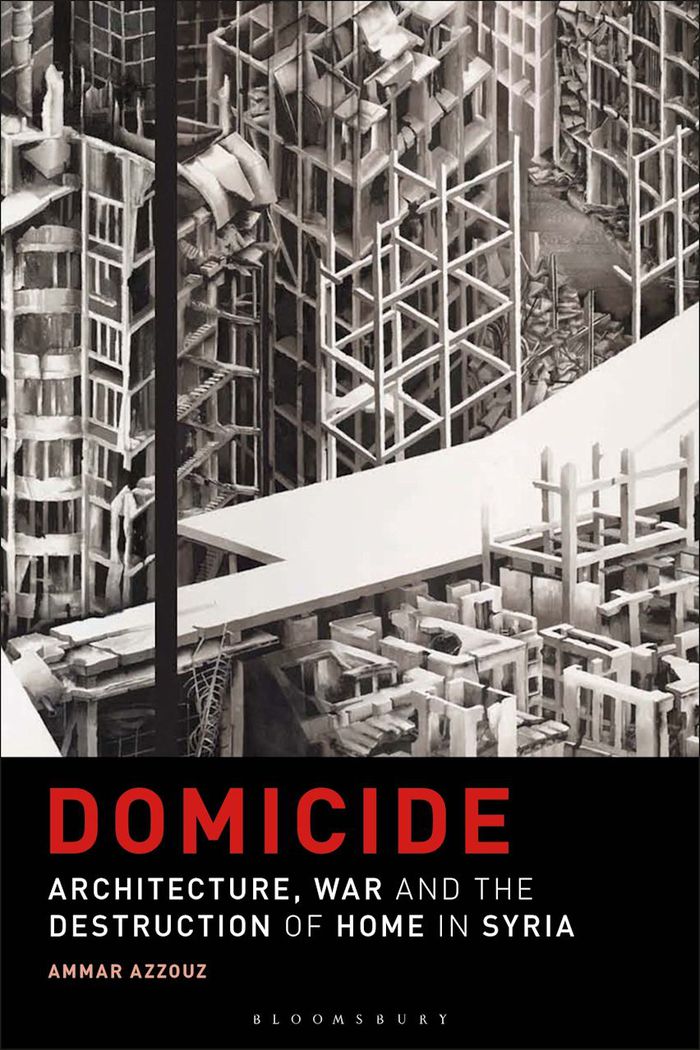
Domicide: Architecture, war and the destruction of home in Syria
Actions:
Price:
$51.50
(available in store)
Summary:
The city of Homs, like so many places in Syria, has suffered mass destruction since the war began in 2011. So far, the architectural response to the crisis has focused on ''cultural heritage'', ancient architecture, and the external displacement of refugees, often neglecting the everyday lives of Syrians and the buildings that make up their homes and communities. In ''Domicide'', Ammar Azzouz uses the notion of the 'home' to address the destruction in cities like Homs, the displacement of Syrian people both externally and internally, and to explore how cities can be rebuilt without causing further damage to the communities that live there. Drawing on interviews with those working in the built environment professions, both inside and outside of Syria, but also Syrians from other backgrounds who have become architects in their own way as they were forced to repair and rebuild their homes by themselves, Domicide offers fresh insight into the role of the architect during time of war, and explores how the future reconstruction of cities should mirror the wants and needs, the traditions and ways of living, of local communities. Focusing on Homs but offering a blueprint for other urban areas of conflict across Syria and the wider world, the book is essential reading for researchers in architecture, urban planning, heritage studies and conflict studies.
Domicide: Architecture, war and the destruction of home in Syria
Actions:
Price:
$51.50
(available in store)
Summary:
The city of Homs, like so many places in Syria, has suffered mass destruction since the war began in 2011. So far, the architectural response to the crisis has focused on ''cultural heritage'', ancient architecture, and the external displacement of refugees, often neglecting the everyday lives of Syrians and the buildings that make up their homes and communities. In ''Domicide'', Ammar Azzouz uses the notion of the 'home' to address the destruction in cities like Homs, the displacement of Syrian people both externally and internally, and to explore how cities can be rebuilt without causing further damage to the communities that live there. Drawing on interviews with those working in the built environment professions, both inside and outside of Syria, but also Syrians from other backgrounds who have become architects in their own way as they were forced to repair and rebuild their homes by themselves, Domicide offers fresh insight into the role of the architect during time of war, and explores how the future reconstruction of cities should mirror the wants and needs, the traditions and ways of living, of local communities. Focusing on Homs but offering a blueprint for other urban areas of conflict across Syria and the wider world, the book is essential reading for researchers in architecture, urban planning, heritage studies and conflict studies.
Form:
books
books
Publication:
January 2025
January 2025
Subject:
Architectural Theory
Architectural Theory
Form:
books
books
Actions:
Price:
$110.00
(available to order)
Summary:
The third installment in the Dongola Architecture Series, "Provoking the territory: Bernard Khoury", explores the provocative and often polarizing practice of Lebanese architect Bernard Khoury through an intimate lens rooted in Beirut. As with previous volumes, the series privileges critical conversations over monographic celebration—this edition not only follows Khoury’s(...)
$110.00
(available to order)
Summary:
The third installment in the Dongola Architecture Series, "Provoking the territory: Bernard Khoury", explores the provocative and often polarizing practice of Lebanese architect Bernard Khoury through an intimate lens rooted in Beirut. As with previous volumes, the series privileges critical conversations over monographic celebration—this edition not only follows Khoury’s(...)
Title:
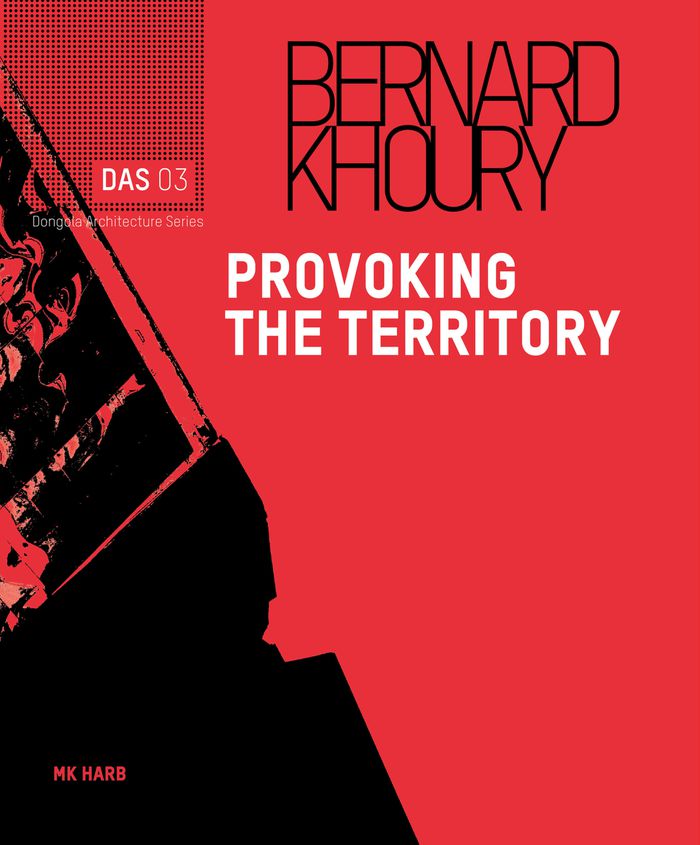
Bernard Khoury: Provoking the territory. Dongola Architecture Series DAS 03
Actions:
Price:
$110.00
(available to order)
Summary:
The third installment in the Dongola Architecture Series, "Provoking the territory: Bernard Khoury", explores the provocative and often polarizing practice of Lebanese architect Bernard Khoury through an intimate lens rooted in Beirut. As with previous volumes, the series privileges critical conversations over monographic celebration—this edition not only follows Khoury’s trajectory from student to self-reinvention in his fifties, but also presents him as both a product and provocateur of the city’s contradictions. This volume uses Khoury’s work not simply as an archive of built projects, but as an investigative framework for understanding Beirut’s urban complexities. It asks: how can an architect simultaneously challenge power and profit from it? Can one critically portray a city while being embedded in its elite networks? Following the structure of earlier volumes, "Provoking the territory" mobilizes Khoury’s thinking as a lens to reflect on regional failures to modernize, unlearn dominant fictions, and dive fearlessly into the architectural imaginaries of the Arab world. It is an invitation to confront the ethics, politics, and aesthetics of urban storytelling.
Bernard Khoury: Provoking the territory. Dongola Architecture Series DAS 03
Actions:
Price:
$110.00
(available to order)
Summary:
The third installment in the Dongola Architecture Series, "Provoking the territory: Bernard Khoury", explores the provocative and often polarizing practice of Lebanese architect Bernard Khoury through an intimate lens rooted in Beirut. As with previous volumes, the series privileges critical conversations over monographic celebration—this edition not only follows Khoury’s trajectory from student to self-reinvention in his fifties, but also presents him as both a product and provocateur of the city’s contradictions. This volume uses Khoury’s work not simply as an archive of built projects, but as an investigative framework for understanding Beirut’s urban complexities. It asks: how can an architect simultaneously challenge power and profit from it? Can one critically portray a city while being embedded in its elite networks? Following the structure of earlier volumes, "Provoking the territory" mobilizes Khoury’s thinking as a lens to reflect on regional failures to modernize, unlearn dominant fictions, and dive fearlessly into the architectural imaginaries of the Arab world. It is an invitation to confront the ethics, politics, and aesthetics of urban storytelling.
Form:
books
books
Publication:
July 2025
July 2025
Subject:
Architecture Monographs
Architecture Monographs
Form:
books
books
Actions:
Price:
$42.00
(available to order)
Summary:
By the end of the twentieth century, US architecture and engineering firms held more capital than entire countries, employed more people than were housed in most cities, and rented offices in more nations than comprised the UN. Within them, architects were designing not single buildings but urban systems, including the multinational infrastructures, legal codes, and(...)
$42.00
(available to order)
Summary:
By the end of the twentieth century, US architecture and engineering firms held more capital than entire countries, employed more people than were housed in most cities, and rented offices in more nations than comprised the UN. Within them, architects were designing not single buildings but urban systems, including the multinational infrastructures, legal codes, and(...)
Title:
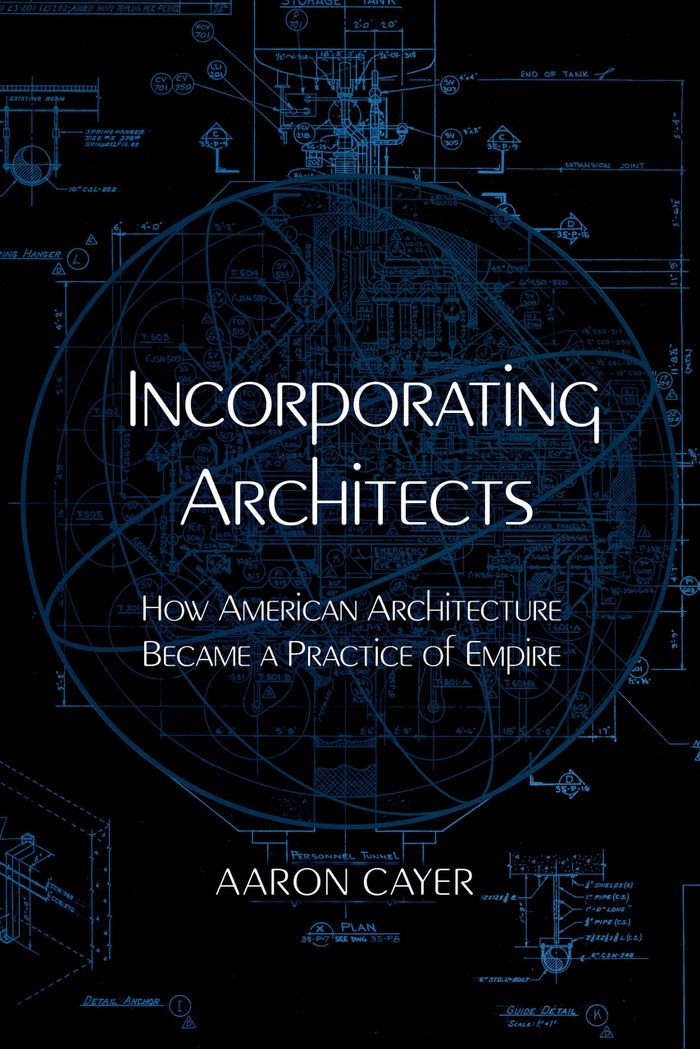
Incoporating architects: How American architecture became a practice of empire
Actions:
Price:
$42.00
(available to order)
Summary:
By the end of the twentieth century, US architecture and engineering firms held more capital than entire countries, employed more people than were housed in most cities, and rented offices in more nations than comprised the UN. Within them, architects were designing not single buildings but urban systems, including the multinational infrastructures, legal codes, and financial mechanisms on which those systems came to depend. However, despite the extraordinary power of these architects, their histories remain shrouded in myth and concealed—by design. This forensic analysis traces a history of architects at one such firm, AECOM, as they assembled their own multinational corporation and embedded themselves in the operations of American empire after World War II, shielding themselves from the instabilities of a postwar political economy. ''Incorporating Architects'' reveals how architects, through their businesses more than their drawings or buildings, modulated the political economy, gripped the reins of their profession, and produced the global injustices that define our neoliberal present.
Incoporating architects: How American architecture became a practice of empire
Actions:
Price:
$42.00
(available to order)
Summary:
By the end of the twentieth century, US architecture and engineering firms held more capital than entire countries, employed more people than were housed in most cities, and rented offices in more nations than comprised the UN. Within them, architects were designing not single buildings but urban systems, including the multinational infrastructures, legal codes, and financial mechanisms on which those systems came to depend. However, despite the extraordinary power of these architects, their histories remain shrouded in myth and concealed—by design. This forensic analysis traces a history of architects at one such firm, AECOM, as they assembled their own multinational corporation and embedded themselves in the operations of American empire after World War II, shielding themselves from the instabilities of a postwar political economy. ''Incorporating Architects'' reveals how architects, through their businesses more than their drawings or buildings, modulated the political economy, gripped the reins of their profession, and produced the global injustices that define our neoliberal present.
Form:
books
books
Publication:
June 2025
June 2025
Subject:
Architectural Theory
Architectural Theory
Form:
books
books
Price:
$134.99
(available to order)
Summary:
Comparing the work of ''Archigram'' and ''High-Tech'' architects thematically, this book explores the historical and cultural context of London to reveal their influences and interconnections and why two such radical groups emerged from a seemingly conservative city. This book examines the relationships between the work of ''Archigram'' and that of the British(...)
$134.99
(available to order)
Summary:
Comparing the work of ''Archigram'' and ''High-Tech'' architects thematically, this book explores the historical and cultural context of London to reveal their influences and interconnections and why two such radical groups emerged from a seemingly conservative city. This book examines the relationships between the work of ''Archigram'' and that of the British(...)
Title:
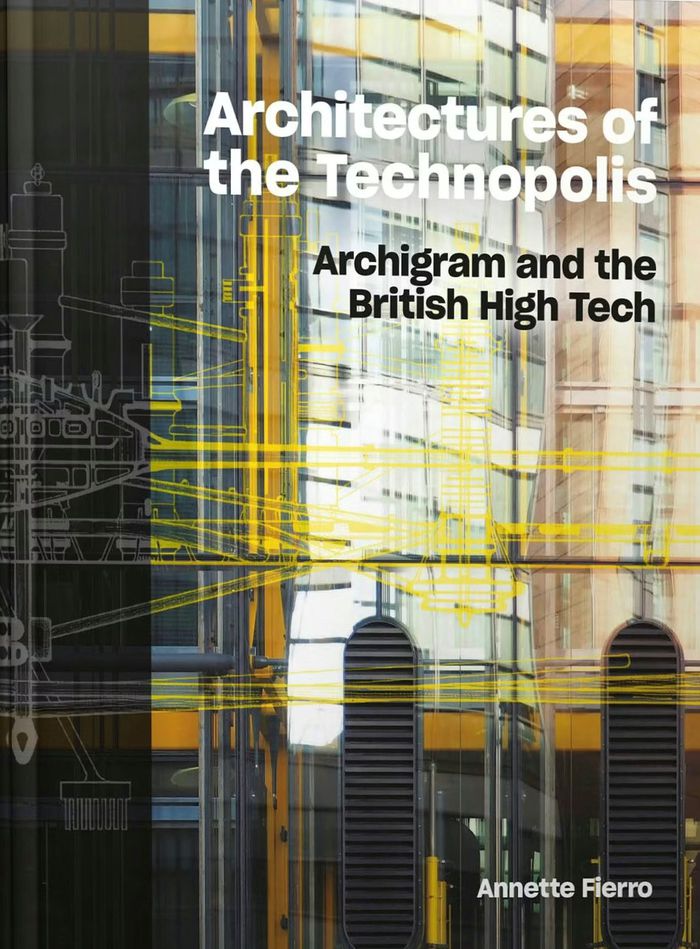
Architectures of the technopolis: Archigram and the British high tech
Actions:
Price:
$134.99
(available to order)
Summary:
Comparing the work of ''Archigram'' and ''High-Tech'' architects thematically, this book explores the historical and cultural context of London to reveal their influences and interconnections and why two such radical groups emerged from a seemingly conservative city. This book examines the relationships between the work of ''Archigram'' and that of the British ''High-Tech'' architects, groups that were based in London and developing in the 1960s and 70s. While one group consisted of academics and artists known for their humour and eccentricity and the other were a group of deadly serious architects emerging to international proliference, this book argues that they shared uncannily similar impulses. There is the self-evident commonality of language: overblown machines, kits-of-parts of pieces and components, and a disintegration of building as object in favour of the constituent elements. Underlying both movements is a mutual, undying optimism in technological process and technological expression. Set within the rich history and culture of London, the book makes its comparisons by exploring central shared ideas: utopia, engineering, theatricality, infrastructure and narrative, and the iconography of war machinery.
Architectures of the technopolis: Archigram and the British high tech
Actions:
Price:
$134.99
(available to order)
Summary:
Comparing the work of ''Archigram'' and ''High-Tech'' architects thematically, this book explores the historical and cultural context of London to reveal their influences and interconnections and why two such radical groups emerged from a seemingly conservative city. This book examines the relationships between the work of ''Archigram'' and that of the British ''High-Tech'' architects, groups that were based in London and developing in the 1960s and 70s. While one group consisted of academics and artists known for their humour and eccentricity and the other were a group of deadly serious architects emerging to international proliference, this book argues that they shared uncannily similar impulses. There is the self-evident commonality of language: overblown machines, kits-of-parts of pieces and components, and a disintegration of building as object in favour of the constituent elements. Underlying both movements is a mutual, undying optimism in technological process and technological expression. Set within the rich history and culture of London, the book makes its comparisons by exploring central shared ideas: utopia, engineering, theatricality, infrastructure and narrative, and the iconography of war machinery.
Form:
books
books
Publication:
November 2023
November 2023
Subject:
Architecture Monographs
Architecture Monographs
Form:
books
books
Price:
$49.95
(available in store)
Summary:
Where is sexuality, especially queer sexuality, in architecture? "The house is (not) a prison" approaches this question from a radically new position, looking not for a theory of queer architecture, but rather for a queer theory of architecture. Starting from a reconsideration of the foundational principles of architecture, Colin Ripley demonstrates how the division of(...)
$49.95
(available in store)
Summary:
Where is sexuality, especially queer sexuality, in architecture? "The house is (not) a prison" approaches this question from a radically new position, looking not for a theory of queer architecture, but rather for a queer theory of architecture. Starting from a reconsideration of the foundational principles of architecture, Colin Ripley demonstrates how the division of(...)
Title:
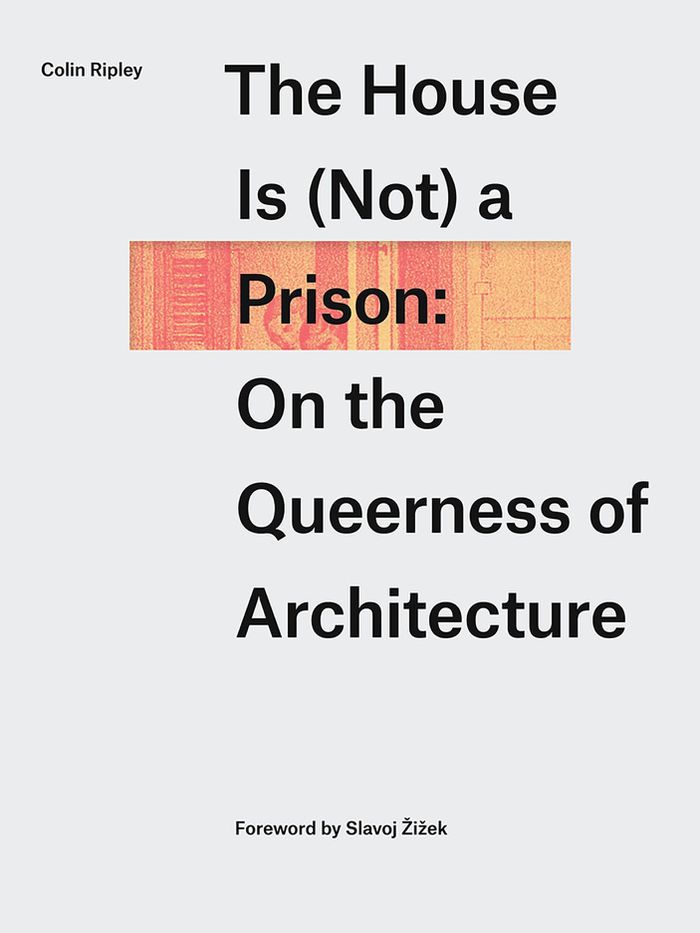
The house is (not) a prison: On the queerness of architecture
Actions:
Price:
$49.95
(available in store)
Summary:
Where is sexuality, especially queer sexuality, in architecture? "The house is (not) a prison" approaches this question from a radically new position, looking not for a theory of queer architecture, but rather for a queer theory of architecture. Starting from a reconsideration of the foundational principles of architecture, Colin Ripley demonstrates how the division of space steals land from the commons and forces separations and categories. In the process, queerness is created as an indispensable outside to architecture’s disciplinary interior.
The house is (not) a prison: On the queerness of architecture
Actions:
Price:
$49.95
(available in store)
Summary:
Where is sexuality, especially queer sexuality, in architecture? "The house is (not) a prison" approaches this question from a radically new position, looking not for a theory of queer architecture, but rather for a queer theory of architecture. Starting from a reconsideration of the foundational principles of architecture, Colin Ripley demonstrates how the division of space steals land from the commons and forces separations and categories. In the process, queerness is created as an indispensable outside to architecture’s disciplinary interior.
Form:
books
books
Publication:
December 2025
December 2025
Subject:
Architectural Theory
Architectural Theory
Form:
books
books
Actions:
Price:
$35.95
(available in store)
Summary:
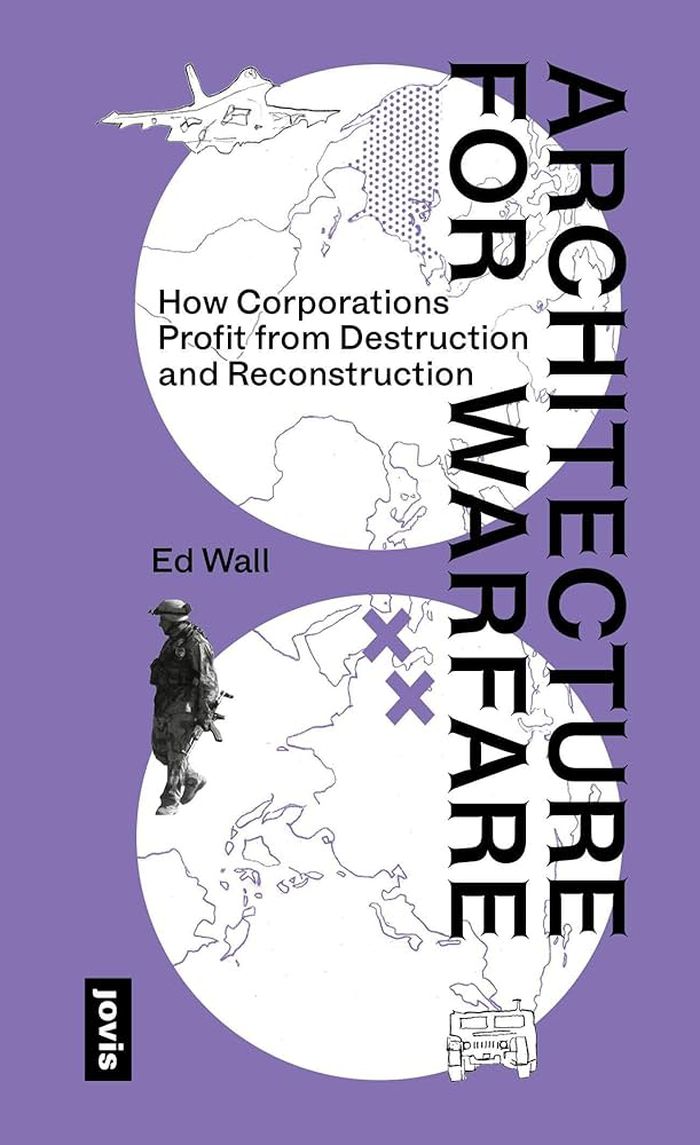
Some of the largest architecture firms have effectively become war corporations. At the same time as designing Olympic parks and world-famous buildings, they have constructed military bases, maintained weaponry, and trained personnel for wars in which hundreds of thousands of people have been killed. In some conflicts, the same firms have been contracted from invasion to(...)
$35.95
(available in store)
Summary:
Some of the largest architecture firms have effectively become war corporations. At the same time as designing Olympic parks and world-famous buildings, they have constructed military bases, maintained weaponry, and trained personnel for wars in which hundreds of thousands of people have been killed. In some conflicts, the same firms have been contracted from invasion to(...)
Title:
Architecture for warfare: How corporations profit from destruction and rerconstruction
Actions:
Price:
$35.95
(available in store)
Summary:
Some of the largest architecture firms have effectively become war corporations. At the same time as designing Olympic parks and world-famous buildings, they have constructed military bases, maintained weaponry, and trained personnel for wars in which hundreds of thousands of people have been killed. In some conflicts, the same firms have been contracted from invasion to reconstruction, including facilitating military attacks, rebuilding war-damaged infrastructure, and establishing new governments. Architecture for Warfare tells the story of a form of multidisciplinary corporation that employs architects skilled in designing structures alongside former military personnel with experience handling live-fire weapons. It highlights the tensions and contradictions within these architecture-led firms that claim to make the world a better place. The book combines personal narrative with detailed research to reveal unsettling relations between design, planning, and armed conflict.
Architecture for warfare: How corporations profit from destruction and rerconstruction
Actions:
Price:
$35.95
(available in store)
Summary:
Some of the largest architecture firms have effectively become war corporations. At the same time as designing Olympic parks and world-famous buildings, they have constructed military bases, maintained weaponry, and trained personnel for wars in which hundreds of thousands of people have been killed. In some conflicts, the same firms have been contracted from invasion to reconstruction, including facilitating military attacks, rebuilding war-damaged infrastructure, and establishing new governments. Architecture for Warfare tells the story of a form of multidisciplinary corporation that employs architects skilled in designing structures alongside former military personnel with experience handling live-fire weapons. It highlights the tensions and contradictions within these architecture-led firms that claim to make the world a better place. The book combines personal narrative with detailed research to reveal unsettling relations between design, planning, and armed conflict.
Form:
books
books
Publication:
April 2026
April 2026
Subject:
Architectural Theory
Architectural Theory


