


12071 Results
Form:
books
books
Actions:
Price:
$77.00
(available to order)
Summary:
Established by Riek Bakker and Ank Bleeker in 1977, the Bakker & Bleeker Bureau has functioned as a laboratory for the landscape design and urban planning community. Operating as Bureau B+B since 1990, the office has always taken an interdisciplinary approach, employing not just landscape architects and urban planners but also land development experts, architects and(...)
$77.00
(available to order)
Summary:
Established by Riek Bakker and Ank Bleeker in 1977, the Bakker & Bleeker Bureau has functioned as a laboratory for the landscape design and urban planning community. Operating as Bureau B+B since 1990, the office has always taken an interdisciplinary approach, employing not just landscape architects and urban planners but also land development experts, architects and(...)
Title:
Bureau B+B : urbanism and landscape architecture, collective genius 1977-2010
Actions:
Price:
$77.00
(available to order)
Summary:
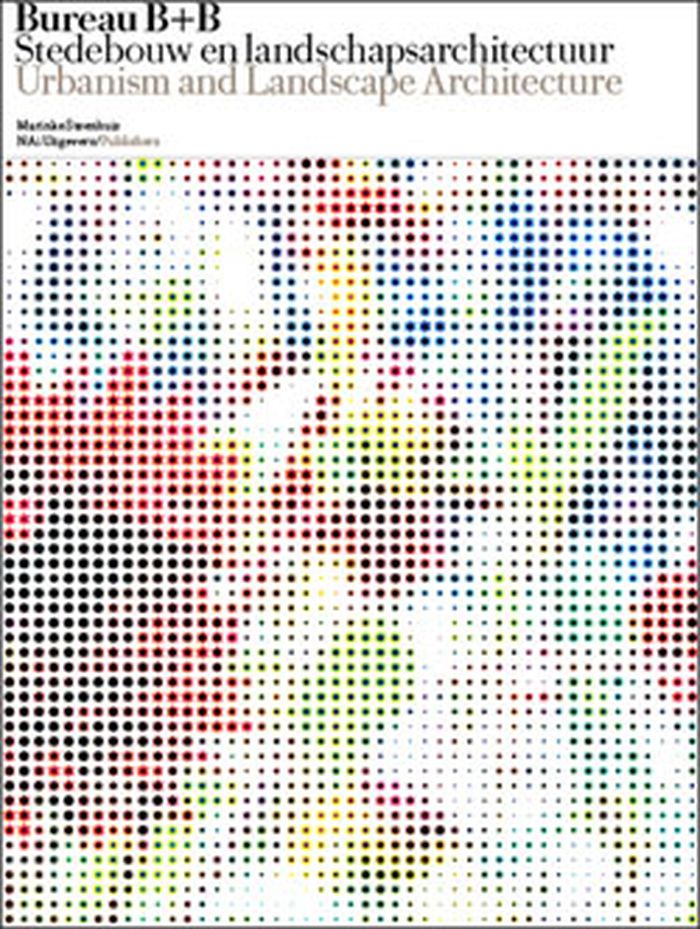
Established by Riek Bakker and Ank Bleeker in 1977, the Bakker & Bleeker Bureau has functioned as a laboratory for the landscape design and urban planning community. Operating as Bureau B+B since 1990, the office has always taken an interdisciplinary approach, employing not just landscape architects and urban planners but also land development experts, architects and industrial designers. It has served as an incubator for some of the Netherlands' leading creative professionals : Winy Maas, Adriaan Geuze, Michael van Gessel, West 8, Karres en Brands and Rietveld Landscape, amog others. The development of Bureau B+B coincides with the emancipation of Dutch postwar landscape architecture and urbanism; self-assured and autonomous, the Bureau soon ranked among the world’s foremost urban institutes, thanks among other things to its design for the Parc de la Villette in Paris (1982), a commission won ex aequo with designers such as Rem Koolhaas and Bernard Tschumi. The bureau has always been interdisciplinary, employing landscape architects, urban planners, architects, land development experts and industrial designers. This publication presents a generous selection from its 1,500 projects, including the Dutch Pavilion for the World Expo 2000 in Hanover, the Waldpark in Potsdam and the Wollefoppenpark in Rotterdam. The book features essays on the Bureau's practice over three decades, focusing on its core qualities of analytical craftsmanship and experimental rigor.
Bureau B+B : urbanism and landscape architecture, collective genius 1977-2010
Actions:
Price:
$77.00
(available to order)
Summary:
Established by Riek Bakker and Ank Bleeker in 1977, the Bakker & Bleeker Bureau has functioned as a laboratory for the landscape design and urban planning community. Operating as Bureau B+B since 1990, the office has always taken an interdisciplinary approach, employing not just landscape architects and urban planners but also land development experts, architects and industrial designers. It has served as an incubator for some of the Netherlands' leading creative professionals : Winy Maas, Adriaan Geuze, Michael van Gessel, West 8, Karres en Brands and Rietveld Landscape, amog others. The development of Bureau B+B coincides with the emancipation of Dutch postwar landscape architecture and urbanism; self-assured and autonomous, the Bureau soon ranked among the world’s foremost urban institutes, thanks among other things to its design for the Parc de la Villette in Paris (1982), a commission won ex aequo with designers such as Rem Koolhaas and Bernard Tschumi. The bureau has always been interdisciplinary, employing landscape architects, urban planners, architects, land development experts and industrial designers. This publication presents a generous selection from its 1,500 projects, including the Dutch Pavilion for the World Expo 2000 in Hanover, the Waldpark in Potsdam and the Wollefoppenpark in Rotterdam. The book features essays on the Bureau's practice over three decades, focusing on its core qualities of analytical craftsmanship and experimental rigor.
Form:
books
books
Publication:
February 2011
February 2011
Subject:
Architecture Monographs
Architecture Monographs
Form:
books
books
Actions:
Price:
$32.95
(available to order)
Summary:
Following Italy's unification in 1861, architects, artists, politicians, and literati engaged in volatile debates over the pursuit of national and regional identity. Growing industrialization and urbanization across the country contrasted with the rediscovery of traditionally built forms and objects created by the agrarian peasantry. Pride in Modesty argues that these(...)
$32.95
(available to order)
Summary:
Following Italy's unification in 1861, architects, artists, politicians, and literati engaged in volatile debates over the pursuit of national and regional identity. Growing industrialization and urbanization across the country contrasted with the rediscovery of traditionally built forms and objects created by the agrarian peasantry. Pride in Modesty argues that these(...)
Title:
Pride in modesty : modernist architecture and the vernacular tradition in Italy
Actions:
Price:
$32.95
(available to order)
Summary:
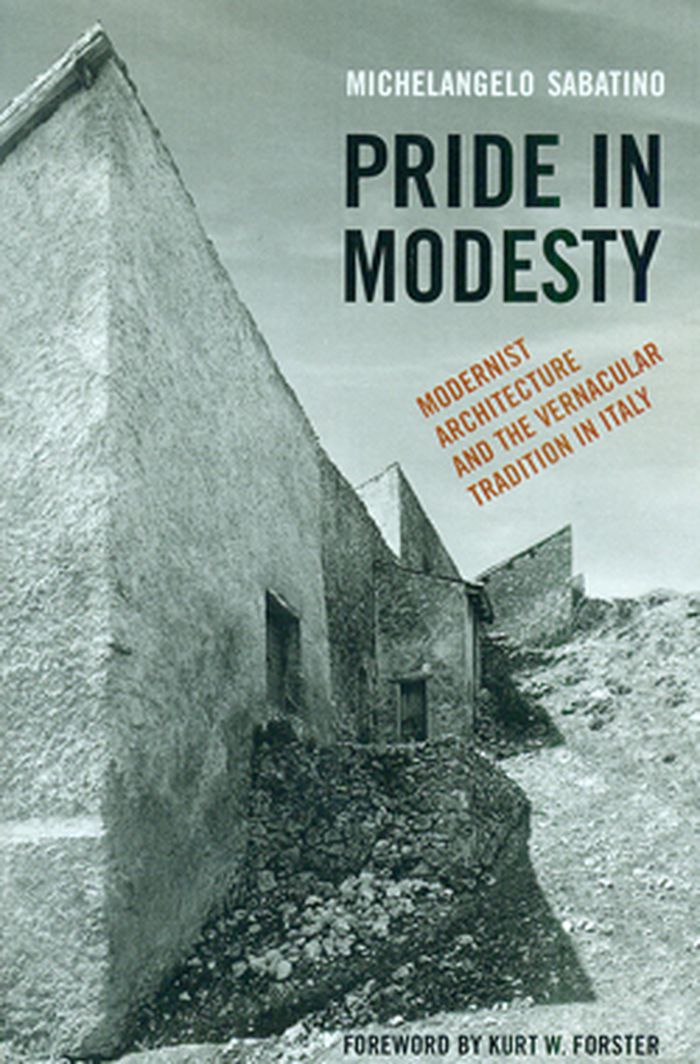
Following Italy's unification in 1861, architects, artists, politicians, and literati engaged in volatile debates over the pursuit of national and regional identity. Growing industrialization and urbanization across the country contrasted with the rediscovery of traditionally built forms and objects created by the agrarian peasantry. Pride in Modesty argues that these ordinary, often anonymous, everyday things inspired and transformed Italian art and architecture from the 1920s through the 1970s. Through in-depth examinations of texts, drawings, and buildings, Michelangelo Sabatino finds that the folk traditions of the pre-industrial countryside have provided formal, practical, and poetic inspiration directly affecting both design and construction practices over a period of sixty years and a number of different political regimes. This surprising continuity allows Sabatino to reject the division of Italian history into sharply delimited periods such as Fascist Interwar and Democratic Postwar and to instead emphasize the long, continuous process that transformed pastoral and urban ideals into a new, modernist Italy.
Pride in modesty : modernist architecture and the vernacular tradition in Italy
Actions:
Price:
$32.95
(available to order)
Summary:
Following Italy's unification in 1861, architects, artists, politicians, and literati engaged in volatile debates over the pursuit of national and regional identity. Growing industrialization and urbanization across the country contrasted with the rediscovery of traditionally built forms and objects created by the agrarian peasantry. Pride in Modesty argues that these ordinary, often anonymous, everyday things inspired and transformed Italian art and architecture from the 1920s through the 1970s. Through in-depth examinations of texts, drawings, and buildings, Michelangelo Sabatino finds that the folk traditions of the pre-industrial countryside have provided formal, practical, and poetic inspiration directly affecting both design and construction practices over a period of sixty years and a number of different political regimes. This surprising continuity allows Sabatino to reject the division of Italian history into sharply delimited periods such as Fascist Interwar and Democratic Postwar and to instead emphasize the long, continuous process that transformed pastoral and urban ideals into a new, modernist Italy.
Form:
books
books
Publication:
June 2011
June 2011
Subject:
Architectural Theory
Architectural Theory
Form:
books
books
Actions:
Price:
$55.90
(available to order)
Summary:
In this manifesto, Nadir Lahiji asserts that today, architectonic reason has fallen into ruins. As soon as architecture leaves the limits set to it by architectonic reason, no other path is open to it but the path to aestheticism. In its reduction to a pure aesthetic object, architecture negatively affects the human sensorium. Capitalist consumer society creates desires(...)
$55.90
(available to order)
Summary:
In this manifesto, Nadir Lahiji asserts that today, architectonic reason has fallen into ruins. As soon as architecture leaves the limits set to it by architectonic reason, no other path is open to it but the path to aestheticism. In its reduction to a pure aesthetic object, architecture negatively affects the human sensorium. Capitalist consumer society creates desires(...)
Title:
An architecture manifesto: critical reason and theories of a failed practice
Actions:
Price:
$55.90
(available to order)
Summary:
In this manifesto, Nadir Lahiji asserts that today, architectonic reason has fallen into ruins. As soon as architecture leaves the limits set to it by architectonic reason, no other path is open to it but the path to aestheticism. In its reduction to a pure aesthetic object, architecture negatively affects the human sensorium. Capitalist consumer society creates desires by generating ‘surplus-enjoyment’ for capitalist profit and contemporary architecture has become an instrument in generating this ‘surplus-enjoyment’, with fatal consequences. This manifesto is thus both a critique and a work of theory. It is a siren, alarm, klaxon to the current status quo within architectural discourse and a timely response to the conditions of architecture today.
An architecture manifesto: critical reason and theories of a failed practice
Actions:
Price:
$55.90
(available to order)
Summary:
In this manifesto, Nadir Lahiji asserts that today, architectonic reason has fallen into ruins. As soon as architecture leaves the limits set to it by architectonic reason, no other path is open to it but the path to aestheticism. In its reduction to a pure aesthetic object, architecture negatively affects the human sensorium. Capitalist consumer society creates desires by generating ‘surplus-enjoyment’ for capitalist profit and contemporary architecture has become an instrument in generating this ‘surplus-enjoyment’, with fatal consequences. This manifesto is thus both a critique and a work of theory. It is a siren, alarm, klaxon to the current status quo within architectural discourse and a timely response to the conditions of architecture today.
Form:
books
books
Publication:
March 2019
March 2019
Subject:
Architectural Theory
Architectural Theory
Form:
books
books
Actions:
Price:
$64.95
(available to order)
Summary:
''Metaphor'' is the most powerful component of the poetry of architecture. It has been a significant factor in architecture since the earliest periods of human history, when people were finding ways to give order and meaning to the world in which we live. It is arguable that architecture began with the realisation of metaphor in physical form, and that subsequent(...)
$64.95
(available to order)
Summary:
''Metaphor'' is the most powerful component of the poetry of architecture. It has been a significant factor in architecture since the earliest periods of human history, when people were finding ways to give order and meaning to the world in which we live. It is arguable that architecture began with the realisation of metaphor in physical form, and that subsequent(...)
Title:
Metaphor: an exploration of the metaphorical dimensions and potential of architecture
Actions:
Price:
$64.95
(available to order)
Summary:
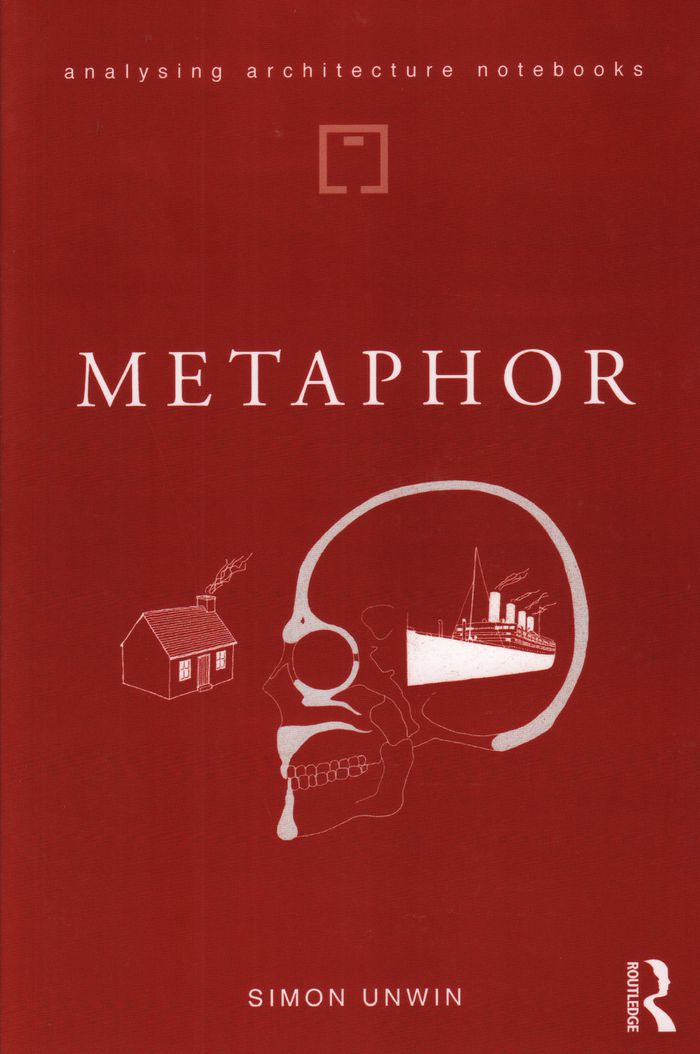
''Metaphor'' is the most powerful component of the poetry of architecture. It has been a significant factor in architecture since the earliest periods of human history, when people were finding ways to give order and meaning to the world in which we live. It is arguable that architecture began with the realisation of metaphor in physical form, and that subsequent movements - from Greek to Gothic, Renaissance to Modern, Victorian to Vernacular - have all been driven by the emergence or rediscovery of different metaphors by which architecture might be generated. Each of these ''Analysing Architecture Notebooks'' is devoted to a particular theme in understanding the rich and varied workings of architecture.
Metaphor: an exploration of the metaphorical dimensions and potential of architecture
Actions:
Price:
$64.95
(available to order)
Summary:
''Metaphor'' is the most powerful component of the poetry of architecture. It has been a significant factor in architecture since the earliest periods of human history, when people were finding ways to give order and meaning to the world in which we live. It is arguable that architecture began with the realisation of metaphor in physical form, and that subsequent movements - from Greek to Gothic, Renaissance to Modern, Victorian to Vernacular - have all been driven by the emergence or rediscovery of different metaphors by which architecture might be generated. Each of these ''Analysing Architecture Notebooks'' is devoted to a particular theme in understanding the rich and varied workings of architecture.
Form:
books
books
Publication:
April 2019
April 2019
Subject:
Architectural Theory
Architectural Theory
Form:
books
books
Actions:
Price:
$38.95
(available to order)
Summary:
Curve is a divisive issue in architecture. Some see curves as expensive and decadent; others as an expression of transcendence - a way that the human mind can express its freedom from quotidian constraints. Yet others use curves to emulate some of the most beautiful forms in nature. This Notebook considers the various authorities to which architects look for the(...)
$38.95
(available to order)
Summary:
Curve is a divisive issue in architecture. Some see curves as expensive and decadent; others as an expression of transcendence - a way that the human mind can express its freedom from quotidian constraints. Yet others use curves to emulate some of the most beautiful forms in nature. This Notebook considers the various authorities to which architects look for the(...)
Title:
Curve: possibilities and problems with deviating from the straight in architecture
Actions:
Price:
$38.95
(available to order)
Summary:
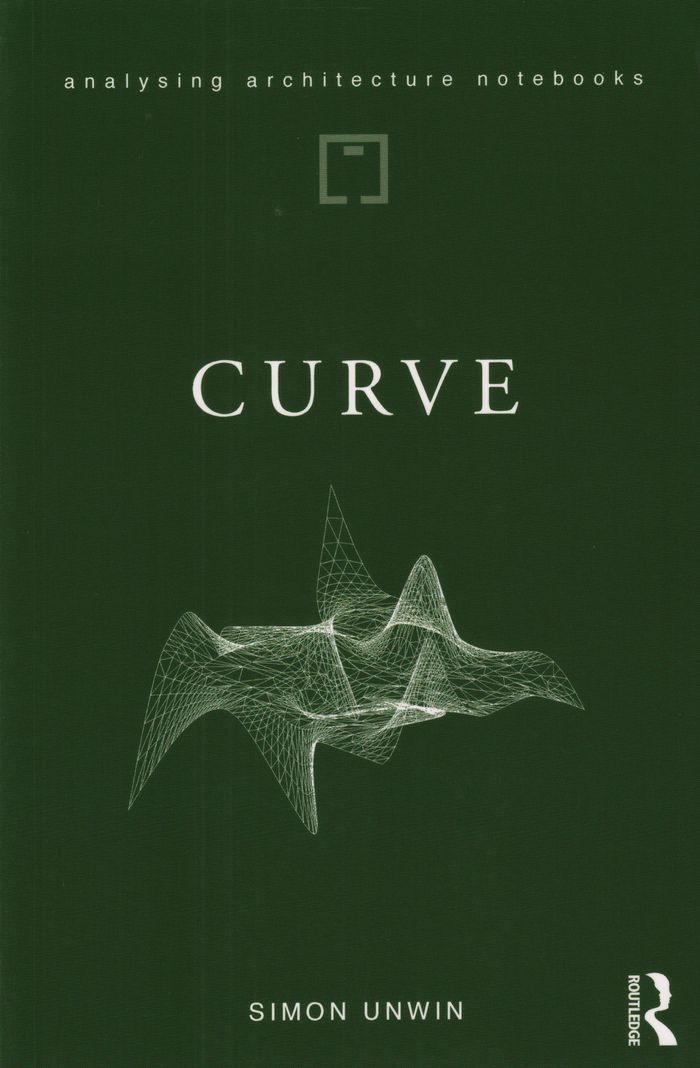
Curve is a divisive issue in architecture. Some see curves as expensive and decadent; others as an expression of transcendence - a way that the human mind can express its freedom from quotidian constraints. Yet others use curves to emulate some of the most beautiful forms in nature. This Notebook considers the various authorities to which architects look for the generation of their curves. It also considers the aspirations curves manifest in architectural form. Each of these ''Analysing Architecture Notebooks'' is devoted to a particular theme in understanding the rich and varied workings of architecture.
Curve: possibilities and problems with deviating from the straight in architecture
Actions:
Price:
$38.95
(available to order)
Summary:
Curve is a divisive issue in architecture. Some see curves as expensive and decadent; others as an expression of transcendence - a way that the human mind can express its freedom from quotidian constraints. Yet others use curves to emulate some of the most beautiful forms in nature. This Notebook considers the various authorities to which architects look for the generation of their curves. It also considers the aspirations curves manifest in architectural form. Each of these ''Analysing Architecture Notebooks'' is devoted to a particular theme in understanding the rich and varied workings of architecture.
Form:
books
books
Publication:
April 2019
April 2019
Subject:
Architectural Theory
Architectural Theory
Form:
books
books
Actions:
Price:
$76.95
(available to order)
Summary:
From the late 1930s to the early 1970s, two brothers, Burton G. Tremaine and Warren D. Tremaine, and their respective wives, Emily Hall Tremaine and Katharine Williams Tremaine, commissioned approximately thirty architecture and design projects. Richard Neutra and Oscar Niemeyer designed the best-known Tremaine houses; Philip Johnson and Frank Lloyd Wright also created(...)
$76.95
(available to order)
Summary:
From the late 1930s to the early 1970s, two brothers, Burton G. Tremaine and Warren D. Tremaine, and their respective wives, Emily Hall Tremaine and Katharine Williams Tremaine, commissioned approximately thirty architecture and design projects. Richard Neutra and Oscar Niemeyer designed the best-known Tremaine houses; Philip Johnson and Frank Lloyd Wright also created(...)
Title:
Tremaine houses: one family's patronage of domestic architecture in midcentury America
Actions:
Price:
$76.95
(available to order)
Summary:
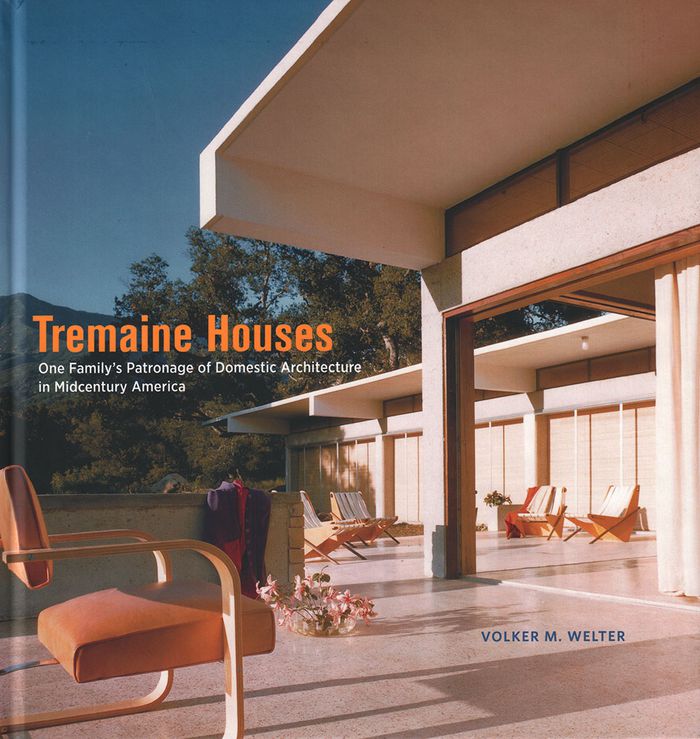
From the late 1930s to the early 1970s, two brothers, Burton G. Tremaine and Warren D. Tremaine, and their respective wives, Emily Hall Tremaine and Katharine Williams Tremaine, commissioned approximately thirty architecture and design projects. Richard Neutra and Oscar Niemeyer designed the best-known Tremaine houses; Philip Johnson and Frank Lloyd Wright also created designs and buildings for the family that achieved iconic status in the modern movement.
Tremaine houses: one family's patronage of domestic architecture in midcentury America
Actions:
Price:
$76.95
(available to order)
Summary:
From the late 1930s to the early 1970s, two brothers, Burton G. Tremaine and Warren D. Tremaine, and their respective wives, Emily Hall Tremaine and Katharine Williams Tremaine, commissioned approximately thirty architecture and design projects. Richard Neutra and Oscar Niemeyer designed the best-known Tremaine houses; Philip Johnson and Frank Lloyd Wright also created designs and buildings for the family that achieved iconic status in the modern movement.
Form:
books
books
Publication:
November 2019
November 2019
Subject:
Architectural Theory
Architectural Theory
Form:
books
books
Actions:
Price:
$54.95
(available to order)
Summary:
Montage has been hailed as one of the key structural principles of modernity, yet its importance to the history of modern thought about cities and their architecture has never been adequately explored. In this new work, Martino Stierli charts the history of montage in late 19th-century urban and architectural contexts, its application by the early 20th-century(...)
$54.95
(available to order)
Summary:
Montage has been hailed as one of the key structural principles of modernity, yet its importance to the history of modern thought about cities and their architecture has never been adequately explored. In this new work, Martino Stierli charts the history of montage in late 19th-century urban and architectural contexts, its application by the early 20th-century(...)
Title:
Montage and the metropolis: architecture, modernity, and the representation of space
Actions:
Price:
$54.95
(available to order)
Summary:
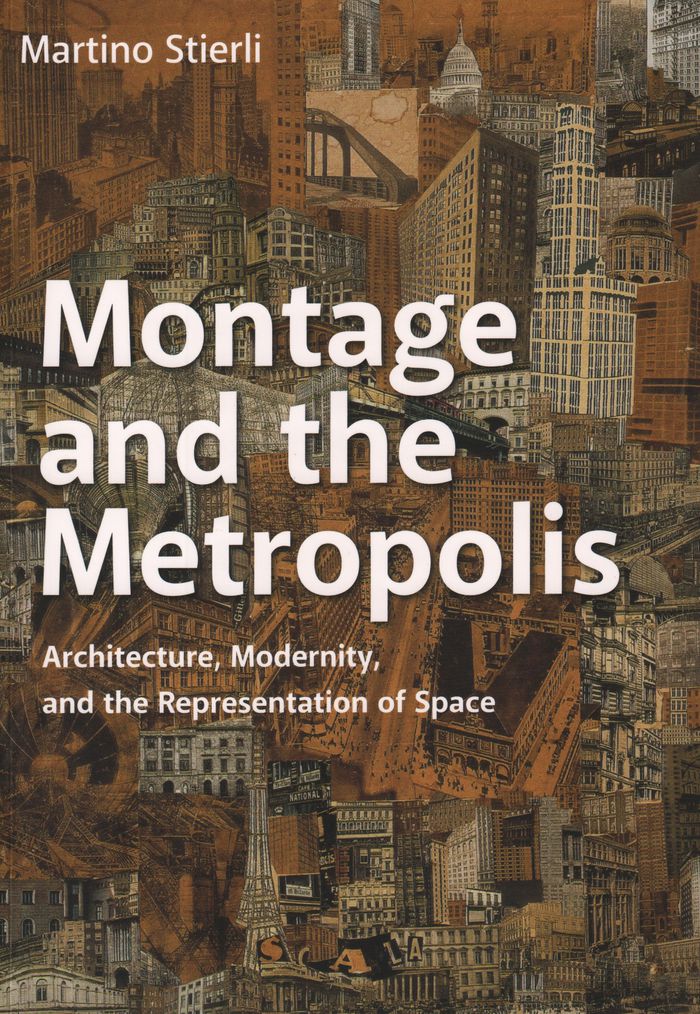
Montage has been hailed as one of the key structural principles of modernity, yet its importance to the history of modern thought about cities and their architecture has never been adequately explored. In this new work, Martino Stierli charts the history of montage in late 19th-century urban and architectural contexts, its application by the early 20th-century avant-gardes, and its eventual appropriation in the postmodern period. With chapters focusing on photomontage, the film theories of Sergei Eisenstein, Mies van der Rohe’s spatial experiments, and Rem Koolhaas’s use of literary montage in his seminal manifesto Delirious New York (1978), Stierli demonstrates the centrality of montage in modern explorations of space, and in conceiving and representing the contemporary city.
Montage and the metropolis: architecture, modernity, and the representation of space
Actions:
Price:
$54.95
(available to order)
Summary:
Montage has been hailed as one of the key structural principles of modernity, yet its importance to the history of modern thought about cities and their architecture has never been adequately explored. In this new work, Martino Stierli charts the history of montage in late 19th-century urban and architectural contexts, its application by the early 20th-century avant-gardes, and its eventual appropriation in the postmodern period. With chapters focusing on photomontage, the film theories of Sergei Eisenstein, Mies van der Rohe’s spatial experiments, and Rem Koolhaas’s use of literary montage in his seminal manifesto Delirious New York (1978), Stierli demonstrates the centrality of montage in modern explorations of space, and in conceiving and representing the contemporary city.
Form:
books
books
Publication:
September 2019
September 2019
Subject:
Architectural Theory
Architectural Theory
Form:
books
books
Actions:
Price:
$75.95
(available to order)
Summary:
Montage has been hailed as one of the key structural principles of modernity, yet its importance to the history of modern thought about cities and their architecture has never been adequately explored. In this new work, Martino Stierli charts the history of montage in late 19th-century urban and architectural contexts, its application by the early 20th-century(...)
$75.95
(available to order)
Summary:
Montage has been hailed as one of the key structural principles of modernity, yet its importance to the history of modern thought about cities and their architecture has never been adequately explored. In this new work, Martino Stierli charts the history of montage in late 19th-century urban and architectural contexts, its application by the early 20th-century(...)
Title:
Montage and the metropolis: architecture, modernity, and the representation of space
Actions:
Price:
$75.95
(available to order)
Summary:
Montage has been hailed as one of the key structural principles of modernity, yet its importance to the history of modern thought about cities and their architecture has never been adequately explored. In this new work, Martino Stierli charts the history of montage in late 19th-century urban and architectural contexts, its application by the early 20th-century avant-gardes, and its eventual appropriation in the postmodern period. With chapters focusing on photomontage, the film theories of Sergei Eisenstein, Mies van der Rohe’s spatial experiments, and Rem Koolhaas’s use of literary montage in his seminal manifesto Delirious New York (1978), Stierli demonstrates the centrality of montage in modern explorations of space, and in conceiving and representing the contemporary city.
Montage and the metropolis: architecture, modernity, and the representation of space
Actions:
Price:
$75.95
(available to order)
Summary:
Montage has been hailed as one of the key structural principles of modernity, yet its importance to the history of modern thought about cities and their architecture has never been adequately explored. In this new work, Martino Stierli charts the history of montage in late 19th-century urban and architectural contexts, its application by the early 20th-century avant-gardes, and its eventual appropriation in the postmodern period. With chapters focusing on photomontage, the film theories of Sergei Eisenstein, Mies van der Rohe’s spatial experiments, and Rem Koolhaas’s use of literary montage in his seminal manifesto Delirious New York (1978), Stierli demonstrates the centrality of montage in modern explorations of space, and in conceiving and representing the contemporary city.
Form:
books
books
Publication:
May 2018
May 2018
Subject:
Architectural Theory
Architectural Theory
Form:
books
books
Actions:
Price:
$36.95
(available to order)
Summary:
Much has been written about Millennials, but until now their growing presence in the field of architecture has not been examined in-depth. In an era of significant challenges stemming from explosive population growth, climate change, and the density of cities, ''Millennials in Architecture'' embraces the digitally savvy disruptors who are joining the field at a crucial(...)
$36.95
(available to order)
Summary:
Much has been written about Millennials, but until now their growing presence in the field of architecture has not been examined in-depth. In an era of significant challenges stemming from explosive population growth, climate change, and the density of cities, ''Millennials in Architecture'' embraces the digitally savvy disruptors who are joining the field at a crucial(...)
Title:
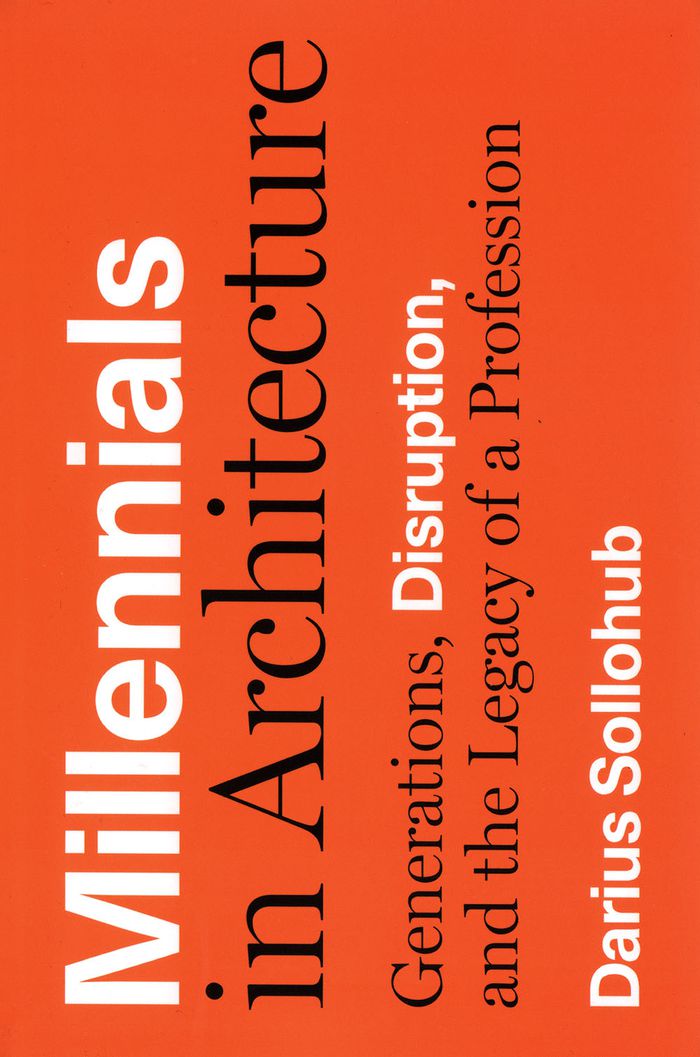
Millenials in architecture: generations, disruption and the legacy of a profession
Actions:
Price:
$36.95
(available to order)
Summary:
Much has been written about Millennials, but until now their growing presence in the field of architecture has not been examined in-depth. In an era of significant challenges stemming from explosive population growth, climate change, and the density of cities, ''Millennials in Architecture'' embraces the digitally savvy disruptors who are joining the field at a crucial time, as it grapples with the best ways to respond to a changing physical world.
Millenials in architecture: generations, disruption and the legacy of a profession
Actions:
Price:
$36.95
(available to order)
Summary:
Much has been written about Millennials, but until now their growing presence in the field of architecture has not been examined in-depth. In an era of significant challenges stemming from explosive population growth, climate change, and the density of cities, ''Millennials in Architecture'' embraces the digitally savvy disruptors who are joining the field at a crucial time, as it grapples with the best ways to respond to a changing physical world.
Form:
books
books
Publication:
June 2019
June 2019
Subject:
Architectural Theory
Architectural Theory
Form:
books
books
Actions:
Price:
$84.00
(available to order)
Summary:
In today's changing world, architects and engineers must address issues of sustainability when designing buildings, homes and urban developments. Through groundbreaking architecture, innovative urban planning and social engagement, the awareness of how sustainable architecture can make an environmental impact are becoming increasingly grounded in public consciousness.(...)
$84.00
(available to order)
Summary:
In today's changing world, architects and engineers must address issues of sustainability when designing buildings, homes and urban developments. Through groundbreaking architecture, innovative urban planning and social engagement, the awareness of how sustainable architecture can make an environmental impact are becoming increasingly grounded in public consciousness.(...)
Title:
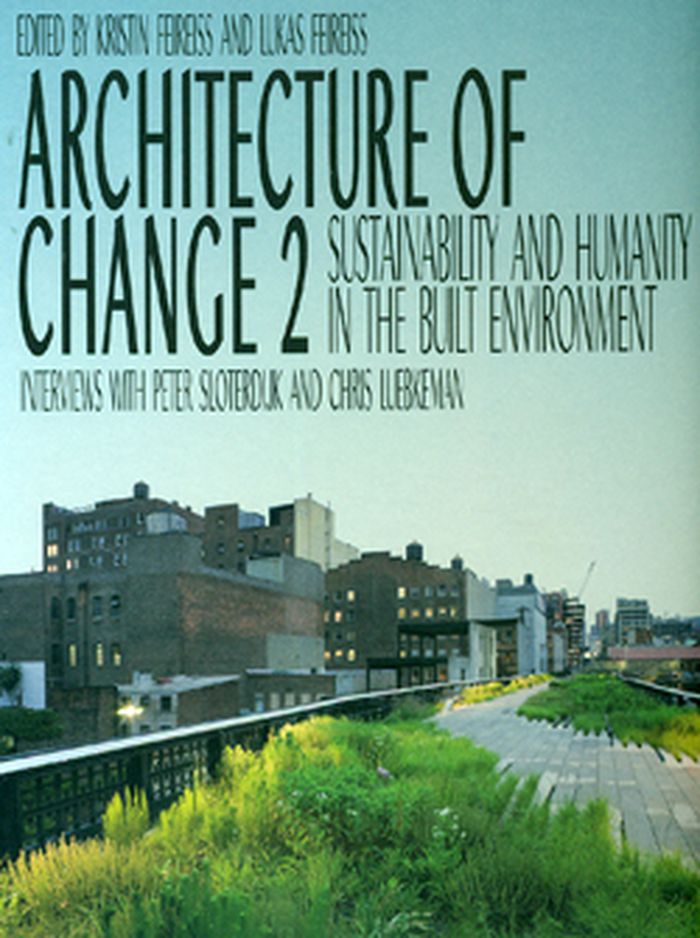
Architecture of change 2: sustainability and humanity in the built environment
Actions:
Price:
$84.00
(available to order)
Summary:
In today's changing world, architects and engineers must address issues of sustainability when designing buildings, homes and urban developments. Through groundbreaking architecture, innovative urban planning and social engagement, the awareness of how sustainable architecture can make an environmental impact are becoming increasingly grounded in public consciousness. Like its successful predecessor, Architecture of Change: Edition 2010 presents an unrivaled collection of the most innovative architecture projects that make a considerable contribution to a brighter future. Over forty exemplary projects by internationally renowned architecture practices such as Pritzker Architecture Prize winners Renzo Piano and OMA founder Rem Koolhaas are profiled with the newly built California Academy of Sciences and the master plan for a wind farm in the North Sea. From a zero emission ice station facility in Antarctica to the High Line public promenade in Manhattan, the book represents a broad range of environmentally mindful concepts that are not only outstanding in their architectural form but are also devoted to regional environmental and social conditions as well as their global impact.
Architecture of change 2: sustainability and humanity in the built environment
Actions:
Price:
$84.00
(available to order)
Summary:
In today's changing world, architects and engineers must address issues of sustainability when designing buildings, homes and urban developments. Through groundbreaking architecture, innovative urban planning and social engagement, the awareness of how sustainable architecture can make an environmental impact are becoming increasingly grounded in public consciousness. Like its successful predecessor, Architecture of Change: Edition 2010 presents an unrivaled collection of the most innovative architecture projects that make a considerable contribution to a brighter future. Over forty exemplary projects by internationally renowned architecture practices such as Pritzker Architecture Prize winners Renzo Piano and OMA founder Rem Koolhaas are profiled with the newly built California Academy of Sciences and the master plan for a wind farm in the North Sea. From a zero emission ice station facility in Antarctica to the High Line public promenade in Manhattan, the book represents a broad range of environmentally mindful concepts that are not only outstanding in their architectural form but are also devoted to regional environmental and social conditions as well as their global impact.
Form:
books
books
Publication:
November 2009
November 2009
Subject:
Green Architecture
Green Architecture


