


418 Results
Form:
books
books
Actions:
Price:
$55.50
(available to order)
Summary:
In his own lifetime, William Blake (1757–1827) was a relatively unknown nonconventional artist with a strong political bent. William Blake and the Age of Aquarius is a beautifully illustrated look at how, some two hundred years after his birth, the antiestablishment values embodied in Blake’s art and poetry became a model for artists of the American counterculture. This(...)
$55.50
(available to order)
Summary:
In his own lifetime, William Blake (1757–1827) was a relatively unknown nonconventional artist with a strong political bent. William Blake and the Age of Aquarius is a beautifully illustrated look at how, some two hundred years after his birth, the antiestablishment values embodied in Blake’s art and poetry became a model for artists of the American counterculture. This(...)
Title:
William Blake and the age of Aquarius
Actions:
Price:
$55.50
(available to order)
Summary:
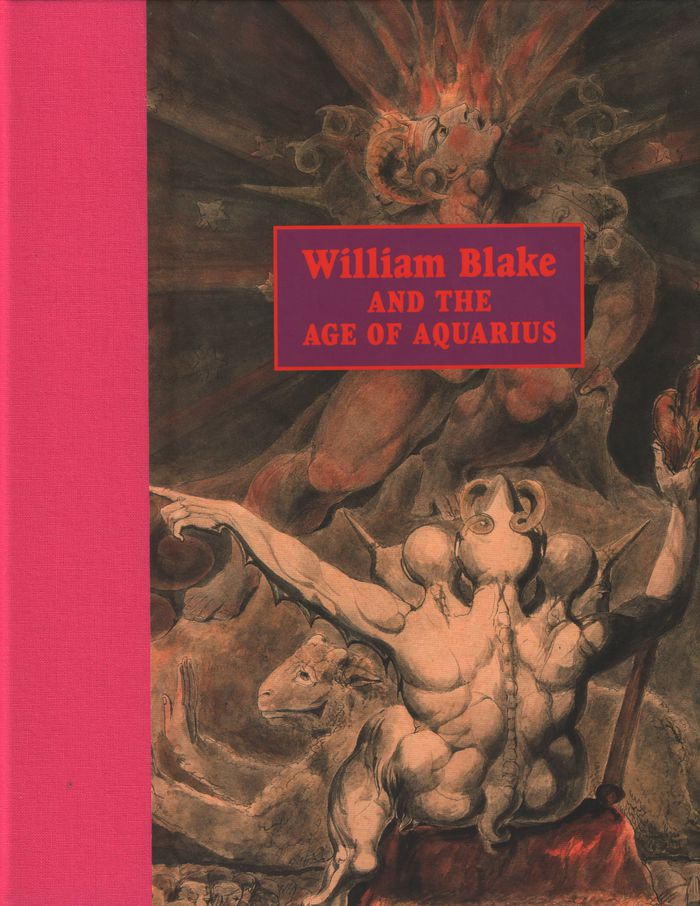
In his own lifetime, William Blake (1757–1827) was a relatively unknown nonconventional artist with a strong political bent. William Blake and the Age of Aquarius is a beautifully illustrated look at how, some two hundred years after his birth, the antiestablishment values embodied in Blake’s art and poetry became a model for artists of the American counterculture. This book provides new insights into the politics and protests of Blake’s own lifetime, and the generation of artists who revived and reimagined his work in the mid-1940s through 1970, or what might be called the “long sixties.” Contributors explore Blake’s outsider status in Georgian England and how his individualistic vision spoke to members of the Beat Generation, hippies, radical poets and writers, and other voices of the counterculture. Among the artists, musicians, and writers who looked to Blake were such diverse figures as Diane Arbus, Jay DeFeo, the Doors, Sam Francis, Allen Ginsberg, Jess, Agnes Martin, Ad Reinhardt, Charles Seliger, Maurice Sendak, Robert Smithson, Clyfford Still, and many others. This book also explores visual cultures around such galvanizing moments of the 1960s as Woodstock and the Summer of Love.
William Blake and the age of Aquarius
Actions:
Price:
$55.50
(available to order)
Summary:
In his own lifetime, William Blake (1757–1827) was a relatively unknown nonconventional artist with a strong political bent. William Blake and the Age of Aquarius is a beautifully illustrated look at how, some two hundred years after his birth, the antiestablishment values embodied in Blake’s art and poetry became a model for artists of the American counterculture. This book provides new insights into the politics and protests of Blake’s own lifetime, and the generation of artists who revived and reimagined his work in the mid-1940s through 1970, or what might be called the “long sixties.” Contributors explore Blake’s outsider status in Georgian England and how his individualistic vision spoke to members of the Beat Generation, hippies, radical poets and writers, and other voices of the counterculture. Among the artists, musicians, and writers who looked to Blake were such diverse figures as Diane Arbus, Jay DeFeo, the Doors, Sam Francis, Allen Ginsberg, Jess, Agnes Martin, Ad Reinhardt, Charles Seliger, Maurice Sendak, Robert Smithson, Clyfford Still, and many others. This book also explores visual cultures around such galvanizing moments of the 1960s as Woodstock and the Summer of Love.
Form:
books
books
Publication:
January 2018
January 2018
Subject:
Illustration
Illustration
Form:
books
books
Title:
Baldness and modernism
Baldness and modernism
Actions:
Price:
$63.00
(available in store)
Summary:
The original bald and unconvincing narrative that triggered this book is that put about by Alison and Peter Smithson in their 1981 Heroic Period of Modern Architecture, limiting modernism to 1915–1929. This fiction is re-contextualized with studies of iconic Bauhaus bald heads – Schlemmer, Itten, etc., such Literal Baldness is the subject of Part 1. Part 2 of Phenomenal(...)
$63.00
(available in store)
Summary:
The original bald and unconvincing narrative that triggered this book is that put about by Alison and Peter Smithson in their 1981 Heroic Period of Modern Architecture, limiting modernism to 1915–1929. This fiction is re-contextualized with studies of iconic Bauhaus bald heads – Schlemmer, Itten, etc., such Literal Baldness is the subject of Part 1. Part 2 of Phenomenal(...)
Title:
Baldness and modernism
Actions:
Price:
$63.00
(available in store)
Summary:
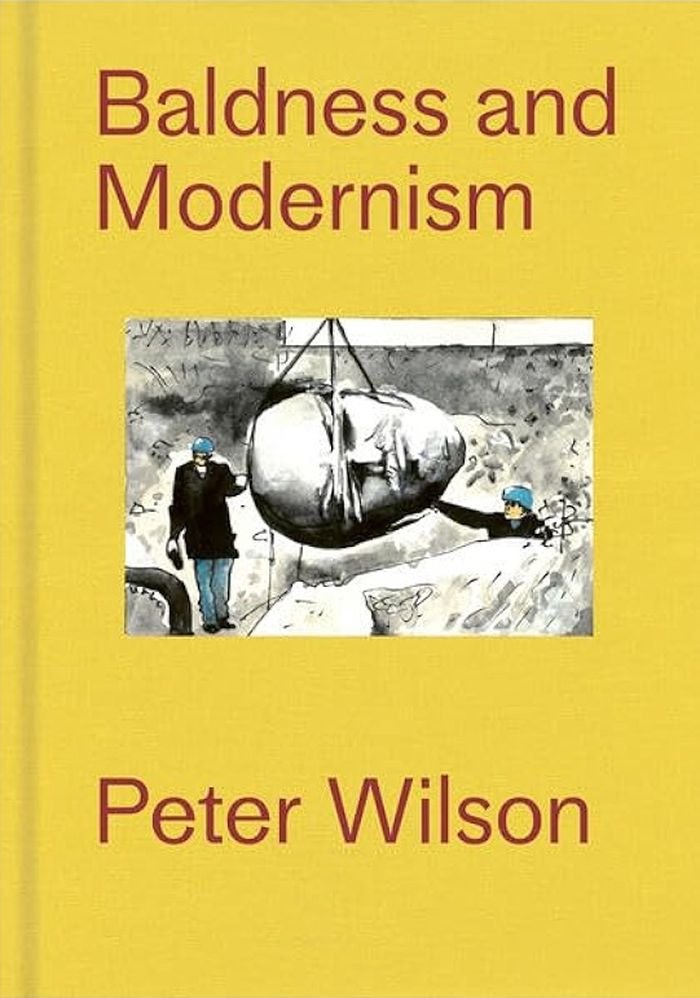
The original bald and unconvincing narrative that triggered this book is that put about by Alison and Peter Smithson in their 1981 Heroic Period of Modern Architecture, limiting modernism to 1915–1929. This fiction is re-contextualized with studies of iconic Bauhaus bald heads – Schlemmer, Itten, etc., such Literal Baldness is the subject of Part 1. Part 2 of Phenomenal Baldness unwinds the Bauhaus narrative put about by Walter Gropius, one that has held water for 100 years. Spin doctor Gropius manipulated his Bauhaus successes into a cornerstone of post WW2 modernism. Cracks in this story are now emerging along with the fact that Gropius was in hindsight, not a very good architect. Attacks on the Bauhaus like those by Rudolph Schwartz or Tom Wolf as well as a comprehensive list of Gropius hand-holders, and those edited out of his narrative are here explored. To conclude Gropius is compared to his contemporary Bruno Taut, a far more interesting and talented architect. This book like Peter Wilson’s previous "Bedtime Stories for Architects" or "Some Reasons for Traveling to Italy" is written in his unique anecdotal style, savoring Shandyisms and the quirks of history.
Baldness and modernism
Actions:
Price:
$63.00
(available in store)
Summary:
The original bald and unconvincing narrative that triggered this book is that put about by Alison and Peter Smithson in their 1981 Heroic Period of Modern Architecture, limiting modernism to 1915–1929. This fiction is re-contextualized with studies of iconic Bauhaus bald heads – Schlemmer, Itten, etc., such Literal Baldness is the subject of Part 1. Part 2 of Phenomenal Baldness unwinds the Bauhaus narrative put about by Walter Gropius, one that has held water for 100 years. Spin doctor Gropius manipulated his Bauhaus successes into a cornerstone of post WW2 modernism. Cracks in this story are now emerging along with the fact that Gropius was in hindsight, not a very good architect. Attacks on the Bauhaus like those by Rudolph Schwartz or Tom Wolf as well as a comprehensive list of Gropius hand-holders, and those edited out of his narrative are here explored. To conclude Gropius is compared to his contemporary Bruno Taut, a far more interesting and talented architect. This book like Peter Wilson’s previous "Bedtime Stories for Architects" or "Some Reasons for Traveling to Italy" is written in his unique anecdotal style, savoring Shandyisms and the quirks of history.
Form:
books
books
Publication:
June 2025
June 2025
Subject:
Architectural Theory
Architectural Theory
Form:
books
books

Price:
$134.99
(available in store)
Summary:
The 1960s continue to hold an almost mythical place in Western culture, particularly in Britain, where change was widespread and infiltrated many aspects of life. This included architecture, whose role in a modern democracy and the form it should take were hotly debated. This book discusses the architectural thinking of the time through an examination of the design of(...)
$134.99
(available in store)
Summary:
The 1960s continue to hold an almost mythical place in Western culture, particularly in Britain, where change was widespread and infiltrated many aspects of life. This included architecture, whose role in a modern democracy and the form it should take were hotly debated. This book discusses the architectural thinking of the time through an examination of the design of(...)
Title:
1960s University buildings: The golden age of British modern architecture
Actions:
Price:
$134.99
(available in store)
Summary:
The 1960s continue to hold an almost mythical place in Western culture, particularly in Britain, where change was widespread and infiltrated many aspects of life. This included architecture, whose role in a modern democracy and the form it should take were hotly debated. This book discusses the architectural thinking of the time through an examination of the design of university buildings. While there were notable buildings being built in other spheres, no other field of architecture provided the opportunity to express those ideas as freely, while also reflecting innovative new thinking about education and society. Somehow, the university buildings of the 1960s seemed to represent the cutting edge of modern architecture in the UK. This book provides the first critical analysis and overview of these buildings, designed by some of the leading British architects of the period including Basil Spence, Leslie Martin, Alison and Peter Smithson, Denys Lasdun, Powell and Moya and James Stirling. By placing the buildings in a wider social, cultural and political context, it examines the combination of circumstances and attitudes that produced results that are equally admired and detested and allows us to understand how we might replicate or avoid them in the future.
1960s University buildings: The golden age of British modern architecture
Actions:
Price:
$134.99
(available in store)
Summary:
The 1960s continue to hold an almost mythical place in Western culture, particularly in Britain, where change was widespread and infiltrated many aspects of life. This included architecture, whose role in a modern democracy and the form it should take were hotly debated. This book discusses the architectural thinking of the time through an examination of the design of university buildings. While there were notable buildings being built in other spheres, no other field of architecture provided the opportunity to express those ideas as freely, while also reflecting innovative new thinking about education and society. Somehow, the university buildings of the 1960s seemed to represent the cutting edge of modern architecture in the UK. This book provides the first critical analysis and overview of these buildings, designed by some of the leading British architects of the period including Basil Spence, Leslie Martin, Alison and Peter Smithson, Denys Lasdun, Powell and Moya and James Stirling. By placing the buildings in a wider social, cultural and political context, it examines the combination of circumstances and attitudes that produced results that are equally admired and detested and allows us to understand how we might replicate or avoid them in the future.
Form:
books
books
Publication:
June 2025
June 2025
Subject:
Modernism
Modernism
Form:
books
books
Actions:
Price:
$69.95
(available to order)
Summary:
The world's growing vulnerability to planet-sized risks invites action on a global scale. The World as an Architectural Project shows how for more than a century architects have imagined the future of the planet through world-scale projects. With fifty speculative projects by Patrick Geddes, Alison and Peter Smithson, Kiyonori Kikutake, Saverio Muratori, Takis Zenetos,(...)
$69.95
(available to order)
Summary:
The world's growing vulnerability to planet-sized risks invites action on a global scale. The World as an Architectural Project shows how for more than a century architects have imagined the future of the planet through world-scale projects. With fifty speculative projects by Patrick Geddes, Alison and Peter Smithson, Kiyonori Kikutake, Saverio Muratori, Takis Zenetos,(...)
Title:
The world as an architectural project
Actions:
Price:
$69.95
(available to order)
Summary:
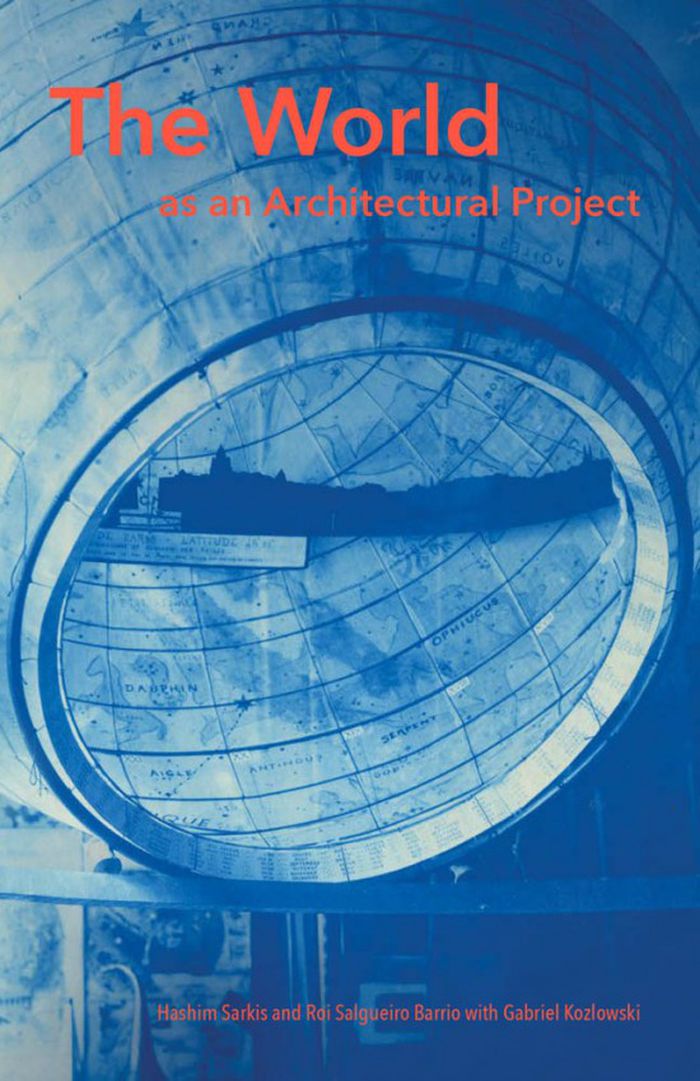
The world's growing vulnerability to planet-sized risks invites action on a global scale. The World as an Architectural Project shows how for more than a century architects have imagined the future of the planet through world-scale projects. With fifty speculative projects by Patrick Geddes, Alison and Peter Smithson, Kiyonori Kikutake, Saverio Muratori, Takis Zenetos, Sergio Bernardes, Juan Navarro Baldeweg, Luc Deleu, and many others, documented in text and images, this ambitious and wide-ranging book is the first compilation of its kind. Interestingly, architects begin to address the world as a project long before the advent of contemporary globalism and its assorted anxieties. The Spanish urban theorist and entrepreneur Arturo Soria y Mata, for example, in 1882 envisions a system that connects the entire planet in a linear urban network. In 1927, Buckminster Fuller's “World Town Plan—4D Tower” proposes to solve global housing problems with mobile structures delivered and installed by a Zeppelin. And Joyce Hsiang and Bimal Mendis visualize the conditions of a worldwide “City of Seven Billion” in a 2015–2019 project. Rather than indulging the cliché of the megalomaniac architect, this volume presents a discipline reflecting on its own responsibilities.
The world as an architectural project
Actions:
Price:
$69.95
(available to order)
Summary:
The world's growing vulnerability to planet-sized risks invites action on a global scale. The World as an Architectural Project shows how for more than a century architects have imagined the future of the planet through world-scale projects. With fifty speculative projects by Patrick Geddes, Alison and Peter Smithson, Kiyonori Kikutake, Saverio Muratori, Takis Zenetos, Sergio Bernardes, Juan Navarro Baldeweg, Luc Deleu, and many others, documented in text and images, this ambitious and wide-ranging book is the first compilation of its kind. Interestingly, architects begin to address the world as a project long before the advent of contemporary globalism and its assorted anxieties. The Spanish urban theorist and entrepreneur Arturo Soria y Mata, for example, in 1882 envisions a system that connects the entire planet in a linear urban network. In 1927, Buckminster Fuller's “World Town Plan—4D Tower” proposes to solve global housing problems with mobile structures delivered and installed by a Zeppelin. And Joyce Hsiang and Bimal Mendis visualize the conditions of a worldwide “City of Seven Billion” in a 2015–2019 project. Rather than indulging the cliché of the megalomaniac architect, this volume presents a discipline reflecting on its own responsibilities.
Form:
books
books
Publication:
April 2020
April 2020
Subject:
Architectural Theory
Architectural Theory
Form:
books
books
Title:
Le discours des autres
Le discours des autres
Actions:
Price:
$19.95
(available in store)
Summary:
Craig Owens (1950-1990) a bouleversé la théorie de l’art en une décennie d’intense travail. À la fin des années 1970, aux États-Unis, il s’engage dans l’aventure intellectuelle postmoderne, en quête d’alternatives à un discours moderniste cramponné aux problèmes formels. Owens se penche sur des pratiques artistiques conçues à la croisée des médiums, comme celles de(...)
$19.95
(available in store)
Summary:
Craig Owens (1950-1990) a bouleversé la théorie de l’art en une décennie d’intense travail. À la fin des années 1970, aux États-Unis, il s’engage dans l’aventure intellectuelle postmoderne, en quête d’alternatives à un discours moderniste cramponné aux problèmes formels. Owens se penche sur des pratiques artistiques conçues à la croisée des médiums, comme celles de(...)
Title:
Le discours des autres
Actions:
Price:
$19.95
(available in store)
Summary:
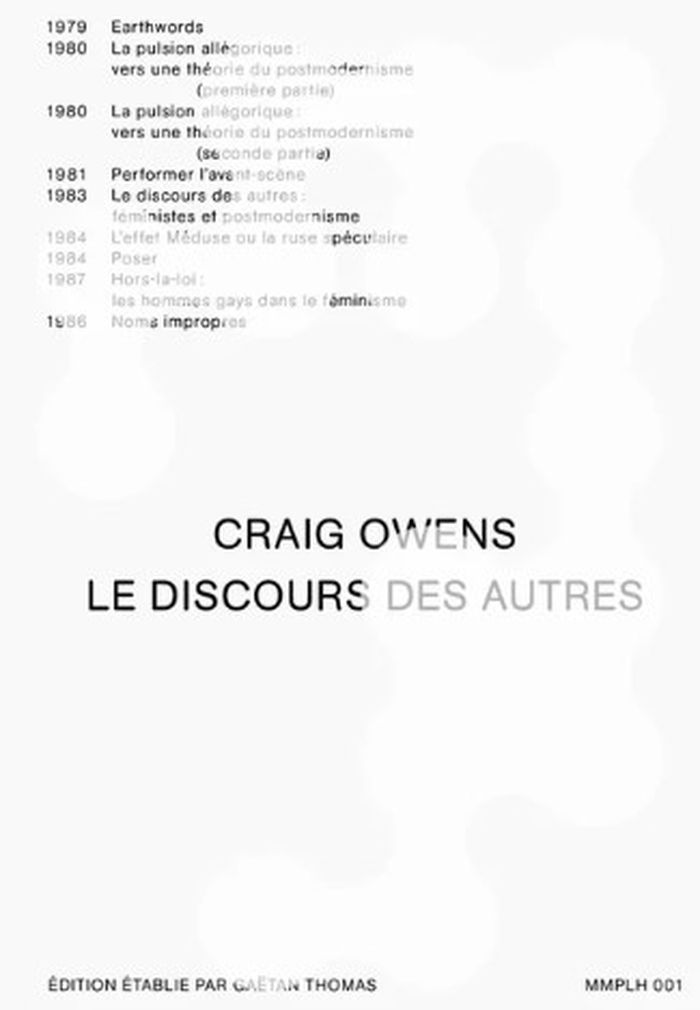
Craig Owens (1950-1990) a bouleversé la théorie de l’art en une décennie d’intense travail. À la fin des années 1970, aux États-Unis, il s’engage dans l’aventure intellectuelle postmoderne, en quête d’alternatives à un discours moderniste cramponné aux problèmes formels. Owens se penche sur des pratiques artistiques conçues à la croisée des médiums, comme celles de Robert Smithson ou de Trisha Brown. Lecteur des philosophes poststructuralistes, il soutient que les oeuvres se composent de signes ouverts à l’interprétation. Owens place ainsi les spectateur·ices au premier plan, tout en apportant une inscription théorique inédite aux performances de Laurie Anderson et aux oeuvres postconceptuelles de Barbara Kruger, Cindy Sherman, Sherrie Levine ou Martha Rosler. Attentif au genre des artistes et inspiré par des réflexions sur le pouvoir du regard masculin, Owens écrit ensuite sur le féminisme et la domination. Ses essais prennent une tonalité sociale et politique. Ils touchent aussi à des questions ouvertes par les études postcoloniales. Autant de recherches interrompues par le sida, dont Owens meurt en 1990. Ce recueil, établi, introduit et traduit par Gaëtan Thomas, permet de suivre les expérimentations d’une oeuvre portée par une réflexivité exceptionnelle.
Le discours des autres
Actions:
Price:
$19.95
(available in store)
Summary:
Craig Owens (1950-1990) a bouleversé la théorie de l’art en une décennie d’intense travail. À la fin des années 1970, aux États-Unis, il s’engage dans l’aventure intellectuelle postmoderne, en quête d’alternatives à un discours moderniste cramponné aux problèmes formels. Owens se penche sur des pratiques artistiques conçues à la croisée des médiums, comme celles de Robert Smithson ou de Trisha Brown. Lecteur des philosophes poststructuralistes, il soutient que les oeuvres se composent de signes ouverts à l’interprétation. Owens place ainsi les spectateur·ices au premier plan, tout en apportant une inscription théorique inédite aux performances de Laurie Anderson et aux oeuvres postconceptuelles de Barbara Kruger, Cindy Sherman, Sherrie Levine ou Martha Rosler. Attentif au genre des artistes et inspiré par des réflexions sur le pouvoir du regard masculin, Owens écrit ensuite sur le féminisme et la domination. Ses essais prennent une tonalité sociale et politique. Ils touchent aussi à des questions ouvertes par les études postcoloniales. Autant de recherches interrompues par le sida, dont Owens meurt en 1990. Ce recueil, établi, introduit et traduit par Gaëtan Thomas, permet de suivre les expérimentations d’une oeuvre portée par une réflexivité exceptionnelle.
Form:
books
books
Publication:
July 2022
July 2022
Subject:
Art Theory
Art Theory
Form:
books
books
Actions:
Price:
$37.95
(available to order)
Summary:
Dans les années 1950 et jusqu’à la fin des années 1960, la science-fiction a joué, pour nombre d’artistes et de théoriciens anglais et américains, tant au plan iconographique qu’au plan méthodologique, un rôle stratégique : celui d’un véritable objet régulateur utilisé pour déplacer l’activité artistique loin de ses coordonnées conventionnelles. Dans cette entreprise,(...)
$37.95
(available to order)
Summary:
Dans les années 1950 et jusqu’à la fin des années 1960, la science-fiction a joué, pour nombre d’artistes et de théoriciens anglais et américains, tant au plan iconographique qu’au plan méthodologique, un rôle stratégique : celui d’un véritable objet régulateur utilisé pour déplacer l’activité artistique loin de ses coordonnées conventionnelles. Dans cette entreprise,(...)
Title:
Art et science-fiction: la ballard connection
Actions:
Price:
$37.95
(available to order)
Summary:
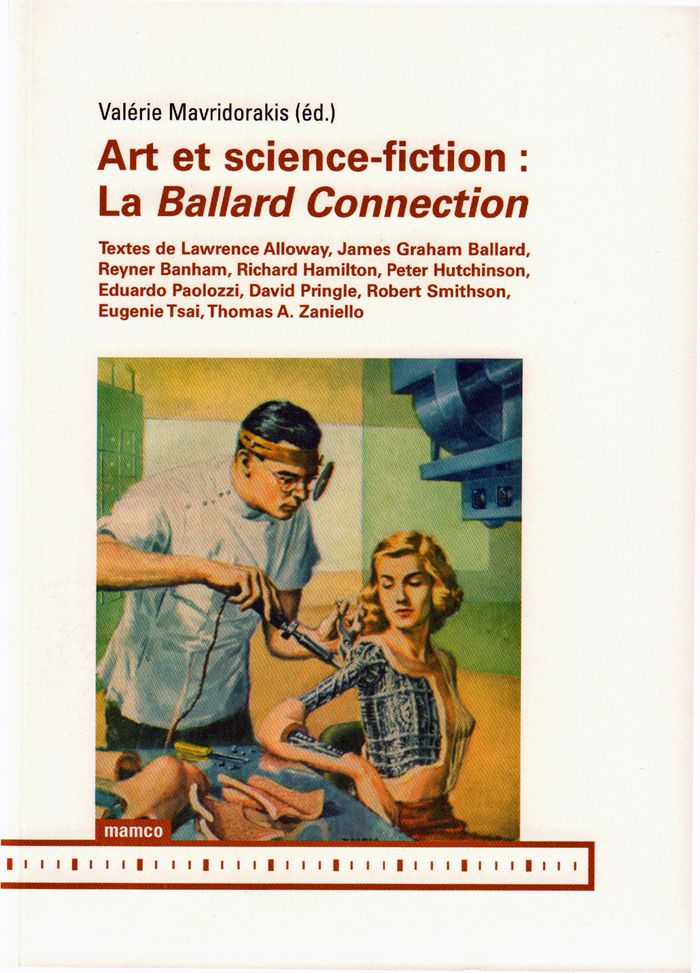
Dans les années 1950 et jusqu’à la fin des années 1960, la science-fiction a joué, pour nombre d’artistes et de théoriciens anglais et américains, tant au plan iconographique qu’au plan méthodologique, un rôle stratégique : celui d’un véritable objet régulateur utilisé pour déplacer l’activité artistique loin de ses coordonnées conventionnelles. Dans cette entreprise, Eduardo Paolozzi côtoie Reyner Banham, Robert Smithson ou James Graham Ballard, Peter Hutchinson voisine avec Lawrence Alloway pour explorer ce que ce dernier a appelé « le front élargi de la culture » qui devient ici un ensemble d’images et d’idées rétrocédant en deçà du pop art, là où la subculture se fait relais d’invention. Passer l’art novateur au filtre de la SF, c’est par conséquent, pour les créateurs et les penseurs de l’époque mettant en œuvre cette opération théorique et plastique, ébranler radicalement les cadres d’une esthétique dominante — le formalisme — dont ils auront été les critiques en acte. Il en résulte notamment une révision des notions de passé, de présent et de futur dont Ballard, cet « anticipateur qui ne croit pas en l’avenir » comme il est dit dans l’ouvrage, est le fer de lance. Ce livre propose les pièces de ce dossier crucial pour la compréhension de l’art actuel.
Art et science-fiction: la ballard connection
Actions:
Price:
$37.95
(available to order)
Summary:
Dans les années 1950 et jusqu’à la fin des années 1960, la science-fiction a joué, pour nombre d’artistes et de théoriciens anglais et américains, tant au plan iconographique qu’au plan méthodologique, un rôle stratégique : celui d’un véritable objet régulateur utilisé pour déplacer l’activité artistique loin de ses coordonnées conventionnelles. Dans cette entreprise, Eduardo Paolozzi côtoie Reyner Banham, Robert Smithson ou James Graham Ballard, Peter Hutchinson voisine avec Lawrence Alloway pour explorer ce que ce dernier a appelé « le front élargi de la culture » qui devient ici un ensemble d’images et d’idées rétrocédant en deçà du pop art, là où la subculture se fait relais d’invention. Passer l’art novateur au filtre de la SF, c’est par conséquent, pour les créateurs et les penseurs de l’époque mettant en œuvre cette opération théorique et plastique, ébranler radicalement les cadres d’une esthétique dominante — le formalisme — dont ils auront été les critiques en acte. Il en résulte notamment une révision des notions de passé, de présent et de futur dont Ballard, cet « anticipateur qui ne croit pas en l’avenir » comme il est dit dans l’ouvrage, est le fer de lance. Ce livre propose les pièces de ce dossier crucial pour la compréhension de l’art actuel.
Form:
books
books
Publication:
April 2011
April 2011
Subject:
Critical Theory
Critical Theory
Form:
books
books
Actions:
Price:
$24.95
(available to order)
Summary:
L'urbanisation des territoires de transition entre la ville et la campagne ceux de la suburbia, est oublieuse de l'épaisseur du passé, des transformations complexes des sites, aussi bien que des représentations que l'on s'en fait. La notion de sub-urbanisme, définie par l'auteur comme une " subversion de l'urbanisme ", remet profondément en question un telle attitude.(...)
$24.95
(available to order)
Summary:
L'urbanisation des territoires de transition entre la ville et la campagne ceux de la suburbia, est oublieuse de l'épaisseur du passé, des transformations complexes des sites, aussi bien que des représentations que l'on s'en fait. La notion de sub-urbanisme, définie par l'auteur comme une " subversion de l'urbanisme ", remet profondément en question un telle attitude.(...)
Title:
L'art de la mémoire, le territoire et l'architecture
Actions:
Price:
$24.95
(available to order)
Summary:
L'urbanisation des territoires de transition entre la ville et la campagne ceux de la suburbia, est oublieuse de l'épaisseur du passé, des transformations complexes des sites, aussi bien que des représentations que l'on s'en fait. La notion de sub-urbanisme, définie par l'auteur comme une " subversion de l'urbanisme ", remet profondément en question un telle attitude. Cet essai plaide pour une démarche qui appréhenderait le site comme la matrice d'un projet explorant les multiples strates spatio-temporelles du territoire : l'architecture comme instrument de la mémoire et la mémoire comme matière de l'architecture. Quatre sources alimentent la démarche : les travaux de Frances Yates sur L'Art de la mémoire, consacrés aux pratiques mnémotechniques des anciens ; la "métaphore romaine" proposée par Sigmund Freud pour évoquer le mode de conservation du passé dans la structuration de la psyché ; la démarche de l'artiste américain Robert Smithson avec son concept de non-site ; et enfin le parc de Lancy réalisé dans la banlieue de Genève par l'architecte Georges Descombes. A l'instar du sub-urbanisme qu'elle entreprend d'illustrer, cette démon tration s'aventure dans l'épaisseur narrative des lieux, et invite le lecteur-visiteur à frayer son chemin à travers de nombreuses couches de mémoire et de culture. Le mot d'ordre est extrapolation.
L'art de la mémoire, le territoire et l'architecture
Actions:
Price:
$24.95
(available to order)
Summary:
L'urbanisation des territoires de transition entre la ville et la campagne ceux de la suburbia, est oublieuse de l'épaisseur du passé, des transformations complexes des sites, aussi bien que des représentations que l'on s'en fait. La notion de sub-urbanisme, définie par l'auteur comme une " subversion de l'urbanisme ", remet profondément en question un telle attitude. Cet essai plaide pour une démarche qui appréhenderait le site comme la matrice d'un projet explorant les multiples strates spatio-temporelles du territoire : l'architecture comme instrument de la mémoire et la mémoire comme matière de l'architecture. Quatre sources alimentent la démarche : les travaux de Frances Yates sur L'Art de la mémoire, consacrés aux pratiques mnémotechniques des anciens ; la "métaphore romaine" proposée par Sigmund Freud pour évoquer le mode de conservation du passé dans la structuration de la psyché ; la démarche de l'artiste américain Robert Smithson avec son concept de non-site ; et enfin le parc de Lancy réalisé dans la banlieue de Genève par l'architecte Georges Descombes. A l'instar du sub-urbanisme qu'elle entreprend d'illustrer, cette démon tration s'aventure dans l'épaisseur narrative des lieux, et invite le lecteur-visiteur à frayer son chemin à travers de nombreuses couches de mémoire et de culture. Le mot d'ordre est extrapolation.
Form:
books
books
Publication:
October 2010
October 2010
Subject:
Architectural Theory
Architectural Theory
Form:
books
books
Actions:
Price:
$79.95
(available to order)
Summary:
La médiocrité esthétique et le fonctionnalisme primaire de la reconstruction post 1945 sécrète une crise durable qui affecte l’architecture et l’urbanisme dans l’ensemble du monde occidental. A la "Cité radieuse" des années 1930 succède, au milieu du siècle, une nouvelle utopie la "Mégastructure". Hybride colossal traversant des territoires sans frontières, elle règle du(...)
$79.95
(available to order)
Summary:
La médiocrité esthétique et le fonctionnalisme primaire de la reconstruction post 1945 sécrète une crise durable qui affecte l’architecture et l’urbanisme dans l’ensemble du monde occidental. A la "Cité radieuse" des années 1930 succède, au milieu du siècle, une nouvelle utopie la "Mégastructure". Hybride colossal traversant des territoires sans frontières, elle règle du(...)
Publication:
October 2004, Paris
October 2004, Paris
Title:
Superarchitecture : le futur de l'architecture 1950-1970
Actions:
Price:
$79.95
(available to order)
Summary:
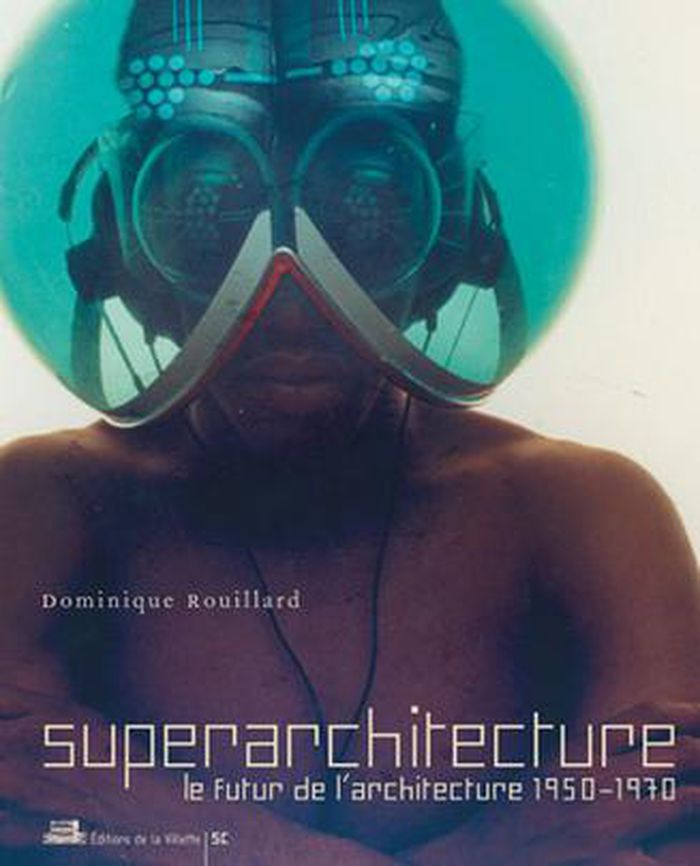
La médiocrité esthétique et le fonctionnalisme primaire de la reconstruction post 1945 sécrète une crise durable qui affecte l’architecture et l’urbanisme dans l’ensemble du monde occidental. A la "Cité radieuse" des années 1930 succède, au milieu du siècle, une nouvelle utopie la "Mégastructure". Hybride colossal traversant des territoires sans frontières, elle règle du même élan, et l’architecture, et l’urbanisme, et les infrastructures. Mais l’engouement pour ces grandes machines sensées résoudre les problèmes à l’échelle planétaire s’émousse durant les sixties. La "Mégastructure" cède le pas à l’"Architecture radicale", ce faisant on assiste au basculement d’une approche de l’architecture dont les références sont le besoin et la construction à une autre dont les références sont l’immédiateté et la consommation, les objets mobiles et le plaisir du corps. Cette transformation correspond au passage d’une architecture conçue en terme de progrès social et de bonheur humain, à une architecture de la révélation du monde existant. Première monographie exhaustive sur la période, Superarchitecture est abondamment illustrée à l’aide d’une iconographie originale issue des archives des Smithson, d’Hollein, de Fuller, Friedman, Archigram, Price, Archizoom, Superstudio, etc. De l’utopie critique qui se dégage des projets de ces acteurs et de la puissance évocatrice de leurs dessins, les architectes contemporains comme Koolhaas, Tschumi ou MRDV se sont fortement inspirés pour construire leur univers conceptuel.
Superarchitecture : le futur de l'architecture 1950-1970
Actions:
Price:
$79.95
(available to order)
Summary:
La médiocrité esthétique et le fonctionnalisme primaire de la reconstruction post 1945 sécrète une crise durable qui affecte l’architecture et l’urbanisme dans l’ensemble du monde occidental. A la "Cité radieuse" des années 1930 succède, au milieu du siècle, une nouvelle utopie la "Mégastructure". Hybride colossal traversant des territoires sans frontières, elle règle du même élan, et l’architecture, et l’urbanisme, et les infrastructures. Mais l’engouement pour ces grandes machines sensées résoudre les problèmes à l’échelle planétaire s’émousse durant les sixties. La "Mégastructure" cède le pas à l’"Architecture radicale", ce faisant on assiste au basculement d’une approche de l’architecture dont les références sont le besoin et la construction à une autre dont les références sont l’immédiateté et la consommation, les objets mobiles et le plaisir du corps. Cette transformation correspond au passage d’une architecture conçue en terme de progrès social et de bonheur humain, à une architecture de la révélation du monde existant. Première monographie exhaustive sur la période, Superarchitecture est abondamment illustrée à l’aide d’une iconographie originale issue des archives des Smithson, d’Hollein, de Fuller, Friedman, Archigram, Price, Archizoom, Superstudio, etc. De l’utopie critique qui se dégage des projets de ces acteurs et de la puissance évocatrice de leurs dessins, les architectes contemporains comme Koolhaas, Tschumi ou MRDV se sont fortement inspirés pour construire leur univers conceptuel.
Form:
books
books
Publication:
October 2004, Paris
October 2004, Paris
Form:
books
books
Actions:
Price:
$43.95
(available to order)
Summary:
This catalogue was published on the occasion of the exhibition "Down the path : the artist's garden after modernism" at the Queens Museum of Art. " This study will not perpetuate a restricted examination of the formal aspects of gardens but present a selection of divergent positions taken both from lived experience and scholarship. In this effort "Down the garden path:(...)
$43.95
(available to order)
Summary:
This catalogue was published on the occasion of the exhibition "Down the path : the artist's garden after modernism" at the Queens Museum of Art. " This study will not perpetuate a restricted examination of the formal aspects of gardens but present a selection of divergent positions taken both from lived experience and scholarship. In this effort "Down the garden path:(...)
Subject:
Gardens
Gardens
Publication:
January 2006, Queens
January 2006, Queens
Title:
Down the garden path : the artist's garden after modernism
Actions:
Price:
$43.95
(available to order)
Summary:
This catalogue was published on the occasion of the exhibition "Down the path : the artist's garden after modernism" at the Queens Museum of Art. " This study will not perpetuate a restricted examination of the formal aspects of gardens but present a selection of divergent positions taken both from lived experience and scholarship. In this effort "Down the garden path: the artist’s garden after modernism" moves away from the narrow representation of only exhibiting garden documents, to show a broad range of materials that refer to gardens as metaphors or points of departure to understand history, politics, and our relationship to nature. There is a long and distinguished list of artists’ gardens. Presented here is a small selection chosen from the vast history, not because they are well known for several of them are imaginary and another has been all but destroyed, but because of their integrity to an uncompromising position about the world." (Valerie Smith). Participating artists : Vito Acconci, Ghada Amer, Lothar Baumgarten, Roberto Burle Marx, Tom Burr, Mel Chin, Thierry De Cordier, Mark Dion, Stan Douglas, Ian Hamilton Finlay, Dan Graham, Lonnie Graham, Paula Hayes, Jenny Holzer, Ronald Jones, Anissa Mack and Dave McKenzie, Gordon Matta-Clark, Franco Mondini-Ruiz, Isamu Noguchi, Nils Norman, Christian Philipp Müller, Ingrid Pollard, Robert Smithson, Alan Sonfist, Brian Tolle and Diana Balmori, Sergio Vega, Jan Vercruysse and Meg Webster.
Down the garden path : the artist's garden after modernism
Actions:
Price:
$43.95
(available to order)
Summary:
This catalogue was published on the occasion of the exhibition "Down the path : the artist's garden after modernism" at the Queens Museum of Art. " This study will not perpetuate a restricted examination of the formal aspects of gardens but present a selection of divergent positions taken both from lived experience and scholarship. In this effort "Down the garden path: the artist’s garden after modernism" moves away from the narrow representation of only exhibiting garden documents, to show a broad range of materials that refer to gardens as metaphors or points of departure to understand history, politics, and our relationship to nature. There is a long and distinguished list of artists’ gardens. Presented here is a small selection chosen from the vast history, not because they are well known for several of them are imaginary and another has been all but destroyed, but because of their integrity to an uncompromising position about the world." (Valerie Smith). Participating artists : Vito Acconci, Ghada Amer, Lothar Baumgarten, Roberto Burle Marx, Tom Burr, Mel Chin, Thierry De Cordier, Mark Dion, Stan Douglas, Ian Hamilton Finlay, Dan Graham, Lonnie Graham, Paula Hayes, Jenny Holzer, Ronald Jones, Anissa Mack and Dave McKenzie, Gordon Matta-Clark, Franco Mondini-Ruiz, Isamu Noguchi, Nils Norman, Christian Philipp Müller, Ingrid Pollard, Robert Smithson, Alan Sonfist, Brian Tolle and Diana Balmori, Sergio Vega, Jan Vercruysse and Meg Webster.
Form:
books
books
Publication:
January 2006, Queens
January 2006, Queens
Subject:
Gardens
Gardens
Form:
books
books
Actions:
Price:
$38.00
(available to order)
Summary:
Garden design in the twentieth century ranges from Victorian-era examples to the age of Land Art. This span results in an extraordinarily varied survey - from Europe to South America, from Japan to the United States - including work by garden and landscape designers whose names are familiar to both lovers and scholars of the modern garden: Robinson, Jekyll, Jensen,(...)
$38.00
(available to order)
Summary:
Garden design in the twentieth century ranges from Victorian-era examples to the age of Land Art. This span results in an extraordinarily varied survey - from Europe to South America, from Japan to the United States - including work by garden and landscape designers whose names are familiar to both lovers and scholars of the modern garden: Robinson, Jekyll, Jensen,(...)
Title:
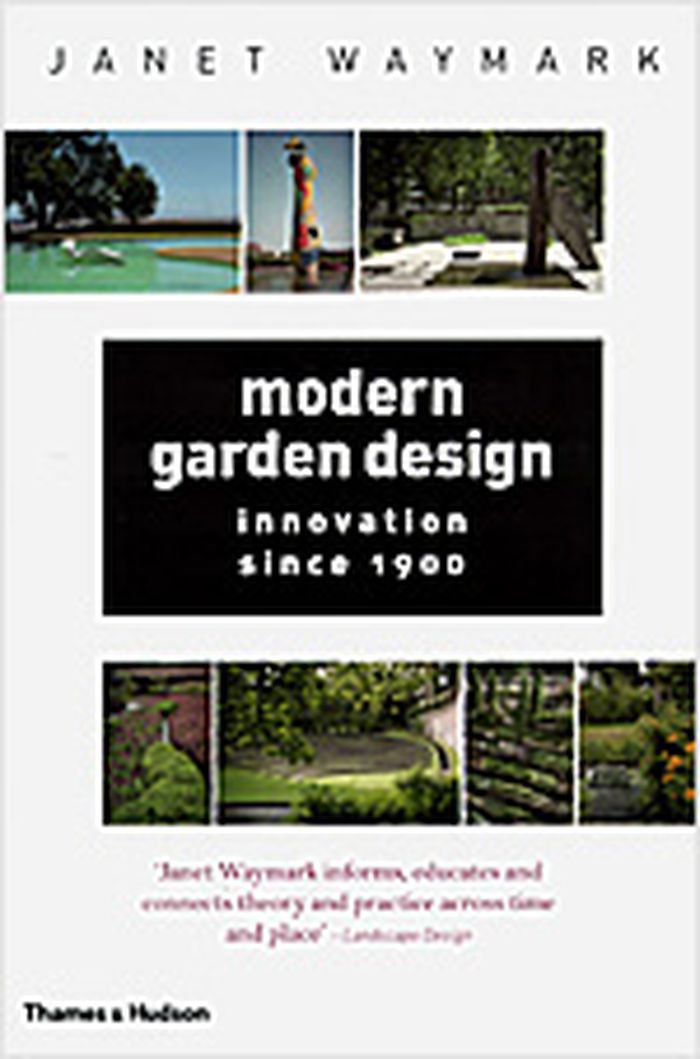
Modern garden design : innovation since 1900
Actions:
Price:
$38.00
(available to order)
Summary:
Garden design in the twentieth century ranges from Victorian-era examples to the age of Land Art. This span results in an extraordinarily varied survey - from Europe to South America, from Japan to the United States - including work by garden and landscape designers whose names are familiar to both lovers and scholars of the modern garden: Robinson, Jekyll, Jensen, Farrand, Sessions, Mawson, Church, Sørensen, and Jellicoe. Janet Waymark traces the revolutionary changes brought about in the postwar period by the Harvard Rebels - Eckbo, Rose, and Kiley - and examines the impact of Noguchi, Burle Marx, Barragán, and others, as well as the powerful international influence of Scandinavian landscape architects and designers. The garden city is also given close attention, from its beginnings in late Victorian Britain, through the Greenbelt Towns in the American Midwest, to the latest regeneration of urban centres worldwide. A long line of artists and architects of international renown have earned a place in the history of the modern garden: Monet, Le Corbusier, Mondrian, Wright, Mies van der Rohe, and Gaudí, among others. Land artists, such as Michael Heizer, Robert Smithson, Patricia Johanson, and Kathryn Gustafson in America and Richard Long, Andy Goldsworthy, and Ian Hamilton Finlay in the UK, have brought new ways of thinking about landscape and the garden into the twenty-first century.
Modern garden design : innovation since 1900
Actions:
Price:
$38.00
(available to order)
Summary:
Garden design in the twentieth century ranges from Victorian-era examples to the age of Land Art. This span results in an extraordinarily varied survey - from Europe to South America, from Japan to the United States - including work by garden and landscape designers whose names are familiar to both lovers and scholars of the modern garden: Robinson, Jekyll, Jensen, Farrand, Sessions, Mawson, Church, Sørensen, and Jellicoe. Janet Waymark traces the revolutionary changes brought about in the postwar period by the Harvard Rebels - Eckbo, Rose, and Kiley - and examines the impact of Noguchi, Burle Marx, Barragán, and others, as well as the powerful international influence of Scandinavian landscape architects and designers. The garden city is also given close attention, from its beginnings in late Victorian Britain, through the Greenbelt Towns in the American Midwest, to the latest regeneration of urban centres worldwide. A long line of artists and architects of international renown have earned a place in the history of the modern garden: Monet, Le Corbusier, Mondrian, Wright, Mies van der Rohe, and Gaudí, among others. Land artists, such as Michael Heizer, Robert Smithson, Patricia Johanson, and Kathryn Gustafson in America and Richard Long, Andy Goldsworthy, and Ian Hamilton Finlay in the UK, have brought new ways of thinking about landscape and the garden into the twenty-first century.
Form:
books
books
Publication:
January 1900, New York
January 1900, New York
Subject:
Gardens
Gardens


