


6146 Results
Form:
exhibitions
exhibitions
Description:
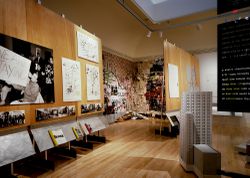
In the 1980s and 1990s, the trend in urban design shifted from the global planning approach—exemplified by the urban master plans of the 1950s and 1960s—to a sector based approach favouring gradual change rather than the rebuilding of cities. Urban Revisions: Current Projects for the Public Realm examines the physical and social space of the city, as seen by contemporary(...)
In the 1980s and 1990s, the trend in urban design shifted from the global planning approach—exemplified by the urban master plans of the 1950s and 1960s—to a sector based approach favouring gradual change rather than the rebuilding of cities. Urban Revisions: Current Projects for the Public Realm examines the physical and social space of the city, as seen by contemporary(...)
Location:
Main galleries
Main galleries
Date:
19 October 1994 to 8 January 1995
19 October 1994 to 8 January 1995
Title:
Urban Revisions: Current Projects for the Public Realm
Actions:
Description:
In the 1980s and 1990s, the trend in urban design shifted from the global planning approach—exemplified by the urban master plans of the 1950s and 1960s—to a sector based approach favouring gradual change rather than the rebuilding of cities. Urban Revisions: Current Projects for the Public Realm examines the physical and social space of the city, as seen by contemporary(...)
Urban Revisions: Current Projects for the Public Realm
Actions:
Description:
In the 1980s and 1990s, the trend in urban design shifted from the global planning approach—exemplified by the urban master plans of the 1950s and 1960s—to a sector based approach favouring gradual change rather than the rebuilding of cities. Urban Revisions: Current Projects for the Public Realm examines the physical and social space of the city, as seen by contemporary(...)
Form:
exhibitions
exhibitions
Date:
19 October 1994 to
8 January 1995
19 October 1994 to
8 January 1995
Location:
Main galleries
Main galleries
Form:
events
events
Actions:
Description:
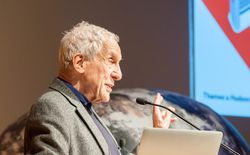
In this conversation, Kenneth Frampton (Columbia University) will discuss approaches to architectural history today with Esra Akcan (Cornell University) and Mark Jarzombek (Massachusetts Institute of Technology). What does it mean to write a global history of architecture now? What is the relationship between such a history and urgent contemporary concerns? During a(...)
In this conversation, Kenneth Frampton (Columbia University) will discuss approaches to architectural history today with Esra Akcan (Cornell University) and Mark Jarzombek (Massachusetts Institute of Technology). What does it mean to write a global history of architecture now? What is the relationship between such a history and urgent contemporary concerns? During a(...)
Date:
6 April 2017
6 April 2017
Title:
A Conversation with Kenneth Frampton: Can There Be a Global Architectural History Today?
Actions:
Description:
In this conversation, Kenneth Frampton (Columbia University) will discuss approaches to architectural history today with Esra Akcan (Cornell University) and Mark Jarzombek (Massachusetts Institute of Technology). What does it mean to write a global history of architecture now? What is the relationship between such a history and urgent contemporary concerns? During a(...)
A Conversation with Kenneth Frampton: Can There Be a Global Architectural History Today?
Actions:
Description:
In this conversation, Kenneth Frampton (Columbia University) will discuss approaches to architectural history today with Esra Akcan (Cornell University) and Mark Jarzombek (Massachusetts Institute of Technology). What does it mean to write a global history of architecture now? What is the relationship between such a history and urgent contemporary concerns? During a(...)
Form:
events
events
Date:
6 April 2017
6 April 2017
Level of archival description:
Project
Project
Actions:
Reference number:
AP018.S1.1982.PR07
Description:
This project series documents the design and construction of the Hamilton Trade Centre and Arena in Hamilton, Ontario from 1982-1985. The office identified the project number as 8207. The project consisted of a 60,000 square foot exhibition hall and arena, which had a capacity of 18,000. Opening in November 1985, the building was designed to host sports events (primarily hockey) and concerts. The project was reported to have cost $42 million. Along with Parkin Partnership as the architecture firm, John C. Parkin’s engineering company Parkin Engineers Ltd. worked as structural engineers on the project. The building, commissioned by the city of Hamilton, was officially called Copps Coliseum after the former Hamilton mayor, Victor Copps, who pushed for its creation throughout his career. In 2014, the name was changed to FirstOntario Centre. The project is recorded through reprographic copies of construction drawings, research, construction and presentation photographs, and textual records dating from 1982-1987. The textual records show design research, client correspondence, contractor work, specifications, publicity, and financial records. Any original drawings for this project are arranged within the textual records.
AP018.S1.1982.PR07
Description:
This project series documents the design and construction of the Hamilton Trade Centre and Arena in Hamilton, Ontario from 1982-1985. The office identified the project number as 8207. The project consisted of a 60,000 square foot exhibition hall and arena, which had a capacity of 18,000. Opening in November 1985, the building was designed to host sports events (primarily hockey) and concerts. The project was reported to have cost $42 million. Along with Parkin Partnership as the architecture firm, John C. Parkin’s engineering company Parkin Engineers Ltd. worked as structural engineers on the project. The building, commissioned by the city of Hamilton, was officially called Copps Coliseum after the former Hamilton mayor, Victor Copps, who pushed for its creation throughout his career. In 2014, the name was changed to FirstOntario Centre. The project is recorded through reprographic copies of construction drawings, research, construction and presentation photographs, and textual records dating from 1982-1987. The textual records show design research, client correspondence, contractor work, specifications, publicity, and financial records. Any original drawings for this project are arranged within the textual records.
People:
Date:
1982-1987
1982-1987
Title:
Hamilton Trade Centre and Arena, Hamilton, Ontario (1982-1985)
Actions:
AP018.S1.1982.PR07
Description:
This project series documents the design and construction of the Hamilton Trade Centre and Arena in Hamilton, Ontario from 1982-1985. The office identified the project number as 8207. The project consisted of a 60,000 square foot exhibition hall and arena, which had a capacity of 18,000. Opening in November 1985, the building was designed to host sports events (primarily hockey) and concerts. The project was reported to have cost $42 million. Along with Parkin Partnership as the architecture firm, John C. Parkin’s engineering company Parkin Engineers Ltd. worked as structural engineers on the project. The building, commissioned by the city of Hamilton, was officially called Copps Coliseum after the former Hamilton mayor, Victor Copps, who pushed for its creation throughout his career. In 2014, the name was changed to FirstOntario Centre. The project is recorded through reprographic copies of construction drawings, research, construction and presentation photographs, and textual records dating from 1982-1987. The textual records show design research, client correspondence, contractor work, specifications, publicity, and financial records. Any original drawings for this project are arranged within the textual records.
Hamilton Trade Centre and Arena, Hamilton, Ontario (1982-1985)
Actions:
AP018.S1.1982.PR07
Description:
This project series documents the design and construction of the Hamilton Trade Centre and Arena in Hamilton, Ontario from 1982-1985. The office identified the project number as 8207. The project consisted of a 60,000 square foot exhibition hall and arena, which had a capacity of 18,000. Opening in November 1985, the building was designed to host sports events (primarily hockey) and concerts. The project was reported to have cost $42 million. Along with Parkin Partnership as the architecture firm, John C. Parkin’s engineering company Parkin Engineers Ltd. worked as structural engineers on the project. The building, commissioned by the city of Hamilton, was officially called Copps Coliseum after the former Hamilton mayor, Victor Copps, who pushed for its creation throughout his career. In 2014, the name was changed to FirstOntario Centre. The project is recorded through reprographic copies of construction drawings, research, construction and presentation photographs, and textual records dating from 1982-1987. The textual records show design research, client correspondence, contractor work, specifications, publicity, and financial records. Any original drawings for this project are arranged within the textual records.
Level of archival description:
Project
Project
Date:
1982-1987
1982-1987
People:
Form:
archives
Level of archival description:
Fonds
archives
Level of archival description:
Fonds
Actions:
Reference number:
AP198
Synopsis:
The Kivi Sotamaa OCEAN North project records, 1997-2000, consist of born-digital files, drawings, photographs, and physical models that document two projects by the OCEAN North collective: Jyväskylä Music and Arts Centre (competition, 1997) and Tölöö Football Stadium (competition, 1997). The archive also includes born-digital reference materials on 14 projects from the collective, including the two projects mentioned above.
AP198
Synopsis:
The Kivi Sotamaa OCEAN North project records, 1997-2000, consist of born-digital files, drawings, photographs, and physical models that document two projects by the OCEAN North collective: Jyväskylä Music and Arts Centre (competition, 1997) and Tölöö Football Stadium (competition, 1997). The archive also includes born-digital reference materials on 14 projects from the collective, including the two projects mentioned above.
People:
Date:
1997-2000
1997-2000
Title:
Kivi Sotamaa OCEAN North project records
Actions:
AP198
Synopsis:
The Kivi Sotamaa OCEAN North project records, 1997-2000, consist of born-digital files, drawings, photographs, and physical models that document two projects by the OCEAN North collective: Jyväskylä Music and Arts Centre (competition, 1997) and Tölöö Football Stadium (competition, 1997). The archive also includes born-digital reference materials on 14 projects from the collective, including the two projects mentioned above.
Kivi Sotamaa OCEAN North project records
Actions:
AP198
Synopsis:
The Kivi Sotamaa OCEAN North project records, 1997-2000, consist of born-digital files, drawings, photographs, and physical models that document two projects by the OCEAN North collective: Jyväskylä Music and Arts Centre (competition, 1997) and Tölöö Football Stadium (competition, 1997). The archive also includes born-digital reference materials on 14 projects from the collective, including the two projects mentioned above.
Form:
archives
Level of archival description:
Fonds
archives
Level of archival description:
Fonds
Date:
1997-2000
1997-2000
People:
Level of archival description:
Project
Project
Reference number:
AP178.S1.1992.PR04
Description:
This project series documents the Helsinki Museum of Contemporary Art. While the records were held in the office’s archives this project was assigned the number 28/90. The office assigned the dates 1992-1993 to this project. For the 75th anniversary of the independence of the country, the Finnish government held a competition for the design of the Museum of Contemporary Art of Helsinki. The competition was exclusive to Scandinavian architects, with the exception of four invited architects, including Àlvaro Siza. Eduardo Souto de Moura collaborated with Siza on the design. The project site was located in the center of Helsinki, near the main post office and the Parliament. Siza decided to name the building Cometa. The proposal included exhibition spaces, teaching and public facilities, an auditorium, workrooms, workshops, storerooms, film studio, and spaces for the administration and archives. The showrooms were located on the first floor and most of the lighting was intended to come from natural light. The design proposed by Siza included the use of granite for the exterior of the building. Steven Holl was selected by the jury to built the museum. Documenting this project are floor plans, sections, elevations, and site plans. Textual material includes project documentation, competition documentation, and correspondence. Photographs and negatives document the project site.
AP178.S1.1992.PR04
Description:
This project series documents the Helsinki Museum of Contemporary Art. While the records were held in the office’s archives this project was assigned the number 28/90. The office assigned the dates 1992-1993 to this project. For the 75th anniversary of the independence of the country, the Finnish government held a competition for the design of the Museum of Contemporary Art of Helsinki. The competition was exclusive to Scandinavian architects, with the exception of four invited architects, including Àlvaro Siza. Eduardo Souto de Moura collaborated with Siza on the design. The project site was located in the center of Helsinki, near the main post office and the Parliament. Siza decided to name the building Cometa. The proposal included exhibition spaces, teaching and public facilities, an auditorium, workrooms, workshops, storerooms, film studio, and spaces for the administration and archives. The showrooms were located on the first floor and most of the lighting was intended to come from natural light. The design proposed by Siza included the use of granite for the exterior of the building. Steven Holl was selected by the jury to built the museum. Documenting this project are floor plans, sections, elevations, and site plans. Textual material includes project documentation, competition documentation, and correspondence. Photographs and negatives document the project site.
People:
Date:
1992-1993
1992-1993
Title:
Museu de Arte Contemporânea para Helsínquia [Helsinki Museum of Contemporary Art], Helsinki, Finland (1992-1993)
Actions:
AP178.S1.1992.PR04
Description:
This project series documents the Helsinki Museum of Contemporary Art. While the records were held in the office’s archives this project was assigned the number 28/90. The office assigned the dates 1992-1993 to this project. For the 75th anniversary of the independence of the country, the Finnish government held a competition for the design of the Museum of Contemporary Art of Helsinki. The competition was exclusive to Scandinavian architects, with the exception of four invited architects, including Àlvaro Siza. Eduardo Souto de Moura collaborated with Siza on the design. The project site was located in the center of Helsinki, near the main post office and the Parliament. Siza decided to name the building Cometa. The proposal included exhibition spaces, teaching and public facilities, an auditorium, workrooms, workshops, storerooms, film studio, and spaces for the administration and archives. The showrooms were located on the first floor and most of the lighting was intended to come from natural light. The design proposed by Siza included the use of granite for the exterior of the building. Steven Holl was selected by the jury to built the museum. Documenting this project are floor plans, sections, elevations, and site plans. Textual material includes project documentation, competition documentation, and correspondence. Photographs and negatives document the project site.
Museu de Arte Contemporânea para Helsínquia [Helsinki Museum of Contemporary Art], Helsinki, Finland (1992-1993)
Actions:
AP178.S1.1992.PR04
Description:
This project series documents the Helsinki Museum of Contemporary Art. While the records were held in the office’s archives this project was assigned the number 28/90. The office assigned the dates 1992-1993 to this project. For the 75th anniversary of the independence of the country, the Finnish government held a competition for the design of the Museum of Contemporary Art of Helsinki. The competition was exclusive to Scandinavian architects, with the exception of four invited architects, including Àlvaro Siza. Eduardo Souto de Moura collaborated with Siza on the design. The project site was located in the center of Helsinki, near the main post office and the Parliament. Siza decided to name the building Cometa. The proposal included exhibition spaces, teaching and public facilities, an auditorium, workrooms, workshops, storerooms, film studio, and spaces for the administration and archives. The showrooms were located on the first floor and most of the lighting was intended to come from natural light. The design proposed by Siza included the use of granite for the exterior of the building. Steven Holl was selected by the jury to built the museum. Documenting this project are floor plans, sections, elevations, and site plans. Textual material includes project documentation, competition documentation, and correspondence. Photographs and negatives document the project site.
Level of archival description:
Project
Project
Date:
1992-1993
1992-1993
People:
Form:
exhibitions
exhibitions
Actions:
Description:
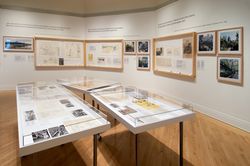
Cornelia Hahn Oberlander: Ecological Landscapes demonstrates Oberlanders pioneering vision of socially conscious and environmentally sustainable landscape design in Canada. The exhibition presents a selection of projects executed in Ottawa, Toronto, Vancouver, Yellowknife, and Berlin over a period of more than 30 years. Drawings and writings from the CCA’s Oberlander(...)
Cornelia Hahn Oberlander: Ecological Landscapes demonstrates Oberlanders pioneering vision of socially conscious and environmentally sustainable landscape design in Canada. The exhibition presents a selection of projects executed in Ottawa, Toronto, Vancouver, Yellowknife, and Berlin over a period of more than 30 years. Drawings and writings from the CCA’s Oberlander(...)
Location:
Octagonal gallery
Octagonal gallery
Date:
11 May 2006 to 30 July 2006
11 May 2006 to 30 July 2006
Title:
Cornelia Hahn Oberlander: Ecological Landscapes
Actions:
Description:
Cornelia Hahn Oberlander: Ecological Landscapes demonstrates Oberlanders pioneering vision of socially conscious and environmentally sustainable landscape design in Canada. The exhibition presents a selection of projects executed in Ottawa, Toronto, Vancouver, Yellowknife, and Berlin over a period of more than 30 years. Drawings and writings from the CCA’s Oberlander(...)
Cornelia Hahn Oberlander: Ecological Landscapes
Actions:
Description:
Cornelia Hahn Oberlander: Ecological Landscapes demonstrates Oberlanders pioneering vision of socially conscious and environmentally sustainable landscape design in Canada. The exhibition presents a selection of projects executed in Ottawa, Toronto, Vancouver, Yellowknife, and Berlin over a period of more than 30 years. Drawings and writings from the CCA’s Oberlander(...)
Form:
exhibitions
exhibitions
Date:
11 May 2006 to
30 July 2006
11 May 2006 to
30 July 2006
Location:
Octagonal gallery
Octagonal gallery
Form:
archives
Level of archival description:
Fonds
archives
Level of archival description:
Fonds
Title:
Victor Prus fonds
Victor Prus fonds
Reference number:
AP163
Synopsis:
The Victor Prus fonds documents the professional practice of architect Victor Prus from student and professional work in England to architectural projects in Canada. The majority of the documents in the fonds consist of drawings and textual records relating to over 90 projects, such as Centre Rockland (1960), the Expo 67 Stadium (1967), the Grand Théâtre de Québec (1971) and the Palais des Congrès de Montréal (1983).
AP163
Synopsis:
The Victor Prus fonds documents the professional practice of architect Victor Prus from student and professional work in England to architectural projects in Canada. The majority of the documents in the fonds consist of drawings and textual records relating to over 90 projects, such as Centre Rockland (1960), the Expo 67 Stadium (1967), the Grand Théâtre de Québec (1971) and the Palais des Congrès de Montréal (1983).
People:
Date:
1945-1992
1945-1992
Title:
Victor Prus fonds
Actions:
AP163
Synopsis:
The Victor Prus fonds documents the professional practice of architect Victor Prus from student and professional work in England to architectural projects in Canada. The majority of the documents in the fonds consist of drawings and textual records relating to over 90 projects, such as Centre Rockland (1960), the Expo 67 Stadium (1967), the Grand Théâtre de Québec (1971) and the Palais des Congrès de Montréal (1983).
Victor Prus fonds
Actions:
AP163
Synopsis:
The Victor Prus fonds documents the professional practice of architect Victor Prus from student and professional work in England to architectural projects in Canada. The majority of the documents in the fonds consist of drawings and textual records relating to over 90 projects, such as Centre Rockland (1960), the Expo 67 Stadium (1967), the Grand Théâtre de Québec (1971) and the Palais des Congrès de Montréal (1983).
Form:
archives
Level of archival description:
Fonds
archives
Level of archival description:
Fonds
Date:
1945-1992
1945-1992
People:
Level of archival description:
Series
Series
Actions:
Reference number:
AP179.S1
Description:
Series 1, Casa La Roca, Caracas, Venezuela, 1995 – 2001, documents the development of a project (unrealized) for a residential home situated among the hills at the southern edge of Caracas. The majority of records were produced between 1995 and 1997. The series consists of sketches, drawings and reprographic copies for the conceptual and design development phases of the project, a wood model and model pieces, photographs of the site, and textual records including correspondence and zoning records. The series also contains an oversized banner printed with an image of the model that was featured in the Fabrications exhibition at the Museum of Modern Art, New York, in 1998, as well as plans for the show. The digital material in this series consists of an animated rendering of the brick patio wall and photographs of the physical drawings and the model for Casa La Roca. The name of the project, Casa la Roca (in English, “the rock house”), is derived from a large mass of rock that occupies the back of the property. The design utilizes the presence of the rock, in combination with sliding glass doors and windows, to create an “outdoor room” that functions both as a living space and back yard. The design also incorporates the nature of the site through the use of materials such as terracotta block, brick, and tile.
AP179.S1
Description:
Series 1, Casa La Roca, Caracas, Venezuela, 1995 – 2001, documents the development of a project (unrealized) for a residential home situated among the hills at the southern edge of Caracas. The majority of records were produced between 1995 and 1997. The series consists of sketches, drawings and reprographic copies for the conceptual and design development phases of the project, a wood model and model pieces, photographs of the site, and textual records including correspondence and zoning records. The series also contains an oversized banner printed with an image of the model that was featured in the Fabrications exhibition at the Museum of Modern Art, New York, in 1998, as well as plans for the show. The digital material in this series consists of an animated rendering of the brick patio wall and photographs of the physical drawings and the model for Casa La Roca. The name of the project, Casa la Roca (in English, “the rock house”), is derived from a large mass of rock that occupies the back of the property. The design utilizes the presence of the rock, in combination with sliding glass doors and windows, to create an “outdoor room” that functions both as a living space and back yard. The design also incorporates the nature of the site through the use of materials such as terracotta block, brick, and tile.
People:
Date:
1995 - 2001
1995 - 2001
Title:
Casa La Roca, Caracas, Venezuela (1995 - 2001)
Actions:
AP179.S1
Description:
Series 1, Casa La Roca, Caracas, Venezuela, 1995 – 2001, documents the development of a project (unrealized) for a residential home situated among the hills at the southern edge of Caracas. The majority of records were produced between 1995 and 1997. The series consists of sketches, drawings and reprographic copies for the conceptual and design development phases of the project, a wood model and model pieces, photographs of the site, and textual records including correspondence and zoning records. The series also contains an oversized banner printed with an image of the model that was featured in the Fabrications exhibition at the Museum of Modern Art, New York, in 1998, as well as plans for the show. The digital material in this series consists of an animated rendering of the brick patio wall and photographs of the physical drawings and the model for Casa La Roca. The name of the project, Casa la Roca (in English, “the rock house”), is derived from a large mass of rock that occupies the back of the property. The design utilizes the presence of the rock, in combination with sliding glass doors and windows, to create an “outdoor room” that functions both as a living space and back yard. The design also incorporates the nature of the site through the use of materials such as terracotta block, brick, and tile.
Casa La Roca, Caracas, Venezuela (1995 - 2001)
Actions:
AP179.S1
Description:
Series 1, Casa La Roca, Caracas, Venezuela, 1995 – 2001, documents the development of a project (unrealized) for a residential home situated among the hills at the southern edge of Caracas. The majority of records were produced between 1995 and 1997. The series consists of sketches, drawings and reprographic copies for the conceptual and design development phases of the project, a wood model and model pieces, photographs of the site, and textual records including correspondence and zoning records. The series also contains an oversized banner printed with an image of the model that was featured in the Fabrications exhibition at the Museum of Modern Art, New York, in 1998, as well as plans for the show. The digital material in this series consists of an animated rendering of the brick patio wall and photographs of the physical drawings and the model for Casa La Roca. The name of the project, Casa la Roca (in English, “the rock house”), is derived from a large mass of rock that occupies the back of the property. The design utilizes the presence of the rock, in combination with sliding glass doors and windows, to create an “outdoor room” that functions both as a living space and back yard. The design also incorporates the nature of the site through the use of materials such as terracotta block, brick, and tile.
Level of archival description:
Series
Series
Date:
1995 - 2001
1995 - 2001
People:
Level of archival description:
Series
Series
Title:
Project records from Mr. Koz
Project records from Mr. Koz
Actions:
Reference number:
AP168.S2
Description:
The Project records from Mr. Koz series, 1996, consists of records produced by Seiichi Kozu of Studio KOZ, a local architect who managed the physical construction and installation of Denari’s show “Interrupted Projections” at Gallery MA in Tokyo, Japan. The series consists of 20 drawings and/or reprographic copies, 19 layouts, 16 slides, and a small amount of promotional material including three posters and one promotional pamphlet. Records date from 1996. For Interrupted Projections, in collaboration with Tokyo-based architect Seiichi Kozu (Mr. Koz) of Studio KOZ, Denari used traditional construction techniques to build a structure inside the gallery space that blended floor, wall and ceiling into a continuous curved surface. This surface displayed printed logos for fictional corporations, designed specifically for the exhibition. The majority of drawings and reprographic copies in the series relate to the construction of the principal architectural installation built on the third floor of Gallery MA. This includes plans and sections for the third floor, as well as working drawings that detail specifications such as dimensions, materials, layouts, and assembly techniques. The series also contains a set of five drawings that include first and second floor plans and sections of Gallery MA. The majority of writing on the drawings is Japanese, aside from one reprographic copy with third floor plans and sections that contains notes in English about elements of the installation such as lighting and the placement and size of fictional company logos. Photographic materials in the series comprise 16 slides that contain images of the built installation, as well as images of the exhibition open to the public, including slides of visitors interacting with the NaviCam. The series also includes printed layouts of the 3D digital renderings for the Interrupted Projections model alongside a pantone sheet, which were used as a reference during the construction process. Promotional material in the series includes three small posters for the exhibition, as well as a brochure that highlights selected works from the show.
AP168.S2
Description:
The Project records from Mr. Koz series, 1996, consists of records produced by Seiichi Kozu of Studio KOZ, a local architect who managed the physical construction and installation of Denari’s show “Interrupted Projections” at Gallery MA in Tokyo, Japan. The series consists of 20 drawings and/or reprographic copies, 19 layouts, 16 slides, and a small amount of promotional material including three posters and one promotional pamphlet. Records date from 1996. For Interrupted Projections, in collaboration with Tokyo-based architect Seiichi Kozu (Mr. Koz) of Studio KOZ, Denari used traditional construction techniques to build a structure inside the gallery space that blended floor, wall and ceiling into a continuous curved surface. This surface displayed printed logos for fictional corporations, designed specifically for the exhibition. The majority of drawings and reprographic copies in the series relate to the construction of the principal architectural installation built on the third floor of Gallery MA. This includes plans and sections for the third floor, as well as working drawings that detail specifications such as dimensions, materials, layouts, and assembly techniques. The series also contains a set of five drawings that include first and second floor plans and sections of Gallery MA. The majority of writing on the drawings is Japanese, aside from one reprographic copy with third floor plans and sections that contains notes in English about elements of the installation such as lighting and the placement and size of fictional company logos. Photographic materials in the series comprise 16 slides that contain images of the built installation, as well as images of the exhibition open to the public, including slides of visitors interacting with the NaviCam. The series also includes printed layouts of the 3D digital renderings for the Interrupted Projections model alongside a pantone sheet, which were used as a reference during the construction process. Promotional material in the series includes three small posters for the exhibition, as well as a brochure that highlights selected works from the show.
People:
Date:
1996
1996
Title:
Project records from Mr. Koz
Actions:
AP168.S2
Description:
The Project records from Mr. Koz series, 1996, consists of records produced by Seiichi Kozu of Studio KOZ, a local architect who managed the physical construction and installation of Denari’s show “Interrupted Projections” at Gallery MA in Tokyo, Japan. The series consists of 20 drawings and/or reprographic copies, 19 layouts, 16 slides, and a small amount of promotional material including three posters and one promotional pamphlet. Records date from 1996. For Interrupted Projections, in collaboration with Tokyo-based architect Seiichi Kozu (Mr. Koz) of Studio KOZ, Denari used traditional construction techniques to build a structure inside the gallery space that blended floor, wall and ceiling into a continuous curved surface. This surface displayed printed logos for fictional corporations, designed specifically for the exhibition. The majority of drawings and reprographic copies in the series relate to the construction of the principal architectural installation built on the third floor of Gallery MA. This includes plans and sections for the third floor, as well as working drawings that detail specifications such as dimensions, materials, layouts, and assembly techniques. The series also contains a set of five drawings that include first and second floor plans and sections of Gallery MA. The majority of writing on the drawings is Japanese, aside from one reprographic copy with third floor plans and sections that contains notes in English about elements of the installation such as lighting and the placement and size of fictional company logos. Photographic materials in the series comprise 16 slides that contain images of the built installation, as well as images of the exhibition open to the public, including slides of visitors interacting with the NaviCam. The series also includes printed layouts of the 3D digital renderings for the Interrupted Projections model alongside a pantone sheet, which were used as a reference during the construction process. Promotional material in the series includes three small posters for the exhibition, as well as a brochure that highlights selected works from the show.
Project records from Mr. Koz
Actions:
AP168.S2
Description:
The Project records from Mr. Koz series, 1996, consists of records produced by Seiichi Kozu of Studio KOZ, a local architect who managed the physical construction and installation of Denari’s show “Interrupted Projections” at Gallery MA in Tokyo, Japan. The series consists of 20 drawings and/or reprographic copies, 19 layouts, 16 slides, and a small amount of promotional material including three posters and one promotional pamphlet. Records date from 1996. For Interrupted Projections, in collaboration with Tokyo-based architect Seiichi Kozu (Mr. Koz) of Studio KOZ, Denari used traditional construction techniques to build a structure inside the gallery space that blended floor, wall and ceiling into a continuous curved surface. This surface displayed printed logos for fictional corporations, designed specifically for the exhibition. The majority of drawings and reprographic copies in the series relate to the construction of the principal architectural installation built on the third floor of Gallery MA. This includes plans and sections for the third floor, as well as working drawings that detail specifications such as dimensions, materials, layouts, and assembly techniques. The series also contains a set of five drawings that include first and second floor plans and sections of Gallery MA. The majority of writing on the drawings is Japanese, aside from one reprographic copy with third floor plans and sections that contains notes in English about elements of the installation such as lighting and the placement and size of fictional company logos. Photographic materials in the series comprise 16 slides that contain images of the built installation, as well as images of the exhibition open to the public, including slides of visitors interacting with the NaviCam. The series also includes printed layouts of the 3D digital renderings for the Interrupted Projections model alongside a pantone sheet, which were used as a reference during the construction process. Promotional material in the series includes three small posters for the exhibition, as well as a brochure that highlights selected works from the show.
Level of archival description:
Series
Series
Date:
1996
1996
People:
Form:
exhibitions
exhibitions
Title:
Architects’ Books
Architects’ Books
Actions:
Description:
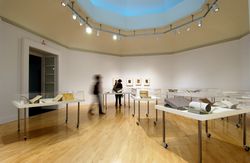
This exhibition presents three phases in the history of the architect’s book: the mid-sixteenth century, when architects first proved themselves in the field; the late-nineteenth to early-twentieth centuries, when architects turned to book design as a serious complement to their professional career; and contemporary times, when architectural firms, in league with their(...)
This exhibition presents three phases in the history of the architect’s book: the mid-sixteenth century, when architects first proved themselves in the field; the late-nineteenth to early-twentieth centuries, when architects turned to book design as a serious complement to their professional career; and contemporary times, when architectural firms, in league with their(...)
Location:
Octagonal gallery
Octagonal gallery
Date:
24 June 2004 to 26 September 2004
24 June 2004 to 26 September 2004
Title:
Architects’ Books
Actions:
Description:
This exhibition presents three phases in the history of the architect’s book: the mid-sixteenth century, when architects first proved themselves in the field; the late-nineteenth to early-twentieth centuries, when architects turned to book design as a serious complement to their professional career; and contemporary times, when architectural firms, in league with their(...)
Architects’ Books
Actions:
Description:
This exhibition presents three phases in the history of the architect’s book: the mid-sixteenth century, when architects first proved themselves in the field; the late-nineteenth to early-twentieth centuries, when architects turned to book design as a serious complement to their professional career; and contemporary times, when architectural firms, in league with their(...)
Form:
exhibitions
exhibitions
Date:
24 June 2004 to
26 September 2004
24 June 2004 to
26 September 2004
Location:
Octagonal gallery
Octagonal gallery


