


458 Results
Form:
books
books
Actions:
Price:
$47.95
(available in store)
Summary:
From fashion sketches of smartly dressed Shanghai dandies in the 1920s, to multipanel drawings of refugee urbanites during the war against Japan, to panoramic pictures of anti-American propaganda rallies in the early 1950s, the polymorphic cartoon-style art known as manhua helped define China's modern experience. ''Manhua Modernity'' offers a richly illustrated, deeply(...)
$47.95
(available in store)
Summary:
From fashion sketches of smartly dressed Shanghai dandies in the 1920s, to multipanel drawings of refugee urbanites during the war against Japan, to panoramic pictures of anti-American propaganda rallies in the early 1950s, the polymorphic cartoon-style art known as manhua helped define China's modern experience. ''Manhua Modernity'' offers a richly illustrated, deeply(...)
Publication:
September 2025
September 2025
Title:
Manhua modernity: Chinese culture and the pictorial turn
Actions:
Price:
$47.95
(available in store)
Summary:
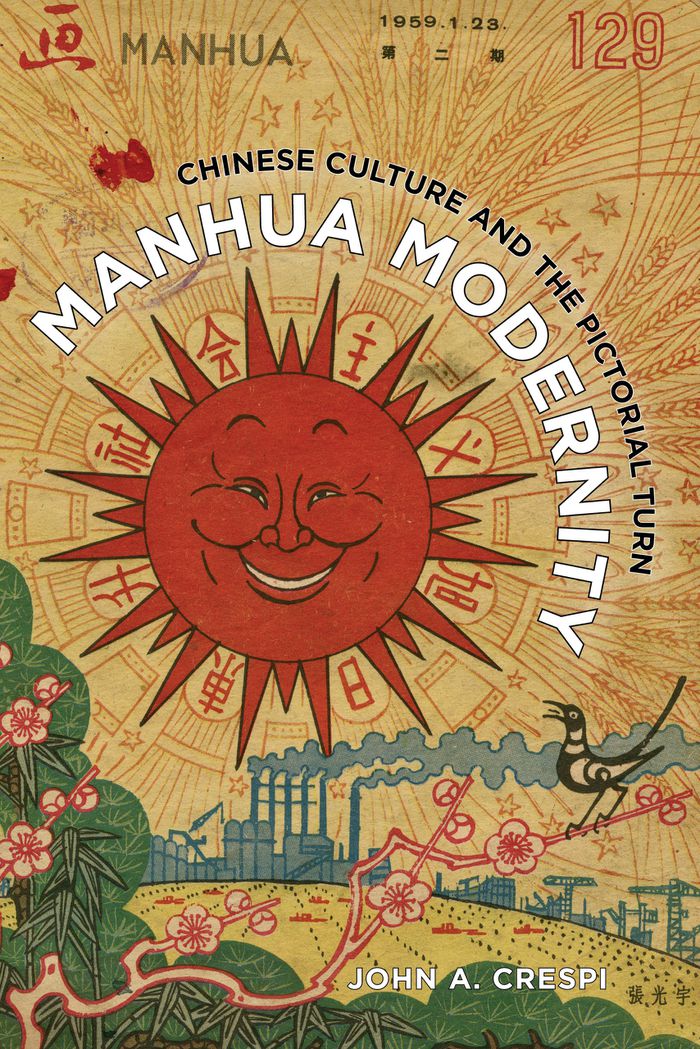
From fashion sketches of smartly dressed Shanghai dandies in the 1920s, to multipanel drawings of refugee urbanites during the war against Japan, to panoramic pictures of anti-American propaganda rallies in the early 1950s, the polymorphic cartoon-style art known as manhua helped define China's modern experience. ''Manhua Modernity'' offers a richly illustrated, deeply contextualized analysis of these illustrations across the lively pages of popular pictorial magazines that entertained, informed, and mobilized a nation through a half century of political and cultural transformation. In this compelling media history, John Crespi argues that manhua must be understood in the context of the pictorial magazines that hosted them, and in turn these magazines must be seen as important mediators of the modern urban experience. Even as times changed—from interwar-era consumerism to war-time mobilization to Mao-style propaganda—the art form adapted to stay on the cutting edge of both politics and style.
Manhua modernity: Chinese culture and the pictorial turn
Actions:
Price:
$47.95
(available in store)
Summary:
From fashion sketches of smartly dressed Shanghai dandies in the 1920s, to multipanel drawings of refugee urbanites during the war against Japan, to panoramic pictures of anti-American propaganda rallies in the early 1950s, the polymorphic cartoon-style art known as manhua helped define China's modern experience. ''Manhua Modernity'' offers a richly illustrated, deeply contextualized analysis of these illustrations across the lively pages of popular pictorial magazines that entertained, informed, and mobilized a nation through a half century of political and cultural transformation. In this compelling media history, John Crespi argues that manhua must be understood in the context of the pictorial magazines that hosted them, and in turn these magazines must be seen as important mediators of the modern urban experience. Even as times changed—from interwar-era consumerism to war-time mobilization to Mao-style propaganda—the art form adapted to stay on the cutting edge of both politics and style.
Form:
books
books
Publication:
September 2025
September 2025
Form:
books
books

Title:
Don't brand my public space!
Don't brand my public space!
Actions:
Price:
$45.00
(available to order)
Summary:
Don’t Brand My Public Space! is a critical investigation of the visual strategies employed to identify and brand political spaces. In the context of a revival of xenophobic propaganda on the one hand and the degradation of places into pure marketing products on the other, it is possible to recognize an increasingly theatrical, unquestioned production of public signs and symbols...
$45.00
(available to order)
Summary:
Don’t Brand My Public Space! is a critical investigation of the visual strategies employed to identify and brand political spaces. In the context of a revival of xenophobic propaganda on the one hand and the degradation of places into pure marketing products on the other, it is possible to recognize an increasingly theatrical, unquestioned production of public signs and symbols...
Title:
Don't brand my public space!
Actions:
Price:
$45.00
(available to order)
Summary:
Don’t Brand My Public Space! is a critical investigation of the visual strategies employed to identify and brand political spaces. In the context of a revival of xenophobic propaganda on the one hand and the degradation of places into pure marketing products on the other, it is possible to recognize an increasingly theatrical, unquestioned production of public signs and symbols...
Don't brand my public space!
Actions:
Price:
$45.00
(available to order)
Summary:
Don’t Brand My Public Space! is a critical investigation of the visual strategies employed to identify and brand political spaces. In the context of a revival of xenophobic propaganda on the one hand and the degradation of places into pure marketing products on the other, it is possible to recognize an increasingly theatrical, unquestioned production of public signs and symbols...
Form:
books
books
Publication:
April 2013
April 2013
Subject:
Graphic Design and Typography
Graphic Design and Typography
Form:
journals and magazines
journals and magazines

Actions:
Price:
$25.00
(available to order)
Summary:
''The importance of mistakes'', an interview with Terrt Dowling by Adrian Shaughnessy - ''Mapping the terrain : illustration for children'', by Martin Salisbury - ''Mario Hugo : a Modern romantic'', by Mark Webster - ''Paul Farrington : the beauty of the unpredictable'', by Anna Gerber - ''Heated debate : the borrowers'', by Robert Mason -''The compelling image'',(...)
$25.00
(available to order)
Summary:
''The importance of mistakes'', an interview with Terrt Dowling by Adrian Shaughnessy - ''Mapping the terrain : illustration for children'', by Martin Salisbury - ''Mario Hugo : a Modern romantic'', by Mark Webster - ''Paul Farrington : the beauty of the unpredictable'', by Anna Gerber - ''Heated debate : the borrowers'', by Robert Mason -''The compelling image'',(...)
Title:
Varoom 05 2007 : the journal of illustration and made images
Actions:
Price:
$25.00
(available to order)
Summary:
''The importance of mistakes'', an interview with Terrt Dowling by Adrian Shaughnessy - ''Mapping the terrain : illustration for children'', by Martin Salisbury - ''Mario Hugo : a Modern romantic'', by Mark Webster - ''Paul Farrington : the beauty of the unpredictable'', by Anna Gerber - ''Heated debate : the borrowers'', by Robert Mason -''The compelling image'', chosen by George Hardie - ''A beginners guide to propaganda'', a visual essay by Nick McFarlane - ''An unwritten diary'', by Richard Beards
Varoom 05 2007 : the journal of illustration and made images
Actions:
Price:
$25.00
(available to order)
Summary:
''The importance of mistakes'', an interview with Terrt Dowling by Adrian Shaughnessy - ''Mapping the terrain : illustration for children'', by Martin Salisbury - ''Mario Hugo : a Modern romantic'', by Mark Webster - ''Paul Farrington : the beauty of the unpredictable'', by Anna Gerber - ''Heated debate : the borrowers'', by Robert Mason -''The compelling image'', chosen by George Hardie - ''A beginners guide to propaganda'', a visual essay by Nick McFarlane - ''An unwritten diary'', by Richard Beards
Form:
journals and magazines
journals and magazines
Publication:
October 2007, London
October 2007, London
Subject:
Magazines
Magazines
Form:
books
books
Actions:
Price:
$99.95
(available to order)
Summary:
Postcards epitomize the complex history of visual culture. These often nostalgic, inexpensive mementos of commercial culture have also been carriers, even instigators, of colonialist exoticism and political propaganda. They straddle the by now largely obliterated line between 'high' and 'low' art, between an earlier modernist art history and more recent work in visual(...)
$99.95
(available to order)
Summary:
Postcards epitomize the complex history of visual culture. These often nostalgic, inexpensive mementos of commercial culture have also been carriers, even instigators, of colonialist exoticism and political propaganda. They straddle the by now largely obliterated line between 'high' and 'low' art, between an earlier modernist art history and more recent work in visual(...)
Title:
Postcards: ephemeral histories of modernity
Actions:
Price:
$99.95
(available to order)
Summary:
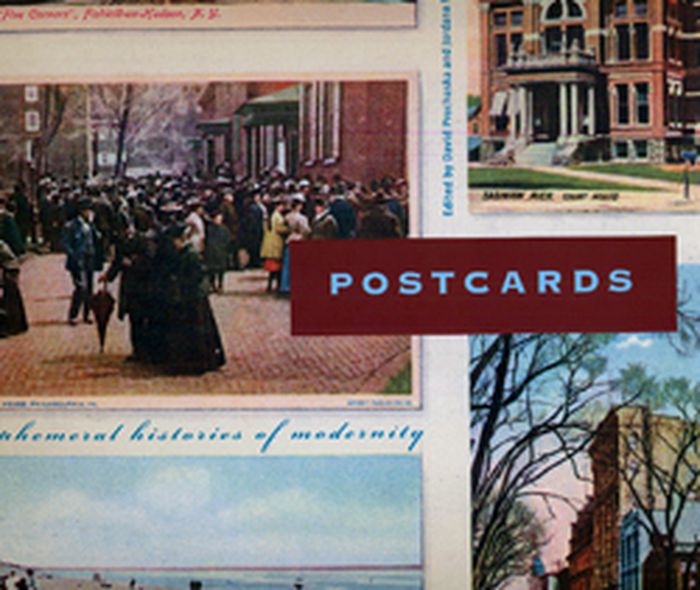
Postcards epitomize the complex history of visual culture. These often nostalgic, inexpensive mementos of commercial culture have also been carriers, even instigators, of colonialist exoticism and political propaganda. They straddle the by now largely obliterated line between 'high' and 'low' art, between an earlier modernist art history and more recent work in visual culture. This illustrated volume brings together the latest interdisciplinary research on postcards as a significant area of scholarly inquiry.
Postcards: ephemeral histories of modernity
Actions:
Price:
$99.95
(available to order)
Summary:
Postcards epitomize the complex history of visual culture. These often nostalgic, inexpensive mementos of commercial culture have also been carriers, even instigators, of colonialist exoticism and political propaganda. They straddle the by now largely obliterated line between 'high' and 'low' art, between an earlier modernist art history and more recent work in visual culture. This illustrated volume brings together the latest interdisciplinary research on postcards as a significant area of scholarly inquiry.
Form:
books
books
Publication:
May 2010
May 2010
Subject:
Printed Matter
Printed Matter
Form:
books
books

Title:
Books on Japan
Books on Japan
Actions:
Price:
$69.95
(available to order)
Summary:
How did the Japanese see themselves from 1931 to 1972? Even more importantly, how did the Japanese want the rest of the world to see them during those four pivotal decades? This controversial, unprecedented book, selected from a massive private collection of magazines and newspapers, takes an in-depth look at the information, news, photos and advertisements used in(...)
$69.95
(available to order)
Summary:
How did the Japanese see themselves from 1931 to 1972? Even more importantly, how did the Japanese want the rest of the world to see them during those four pivotal decades? This controversial, unprecedented book, selected from a massive private collection of magazines and newspapers, takes an in-depth look at the information, news, photos and advertisements used in(...)
Title:
Books on Japan
Actions:
Price:
$69.95
(available to order)
Summary:
How did the Japanese see themselves from 1931 to 1972? Even more importantly, how did the Japanese want the rest of the world to see them during those four pivotal decades? This controversial, unprecedented book, selected from a massive private collection of magazines and newspapers, takes an in-depth look at the information, news, photos and advertisements used in Japanese propaganda books, illustrating the radical sociopolitical evolution of the nation and culture throughout that period of the 20th century.
Books on Japan
Actions:
Price:
$69.95
(available to order)
Summary:
How did the Japanese see themselves from 1931 to 1972? Even more importantly, how did the Japanese want the rest of the world to see them during those four pivotal decades? This controversial, unprecedented book, selected from a massive private collection of magazines and newspapers, takes an in-depth look at the information, news, photos and advertisements used in Japanese propaganda books, illustrating the radical sociopolitical evolution of the nation and culture throughout that period of the 20th century.
Form:
books
books
Publication:
February 2013
February 2013
Subject:
Book Design
Book Design
Form:
books
books
Actions:
Price:
$200.00
(available to order)
Summary:
The Soviet Union was unique in its dynamic use of the illustrated book as a means of propaganda. Through the form of the book, the USSR articulated its utopian (and eventually totalitarian) ideologies and expressed its absolute power through avant-garde writing and radical graphic design that was in full flower during the 1920s and 1930s. The Soviet Photobook 1920-1941(...)
$200.00
(available to order)
Summary:
The Soviet Union was unique in its dynamic use of the illustrated book as a means of propaganda. Through the form of the book, the USSR articulated its utopian (and eventually totalitarian) ideologies and expressed its absolute power through avant-garde writing and radical graphic design that was in full flower during the 1920s and 1930s. The Soviet Photobook 1920-1941(...)
Publication:
January 2016
January 2016
Title:
The Soviet photobook, 1920-1941
Actions:
Price:
$200.00
(available to order)
Summary:
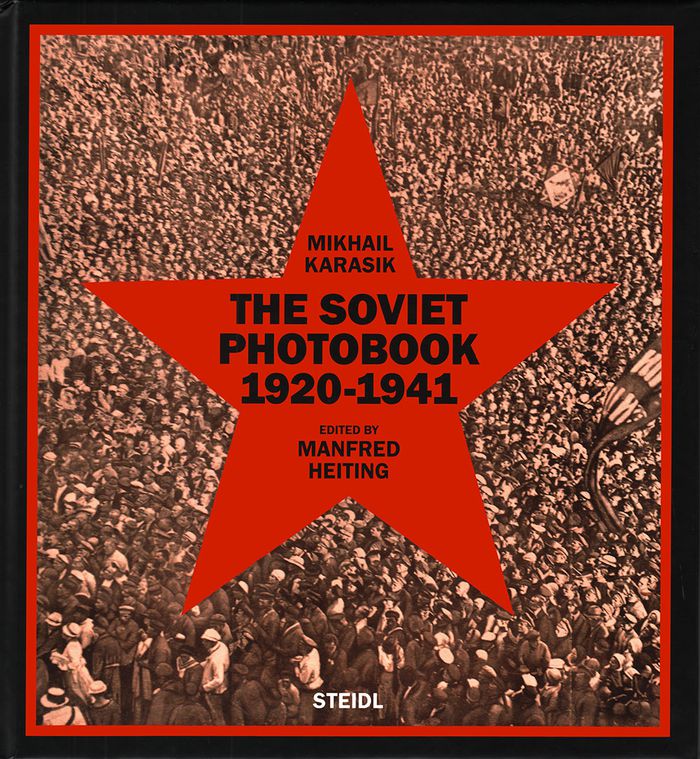
The Soviet Union was unique in its dynamic use of the illustrated book as a means of propaganda. Through the form of the book, the USSR articulated its utopian (and eventually totalitarian) ideologies and expressed its absolute power through avant-garde writing and radical graphic design that was in full flower during the 1920s and 1930s. The Soviet Photobook 1920-1941 presents 160 produced photobooks from this period and includes more than 400 additional reference illustrations.
The Soviet photobook, 1920-1941
Actions:
Price:
$200.00
(available to order)
Summary:
The Soviet Union was unique in its dynamic use of the illustrated book as a means of propaganda. Through the form of the book, the USSR articulated its utopian (and eventually totalitarian) ideologies and expressed its absolute power through avant-garde writing and radical graphic design that was in full flower during the 1920s and 1930s. The Soviet Photobook 1920-1941 presents 160 produced photobooks from this period and includes more than 400 additional reference illustrations.
Form:
books
books
Publication:
January 2016
January 2016
Form:
books
books
Actions:
Price:
$39.95
(available to order)
Summary:
These essays have been published in a broad range of magazines, including Aperture, ArtForum, and The Nation. In "Between the eyes: essays on photography and politics", Strauss tackles subjects ranging from “Photography and Propaganda” to the imagery of dreams; from Sebastião Salgado’s epic social documents to the deeply personal photographic revelations of Francesca(...)
$39.95
(available to order)
Summary:
These essays have been published in a broad range of magazines, including Aperture, ArtForum, and The Nation. In "Between the eyes: essays on photography and politics", Strauss tackles subjects ranging from “Photography and Propaganda” to the imagery of dreams; from Sebastião Salgado’s epic social documents to the deeply personal photographic revelations of Francesca(...)
Title:
Between the eyes : essays on photography and politics
Actions:
Price:
$39.95
(available to order)
Summary:
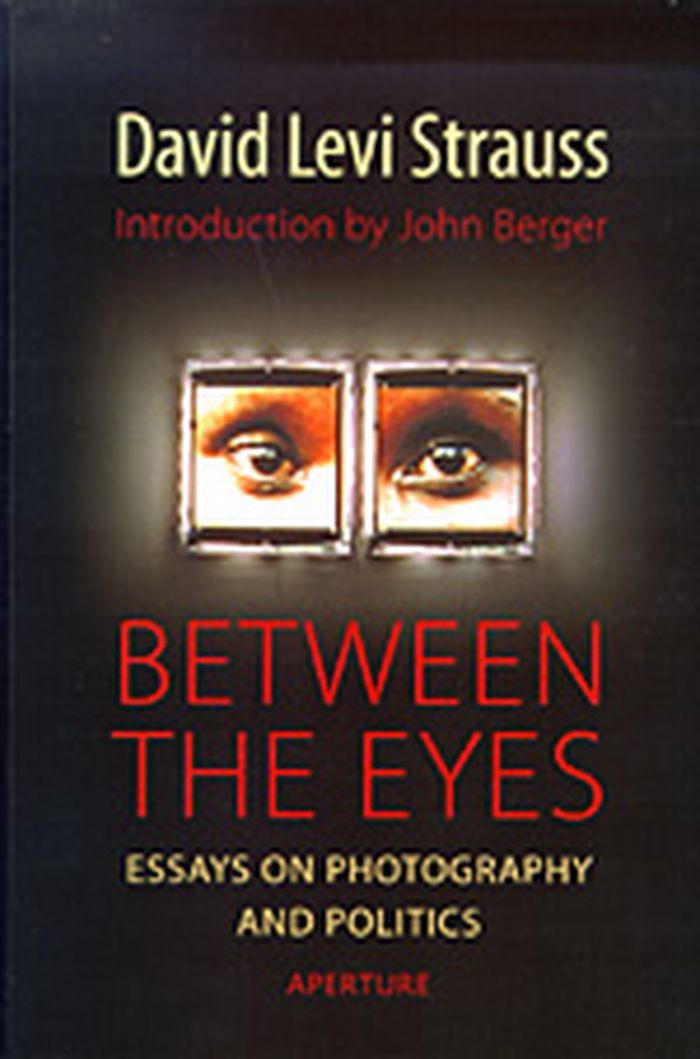
These essays have been published in a broad range of magazines, including Aperture, ArtForum, and The Nation. In "Between the eyes: essays on photography and politics", Strauss tackles subjects ranging from “Photography and Propaganda” to the imagery of dreams; from Sebastião Salgado’s epic social documents to the deeply personal photographic revelations of Francesca Woodman. The timely issue of photographic legitimacy is addressed in the essay “Photography and belief,” and in “The highest degree of illusion,” Strauss discusses the media frenzy surrounding the events of September 11.
Between the eyes : essays on photography and politics
Actions:
Price:
$39.95
(available to order)
Summary:
These essays have been published in a broad range of magazines, including Aperture, ArtForum, and The Nation. In "Between the eyes: essays on photography and politics", Strauss tackles subjects ranging from “Photography and Propaganda” to the imagery of dreams; from Sebastião Salgado’s epic social documents to the deeply personal photographic revelations of Francesca Woodman. The timely issue of photographic legitimacy is addressed in the essay “Photography and belief,” and in “The highest degree of illusion,” Strauss discusses the media frenzy surrounding the events of September 11.
Form:
books
books
Publication:
April 2003, New York
April 2003, New York
Subject:
Theory of Photography
Theory of Photography
Form:
books
books
Price:
$49.95
(available to order)
Summary:
Unfinished Utopia is a social and cultural history of Nowa Huta, dubbed Poland's "first socialist city" by Communist propaganda of the 1950s. Work began on the new town, located on the banks of the Vistula River just a few miles from the historic city of Kraków, in 1949. By contrast to its older neighbor, Nowa Huta was intended to model a new kind of socialist modernity(...)
$49.95
(available to order)
Summary:
Unfinished Utopia is a social and cultural history of Nowa Huta, dubbed Poland's "first socialist city" by Communist propaganda of the 1950s. Work began on the new town, located on the banks of the Vistula River just a few miles from the historic city of Kraków, in 1949. By contrast to its older neighbor, Nowa Huta was intended to model a new kind of socialist modernity(...)
Title:
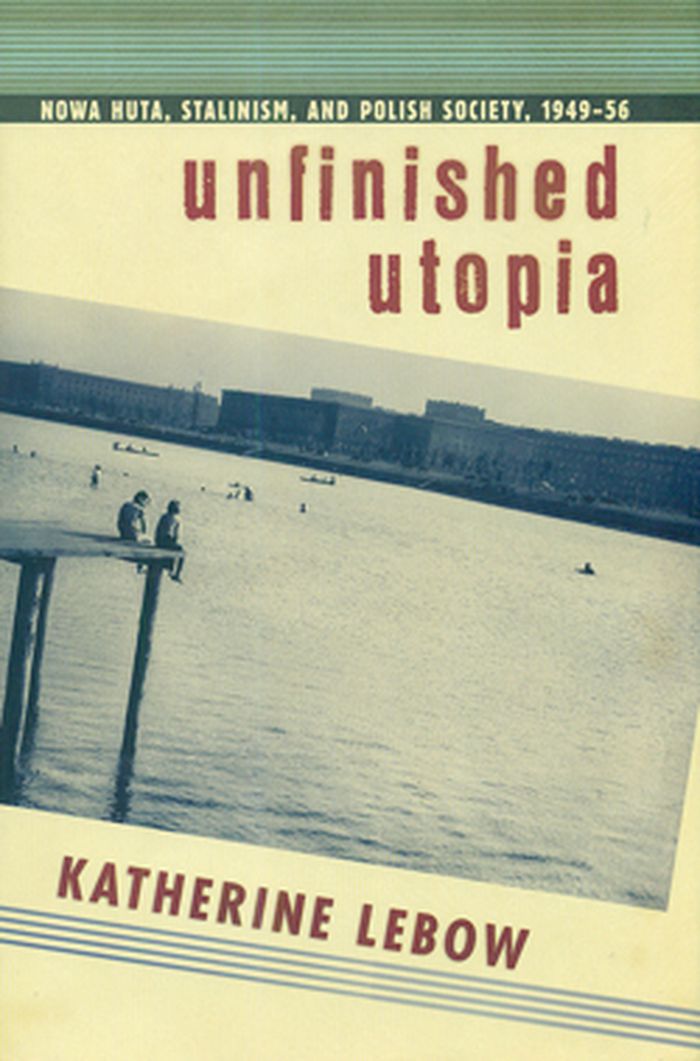
Unfinished utopia: Nowa Huta, Stalinism, and Polish Society, 1949-56
Actions:
Price:
$49.95
(available to order)
Summary:
Unfinished Utopia is a social and cultural history of Nowa Huta, dubbed Poland's "first socialist city" by Communist propaganda of the 1950s. Work began on the new town, located on the banks of the Vistula River just a few miles from the historic city of Kraków, in 1949. By contrast to its older neighbor, Nowa Huta was intended to model a new kind of socialist modernity and to be peopled with "new men," themselves both the builders and the beneficiaries of this project of socialist construction.
Unfinished utopia: Nowa Huta, Stalinism, and Polish Society, 1949-56
Actions:
Price:
$49.95
(available to order)
Summary:
Unfinished Utopia is a social and cultural history of Nowa Huta, dubbed Poland's "first socialist city" by Communist propaganda of the 1950s. Work began on the new town, located on the banks of the Vistula River just a few miles from the historic city of Kraków, in 1949. By contrast to its older neighbor, Nowa Huta was intended to model a new kind of socialist modernity and to be peopled with "new men," themselves both the builders and the beneficiaries of this project of socialist construction.
Form:
books
books
Publication:
October 2013
October 2013
Subject:
History since 1900, Reference Books
History since 1900, Reference Books
Form:
books
books
Actions:
Price:
$54.00
(available to order)
Summary:
This exceedingly seductive volume documents "Katharina prospekt : the Russians", a tour de force exhibition put together by the innovative Belgian fashion house, A.F. Vandevorst, of Russian cultural artifacts borrowed from the State Historical Museum in Moscow, coupled with contemporary fashion designs by A.F. Vandevorst and others - including Yves Saint Laurent, Bless,(...)
$54.00
(available to order)
Summary:
This exceedingly seductive volume documents "Katharina prospekt : the Russians", a tour de force exhibition put together by the innovative Belgian fashion house, A.F. Vandevorst, of Russian cultural artifacts borrowed from the State Historical Museum in Moscow, coupled with contemporary fashion designs by A.F. Vandevorst and others - including Yves Saint Laurent, Bless,(...)
Subject:
Fashion Design
Fashion Design
Publication:
July 2007, Brussels, Moscow
July 2007, Brussels, Moscow
Title:
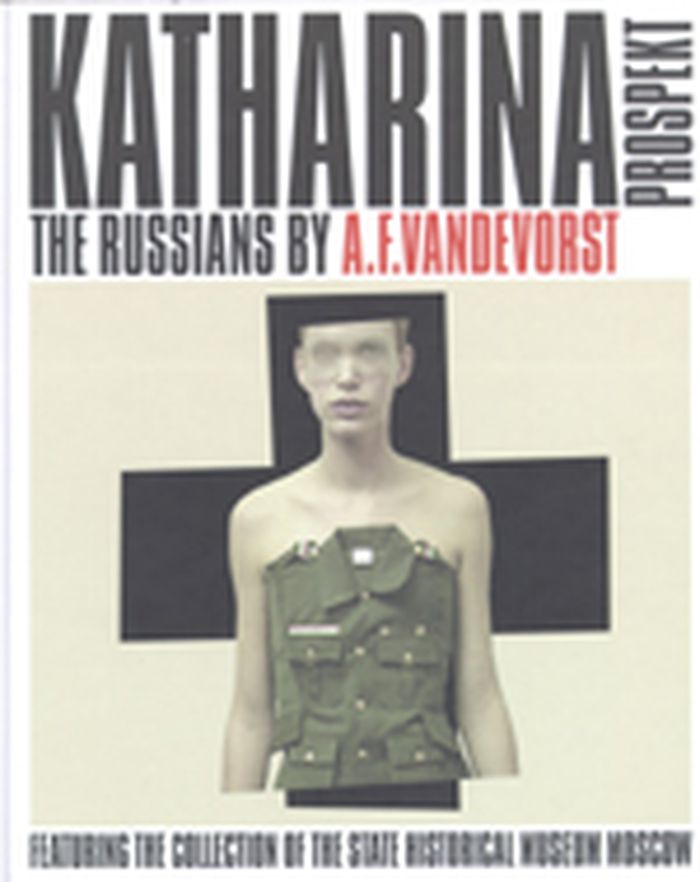
Katharina prospekt : the Russians by A.F. Vandevorst
Actions:
Price:
$54.00
(available to order)
Summary:
This exceedingly seductive volume documents "Katharina prospekt : the Russians", a tour de force exhibition put together by the innovative Belgian fashion house, A.F. Vandevorst, of Russian cultural artifacts borrowed from the State Historical Museum in Moscow, coupled with contemporary fashion designs by A.F. Vandevorst and others - including Yves Saint Laurent, Bless, Martin Margiela and Jean-Paul Gaultier. There are sections on Propaganda, Military Design, Fur, Chess and even the iconic Russian dolls that fit one inside another. The bold typography riffs on Constructivist design, and we see antique objects, artifacts, textiles and costumes alongside vintage photographs and contemporary fashion design.
Katharina prospekt : the Russians by A.F. Vandevorst
Actions:
Price:
$54.00
(available to order)
Summary:
This exceedingly seductive volume documents "Katharina prospekt : the Russians", a tour de force exhibition put together by the innovative Belgian fashion house, A.F. Vandevorst, of Russian cultural artifacts borrowed from the State Historical Museum in Moscow, coupled with contemporary fashion designs by A.F. Vandevorst and others - including Yves Saint Laurent, Bless, Martin Margiela and Jean-Paul Gaultier. There are sections on Propaganda, Military Design, Fur, Chess and even the iconic Russian dolls that fit one inside another. The bold typography riffs on Constructivist design, and we see antique objects, artifacts, textiles and costumes alongside vintage photographs and contemporary fashion design.
Form:
books
books
Publication:
July 2007, Brussels, Moscow
July 2007, Brussels, Moscow
Subject:
Fashion Design
Fashion Design
Form:
books
books
Actions:
Price:
$49.95
(available to order)
Summary:
This provocative survey reveals how four of the most destructive dictatorships of the 20th century - Nazi Germany, Fascist Italy, Soviet Russia and Communist China - used graphic design to sell their messages. Explores each regime's distinctive strategies for seducing public opinion and infiltrating people's lives, in media ranging from logos, flags, typefaces and posters(...)
$49.95
(available to order)
Summary:
This provocative survey reveals how four of the most destructive dictatorships of the 20th century - Nazi Germany, Fascist Italy, Soviet Russia and Communist China - used graphic design to sell their messages. Explores each regime's distinctive strategies for seducing public opinion and infiltrating people's lives, in media ranging from logos, flags, typefaces and posters(...)
Title:
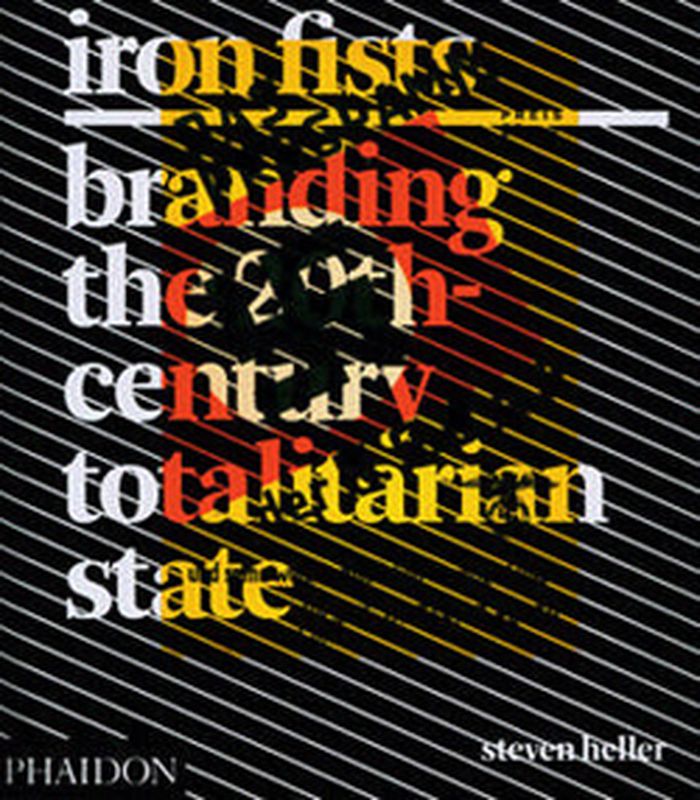
Iron fists: Branding the 20th Century totalitarian state
Actions:
Price:
$49.95
(available to order)
Summary:
This provocative survey reveals how four of the most destructive dictatorships of the 20th century - Nazi Germany, Fascist Italy, Soviet Russia and Communist China - used graphic design to sell their messages. Explores each regime's distinctive strategies for seducing public opinion and infiltrating people's lives, in media ranging from logos, flags, typefaces and posters to children's books and figurines Remarkable archival photographs set the disturbingly powerful graphic devices in historical context. The perceptive text analyses how these four regimes established the most effective modes of visual propaganda, which were later adopted and adapted by many other dictatorships.
Iron fists: Branding the 20th Century totalitarian state
Actions:
Price:
$49.95
(available to order)
Summary:
This provocative survey reveals how four of the most destructive dictatorships of the 20th century - Nazi Germany, Fascist Italy, Soviet Russia and Communist China - used graphic design to sell their messages. Explores each regime's distinctive strategies for seducing public opinion and infiltrating people's lives, in media ranging from logos, flags, typefaces and posters to children's books and figurines Remarkable archival photographs set the disturbingly powerful graphic devices in historical context. The perceptive text analyses how these four regimes established the most effective modes of visual propaganda, which were later adopted and adapted by many other dictatorships.
Form:
books
books
Publication:
March 2011
March 2011
Subject:
Graphic Design and Typography
Graphic Design and Typography


