


2707 Results
Form:
photographs
Quantity:
16 photograph(s)
photographs
Quantity:
16 photograph(s)
Reference number:
ARCH268955
Description:
Group consists of everyday life photographs by unidentified photographers in Chandigarh or near Chandigarh, India. The group includes photographs of villagers in their daily work or activities, including children, village's houses and landscapes.
ARCH268955
Description:
Group consists of everyday life photographs by unidentified photographers in Chandigarh or near Chandigarh, India. The group includes photographs of villagers in their daily work or activities, including children, village's houses and landscapes.
People:
Date:
early 1950s
early 1950s
Title:
Photographs by unknown photographers of everyday life in Chandigarh before Chandigarh, India
Actions:
ARCH268955
Description:
Group consists of everyday life photographs by unidentified photographers in Chandigarh or near Chandigarh, India. The group includes photographs of villagers in their daily work or activities, including children, village's houses and landscapes.
Photographs by unknown photographers of everyday life in Chandigarh before Chandigarh, India
Actions:
ARCH268955
Description:
Group consists of everyday life photographs by unidentified photographers in Chandigarh or near Chandigarh, India. The group includes photographs of villagers in their daily work or activities, including children, village's houses and landscapes.
Form:
photographs
Quantity:
16 photograph(s)
photographs
Quantity:
16 photograph(s)
Date:
early 1950s
early 1950s
People:
Form:
photographs
Quantity:
9 photograph(s)
photographs
Quantity:
9 photograph(s)
Actions:
Reference number:
ARCH268939
Description:
Group consists of photographs by Pierre Jeanneret of the everyday life in Chandigardh or near Chandigarh, India. The group includes photographs of inhabitants in their daily work or activities, including children, village's houses and landscapes.
ARCH268939
Description:
Group consists of photographs by Pierre Jeanneret of the everyday life in Chandigardh or near Chandigarh, India. The group includes photographs of inhabitants in their daily work or activities, including children, village's houses and landscapes.
People:
Date:
1952-1953
1952-1953
Title:
Photographs by Pierre Jeanneret of everyday life in Chandigarh before Chandigarh, India
Actions:
ARCH268939
Description:
Group consists of photographs by Pierre Jeanneret of the everyday life in Chandigardh or near Chandigarh, India. The group includes photographs of inhabitants in their daily work or activities, including children, village's houses and landscapes.
Photographs by Pierre Jeanneret of everyday life in Chandigarh before Chandigarh, India
Actions:
ARCH268939
Description:
Group consists of photographs by Pierre Jeanneret of the everyday life in Chandigardh or near Chandigarh, India. The group includes photographs of inhabitants in their daily work or activities, including children, village's houses and landscapes.
Form:
photographs
Quantity:
9 photograph(s)
photographs
Quantity:
9 photograph(s)
Date:
1952-1953
1952-1953
People:
Form:
drawings
drawings
Reference number:
AP178.S2.1996.002
Description:
This sketchbook includes sketches for the Santa Maria church and parish centre in Marco de Canavezes, Portugal, as well as for the Museum of Contemporary Art of the Serralves Foundation in Porto. It also contains children drawings.
AP178.S2.1996.002
Description:
This sketchbook includes sketches for the Santa Maria church and parish centre in Marco de Canavezes, Portugal, as well as for the Museum of Contemporary Art of the Serralves Foundation in Porto. It also contains children drawings.
People:
Date:
April 1996
April 1996
Title:
Sketchbook 416: Marco - Serralves - Metro Avenida
Actions:
AP178.S2.1996.002
Description:
This sketchbook includes sketches for the Santa Maria church and parish centre in Marco de Canavezes, Portugal, as well as for the Museum of Contemporary Art of the Serralves Foundation in Porto. It also contains children drawings.
Sketchbook 416: Marco - Serralves - Metro Avenida
Actions:
AP178.S2.1996.002
Description:
This sketchbook includes sketches for the Santa Maria church and parish centre in Marco de Canavezes, Portugal, as well as for the Museum of Contemporary Art of the Serralves Foundation in Porto. It also contains children drawings.
Form:
drawings
drawings
Date:
April 1996
April 1996
People:
Form:
graphic materials
graphic materials
Title:
Booklets related to Expo 67
Booklets related to Expo 67
Reference number:
ARCH262050
Description:
10 booklets related to Expo 67: - 2 X 'Films' (Fr./Eng.) - 2 X 'Art' (Fr./Eng.) - 2 X 'Boutiques (Fr./Eng.) - 1 X 'Sculpture' (billingual) - 2 X 'Enfants' / ' Children (Fr./Eng.) - 1 X Habitat (Eng.)
ARCH262050
Description:
10 booklets related to Expo 67: - 2 X 'Films' (Fr./Eng.) - 2 X 'Art' (Fr./Eng.) - 2 X 'Boutiques (Fr./Eng.) - 1 X 'Sculpture' (billingual) - 2 X 'Enfants' / ' Children (Fr./Eng.) - 1 X Habitat (Eng.)
People:
Date:
1967
1967
Title:
Booklets related to Expo 67
Actions:
ARCH262050
Description:
10 booklets related to Expo 67: - 2 X 'Films' (Fr./Eng.) - 2 X 'Art' (Fr./Eng.) - 2 X 'Boutiques (Fr./Eng.) - 1 X 'Sculpture' (billingual) - 2 X 'Enfants' / ' Children (Fr./Eng.) - 1 X Habitat (Eng.)
Booklets related to Expo 67
Actions:
ARCH262050
Description:
10 booklets related to Expo 67: - 2 X 'Films' (Fr./Eng.) - 2 X 'Art' (Fr./Eng.) - 2 X 'Boutiques (Fr./Eng.) - 1 X 'Sculpture' (billingual) - 2 X 'Enfants' / ' Children (Fr./Eng.) - 1 X Habitat (Eng.)
Form:
graphic materials
graphic materials
Date:
1967
1967
People:
Form:
events
events
Title:
Ecological Supercity
Ecological Supercity
Actions:
Description:
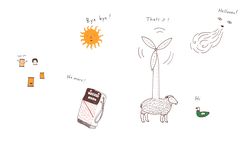
On the occasion of Earth Day and to celebrate the launch of Goodbye Oil, our new children’s book by Harriet Russell, we invite you to help us create a giant collaborative drawing. Come design an ecological city that will cover an entire continent, including mountains, ocean, desert and more, and won’t use any oil.
On the occasion of Earth Day and to celebrate the launch of Goodbye Oil, our new children’s book by Harriet Russell, we invite you to help us create a giant collaborative drawing. Come design an ecological city that will cover an entire continent, including mountains, ocean, desert and more, and won’t use any oil.
Location:
Shaughnessy House
Shaughnessy House
Date:
21 April 2018, 11am to 4pm
21 April 2018, 11am to 4pm
Title:
Ecological Supercity
Actions:
Description:
On the occasion of Earth Day and to celebrate the launch of Goodbye Oil, our new children’s book by Harriet Russell, we invite you to help us create a giant collaborative drawing. Come design an ecological city that will cover an entire continent, including mountains, ocean, desert and more, and won’t use any oil.
Ecological Supercity
Actions:
Description:
On the occasion of Earth Day and to celebrate the launch of Goodbye Oil, our new children’s book by Harriet Russell, we invite you to help us create a giant collaborative drawing. Come design an ecological city that will cover an entire continent, including mountains, ocean, desert and more, and won’t use any oil.
Form:
events
events
Date:
21 April 2018
11am to 4pm
21 April 2018
11am to 4pm
Location:
Shaughnessy House
Shaughnessy House
Form:
photographs
Quantity:
9 photograph(s)
photographs
Quantity:
9 photograph(s)
Reference number:
ARCH268950
Description:
Group consists of copies photographs by Pierre Jeanneret of the everyday life in Chandigardh, India and villages in the surrounding area. The group includes photographs of inhabitants in their daily work or activities, including children, village's houses and landscapes.
ARCH268950
Description:
Group consists of copies photographs by Pierre Jeanneret of the everyday life in Chandigardh, India and villages in the surrounding area. The group includes photographs of inhabitants in their daily work or activities, including children, village's houses and landscapes.
People:
Date:
1952-1953
1952-1953
Title:
Copies of photographs by Pierre Jeanneret of everyday life in Chandigarh before Chandigarh, India
Actions:
ARCH268950
Description:
Group consists of copies photographs by Pierre Jeanneret of the everyday life in Chandigardh, India and villages in the surrounding area. The group includes photographs of inhabitants in their daily work or activities, including children, village's houses and landscapes.
Copies of photographs by Pierre Jeanneret of everyday life in Chandigarh before Chandigarh, India
Actions:
ARCH268950
Description:
Group consists of copies photographs by Pierre Jeanneret of the everyday life in Chandigardh, India and villages in the surrounding area. The group includes photographs of inhabitants in their daily work or activities, including children, village's houses and landscapes.
Form:
photographs
Quantity:
9 photograph(s)
photographs
Quantity:
9 photograph(s)
Date:
1952-1953
1952-1953
People:
Form:
photographs
photographs
Actions:
Reference number:
PH1980:1220:036
Description:
- The tomb of Ibrahim Adil Shah II, his wife and children is pictured. Behind it is the mosque that forms part of the Rauza. To the far right are the minarets of the northern gateway. The photographer was facing west north west.
PH1980:1220:036
Description:
- The tomb of Ibrahim Adil Shah II, his wife and children is pictured. Behind it is the mosque that forms part of the Rauza. To the far right are the minarets of the northern gateway. The photographer was facing west north west.
People:
Subject:
architecture
architecture
Date:
March - April 1855
March - April 1855
Title:
View of the Mausoleum of Ibrahim Adil Shah II showing the mosque on the far left and the minarets of the northern gateway on the far right, Ibrahim Rauza complex, Beejapore (now Bijapur), India
Actions:
PH1980:1220:036
Description:
- The tomb of Ibrahim Adil Shah II, his wife and children is pictured. Behind it is the mosque that forms part of the Rauza. To the far right are the minarets of the northern gateway. The photographer was facing west north west.
View of the Mausoleum of Ibrahim Adil Shah II showing the mosque on the far left and the minarets of the northern gateway on the far right, Ibrahim Rauza complex, Beejapore (now Bijapur), India
Actions:
PH1980:1220:036
Description:
- The tomb of Ibrahim Adil Shah II, his wife and children is pictured. Behind it is the mosque that forms part of the Rauza. To the far right are the minarets of the northern gateway. The photographer was facing west north west.
Form:
photographs
photographs
Date:
March - April 1855
March - April 1855
People:
Subject:
architecture
architecture
Level of archival description:
Project
Project
Reference number:
AP018.S1.1953.PR01
Description:
This project series documents the residence of John C. Parkin and his family in North York, Ontario from 1953-1955. The office identified the project number as 5301. This project consisted of the architect's own family home for himself, his wife, and their children at 75 The Bridle Path. The one-storey bungalow, faced in white brick, became an acclaimed symbol of a modernist dwelling in North America. The house has since been demolished. The project is recorded through drawings and textual records dating from 1948-1957. The drawings include sketches of furniture designed by Parkin, as well as floor plans, sections, details, elevations and construction drawings. The textual records include tender documentation, estimates and building restrictions.
AP018.S1.1953.PR01
Description:
This project series documents the residence of John C. Parkin and his family in North York, Ontario from 1953-1955. The office identified the project number as 5301. This project consisted of the architect's own family home for himself, his wife, and their children at 75 The Bridle Path. The one-storey bungalow, faced in white brick, became an acclaimed symbol of a modernist dwelling in North America. The house has since been demolished. The project is recorded through drawings and textual records dating from 1948-1957. The drawings include sketches of furniture designed by Parkin, as well as floor plans, sections, details, elevations and construction drawings. The textual records include tender documentation, estimates and building restrictions.
People:
Date:
1948-1957
1948-1957
Title:
Residence of Mr. & Mrs. John C. Parkin, North York, Ontario (1953-1955)
Actions:
AP018.S1.1953.PR01
Description:
This project series documents the residence of John C. Parkin and his family in North York, Ontario from 1953-1955. The office identified the project number as 5301. This project consisted of the architect's own family home for himself, his wife, and their children at 75 The Bridle Path. The one-storey bungalow, faced in white brick, became an acclaimed symbol of a modernist dwelling in North America. The house has since been demolished. The project is recorded through drawings and textual records dating from 1948-1957. The drawings include sketches of furniture designed by Parkin, as well as floor plans, sections, details, elevations and construction drawings. The textual records include tender documentation, estimates and building restrictions.
Residence of Mr. & Mrs. John C. Parkin, North York, Ontario (1953-1955)
Actions:
AP018.S1.1953.PR01
Description:
This project series documents the residence of John C. Parkin and his family in North York, Ontario from 1953-1955. The office identified the project number as 5301. This project consisted of the architect's own family home for himself, his wife, and their children at 75 The Bridle Path. The one-storey bungalow, faced in white brick, became an acclaimed symbol of a modernist dwelling in North America. The house has since been demolished. The project is recorded through drawings and textual records dating from 1948-1957. The drawings include sketches of furniture designed by Parkin, as well as floor plans, sections, details, elevations and construction drawings. The textual records include tender documentation, estimates and building restrictions.
Level of archival description:
Project
Project
Date:
1948-1957
1948-1957
People:
Level of archival description:
Project
Project
Actions:
Reference number:
AP056.S1.1992.PR02
Description:
This project series documents the federal women's prison in Kitchener, Ontario, now called The Grand Valley Institution for Women, from 1992-1994. The office identified the project number as 9227. This project, built for Public Works Canada and Correctional Services Canada, consisted of a large, main prison building with nine small cottages lining the property. The main building included the admission and discharge area, food services, recreation spaces and spirituality centre, as well as an area for prisoners requiring enhanced security. The spirituality room was a window-rimmed rotunda that pierced the slanted roof of the main stucco building. The smaller cottages were wood-sided with aluminum windows and could house eight people. While many were built to house eight prisoners, some designs replaced prisoner's rooms with children's bedrooms for inmates who had children staying with them. There was also a large, green space in the centre of all the buildings, with plans to build a baseball diamond, daycare building and an additional cottage in the future. The project is recorded through drawings dating from1992-1995. The drawings and mostly originals and include site surveys, sketches, plans, elevations, sections, perspectives, details and axonometric drawings.
AP056.S1.1992.PR02
Description:
This project series documents the federal women's prison in Kitchener, Ontario, now called The Grand Valley Institution for Women, from 1992-1994. The office identified the project number as 9227. This project, built for Public Works Canada and Correctional Services Canada, consisted of a large, main prison building with nine small cottages lining the property. The main building included the admission and discharge area, food services, recreation spaces and spirituality centre, as well as an area for prisoners requiring enhanced security. The spirituality room was a window-rimmed rotunda that pierced the slanted roof of the main stucco building. The smaller cottages were wood-sided with aluminum windows and could house eight people. While many were built to house eight prisoners, some designs replaced prisoner's rooms with children's bedrooms for inmates who had children staying with them. There was also a large, green space in the centre of all the buildings, with plans to build a baseball diamond, daycare building and an additional cottage in the future. The project is recorded through drawings dating from1992-1995. The drawings and mostly originals and include site surveys, sketches, plans, elevations, sections, perspectives, details and axonometric drawings.
People:
Date:
1992-1995
1992-1995
Title:
Regional Facility for Federally Sentenced Women, Kitchener, Ontario (1992-1994)
Actions:
AP056.S1.1992.PR02
Description:
This project series documents the federal women's prison in Kitchener, Ontario, now called The Grand Valley Institution for Women, from 1992-1994. The office identified the project number as 9227. This project, built for Public Works Canada and Correctional Services Canada, consisted of a large, main prison building with nine small cottages lining the property. The main building included the admission and discharge area, food services, recreation spaces and spirituality centre, as well as an area for prisoners requiring enhanced security. The spirituality room was a window-rimmed rotunda that pierced the slanted roof of the main stucco building. The smaller cottages were wood-sided with aluminum windows and could house eight people. While many were built to house eight prisoners, some designs replaced prisoner's rooms with children's bedrooms for inmates who had children staying with them. There was also a large, green space in the centre of all the buildings, with plans to build a baseball diamond, daycare building and an additional cottage in the future. The project is recorded through drawings dating from1992-1995. The drawings and mostly originals and include site surveys, sketches, plans, elevations, sections, perspectives, details and axonometric drawings.
Regional Facility for Federally Sentenced Women, Kitchener, Ontario (1992-1994)
Actions:
AP056.S1.1992.PR02
Description:
This project series documents the federal women's prison in Kitchener, Ontario, now called The Grand Valley Institution for Women, from 1992-1994. The office identified the project number as 9227. This project, built for Public Works Canada and Correctional Services Canada, consisted of a large, main prison building with nine small cottages lining the property. The main building included the admission and discharge area, food services, recreation spaces and spirituality centre, as well as an area for prisoners requiring enhanced security. The spirituality room was a window-rimmed rotunda that pierced the slanted roof of the main stucco building. The smaller cottages were wood-sided with aluminum windows and could house eight people. While many were built to house eight prisoners, some designs replaced prisoner's rooms with children's bedrooms for inmates who had children staying with them. There was also a large, green space in the centre of all the buildings, with plans to build a baseball diamond, daycare building and an additional cottage in the future. The project is recorded through drawings dating from1992-1995. The drawings and mostly originals and include site surveys, sketches, plans, elevations, sections, perspectives, details and axonometric drawings.
Level of archival description:
Project
Project
Date:
1992-1995
1992-1995
People:
Form:
articles
articles
Title:
From a height of one metre
From a height of one metre
Actions:
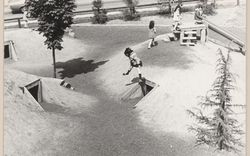
Émilie Retailleau reflects on the CCA’s youth programs


