


458 Results
Form:
books
books
Actions:
Price:
$30.00
(available to order)
Summary:
First published in 1991, "How to Lie with Maps" revealed how the choices mapmakers make—consciously or unconsciously—mean that every map inevitably presents only one of many possible stories about the places it depicts. Fully updated for the digital age, this new edition examines the myriad ways that technology offers new opportunities for cartographic mischief,(...)
$30.00
(available to order)
Summary:
First published in 1991, "How to Lie with Maps" revealed how the choices mapmakers make—consciously or unconsciously—mean that every map inevitably presents only one of many possible stories about the places it depicts. Fully updated for the digital age, this new edition examines the myriad ways that technology offers new opportunities for cartographic mischief,(...)
Title:
How to lie with maps, 3rd edition
Actions:
Price:
$30.00
(available to order)
Summary:
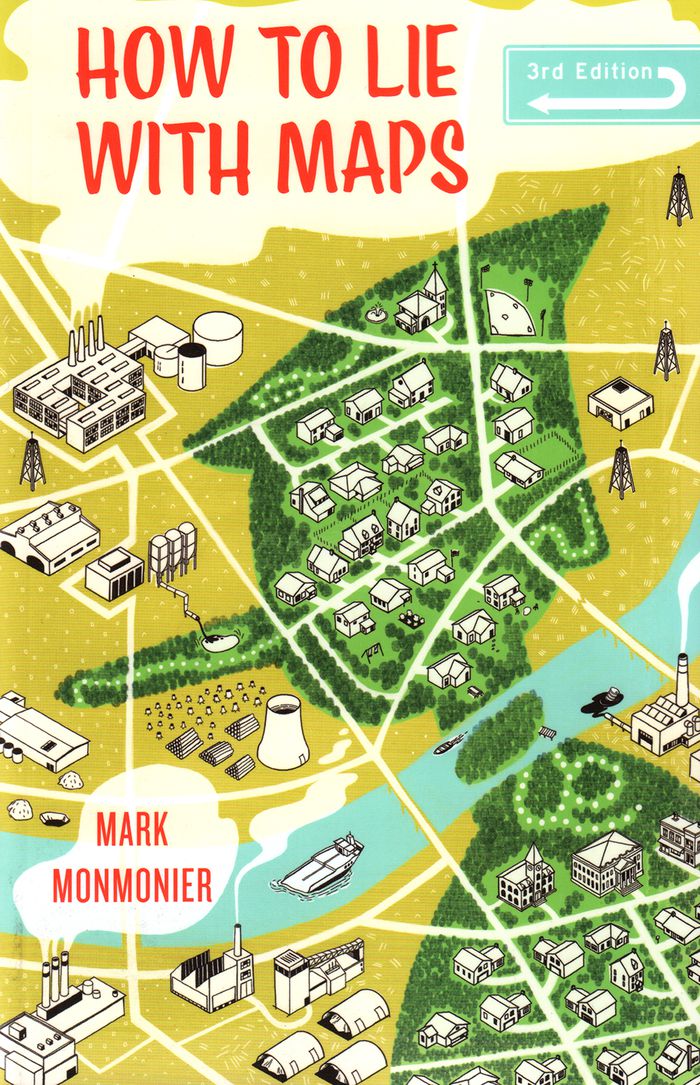
First published in 1991, "How to Lie with Maps" revealed how the choices mapmakers make—consciously or unconsciously—mean that every map inevitably presents only one of many possible stories about the places it depicts. Fully updated for the digital age, this new edition examines the myriad ways that technology offers new opportunities for cartographic mischief, deception, and propaganda. While retaining the same brevity, range, and humor as its predecessors, this third edition includes significant updates throughout as well as new chapters on image maps, prohibitive cartography, and online maps. It also includes an expanded section of color images and an updated list of sources for further reading.
How to lie with maps, 3rd edition
Actions:
Price:
$30.00
(available to order)
Summary:
First published in 1991, "How to Lie with Maps" revealed how the choices mapmakers make—consciously or unconsciously—mean that every map inevitably presents only one of many possible stories about the places it depicts. Fully updated for the digital age, this new edition examines the myriad ways that technology offers new opportunities for cartographic mischief, deception, and propaganda. While retaining the same brevity, range, and humor as its predecessors, this third edition includes significant updates throughout as well as new chapters on image maps, prohibitive cartography, and online maps. It also includes an expanded section of color images and an updated list of sources for further reading.
Form:
books
books
Publication:
April 2018
April 2018
Subject:
Architectural Plans and Cartography
Architectural Plans and Cartography
Form:
books
books
Title:
Hans Richter : new living
Hans Richter : new living
Actions:
Price:
$14.95
(available to order)
Summary:
"New Living” (Das Neue Wohnen) was the title of an exceptional architectural propaganda film created in 1930 by German avant-garde artist and filmmaker Hans Richter. It show-cased exemplary modernist buildings and furniture – some of which were on view shortly afterwards in the prestigious exhibitions "The International Style” – and contrasted them with impractical,(...)
$14.95
(available to order)
Summary:
"New Living” (Das Neue Wohnen) was the title of an exceptional architectural propaganda film created in 1930 by German avant-garde artist and filmmaker Hans Richter. It show-cased exemplary modernist buildings and furniture – some of which were on view shortly afterwards in the prestigious exhibitions "The International Style” – and contrasted them with impractical,(...)
Subject:
Architecture Monographs
Architecture Monographs
Publication:
November 2000, Baden
November 2000, Baden
Title:
Hans Richter : new living
Actions:
Price:
$14.95
(available to order)
Summary:
"New Living” (Das Neue Wohnen) was the title of an exceptional architectural propaganda film created in 1930 by German avant-garde artist and filmmaker Hans Richter. It show-cased exemplary modernist buildings and furniture – some of which were on view shortly afterwards in the prestigious exhibitions "The International Style” – and contrasted them with impractical, unhygienic living spaces. The visual diversity of "New Living”, and its use of an experimental montage technique, pioneered a radical new method of portraying architecture on celluloid. This publication includes detailed sequences from the New Living film, as well as numerous documents that illustrate the new style of architectural modernism. Previously priced at $96.00.
Hans Richter : new living
Actions:
Price:
$14.95
(available to order)
Summary:
"New Living” (Das Neue Wohnen) was the title of an exceptional architectural propaganda film created in 1930 by German avant-garde artist and filmmaker Hans Richter. It show-cased exemplary modernist buildings and furniture – some of which were on view shortly afterwards in the prestigious exhibitions "The International Style” – and contrasted them with impractical, unhygienic living spaces. The visual diversity of "New Living”, and its use of an experimental montage technique, pioneered a radical new method of portraying architecture on celluloid. This publication includes detailed sequences from the New Living film, as well as numerous documents that illustrate the new style of architectural modernism. Previously priced at $96.00.
Form:
books
books
Publication:
November 2000, Baden
November 2000, Baden
Subject:
Architecture Monographs
Architecture Monographs
Form:
books
books
Price:
$65.00
(available to order)
Summary:
This book is the result of eight years of research and the production of a series of photographs taken in 2013, 2015 and 2018 during Gianpaolo Arena’s travels through Vietnam. Both the photographs and the essays examine the complex bond between landscape and human civilization. In this sprawling sequence of urban growth, places and portraits we find continual antitheses(...)
$65.00
(available to order)
Summary:
This book is the result of eight years of research and the production of a series of photographs taken in 2013, 2015 and 2018 during Gianpaolo Arena’s travels through Vietnam. Both the photographs and the essays examine the complex bond between landscape and human civilization. In this sprawling sequence of urban growth, places and portraits we find continual antitheses(...)
Title:
A folktale from Vietnam: speeding motorcycles and roasted lemongrass
Actions:
Price:
$65.00
(available to order)
Summary:
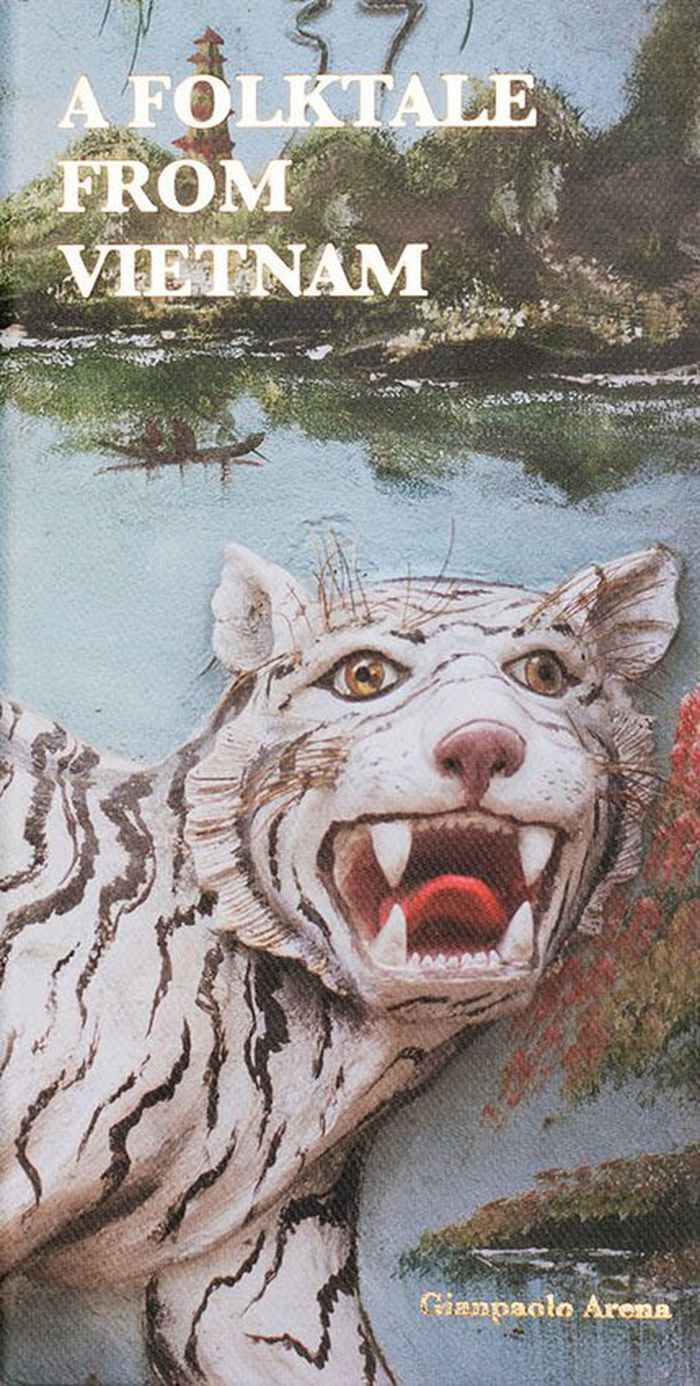
This book is the result of eight years of research and the production of a series of photographs taken in 2013, 2015 and 2018 during Gianpaolo Arena’s travels through Vietnam. Both the photographs and the essays examine the complex bond between landscape and human civilization. In this sprawling sequence of urban growth, places and portraits we find continual antitheses of periods and customs that sometimes clash, at others meld. This project captures fragments of different rituals and ways of life of the contemporary Vietnamese society. The author offer a glimpse of Vietnam’s present and future cities between time and decay, culture and capitalism, folklore and propaganda.
A folktale from Vietnam: speeding motorcycles and roasted lemongrass
Actions:
Price:
$65.00
(available to order)
Summary:
This book is the result of eight years of research and the production of a series of photographs taken in 2013, 2015 and 2018 during Gianpaolo Arena’s travels through Vietnam. Both the photographs and the essays examine the complex bond between landscape and human civilization. In this sprawling sequence of urban growth, places and portraits we find continual antitheses of periods and customs that sometimes clash, at others meld. This project captures fragments of different rituals and ways of life of the contemporary Vietnamese society. The author offer a glimpse of Vietnam’s present and future cities between time and decay, culture and capitalism, folklore and propaganda.
Form:
books
books
Publication:
November 2021
November 2021
Subject:
Photography monographs
Photography monographs
Form:
books
books
Actions:
Price:
$69.99
(available to order)
Summary:
Working in Germany between the two world wars, John Heartfield (born Helmut Herzfeld, 1891–1968) developed an innovative method of appropriating and reusing photographs to powerful political effect. As a pioneer of modern photomontage, he sliced up mass media photos with his iconic scissors and then reassembled the fragments into compositions that utterly transformed the(...)
$69.99
(available to order)
Summary:
Working in Germany between the two world wars, John Heartfield (born Helmut Herzfeld, 1891–1968) developed an innovative method of appropriating and reusing photographs to powerful political effect. As a pioneer of modern photomontage, he sliced up mass media photos with his iconic scissors and then reassembled the fragments into compositions that utterly transformed the(...)
Title:
John Heartfield and the agitated image: photography, persuasion, and the rise of avant-garde photomontage
Actions:
Price:
$69.99
(available to order)
Summary:
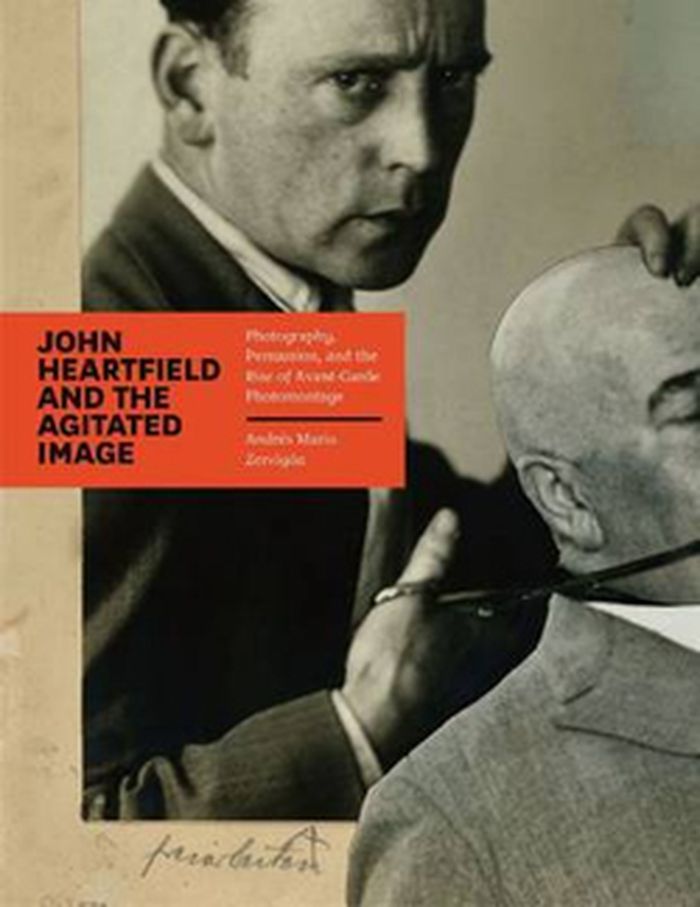
Working in Germany between the two world wars, John Heartfield (born Helmut Herzfeld, 1891–1968) developed an innovative method of appropriating and reusing photographs to powerful political effect. As a pioneer of modern photomontage, he sliced up mass media photos with his iconic scissors and then reassembled the fragments into compositions that utterly transformed the meaning of the originals. In John Heartfield and the Agitated Image, Andrés Mario Zervigón explores this crucial period in the life and work of a brilliant, radical artist whose desire to disclose the truth obscured by the mainstream press and imperial propaganda made him a de facto prosecutor of Germany’s visual culture.
John Heartfield and the agitated image: photography, persuasion, and the rise of avant-garde photomontage
Actions:
Price:
$69.99
(available to order)
Summary:
Working in Germany between the two world wars, John Heartfield (born Helmut Herzfeld, 1891–1968) developed an innovative method of appropriating and reusing photographs to powerful political effect. As a pioneer of modern photomontage, he sliced up mass media photos with his iconic scissors and then reassembled the fragments into compositions that utterly transformed the meaning of the originals. In John Heartfield and the Agitated Image, Andrés Mario Zervigón explores this crucial period in the life and work of a brilliant, radical artist whose desire to disclose the truth obscured by the mainstream press and imperial propaganda made him a de facto prosecutor of Germany’s visual culture.
Form:
books
books
Publication:
March 2012
March 2012
Subject:
Photography monographs
Photography monographs
Form:
books
books
Price:
$68.95
(available to order)
Summary:
Russian artist El Lissitzky’s work spans painting, photography, theatrical and exhibition design, architecture, graphic design, typography, and literature. He was active in the Jewish cultural renaissance, formed an artists’ collective with Kazimir Malevich, was a key figure in the dissemination of early Soviet art in Western Europe, and designed propaganda for the Stalin(...)
$68.95
(available to order)
Summary:
Russian artist El Lissitzky’s work spans painting, photography, theatrical and exhibition design, architecture, graphic design, typography, and literature. He was active in the Jewish cultural renaissance, formed an artists’ collective with Kazimir Malevich, was a key figure in the dissemination of early Soviet art in Western Europe, and designed propaganda for the Stalin(...)
Title:
El Lissitzky on paper: Print culture, architecture, politics, 1919-1933
Actions:
Price:
$68.95
(available to order)
Summary:
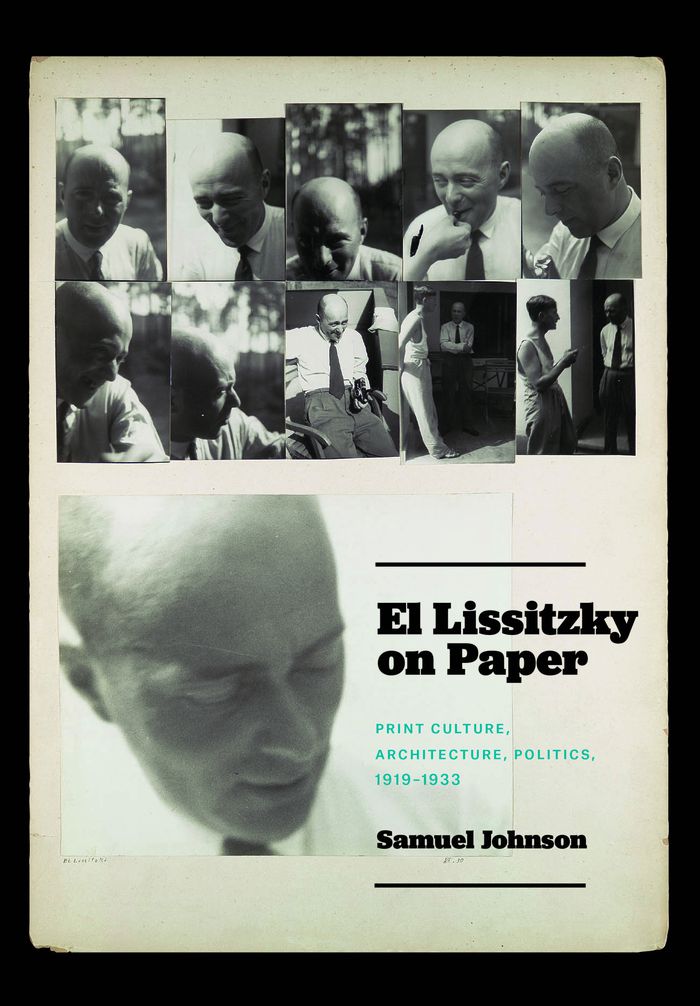
Russian artist El Lissitzky’s work spans painting, photography, theatrical and exhibition design, architecture, graphic design, typography, and literature. He was active in the Jewish cultural renaissance, formed an artists’ collective with Kazimir Malevich, was a key figure in the dissemination of early Soviet art in Western Europe, and designed propaganda for the Stalin regime. With such a varied history and body of work, scholars have often struggled to identify the core principles that tied his diverse oeuvre together. With this book, Johnson presents a significant contribution to scholarship on this major artist, revealing new connections between Lissitzky’s work in architecture and visual art and bringing to light sources from largely unstudied Russian archives.
El Lissitzky on paper: Print culture, architecture, politics, 1919-1933
Actions:
Price:
$68.95
(available to order)
Summary:
Russian artist El Lissitzky’s work spans painting, photography, theatrical and exhibition design, architecture, graphic design, typography, and literature. He was active in the Jewish cultural renaissance, formed an artists’ collective with Kazimir Malevich, was a key figure in the dissemination of early Soviet art in Western Europe, and designed propaganda for the Stalin regime. With such a varied history and body of work, scholars have often struggled to identify the core principles that tied his diverse oeuvre together. With this book, Johnson presents a significant contribution to scholarship on this major artist, revealing new connections between Lissitzky’s work in architecture and visual art and bringing to light sources from largely unstudied Russian archives.
Form:
books
books
Publication:
May 2024
May 2024
Subject:
Architecture Monographs
Architecture Monographs
Form:
books
books
Actions:
Price:
$180.00
(available to order)
Summary:
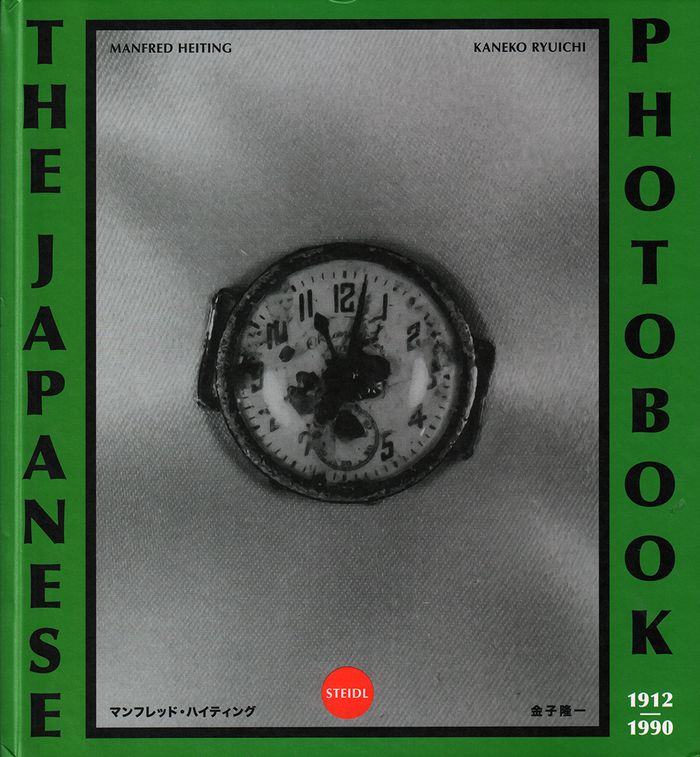
"The Japanese photobook", 1912–1990 illustrates the development of photography as seen in photo publications in Japan--from the early influence of European and American pictorialism, the German Bauhaus and imperial military propaganda to the complete collapse and destruction of the country in 1945. Then followed a new beginning: with the unique self-determination of a(...)
$180.00
(available to order)
Summary:
"The Japanese photobook", 1912–1990 illustrates the development of photography as seen in photo publications in Japan--from the early influence of European and American pictorialism, the German Bauhaus and imperial military propaganda to the complete collapse and destruction of the country in 1945. Then followed a new beginning: with the unique self-determination of a(...)
Subject:
Photography Collections
Photography Collections
Publication:
August 2016
August 2016
Title:
The Japanese photobook, 1912-1980
Actions:
Price:
$180.00
(available to order)
Summary:
"The Japanese photobook", 1912–1990 illustrates the development of photography as seen in photo publications in Japan--from the early influence of European and American pictorialism, the German Bauhaus and imperial military propaganda to the complete collapse and destruction of the country in 1945. Then followed a new beginning: with the unique self-determination of a young generation of photographers and visual artists highlighted by the Provoke style--an experimental Japanese photography magazine that had a profound effect on the medium in the 1970s and ‘80s--as well as protest and war documentation of the late 1950s to the early ‘70s, the signature Japanese photobook, as we have come to know it, was born.
The Japanese photobook, 1912-1980
Actions:
Price:
$180.00
(available to order)
Summary:
"The Japanese photobook", 1912–1990 illustrates the development of photography as seen in photo publications in Japan--from the early influence of European and American pictorialism, the German Bauhaus and imperial military propaganda to the complete collapse and destruction of the country in 1945. Then followed a new beginning: with the unique self-determination of a young generation of photographers and visual artists highlighted by the Provoke style--an experimental Japanese photography magazine that had a profound effect on the medium in the 1970s and ‘80s--as well as protest and war documentation of the late 1950s to the early ‘70s, the signature Japanese photobook, as we have come to know it, was born.
Form:
books
books
Publication:
August 2016
August 2016
Subject:
Photography Collections
Photography Collections
Form:
books
books
Price:
$90.00
(available to order)
Summary:
The leading Russian propaganda artist Aleksandr Zhitomirsky (1907–1993) made photomontages that were airdropped on German troops during World War II. He later worked for Pravda and other leading publications, satirizing American politics and finance from the Truman through the Reagan eras and educating his public about Egypt, South Africa, Vietnam, and Nicaragua as well.(...)
$90.00
(available to order)
Summary:
The leading Russian propaganda artist Aleksandr Zhitomirsky (1907–1993) made photomontages that were airdropped on German troops during World War II. He later worked for Pravda and other leading publications, satirizing American politics and finance from the Truman through the Reagan eras and educating his public about Egypt, South Africa, Vietnam, and Nicaragua as well.(...)
Title:
Aleksandr Zhitomirsky: photomontage as a weapon of WWII and the Cold War
Actions:
Price:
$90.00
(available to order)
Summary:
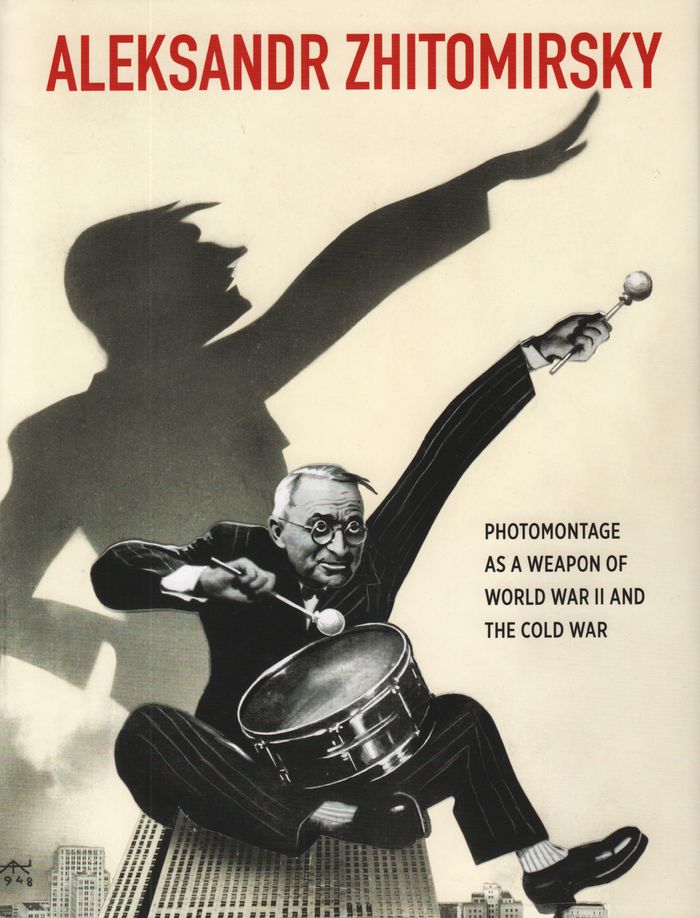
The leading Russian propaganda artist Aleksandr Zhitomirsky (1907–1993) made photomontages that were airdropped on German troops during World War II. He later worked for Pravda and other leading publications, satirizing American politics and finance from the Truman through the Reagan eras and educating his public about Egypt, South Africa, Vietnam, and Nicaragua as well. Zhitomirsky favored the grotesque and the eye-catching. In this comprehensive account of Zhitomirsky’s long career, Erika Wolf explores his connections to and long friendship with the German artist John Heartfield, whose work inspired his own. Wolf also examines more than 100 of Zhitomirsky’s photomontages and translates excerpts from his one published book, "The Art of Political Photomontage: Advice for the Artist" (1983).
Aleksandr Zhitomirsky: photomontage as a weapon of WWII and the Cold War
Actions:
Price:
$90.00
(available to order)
Summary:
The leading Russian propaganda artist Aleksandr Zhitomirsky (1907–1993) made photomontages that were airdropped on German troops during World War II. He later worked for Pravda and other leading publications, satirizing American politics and finance from the Truman through the Reagan eras and educating his public about Egypt, South Africa, Vietnam, and Nicaragua as well. Zhitomirsky favored the grotesque and the eye-catching. In this comprehensive account of Zhitomirsky’s long career, Erika Wolf explores his connections to and long friendship with the German artist John Heartfield, whose work inspired his own. Wolf also examines more than 100 of Zhitomirsky’s photomontages and translates excerpts from his one published book, "The Art of Political Photomontage: Advice for the Artist" (1983).
Form:
books
books
Publication:
October 2016
October 2016
Subject:
Current Exhibitions
Current Exhibitions
Form:
books
books
Actions:
Price:
$60.00
(available to order)
Summary:
Conceived by a misguided government seeking to quiet the fears of an anxious public, the concept of the “Family Fallout Shelter” was Cold War paranoia at its finest, a massive bit of “propaganda by architecture” that has no more truth behind it than the absurd notion of “duck and cover.” Inundated with government-sponsored films, posters, booklets, traveling caravans and(...)
$60.00
(available to order)
Summary:
Conceived by a misguided government seeking to quiet the fears of an anxious public, the concept of the “Family Fallout Shelter” was Cold War paranoia at its finest, a massive bit of “propaganda by architecture” that has no more truth behind it than the absurd notion of “duck and cover.” Inundated with government-sponsored films, posters, booklets, traveling caravans and(...)
Title:
Bomboozled : how the U.S. governmenrt misled itself and its people into believing they could survive a nuclear attack
Actions:
Price:
$60.00
(available to order)
Summary:
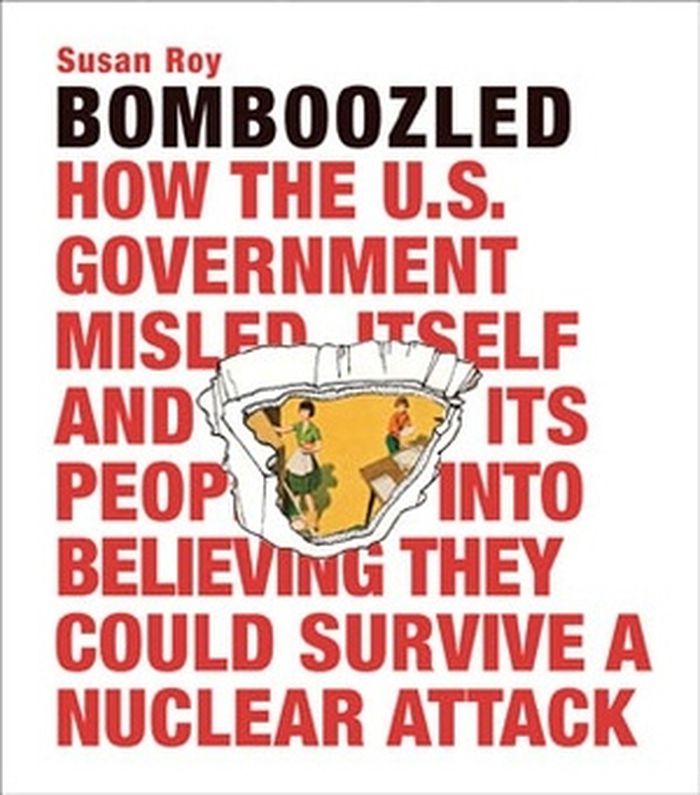
Conceived by a misguided government seeking to quiet the fears of an anxious public, the concept of the “Family Fallout Shelter” was Cold War paranoia at its finest, a massive bit of “propaganda by architecture” that has no more truth behind it than the absurd notion of “duck and cover.” Inundated with government-sponsored films, posters, booklets, traveling caravans and exhibitions, the American family bought into the idea, investing millions of dollars in home shelters of every conceivable material and design. Bomboozled charts the panic-fueled evolution of the shelter from a well-stocked basement pantry to a full-fledged (and often completely decorated) home addition, laying bare the buried truths of America’s family fallout shelter obsession.
Bomboozled : how the U.S. governmenrt misled itself and its people into believing they could survive a nuclear attack
Actions:
Price:
$60.00
(available to order)
Summary:
Conceived by a misguided government seeking to quiet the fears of an anxious public, the concept of the “Family Fallout Shelter” was Cold War paranoia at its finest, a massive bit of “propaganda by architecture” that has no more truth behind it than the absurd notion of “duck and cover.” Inundated with government-sponsored films, posters, booklets, traveling caravans and exhibitions, the American family bought into the idea, investing millions of dollars in home shelters of every conceivable material and design. Bomboozled charts the panic-fueled evolution of the shelter from a well-stocked basement pantry to a full-fledged (and often completely decorated) home addition, laying bare the buried truths of America’s family fallout shelter obsession.
Form:
books
books
Publication:
January 2012
January 2012
Subject:
Architectural Theory
Architectural Theory
Form:
books
books
Actions:
Price:
$65.95
(available to order)
Summary:
Flyers are a highly original expression of urban youth culture. These flyers directly reflect the contemporary Zeitgeist of a generation as it experiments with its multi-disciplinary content and graphics. Since 1998, Soziotope has been dedicated to the collection and exhibition of recent and historic designs and texts illuminating this cultural phenomenon. This particular(...)
$65.95
(available to order)
Summary:
Flyers are a highly original expression of urban youth culture. These flyers directly reflect the contemporary Zeitgeist of a generation as it experiments with its multi-disciplinary content and graphics. Since 1998, Soziotope has been dedicated to the collection and exhibition of recent and historic designs and texts illuminating this cultural phenomenon. This particular(...)
Subject:
Printed Matter
Printed Matter
Publication:
September 2005, Barcelona
September 2005, Barcelona
Title:
Flyer soziotope : topographie of a media phenomenon
Actions:
Price:
$65.95
(available to order)
Summary:
Flyers are a highly original expression of urban youth culture. These flyers directly reflect the contemporary Zeitgeist of a generation as it experiments with its multi-disciplinary content and graphics. Since 1998, Soziotope has been dedicated to the collection and exhibition of recent and historic designs and texts illuminating this cultural phenomenon. This particular catalogue illustrates the entire spectrum of this media-culture, from the genre's inception to its dissemination among a wide variety of social, economic and media-specific agents. Both the origins of this propaganda medium and its imagined future are presented in this 608 page compendium, which covers a quarter century of examples from German, Europe and abroad. More than a dozen authors take a scientific and entertaining look at this impressive body of work.
Flyer soziotope : topographie of a media phenomenon
Actions:
Price:
$65.95
(available to order)
Summary:
Flyers are a highly original expression of urban youth culture. These flyers directly reflect the contemporary Zeitgeist of a generation as it experiments with its multi-disciplinary content and graphics. Since 1998, Soziotope has been dedicated to the collection and exhibition of recent and historic designs and texts illuminating this cultural phenomenon. This particular catalogue illustrates the entire spectrum of this media-culture, from the genre's inception to its dissemination among a wide variety of social, economic and media-specific agents. Both the origins of this propaganda medium and its imagined future are presented in this 608 page compendium, which covers a quarter century of examples from German, Europe and abroad. More than a dozen authors take a scientific and entertaining look at this impressive body of work.
Form:
books
books
Publication:
September 2005, Barcelona
September 2005, Barcelona
Subject:
Printed Matter
Printed Matter
Form:
books
books
Price:
$33.95
(available to order)
Summary:
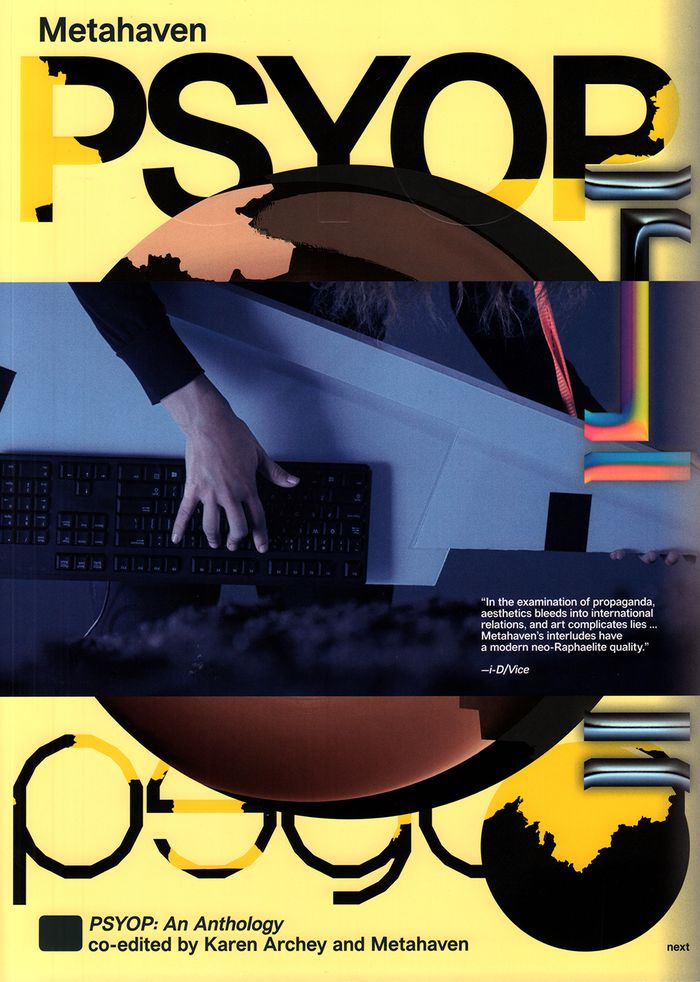
This book offers a perspective on the popular and acclaimed Amsterdam-based design/art collective Metahaven. Densely illustrated, and very recognizably designed by Metahaven, it is the only survey of its work currently available. Led by Vinca Kruk and Daniel van der Velden, Metahaven works between filmmaking, art, research and design; it has produced documentary-based(...)
$33.95
(available to order)
Summary:
This book offers a perspective on the popular and acclaimed Amsterdam-based design/art collective Metahaven. Densely illustrated, and very recognizably designed by Metahaven, it is the only survey of its work currently available. Led by Vinca Kruk and Daniel van der Velden, Metahaven works between filmmaking, art, research and design; it has produced documentary-based(...)
Subject:
Graphic Designers, Monographs
Graphic Designers, Monographs
Publication:
February 2019
February 2019
Title:
Metahaven
Actions:
Price:
$33.95
(available to order)
Summary:
This book offers a perspective on the popular and acclaimed Amsterdam-based design/art collective Metahaven. Densely illustrated, and very recognizably designed by Metahaven, it is the only survey of its work currently available. Led by Vinca Kruk and Daniel van der Velden, Metahaven works between filmmaking, art, research and design; it has produced documentary-based works, music videos, books (such as ''Can Jokes Bring Down Governments?'' and ''Black Transparency'') and lectures that investigate matters of propaganda, truth and identity, especially with regard to the structuring of our symbolic realm. The book offers a variety of critical takes on the collective's work and examines its recent shift to moving-image work, thinking through the various ways in which its sprawling oeuvre is embedded in the sociopolitical challenges of the present.
Metahaven
Actions:
Price:
$33.95
(available to order)
Summary:
This book offers a perspective on the popular and acclaimed Amsterdam-based design/art collective Metahaven. Densely illustrated, and very recognizably designed by Metahaven, it is the only survey of its work currently available. Led by Vinca Kruk and Daniel van der Velden, Metahaven works between filmmaking, art, research and design; it has produced documentary-based works, music videos, books (such as ''Can Jokes Bring Down Governments?'' and ''Black Transparency'') and lectures that investigate matters of propaganda, truth and identity, especially with regard to the structuring of our symbolic realm. The book offers a variety of critical takes on the collective's work and examines its recent shift to moving-image work, thinking through the various ways in which its sprawling oeuvre is embedded in the sociopolitical challenges of the present.
Form:
books
books
Publication:
February 2019
February 2019
Subject:
Graphic Designers, Monographs
Graphic Designers, Monographs


