


4271 Results
Form:
books
books
Actions:
Price:
$45.95
(available to order)
Summary:
The German pavilion at the 9th Venice Architecture Biennale offers an overview of more than 35 contemporary architectural projects in Germany which have manifested in peripheral urban areas, suburban spaces, and de-industrialized zones. The projects reveal the transformation and reactivation of banal everyday architecture--business parks, switching stations, water(...)
$45.95
(available to order)
Summary:
The German pavilion at the 9th Venice Architecture Biennale offers an overview of more than 35 contemporary architectural projects in Germany which have manifested in peripheral urban areas, suburban spaces, and de-industrialized zones. The projects reveal the transformation and reactivation of banal everyday architecture--business parks, switching stations, water(...)
Title:
Deutschlandscape : epicentres at the periphery - German pavilion, Venice Biennale 2004
Actions:
Price:
$45.95
(available to order)
Summary:
The German pavilion at the 9th Venice Architecture Biennale offers an overview of more than 35 contemporary architectural projects in Germany which have manifested in peripheral urban areas, suburban spaces, and de-industrialized zones. The projects reveal the transformation and reactivation of banal everyday architecture--business parks, switching stations, water purification plants, and strictly coded and conventional housing types--to open up a new perception of the "deutschlandscape." Here, architectural norms are reworked and given a new aesthetic twist through ironic self-reflection. These built projects by a critical young generation of German architects reveal highly innovative use of new materials, generate suburban "plug-ins" (temporary and mobile architecture), and skillfully rework the familiar to create solutions for hitherto underrepresented yet vital areas on the urban fringe. Accompanying essays and interviews reveal the personal narratives behind the architecture. Contributions include: "urban therapist" Sonja Beeck on dealing with the psychological dimensions of shrinking cities in the former GDR; artist and urbanist Kai Vöckler on the German psychoscape; Omar Akbar of the Bauhaus Dessau on the wider implications of urban sprawl; Peter Cook on tuning suburbia; Angelika Fitz on strategic answers to restrictive building regulations; Peter Wilson on the marketing of place; and Rudolf Stegers on multi-layered meanings behind the architectural image.
Deutschlandscape : epicentres at the periphery - German pavilion, Venice Biennale 2004
Actions:
Price:
$45.95
(available to order)
Summary:
The German pavilion at the 9th Venice Architecture Biennale offers an overview of more than 35 contemporary architectural projects in Germany which have manifested in peripheral urban areas, suburban spaces, and de-industrialized zones. The projects reveal the transformation and reactivation of banal everyday architecture--business parks, switching stations, water purification plants, and strictly coded and conventional housing types--to open up a new perception of the "deutschlandscape." Here, architectural norms are reworked and given a new aesthetic twist through ironic self-reflection. These built projects by a critical young generation of German architects reveal highly innovative use of new materials, generate suburban "plug-ins" (temporary and mobile architecture), and skillfully rework the familiar to create solutions for hitherto underrepresented yet vital areas on the urban fringe. Accompanying essays and interviews reveal the personal narratives behind the architecture. Contributions include: "urban therapist" Sonja Beeck on dealing with the psychological dimensions of shrinking cities in the former GDR; artist and urbanist Kai Vöckler on the German psychoscape; Omar Akbar of the Bauhaus Dessau on the wider implications of urban sprawl; Peter Cook on tuning suburbia; Angelika Fitz on strategic answers to restrictive building regulations; Peter Wilson on the marketing of place; and Rudolf Stegers on multi-layered meanings behind the architectural image.
Form:
books
books
Publication:
November 2004, Ostfildern
November 2004, Ostfildern
Subject:
Urban Theory
Urban Theory
Form:
books
books

Actions:
Price:
$30.00
(available to order)
Summary:
Sublime landscapes, tranquil urban scenes, frolicking children; who would associate these images with Palestine? All too often the Western media show the country’s gloomy side, and Palestinians as aggressors. It is this that makes identifying with them virtually impossible. If we are to relate to the Palestinians other images are needed, images seen from a cultural and(...)
$30.00
(available to order)
Summary:
Sublime landscapes, tranquil urban scenes, frolicking children; who would associate these images with Palestine? All too often the Western media show the country’s gloomy side, and Palestinians as aggressors. It is this that makes identifying with them virtually impossible. If we are to relate to the Palestinians other images are needed, images seen from a cultural and(...)
Title:
Subjective atlas of Palestine
Actions:
Price:
$30.00
(available to order)
Summary:
Sublime landscapes, tranquil urban scenes, frolicking children; who would associate these images with Palestine? All too often the Western media show the country’s gloomy side, and Palestinians as aggressors. It is this that makes identifying with them virtually impossible. If we are to relate to the Palestinians other images are needed, images seen from a cultural and more human vantage point. The Dutch designer Annelys de Vet invited Palestinian artists, photographers and designers to map their country as they see it. Given their closeness to the subject, this has resulted in unconventional, very human impressions of the landscape and the architecture, the cuisine, the music and the poetry of thought and expression. The drawings, photographs, maps and narratives made for this atlas reveal individual life experiences, from preparing chickpeas to a manual on water pipe smoking, from historic dress to modern music. Pages containing humorous and caustic newspaper cartoons and invented Palestinian currency followed by colourful cultural diaries and moving letters from prisoners. All in all, the contributions give an entirely different angle on a nation in occupied territory. In this subjective atlas it is the Palestinians themselves who show the disarming reverse side of the black-and-white image generally resorted to by the media.
Subjective atlas of Palestine
Actions:
Price:
$30.00
(available to order)
Summary:
Sublime landscapes, tranquil urban scenes, frolicking children; who would associate these images with Palestine? All too often the Western media show the country’s gloomy side, and Palestinians as aggressors. It is this that makes identifying with them virtually impossible. If we are to relate to the Palestinians other images are needed, images seen from a cultural and more human vantage point. The Dutch designer Annelys de Vet invited Palestinian artists, photographers and designers to map their country as they see it. Given their closeness to the subject, this has resulted in unconventional, very human impressions of the landscape and the architecture, the cuisine, the music and the poetry of thought and expression. The drawings, photographs, maps and narratives made for this atlas reveal individual life experiences, from preparing chickpeas to a manual on water pipe smoking, from historic dress to modern music. Pages containing humorous and caustic newspaper cartoons and invented Palestinian currency followed by colourful cultural diaries and moving letters from prisoners. All in all, the contributions give an entirely different angle on a nation in occupied territory. In this subjective atlas it is the Palestinians themselves who show the disarming reverse side of the black-and-white image generally resorted to by the media.
Form:
books
books
Publication:
October 2007, Rotterdam
October 2007, Rotterdam
Subject:
History until 1900, Asia
History until 1900, Asia
Form:
books
books
Actions:
Price:
$49.95
(available to order)
Summary:
"The pencil perfect" takes its namesake’s four simple ingredients – wood, graphite, clay, and water – and narrates a tale of worldwide influence and innovation. Caroline Weaver, pencil connoisseur and CW Pencil Enterprise Shop owner, composes texts that extol the nuanced influence of her beloved and humble implement. Illustrations exclusively drawn for "The pencil(...)
$49.95
(available to order)
Summary:
"The pencil perfect" takes its namesake’s four simple ingredients – wood, graphite, clay, and water – and narrates a tale of worldwide influence and innovation. Caroline Weaver, pencil connoisseur and CW Pencil Enterprise Shop owner, composes texts that extol the nuanced influence of her beloved and humble implement. Illustrations exclusively drawn for "The pencil(...)
Title:
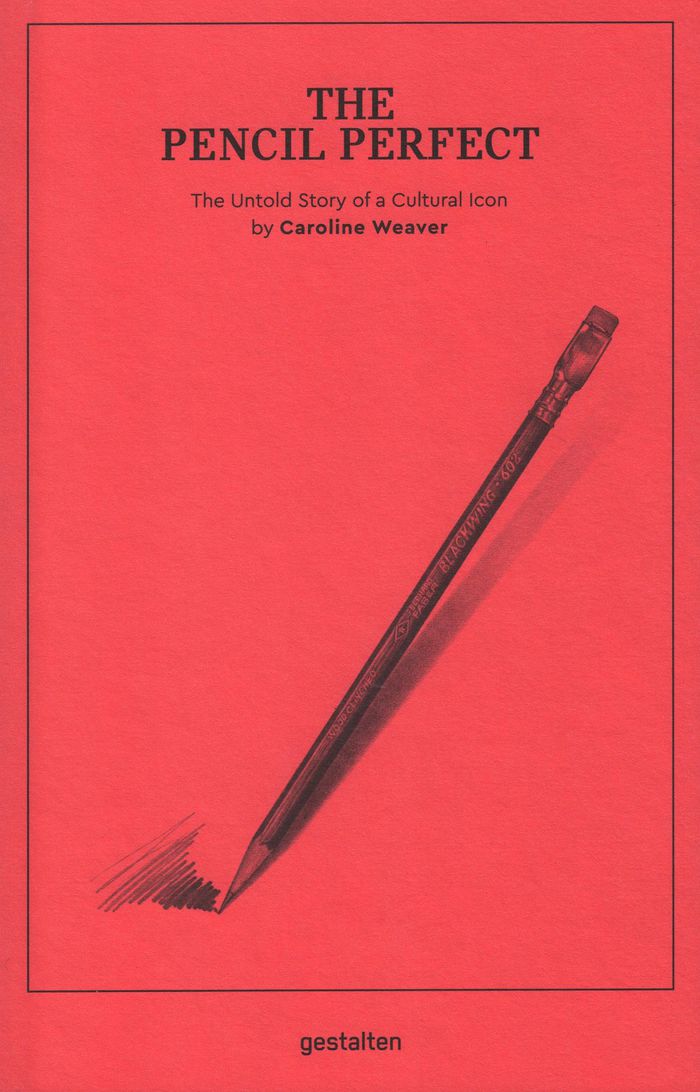
The pencil perfect: the untold story of a cultural icon
Actions:
Price:
$49.95
(available to order)
Summary:
"The pencil perfect" takes its namesake’s four simple ingredients – wood, graphite, clay, and water – and narrates a tale of worldwide influence and innovation. Caroline Weaver, pencil connoisseur and CW Pencil Enterprise Shop owner, composes texts that extol the nuanced influence of her beloved and humble implement. Illustrations exclusively drawn for "The pencil perfect" by Oriana Fenwick, an artist from Zimbabwe who works with fine details and intense realism, pair with Weaver’s words to present a story that is both endearing and enlightening. Through profiles of pencil makers, anecdotes about famous writers’ favorite pencils, and essays about the surprising role of pencils in world history and culture, the chronicle of a modest but mighty tool unfolds. Follow the charming contrivance as it guides the course of early communication in the Scientific Revolution, the American Revolutionary War, the Anglo-French War, and the French Revolution: it is a historical journey and a captivating memoir. See how its past contemporarily compares with its use and appearance today – from the Blackwing 602 to novelty ferrules. The development of cultures and communities is laid bare within the timeline of this slender entity. "The pencil perfect" immortalizes the biography of an inanimate object within its pages for a future cast of historians, writers, and curious minds.
The pencil perfect: the untold story of a cultural icon
Actions:
Price:
$49.95
(available to order)
Summary:
"The pencil perfect" takes its namesake’s four simple ingredients – wood, graphite, clay, and water – and narrates a tale of worldwide influence and innovation. Caroline Weaver, pencil connoisseur and CW Pencil Enterprise Shop owner, composes texts that extol the nuanced influence of her beloved and humble implement. Illustrations exclusively drawn for "The pencil perfect" by Oriana Fenwick, an artist from Zimbabwe who works with fine details and intense realism, pair with Weaver’s words to present a story that is both endearing and enlightening. Through profiles of pencil makers, anecdotes about famous writers’ favorite pencils, and essays about the surprising role of pencils in world history and culture, the chronicle of a modest but mighty tool unfolds. Follow the charming contrivance as it guides the course of early communication in the Scientific Revolution, the American Revolutionary War, the Anglo-French War, and the French Revolution: it is a historical journey and a captivating memoir. See how its past contemporarily compares with its use and appearance today – from the Blackwing 602 to novelty ferrules. The development of cultures and communities is laid bare within the timeline of this slender entity. "The pencil perfect" immortalizes the biography of an inanimate object within its pages for a future cast of historians, writers, and curious minds.
Form:
books
books
Publication:
February 2017
February 2017
Subject:
Industrial Design
Industrial Design
Form:
books
books
Actions:
Price:
$42.50
(available to order)
Summary:
Visiting a Soviet sanatorium is like stepping back in time. Originally built in the 1920s, they afforded workers a place to holiday, courtesy of a state-funded voucher system. At their peak they were visited by millions of citizens across the USSR every year. A combination of medical institution and spa, the era’s sanatoriums are among the most innovative buildings of(...)
$42.50
(available to order)
Summary:
Visiting a Soviet sanatorium is like stepping back in time. Originally built in the 1920s, they afforded workers a place to holiday, courtesy of a state-funded voucher system. At their peak they were visited by millions of citizens across the USSR every year. A combination of medical institution and spa, the era’s sanatoriums are among the most innovative buildings of(...)
Title:
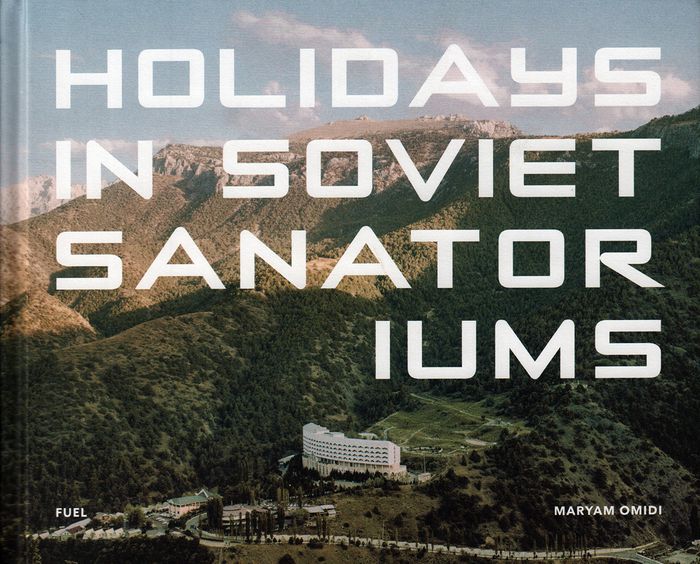
Holidays in soviet sanatoriums
Actions:
Price:
$42.50
(available to order)
Summary:
Visiting a Soviet sanatorium is like stepping back in time. Originally built in the 1920s, they afforded workers a place to holiday, courtesy of a state-funded voucher system. At their peak they were visited by millions of citizens across the USSR every year. A combination of medical institution and spa, the era’s sanatoriums are among the most innovative buildings of their time. Although aesthetically diverse, Soviet utopian values permeated every aspect of these structures; Western holidays were perceived as decadent. By contrast, sanatorium breaks were intended to edify and strengthen visitors: health professionals carefully monitored guests throughout their stay, so they could return to work with renewed vigor. Certain sanatoriums became known for their specialist treatments, such as crude-oil baths, radon water douches and stints in underground salt caves. While today some sanatoriums are in critical states of decline, many are still fully operational and continue to offer their Soviet-era treatments to visitors. Using specially commissioned photographs by leading photographers of the post-Soviet territories, and texts by sanatorium expert Maryam Omidi, this book documents over 45 sanatoriums and their unconventional treatments. From Armenia to Uzbekistan, it represents the most comprehensive survey to date of this fascinating and previously overlooked Soviet institution.
Holidays in soviet sanatoriums
Actions:
Price:
$42.50
(available to order)
Summary:
Visiting a Soviet sanatorium is like stepping back in time. Originally built in the 1920s, they afforded workers a place to holiday, courtesy of a state-funded voucher system. At their peak they were visited by millions of citizens across the USSR every year. A combination of medical institution and spa, the era’s sanatoriums are among the most innovative buildings of their time. Although aesthetically diverse, Soviet utopian values permeated every aspect of these structures; Western holidays were perceived as decadent. By contrast, sanatorium breaks were intended to edify and strengthen visitors: health professionals carefully monitored guests throughout their stay, so they could return to work with renewed vigor. Certain sanatoriums became known for their specialist treatments, such as crude-oil baths, radon water douches and stints in underground salt caves. While today some sanatoriums are in critical states of decline, many are still fully operational and continue to offer their Soviet-era treatments to visitors. Using specially commissioned photographs by leading photographers of the post-Soviet territories, and texts by sanatorium expert Maryam Omidi, this book documents over 45 sanatoriums and their unconventional treatments. From Armenia to Uzbekistan, it represents the most comprehensive survey to date of this fascinating and previously overlooked Soviet institution.
Form:
books
books
Publication:
October 2017
October 2017
Subject:
Photography monographs
Photography monographs
Form:
books
books
Actions:
Price:
$93.95
(available in store)
Summary:
Bernd and Hilla Becher's photography can be considered conceptual art, typological study, and topological documentation. Their work can be linked to the Neue Sachlichkeit movement of the 1920s and to such masters of German photography as Karl Blossfeldt, August Sander, and Albert Renger-Patzsch. Their photographs documenting the architecture of industrial structures,(...)
$93.95
(available in store)
Summary:
Bernd and Hilla Becher's photography can be considered conceptual art, typological study, and topological documentation. Their work can be linked to the Neue Sachlichkeit movement of the 1920s and to such masters of German photography as Karl Blossfeldt, August Sander, and Albert Renger-Patzsch. Their photographs documenting the architecture of industrial structures,(...)
Subject:
Photography monographs
Photography monographs
Publication:
March 2006, Cambridge,Mass.
March 2006, Cambridge,Mass.
Title:
Bernd & Hilla Becher : cooling towers
Actions:
Price:
$93.95
(available in store)
Summary:
Bernd and Hilla Becher's photography can be considered conceptual art, typological study, and topological documentation. Their work can be linked to the Neue Sachlichkeit movement of the 1920s and to such masters of German photography as Karl Blossfeldt, August Sander, and Albert Renger-Patzsch. Their photographs documenting the architecture of industrial structures, taken over the course of forty years, make up the most important body of work to be found in independent objective photography. This volume adds cooling towers to a list of photographic projects that includes book-length studies of water towers, blast furnaces, gas tanks, mineheads, and frame houses. Since the end of the nineteenth century, cooling towers have formed a striking part of electricity and steel works. The first cooling towers were wood-clad structures at coal mines; more recent examples are the steel or concrete constructions seen at nuclear power stations. The simplicity of these forms and their hermetically sealed external skins create an impressive, monumental effect. The Bechers have been photographing cooling towers since the 1960s. This volume contains 236 photographs of cooling towers - in all their different shapes and structural forms - from Belgium, England, France, Germany, Holland, and the United States, and includes a short text by the Bechers.
Bernd & Hilla Becher : cooling towers
Actions:
Price:
$93.95
(available in store)
Summary:
Bernd and Hilla Becher's photography can be considered conceptual art, typological study, and topological documentation. Their work can be linked to the Neue Sachlichkeit movement of the 1920s and to such masters of German photography as Karl Blossfeldt, August Sander, and Albert Renger-Patzsch. Their photographs documenting the architecture of industrial structures, taken over the course of forty years, make up the most important body of work to be found in independent objective photography. This volume adds cooling towers to a list of photographic projects that includes book-length studies of water towers, blast furnaces, gas tanks, mineheads, and frame houses. Since the end of the nineteenth century, cooling towers have formed a striking part of electricity and steel works. The first cooling towers were wood-clad structures at coal mines; more recent examples are the steel or concrete constructions seen at nuclear power stations. The simplicity of these forms and their hermetically sealed external skins create an impressive, monumental effect. The Bechers have been photographing cooling towers since the 1960s. This volume contains 236 photographs of cooling towers - in all their different shapes and structural forms - from Belgium, England, France, Germany, Holland, and the United States, and includes a short text by the Bechers.
Form:
books
books
Publication:
March 2006, Cambridge,Mass.
March 2006, Cambridge,Mass.
Subject:
Photography monographs
Photography monographs
Form:
books
books
Actions:
Price:
$52.95
(available to order)
Summary:
Cities are at once among humanity’s crowning achievements and core drivers of the climate crisis. Their dependence on the outside world for vital resources is causing global temperatures to rise and wildlife habitats to shrink. But we have the opportunity to make cities more sustainable by transforming the built environment. Dickson D. Despommier proposes a plan for(...)
$52.95
(available to order)
Summary:
Cities are at once among humanity’s crowning achievements and core drivers of the climate crisis. Their dependence on the outside world for vital resources is causing global temperatures to rise and wildlife habitats to shrink. But we have the opportunity to make cities more sustainable by transforming the built environment. Dickson D. Despommier proposes a plan for(...)
Title:
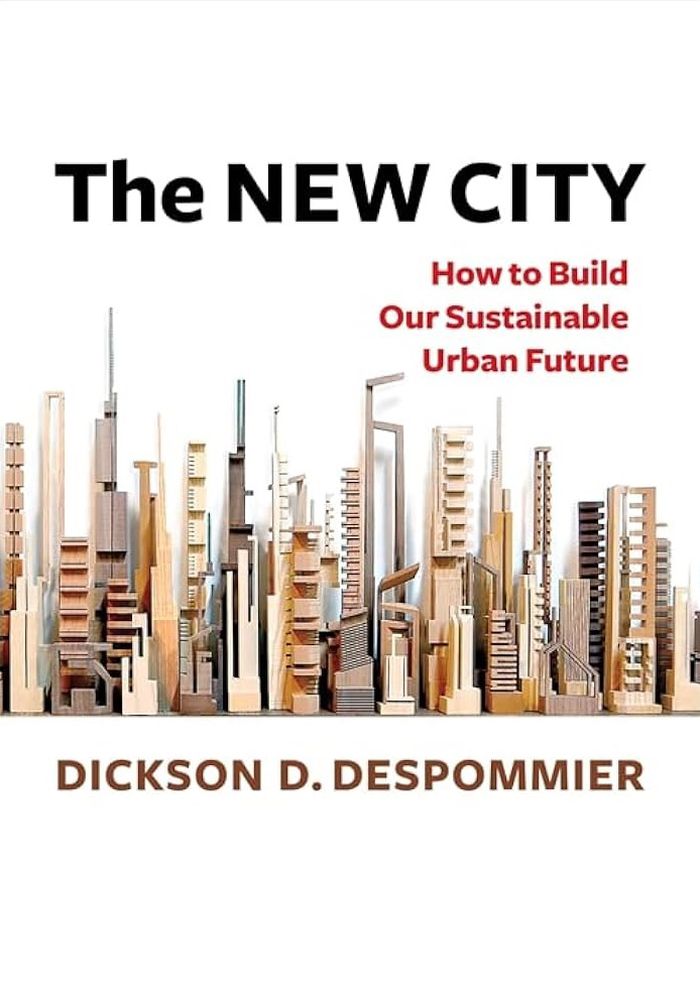
The new city: How to build our sustainable urban future
Actions:
Price:
$52.95
(available to order)
Summary:
Cities are at once among humanity’s crowning achievements and core drivers of the climate crisis. Their dependence on the outside world for vital resources is causing global temperatures to rise and wildlife habitats to shrink. But we have the opportunity to make cities more sustainable by transforming the built environment. Dickson D. Despommier proposes a plan for creating a new, self-sustaining urban landscape. He argues that we can find solutions through the concept of biomimicry: emulating successful strategies found in nature. A better city is possible if we heed the lessons that forests and trees teach about how to store carbon, grow food, collect rainwater, and convert sunlight into energy. Touring established and leading-edge technologies, ''The new city'' provides a blueprint for tomorrow’s urban environment. Cities built from wood will be more resilient and less destructive than concrete and steel construction; they will also encourage reforestation, boosting carbon sequestration. Vertical farms inside city limits will supply residents with a reliable, healthy food supply. Buildings will harvest moisture from the rain and air to secure a clean water supply. Renewable energy, including not only wind, solar, and geothermal but also clear photovoltaic window glass and nonpolluting hydrogen fuel cells, will power a cleaner city.
The new city: How to build our sustainable urban future
Actions:
Price:
$52.95
(available to order)
Summary:
Cities are at once among humanity’s crowning achievements and core drivers of the climate crisis. Their dependence on the outside world for vital resources is causing global temperatures to rise and wildlife habitats to shrink. But we have the opportunity to make cities more sustainable by transforming the built environment. Dickson D. Despommier proposes a plan for creating a new, self-sustaining urban landscape. He argues that we can find solutions through the concept of biomimicry: emulating successful strategies found in nature. A better city is possible if we heed the lessons that forests and trees teach about how to store carbon, grow food, collect rainwater, and convert sunlight into energy. Touring established and leading-edge technologies, ''The new city'' provides a blueprint for tomorrow’s urban environment. Cities built from wood will be more resilient and less destructive than concrete and steel construction; they will also encourage reforestation, boosting carbon sequestration. Vertical farms inside city limits will supply residents with a reliable, healthy food supply. Buildings will harvest moisture from the rain and air to secure a clean water supply. Renewable energy, including not only wind, solar, and geothermal but also clear photovoltaic window glass and nonpolluting hydrogen fuel cells, will power a cleaner city.
Form:
books
books
Publication:
September 2023
September 2023
Subject:
Urban Theory
Urban Theory
Form:
books
books
Actions:
Price:
$52.50
(available to order)
Summary:
In this fascinating and innovative look at nineteenth-century London, this book offers a new account of modernity and metropolitan life. It charts the relationship between London's formation into a modern organized city in the 1860s and the emergence of new(...)
$52.50
(available to order)
Summary:
In this fascinating and innovative look at nineteenth-century London, this book offers a new account of modernity and metropolitan life. It charts the relationship between London's formation into a modern organized city in the 1860s and the emergence of new(...)
Title:
Victorian Babylon : people, streets and images in nineteenth-century London
Actions:
Price:
$52.50
(available to order)
Summary:
In this fascinating and innovative look at nineteenth-century London, this book offers a new account of modernity and metropolitan life. It charts the relationship between London's formation into a modern organized city in the 1860s and the emergence of new types of production and consumption of visual culture. She considers the role visual images played in the creation of a vibrant and diverse urban culture and how new kinds of publics were created for these representations. Shifting the focus of the history of modernity from Paris to London, Nead here argues for a different understanding of gender and public space in a society where women joined the everyday life of city streets and entered the debates concerning morality, spectacle, and adventure. The book draws on texts and images of many kinds -- including acts of Parliament, literature, newspaper reports, private letters, maps, paintings, advertisements, posters, and banned obscene publications. Taking a highly interdisciplinary approach, Nead explores such intriguing topics as the efforts of urban improvers to move water, air, traffic, goods, and people in the Victorian metropolis; the impact of gas lighting and glass on urban leisure; and the obscenity legislation that emerged in response to new forms of visual mass culture that were perceived as dangerous and pervasive.
Victorian Babylon : people, streets and images in nineteenth-century London
Actions:
Price:
$52.50
(available to order)
Summary:
In this fascinating and innovative look at nineteenth-century London, this book offers a new account of modernity and metropolitan life. It charts the relationship between London's formation into a modern organized city in the 1860s and the emergence of new types of production and consumption of visual culture. She considers the role visual images played in the creation of a vibrant and diverse urban culture and how new kinds of publics were created for these representations. Shifting the focus of the history of modernity from Paris to London, Nead here argues for a different understanding of gender and public space in a society where women joined the everyday life of city streets and entered the debates concerning morality, spectacle, and adventure. The book draws on texts and images of many kinds -- including acts of Parliament, literature, newspaper reports, private letters, maps, paintings, advertisements, posters, and banned obscene publications. Taking a highly interdisciplinary approach, Nead explores such intriguing topics as the efforts of urban improvers to move water, air, traffic, goods, and people in the Victorian metropolis; the impact of gas lighting and glass on urban leisure; and the obscenity legislation that emerged in response to new forms of visual mass culture that were perceived as dangerous and pervasive.
Form:
books
books
Publication:
November 2000, New Haven
November 2000, New Haven
Subject:
Urban Theory
Urban Theory
Form:
books
books
Price:
$67.95
(available to order)
Summary:
In the mid-nineteenth century, Napoleon III and his prefect, Georges-Eugène Haussmann, adapted Paris to the requirements of industrial capitalism, endowing the old city with elegant boulevards, an enhanced water supply, modern sewers, and public greenery. Esther da Costa Meyer provides a major reassessment of this ambitious project, which resulted in widespread(...)
$67.95
(available to order)
Summary:
In the mid-nineteenth century, Napoleon III and his prefect, Georges-Eugène Haussmann, adapted Paris to the requirements of industrial capitalism, endowing the old city with elegant boulevards, an enhanced water supply, modern sewers, and public greenery. Esther da Costa Meyer provides a major reassessment of this ambitious project, which resulted in widespread(...)
Title:
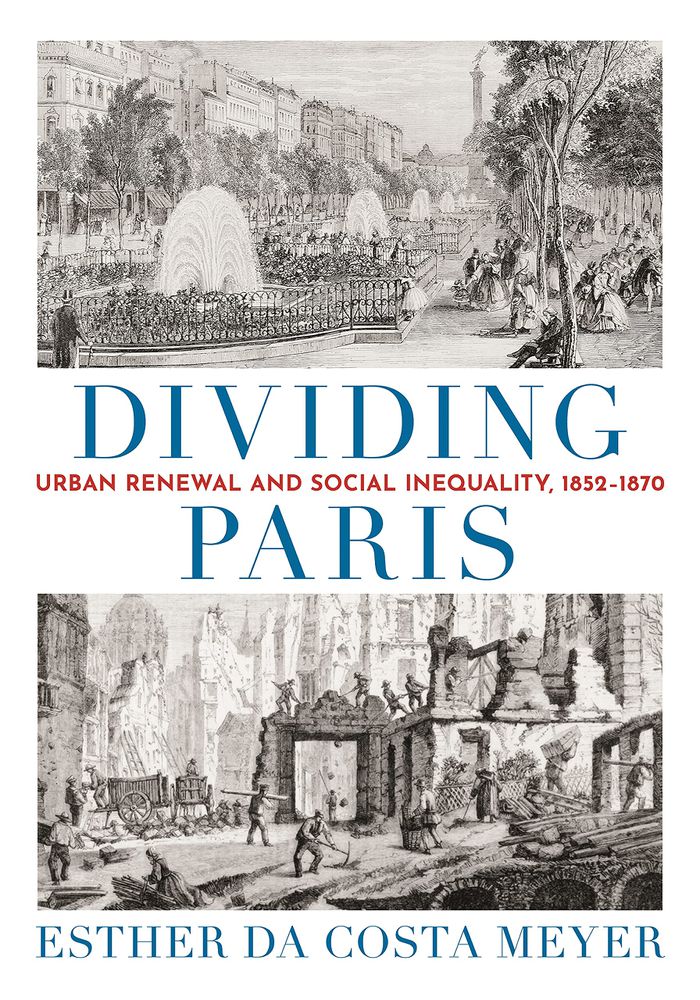
Dividing Paris: Urban renewal and social inequality 1852-1870
Actions:
Price:
$67.95
(available to order)
Summary:
In the mid-nineteenth century, Napoleon III and his prefect, Georges-Eugène Haussmann, adapted Paris to the requirements of industrial capitalism, endowing the old city with elegant boulevards, an enhanced water supply, modern sewers, and public greenery. Esther da Costa Meyer provides a major reassessment of this ambitious project, which resulted in widespread destruction in the historic center, displacing thousands of poor residents and polarizing the urban fabric. Drawing on newspapers, memoirs, and other archival materials, da Costa Meyer explores how people from different social strata?both women and men?experienced the urban reforms implemented by the Second Empire. As hundreds of tenements were destroyed to make way for upscale apartment buildings, thousands of impoverished residents were forced to the periphery, which lacked the services enjoyed by wealthier parts of the city. Challenging the idea of Paris as the capital of modernity, da Costa Meyer shows how the city was the hub of a sprawling colonial empire extending from the Caribbean to Asia, and exposes the underlying violence that enriched it at the expense of overseas territories. This book brings to light the contributions of those who actually built and maintained the impressive infrastructure of Paris, and reveals the consequences of colonial practices for the city's cultural, economic, and political life.
Dividing Paris: Urban renewal and social inequality 1852-1870
Actions:
Price:
$67.95
(available to order)
Summary:
In the mid-nineteenth century, Napoleon III and his prefect, Georges-Eugène Haussmann, adapted Paris to the requirements of industrial capitalism, endowing the old city with elegant boulevards, an enhanced water supply, modern sewers, and public greenery. Esther da Costa Meyer provides a major reassessment of this ambitious project, which resulted in widespread destruction in the historic center, displacing thousands of poor residents and polarizing the urban fabric. Drawing on newspapers, memoirs, and other archival materials, da Costa Meyer explores how people from different social strata?both women and men?experienced the urban reforms implemented by the Second Empire. As hundreds of tenements were destroyed to make way for upscale apartment buildings, thousands of impoverished residents were forced to the periphery, which lacked the services enjoyed by wealthier parts of the city. Challenging the idea of Paris as the capital of modernity, da Costa Meyer shows how the city was the hub of a sprawling colonial empire extending from the Caribbean to Asia, and exposes the underlying violence that enriched it at the expense of overseas territories. This book brings to light the contributions of those who actually built and maintained the impressive infrastructure of Paris, and reveals the consequences of colonial practices for the city's cultural, economic, and political life.
Form:
books
books
Publication:
February 2022
February 2022
Subject:
Urban Theory
Urban Theory
Form:
books
books
Price:
$85.00
(available to order)
Summary:
The city in the twenty-first century faces major challenges, including social and economic stratification, wasteful consumption of resources, transportation congestion, and environmental degradation. More than half of the world’s population lives in cities and major metropolitan areas, and in the next two decades the number of city dwellers is estimated to reach five(...)
$85.00
(available to order)
Summary:
The city in the twenty-first century faces major challenges, including social and economic stratification, wasteful consumption of resources, transportation congestion, and environmental degradation. More than half of the world’s population lives in cities and major metropolitan areas, and in the next two decades the number of city dwellers is estimated to reach five(...)
Title:
Sustainable urbanism and beyond: rethinking cities for the future
Actions:
Price:
$85.00
(available to order)
Summary:
The city in the twenty-first century faces major challenges, including social and economic stratification, wasteful consumption of resources, transportation congestion, and environmental degradation. More than half of the world’s population lives in cities and major metropolitan areas, and in the next two decades the number of city dwellers is estimated to reach five billion. This puts enormous pressures on transportation systems, housing stock, and infrastructure such as energy, waste, and water, which directly influences the emissions of greenhouse gases. As the long emergency awaits us, urgent questions remain: How will our cities survive? How can we combat and reconcile urban growth with sustainable use of resources for future generations to thrive? Where and how urbanism comes into the picture and what “sustainable” urban forms can do in light of these events are some of the issues Sustainable Urbanism and Beyond explores. With more than sixty essays, including contributions by Andrés Duany, Saskia Sassen, Peter Newman, Douglas Farr, Henry Cisneros, Peter Hall, Sharon Zukin, Peter Eisenman, and others, this book is a unique perspective on architecture, urban planning, environmental and urban design, exploring ways for raising quality of life and the standard of living in a new modern era by creating better and more viable places to live.
Sustainable urbanism and beyond: rethinking cities for the future
Actions:
Price:
$85.00
(available to order)
Summary:
The city in the twenty-first century faces major challenges, including social and economic stratification, wasteful consumption of resources, transportation congestion, and environmental degradation. More than half of the world’s population lives in cities and major metropolitan areas, and in the next two decades the number of city dwellers is estimated to reach five billion. This puts enormous pressures on transportation systems, housing stock, and infrastructure such as energy, waste, and water, which directly influences the emissions of greenhouse gases. As the long emergency awaits us, urgent questions remain: How will our cities survive? How can we combat and reconcile urban growth with sustainable use of resources for future generations to thrive? Where and how urbanism comes into the picture and what “sustainable” urban forms can do in light of these events are some of the issues Sustainable Urbanism and Beyond explores. With more than sixty essays, including contributions by Andrés Duany, Saskia Sassen, Peter Newman, Douglas Farr, Henry Cisneros, Peter Hall, Sharon Zukin, Peter Eisenman, and others, this book is a unique perspective on architecture, urban planning, environmental and urban design, exploring ways for raising quality of life and the standard of living in a new modern era by creating better and more viable places to live.
Form:
books
books
Publication:
April 2012
April 2012
Subject:
Urban Theory
Urban Theory
Form:
books
books
Title:
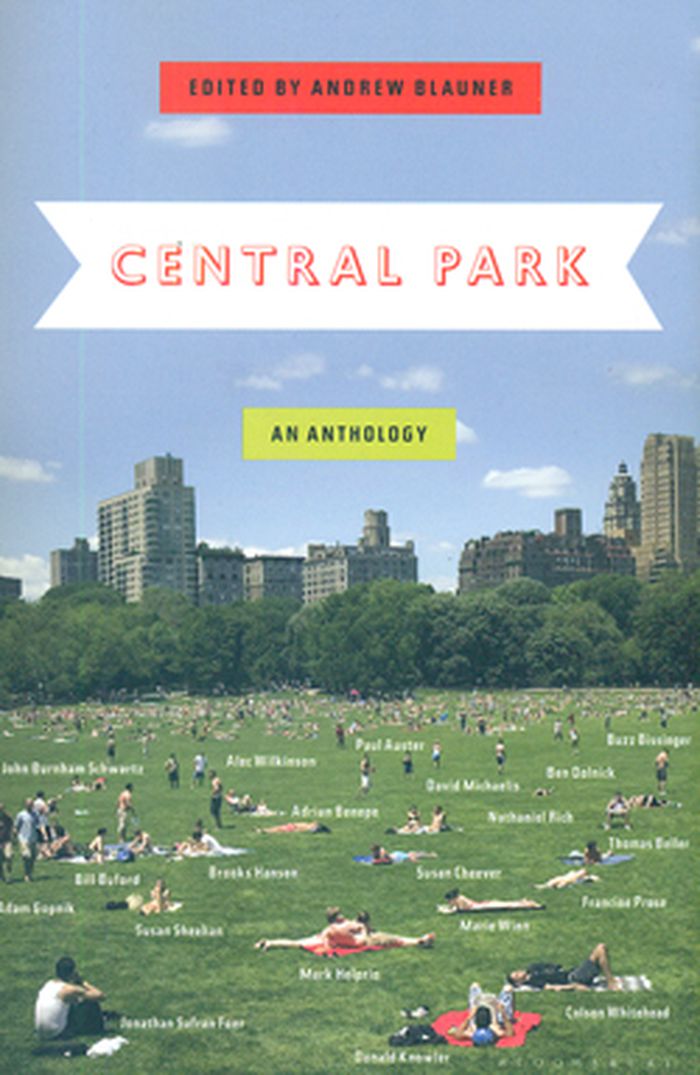
Central park : an anthology
Central park : an anthology
Actions:
Price:
$18.00
(available to order)
Summary:
In a city where people can live sixty-three thousand to a square mile, Central Park is an escape, adventure, meditation, memory, and amusement, and this anthology, comprising the work of some of New York's literary luminaries, is a charming 21-essay tribute to what is probably the most closely watched and monitored 843 acres on Earth. Marie Winn pens a funny letter to(...)
$18.00
(available to order)
Summary:
In a city where people can live sixty-three thousand to a square mile, Central Park is an escape, adventure, meditation, memory, and amusement, and this anthology, comprising the work of some of New York's literary luminaries, is a charming 21-essay tribute to what is probably the most closely watched and monitored 843 acres on Earth. Marie Winn pens a funny letter to(...)
Title:
Central park : an anthology
Actions:
Price:
$18.00
(available to order)
Summary:
In a city where people can live sixty-three thousand to a square mile, Central Park is an escape, adventure, meditation, memory, and amusement, and this anthology, comprising the work of some of New York's literary luminaries, is a charming 21-essay tribute to what is probably the most closely watched and monitored 843 acres on Earth. Marie Winn pens a funny letter to Holden Caulfield about what happens to the park's ducks in winter; Bill Buford tries sleeping there one night; and Nathaniel Rich gives the sentimental history of an annual Thanksgiving touch-football game (the "Turkey-Lurkey Bowl"). Othersa Susan Cheever, Colson Whitehead, Adam Gopnik, and Paul Auster among thema fish for carp, run past Jackie Kennedy, befriend goats at the zoo, and explore the place "where nature is so beautifully and spectacularly kept on a leash." But it wasn't always so: the masterpiece of Frederick Law Olmstead and Calvert Vaux was, at times, a "municipal embarrassment," the site of muggings, murders, anda rumor had ita "a nightmarish water fountain that dribbled raw sewage into the mouths of toddlers." It's clear, by the collection's range, that there must be at least as many Central Parks as there are annual visitors and that's close to 40 million.
Central park : an anthology
Actions:
Price:
$18.00
(available to order)
Summary:
In a city where people can live sixty-three thousand to a square mile, Central Park is an escape, adventure, meditation, memory, and amusement, and this anthology, comprising the work of some of New York's literary luminaries, is a charming 21-essay tribute to what is probably the most closely watched and monitored 843 acres on Earth. Marie Winn pens a funny letter to Holden Caulfield about what happens to the park's ducks in winter; Bill Buford tries sleeping there one night; and Nathaniel Rich gives the sentimental history of an annual Thanksgiving touch-football game (the "Turkey-Lurkey Bowl"). Othersa Susan Cheever, Colson Whitehead, Adam Gopnik, and Paul Auster among thema fish for carp, run past Jackie Kennedy, befriend goats at the zoo, and explore the place "where nature is so beautifully and spectacularly kept on a leash." But it wasn't always so: the masterpiece of Frederick Law Olmstead and Calvert Vaux was, at times, a "municipal embarrassment," the site of muggings, murders, anda rumor had ita "a nightmarish water fountain that dribbled raw sewage into the mouths of toddlers." It's clear, by the collection's range, that there must be at least as many Central Parks as there are annual visitors and that's close to 40 million.
Form:
books
books
Publication:
March 2012
March 2012
Subject:
Architectural Theory
Architectural Theory


