


4300 Results
Form:
books
books
Actions:
Price:
$58.95
(available to order)
Summary:
In northwest Russia, in a small village called Alekhovshchina, Nadia Sablin's aunts spend the warmer months together in the family home and live as the family has always lived chopping wood to heat the house, bringing water from the well, planting potatoes, and making their own clothes. Sablin's lyrical and evocative photographs, taken over seven summers, capture the(...)
Publication:
November 2015
November 2015
Title:
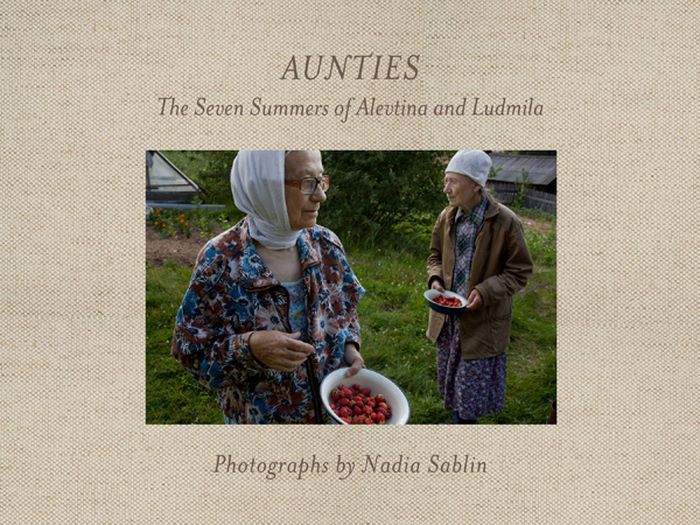
Aunties: the seven summers of Alevtina and Ludmila
Actions:
Price:
$58.95
(available to order)
Summary:
In northwest Russia, in a small village called Alekhovshchina, Nadia Sablin's aunts spend the warmer months together in the family home and live as the family has always lived chopping wood to heat the house, bringing water from the well, planting potatoes, and making their own clothes. Sablin's lyrical and evocative photographs, taken over seven summers, capture the small details and daily rituals of her aunts surprisingly colorful and dreamlike days, taking us not only to another country but to another time. Alevtina and Ludmila, now in their seventies, seem both old and young, as if time itself was as seamless and cyclical as their routines working on puzzles, sewing curtains, tatting lace, picking berries, repairing fences and as full of the same subtle mysteries. Sablin collaborated with her aunts to recreate scenes she remembered from her childhood and to make new images of the patterns of their days. In these photographs, Sablin combines observation and invention, biography and autobiography, to tell the stories of her aunts life together, and in the process, quilts together a thoughtful meditation on memory, aging, and belonging.
Form:
books
books
Publication:
November 2015
November 2015
Form:
books
books

Actions:
Price:
$40.95
(available to order)
Summary:
From the early days of recreational camping in the late nineteenth century through the multitude of modern camping options available today, ''Making camp'' explores the history and evolution of the popular activity through the lens of its most important and familiar components: the campsite, the campfire, the picnic table, the map, the tent, the sleeping bag, as well as(...)
Title:
Making camp: A visual history of camping's most essential items and activities
Actions:
Price:
$40.95
(available to order)
Summary:
From the early days of recreational camping in the late nineteenth century through the multitude of modern camping options available today, ''Making camp'' explores the history and evolution of the popular activity through the lens of its most important and familiar components: the campsite, the campfire, the picnic table, the map, the tent, the sleeping bag, as well as the oft invisible systems for delivering water and managing trash. Find out how early nineteenth century German peasants fashioned rudimentary sleeping bags by burrowing into bags full of leaves for the night. Look back over several millennia to learn about the progression of tents from animal skins, goat's hair, and heavy canvas to featherweight nylon. Learn about the ways in which the skills to build and maintain a campfire have been displaced by the portable gas stove. Pinpoint the details of the essential campground map and its unique place in the camping imagination. Each chapter includes a broad range of visuals to help illustrate the rich history of camping and our collective devotion to it, including drawings, patents, diagrams, sketches, paintings, advertisements, and historical photographs.
Form:
books
books
Publication:
May 2023
May 2023
Subject:
Landscape Theory
Landscape Theory
Form:
books
books
Actions:
Price:
$52.00
(available to order)
Summary:
This book deals with objects of migration on the central Mediterranean route. Traces of this phenomenon include objects left more or less voluntarily by migrant people along their journey, particularly upon arrival on the shores of Lampedusa and Sicily. Since 2013, hundreds of these objects have been retrieved by Massimo Ricciardo with his colleague Thomas Kilpper, and(...)
Title:
Encounters in an archive: Objects of migration / photo-objects of art history
Actions:
Price:
$52.00
(available to order)
Summary:
This book deals with objects of migration on the central Mediterranean route. Traces of this phenomenon include objects left more or less voluntarily by migrant people along their journey, particularly upon arrival on the shores of Lampedusa and Sicily. Since 2013, hundreds of these objects have been retrieved by Massimo Ricciardo with his colleague Thomas Kilpper, and are now part of the “Objects of Escape – Inventories of Migration’’ archive. These objects are functional to the journey, such as biscuit tins and water bottles, passports and nautical charts, but they also relate to identity and memory, such as family photographs, diaries, or a handful of earth from their homeland. In the installation “Objects of Migration, Photo-Objects of Art History: Encounters in an Archive,” Ricciardo creates a dialogue between selected objects from this archive and structures from the KHI Photothek on the other. The installation, which led to this book, raises a series of highly relevant questions about these ‘talking’ objects: who do they belong to? Are they part of the cultural heritage? What would be the appropriate artistic and curatorial approach if one decided to collect, archive, exhibit, transform them?
Form:
books
books
Publication:
April 2023
April 2023
Subject:
Theory of Photography
Theory of Photography
Form:
books
books
Title:
LOT/EK urban scan
LOT/EK urban scan
Actions:
Price:
$62.00
(available in store)
Summary:
The New York-based architectural firm LOT/EK (pronounced "low-tech") has made a distinctive mark on the architectural landscape through a series of seemingly whimsical projects that make a point of using prefabricated industrial materials in unexpected ways. In their hands, a shipping container can be transformed into a mobile working unit, a museum, or a restaurant. In(...)
Subject:
Architecture Monographs
Architecture Monographs
Publication:
February 2002, New York
February 2002, New York
Title:
LOT/EK urban scan
Actions:
Price:
$62.00
(available in store)
Summary:
The New York-based architectural firm LOT/EK (pronounced "low-tech") has made a distinctive mark on the architectural landscape through a series of seemingly whimsical projects that make a point of using prefabricated industrial materials in unexpected ways. In their hands, a shipping container can be transformed into a mobile working unit, a museum, or a restaurant. In the process, they question our relation to the industrial environment and the artificiality of the urban landscape. LOT/EK: Urban Scan, the first and only monograph on the firm, is organized categorically and alphabetically. Twenty-three projects are presented in detail, including American Diner (a restaurant in a container), the InspiroTrainer (created for the Museum of Modern Art), Mixer (a cement mixer-cum-video immersion unit), the Meltzer Gallery, the Boon boutique, the MDU (Mobule Dwelling Unit), and the Goree Memorial and Museum. It also includes more than 1,000 photographs of infrastructural objects--everything from air conditioners to water tanks--that serve as the raw material and inspiration for this creative practice. Ada Tolla and Giuseppe Lignano, LOT/EK's founding partners, are natives of Naples, Italy. They opened their New York studio after graduating from Columbia University.
Form:
books
books
Publication:
February 2002, New York
February 2002, New York
Subject:
Architecture Monographs
Architecture Monographs
Form:
books
books
Actions:
Price:
$45.95
(available to order)
Summary:
While lying on the beach in Nice one day, eighteen-year-old Yves Klein and his friends decided to divide the world up among themselves. Klein (1928-1962) chose the air, the cloudless sky. He remained fascinated with the element and its immaterial quality throughout his life. In the late fifties, he and the German architect Werner Ruhnau developed plans for an(...)
Subject:
Contemporary Art Monographs
Contemporary Art Monographs
Publication:
July 2004, Ostfildern
July 2004, Ostfildern
Title:
Air architecture : Yves Klein
Actions:
Price:
$45.95
(available to order)
Summary:
While lying on the beach in Nice one day, eighteen-year-old Yves Klein and his friends decided to divide the world up among themselves. Klein (1928-1962) chose the air, the cloudless sky. He remained fascinated with the element and its immaterial quality throughout his life. In the late fifties, he and the German architect Werner Ruhnau developed plans for an "architecture of air" composed of walls and roofs of air-as represented, for example, in the idea of the "Temple of the Elements" with fountains of water and fire and a café protected against the rain only by air currents. Klein associated this idea with a philosophy of optimism devoted to the creation of a paradise on earth, a Garden of Eden in which human beings would be free to pursue their own interests. The publication is the first book devoted exclusively to this aspect of Yves Klein's art. It includes reproductions of drawings and other works as well as essays and lectures on the subject. Additional articles by other authors emphasize the significance of Klein's work to the theme of the immaterial.
Form:
books
books
Publication:
July 2004, Ostfildern
July 2004, Ostfildern
Subject:
Contemporary Art Monographs
Contemporary Art Monographs
Form:
books
books
Title:
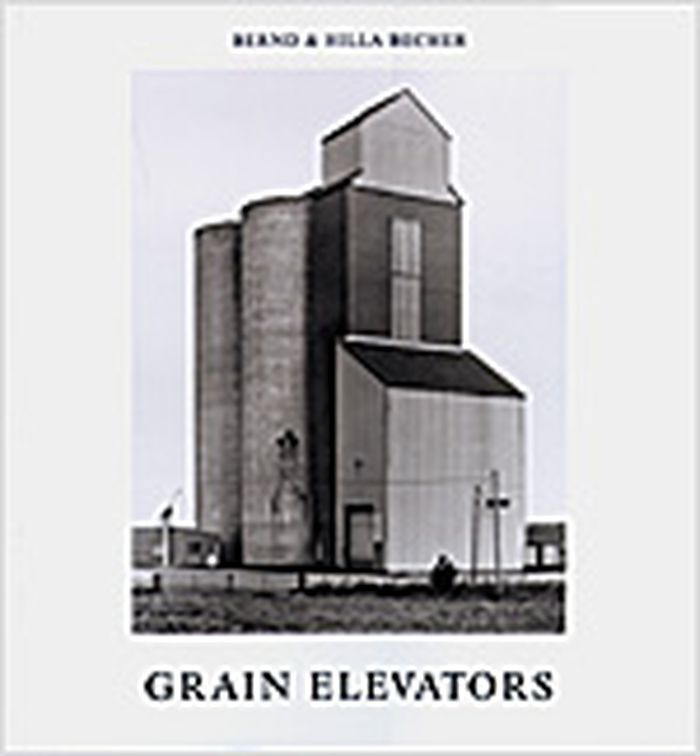
Grain elevators
Grain elevators
Actions:
Price:
$93.95
(available to order)
Summary:
Bernd and Hilla Becher's almost fifty-year collaboration constitutes one important project in objective and conceptual photography today. With this volume, grain elevators join the list of building types documented by the Bechers in their book-length studies: water towers, blast furnaces, gas tanks, oil tanks, mineheads, frame houses, and cooling towers. Grain(...)
Subject:
Photography monographs
Photography monographs
Publication:
November 2006, Cambridge (MA), London
November 2006, Cambridge (MA), London
Title:
Grain elevators
Actions:
Price:
$93.95
(available to order)
Summary:
Bernd and Hilla Becher's almost fifty-year collaboration constitutes one important project in objective and conceptual photography today. With this volume, grain elevators join the list of building types documented by the Bechers in their book-length studies: water towers, blast furnaces, gas tanks, oil tanks, mineheads, frame houses, and cooling towers. Grain elevators are towering structures in the flat, vast landscape of the world's granaries. Providing a fast and efficient method of loading and unloading grain to keep pace with the industrial production methods of the nineteenth century, they made possible a tremendous increase in the trafficking and processing of grain. Scooping, pouring, and spitting, they both illustrated and inspired Le Corbusier's idea of buildings as functioning machines. Monumental, essential, and visually arresting, grain elevators belong as much to the American imagination and landscape as to the European. The photographs of grain elevators in this volume were taken in Germany, Belgium, France, and America. But the specificity of time and place is erased in these photographs; the monolithic structures evoke the agricultural prosperity of a vanished era and the vacancy that replaces it today.
Form:
books
books
Publication:
November 2006, Cambridge (MA), London
November 2006, Cambridge (MA), London
Subject:
Photography monographs
Photography monographs
Form:
books
books
Actions:
Price:
$85.95
(available to order)
Summary:
Using materials such as earth, wind, water, fire, wood, salt, rocks, mirrors and explosives, American artists of the 1960s began to move beyond the white cube gallery space to work directly in the land. With ties to Minimal and Conceptual art, these artists placed less emphasis on the discrete object and turned their attention to the experience of the artwork—however(...)
Title:
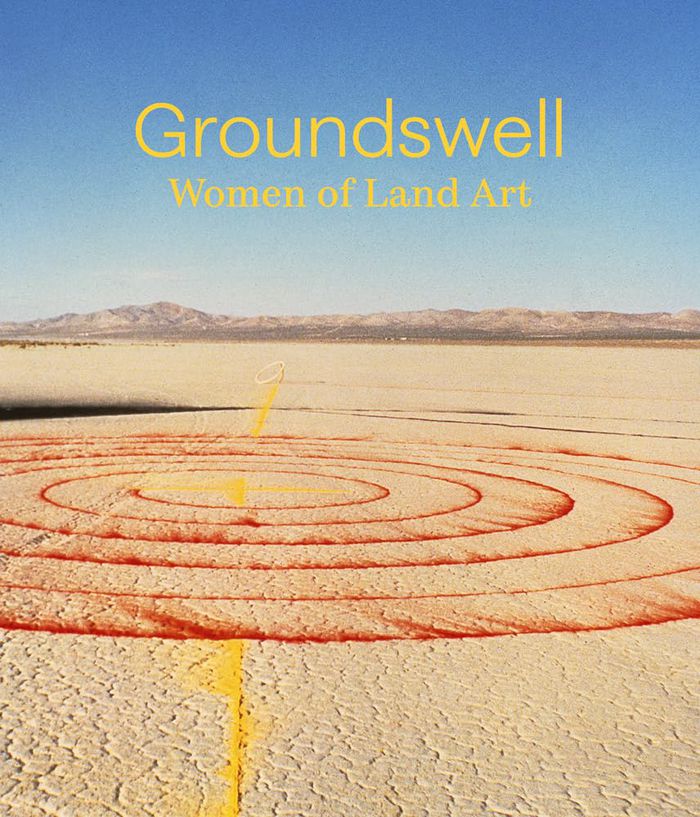
Groundswell: Women of land art
Actions:
Price:
$85.95
(available to order)
Summary:
Using materials such as earth, wind, water, fire, wood, salt, rocks, mirrors and explosives, American artists of the 1960s began to move beyond the white cube gallery space to work directly in the land. With ties to Minimal and Conceptual art, these artists placed less emphasis on the discrete object and turned their attention to the experience of the artwork—however fleeting or permanent that might be—foregrounding natural materials and the site itself to create large-scale works located outside of typical urban art-world circuits. Histories of Land art have long been dominated by men, but "Groundswell: Women of Land Art" shifts that focus to shed new light on the vast number of earthworks by women artists. While their careers ran parallel to those of their better-known male counterparts, they have received less recognition and representation in museum presentations—until now. This book includes five scholarly essays, as well as a detailed chronology, exhibition checklist and illustrated biographies of exhibition artists. "Groundswell" is a resource for readers interested in understanding the historical Land art movement and our own relationship to the earth.
Form:
books
books
Publication:
November 2023
November 2023
Subject:
Land Art
Land Art
Form:
books
books
Actions:
Price:
$85.00
(available in store)
Summary:
Since 1995, Dhaka-based architecture firm Kashef Chowdhury / URBANA has produced an astonishing collection of works of divergent scales, typologies, and contexts located in one of the most meteorologically challenging regions in the world. A hospital introduced into an economy decimated by rising oceans, a shelter against cyclones in Bangladesh’s southern coastal region,(...)
Subject:
Architecture Monographs
Architecture Monographs
Publication:
January 2026
January 2026
Title:
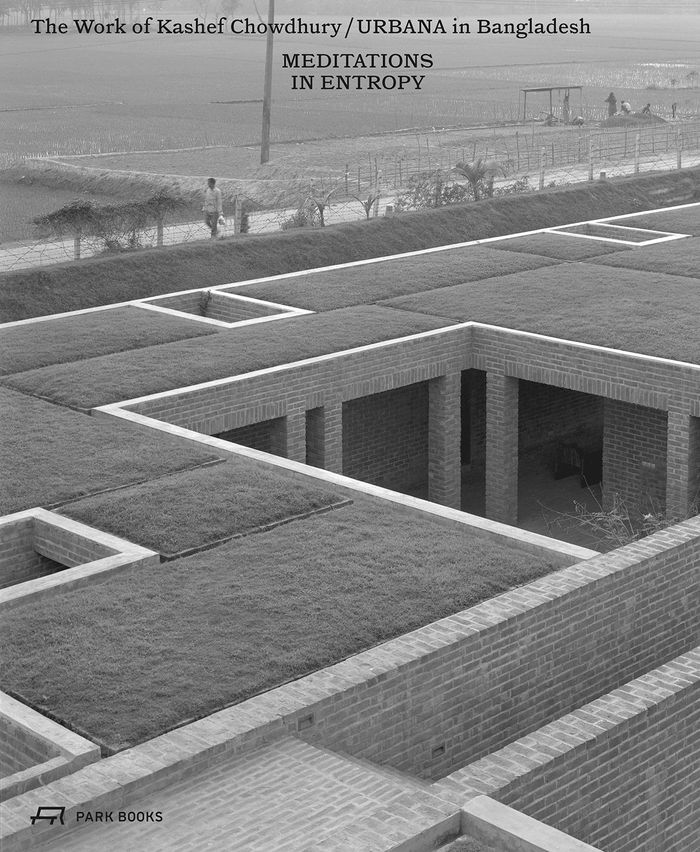
Meditations in entropy: The work of Kashef Chowdhury / URBANA in Bangladesh
Actions:
Price:
$85.00
(available in store)
Summary:
Since 1995, Dhaka-based architecture firm Kashef Chowdhury / URBANA has produced an astonishing collection of works of divergent scales, typologies, and contexts located in one of the most meteorologically challenging regions in the world. A hospital introduced into an economy decimated by rising oceans, a shelter against cyclones in Bangladesh’s southern coastal region, and architectural interventions in one of the world’s densest metropolitan areas: Kashef Chowdhury / URBANA’s designs are incisive, critical responses to varied issues and urgencies rooted in the belief that architecture must be a reflection of, and sympathetic to, increasingly fragile ecological conditions. ''Meditations in Entropy'' is the first full monograph on the work of Kashef Chowdhury / URBANA. It features 18 of the firm’s realized designs in detail through photographs by acclaimed architectural photographer Hélène Binet as well as numerous plans, drawings, sketches, and other images. Perceptive essays are contributed by the distinguished critics and historians Kenneth Frampton, Robert McCarter, William J. R. Curtis, and Philip Ursprung, and by Ainun Nishat, a renowned water resource and climate change specialist. An illustrated catalogue of Kashef Chowdhury / URBANA’s projects and realized buildings rounds off this beautifully designed volume.
Form:
books
books
Publication:
January 2026
January 2026
Subject:
Architecture Monographs
Architecture Monographs
Form:
books
books

Title:
White rapids
White rapids
Actions:
Price:
$29.95
(available to order)
Summary:
Award-winning Quebecois cartoonist Pascal Blanchet’s graphic novel is a compelling account of the rise and fall of the small northern town of White Rapids. In the first English translation of his work, Blanchet seamlessly blends fact and fiction as he weaves together the official history of the town and snapshots of the quotidian life of its residents. Founded in 1928 in(...)
Title:
White rapids
Actions:
Price:
$29.95
(available to order)
Summary:
Award-winning Quebecois cartoonist Pascal Blanchet’s graphic novel is a compelling account of the rise and fall of the small northern town of White Rapids. In the first English translation of his work, Blanchet seamlessly blends fact and fiction as he weaves together the official history of the town and snapshots of the quotidian life of its residents. Founded in 1928 in an isolated region of Quebec forest, the town was conceived and constructed by the Shawinigan Water & Power Company to function as a fully equipped, self-contained living community for workers at the nearby dam and their families. Intended as an incentive to lure workers to the remote and inaccessible region, White Rapids provided its residents with all the luxuries of middle-class modern life in a pastoral setting—until the town was abruptly shut down in 1971, when the company changed hands. Blanchet’s unique, streamlined, retro-inspired aesthetic draws on art deco and fifties modernist design to vividly conjure up idyllic scenes of lazy summer days and crisp winter nights in White Rapids, transporting the reader back to a more innocent time.
Form:
books
books
Publication:
September 2007
September 2007
Subject:
Architecture du Québec
Architecture du Québec
Form:
books
books
Title:
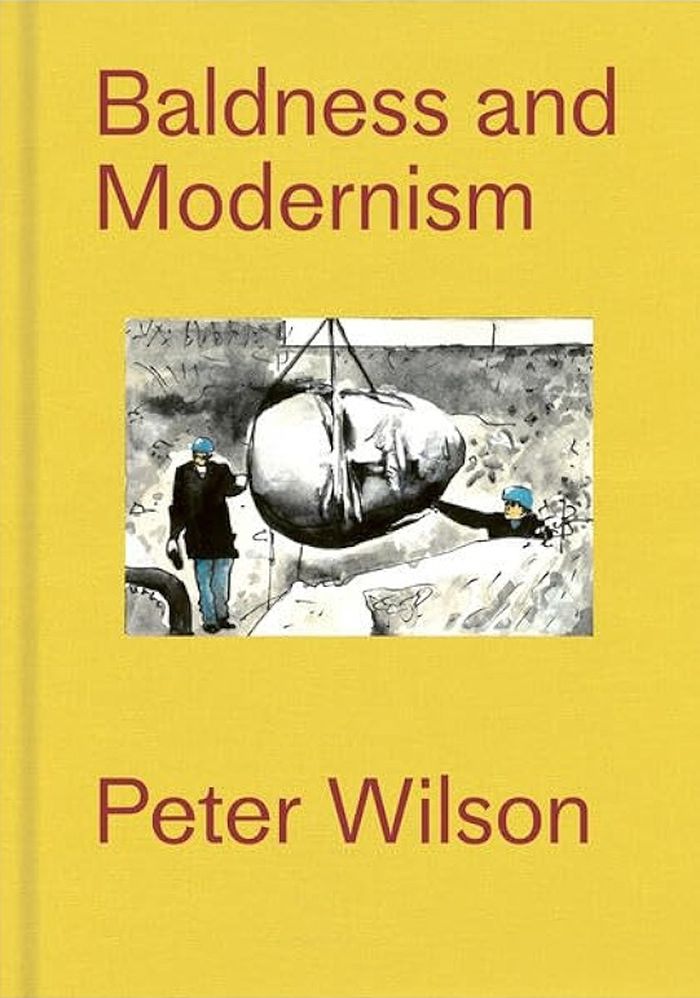
Baldness and modernism
Baldness and modernism
Actions:
Price:
$63.00
(available in store)
Summary:
The original bald and unconvincing narrative that triggered this book is that put about by Alison and Peter Smithson in their 1981 Heroic Period of Modern Architecture, limiting modernism to 1915–1929. This fiction is re-contextualized with studies of iconic Bauhaus bald heads – Schlemmer, Itten, etc., such Literal Baldness is the subject of Part 1. Part 2 of Phenomenal(...)
Title:
Baldness and modernism
Actions:
Price:
$63.00
(available in store)
Summary:
The original bald and unconvincing narrative that triggered this book is that put about by Alison and Peter Smithson in their 1981 Heroic Period of Modern Architecture, limiting modernism to 1915–1929. This fiction is re-contextualized with studies of iconic Bauhaus bald heads – Schlemmer, Itten, etc., such Literal Baldness is the subject of Part 1. Part 2 of Phenomenal Baldness unwinds the Bauhaus narrative put about by Walter Gropius, one that has held water for 100 years. Spin doctor Gropius manipulated his Bauhaus successes into a cornerstone of post WW2 modernism. Cracks in this story are now emerging along with the fact that Gropius was in hindsight, not a very good architect. Attacks on the Bauhaus like those by Rudolph Schwartz or Tom Wolf as well as a comprehensive list of Gropius hand-holders, and those edited out of his narrative are here explored. To conclude Gropius is compared to his contemporary Bruno Taut, a far more interesting and talented architect. This book like Peter Wilson’s previous "Bedtime Stories for Architects" or "Some Reasons for Traveling to Italy" is written in his unique anecdotal style, savoring Shandyisms and the quirks of history.
Form:
books
books
Publication:
June 2025
June 2025
Subject:
Architectural Theory
Architectural Theory


