


4288 Results
Form:
books
books
Actions:
Price:
$78.00
(available to order)
Summary:
A leading figure in the New Perennial planting movement, garden designer Piet Oudolf emphasizes plant structure as the most important aspect of a successful garden. Form and texture are valued as much as color, and perennials - prized for their beauty throughout a natural life cycle - are used almost exclusively. Oudolf challenges conventional approaches to gardening that(...)
Title:
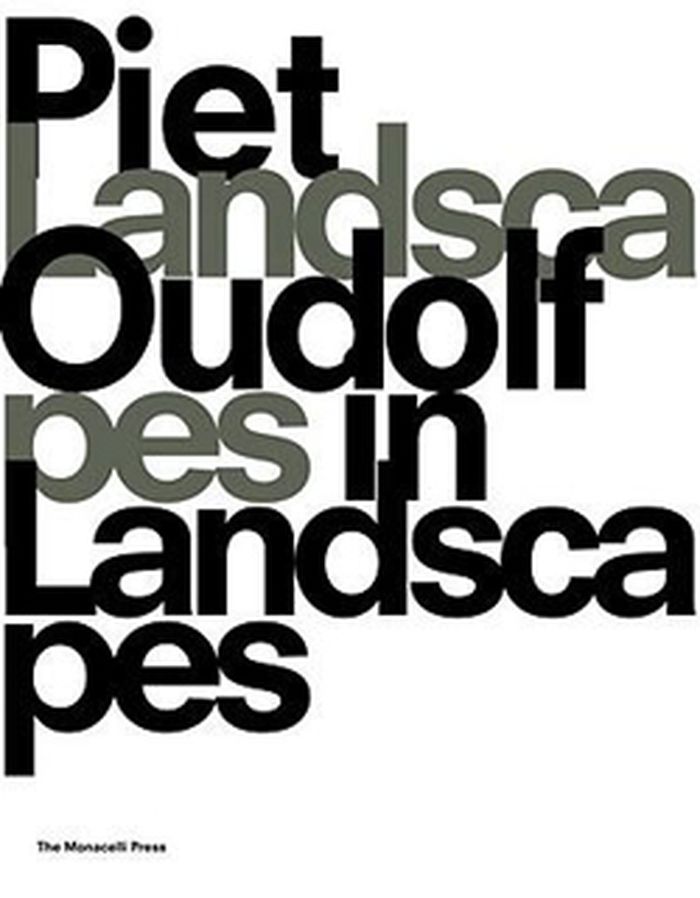
Piet Oudolf : landscapes in landscapes
Actions:
Price:
$78.00
(available to order)
Summary:
A leading figure in the New Perennial planting movement, garden designer Piet Oudolf emphasizes plant structure as the most important aspect of a successful garden. Form and texture are valued as much as color, and perennials - prized for their beauty throughout a natural life cycle - are used almost exclusively. Oudolf challenges conventional approaches to gardening that rely on short-lived bursts of color and constant maintenance and shows the delights of working with versatile, expressive perennials to create lasting, ecologically sound panoramas that relate to the greater landscape and the shifting seasons. This full-color volume features twenty-three of Oudolf's most beautiful public and private gardens, including the widely acclaimed High Line and the Battery in New York City; the Lurie Garden in Millennium Park in Chicago; Wisley, the Royal Horticultural Society Garden in Surrey, England; the Pensthorpe Nature Reserve and Gardens in Norfolk, England; the Trentham Estate in Staffordshire, England; Il Gardino delle Vergini at the 2010 Venice Biennale; the Dream Park in Enkoping, Sweden; and his own perpetually evolving garden in Hummelo, The Netherlands. Text by gardening author Noël Kingsbury places Oudolf's work in context and explains how each garden and the plants selected for it fit the specific environment.
Form:
books
books
Publication:
November 2010
November 2010
Subject:
Landscape Architecture, Monographs
Landscape Architecture, Monographs
Form:
books
books
Title:
Gelebte Utopie : die Terrassenhaussiedlung der Werkgruppe Graz / Eugen Gross, Andrea Jany (Hg.).
Gelebte Utopie : die Terrassenhaussiedlung der Werkgruppe Graz / Eugen Gross, Andrea Jany (Hg.).
Actions:
Holdings:
Description:
286 pages : illustrations (some color), charts, plans, portraits ; 23 cm.
Description:
286 pages : illustrations (some color), charts, plans, portraits ; 23 cm.
Author:
Subject:
Publication:
Berlin : Jovis Verlag, [2022], ©2022
Berlin : Jovis Verlag, [2022], ©2022
Title:
Gelebte Utopie : die Terrassenhaussiedlung der Werkgruppe Graz / Eugen Gross, Andrea Jany (Hg.).
Actions:
Holdings:
Description:
286 pages : illustrations (some color), charts, plans, portraits ; 23 cm.
Gelebte Utopie : die Terrassenhaussiedlung der Werkgruppe Graz / Eugen Gross, Andrea Jany (Hg.).
Actions:
Holdings:
Description:
286 pages : illustrations (some color), charts, plans, portraits ; 23 cm.
Form:
books
books
Publication:
Berlin : Jovis Verlag, [2022], ©2022
Berlin : Jovis Verlag, [2022], ©2022
Author:
Subject:
Form:
books
books
Holdings:
Description:
xv, 252 pages : illustrations (chiefly color), maps (chiefly color) ; 25 cm
Description:
xv, 252 pages : illustrations (chiefly color), maps (chiefly color) ; 25 cm
Author:
Subject:
Publication:
London ; New York : Routledge, 2012.
London ; New York : Routledge, 2012.
Title:
Urban wildscapes / edited by Anna Jorgensen and Richard Keenan.
Actions:
Holdings:
Description:
xv, 252 pages : illustrations (chiefly color), maps (chiefly color) ; 25 cm
Urban wildscapes / edited by Anna Jorgensen and Richard Keenan.
Actions:
Holdings:
Description:
xv, 252 pages : illustrations (chiefly color), maps (chiefly color) ; 25 cm
Form:
books
books
Publication:
London ; New York : Routledge, 2012.
London ; New York : Routledge, 2012.
Author:
Subject:
Form:
books
books
Actions:
Price:
$44.95
(available to order)
Summary:
Dans la foulée des ouvrages Architectures du spectacle au Québec (2011) et Architectures de la connaissance au Québec (2013), Jacques Plante et Nicholas Roquet présentent ici le troisième volet d’une trilogie exceptionnelle sur les lieux culturels. Ils nous font découvrir la qualité et l’innovation du travail de nos architectes et nous proposent la visite en mots, en(...)
Title:
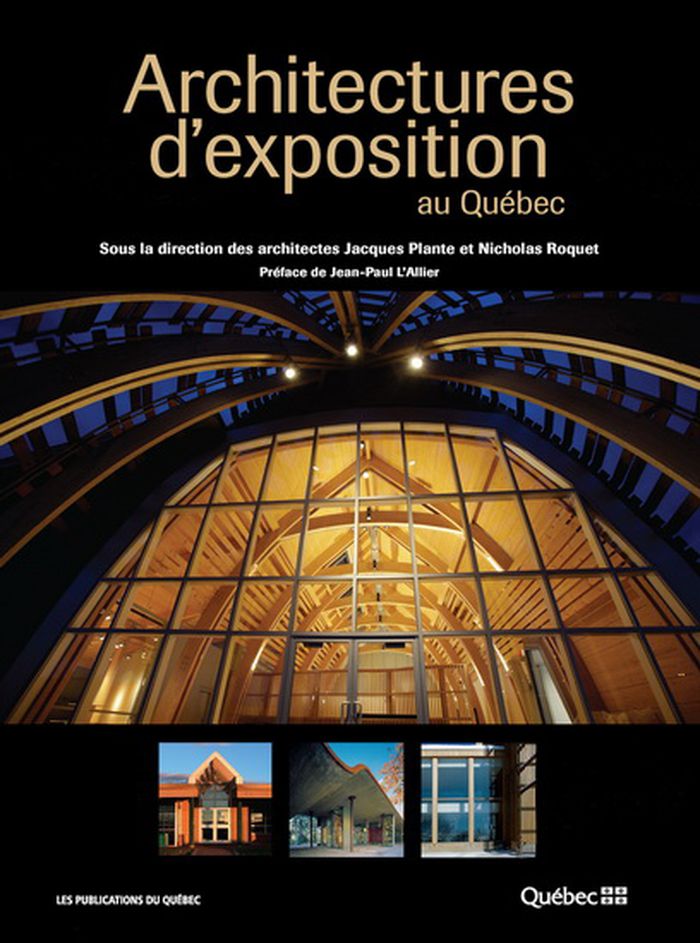
Architectures d'exposition au Québec
Actions:
Price:
$44.95
(available to order)
Summary:
Dans la foulée des ouvrages Architectures du spectacle au Québec (2011) et Architectures de la connaissance au Québec (2013), Jacques Plante et Nicholas Roquet présentent ici le troisième volet d’une trilogie exceptionnelle sur les lieux culturels. Ils nous font découvrir la qualité et l’innovation du travail de nos architectes et nous proposent la visite en mots, en dessins et en images de musées, de centres d’interprétation et de lieux d’exposition disséminés aux quatre coins de la province. Ils nous font comprendre l’importance des grands musées nationaux et celle des musées et centres d’interprétation régionaux, notamment ceux des Premières Nations, qui diffusent et protègent notre patrimoine culturel et scientifique. Cet ouvrage remarquable sur les lieux d’exposition contient 11 textes inédits d’auteurs reconnus sur les grands enjeux des musées d’hier et d’aujourd’hui, des présentations détaillées de 36 projets d’architecture, 377 photographies et illustrations et 200 dessins en plan et en coupe. L’architecture contemporaine, souvent alliée à des lieux patrimoniaux de différentes époques, traduit notre identité à travers des constructions qui s’inspirent de grandes thématiques, comme les beaux-arts, les sciences, les sociétés, le temps, le paysage et l’événement. Les auteurs – architectes, directeurs de musées et professeurs – nous invitent donc à découvrir l’évolution et la spécialisation de ces établissements culturels du Québec et à admirer la transformation spatiale, fonctionnelle et muséographique qu’ils connaissent depuis plus d’un quart de siècle, au gré d’une culture internationale, nationale et régionale en pleine mutation.
Form:
books
books
Publication:
April 2016
April 2016
Subject:
Architecture du Québec
Architecture du Québec
Form:
books
books
Actions:
Price:
$44.95
(available to order)
Summary:
Cet ouvrage de l’architecte Jacques Plante révèle l’identité unique de l’architecture québécoise du spectacle à travers 52 œuvres réalisées et potentielles. On y trouve 450 photographies magnifiques, 200 dessins comparatifs en plans et en coupes ainsi que des fiches et des textes descriptifs pour chacun des projets. Théâtres, salles de concert et de danse, espaces(...)
Title:
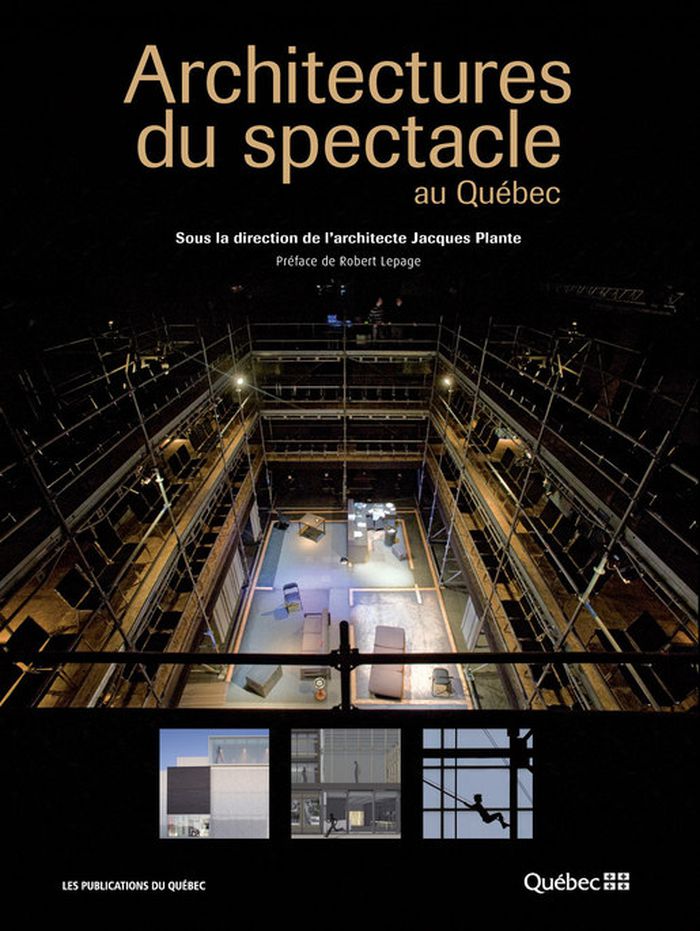
Architectures du spectacle au Québec
Actions:
Price:
$44.95
(available to order)
Summary:
Cet ouvrage de l’architecte Jacques Plante révèle l’identité unique de l’architecture québécoise du spectacle à travers 52 œuvres réalisées et potentielles. On y trouve 450 photographies magnifiques, 200 dessins comparatifs en plans et en coupes ainsi que des fiches et des textes descriptifs pour chacun des projets. Théâtres, salles de concert et de danse, espaces circassiens, centres de production et de diffusion culturelle et multimédia, constituant nos lieux culturels par excellence, y sont élégamment présentés. Quinze personnalités des spécialistes, metteurs en scène, scénographes, danseurs, architectes, acousticiens et gestionnaires nous livrent l’expérience qu’ils ont vécue dans certains lieux de spectacle et les espoirs qu’ils nourrissent à l’égard des nouveaux espaces. Architectures du spectacle au Québec est le premier ouvrage à documenter toute cette production architecturale, primée tant au Québec qu’au Canada.
Form:
books
books
Publication:
April 2011
April 2011
Subject:
Architecture du Québec
Architecture du Québec
Form:
books
books
Actions:
Price:
$44.95
(available to order)
Summary:
Après Architecture du spectacle au Québec, Jacques Plante nous emmène une fois de plus au coeur du travail des architectes en nous faisant voir et comprendre des bibliothèques inspirées et inspirantes, dites "architectures de la connaissance". Qu'on les nomme bibliothèque, maison de la culture, centre d'archives ou centre culturel, elles sont le reflet de notre société et(...)
Title:
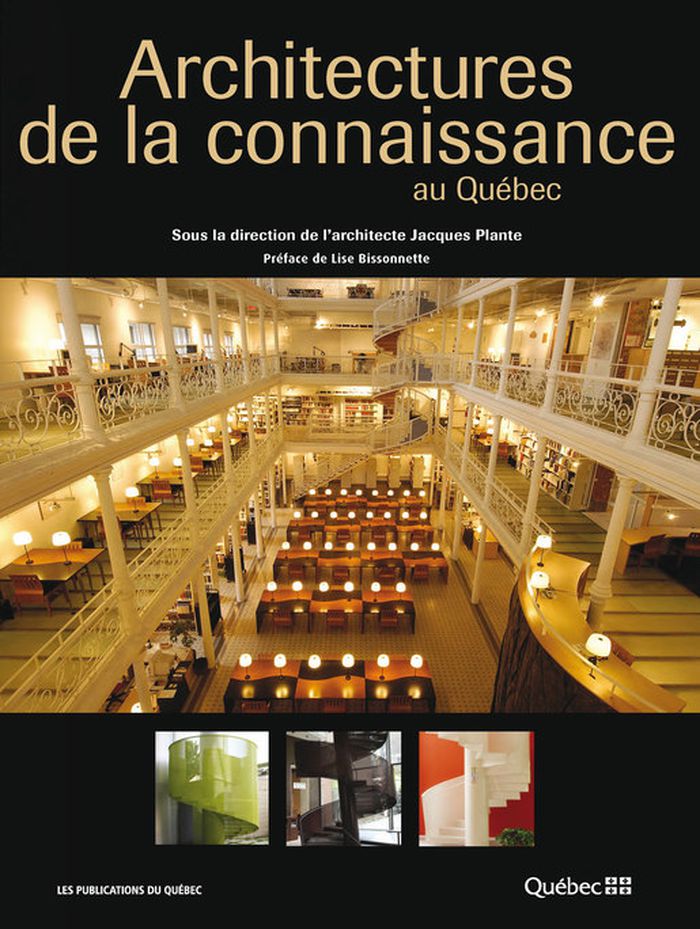
Architectures de la connaissance au Québec
Actions:
Price:
$44.95
(available to order)
Summary:
Après Architecture du spectacle au Québec, Jacques Plante nous emmène une fois de plus au coeur du travail des architectes en nous faisant voir et comprendre des bibliothèques inspirées et inspirantes, dites "architectures de la connaissance". Qu'on les nomme bibliothèque, maison de la culture, centre d'archives ou centre culturel, elles sont le reflet de notre société et de notre époque. La bibliothèque s’adapte aux besoins des clientèles autant qu’aux changements technologiques et sociaux. Devenue troisième lieu de vie des citoyens, concept dont on parle maintenant comme d’une révélation, elle s’avère aussi un refuge où profiter de moments paisibles à l’abri de la confusion du monde.
Form:
books
books
Publication:
April 2013
April 2013
Subject:
Architecture du Québec
Architecture du Québec
Form:
books
books
Actions:
Holdings:
Description:
xix, 504 pages : illustrations, maps ; 24 cm.
Description:
xix, 504 pages : illustrations, maps ; 24 cm.
Author:
Subject:
Publication:
New York : Knopf : Distributed by Random House, 1992.
New York : Knopf : Distributed by Random House, 1992.
Title:
The refinement of America : persons, houses, cities / Richard L. Bushman.
Actions:
Holdings:
Description:
xix, 504 pages : illustrations, maps ; 24 cm.
The refinement of America : persons, houses, cities / Richard L. Bushman.
Actions:
Holdings:
Description:
xix, 504 pages : illustrations, maps ; 24 cm.
Form:
books
books
Publication:
New York : Knopf : Distributed by Random House, 1992.
New York : Knopf : Distributed by Random House, 1992.
Author:
Subject:
Form:
books
books
Actions:
Price:
$55.95
(available in store)
Summary:
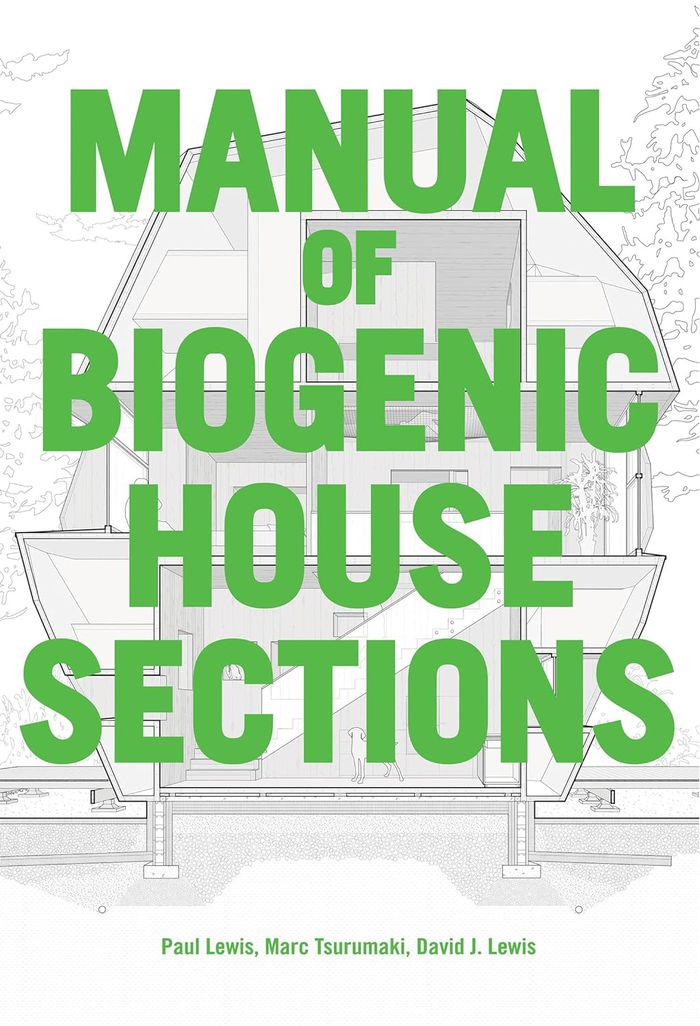
Recognizing that buildings are a major contributor to global warming and the critical role of embodied versus operational carbon, the book focuses on houses built from materials that either sequester carbon (plants), use materials with very low embodied carbon (earth and stone) or reuse substantial amounts of existing materials. Organized by those materials (wood,(...)
Publication:
January 2023
January 2023
Title:
Manual of biogenic house sections
Actions:
Price:
$55.95
(available in store)
Summary:
Recognizing that buildings are a major contributor to global warming and the critical role of embodied versus operational carbon, the book focuses on houses built from materials that either sequester carbon (plants), use materials with very low embodied carbon (earth and stone) or reuse substantial amounts of existing materials. Organized by those materials (wood, bamboo, straw, hemp, cork, earth, brick, stone and re-use), and incorporating life cycle diagrams demonstrating how the raw material is processed into building components, the book shows how the unique properties of each material can transform the ways architects conceive the sections of houses. The house was selected as the vehicle for these investigations due to its scale, its role as a site of architectural experimentation, and its ubiquity. Building on the techniques of the "Manual of section," the book is comprised of newly generated cross-sectional drawings of fifty-five recent, modestly sized houses from around the world, making legible the tectonics and materials used in their construction. Each house is also shown through exploded axonometric, construction photographs and color photographs of the exterior and interior. Introductory essays set up the importance of embodied carbon, the role of vernacular plant-based construction and the problems of contemporary house construction. Drawing connections between the architecture of the house, environmental systems and material economies, the book seeks to change how we build now and for the future.
Form:
books
books
Publication:
January 2023
January 2023
Form:
books
books
Price:
$39.95
(available to order)
Summary:
Bamboo has an unparalleled history; it is very old, and at the same time very new. Bamboo extends far beyond the boundaries of most plants – it is distributed widely throughout the world, and is utilized by hundreds of millions of people in a great number of ways. Through its myriad uses as food, clothing, paper and shelter, bamboo has met the physical and spiritual(...)
Title:
Bamboo
Actions:
Price:
$39.95
(available to order)
Summary:
Bamboo has an unparalleled history; it is very old, and at the same time very new. Bamboo extends far beyond the boundaries of most plants – it is distributed widely throughout the world, and is utilized by hundreds of millions of people in a great number of ways. Through its myriad uses as food, clothing, paper and shelter, bamboo has met the physical and spiritual requirements of humanity since the earliest times. It is believed that the first books were written on bamboo, and there is evidence that it was used by humans more than 5,000 years ago for the framework of housing as well as musical instruments. It also occurs in the creation beliefs of cultures across the globe. Bamboo plays a vital role in the survival of many animals and ecosystems as well as having unique characteristics, offering potential solutions to modern ecological dilemmas – it grows extremely quickly, for example, making it an easily renewable resource. With the advent of modern research and technologies, the use of bamboo has increased dramatically, elevating its importance to human society – it can now be found in the filaments of light bulbs, the skins of airplanes and the reinforcements of concrete. Bamboo is even a new material for today's modern bicycles. Bamboo draws on a vast array of sources to build a complete picture of bamboo in both history and our modern world.
Form:
books
books
Publication:
March 2025
March 2025
Subject:
Fauna and flora
Fauna and flora
Form:
books
books
Actions:
Price:
$37.95
(available to order)
Summary:
People are key elements of wild places. At the same time, human entanglements with wild ecologies involve extractivism, the growth of resource-based economies, and imperial-colonial expansion, activities that are wreaking havoc on our planet. Through an ethnographic exploration of Canada’s ten UNESCO Natural World Heritage sites, ''Inhabited'' reflects on the meanings(...)
Subject:
Environment and environmental theory
Environment and environmental theory
Publication:
November 2021
November 2021
Title:
Inhabited: Wildness and the vitality of the land
Actions:
Price:
$37.95
(available to order)
Summary:
People are key elements of wild places. At the same time, human entanglements with wild ecologies involve extractivism, the growth of resource-based economies, and imperial-colonial expansion, activities that are wreaking havoc on our planet. Through an ethnographic exploration of Canada’s ten UNESCO Natural World Heritage sites, ''Inhabited'' reflects on the meanings of wildness, wilderness, and natural heritage. As we are introduced to local inhabitants and their perspectives, Phillip Vannini and April Vannini ask us to reflect on the colonial and dualist assumptions behind the received meaning of wild, challenging us to reimagine wildness as relational and rooted in vitality. Over the three years they spent in and around these sites, they learned from Indigenous and non-Indigenous peoples about their entanglements with each other and with non-human animals, rocks, plants, trees, sky, water, and spirits. The stories, actions, and experiences they encountered challenge conventional narratives of wild places as uninhabited by people and disconnected from culture and society. While it might be tempting to dismiss the idea of wildness as outdated in the Anthropocene era, ''Inhabited'' suggests that rethinking wildness offers a better – if messier – way forward. Part geography and anthropology, part environmental and cultural studies, and part politics and ecology, ''Inhabited'' balances a genuine love of nature’s vitality with a culturally responsible understanding of its interconnectedness with more-than-human ways of life.
Form:
books
books
Publication:
November 2021
November 2021
Subject:
Environment and environmental theory
Environment and environmental theory


