


5088 Results
Form:
books
books

Actions:
Price:
$43.95
(available to order)
Summary:
Shaun O'Boyle has been photographing ruined landscapes and buildings in the Mid-Atlantic region, for more than twenty-five years. This collection of photographs represents some of his best work. Modern Ruins begins with an introduction by architectural essayist Geoff Manaugh, who offers insight into why people are so drawn to ruins and what they might mean to us in a(...)
Title:
Modern ruins: Portraits of place in the Mid-Atlantic region
Actions:
Price:
$43.95
(available to order)
Summary:
Shaun O'Boyle has been photographing ruined landscapes and buildings in the Mid-Atlantic region, for more than twenty-five years. This collection of photographs represents some of his best work. Modern Ruins begins with an introduction by architectural essayist Geoff Manaugh, who offers insight into why people are so drawn to ruins and what they might mean to us in a larger psychological sense. Brief essays by noted historians Curt Miner, Kenneth Warren, Kenneth Wolensky, and Thomas Lewis offer social and historical contexts for the sites documented in the book. It concludes with an interview with the photographer that touches on his fascination with ruins and explores some of the processes and procedures he uses to document them.
Form:
books
books
Publication:
December 2010
December 2010
Subject:
Photography monographs
Photography monographs
Form:
books
books
Actions:
Price:
$27.95
(available to order)
Summary:
Our cities are "smart" and getting smarter as information processing capability is embedded throughout more and more of our urban infrastructure. Few of us object to traffic light control systems that respond to the ebbs and flows of city traffic; but we might be taken aback when discount coupons for our favorite espresso drink are beamed to our mobile phones as we walk(...)
Title:
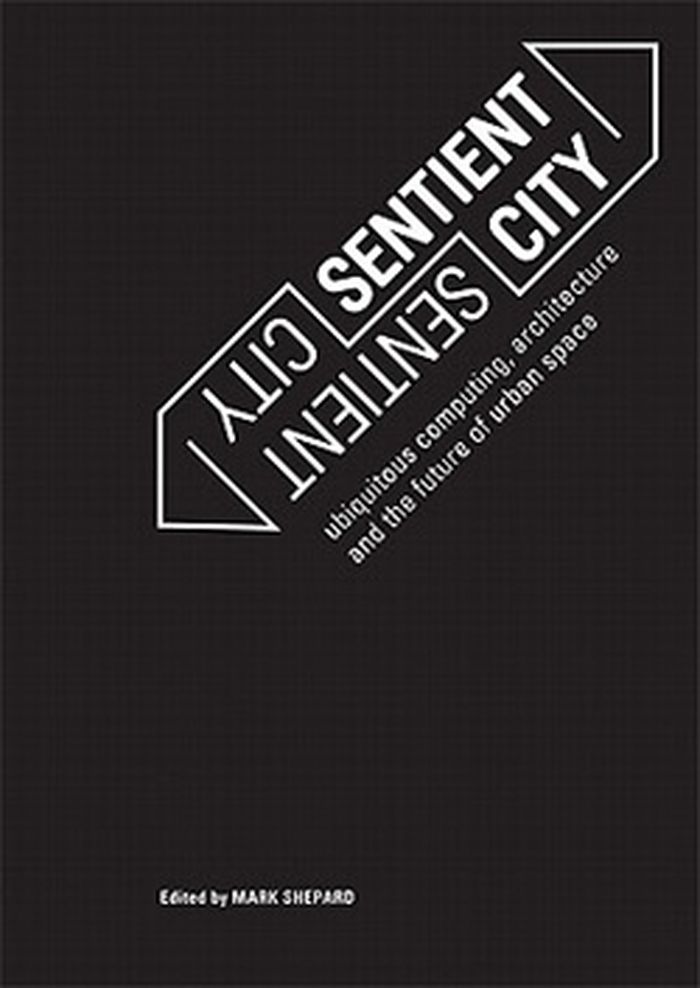
Sentient city : ubiquitous computing, architecture, and the future of urban space
Actions:
Price:
$27.95
(available to order)
Summary:
Our cities are "smart" and getting smarter as information processing capability is embedded throughout more and more of our urban infrastructure. Few of us object to traffic light control systems that respond to the ebbs and flows of city traffic; but we might be taken aback when discount coupons for our favorite espresso drink are beamed to our mobile phones as we walk past a Starbucks. This publication explores the experience of living in a city that can remember, correlate, and anticipate. Five teams of architects, artists, and technologists imagine a variety of future interactions that take place as computing leaves the desktop and spills out onto the sidewalks, streets, and public spaces of the city.
Form:
books
books
Publication:
March 2011
March 2011
Subject:
Urban Theory
Urban Theory
Form:
books
books
Actions:
Price:
$42.50
(available to order)
Summary:
Bringing together leading researchers from geography, political science, sociology, public policy and technology studies, this publication exposes the politics of well-known disruptions such as devastation of New Orleans in 2005, the global SARS outbreak in 2002-3, and the great power collapse in the North Eastern US in 2003. But the book also excavates the politics of(...)
Title:
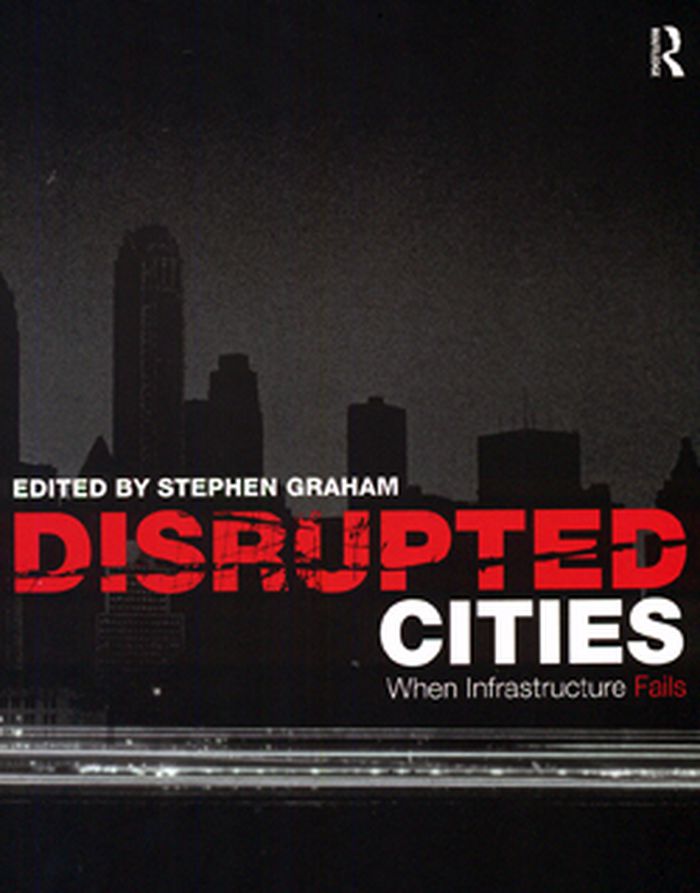
Disrupted cities : when infrastructure fails
Actions:
Price:
$42.50
(available to order)
Summary:
Bringing together leading researchers from geography, political science, sociology, public policy and technology studies, this publication exposes the politics of well-known disruptions such as devastation of New Orleans in 2005, the global SARS outbreak in 2002-3, and the great power collapse in the North Eastern US in 2003. But the book also excavates the politics of more hidden disruptions : the clogging of city sewers with fat; the day-to-day infrastructural collapses which dominate urban life in much of the global south; the deliberate devastation of urban infrastructure by state militaries; and the ways in which alleged threats of infrastructural disruption have been used to radically reorganise cities as part of the ‘war on terror’.
Form:
books
books
Publication:
October 2009
October 2009
Subject:
Urban Theory
Urban Theory
Form:
books
books

Actions:
Price:
$70.00
(available to order)
Summary:
This book is about a way of building that for centuries dominated the making of monumental architecture – yet now not only is it lost as practice, but knowledge of its very existence is consigned to oblivion. Trachtenberg rewrites the history of medieval and Renaissance architecture in Italy and recasts the turn to modernity in new terms, those of temporality and its role(...)
Title:
Building in time: From Giotto to Alberti and modern oblivion
Actions:
Price:
$70.00
(available to order)
Summary:
This book is about a way of building that for centuries dominated the making of monumental architecture – yet now not only is it lost as practice, but knowledge of its very existence is consigned to oblivion. Trachtenberg rewrites the history of medieval and Renaissance architecture in Italy and recasts the turn to modernity in new terms, those of temporality and its role in architectural theory and practice. Recovering this lost element of the deep architectural past allows us also to see the present in a new way: that temporality is not any neutral or secondary factor in modern architecture culture, but an epistemic condition that silently affects all production and experience of the built environment.
Form:
books
books
Publication:
December 2010
December 2010
Subject:
History until 1900, Classicism
History until 1900, Classicism
Form:
books
books
Price:
$39.95
(available to order)
Summary:
“When walking, or perhaps more rarely when sauntering on horseback, one is in direct contact with surroundings, reifying a connection to natural rhythms. To forget the season, soil, and sky is to deny existence.” So writes landscape architect Roger G. Courtenay in this publication. Whether walking the Piedmont of Virginia, canoeing the French Broad River near Asheville,(...)
Title:
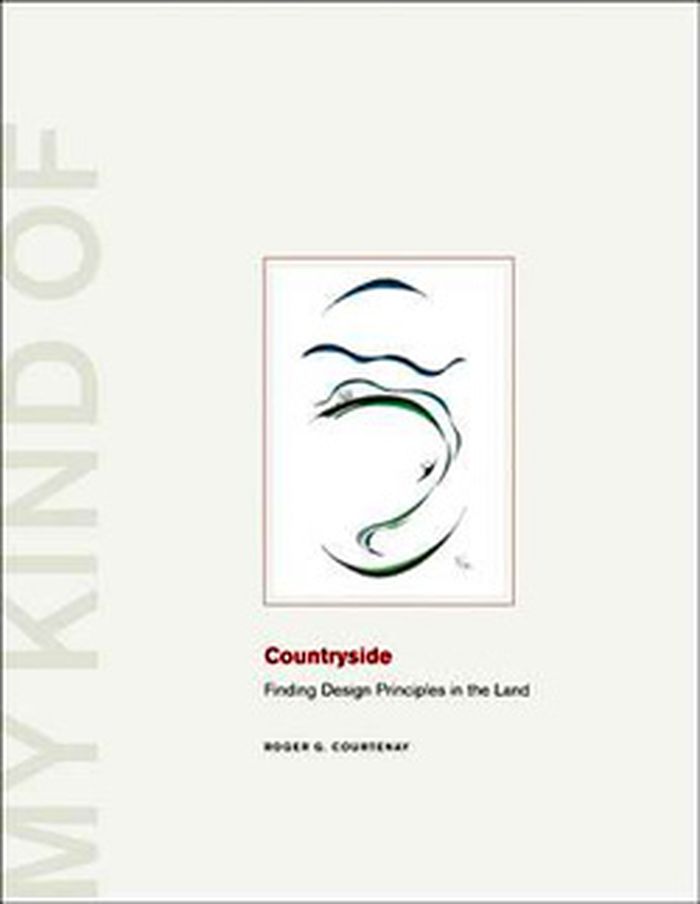
My kind of countryside: finding design principles in the land
Actions:
Price:
$39.95
(available to order)
Summary:
“When walking, or perhaps more rarely when sauntering on horseback, one is in direct contact with surroundings, reifying a connection to natural rhythms. To forget the season, soil, and sky is to deny existence.” So writes landscape architect Roger G. Courtenay in this publication. Whether walking the Piedmont of Virginia, canoeing the French Broad River near Asheville, North Carolina, driving along the Blue Ridge Parkway, or exploring Thomas Jefferson’s Academical Village, Courtenay turns to his local countryside for inspiration. In this book the author delves into the nuances of his craft, inviting us to share his encounters with a myriad of landscapes and revealing how he then interprets these experiences in his sketches.
Form:
books
books
Publication:
December 2010
December 2010
Subject:
Landscape Theory
Landscape Theory
Form:
books
books
Actions:
Price:
$75.00
(available to order)
Summary:
Featured projects exhibit a range of sustainable design ideas from bioclimatic strategies to more complex off-the-grid constructions that include passive designs, prefab systems, water-harvesting mechanisms, and green renovations. This publication includes eco-certification buildings and eco-design solutions to utilize advanced technologies, both "cost management plans"(...)
Title:
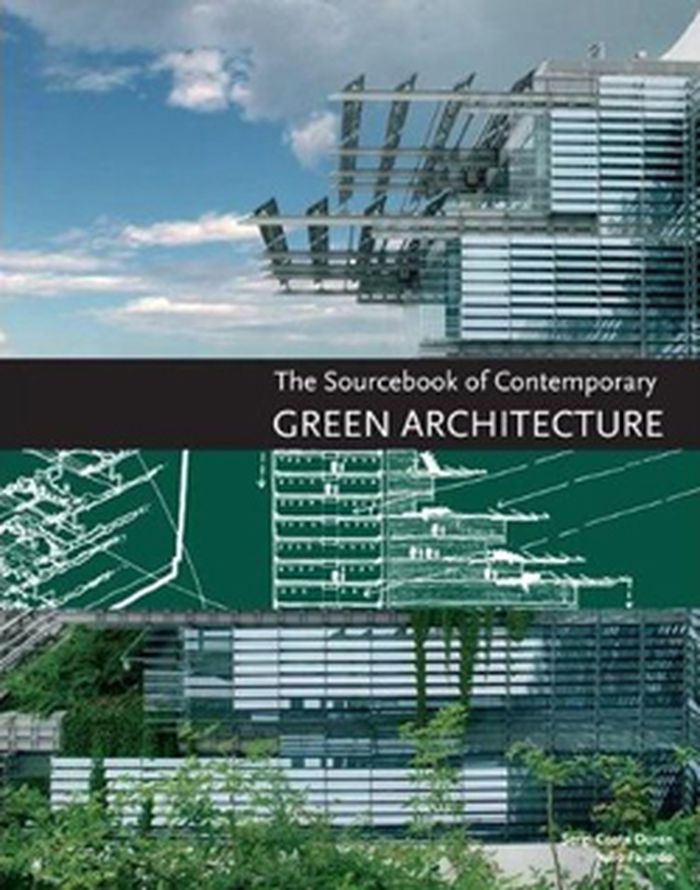
The sourcebook of contemporary green architecture
Actions:
Price:
$75.00
(available to order)
Summary:
Featured projects exhibit a range of sustainable design ideas from bioclimatic strategies to more complex off-the-grid constructions that include passive designs, prefab systems, water-harvesting mechanisms, and green renovations. This publication includes eco-certification buildings and eco-design solutions to utilize advanced technologies, both "cost management plans" as well as plans geared toward more lax budgets. These projects have been completed or are ongoing in the 21st century and were chosen as successful examples of green architects meeting the individual needs and tastes of their clients. This pblication is a resource for architects, city-planners, engineers, and designers to find the knowledge and inspiration to carry us into a "green" architectural future.
Form:
books
books
Publication:
September 2010
September 2010
Subject:
Green Architecture
Green Architecture
Form:
books
books
Actions:
Price:
$27.00
(available to order)
Summary:
Hell's Kitchen is among Manhattan's most storied and studied neighborhoods. A working-class district situated next to the West Side's middle-and upper-class residential districts, it has long attracted the focus of artists and urban planners, writers and reformers. Now, Joseph Varga takes us on a tour of Hell's Kitchen with an eye toward what we usually take for granted:(...)
Title:
Hell's Kitchen and the battle for urban space: class struggle and progressive reform in New York city, 1894-1914
Actions:
Price:
$27.00
(available to order)
Summary:
Hell's Kitchen is among Manhattan's most storied and studied neighborhoods. A working-class district situated next to the West Side's middle-and upper-class residential districts, it has long attracted the focus of artists and urban planners, writers and reformers. Now, Joseph Varga takes us on a tour of Hell's Kitchen with an eye toward what we usually take for granted: space, and, particularly, how urban spaces are produced, controlled, and contested by different class and political forces. Varga examines events and locations in a crucial period in the formation of the Hell's Kitchen neighborhood, the Progressive Era, and describes how reformers sought to shape the behavior and experiences of its inhabitants by manipulating the built environment.
Form:
books
books
Publication:
May 2013
May 2013
Subject:
Urban Theory
Urban Theory
Form:
books
books
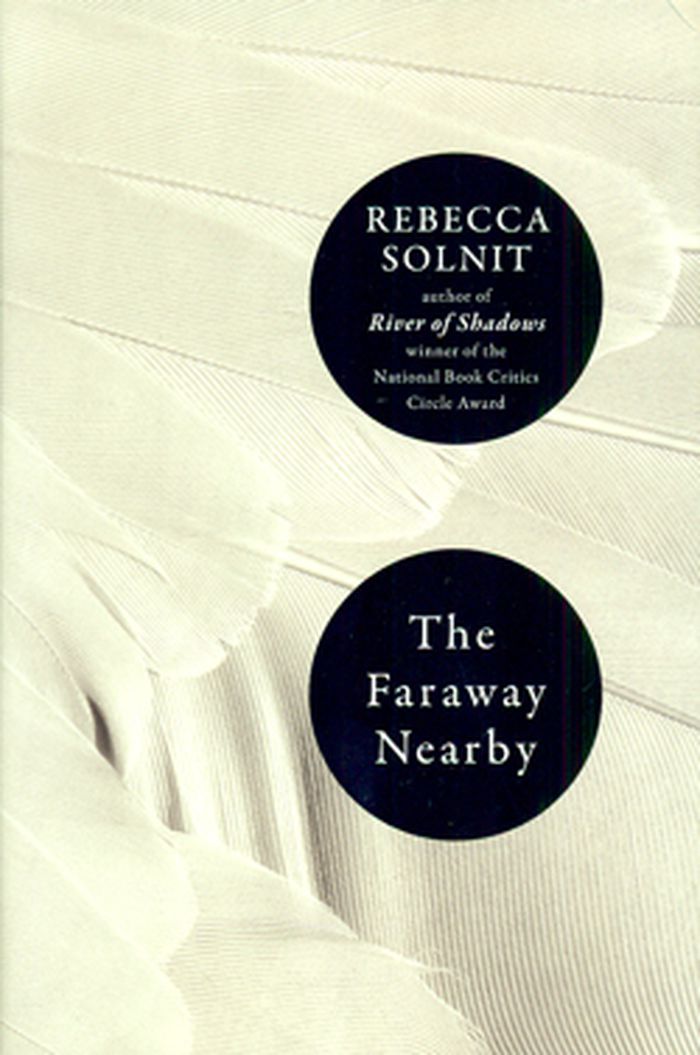
Title:
The faraway nearby
The faraway nearby
Actions:
Price:
$27.50
(available to order)
Summary:
In this book, Rebecca Solnit explores the ways we make our lives out of stories, and how we are connected by empathy, by narrative, by imagination. In the course of unpacking some of her own stories—of her mother and her decline from memory loss, of a trip to Iceland, of an illness—Solnit revisits fairytales and entertains other stories: about arctic explorers, Che(...)
Title:
The faraway nearby
Actions:
Price:
$27.50
(available to order)
Summary:
In this book, Rebecca Solnit explores the ways we make our lives out of stories, and how we are connected by empathy, by narrative, by imagination. In the course of unpacking some of her own stories—of her mother and her decline from memory loss, of a trip to Iceland, of an illness—Solnit revisits fairytales and entertains other stories: about arctic explorers, Che Guevara among the leper colonies, and Mary Shelley’s Dr. Frankenstein, about warmth and coldness, pain and kindness, decay and transformation, making art and making self. Woven together, these stories create a map which charts the boundaries and territories of storytelling, reframing who each of us is and how we might tell our story.
Form:
books
books
Publication:
June 2013
June 2013
Subject:
Architectural Theory
Architectural Theory
Form:
books
books
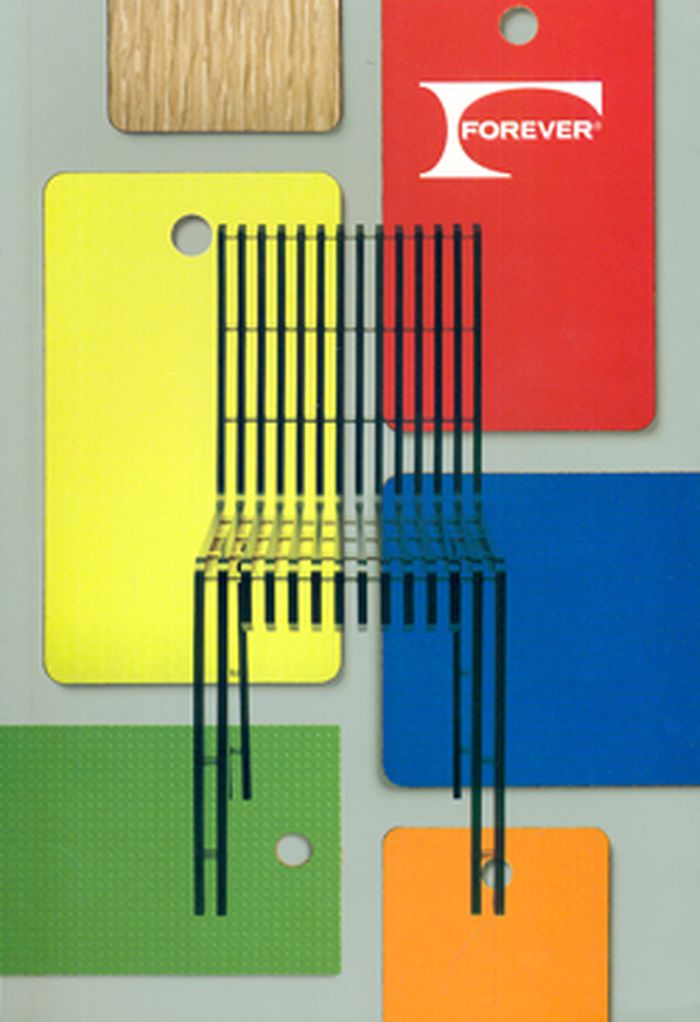
Title:
Formica forever
Formica forever
Actions:
Price:
$39.95
(available to order)
Summary:
Formica® is 100 years old : to celebrate this centennial, Formica Corporation has published Formica Forever. The book takes us on a walk through the life of this material : from its humble beginnings as electrical insulation; to its initial adoption by designers including Donald Deskey in the 1930s; to a golden age ushered in by the post–World War II housing boom;(...)
Title:
Formica forever
Actions:
Price:
$39.95
(available to order)
Summary:
Formica® is 100 years old : to celebrate this centennial, Formica Corporation has published Formica Forever. The book takes us on a walk through the life of this material : from its humble beginnings as electrical insulation; to its initial adoption by designers including Donald Deskey in the 1930s; to a golden age ushered in by the post–World War II housing boom; through global expansion in the second half of the twentieth century; to the laminate’s inventive uses by designers, artists and architects such as Jasper Morrison, Daniel Buren, Frank Gehry, Laurinda Spear and Zaha Hadid; and finally through to the present, which finds the Formica Group working with young designers to push the limits of this pioneering material.
Form:
books
books
Publication:
September 2013
September 2013
Subject:
Industrial Design
Industrial Design
Form:
books
books
Actions:
Price:
$50.00
(available to order)
Summary:
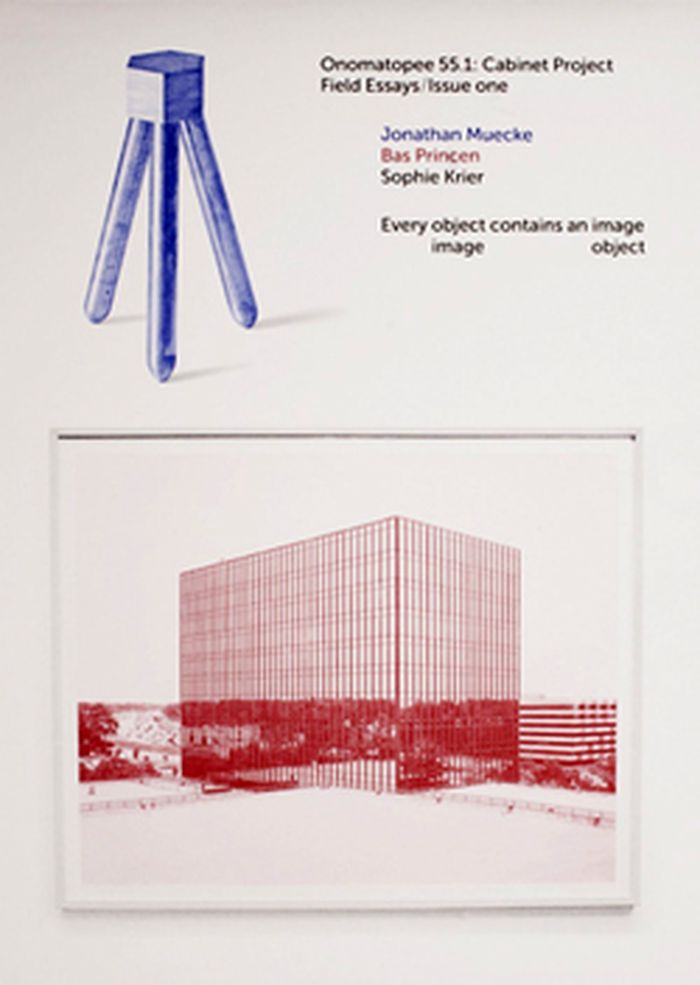
A new series from designer Sophie Krier looking at processes emerging on the frontiers of design. Every 'field essay' is a renewed attempt to formulate a visual grammar for design research. In this issue, the work of American furniture designer Jonathan Muecke is juxtaposed with the architectural photography of Dutchman Bas Princen. The Cranbrook educated Muecke(...)
Title:
Onomatopee 55.1 : Cabinet project Firld essays / Issue 1
Actions:
Price:
$50.00
(available to order)
Summary:
A new series from designer Sophie Krier looking at processes emerging on the frontiers of design. Every 'field essay' is a renewed attempt to formulate a visual grammar for design research. In this issue, the work of American furniture designer Jonathan Muecke is juxtaposed with the architectural photography of Dutchman Bas Princen. The Cranbrook educated Muecke creates boldly imaginative artifacts such as his series of carbon fiber chairs that probe the realms of our perception and make us more aware of its mechanisms. Princen, on the other hand, frames built and un-built landscapes where typologies blur between office park and science fiction monolith, for example to dramatic effect. Both create visual propositions that make room
Form:
books
books
Publication:
November 2013
November 2013
Subject:
Design Theory
Design Theory


