


12071 Results
Form:
books
books
Actions:
Price:
$90.95
(available to order)
Summary:
The old-fashioned pitched roof is experiencing a resurrection, in different and often surprising forms. In this profusely illustrated, inspiring picture book that recalls the classic texts on the modern movement, the reader can explore the potential of pitched roofs for a building s appearance, the relationship of the roofs to their context, and of the interior(...)
$90.95
(available to order)
Summary:
The old-fashioned pitched roof is experiencing a resurrection, in different and often surprising forms. In this profusely illustrated, inspiring picture book that recalls the classic texts on the modern movement, the reader can explore the potential of pitched roofs for a building s appearance, the relationship of the roofs to their context, and of the interior(...)
Subject:
Commercial interiors, Building types
Commercial interiors, Building types
Publication:
December 2008
December 2008
Title:
The pitched roof: architecture manual
Actions:
Price:
$90.95
(available to order)
Summary:
The old-fashioned pitched roof is experiencing a resurrection, in different and often surprising forms. In this profusely illustrated, inspiring picture book that recalls the classic texts on the modern movement, the reader can explore the potential of pitched roofs for a building s appearance, the relationship of the roofs to their context, and of the interior rooms that result. Its architectural possibilities seem even more interesting as they are rediscovered by today s architects. Based on the longtime work at the Department of Architecture at the ZHAW Winterthur. Includes nine articles by well-known authors Max Bosshard, Christoph Luchsinger, Nott Caviezel, Aita Flury, Hartmut Frank, Bettina Köhler, Marc Loeliger, Jacques Lucan, Martin Tschan and Christoph Wieser, who each explore the pitched roof from various points of view.
The pitched roof: architecture manual
Actions:
Price:
$90.95
(available to order)
Summary:
The old-fashioned pitched roof is experiencing a resurrection, in different and often surprising forms. In this profusely illustrated, inspiring picture book that recalls the classic texts on the modern movement, the reader can explore the potential of pitched roofs for a building s appearance, the relationship of the roofs to their context, and of the interior rooms that result. Its architectural possibilities seem even more interesting as they are rediscovered by today s architects. Based on the longtime work at the Department of Architecture at the ZHAW Winterthur. Includes nine articles by well-known authors Max Bosshard, Christoph Luchsinger, Nott Caviezel, Aita Flury, Hartmut Frank, Bettina Köhler, Marc Loeliger, Jacques Lucan, Martin Tschan and Christoph Wieser, who each explore the pitched roof from various points of view.
Form:
books
books
Publication:
December 2008
December 2008
Subject:
Commercial interiors, Building types
Commercial interiors, Building types
Form:
books
books
Actions:
Price:
$48.00
(available to order)
Summary:
Using facts, anecdotes, and personal observation, architect and longtime advocate for the preservation of American architecture Harvey H. Kaiser leads the reader through more than 200 places of interest across the United States. Covering the entire nation and presented by region, this book takes the reader on a journey through recognizable icons such as the Statue of(...)
$48.00
(available to order)
Summary:
Using facts, anecdotes, and personal observation, architect and longtime advocate for the preservation of American architecture Harvey H. Kaiser leads the reader through more than 200 places of interest across the United States. Covering the entire nation and presented by region, this book takes the reader on a journey through recognizable icons such as the Statue of(...)
Title:
The national park architecture sourcebook
Actions:
Price:
$48.00
(available to order)
Summary:
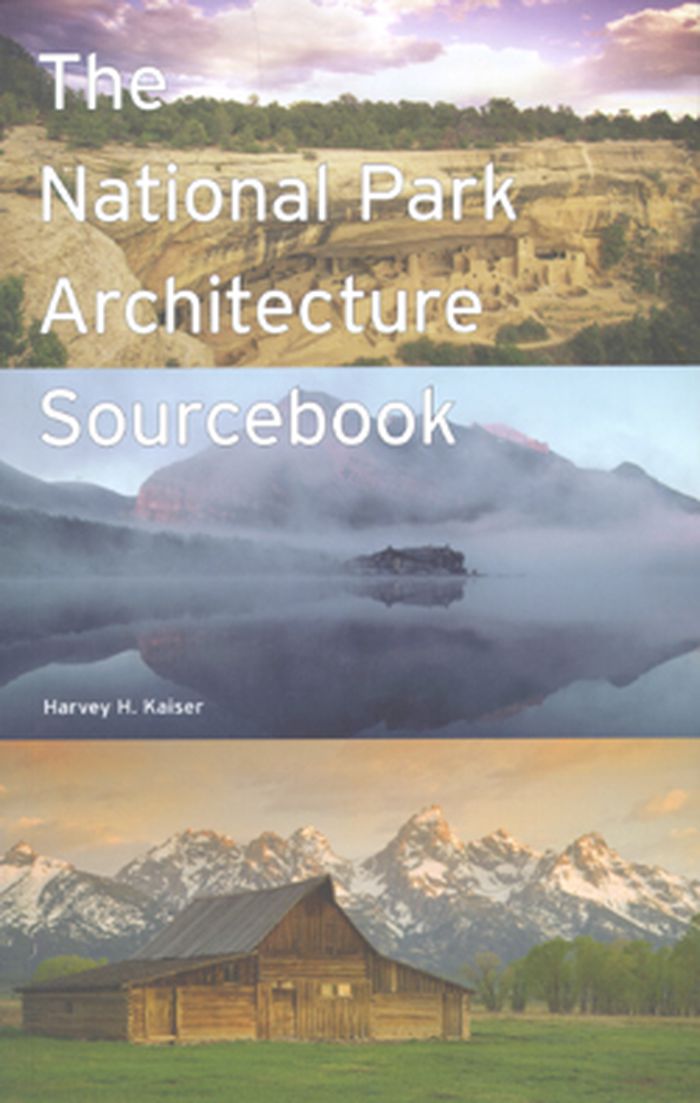
Using facts, anecdotes, and personal observation, architect and longtime advocate for the preservation of American architecture Harvey H. Kaiser leads the reader through more than 200 places of interest across the United States. Covering the entire nation and presented by region, this book takes the reader on a journey through recognizable icons such as the Statue of Liberty, Mount Rushmore, Lincoln Memorial, Jefferson National Expansion Memorial Arch, and the USS Arizona. The extraordinary rustic buildings of the National Parks at Yellowstone, Carter Lake, Yosemite, and the Grand Canyon are explored as well as frontier military forts and trading posts like Fort Sumter, Bent's Old Fort, and Fort Clatsop. There are the southwestern sites of the mysterious Anasazi and Chaco cultures and missions of San Antonio, Tumacacori, Pecos, and Salinas Pueblo. Kaiser's descriptions let readers not only feel as if they have shared the experience of these places but also gain a solid understanding of why the architecture is significant to American history.
The national park architecture sourcebook
Actions:
Price:
$48.00
(available to order)
Summary:
Using facts, anecdotes, and personal observation, architect and longtime advocate for the preservation of American architecture Harvey H. Kaiser leads the reader through more than 200 places of interest across the United States. Covering the entire nation and presented by region, this book takes the reader on a journey through recognizable icons such as the Statue of Liberty, Mount Rushmore, Lincoln Memorial, Jefferson National Expansion Memorial Arch, and the USS Arizona. The extraordinary rustic buildings of the National Parks at Yellowstone, Carter Lake, Yosemite, and the Grand Canyon are explored as well as frontier military forts and trading posts like Fort Sumter, Bent's Old Fort, and Fort Clatsop. There are the southwestern sites of the mysterious Anasazi and Chaco cultures and missions of San Antonio, Tumacacori, Pecos, and Salinas Pueblo. Kaiser's descriptions let readers not only feel as if they have shared the experience of these places but also gain a solid understanding of why the architecture is significant to American history.
Form:
books
books
Publication:
May 2008, New York
May 2008, New York
Subject:
Food
Food
Form:
books
books
Actions:
Price:
$53.50
(available to order)
Summary:
Damas, capitale de la Syrie contemporaine, adossée à la chaîne de l’Anti-Liban à la frange des immensités de la steppe syrienne, est bien connue des historiens du monde arabe. Si les travaux de Jean Sauvaget, d’André Raymond et de leurs successeurs permettent d’en dresser un tableau détaillé pour les périodes médiévale et moderne, le tournant des XIXe et XXe siècles a été(...)
$53.50
(available to order)
Summary:
Damas, capitale de la Syrie contemporaine, adossée à la chaîne de l’Anti-Liban à la frange des immensités de la steppe syrienne, est bien connue des historiens du monde arabe. Si les travaux de Jean Sauvaget, d’André Raymond et de leurs successeurs permettent d’en dresser un tableau détaillé pour les périodes médiévale et moderne, le tournant des XIXe et XXe siècles a été(...)
Title:
Damas : urbanisme et architecture 1860-1925
Actions:
Price:
$53.50
(available to order)
Summary:
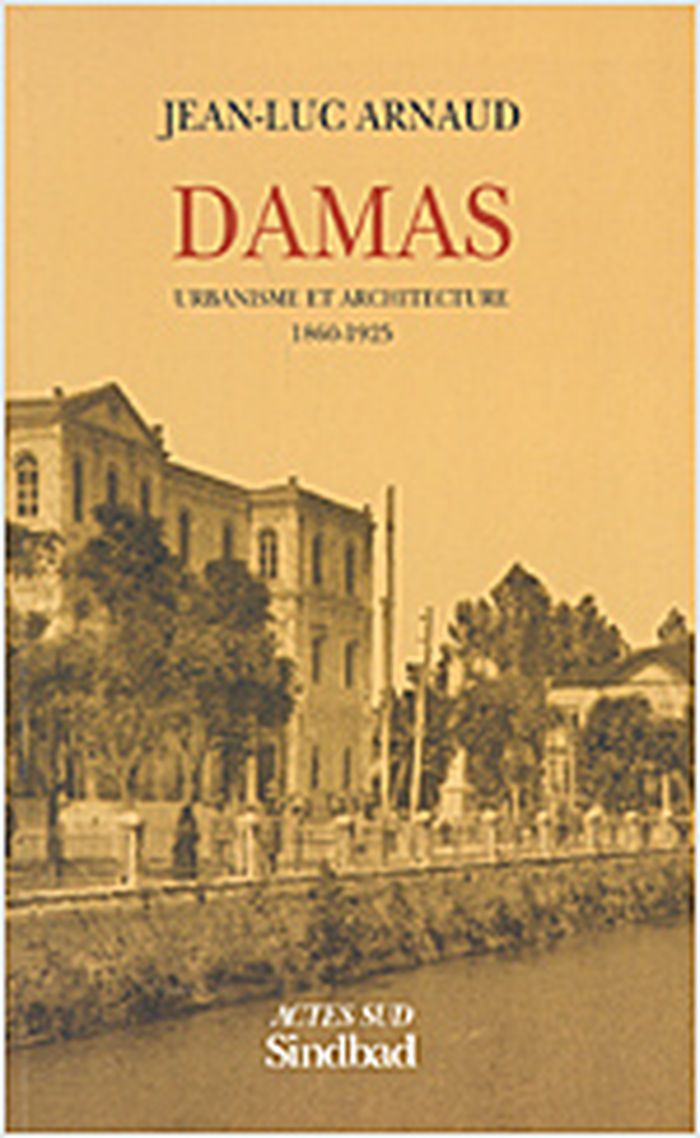
Damas, capitale de la Syrie contemporaine, adossée à la chaîne de l’Anti-Liban à la frange des immensités de la steppe syrienne, est bien connue des historiens du monde arabe. Si les travaux de Jean Sauvaget, d’André Raymond et de leurs successeurs permettent d’en dresser un tableau détaillé pour les périodes médiévale et moderne, le tournant des XIXe et XXe siècles a été assez peu étudié1. C’est de cette époque dont il est question dans ce livre. A ce moment-là, Damas est touchée par d’importantes transformations ; de nouvelles modalités de développement et de modernisation de l’espace urbain se mettent en place. L’organisation administrative de l’Empire ottoman connaît alors de multiples réformes, la législation en matière de contrôle de l’urbanisation et le mode de gestion des villes sont totalement renouvelés.
Damas : urbanisme et architecture 1860-1925
Actions:
Price:
$53.50
(available to order)
Summary:
Damas, capitale de la Syrie contemporaine, adossée à la chaîne de l’Anti-Liban à la frange des immensités de la steppe syrienne, est bien connue des historiens du monde arabe. Si les travaux de Jean Sauvaget, d’André Raymond et de leurs successeurs permettent d’en dresser un tableau détaillé pour les périodes médiévale et moderne, le tournant des XIXe et XXe siècles a été assez peu étudié1. C’est de cette époque dont il est question dans ce livre. A ce moment-là, Damas est touchée par d’importantes transformations ; de nouvelles modalités de développement et de modernisation de l’espace urbain se mettent en place. L’organisation administrative de l’Empire ottoman connaît alors de multiples réformes, la législation en matière de contrôle de l’urbanisation et le mode de gestion des villes sont totalement renouvelés.
Form:
books
books
Publication:
March 2006, Arles
March 2006, Arles
Subject:
Arch Southwest Asia & North Africa
Arch Southwest Asia & North Africa
Form:
books
books
Actions:
Price:
$32.50
(available to order)
Summary:
In this book, some of modern architecture's most significant works are studied from rough sketches to detailed layouts. It is therefore destined to be used as a work tool as well as for general interest.
$32.50
(available to order)
Summary:
In this book, some of modern architecture's most significant works are studied from rough sketches to detailed layouts. It is therefore destined to be used as a work tool as well as for general interest.
Publication:
June 1998, New York
June 1998, New York
Title:
Plans of architecture : building details
Actions:
Price:
$32.50
(available to order)
Summary:
In this book, some of modern architecture's most significant works are studied from rough sketches to detailed layouts. It is therefore destined to be used as a work tool as well as for general interest.
Plans of architecture : building details
Actions:
Price:
$32.50
(available to order)
Summary:
In this book, some of modern architecture's most significant works are studied from rough sketches to detailed layouts. It is therefore destined to be used as a work tool as well as for general interest.
Form:
books
books
Publication:
June 1998, New York
June 1998, New York
Form:
books
books

Actions:
Price:
$82.95
(available in store)
Summary:
A book on the industrial heritage of Aalborg, the most industrious town of Denmark. Registration and photographs of 7 important industries by photographer Helen Hoyer Mikkelsen. Articles on industrial motives in the arts, the IBA-Emscher park development in Germany, the "nature" of industrial areas, industrial building typologies. English captions and Danish text.
$82.95
(available in store)
Summary:
A book on the industrial heritage of Aalborg, the most industrious town of Denmark. Registration and photographs of 7 important industries by photographer Helen Hoyer Mikkelsen. Articles on industrial motives in the arts, the IBA-Emscher park development in Germany, the "nature" of industrial areas, industrial building typologies. English captions and Danish text.
Title:
Fabrik : industrial architecture in Aalborg
Actions:
Price:
$82.95
(available in store)
Summary:
A book on the industrial heritage of Aalborg, the most industrious town of Denmark. Registration and photographs of 7 important industries by photographer Helen Hoyer Mikkelsen. Articles on industrial motives in the arts, the IBA-Emscher park development in Germany, the "nature" of industrial areas, industrial building typologies. English captions and Danish text.
Fabrik : industrial architecture in Aalborg
Actions:
Price:
$82.95
(available in store)
Summary:
A book on the industrial heritage of Aalborg, the most industrious town of Denmark. Registration and photographs of 7 important industries by photographer Helen Hoyer Mikkelsen. Articles on industrial motives in the arts, the IBA-Emscher park development in Germany, the "nature" of industrial areas, industrial building typologies. English captions and Danish text.
Form:
books
books
Publication:
January 2002, Copenhagen
January 2002, Copenhagen
Subject:
Engineering Structures
Engineering Structures
Form:
books
books
Actions:
Price:
$108.95
(available to order)
Summary:
From England, Scotland and Ireland to Italy, Portugal, and Spain, throughout Scandinavia and including Germany, Austria and Switzerland, the churches studied here illustrate the many ways religious sentiment lends itself to the architectural discipline. The range of artistry is equally vast, featuring works by Alvar Aalto, Mario Botta, Egon Eiermann, Le Corbusier, Carlo(...)
$108.95
(available to order)
Summary:
From England, Scotland and Ireland to Italy, Portugal, and Spain, throughout Scandinavia and including Germany, Austria and Switzerland, the churches studied here illustrate the many ways religious sentiment lends itself to the architectural discipline. The range of artistry is equally vast, featuring works by Alvar Aalto, Mario Botta, Egon Eiermann, Le Corbusier, Carlo(...)
Subject:
Commercial interiors, Building types
Commercial interiors, Building types
Publication:
November 2002, Munich
November 2002, Munich
Title:
European church architecture 1950-2000
Actions:
Price:
$108.95
(available to order)
Summary:
From England, Scotland and Ireland to Italy, Portugal, and Spain, throughout Scandinavia and including Germany, Austria and Switzerland, the churches studied here illustrate the many ways religious sentiment lends itself to the architectural discipline. The range of artistry is equally vast, featuring works by Alvar Aalto, Mario Botta, Egon Eiermann, Le Corbusier, Carlo Scarpa, Rudolf Schwarz, Alvaro Siza, Heinz Tesar, Aldo Van Eyck and Peter Zumthor. In addition, essays by respected architectural historians as well as prominent theologians discuss the variety of ecclesiastical buildings as well as how the church is viewed both from a Roman Catholic and Protestant perspective.
European church architecture 1950-2000
Actions:
Price:
$108.95
(available to order)
Summary:
From England, Scotland and Ireland to Italy, Portugal, and Spain, throughout Scandinavia and including Germany, Austria and Switzerland, the churches studied here illustrate the many ways religious sentiment lends itself to the architectural discipline. The range of artistry is equally vast, featuring works by Alvar Aalto, Mario Botta, Egon Eiermann, Le Corbusier, Carlo Scarpa, Rudolf Schwarz, Alvaro Siza, Heinz Tesar, Aldo Van Eyck and Peter Zumthor. In addition, essays by respected architectural historians as well as prominent theologians discuss the variety of ecclesiastical buildings as well as how the church is viewed both from a Roman Catholic and Protestant perspective.
Form:
books
books
Publication:
November 2002, Munich
November 2002, Munich
Subject:
Commercial interiors, Building types
Commercial interiors, Building types
Form:
books
books
Actions:
Price:
$40.00
(available to order)
Summary:
This catalogue documents the German contribution to the architectural Venice Biennale, 2014 - an experimental installation formulated by Zurich-based partners Alex Lehnerer and Savvas Ciriacidis. The two leading architects examine national identity and representation, related to architecture, over the past 100 years.
$40.00
(available to order)
Summary:
This catalogue documents the German contribution to the architectural Venice Biennale, 2014 - an experimental installation formulated by Zurich-based partners Alex Lehnerer and Savvas Ciriacidis. The two leading architects examine national identity and representation, related to architecture, over the past 100 years.
Title:
Bungalow Germania : German Pavilion - 14th International Architecture Exhibition, la Biennale di Venezia 2014
Actions:
Price:
$40.00
(available to order)
Summary:
This catalogue documents the German contribution to the architectural Venice Biennale, 2014 - an experimental installation formulated by Zurich-based partners Alex Lehnerer and Savvas Ciriacidis. The two leading architects examine national identity and representation, related to architecture, over the past 100 years.
Bungalow Germania : German Pavilion - 14th International Architecture Exhibition, la Biennale di Venezia 2014
Actions:
Price:
$40.00
(available to order)
Summary:
This catalogue documents the German contribution to the architectural Venice Biennale, 2014 - an experimental installation formulated by Zurich-based partners Alex Lehnerer and Savvas Ciriacidis. The two leading architects examine national identity and representation, related to architecture, over the past 100 years.
Form:
books
books
Publication:
August 2014
August 2014
Subject:
Contemporary Architecture
Contemporary Architecture
Form:
books
books
Title:
Margaret Schütte-Lihotzky: Architecture, politics, gender. New perspectives on her life and work
Margaret Schütte-Lihotzky: Architecture, politics, gender. New perspectives on her life and work
Actions:
Price:
$65.95
(available in store)
Summary:
Margarete Schütte-Lihotzky (1897–2000) entered the modernist canon with her “Frankfurt Kitchen.” She is also considered a pioneer of social architecture, a women’s rights activist, and, last but not least, a heroine of the resistance to the Nazi dictatorship. In this book, available in English for the first time, recent research in the fields of art history, contemporary(...)
$65.95
(available in store)
Summary:
Margarete Schütte-Lihotzky (1897–2000) entered the modernist canon with her “Frankfurt Kitchen.” She is also considered a pioneer of social architecture, a women’s rights activist, and, last but not least, a heroine of the resistance to the Nazi dictatorship. In this book, available in English for the first time, recent research in the fields of art history, contemporary(...)
Subject:
Architecture Monographs
Architecture Monographs
Publication:
September 2023
September 2023
Title:
Margaret Schütte-Lihotzky: Architecture, politics, gender. New perspectives on her life and work
Actions:
Price:
$65.95
(available in store)
Summary:
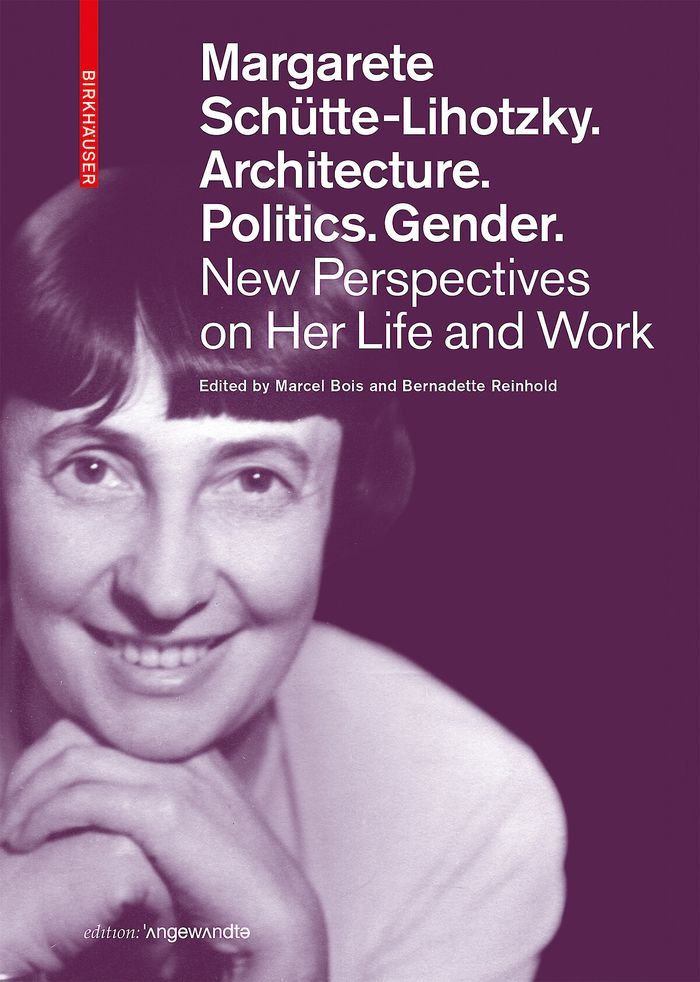
Margarete Schütte-Lihotzky (1897–2000) entered the modernist canon with her “Frankfurt Kitchen.” She is also considered a pioneer of social architecture, a women’s rights activist, and, last but not least, a heroine of the resistance to the Nazi dictatorship. In this book, available in English for the first time, recent research in the fields of art history, contemporary history, pedagogy, and gender studies provides a nuanced picture of Schütte-Lihotzky, whose estate is archived at the University of Applied Arts Vienna. The volume explores her rich architectural oeuvre, her transnational experiences and professional networks, her political development as a Communist, and her current reception. It breaks through the mythology to present a rounded picture of Schütte-Lihotzky, an icon of architectural history.
Margaret Schütte-Lihotzky: Architecture, politics, gender. New perspectives on her life and work
Actions:
Price:
$65.95
(available in store)
Summary:
Margarete Schütte-Lihotzky (1897–2000) entered the modernist canon with her “Frankfurt Kitchen.” She is also considered a pioneer of social architecture, a women’s rights activist, and, last but not least, a heroine of the resistance to the Nazi dictatorship. In this book, available in English for the first time, recent research in the fields of art history, contemporary history, pedagogy, and gender studies provides a nuanced picture of Schütte-Lihotzky, whose estate is archived at the University of Applied Arts Vienna. The volume explores her rich architectural oeuvre, her transnational experiences and professional networks, her political development as a Communist, and her current reception. It breaks through the mythology to present a rounded picture of Schütte-Lihotzky, an icon of architectural history.
Form:
books
books
Publication:
September 2023
September 2023
Subject:
Architecture Monographs
Architecture Monographs
Form:
books
books
Title:
Ordinary beauty: An Italian scenario by Associates Architecture, An open investigation through
Ordinary beauty: An Italian scenario by Associates Architecture, An open investigation through
Actions:
Price:
$78.00
(available to order)
Summary:
''Ordinary Beauty'' — by combining two seemingly antithetical values—aims to foster a generation of architects who, on a daily basis, dismantle the wall separating the ordinary from beauty, construction from architecture. A generation that begins with people and life itself, reclaiming the ordinary and elevating it to a common practice of architectural quality—first(...)
$78.00
(available to order)
Summary:
''Ordinary Beauty'' — by combining two seemingly antithetical values—aims to foster a generation of architects who, on a daily basis, dismantle the wall separating the ordinary from beauty, construction from architecture. A generation that begins with people and life itself, reclaiming the ordinary and elevating it to a common practice of architectural quality—first(...)
Subject:
Architecture Monographs
Architecture Monographs
Publication:
October 2025
October 2025
Title:
Ordinary beauty: An Italian scenario by Associates Architecture, An open investigation through
Actions:
Price:
$78.00
(available to order)
Summary:
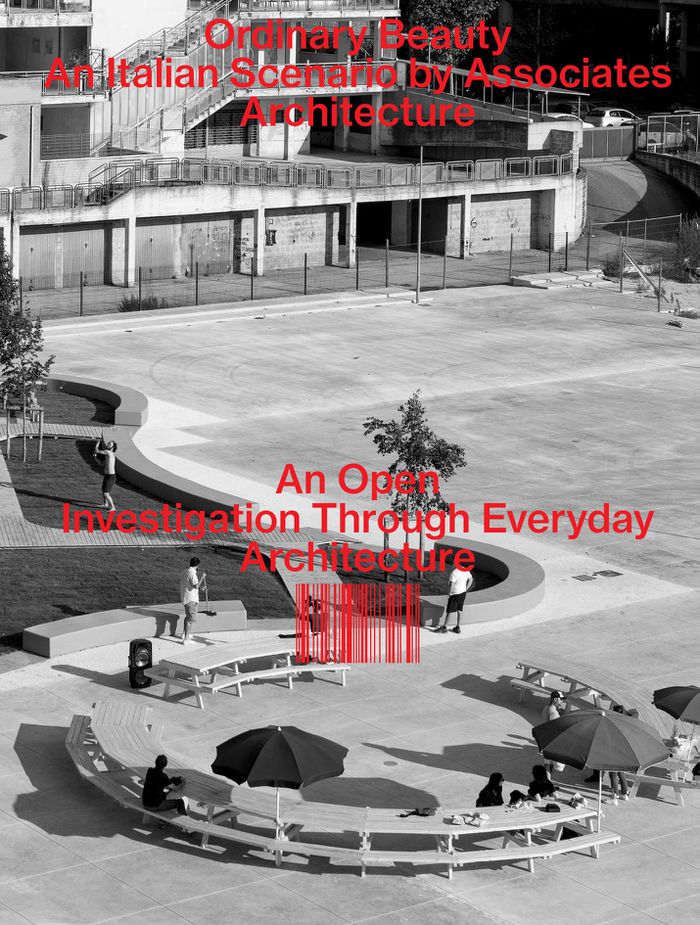
''Ordinary Beauty'' — by combining two seemingly antithetical values—aims to foster a generation of architects who, on a daily basis, dismantle the wall separating the ordinary from beauty, construction from architecture. A generation that begins with people and life itself, reclaiming the ordinary and elevating it to a common practice of architectural quality—first imagining a new way of living, then designing the very spaces that will house that new life. A generation that recognizes the responsibility of re- storing beauty to ordinary themes, because every day architec- ture can reveal the invisible power of beauty.
Ordinary beauty: An Italian scenario by Associates Architecture, An open investigation through
Actions:
Price:
$78.00
(available to order)
Summary:
''Ordinary Beauty'' — by combining two seemingly antithetical values—aims to foster a generation of architects who, on a daily basis, dismantle the wall separating the ordinary from beauty, construction from architecture. A generation that begins with people and life itself, reclaiming the ordinary and elevating it to a common practice of architectural quality—first imagining a new way of living, then designing the very spaces that will house that new life. A generation that recognizes the responsibility of re- storing beauty to ordinary themes, because every day architec- ture can reveal the invisible power of beauty.
Form:
books
books
Publication:
October 2025
October 2025
Subject:
Architecture Monographs
Architecture Monographs
Form:
books
books
Price:
$42.00
(available in store)
Summary:
To what extent did the circulation of people, commodities and knowledge affect architecture and urban design between World War II and the fall of the Berlin Wall in 1989? Swiss urban studies professor Tom Avermaete teams up with Chicago-based architect Michelangelo Sabatino to interrogate the influence of globalization on postwar architecture. Globalization is a complex(...)
$42.00
(available in store)
Summary:
To what extent did the circulation of people, commodities and knowledge affect architecture and urban design between World War II and the fall of the Berlin Wall in 1989? Swiss urban studies professor Tom Avermaete teams up with Chicago-based architect Michelangelo Sabatino to interrogate the influence of globalization on postwar architecture. Globalization is a complex(...)
Title:
The global turn: six journeys of architecture and the city, 1945-1989
Actions:
Price:
$42.00
(available in store)
Summary:
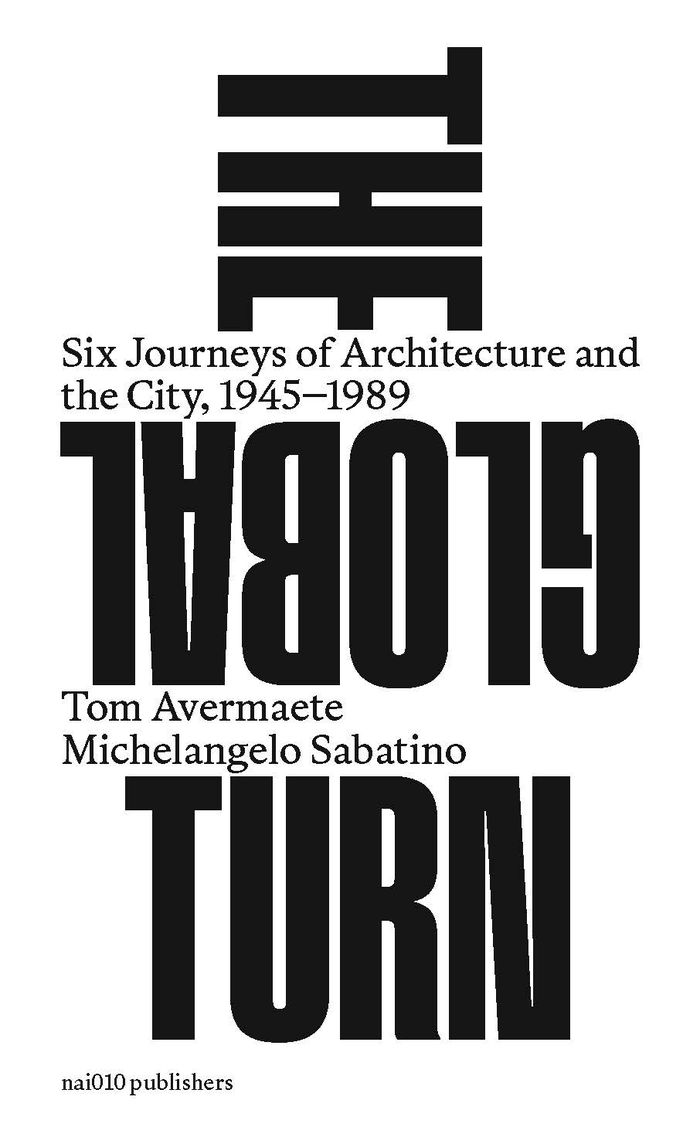
To what extent did the circulation of people, commodities and knowledge affect architecture and urban design between World War II and the fall of the Berlin Wall in 1989? Swiss urban studies professor Tom Avermaete teams up with Chicago-based architect Michelangelo Sabatino to interrogate the influence of globalization on postwar architecture. Globalization is a complex phenomenon that has profoundly affected the practice of designers and engineers in the postwar era as it simultaneously expands and shrinks the world in which we live. Avermaete and Sabatino arrive at several conclusions through a diligent analysis of spatial, political and social geographies, from airports and hotels to construction materials and labor. ''The Global Turn'' presents their findings in a series of six short essays, providing a fresh viewpoint on a new worldwide environment that gives as much as it takes.
The global turn: six journeys of architecture and the city, 1945-1989
Actions:
Price:
$42.00
(available in store)
Summary:
To what extent did the circulation of people, commodities and knowledge affect architecture and urban design between World War II and the fall of the Berlin Wall in 1989? Swiss urban studies professor Tom Avermaete teams up with Chicago-based architect Michelangelo Sabatino to interrogate the influence of globalization on postwar architecture. Globalization is a complex phenomenon that has profoundly affected the practice of designers and engineers in the postwar era as it simultaneously expands and shrinks the world in which we live. Avermaete and Sabatino arrive at several conclusions through a diligent analysis of spatial, political and social geographies, from airports and hotels to construction materials and labor. ''The Global Turn'' presents their findings in a series of six short essays, providing a fresh viewpoint on a new worldwide environment that gives as much as it takes.
Form:
books
books
Publication:
June 2025
June 2025
Subject:
Architectural Theory
Architectural Theory


