


482 Results
Form:
books
books
Title:
Asmara, the frozen city
Asmara, the frozen city
Actions:
Price:
$24.99
(available to order)
Summary:
Asmara, capital of the state of Eritrea, located in North Eastern Africa, is considered to be an impressive example of European urban construction of the 20th century. To this day, the influence of the former colonial power of Italy on the architecture of the city from the early 20th century to the 1940’s remains visible. Many of the buildings, erected in the futuristic,(...)
$24.99
(available to order)
Summary:
Asmara, capital of the state of Eritrea, located in North Eastern Africa, is considered to be an impressive example of European urban construction of the 20th century. To this day, the influence of the former colonial power of Italy on the architecture of the city from the early 20th century to the 1940’s remains visible. Many of the buildings, erected in the futuristic,(...)
Title:
Asmara, the frozen city
Actions:
Price:
$24.99
(available to order)
Summary:
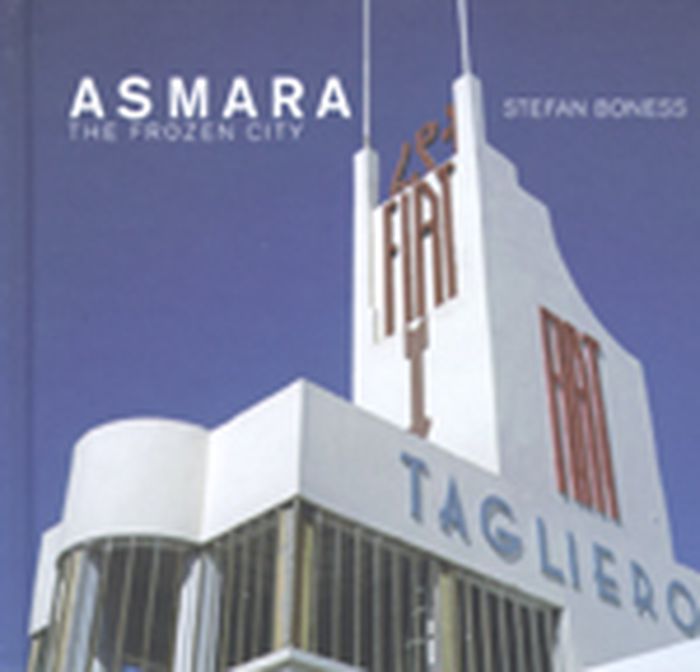
Asmara, capital of the state of Eritrea, located in North Eastern Africa, is considered to be an impressive example of European urban construction of the 20th century. To this day, the influence of the former colonial power of Italy on the architecture of the city from the early 20th century to the 1940’s remains visible. Many of the buildings, erected in the futuristic, monumentalist or rationalistic style have been preserved and dominate the cityscape of Asmara. In particular, architectural projects dating back to the late 1930’s and early 1940’s are the focal point of the work of photographer Stefan Boness. These include private, public and industrial buildings, which he photographed over the course of several months and which he staged incorporating their urban surroundings. Through his photographs, Stefan Boness has succeeded in expressing the unique atmosphere of Asmara, where time seemingly is standing still.
Asmara, the frozen city
Actions:
Price:
$24.99
(available to order)
Summary:
Asmara, capital of the state of Eritrea, located in North Eastern Africa, is considered to be an impressive example of European urban construction of the 20th century. To this day, the influence of the former colonial power of Italy on the architecture of the city from the early 20th century to the 1940’s remains visible. Many of the buildings, erected in the futuristic, monumentalist or rationalistic style have been preserved and dominate the cityscape of Asmara. In particular, architectural projects dating back to the late 1930’s and early 1940’s are the focal point of the work of photographer Stefan Boness. These include private, public and industrial buildings, which he photographed over the course of several months and which he staged incorporating their urban surroundings. Through his photographs, Stefan Boness has succeeded in expressing the unique atmosphere of Asmara, where time seemingly is standing still.
Form:
books
books
Publication:
July 2007, Berlin
July 2007, Berlin
Subject:
History until 1900, Middle East
History until 1900, Middle East
Form:
books
books
Price:
$33.95
(available to order)
Summary:
What if the people seized the means of climate production? In this groundbreaking book, Holly Jean Buck charts a possible course to a liveable future. Climate restoration will require not just innovative technologies to remove carbon from the atmosphere, but social and economic transformation. The steps we must take are enormous, and they must be taken soon. Looking at(...)
$33.95
(available to order)
Summary:
What if the people seized the means of climate production? In this groundbreaking book, Holly Jean Buck charts a possible course to a liveable future. Climate restoration will require not just innovative technologies to remove carbon from the atmosphere, but social and economic transformation. The steps we must take are enormous, and they must be taken soon. Looking at(...)
Title:
After geoengineering: climate tragedy, repair, and restoration
Actions:
Price:
$33.95
(available to order)
Summary:
What if the people seized the means of climate production? In this groundbreaking book, Holly Jean Buck charts a possible course to a liveable future. Climate restoration will require not just innovative technologies to remove carbon from the atmosphere, but social and economic transformation. The steps we must take are enormous, and they must be taken soon. Looking at industrial-scale seaweed farms, the grinding of rocks to sequester carbon at the bottom of the sea, the restoration of wetlands, and reforestation, Buck examines possible methods for such transformations and meets the people developing them. Both critical and utopian, speculative and realistic, After Geoengineering presents a series of possible futures. Rejecting the idea that technological solutions are some kind of easy workaround, Holly Jean Buck outlines the kind of social transformation that will be necessary to repair our relationship to the earth if we are to continue living here.
After geoengineering: climate tragedy, repair, and restoration
Actions:
Price:
$33.95
(available to order)
Summary:
What if the people seized the means of climate production? In this groundbreaking book, Holly Jean Buck charts a possible course to a liveable future. Climate restoration will require not just innovative technologies to remove carbon from the atmosphere, but social and economic transformation. The steps we must take are enormous, and they must be taken soon. Looking at industrial-scale seaweed farms, the grinding of rocks to sequester carbon at the bottom of the sea, the restoration of wetlands, and reforestation, Buck examines possible methods for such transformations and meets the people developing them. Both critical and utopian, speculative and realistic, After Geoengineering presents a series of possible futures. Rejecting the idea that technological solutions are some kind of easy workaround, Holly Jean Buck outlines the kind of social transformation that will be necessary to repair our relationship to the earth if we are to continue living here.
Form:
books
books
Publication:
October 2019
October 2019
Subject:
Environment and environmental theory
Environment and environmental theory
Form:
books
books
Actions:
Price:
$44.00
(available to order)
Summary:
A pioneer of Conceptual art in Los Angeles during the late 1960s and 1970s, the painter, installation artist and theater director William Leavitt (born 1941) is above all an artist of narrative devices. Since 1969, his works in all the above media have employed abrupt fragments of popular and vernacular culture and depictions of modernist architecture to construct elusive(...)
$44.00
(available to order)
Summary:
A pioneer of Conceptual art in Los Angeles during the late 1960s and 1970s, the painter, installation artist and theater director William Leavitt (born 1941) is above all an artist of narrative devices. Since 1969, his works in all the above media have employed abrupt fragments of popular and vernacular culture and depictions of modernist architecture to construct elusive(...)
Title:
William Leavitt: Theater Objects
Actions:
Price:
$44.00
(available to order)
Summary:
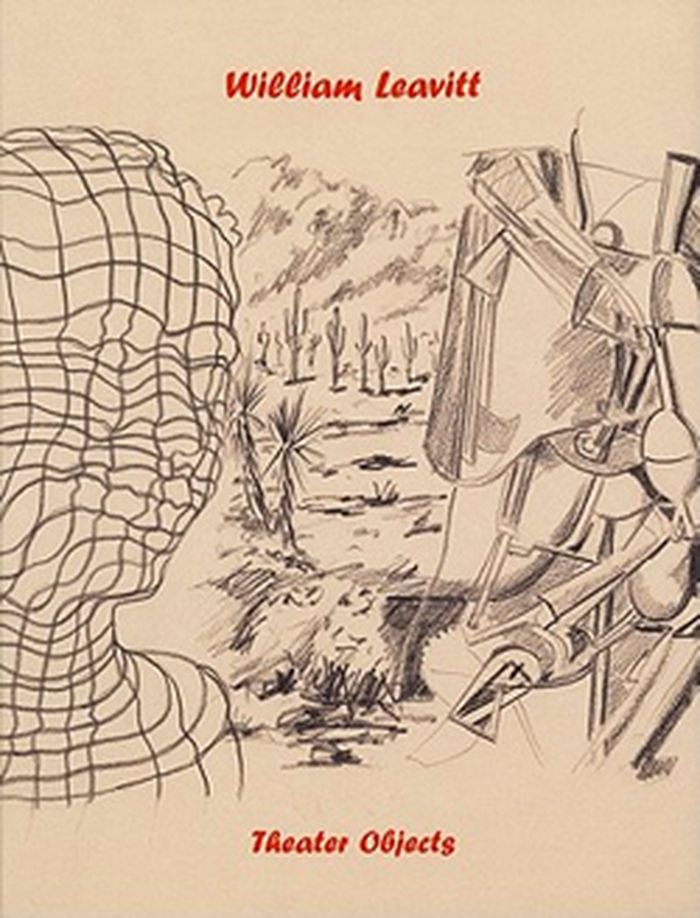
A pioneer of Conceptual art in Los Angeles during the late 1960s and 1970s, the painter, installation artist and theater director William Leavitt (born 1941) is above all an artist of narrative devices. Since 1969, his works in all the above media have employed abrupt fragments of popular and vernacular culture and depictions of modernist architecture to construct elusive narratives of cityscapes and environments. The culture and atmosphere of Los Angeles has played a significant role in Leavitt's handling of these themes; classic southern Californian motifs of ever-present artifice and almost washed-out brightness recur throughout his work. Surveying the artist's 40-year career, this volume includes sculptural tableaux, paintings, works on paper, photographs and performances from the late 1960s to the present. Leavitt has created a remarkable oeuvre that has influenced generations of artists, and this volume is both long overdue and highly anticipated.
William Leavitt: Theater Objects
Actions:
Price:
$44.00
(available to order)
Summary:
A pioneer of Conceptual art in Los Angeles during the late 1960s and 1970s, the painter, installation artist and theater director William Leavitt (born 1941) is above all an artist of narrative devices. Since 1969, his works in all the above media have employed abrupt fragments of popular and vernacular culture and depictions of modernist architecture to construct elusive narratives of cityscapes and environments. The culture and atmosphere of Los Angeles has played a significant role in Leavitt's handling of these themes; classic southern Californian motifs of ever-present artifice and almost washed-out brightness recur throughout his work. Surveying the artist's 40-year career, this volume includes sculptural tableaux, paintings, works on paper, photographs and performances from the late 1960s to the present. Leavitt has created a remarkable oeuvre that has influenced generations of artists, and this volume is both long overdue and highly anticipated.
Form:
books
books
Publication:
April 2011
April 2011
Subject:
Contemporary Art Monographs
Contemporary Art Monographs
Form:
books
books

Actions:
Price:
$22.00
(available in store)
Summary:
Nova Cantabrigiensis is a utopian island in the middle of the Minas Basin, Nova Scotia. It is the invention of visionary outsider artist John Devlin, and was designed to recreate the atmosphere and architecture of Cambridge, England, which John considers to be the perfect city. John came to study in Cambridge in 1979, and fell in love with its unique ambience.(...)
$22.00
(available in store)
Summary:
Nova Cantabrigiensis is a utopian island in the middle of the Minas Basin, Nova Scotia. It is the invention of visionary outsider artist John Devlin, and was designed to recreate the atmosphere and architecture of Cambridge, England, which John considers to be the perfect city. John came to study in Cambridge in 1979, and fell in love with its unique ambience.(...)
Title:
John Devlin: Nova Cantabrigiensis
Actions:
Price:
$22.00
(available in store)
Summary:
Nova Cantabrigiensis is a utopian island in the middle of the Minas Basin, Nova Scotia. It is the invention of visionary outsider artist John Devlin, and was designed to recreate the atmosphere and architecture of Cambridge, England, which John considers to be the perfect city. John came to study in Cambridge in 1979, and fell in love with its unique ambience. When mental illness forced him to return home to Canada after just one year, he became obsessed with discovering the secret to 'the Cambridge essence'. Over ten years, John created over 360 beautiful and unique illustrations, dream-like sketches of re-imagined and reconfigured Cambridge buildings, drawn again and again in the pursuit of perfection. The book Nova Cantabrigiensis presents a selection of John's illustrations, as well as an essay describing his plans for the island and his mathematical theories about architecture. It is published by Island Editions.
John Devlin: Nova Cantabrigiensis
Actions:
Price:
$22.00
(available in store)
Summary:
Nova Cantabrigiensis is a utopian island in the middle of the Minas Basin, Nova Scotia. It is the invention of visionary outsider artist John Devlin, and was designed to recreate the atmosphere and architecture of Cambridge, England, which John considers to be the perfect city. John came to study in Cambridge in 1979, and fell in love with its unique ambience. When mental illness forced him to return home to Canada after just one year, he became obsessed with discovering the secret to 'the Cambridge essence'. Over ten years, John created over 360 beautiful and unique illustrations, dream-like sketches of re-imagined and reconfigured Cambridge buildings, drawn again and again in the pursuit of perfection. The book Nova Cantabrigiensis presents a selection of John's illustrations, as well as an essay describing his plans for the island and his mathematical theories about architecture. It is published by Island Editions.
Form:
books
books
Publication:
February 2012
February 2012
Form:
books
books
Actions:
Price:
$69.99
(available to order)
Summary:
Once no more than gathering spots with domestic interiors, cafes and bars have evolved into places for relaxation where people go to escape the monotony of everyday life. Seen in this light, the design of a bar's interior is crucial: it's a setting that has to stir the senses, generate a great atmosphere and help create an unforgettable night out. The 40 innovative(...)
$69.99
(available to order)
Summary:
Once no more than gathering spots with domestic interiors, cafes and bars have evolved into places for relaxation where people go to escape the monotony of everyday life. Seen in this light, the design of a bar's interior is crucial: it's a setting that has to stir the senses, generate a great atmosphere and help create an unforgettable night out. The 40 innovative(...)
Subject:
Commercial interiors, Building types
Commercial interiors, Building types
Publication:
October 2007, Amsterdam
October 2007, Amsterdam
Title:
Behind bars: Design for cafés & bars
Actions:
Price:
$69.99
(available to order)
Summary:
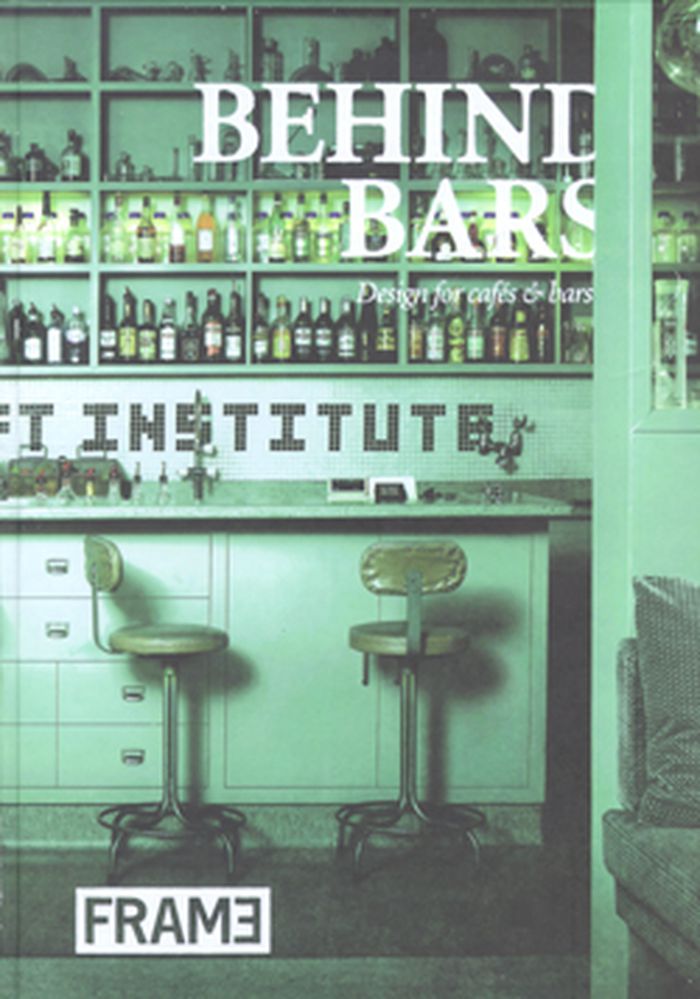
Once no more than gathering spots with domestic interiors, cafes and bars have evolved into places for relaxation where people go to escape the monotony of everyday life. Seen in this light, the design of a bar's interior is crucial: it's a setting that has to stir the senses, generate a great atmosphere and help create an unforgettable night out. The 40 innovative projects featured in "Behind Bars" are proof that more and more designers rely on high-tech solutions to produce a look geared to these demands. Their interiors not only demonstrate a high level of creativity and variety but also push the limits of style theme and materials. The result is one spectacular space after another. Each cafe or bar in the book is accompanied by quality images, floor plans and a full description based on an interview with each of the designers. "Behind Bars" is an inpsiring compilation of today's trends in bar design.
Behind bars: Design for cafés & bars
Actions:
Price:
$69.99
(available to order)
Summary:
Once no more than gathering spots with domestic interiors, cafes and bars have evolved into places for relaxation where people go to escape the monotony of everyday life. Seen in this light, the design of a bar's interior is crucial: it's a setting that has to stir the senses, generate a great atmosphere and help create an unforgettable night out. The 40 innovative projects featured in "Behind Bars" are proof that more and more designers rely on high-tech solutions to produce a look geared to these demands. Their interiors not only demonstrate a high level of creativity and variety but also push the limits of style theme and materials. The result is one spectacular space after another. Each cafe or bar in the book is accompanied by quality images, floor plans and a full description based on an interview with each of the designers. "Behind Bars" is an inpsiring compilation of today's trends in bar design.
Form:
books
books
Publication:
October 2007, Amsterdam
October 2007, Amsterdam
Subject:
Commercial interiors, Building types
Commercial interiors, Building types
Form:
books
books
Actions:
Price:
$104.95
(available to order)
Summary:
The Engineering Guide to LEED-New Construction provides a solid understanding of the U.S. Green Building Council's LEED-NC rating system, explaining step-by-step how to apply it to real-world construction projects. This much-needed reference offers practical discussions of the main concepts of sustainability, and also presents detailed equations and exercises that can(...)
$104.95
(available to order)
Summary:
The Engineering Guide to LEED-New Construction provides a solid understanding of the U.S. Green Building Council's LEED-NC rating system, explaining step-by-step how to apply it to real-world construction projects. This much-needed reference offers practical discussions of the main concepts of sustainability, and also presents detailed equations and exercises that can(...)
Title:
The engineering guide to Leed new construction: sustainable construction for engineers
Actions:
Price:
$104.95
(available to order)
Summary:
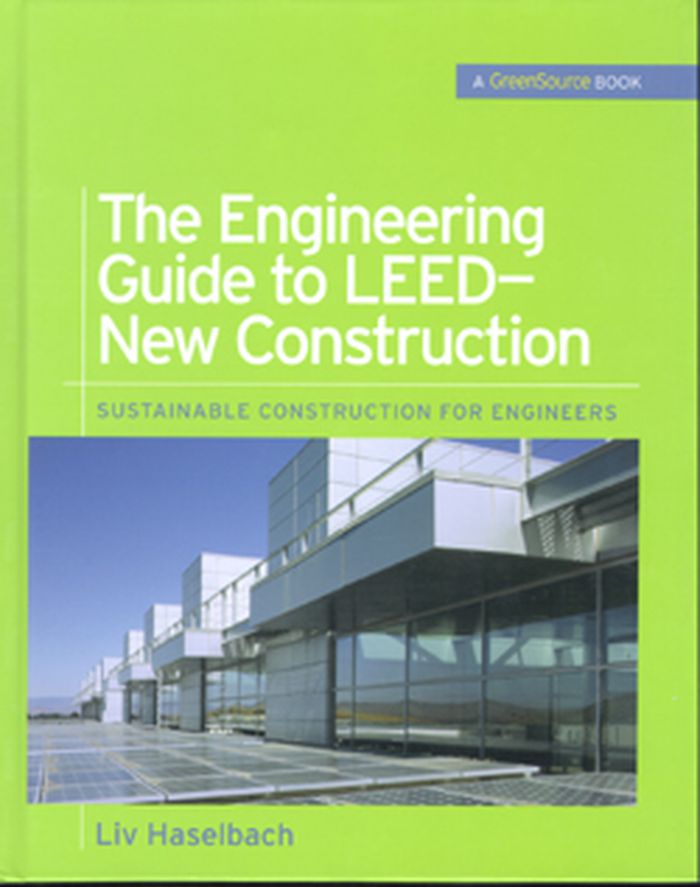
The Engineering Guide to LEED-New Construction provides a solid understanding of the U.S. Green Building Council's LEED-NC rating system, explaining step-by-step how to apply it to real-world construction projects. This much-needed reference offers practical discussions of the main concepts of sustainability, and also presents detailed equations and exercises that can be used to perform the calculations outlined in LEED-NC. You will find authoritative information on sustainable sites…water efficiency… energy and atmosphere…materials and resources…indoor environmental quality…innovations in design…a systematic view of green…and many other topics related to sustainability in construction. A valuable tool for the office or job site, The Engineering Guide to LEED-New Construction features: A practical focus on the LEED-NC rating system and how to apply it. Numerous exercises and equations that can be used to perform the calculations outlined in LEED-NC Expert guidance on the main concepts of sustainability. A wealth of information on innovation in design.
The engineering guide to Leed new construction: sustainable construction for engineers
Actions:
Price:
$104.95
(available to order)
Summary:
The Engineering Guide to LEED-New Construction provides a solid understanding of the U.S. Green Building Council's LEED-NC rating system, explaining step-by-step how to apply it to real-world construction projects. This much-needed reference offers practical discussions of the main concepts of sustainability, and also presents detailed equations and exercises that can be used to perform the calculations outlined in LEED-NC. You will find authoritative information on sustainable sites…water efficiency… energy and atmosphere…materials and resources…indoor environmental quality…innovations in design…a systematic view of green…and many other topics related to sustainability in construction. A valuable tool for the office or job site, The Engineering Guide to LEED-New Construction features: A practical focus on the LEED-NC rating system and how to apply it. Numerous exercises and equations that can be used to perform the calculations outlined in LEED-NC Expert guidance on the main concepts of sustainability. A wealth of information on innovation in design.
Form:
books
books
Publication:
March 2008, New York
March 2008, New York
Subject:
Green Architecture
Green Architecture
Form:
books
books

Actions:
Price:
$39.95
(available in store)
Summary:
Where has our planet come from, and what lies beneath its surface? How have we come to understand its past and present environments, and what does its future look like? Thanks to scientists who study its rocks, fossils, and landscapes, we know that Earth history spans over four and a half billion years. But there is still much more to discover. This ''Little History''(...)
$39.95
(available in store)
Summary:
Where has our planet come from, and what lies beneath its surface? How have we come to understand its past and present environments, and what does its future look like? Thanks to scientists who study its rocks, fossils, and landscapes, we know that Earth history spans over four and a half billion years. But there is still much more to discover. This ''Little History''(...)
Title:
A little history of the earth
Actions:
Price:
$39.95
(available in store)
Summary:
Where has our planet come from, and what lies beneath its surface? How have we come to understand its past and present environments, and what does its future look like? Thanks to scientists who study its rocks, fossils, and landscapes, we know that Earth history spans over four and a half billion years. But there is still much more to discover. This ''Little History'' recounts our planet’s fascinating past and the science which has shaped how we think about it. Taking us from the formation of the Solar System, the evolution of our atmosphere and oceans, and the first signs of life, through to dinosaurs, mammals, and the eventual arrival of humans, Woodward shows us the full span of Earth history, from deep time to the Anthropocene. Along the way, we learn about the major breakthroughs of the pioneering scientists who have unearthed our planet’s secrets. From fossils of ancient creatures to the very air we breathe, this is the essential guide to our world.
A little history of the earth
Actions:
Price:
$39.95
(available in store)
Summary:
Where has our planet come from, and what lies beneath its surface? How have we come to understand its past and present environments, and what does its future look like? Thanks to scientists who study its rocks, fossils, and landscapes, we know that Earth history spans over four and a half billion years. But there is still much more to discover. This ''Little History'' recounts our planet’s fascinating past and the science which has shaped how we think about it. Taking us from the formation of the Solar System, the evolution of our atmosphere and oceans, and the first signs of life, through to dinosaurs, mammals, and the eventual arrival of humans, Woodward shows us the full span of Earth history, from deep time to the Anthropocene. Along the way, we learn about the major breakthroughs of the pioneering scientists who have unearthed our planet’s secrets. From fossils of ancient creatures to the very air we breathe, this is the essential guide to our world.
Form:
books
books
Publication:
November 2025
November 2025
Subject:
Landscape Theory
Landscape Theory
Form:
books
books
Title:
Mimi Plumb: Blazing light
Mimi Plumb: Blazing light
Actions:
Price:
$100.95
(available in store)
Summary:
"Blazing Light" is published to coincide with Mimi Plumb’s first solo museum exhibition of the same name (High Museum of Art, Atlanta, Georgia) and brings together three of her major bodies of work—The White Sky, Landfall and The Golden City, and The Reservoir—that collectively contemplate the anxieties of American life in the waning years of the Cold War and its(...)
$100.95
(available in store)
Summary:
"Blazing Light" is published to coincide with Mimi Plumb’s first solo museum exhibition of the same name (High Museum of Art, Atlanta, Georgia) and brings together three of her major bodies of work—The White Sky, Landfall and The Golden City, and The Reservoir—that collectively contemplate the anxieties of American life in the waning years of the Cold War and its(...)
Title:
Mimi Plumb: Blazing light
Actions:
Price:
$100.95
(available in store)
Summary:
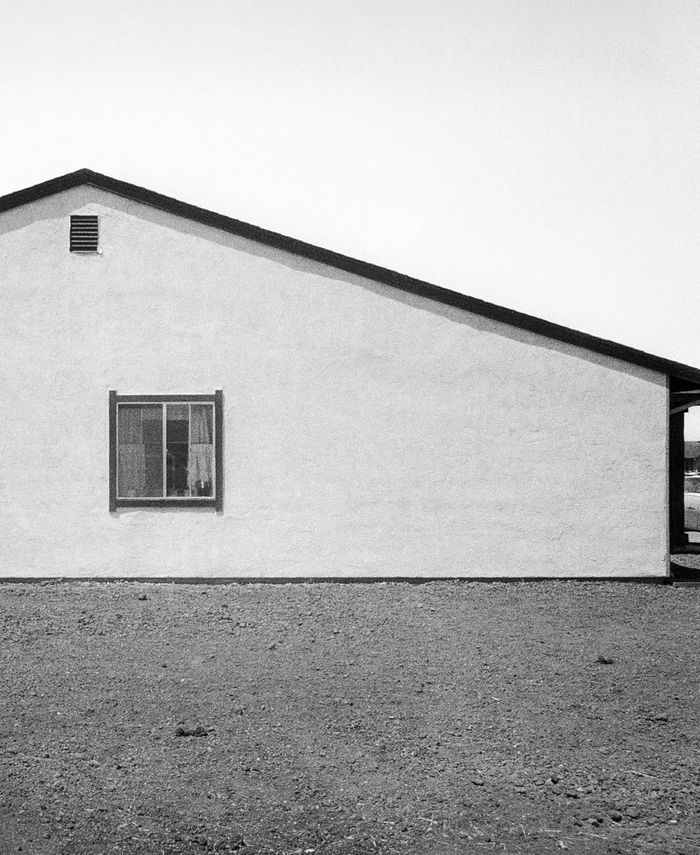
"Blazing Light" is published to coincide with Mimi Plumb’s first solo museum exhibition of the same name (High Museum of Art, Atlanta, Georgia) and brings together three of her major bodies of work—The White Sky, Landfall and The Golden City, and The Reservoir—that collectively contemplate the anxieties of American life in the waning years of the Cold War and its aftermath. In the 1970s, Plumb began photographing as a teenager in the San Francisco suburb of Walnut Creek at a time marked by rapid development of the land coupled with global political and economic instability. Her early artistic life was defined by a burgeoning awareness of global warming, the AIDS epidemic, violent conflict in Latin America and the Middle East, and a looming threat of nuclear war. This atmosphere attuned Plumb to the evidence of such forces in the land, the built environment, and the ways people carry themselves and relate to one another—concerns that continue to abide in her work to this day.
Mimi Plumb: Blazing light
Actions:
Price:
$100.95
(available in store)
Summary:
"Blazing Light" is published to coincide with Mimi Plumb’s first solo museum exhibition of the same name (High Museum of Art, Atlanta, Georgia) and brings together three of her major bodies of work—The White Sky, Landfall and The Golden City, and The Reservoir—that collectively contemplate the anxieties of American life in the waning years of the Cold War and its aftermath. In the 1970s, Plumb began photographing as a teenager in the San Francisco suburb of Walnut Creek at a time marked by rapid development of the land coupled with global political and economic instability. Her early artistic life was defined by a burgeoning awareness of global warming, the AIDS epidemic, violent conflict in Latin America and the Middle East, and a looming threat of nuclear war. This atmosphere attuned Plumb to the evidence of such forces in the land, the built environment, and the ways people carry themselves and relate to one another—concerns that continue to abide in her work to this day.
Form:
books
books
Publication:
February 2026
February 2026
Subject:
Photography monographs
Photography monographs
Form:
books
books
Actions:
Price:
$53.95
(available to order)
Summary:
Dependent on the extractive practices of fossil-fueled industrial capitalism, chemical photography’s emulsions and films were highly sensitive to polluted atmospheres, and photographic companies had to work hard to control this sensitivity. Drawing on histories of empire, coal, and chemistry and from the archives of British photographic manufacturer Ilford Limited,(...)
$53.95
(available to order)
Summary:
Dependent on the extractive practices of fossil-fueled industrial capitalism, chemical photography’s emulsions and films were highly sensitive to polluted atmospheres, and photographic companies had to work hard to control this sensitivity. Drawing on histories of empire, coal, and chemistry and from the archives of British photographic manufacturer Ilford Limited,(...)
Title:
A dirty history of photography: Chemistry, fog, and empire
Actions:
Price:
$53.95
(available to order)
Summary:
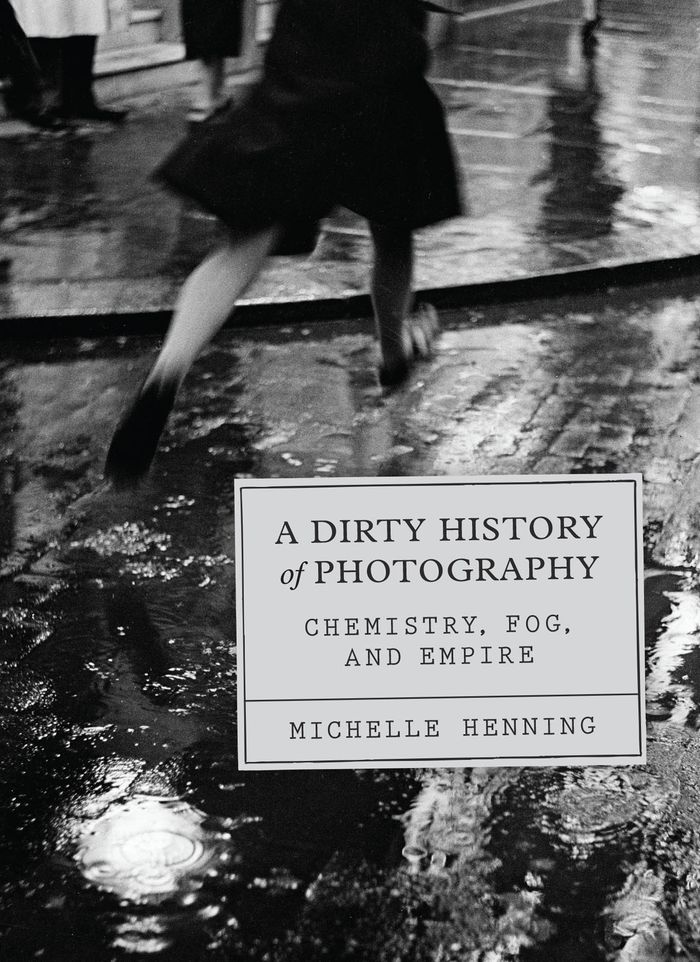
Dependent on the extractive practices of fossil-fueled industrial capitalism, chemical photography’s emulsions and films were highly sensitive to polluted atmospheres, and photographic companies had to work hard to control this sensitivity. Drawing on histories of empire, coal, and chemistry and from the archives of British photographic manufacturer Ilford Limited, Michelle Henning exposes the ways photography shaped how we see and understand the atmosphere while leaving its toxic residues in the air, soil, and water. Structured as thirty-six short chapters and with over seventy illustrations, this innovative book begins in interwar London, follows the supply of Ilford products to photographers on the West African coast, and considers photography as a military technology linked to the development of chemical warfare. Combining close readings of photographs with discussions of low-light, tropical, and aerial photography, Henning examines the extraction and development of photographic materials, their role in the current environmental crisis, and how they have shaped experiences of time and the environment.
A dirty history of photography: Chemistry, fog, and empire
Actions:
Price:
$53.95
(available to order)
Summary:
Dependent on the extractive practices of fossil-fueled industrial capitalism, chemical photography’s emulsions and films were highly sensitive to polluted atmospheres, and photographic companies had to work hard to control this sensitivity. Drawing on histories of empire, coal, and chemistry and from the archives of British photographic manufacturer Ilford Limited, Michelle Henning exposes the ways photography shaped how we see and understand the atmosphere while leaving its toxic residues in the air, soil, and water. Structured as thirty-six short chapters and with over seventy illustrations, this innovative book begins in interwar London, follows the supply of Ilford products to photographers on the West African coast, and considers photography as a military technology linked to the development of chemical warfare. Combining close readings of photographs with discussions of low-light, tropical, and aerial photography, Henning examines the extraction and development of photographic materials, their role in the current environmental crisis, and how they have shaped experiences of time and the environment.
Form:
books
books
Publication:
January 2026
January 2026
Subject:
Photography monographs
Photography monographs
Form:
books
books
Actions:
Price:
$420.00
(available to order)
Summary:
Le Corbusier designed two collections of colors for the Salubra wallpaper company, the “Clavier de couleurs” of 1931, with 43 colors, and the 1959 collection, with 20. Not content with the choice of 43 colors drawn from his experience as an architect and painter, he organized the tones on 12 sample cards in such a manner that one could use a slider to isolate or combine(...)
$420.00
(available to order)
Summary:
Le Corbusier designed two collections of colors for the Salubra wallpaper company, the “Clavier de couleurs” of 1931, with 43 colors, and the 1959 collection, with 20. Not content with the choice of 43 colors drawn from his experience as an architect and painter, he organized the tones on 12 sample cards in such a manner that one could use a slider to isolate or combine(...)
Title:
Le Corbusier: polychromie architecturale
Actions:
Price:
$420.00
(available to order)
Summary:
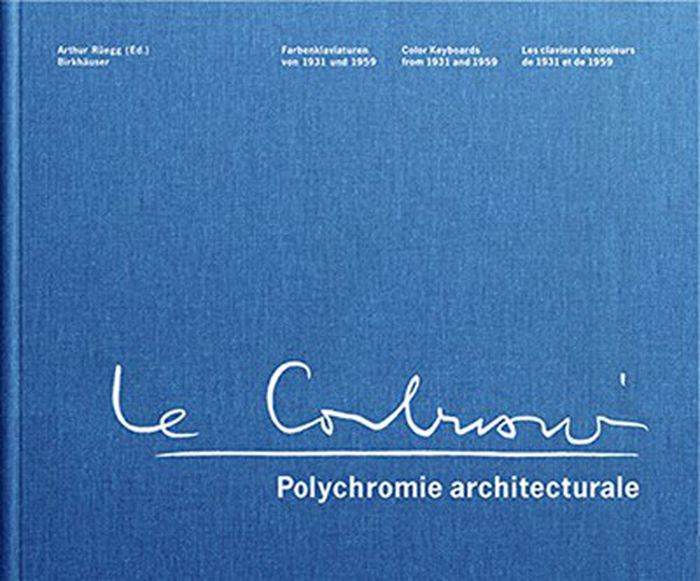
Le Corbusier designed two collections of colors for the Salubra wallpaper company, the “Clavier de couleurs” of 1931, with 43 colors, and the 1959 collection, with 20. Not content with the choice of 43 colors drawn from his experience as an architect and painter, he organized the tones on 12 sample cards in such a manner that one could use a slider to isolate or combine different sets of three to five colors. Each of these cards contained a different chromatic atmosphere, intended, when used, to produce a particular spatial effect. Thus Le Corbusier not only created a useful tool but also a kind of testament of the purist theory of color. In 1959 he created a second collection reflecting the changes in his views, with 20 single colors assembled on a single “clavier.” In the first volume, Arthur Rüegg, a professor at the Eidgenössische Technische Hochschule and a specialist in Le Corbusier, explores the significance of the Salubra collections for the history of modern architecture.
Le Corbusier: polychromie architecturale
Actions:
Price:
$420.00
(available to order)
Summary:
Le Corbusier designed two collections of colors for the Salubra wallpaper company, the “Clavier de couleurs” of 1931, with 43 colors, and the 1959 collection, with 20. Not content with the choice of 43 colors drawn from his experience as an architect and painter, he organized the tones on 12 sample cards in such a manner that one could use a slider to isolate or combine different sets of three to five colors. Each of these cards contained a different chromatic atmosphere, intended, when used, to produce a particular spatial effect. Thus Le Corbusier not only created a useful tool but also a kind of testament of the purist theory of color. In 1959 he created a second collection reflecting the changes in his views, with 20 single colors assembled on a single “clavier.” In the first volume, Arthur Rüegg, a professor at the Eidgenössische Technische Hochschule and a specialist in Le Corbusier, explores the significance of the Salubra collections for the history of modern architecture.
Form:
books
books
Publication:
April 2006
April 2006
Subject:
Architecture Monographs
Architecture Monographs


