


4352 Results
Form:
books
books
Actions:
Price:
$50.95
(available to order)
Summary:
What is the role of architecture if not to realize a shared vision of the “good life,” a vision that in the age of architectural modernism shaped—and was shaped by—a range of ideas about the home? With "The good life", Iñaki Ábalos serves as our guide for a tour of seven iconic twentieth-century homes that represent various concepts for living. Some of the homes were(...)
$50.95
(available to order)
Summary:
What is the role of architecture if not to realize a shared vision of the “good life,” a vision that in the age of architectural modernism shaped—and was shaped by—a range of ideas about the home? With "The good life", Iñaki Ábalos serves as our guide for a tour of seven iconic twentieth-century homes that represent various concepts for living. Some of the homes were(...)
Title:
The good life: a guided visit to the houses of modernity
Actions:
Price:
$50.95
(available to order)
Summary:
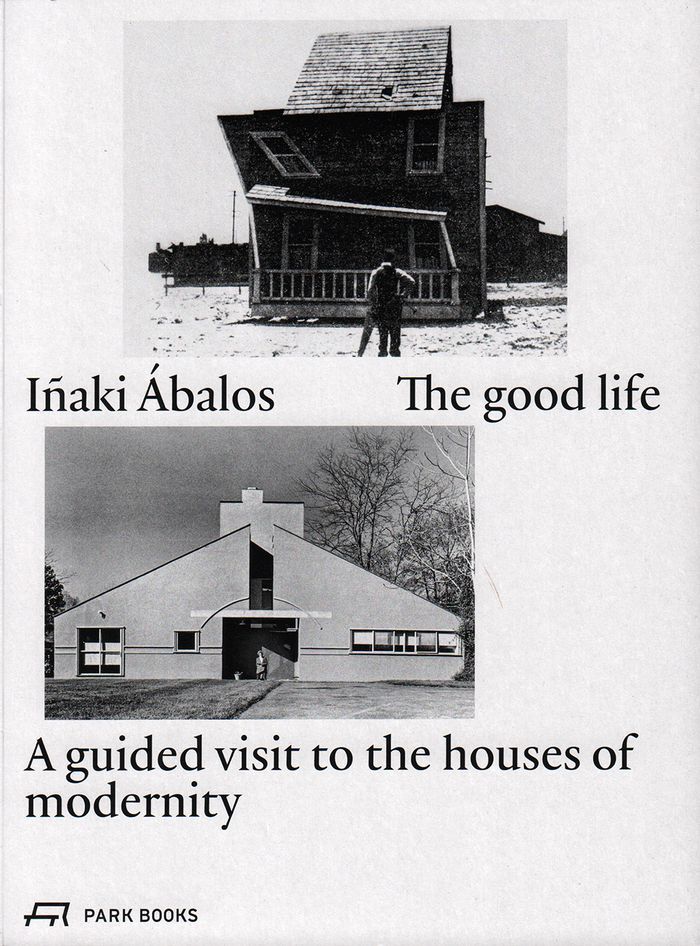
What is the role of architecture if not to realize a shared vision of the “good life,” a vision that in the age of architectural modernism shaped—and was shaped by—a range of ideas about the home? With "The good life", Iñaki Ábalos serves as our guide for a tour of seven iconic twentieth-century homes that represent various concepts for living. Some of the homes were actually built, while others were merely planned, painted, or created as part of a film set. We see Mies van der Rohe’s House with Three Patios, Martin Heidegger’s cabin in the Black Forest, Picasso’s Villa La Californie in Cannes, and the New York loft that Andy Warhol called The Factory. From the ultramodern geometric houses and gardens in Jacques Tati’s Mon Oncle, we travel to the famed hobby-kit house in Buster Keaton’s One Week and on to the sunny swimming pool and home in David Hockney’s painting A Bigger Splash. Ábalos guides readers through the key philosophical precepts that likely guided the creation of these homes, making insightful points about the relationship between ideas about a particular modern way of living and approaches to architecture and design. What he concludes is that modernism marks less a coherent triumph of positivism, as is often assumed, than a loose celebration of the radical pluralism of the twentieth century.
The good life: a guided visit to the houses of modernity
Actions:
Price:
$50.95
(available to order)
Summary:
What is the role of architecture if not to realize a shared vision of the “good life,” a vision that in the age of architectural modernism shaped—and was shaped by—a range of ideas about the home? With "The good life", Iñaki Ábalos serves as our guide for a tour of seven iconic twentieth-century homes that represent various concepts for living. Some of the homes were actually built, while others were merely planned, painted, or created as part of a film set. We see Mies van der Rohe’s House with Three Patios, Martin Heidegger’s cabin in the Black Forest, Picasso’s Villa La Californie in Cannes, and the New York loft that Andy Warhol called The Factory. From the ultramodern geometric houses and gardens in Jacques Tati’s Mon Oncle, we travel to the famed hobby-kit house in Buster Keaton’s One Week and on to the sunny swimming pool and home in David Hockney’s painting A Bigger Splash. Ábalos guides readers through the key philosophical precepts that likely guided the creation of these homes, making insightful points about the relationship between ideas about a particular modern way of living and approaches to architecture and design. What he concludes is that modernism marks less a coherent triumph of positivism, as is often assumed, than a loose celebration of the radical pluralism of the twentieth century.
Form:
books
books
Publication:
October 2017
October 2017
Subject:
Modernism
Modernism
Form:
maps
maps
Actions:
Holdings:
Description:
1 atlas (vii, 156 pages) : illustrations (chiefly color), color maps ; 31 cm
Description:
1 atlas (vii, 156 pages) : illustrations (chiefly color), color maps ; 31 cm
Author:
Subject:
Publication:
Berkeley : University of California Press, [2010], ©2010
Berkeley : University of California Press, [2010], ©2010
Title:
Infinite city : a San Francisco atlas / by Rebecca Solnit ; with cartographers, Ben Pease, Shizue Seigel.
Actions:
Holdings:
Description:
1 atlas (vii, 156 pages) : illustrations (chiefly color), color maps ; 31 cm
Infinite city : a San Francisco atlas / by Rebecca Solnit ; with cartographers, Ben Pease, Shizue Seigel.
Actions:
Holdings:
Description:
1 atlas (vii, 156 pages) : illustrations (chiefly color), color maps ; 31 cm
Form:
maps
maps
Publication:
Berkeley : University of California Press, [2010], ©2010
Berkeley : University of California Press, [2010], ©2010
Author:
Subject:
Form:
books
books
Title:
Tacita Dean: Why Cy
Tacita Dean: Why Cy
Actions:
Price:
$115.00
(available in store)
Summary:
In February 2024, Tacita Dean undertook a residency in the Cy Twombly Gallery at the Menil Collection in Houston. Designed by architect Renzo Piano in collaboration with Twombly, the Gallery houses a display of Twombly’s work organised by the artist to augment the building’s mood of disorientation and temporal suspension. For Dean, it is a site of pilgrimage and ‘a place(...)
$115.00
(available in store)
Summary:
In February 2024, Tacita Dean undertook a residency in the Cy Twombly Gallery at the Menil Collection in Houston. Designed by architect Renzo Piano in collaboration with Twombly, the Gallery houses a display of Twombly’s work organised by the artist to augment the building’s mood of disorientation and temporal suspension. For Dean, it is a site of pilgrimage and ‘a place(...)
Title:
Tacita Dean: Why Cy
Actions:
Price:
$115.00
(available in store)
Summary:
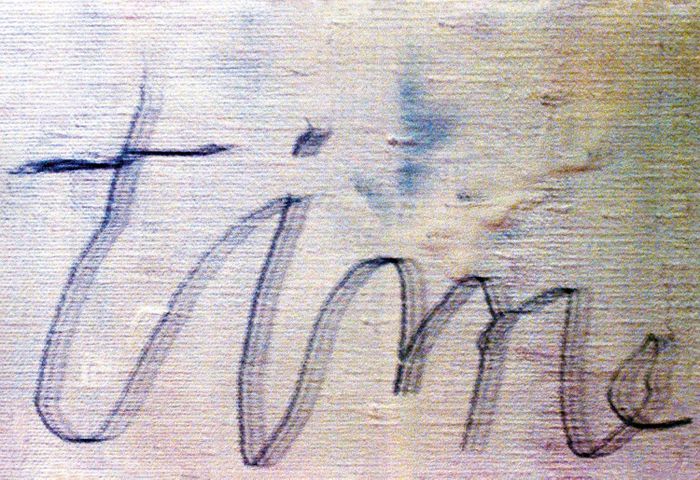
In February 2024, Tacita Dean undertook a residency in the Cy Twombly Gallery at the Menil Collection in Houston. Designed by architect Renzo Piano in collaboration with Twombly, the Gallery houses a display of Twombly’s work organised by the artist to augment the building’s mood of disorientation and temporal suspension. For Dean, it is a site of pilgrimage and ‘a place to go out of your head’. Dean has loved the work of the American painter and sculptor since writing her art school thesis on him in the late 1980s. She photographed his studio home in Gaeta, Italy, in 2009, made a film with him in 2011 called Edwin Parker, and has written about his work on numerous occasions. During her time at the Menil, she asked permission to spend a night in the Gallery. "Why Cy" is a book of exuberant adoration, full of colour and black-and-white photographs that pay homage to this singular artist. It reflects Dean’s longstanding admiration for Twombly’s work and her close affinity with it, while at the same time taking a new, surprising, and unintended path. The book includes a booklet of notes by Dean developed out of her night with Cy, and coincides with the exhibition ‘Tacita Dean: Blind Folly’ at the Menil Collection (11 October 2024–19 April 2025), which includes a room dedicated to celebrating the connection between Dean and Twombly. Limited edition of 1,000 signed and numbered copies
Tacita Dean: Why Cy
Actions:
Price:
$115.00
(available in store)
Summary:
In February 2024, Tacita Dean undertook a residency in the Cy Twombly Gallery at the Menil Collection in Houston. Designed by architect Renzo Piano in collaboration with Twombly, the Gallery houses a display of Twombly’s work organised by the artist to augment the building’s mood of disorientation and temporal suspension. For Dean, it is a site of pilgrimage and ‘a place to go out of your head’. Dean has loved the work of the American painter and sculptor since writing her art school thesis on him in the late 1980s. She photographed his studio home in Gaeta, Italy, in 2009, made a film with him in 2011 called Edwin Parker, and has written about his work on numerous occasions. During her time at the Menil, she asked permission to spend a night in the Gallery. "Why Cy" is a book of exuberant adoration, full of colour and black-and-white photographs that pay homage to this singular artist. It reflects Dean’s longstanding admiration for Twombly’s work and her close affinity with it, while at the same time taking a new, surprising, and unintended path. The book includes a booklet of notes by Dean developed out of her night with Cy, and coincides with the exhibition ‘Tacita Dean: Blind Folly’ at the Menil Collection (11 October 2024–19 April 2025), which includes a room dedicated to celebrating the connection between Dean and Twombly. Limited edition of 1,000 signed and numbered copies
Form:
books
books
Publication:
February 2025
February 2025
Subject:
Photography monographs
Photography monographs
Form:
books
books
Actions:
Price:
$60.00
(available in store)
Summary:
''Paying Attention'' gathers nearly seventy of the best and varied examples of Lynne Tillman’s writings in reference to art and culture published over the course of forty years. In essays that operate outside typical categories or genres, Tillman reflects on forms including film, painting, photography, poetry, and fiction, as well as notions of fame, originality, embodied(...)
$60.00
(available in store)
Summary:
''Paying Attention'' gathers nearly seventy of the best and varied examples of Lynne Tillman’s writings in reference to art and culture published over the course of forty years. In essays that operate outside typical categories or genres, Tillman reflects on forms including film, painting, photography, poetry, and fiction, as well as notions of fame, originality, embodied(...)
Title:
Lynne Tillman: Paying attention
Actions:
Price:
$60.00
(available in store)
Summary:
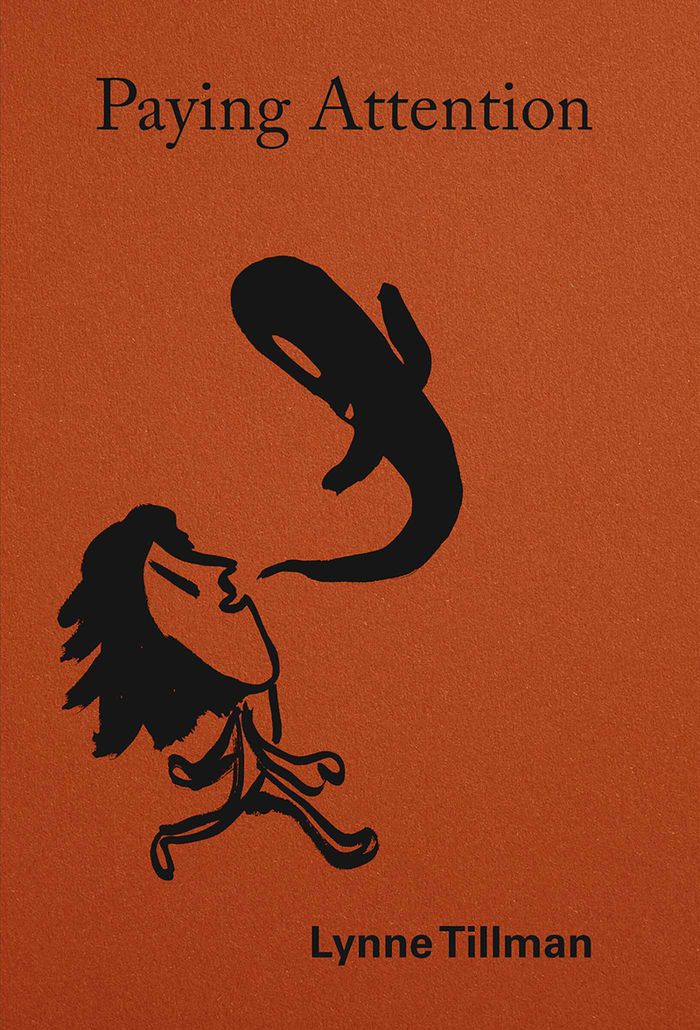
''Paying Attention'' gathers nearly seventy of the best and varied examples of Lynne Tillman’s writings in reference to art and culture published over the course of forty years. In essays that operate outside typical categories or genres, Tillman reflects on forms including film, painting, photography, poetry, and fiction, as well as notions of fame, originality, embodied viewing and thinking, collective activity, aging, illness, American identity, cultural politics, modernity, strangeness, and time. Such is the stuff that relates art to life, and life to art. Collected mainly from museum and gallery catalogues, artists’ books and monographs, her column in ''Frieze'', and magazines including ''Aperture'' and ''Artforum'', these meditations on artists and writers, in the broadest sense of these labels, collide as a portrait of our cultural moment. Tillman’s inventive use of language and lateral thought, her ability to evoke conditions of the larger world in often just two thousand words on a specific artwork or individual, make her one of the most significant critics of our time. As she acknowledges, in a piece on the artist Robert Gober, “In writing on art, words reach for other words, phrases, idioms, and through them more images and ideas leap out.” In her introduction, Elizabeth Schambelan notes that a hallmark of Tillman’s writing alongside artists is an “elegant rendering of complexity,” and in approaching Tillman’s body of work and thought, Schambelan herself deftly imbricates the art, voice, and language of criticism.
Lynne Tillman: Paying attention
Actions:
Price:
$60.00
(available in store)
Summary:
''Paying Attention'' gathers nearly seventy of the best and varied examples of Lynne Tillman’s writings in reference to art and culture published over the course of forty years. In essays that operate outside typical categories or genres, Tillman reflects on forms including film, painting, photography, poetry, and fiction, as well as notions of fame, originality, embodied viewing and thinking, collective activity, aging, illness, American identity, cultural politics, modernity, strangeness, and time. Such is the stuff that relates art to life, and life to art. Collected mainly from museum and gallery catalogues, artists’ books and monographs, her column in ''Frieze'', and magazines including ''Aperture'' and ''Artforum'', these meditations on artists and writers, in the broadest sense of these labels, collide as a portrait of our cultural moment. Tillman’s inventive use of language and lateral thought, her ability to evoke conditions of the larger world in often just two thousand words on a specific artwork or individual, make her one of the most significant critics of our time. As she acknowledges, in a piece on the artist Robert Gober, “In writing on art, words reach for other words, phrases, idioms, and through them more images and ideas leap out.” In her introduction, Elizabeth Schambelan notes that a hallmark of Tillman’s writing alongside artists is an “elegant rendering of complexity,” and in approaching Tillman’s body of work and thought, Schambelan herself deftly imbricates the art, voice, and language of criticism.
Form:
books
books
Publication:
April 2026
April 2026
Subject:
Art Theory
Art Theory
Form:
books
books
Actions:
Price:
$47.95
(available to order)
Summary:
"Design Culture Now" is the first survey of American design to cut across the disciplines of architecture, product design, and graphic design. This comprehensive work, organized by the Smithsonian's National Design Museum, catalogues the best in (...)
$47.95
(available to order)
Summary:
"Design Culture Now" is the first survey of American design to cut across the disciplines of architecture, product design, and graphic design. This comprehensive work, organized by the Smithsonian's National Design Museum, catalogues the best in (...)
Subject:
Interior Design
Interior Design
Publication:
March 2000, New York
March 2000, New York
Title:
National design triennial : design culture now
Actions:
Price:
$47.95
(available to order)
Summary:
"Design Culture Now" is the first survey of American design to cut across the disciplines of architecture, product design, and graphic design. This comprehensive work, organized by the Smithsonian's National Design Museum, catalogues the best in architecture, interiors, environments, landscapes, products, furniture, fashion, objects, typefaces, posters, publications, film graphics, and interactive media produced over the last three years. Organized around a series of themes -- Branded, Fluid, Local, Minimal, Narrative, Physical, Reclaimed, and Unbelievable -- "Design Culture Now" presents current projects by up-and-coming designers who are forging new ideas at the margins of the profession as well as established masters whose work continues to evolve. Some of the over 80 individuals and firms whose work is repre-sented include Kyle Cooper, who created the titles for the films "Seven", "The Mummy", and "Mission: Impossible"; graphic designers Bruce Mau and Stefan Sagmeister; Jonathan Ive, designer of the iMac; style guru Martha Stewart; Arlen and Cory Ness, customizers of Harley-Davidson motorcycles; Julie Taymor, director and designer of the Broadway musical "The Lion King"; architects Neil Denari and Frank Gehry; Dante Ferretti, art director of the films Kundun and Casino; fashion designers Kate Spade and Geoffrey Beene; and John Kricfalusi, creator of the cartoon "Ren & Stimpy". Authoritative essays by Donald Albrecht, Ellen Lupton, and Steven Skov Holt describe the state of design at the beginning of the new millennium. Vibrantly designed, this exhaustive survey includes hundreds of full-colour images.
National design triennial : design culture now
Actions:
Price:
$47.95
(available to order)
Summary:
"Design Culture Now" is the first survey of American design to cut across the disciplines of architecture, product design, and graphic design. This comprehensive work, organized by the Smithsonian's National Design Museum, catalogues the best in architecture, interiors, environments, landscapes, products, furniture, fashion, objects, typefaces, posters, publications, film graphics, and interactive media produced over the last three years. Organized around a series of themes -- Branded, Fluid, Local, Minimal, Narrative, Physical, Reclaimed, and Unbelievable -- "Design Culture Now" presents current projects by up-and-coming designers who are forging new ideas at the margins of the profession as well as established masters whose work continues to evolve. Some of the over 80 individuals and firms whose work is repre-sented include Kyle Cooper, who created the titles for the films "Seven", "The Mummy", and "Mission: Impossible"; graphic designers Bruce Mau and Stefan Sagmeister; Jonathan Ive, designer of the iMac; style guru Martha Stewart; Arlen and Cory Ness, customizers of Harley-Davidson motorcycles; Julie Taymor, director and designer of the Broadway musical "The Lion King"; architects Neil Denari and Frank Gehry; Dante Ferretti, art director of the films Kundun and Casino; fashion designers Kate Spade and Geoffrey Beene; and John Kricfalusi, creator of the cartoon "Ren & Stimpy". Authoritative essays by Donald Albrecht, Ellen Lupton, and Steven Skov Holt describe the state of design at the beginning of the new millennium. Vibrantly designed, this exhaustive survey includes hundreds of full-colour images.
Form:
books
books
Publication:
March 2000, New York
March 2000, New York
Subject:
Interior Design
Interior Design
Form:
books
books
Title:
AD Space architecture
AD Space architecture
Actions:
Price:
$54.99
(available in store)
Summary:
This Architectural Design title poses a unique challenge to architects. It incites designers to respond to the limitless potential that outer space presents at the beginning of the third millennium. No longer man's final frontier restricted to the activities of government space agencies, the extraterrestial environment is soon to be opened up by private enterprises and(...)
$54.99
(available in store)
Summary:
This Architectural Design title poses a unique challenge to architects. It incites designers to respond to the limitless potential that outer space presents at the beginning of the third millennium. No longer man's final frontier restricted to the activities of government space agencies, the extraterrestial environment is soon to be opened up by private enterprises and(...)
Title:
AD Space architecture
Actions:
Price:
$54.99
(available in store)
Summary:
This Architectural Design title poses a unique challenge to architects. It incites designers to respond to the limitless potential that outer space presents at the beginning of the third millennium. No longer man's final frontier restricted to the activities of government space agencies, the extraterrestial environment is soon to be opened up by private enterprises and individuals. Featured work, by those such as WAT, Shimizu Systems and the X-Prize contenders, prove that entrepreneurial companies are already producing independent pioneering designs for the first tourists. Contributing specialists from a wide range of disciplines endorse these developments: the engineer David Ashford describes the viability of developing commercial passenger planes for space tourism within decades and the economist Patrick Collins analyses the commercial rewards to be reaped from outer space. The social, legal and scientific effects of creating what could ultimately be an unlimited ecological zone beyond Earth are explored further. Just how far reaching the effects will be for the practice of architecture is suggested both by John Zukowsky's comprehensive overview of space architecture and Ted Krueger, who organised an architectural workshop with NASA. This is not, however, to overlook space's artistic impact on architectural design in the latter 20th century. Space Architecture also recognises the seductive power that high-technology space imagery has had for contemporary architects and their debt to film and TV, as well as cult figures such as David Bowie.
AD Space architecture
Actions:
Price:
$54.99
(available in store)
Summary:
This Architectural Design title poses a unique challenge to architects. It incites designers to respond to the limitless potential that outer space presents at the beginning of the third millennium. No longer man's final frontier restricted to the activities of government space agencies, the extraterrestial environment is soon to be opened up by private enterprises and individuals. Featured work, by those such as WAT, Shimizu Systems and the X-Prize contenders, prove that entrepreneurial companies are already producing independent pioneering designs for the first tourists. Contributing specialists from a wide range of disciplines endorse these developments: the engineer David Ashford describes the viability of developing commercial passenger planes for space tourism within decades and the economist Patrick Collins analyses the commercial rewards to be reaped from outer space. The social, legal and scientific effects of creating what could ultimately be an unlimited ecological zone beyond Earth are explored further. Just how far reaching the effects will be for the practice of architecture is suggested both by John Zukowsky's comprehensive overview of space architecture and Ted Krueger, who organised an architectural workshop with NASA. This is not, however, to overlook space's artistic impact on architectural design in the latter 20th century. Space Architecture also recognises the seductive power that high-technology space imagery has had for contemporary architects and their debt to film and TV, as well as cult figures such as David Bowie.
Form:
books
books
Publication:
March 2000
March 2000
Subject:
Architecture since 1900, Europe
Architecture since 1900, Europe
Form:
books
books
Actions:
Price:
$30.00
(available to order)
Summary:
Lavoie médite sur la relation entre un acte final, soit la pose du dernier crampon du Chemin de fer Canadien Pacifique traversant le pays d'est en ouest en 1885 et, en même temps, fondateur puisqu'il permettait de donner réalité à l'idée même de "pays". Cet évènement historique est revisité afin d'y inclure le rôle de tout gouvernement quant à l'établissement du concept(...)
$30.00
(available to order)
Summary:
Lavoie médite sur la relation entre un acte final, soit la pose du dernier crampon du Chemin de fer Canadien Pacifique traversant le pays d'est en ouest en 1885 et, en même temps, fondateur puisqu'il permettait de donner réalité à l'idée même de "pays". Cet évènement historique est revisité afin d'y inclure le rôle de tout gouvernement quant à l'établissement du concept(...)
Title:
Images premières : mutations d'une icône nationale / Primal images : transmutations of a national icon
Actions:
Price:
$30.00
(available to order)
Summary:
Lavoie médite sur la relation entre un acte final, soit la pose du dernier crampon du Chemin de fer Canadien Pacifique traversant le pays d'est en ouest en 1885 et, en même temps, fondateur puisqu'il permettait de donner réalité à l'idée même de "pays". Cet évènement historique est revisité afin d'y inclure le rôle de tout gouvernement quant à l'établissement du concept de "la naissance de la nation". Illustrées avec des photographies, des dessins et des affiches d'époque, cette publication est le volet canadien de l'exposition du Mois de la Photo à Paris 2004 et accompagnera cette même exposition qui sera présentée au Musée McCord dans le cadre du Mois de la Photo à Montréal 2005. En français et anglais. -- This publication accompanies exhibitions in two international photography bienniales. Le Mois de la Photo à Paris 2004 and Le Mois de la Photo à Montréal 2005. The primal image referred to is the photograph recording the completion of Canada's national railway in 1885: "the driving of the last spike". Supported by a wide variety of historical and contemporary documentation, Lavoie shows how this apparently straightforward historical record was used to create the notion of Canada. By looking at the countless reproductions, copies and caricatures of this primal image he dissects the deliberate and ideological construction of nationhood. Profusely illustrated with photographs, film stills, posters and political cartoons from over 100 years. Produced in collaboration with the McCord Museum. In English and French.
Images premières : mutations d'une icône nationale / Primal images : transmutations of a national icon
Actions:
Price:
$30.00
(available to order)
Summary:
Lavoie médite sur la relation entre un acte final, soit la pose du dernier crampon du Chemin de fer Canadien Pacifique traversant le pays d'est en ouest en 1885 et, en même temps, fondateur puisqu'il permettait de donner réalité à l'idée même de "pays". Cet évènement historique est revisité afin d'y inclure le rôle de tout gouvernement quant à l'établissement du concept de "la naissance de la nation". Illustrées avec des photographies, des dessins et des affiches d'époque, cette publication est le volet canadien de l'exposition du Mois de la Photo à Paris 2004 et accompagnera cette même exposition qui sera présentée au Musée McCord dans le cadre du Mois de la Photo à Montréal 2005. En français et anglais. -- This publication accompanies exhibitions in two international photography bienniales. Le Mois de la Photo à Paris 2004 and Le Mois de la Photo à Montréal 2005. The primal image referred to is the photograph recording the completion of Canada's national railway in 1885: "the driving of the last spike". Supported by a wide variety of historical and contemporary documentation, Lavoie shows how this apparently straightforward historical record was used to create the notion of Canada. By looking at the countless reproductions, copies and caricatures of this primal image he dissects the deliberate and ideological construction of nationhood. Profusely illustrated with photographs, film stills, posters and political cartoons from over 100 years. Produced in collaboration with the McCord Museum. In English and French.
Form:
books
books
Publication:
January 2005, Paris
January 2005, Paris
Subject:
Architecture in Canada
Architecture in Canada
Form:
books
books
Actions:
Price:
$33.95
(available to order)
Summary:
Poets often have responded vitally to the art of their time, and ever since Susan Stewart began writing about art in the early 1980s, her work has resonated with practicing artists, curators, art historians, and art critics. Rooted in a broad and learned range of references, Stewart's fresh and independent essays bridge the fields of literature, aesthetics, and(...)
$33.95
(available to order)
Summary:
Poets often have responded vitally to the art of their time, and ever since Susan Stewart began writing about art in the early 1980s, her work has resonated with practicing artists, curators, art historians, and art critics. Rooted in a broad and learned range of references, Stewart's fresh and independent essays bridge the fields of literature, aesthetics, and(...)
Title:
The open studio : Essays on art and aesthetics
Actions:
Price:
$33.95
(available to order)
Summary:
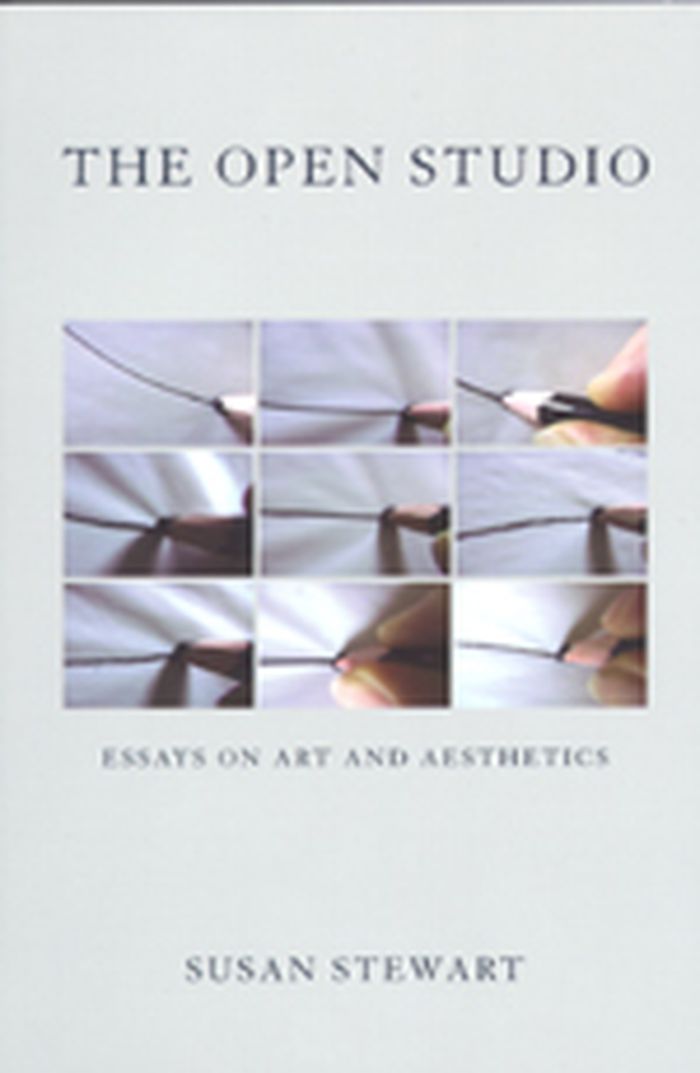
Poets often have responded vitally to the art of their time, and ever since Susan Stewart began writing about art in the early 1980s, her work has resonated with practicing artists, curators, art historians, and art critics. Rooted in a broad and learned range of references, Stewart's fresh and independent essays bridge the fields of literature, aesthetics, and contemporary art. Gathering most of Stewart's writing on contemporary art—long and short pieces first published in small magazines, museum and gallery publications, and edited collections—The Open Studio illuminates work ranging from the installation art of Ann Hamilton to the sculptures and watercolors of Thomas Schütte, the prints and animations of William Kentridge to the films of Tacita Dean. Stewart's essays are often the record of studio conversations with living artists and curators, and of the afterlife of those experiences in the solitude of her own study. Considering a wide variety of art forms, Stewart finds pathbreaking ways to explore them. Whether she is following central traditions of painting, drawing, sculpture, film, photography, and printmaking or exploring the less well-known realms of portrait miniatures, collecting practices, doll-making, music boxes, and gardening, Stewart speaks to the creative process in general and to the relation between art and ethics. The Open Studio will be read eagerly by scholars of art, poetry, and visual theory; by historians interested in the links between contemporary and classic literature and art; and by teachers, students, and practitioners of the visual arts.
The open studio : Essays on art and aesthetics
Actions:
Price:
$33.95
(available to order)
Summary:
Poets often have responded vitally to the art of their time, and ever since Susan Stewart began writing about art in the early 1980s, her work has resonated with practicing artists, curators, art historians, and art critics. Rooted in a broad and learned range of references, Stewart's fresh and independent essays bridge the fields of literature, aesthetics, and contemporary art. Gathering most of Stewart's writing on contemporary art—long and short pieces first published in small magazines, museum and gallery publications, and edited collections—The Open Studio illuminates work ranging from the installation art of Ann Hamilton to the sculptures and watercolors of Thomas Schütte, the prints and animations of William Kentridge to the films of Tacita Dean. Stewart's essays are often the record of studio conversations with living artists and curators, and of the afterlife of those experiences in the solitude of her own study. Considering a wide variety of art forms, Stewart finds pathbreaking ways to explore them. Whether she is following central traditions of painting, drawing, sculpture, film, photography, and printmaking or exploring the less well-known realms of portrait miniatures, collecting practices, doll-making, music boxes, and gardening, Stewart speaks to the creative process in general and to the relation between art and ethics. The Open Studio will be read eagerly by scholars of art, poetry, and visual theory; by historians interested in the links between contemporary and classic literature and art; and by teachers, students, and practitioners of the visual arts.
Form:
books
books
Publication:
September 2004, Chicago London
September 2004, Chicago London
Subject:
Art Theory
Art Theory
Form:
books
books
Actions:
Price:
$43.95
(available to order)
Summary:
This third volume in the Chora series continues to explore diverse historical and critical issues in architecture. Attempting to discover architectural alternatives based on concepts of aesthetics, technology, or sociology, the contributors offer refreshing interdisciplinary explorations of architectural tradition. The thirteen essays in(...)
$43.95
(available to order)
Summary:
This third volume in the Chora series continues to explore diverse historical and critical issues in architecture. Attempting to discover architectural alternatives based on concepts of aesthetics, technology, or sociology, the contributors offer refreshing interdisciplinary explorations of architectural tradition. The thirteen essays in(...)
Subject:
Architectural Theory
Architectural Theory
Publication:
February 1999, Montréal
February 1999, Montréal
Title:
Chora 3 : intervals in the philosophy of architecture
Actions:
Price:
$43.95
(available to order)
Summary:
This third volume in the Chora series continues to explore diverse historical and critical issues in architecture. Attempting to discover architectural alternatives based on concepts of aesthetics, technology, or sociology, the contributors offer refreshing interdisciplinary explorations of architectural tradition. The thirteen essays in this collection include historical subjects as well as speculative theoretical "projects" that blur conventional boundaries between history and fiction. Ricardo Castro provides an original reading of the Kogi culture in Colombia; Maria Karvouni explores philological and architectonic connections between the Greek demas (the political individual) and domus (the house); Mark Rozahegy speculates on relationships between architecture and memory; Myriam Blais discusses technical inventions by sixteenth-century French architect Philibert de l'Orme; Alberto Pérez-Gómez examines the late sixteenth-century reconstruction of the Temple of Jerusalem by Juan Bautista Villalpando; Janine Debanné offers a new perspective on Guarino Guarini's Chapel of the Holy Shroud in Turin; Katja Grillner examines the early seventeenth-century writings of Salomon de Caus and his built work in Heidelberg; David Winterton reflects on Charles-François Viel's "Letters"; Franca Trubiano looks at Jean-Jacques Lequeu's controversial Civil Architecture; Henrik Reeh considers the work of Sigfried Kracauer, a disciple of Walter Benjamin; Irena Zantovská Murray reflects on work by artist Jana Sterbak; artist Ellen Zweig presents a textual project that demonstrates the charged poetic space created by film makers such as Antonioni and Hitchcock; and Swedish writer and architect Sören Thurell asks a riddle about architecture and its mimetic origins.
Chora 3 : intervals in the philosophy of architecture
Actions:
Price:
$43.95
(available to order)
Summary:
This third volume in the Chora series continues to explore diverse historical and critical issues in architecture. Attempting to discover architectural alternatives based on concepts of aesthetics, technology, or sociology, the contributors offer refreshing interdisciplinary explorations of architectural tradition. The thirteen essays in this collection include historical subjects as well as speculative theoretical "projects" that blur conventional boundaries between history and fiction. Ricardo Castro provides an original reading of the Kogi culture in Colombia; Maria Karvouni explores philological and architectonic connections between the Greek demas (the political individual) and domus (the house); Mark Rozahegy speculates on relationships between architecture and memory; Myriam Blais discusses technical inventions by sixteenth-century French architect Philibert de l'Orme; Alberto Pérez-Gómez examines the late sixteenth-century reconstruction of the Temple of Jerusalem by Juan Bautista Villalpando; Janine Debanné offers a new perspective on Guarino Guarini's Chapel of the Holy Shroud in Turin; Katja Grillner examines the early seventeenth-century writings of Salomon de Caus and his built work in Heidelberg; David Winterton reflects on Charles-François Viel's "Letters"; Franca Trubiano looks at Jean-Jacques Lequeu's controversial Civil Architecture; Henrik Reeh considers the work of Sigfried Kracauer, a disciple of Walter Benjamin; Irena Zantovská Murray reflects on work by artist Jana Sterbak; artist Ellen Zweig presents a textual project that demonstrates the charged poetic space created by film makers such as Antonioni and Hitchcock; and Swedish writer and architect Sören Thurell asks a riddle about architecture and its mimetic origins.
Form:
books
books
Publication:
February 1999, Montréal
February 1999, Montréal
Subject:
Architectural Theory
Architectural Theory
Form:
books
books
Actions:
Price:
$39.95
(available to order)
Summary:
Few twentieth-century writers on architecture and design have enjoyed the renown of Reyner Banham. Born and trained in England and a U.S. resident starting in 1976, Banham wrote incisively about American and European buildings and culture. Now readers can enjoy a chronological cross-section of essays, polemics, and reviews drawn from more than three decades of Banham's(...)
$39.95
(available to order)
Summary:
Few twentieth-century writers on architecture and design have enjoyed the renown of Reyner Banham. Born and trained in England and a U.S. resident starting in 1976, Banham wrote incisively about American and European buildings and culture. Now readers can enjoy a chronological cross-section of essays, polemics, and reviews drawn from more than three decades of Banham's(...)
Title:
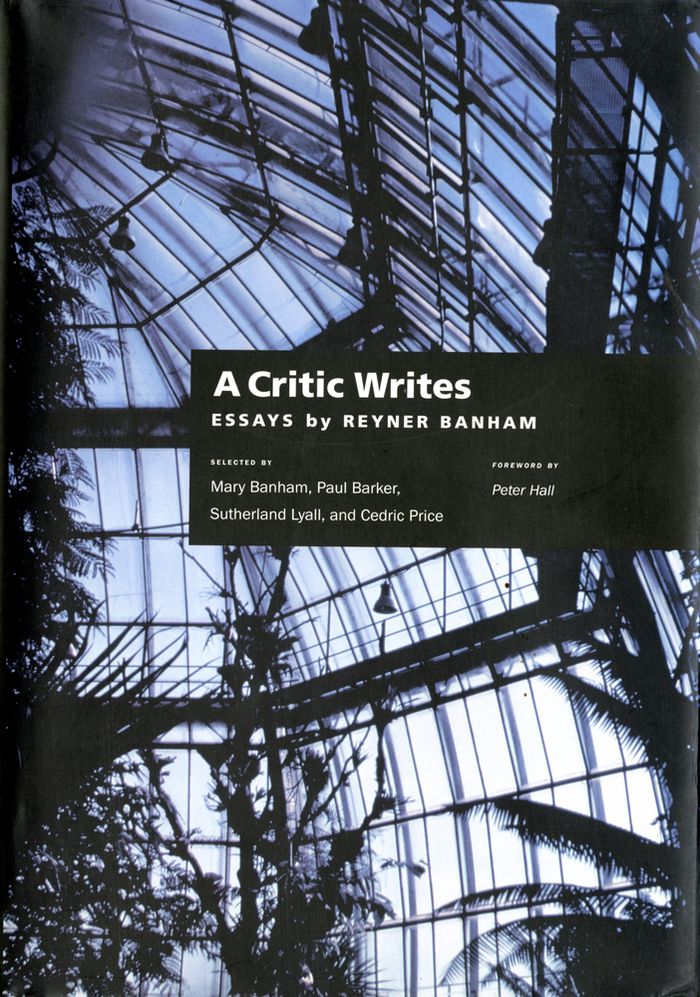
A critic writes : essays by Reyner Banham
Actions:
Price:
$39.95
(available to order)
Summary:
Few twentieth-century writers on architecture and design have enjoyed the renown of Reyner Banham. Born and trained in England and a U.S. resident starting in 1976, Banham wrote incisively about American and European buildings and culture. Now readers can enjoy a chronological cross-section of essays, polemics, and reviews drawn from more than three decades of Banham's writings. The volume, which includes discussions of Italian Futurism, Adolf Loos, Paul Scheerbart, and the Bauhaus as well as explorations of contemporary architecture by Frank Gehry, James Stirling, and Norman Foster, conveys the full range of Banham's belief in industrial and technological development as the motor of architectural evolution. Banham's interests and passions ranged from architecture and the culture of pop art to urban and industrial design. In brilliant analyses of automobile styling, mobile homes, science fiction films, and the American predilection for gadgets, he anticipated many of the preoccupations of contemporary cultural studies. Los Angeles, the city that Banham commemorated in a book and a film, receives extensive attention in essays on the Santa Monica Pier, the Getty Museum, Forest Lawn cemetery, and the ubiquitous freeway system. Eminently readable, provocative, and entertaining, this book is certain to consolidate Banham's reputation among architects and students of contemporary culture. For those acquainted with his writing, it offers welcome surprises as well as familiar delights. For those encountering Banham for the first time, it comprises the perfect introduction.
A critic writes : essays by Reyner Banham
Actions:
Price:
$39.95
(available to order)
Summary:
Few twentieth-century writers on architecture and design have enjoyed the renown of Reyner Banham. Born and trained in England and a U.S. resident starting in 1976, Banham wrote incisively about American and European buildings and culture. Now readers can enjoy a chronological cross-section of essays, polemics, and reviews drawn from more than three decades of Banham's writings. The volume, which includes discussions of Italian Futurism, Adolf Loos, Paul Scheerbart, and the Bauhaus as well as explorations of contemporary architecture by Frank Gehry, James Stirling, and Norman Foster, conveys the full range of Banham's belief in industrial and technological development as the motor of architectural evolution. Banham's interests and passions ranged from architecture and the culture of pop art to urban and industrial design. In brilliant analyses of automobile styling, mobile homes, science fiction films, and the American predilection for gadgets, he anticipated many of the preoccupations of contemporary cultural studies. Los Angeles, the city that Banham commemorated in a book and a film, receives extensive attention in essays on the Santa Monica Pier, the Getty Museum, Forest Lawn cemetery, and the ubiquitous freeway system. Eminently readable, provocative, and entertaining, this book is certain to consolidate Banham's reputation among architects and students of contemporary culture. For those acquainted with his writing, it offers welcome surprises as well as familiar delights. For those encountering Banham for the first time, it comprises the perfect introduction.
Form:
books
books
Publication:
April 1999, Berkeley
April 1999, Berkeley
Subject:
Architectural Theory
Architectural Theory


