


6233 Results
Level of archival description:
Project
Project
Reference number:
AP164.S1.1997.D4
Description:
The project series documents the design of the “Green House” for Mariano Maqueda and Olga Montón, in Pozuelo de Alarcón, in the Community of Madrid, Spain. The firm identified this project as number 103. “The project is located in a typical bit of middle-class suburbia, in which low-density housing, wasteland, amenities and clumps of pine trees intermingle, giving form to the idea of an urban existence that is in contact with nature. [Abalos & Herreros] decided to be extremely direct and to stress this aspiration by using gardening techniques. In fact, the house as a whole can be understood as an example of a giant ars-topiaria, an idea that is not at odds with the fact that it will be lived in by a landscape architect. The sloping topography is taken advantage of to build a house that has continuity with the natural environment, avoiding differentiation between the house and the terrain: the whole house is garden and the whole garden is house. The project is, then, a topological mechanism for arranging and modeling the land so as to increase and to obtain maximum enjoyment from the landscape’s weaker stimuli: the pine trees, the near-by stream, the setting of the sun over the skyline of Madrid from the house’s highest point… Natural views and artificial views: a green machine.” (ARCH270971) Documenting the project are conceptual, design development and working drawings, forms, invoices and contracts.
AP164.S1.1997.D4
Description:
The project series documents the design of the “Green House” for Mariano Maqueda and Olga Montón, in Pozuelo de Alarcón, in the Community of Madrid, Spain. The firm identified this project as number 103. “The project is located in a typical bit of middle-class suburbia, in which low-density housing, wasteland, amenities and clumps of pine trees intermingle, giving form to the idea of an urban existence that is in contact with nature. [Abalos & Herreros] decided to be extremely direct and to stress this aspiration by using gardening techniques. In fact, the house as a whole can be understood as an example of a giant ars-topiaria, an idea that is not at odds with the fact that it will be lived in by a landscape architect. The sloping topography is taken advantage of to build a house that has continuity with the natural environment, avoiding differentiation between the house and the terrain: the whole house is garden and the whole garden is house. The project is, then, a topological mechanism for arranging and modeling the land so as to increase and to obtain maximum enjoyment from the landscape’s weaker stimuli: the pine trees, the near-by stream, the setting of the sun over the skyline of Madrid from the house’s highest point… Natural views and artificial views: a green machine.” (ARCH270971) Documenting the project are conceptual, design development and working drawings, forms, invoices and contracts.
People:
Date:
1995-1999, predominant 1997-1998
1995-1999, predominant 1997-1998
Title:
Casa Verde, Pozuelo de Alarcón, Madrid, Spain (1997)
Actions:
AP164.S1.1997.D4
Description:
The project series documents the design of the “Green House” for Mariano Maqueda and Olga Montón, in Pozuelo de Alarcón, in the Community of Madrid, Spain. The firm identified this project as number 103. “The project is located in a typical bit of middle-class suburbia, in which low-density housing, wasteland, amenities and clumps of pine trees intermingle, giving form to the idea of an urban existence that is in contact with nature. [Abalos & Herreros] decided to be extremely direct and to stress this aspiration by using gardening techniques. In fact, the house as a whole can be understood as an example of a giant ars-topiaria, an idea that is not at odds with the fact that it will be lived in by a landscape architect. The sloping topography is taken advantage of to build a house that has continuity with the natural environment, avoiding differentiation between the house and the terrain: the whole house is garden and the whole garden is house. The project is, then, a topological mechanism for arranging and modeling the land so as to increase and to obtain maximum enjoyment from the landscape’s weaker stimuli: the pine trees, the near-by stream, the setting of the sun over the skyline of Madrid from the house’s highest point… Natural views and artificial views: a green machine.” (ARCH270971) Documenting the project are conceptual, design development and working drawings, forms, invoices and contracts.
Casa Verde, Pozuelo de Alarcón, Madrid, Spain (1997)
Actions:
AP164.S1.1997.D4
Description:
The project series documents the design of the “Green House” for Mariano Maqueda and Olga Montón, in Pozuelo de Alarcón, in the Community of Madrid, Spain. The firm identified this project as number 103. “The project is located in a typical bit of middle-class suburbia, in which low-density housing, wasteland, amenities and clumps of pine trees intermingle, giving form to the idea of an urban existence that is in contact with nature. [Abalos & Herreros] decided to be extremely direct and to stress this aspiration by using gardening techniques. In fact, the house as a whole can be understood as an example of a giant ars-topiaria, an idea that is not at odds with the fact that it will be lived in by a landscape architect. The sloping topography is taken advantage of to build a house that has continuity with the natural environment, avoiding differentiation between the house and the terrain: the whole house is garden and the whole garden is house. The project is, then, a topological mechanism for arranging and modeling the land so as to increase and to obtain maximum enjoyment from the landscape’s weaker stimuli: the pine trees, the near-by stream, the setting of the sun over the skyline of Madrid from the house’s highest point… Natural views and artificial views: a green machine.” (ARCH270971) Documenting the project are conceptual, design development and working drawings, forms, invoices and contracts.
Level of archival description:
Project
Project
Date:
1995-1999, predominant 1997-1998
1995-1999, predominant 1997-1998
People:
Level of archival description:
Series
Series
Reference number:
AP140.S2
Description:
Series documents the professional activities of James Stirling, James Gowan, Michael Wilford, and the successive firms of Stirling and Gowan; James Stirling; James Stirling and Partner; James Stirling, Michael Wilford, and Associates; Michael Wilford and Partners; as well as the firm of Michael Wilford GmbH. It chiefly illustrates the architectural and urban planning projects by James Stirling and the successive firms, including earlier theoretical and housing schemes, competition entries, major international commissions, as well as dead projects. The series also relates to exhibitions and publications of the firms' work, to writing and lecturing activities, to prizes, distinctions and honours received by the partners and the successive firms, and to other professional activities including participation to competition juries and teaching. Administrative and office activities are also documented in this series. Material in this series was produced between ca. 1948 and probably 2004. Series contains a large number of reference, conceptual, and design development drawings, publication and presentation drawings and panels, working drawings and several models. Series also contains photographic materials, textual records, film reels and other audiovisual materials, and artefacts.
AP140.S2
Description:
Series documents the professional activities of James Stirling, James Gowan, Michael Wilford, and the successive firms of Stirling and Gowan; James Stirling; James Stirling and Partner; James Stirling, Michael Wilford, and Associates; Michael Wilford and Partners; as well as the firm of Michael Wilford GmbH. It chiefly illustrates the architectural and urban planning projects by James Stirling and the successive firms, including earlier theoretical and housing schemes, competition entries, major international commissions, as well as dead projects. The series also relates to exhibitions and publications of the firms' work, to writing and lecturing activities, to prizes, distinctions and honours received by the partners and the successive firms, and to other professional activities including participation to competition juries and teaching. Administrative and office activities are also documented in this series. Material in this series was produced between ca. 1948 and probably 2004. Series contains a large number of reference, conceptual, and design development drawings, publication and presentation drawings and panels, working drawings and several models. Series also contains photographic materials, textual records, film reels and other audiovisual materials, and artefacts.
People:
Date:
[ca. 1948-2004?]
[ca. 1948-2004?]
Title:
James Stirling/Michael Wilford professional papers
Actions:
AP140.S2
Description:
Series documents the professional activities of James Stirling, James Gowan, Michael Wilford, and the successive firms of Stirling and Gowan; James Stirling; James Stirling and Partner; James Stirling, Michael Wilford, and Associates; Michael Wilford and Partners; as well as the firm of Michael Wilford GmbH. It chiefly illustrates the architectural and urban planning projects by James Stirling and the successive firms, including earlier theoretical and housing schemes, competition entries, major international commissions, as well as dead projects. The series also relates to exhibitions and publications of the firms' work, to writing and lecturing activities, to prizes, distinctions and honours received by the partners and the successive firms, and to other professional activities including participation to competition juries and teaching. Administrative and office activities are also documented in this series. Material in this series was produced between ca. 1948 and probably 2004. Series contains a large number of reference, conceptual, and design development drawings, publication and presentation drawings and panels, working drawings and several models. Series also contains photographic materials, textual records, film reels and other audiovisual materials, and artefacts.
James Stirling/Michael Wilford professional papers
Actions:
AP140.S2
Description:
Series documents the professional activities of James Stirling, James Gowan, Michael Wilford, and the successive firms of Stirling and Gowan; James Stirling; James Stirling and Partner; James Stirling, Michael Wilford, and Associates; Michael Wilford and Partners; as well as the firm of Michael Wilford GmbH. It chiefly illustrates the architectural and urban planning projects by James Stirling and the successive firms, including earlier theoretical and housing schemes, competition entries, major international commissions, as well as dead projects. The series also relates to exhibitions and publications of the firms' work, to writing and lecturing activities, to prizes, distinctions and honours received by the partners and the successive firms, and to other professional activities including participation to competition juries and teaching. Administrative and office activities are also documented in this series. Material in this series was produced between ca. 1948 and probably 2004. Series contains a large number of reference, conceptual, and design development drawings, publication and presentation drawings and panels, working drawings and several models. Series also contains photographic materials, textual records, film reels and other audiovisual materials, and artefacts.
Level of archival description:
Series 2
Series 2
Date:
[ca. 1948-2004?]
[ca. 1948-2004?]
People:
Level of archival description:
Project
Project
Reference number:
AP154.S1.1967.PR01
Description:
The Twin Parks, Bronx, New York, N.Y. (1967) project series documents the participation of Giovanni Pasanella in the development and execution of housing projects in the Twin Parks West and Twin Parks East areas of the Bronx. In 1967, Giovanni Pasanella collaborated with Jonathan Barnett, Jaquelin Robertson, Richard Weinstein and Myles Weintraub on the "Twin Parks Study". The researchers identified underused sites that could be developed and buildings that could be rehabilitated in the East Tremont area. A plan focussing on two areas--Twin Parks West and Twin Parks East--was developed in collobaration with a group of local religious organizations called the Twin Parks Association. Between 1970 and 1973 a number of sites in the Twin Parks area were developed by different government agencies and designed by different architects. Giovanni Pasanella was selected to design Sites 8, 5-7, 10-12 and 6 in Twin Parks West for the New York State Urban Development Corporation (UDC). He was also chosen to design housing for Site 1-2 of Twin Parks West for the New York City Housing Authority (NYCHA), and he was selected as architect for Twin Parks East--a project composed of housing and a school--developed by the New York City Educational Construction Fund. The project series is arranged in four subseries. The documents related to the Twin Parks Study constitute the first subseries. A second subseries is related to the drawings for the built works in Twin Parks West that were designed for the UDC. Drawings for the apartment building designed for the NYCHA constitute the third subseries and the drawings for Twin Parks East constitute the fourth subseries.
AP154.S1.1967.PR01
Description:
The Twin Parks, Bronx, New York, N.Y. (1967) project series documents the participation of Giovanni Pasanella in the development and execution of housing projects in the Twin Parks West and Twin Parks East areas of the Bronx. In 1967, Giovanni Pasanella collaborated with Jonathan Barnett, Jaquelin Robertson, Richard Weinstein and Myles Weintraub on the "Twin Parks Study". The researchers identified underused sites that could be developed and buildings that could be rehabilitated in the East Tremont area. A plan focussing on two areas--Twin Parks West and Twin Parks East--was developed in collobaration with a group of local religious organizations called the Twin Parks Association. Between 1970 and 1973 a number of sites in the Twin Parks area were developed by different government agencies and designed by different architects. Giovanni Pasanella was selected to design Sites 8, 5-7, 10-12 and 6 in Twin Parks West for the New York State Urban Development Corporation (UDC). He was also chosen to design housing for Site 1-2 of Twin Parks West for the New York City Housing Authority (NYCHA), and he was selected as architect for Twin Parks East--a project composed of housing and a school--developed by the New York City Educational Construction Fund. The project series is arranged in four subseries. The documents related to the Twin Parks Study constitute the first subseries. A second subseries is related to the drawings for the built works in Twin Parks West that were designed for the UDC. Drawings for the apartment building designed for the NYCHA constitute the third subseries and the drawings for Twin Parks East constitute the fourth subseries.
People:
Date:
1966-1974
1966-1974
Title:
Twin Parks, Bronx, New York, N.Y. (1967)
Actions:
AP154.S1.1967.PR01
Description:
The Twin Parks, Bronx, New York, N.Y. (1967) project series documents the participation of Giovanni Pasanella in the development and execution of housing projects in the Twin Parks West and Twin Parks East areas of the Bronx. In 1967, Giovanni Pasanella collaborated with Jonathan Barnett, Jaquelin Robertson, Richard Weinstein and Myles Weintraub on the "Twin Parks Study". The researchers identified underused sites that could be developed and buildings that could be rehabilitated in the East Tremont area. A plan focussing on two areas--Twin Parks West and Twin Parks East--was developed in collobaration with a group of local religious organizations called the Twin Parks Association. Between 1970 and 1973 a number of sites in the Twin Parks area were developed by different government agencies and designed by different architects. Giovanni Pasanella was selected to design Sites 8, 5-7, 10-12 and 6 in Twin Parks West for the New York State Urban Development Corporation (UDC). He was also chosen to design housing for Site 1-2 of Twin Parks West for the New York City Housing Authority (NYCHA), and he was selected as architect for Twin Parks East--a project composed of housing and a school--developed by the New York City Educational Construction Fund. The project series is arranged in four subseries. The documents related to the Twin Parks Study constitute the first subseries. A second subseries is related to the drawings for the built works in Twin Parks West that were designed for the UDC. Drawings for the apartment building designed for the NYCHA constitute the third subseries and the drawings for Twin Parks East constitute the fourth subseries.
Twin Parks, Bronx, New York, N.Y. (1967)
Actions:
AP154.S1.1967.PR01
Description:
The Twin Parks, Bronx, New York, N.Y. (1967) project series documents the participation of Giovanni Pasanella in the development and execution of housing projects in the Twin Parks West and Twin Parks East areas of the Bronx. In 1967, Giovanni Pasanella collaborated with Jonathan Barnett, Jaquelin Robertson, Richard Weinstein and Myles Weintraub on the "Twin Parks Study". The researchers identified underused sites that could be developed and buildings that could be rehabilitated in the East Tremont area. A plan focussing on two areas--Twin Parks West and Twin Parks East--was developed in collobaration with a group of local religious organizations called the Twin Parks Association. Between 1970 and 1973 a number of sites in the Twin Parks area were developed by different government agencies and designed by different architects. Giovanni Pasanella was selected to design Sites 8, 5-7, 10-12 and 6 in Twin Parks West for the New York State Urban Development Corporation (UDC). He was also chosen to design housing for Site 1-2 of Twin Parks West for the New York City Housing Authority (NYCHA), and he was selected as architect for Twin Parks East--a project composed of housing and a school--developed by the New York City Educational Construction Fund. The project series is arranged in four subseries. The documents related to the Twin Parks Study constitute the first subseries. A second subseries is related to the drawings for the built works in Twin Parks West that were designed for the UDC. Drawings for the apartment building designed for the NYCHA constitute the third subseries and the drawings for Twin Parks East constitute the fourth subseries.
Level of archival description:
project
project
Date:
1966-1974
1966-1974
People:
Level of archival description:
Sub-series
Sub-series
Title:
National Capital Commission
National Capital Commission
Actions:
Reference number:
AP058.S1.SS2
Description:
This subseries documents Blanche Lemco van Ginkel’s involvement as a member of the committee at the National Capital Commission (NCC). She was participating in the commission reorganization, the membership administration, the strategic overview of the commission, and the NCC planning policies for the National Capital Region. Through the NCC, Mrs. van Ginkel was an active member of the Advisory Committee on Design, where were discussed and studied National Capital Region’s issues of urban planning, architecture projects and other subjects of interest, among them the LeBreton Flats, Rideau Centre, Ottawa Airport, Carleton Rapid Transit, Greenbelt area, Gatineau Park, Mont-Bleu Municipal Sports Complex, Victoria Island, Cartier Square, Saint-Laurent Shopping Centre, solar heating, Chaudière Bridge, House of Commons TV and Broadcasting Operations Centre, Ottawa Health Science Centre, New Saudi Arabia Embassy, Ottawa Health Sciences Centre, Montcalm West/Tache project, National Gallery, Canlands project, Highway 16, Gatineau Rivers, federal land use, Parliamentary Precinct, etc. The subseries contains correspondence, agendas, brochures, papers, notes, reports, minutes, studies, memoranda, newsletters, and a few publications from the Senate and the House of Commons, dating from 1970 to 1983. It contains as well a few design development drawings of the Saudi Arabia Embassy and a reproduction map of Ottawa-Hull's waterfront.
AP058.S1.SS2
Description:
This subseries documents Blanche Lemco van Ginkel’s involvement as a member of the committee at the National Capital Commission (NCC). She was participating in the commission reorganization, the membership administration, the strategic overview of the commission, and the NCC planning policies for the National Capital Region. Through the NCC, Mrs. van Ginkel was an active member of the Advisory Committee on Design, where were discussed and studied National Capital Region’s issues of urban planning, architecture projects and other subjects of interest, among them the LeBreton Flats, Rideau Centre, Ottawa Airport, Carleton Rapid Transit, Greenbelt area, Gatineau Park, Mont-Bleu Municipal Sports Complex, Victoria Island, Cartier Square, Saint-Laurent Shopping Centre, solar heating, Chaudière Bridge, House of Commons TV and Broadcasting Operations Centre, Ottawa Health Science Centre, New Saudi Arabia Embassy, Ottawa Health Sciences Centre, Montcalm West/Tache project, National Gallery, Canlands project, Highway 16, Gatineau Rivers, federal land use, Parliamentary Precinct, etc. The subseries contains correspondence, agendas, brochures, papers, notes, reports, minutes, studies, memoranda, newsletters, and a few publications from the Senate and the House of Commons, dating from 1970 to 1983. It contains as well a few design development drawings of the Saudi Arabia Embassy and a reproduction map of Ottawa-Hull's waterfront.
People:
Date:
1970-1983
1970-1983
Title:
National Capital Commission
Actions:
AP058.S1.SS2
Description:
This subseries documents Blanche Lemco van Ginkel’s involvement as a member of the committee at the National Capital Commission (NCC). She was participating in the commission reorganization, the membership administration, the strategic overview of the commission, and the NCC planning policies for the National Capital Region. Through the NCC, Mrs. van Ginkel was an active member of the Advisory Committee on Design, where were discussed and studied National Capital Region’s issues of urban planning, architecture projects and other subjects of interest, among them the LeBreton Flats, Rideau Centre, Ottawa Airport, Carleton Rapid Transit, Greenbelt area, Gatineau Park, Mont-Bleu Municipal Sports Complex, Victoria Island, Cartier Square, Saint-Laurent Shopping Centre, solar heating, Chaudière Bridge, House of Commons TV and Broadcasting Operations Centre, Ottawa Health Science Centre, New Saudi Arabia Embassy, Ottawa Health Sciences Centre, Montcalm West/Tache project, National Gallery, Canlands project, Highway 16, Gatineau Rivers, federal land use, Parliamentary Precinct, etc. The subseries contains correspondence, agendas, brochures, papers, notes, reports, minutes, studies, memoranda, newsletters, and a few publications from the Senate and the House of Commons, dating from 1970 to 1983. It contains as well a few design development drawings of the Saudi Arabia Embassy and a reproduction map of Ottawa-Hull's waterfront.
National Capital Commission
Actions:
AP058.S1.SS2
Description:
This subseries documents Blanche Lemco van Ginkel’s involvement as a member of the committee at the National Capital Commission (NCC). She was participating in the commission reorganization, the membership administration, the strategic overview of the commission, and the NCC planning policies for the National Capital Region. Through the NCC, Mrs. van Ginkel was an active member of the Advisory Committee on Design, where were discussed and studied National Capital Region’s issues of urban planning, architecture projects and other subjects of interest, among them the LeBreton Flats, Rideau Centre, Ottawa Airport, Carleton Rapid Transit, Greenbelt area, Gatineau Park, Mont-Bleu Municipal Sports Complex, Victoria Island, Cartier Square, Saint-Laurent Shopping Centre, solar heating, Chaudière Bridge, House of Commons TV and Broadcasting Operations Centre, Ottawa Health Science Centre, New Saudi Arabia Embassy, Ottawa Health Sciences Centre, Montcalm West/Tache project, National Gallery, Canlands project, Highway 16, Gatineau Rivers, federal land use, Parliamentary Precinct, etc. The subseries contains correspondence, agendas, brochures, papers, notes, reports, minutes, studies, memoranda, newsletters, and a few publications from the Senate and the House of Commons, dating from 1970 to 1983. It contains as well a few design development drawings of the Saudi Arabia Embassy and a reproduction map of Ottawa-Hull's waterfront.
Level of archival description:
Subseries
Subseries
Date:
1970-1983
1970-1983
People:
Form:
events
events
Actions:
Description:
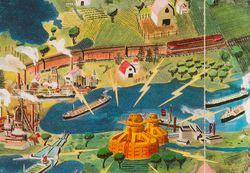
Join us in Toronto for a conversation between writer and activist Naomi Klein and CCA Director Mirko Zardini that will address conflicted and conflicting views of what we call the “natural environment.” What role will architects, landscape architects, urban designers, artists, and activists play in finding ways forward in the face of the climate crisis? This conversation(...)
Join us in Toronto for a conversation between writer and activist Naomi Klein and CCA Director Mirko Zardini that will address conflicted and conflicting views of what we call the “natural environment.” What role will architects, landscape architects, urban designers, artists, and activists play in finding ways forward in the face of the climate crisis? This conversation(...)
Location:
John H. Daniels Faculty of Architecture, Landscape, and Design, University of Toronto
John H. Daniels Faculty of Architecture, Landscape, and Design, University of Toronto
Date:
17 October 2016, 6:30pm
17 October 2016, 6:30pm
Title:
What Comes After the Environment?
Actions:
Description:
Join us in Toronto for a conversation between writer and activist Naomi Klein and CCA Director Mirko Zardini that will address conflicted and conflicting views of what we call the “natural environment.” What role will architects, landscape architects, urban designers, artists, and activists play in finding ways forward in the face of the climate crisis? This conversation(...)
What Comes After the Environment?
Actions:
Description:
Join us in Toronto for a conversation between writer and activist Naomi Klein and CCA Director Mirko Zardini that will address conflicted and conflicting views of what we call the “natural environment.” What role will architects, landscape architects, urban designers, artists, and activists play in finding ways forward in the face of the climate crisis? This conversation(...)
Form:
events
events
Date:
17 October 2016
6:30pm
17 October 2016
6:30pm
Location:
John H. Daniels Faculty of Architecture, Landscape, and Design, University of Toronto
John H. Daniels Faculty of Architecture, Landscape, and Design, University of Toronto
Level of archival description:
Sub-series
Sub-series
Reference number:
AP075.S3.SS1
Description:
This sub-series documents Cornelia Hahn Oberlander's involvement in professionnal associations or other professionnal engagements related to architecture, urban planning, environment or art and design from the early 1950s to the end of the 2010s. It related to Oberlander's membership to associations and committees, like the National Capital Commission or the Smith College Botanic Garden Committee. It also comprises Oberlander involvement in various jury selections, including for design competitions, such as the Nathan Phillips Square Revitalization design competition in the mid-2000s. Sub-series also documents Oberlander attendance to conferences or seminars, such as landscape architects associations or conferences on sustainable development. The sub-series also contains records of conferences and talks Oberlander gave, either about her projects, on landscape architecture, on play and play environments, or on sustainable architecture. It also includes Oberlander's research and writings for her own publications or articles she wrote. The sub-series contains documents related to associations and committees, such as correspondence, Oberlander's notes and minutes of meetings. It contains documents related to her for jury selection work, such as invitation to participate to a jury selection, correspondence, and documents related to the selection process. The sub-series also comprises Oberlander's documents from her attendance to conferences and seminars, such as correspondence, event planning, travel organization, and conferences proceedings. Documents related to talks and conferences given by Oberlander comprises research material, Oberlander's notes, draft and final versions of texts, and a few photographs or sound and video recording of the events. Finally, the sub-series contains Oberlander's writtings, such as her research, draft versions of her writings and correspondence.
AP075.S3.SS1
Description:
This sub-series documents Cornelia Hahn Oberlander's involvement in professionnal associations or other professionnal engagements related to architecture, urban planning, environment or art and design from the early 1950s to the end of the 2010s. It related to Oberlander's membership to associations and committees, like the National Capital Commission or the Smith College Botanic Garden Committee. It also comprises Oberlander involvement in various jury selections, including for design competitions, such as the Nathan Phillips Square Revitalization design competition in the mid-2000s. Sub-series also documents Oberlander attendance to conferences or seminars, such as landscape architects associations or conferences on sustainable development. The sub-series also contains records of conferences and talks Oberlander gave, either about her projects, on landscape architecture, on play and play environments, or on sustainable architecture. It also includes Oberlander's research and writings for her own publications or articles she wrote. The sub-series contains documents related to associations and committees, such as correspondence, Oberlander's notes and minutes of meetings. It contains documents related to her for jury selection work, such as invitation to participate to a jury selection, correspondence, and documents related to the selection process. The sub-series also comprises Oberlander's documents from her attendance to conferences and seminars, such as correspondence, event planning, travel organization, and conferences proceedings. Documents related to talks and conferences given by Oberlander comprises research material, Oberlander's notes, draft and final versions of texts, and a few photographs or sound and video recording of the events. Finally, the sub-series contains Oberlander's writtings, such as her research, draft versions of her writings and correspondence.
People:
Date:
1949-2019
1949-2019
Title:
Professional associations and engagements
Actions:
AP075.S3.SS1
Description:
This sub-series documents Cornelia Hahn Oberlander's involvement in professionnal associations or other professionnal engagements related to architecture, urban planning, environment or art and design from the early 1950s to the end of the 2010s. It related to Oberlander's membership to associations and committees, like the National Capital Commission or the Smith College Botanic Garden Committee. It also comprises Oberlander involvement in various jury selections, including for design competitions, such as the Nathan Phillips Square Revitalization design competition in the mid-2000s. Sub-series also documents Oberlander attendance to conferences or seminars, such as landscape architects associations or conferences on sustainable development. The sub-series also contains records of conferences and talks Oberlander gave, either about her projects, on landscape architecture, on play and play environments, or on sustainable architecture. It also includes Oberlander's research and writings for her own publications or articles she wrote. The sub-series contains documents related to associations and committees, such as correspondence, Oberlander's notes and minutes of meetings. It contains documents related to her for jury selection work, such as invitation to participate to a jury selection, correspondence, and documents related to the selection process. The sub-series also comprises Oberlander's documents from her attendance to conferences and seminars, such as correspondence, event planning, travel organization, and conferences proceedings. Documents related to talks and conferences given by Oberlander comprises research material, Oberlander's notes, draft and final versions of texts, and a few photographs or sound and video recording of the events. Finally, the sub-series contains Oberlander's writtings, such as her research, draft versions of her writings and correspondence.
Professional associations and engagements
Actions:
AP075.S3.SS1
Description:
This sub-series documents Cornelia Hahn Oberlander's involvement in professionnal associations or other professionnal engagements related to architecture, urban planning, environment or art and design from the early 1950s to the end of the 2010s. It related to Oberlander's membership to associations and committees, like the National Capital Commission or the Smith College Botanic Garden Committee. It also comprises Oberlander involvement in various jury selections, including for design competitions, such as the Nathan Phillips Square Revitalization design competition in the mid-2000s. Sub-series also documents Oberlander attendance to conferences or seminars, such as landscape architects associations or conferences on sustainable development. The sub-series also contains records of conferences and talks Oberlander gave, either about her projects, on landscape architecture, on play and play environments, or on sustainable architecture. It also includes Oberlander's research and writings for her own publications or articles she wrote. The sub-series contains documents related to associations and committees, such as correspondence, Oberlander's notes and minutes of meetings. It contains documents related to her for jury selection work, such as invitation to participate to a jury selection, correspondence, and documents related to the selection process. The sub-series also comprises Oberlander's documents from her attendance to conferences and seminars, such as correspondence, event planning, travel organization, and conferences proceedings. Documents related to talks and conferences given by Oberlander comprises research material, Oberlander's notes, draft and final versions of texts, and a few photographs or sound and video recording of the events. Finally, the sub-series contains Oberlander's writtings, such as her research, draft versions of her writings and correspondence.
Level of archival description:
Sub-series
Sub-series
Date:
1949-2019
1949-2019
People:
Level of archival description:
Project
Project
Reference number:
AP149.S1.1988.PR01
Description:
This project series documents Minimum Cost Housing Group's housing development project in Sichuan, China. The project was done in collaboration with the Chongqing Institute of Architecture and Engineering between 1993 and 1995. The two main objectives were to train Chongqing staff to develope a new use for the land and new housing planning in rural areas. The project also led to the publication "Housing a Billion," which was published in two volumes: "Housing a Billion: Volume 1- Urban Upgrading: Design Ideals for Rural China" and "Housing a Billion: Volume 2- Village Upgrading: Jianlu, China", both published in 1993. Also includes material related to the international workshop"Rural Housing: A First Step to Market Housing" in China, to which Minimum Cost Housing Group help organized and participated to. The material in this file was produced between 1986 and 1994. The file contains predominantly textual records documenting the collaboration between the Minimum Cost Housing Group and the Chongqing Institute of Architecture and Engineering, and also the production of the publication. The file also includes dummies, drawings, slides and other production material for the publications "Housing a Billion."
AP149.S1.1988.PR01
Description:
This project series documents Minimum Cost Housing Group's housing development project in Sichuan, China. The project was done in collaboration with the Chongqing Institute of Architecture and Engineering between 1993 and 1995. The two main objectives were to train Chongqing staff to develope a new use for the land and new housing planning in rural areas. The project also led to the publication "Housing a Billion," which was published in two volumes: "Housing a Billion: Volume 1- Urban Upgrading: Design Ideals for Rural China" and "Housing a Billion: Volume 2- Village Upgrading: Jianlu, China", both published in 1993. Also includes material related to the international workshop"Rural Housing: A First Step to Market Housing" in China, to which Minimum Cost Housing Group help organized and participated to. The material in this file was produced between 1986 and 1994. The file contains predominantly textual records documenting the collaboration between the Minimum Cost Housing Group and the Chongqing Institute of Architecture and Engineering, and also the production of the publication. The file also includes dummies, drawings, slides and other production material for the publications "Housing a Billion."
People:
Date:
1986-1994
1986-1994
Title:
Housing development project in Sichuan
Actions:
AP149.S1.1988.PR01
Description:
This project series documents Minimum Cost Housing Group's housing development project in Sichuan, China. The project was done in collaboration with the Chongqing Institute of Architecture and Engineering between 1993 and 1995. The two main objectives were to train Chongqing staff to develope a new use for the land and new housing planning in rural areas. The project also led to the publication "Housing a Billion," which was published in two volumes: "Housing a Billion: Volume 1- Urban Upgrading: Design Ideals for Rural China" and "Housing a Billion: Volume 2- Village Upgrading: Jianlu, China", both published in 1993. Also includes material related to the international workshop"Rural Housing: A First Step to Market Housing" in China, to which Minimum Cost Housing Group help organized and participated to. The material in this file was produced between 1986 and 1994. The file contains predominantly textual records documenting the collaboration between the Minimum Cost Housing Group and the Chongqing Institute of Architecture and Engineering, and also the production of the publication. The file also includes dummies, drawings, slides and other production material for the publications "Housing a Billion."
Housing development project in Sichuan
Actions:
AP149.S1.1988.PR01
Description:
This project series documents Minimum Cost Housing Group's housing development project in Sichuan, China. The project was done in collaboration with the Chongqing Institute of Architecture and Engineering between 1993 and 1995. The two main objectives were to train Chongqing staff to develope a new use for the land and new housing planning in rural areas. The project also led to the publication "Housing a Billion," which was published in two volumes: "Housing a Billion: Volume 1- Urban Upgrading: Design Ideals for Rural China" and "Housing a Billion: Volume 2- Village Upgrading: Jianlu, China", both published in 1993. Also includes material related to the international workshop"Rural Housing: A First Step to Market Housing" in China, to which Minimum Cost Housing Group help organized and participated to. The material in this file was produced between 1986 and 1994. The file contains predominantly textual records documenting the collaboration between the Minimum Cost Housing Group and the Chongqing Institute of Architecture and Engineering, and also the production of the publication. The file also includes dummies, drawings, slides and other production material for the publications "Housing a Billion."
Level of archival description:
Project
Project
Date:
1986-1994
1986-1994
People:
Level of archival description:
Project
Project
Reference number:
AP178.S1.2001.PR06
Description:
This project series documents the Centro de Alto Rendimento en el Balneario de Panticosa in Panticosa, Spain. While the records were held in the office’s archives this project was assigned the number 32/00 A. The office assigned the date 2001 for this project. The project site is located in the mountains of Panticosa on the site of a spa resort. Siza's project was part of a revitalization project of the area supervised by Rafael Moneo. Moneo's project included the urban rehabilitation of the area and the renovation of the Nuestra Señora del Carmen church, as well as the construction of a hotel, a casino, and a cultural center. Siza's project consisted of a hotel for athletes, that included gymnasiums, exterior and interior pools, massage rooms, saunas, thermal baths, a solarium, a restaurant, a library, and a shop. During the beginning of the construction, a hot thermal watercourse was discovered under the project site and obliged the architect to revise the plans. The project was realized. Documenting this project are studies, design development drawings, and plans. Textual material includes project documentation and correspondence. Photographic material documents the project site, model, and built project.
AP178.S1.2001.PR06
Description:
This project series documents the Centro de Alto Rendimento en el Balneario de Panticosa in Panticosa, Spain. While the records were held in the office’s archives this project was assigned the number 32/00 A. The office assigned the date 2001 for this project. The project site is located in the mountains of Panticosa on the site of a spa resort. Siza's project was part of a revitalization project of the area supervised by Rafael Moneo. Moneo's project included the urban rehabilitation of the area and the renovation of the Nuestra Señora del Carmen church, as well as the construction of a hotel, a casino, and a cultural center. Siza's project consisted of a hotel for athletes, that included gymnasiums, exterior and interior pools, massage rooms, saunas, thermal baths, a solarium, a restaurant, a library, and a shop. During the beginning of the construction, a hot thermal watercourse was discovered under the project site and obliged the architect to revise the plans. The project was realized. Documenting this project are studies, design development drawings, and plans. Textual material includes project documentation and correspondence. Photographic material documents the project site, model, and built project.
People:
Date:
2000-2008
2000-2008
Title:
Centro de Alto Rendimento en el Balneario de Panticosa [Sports Hotel and High-performance center], Panticosa, Spain (2001)
Actions:
AP178.S1.2001.PR06
Description:
This project series documents the Centro de Alto Rendimento en el Balneario de Panticosa in Panticosa, Spain. While the records were held in the office’s archives this project was assigned the number 32/00 A. The office assigned the date 2001 for this project. The project site is located in the mountains of Panticosa on the site of a spa resort. Siza's project was part of a revitalization project of the area supervised by Rafael Moneo. Moneo's project included the urban rehabilitation of the area and the renovation of the Nuestra Señora del Carmen church, as well as the construction of a hotel, a casino, and a cultural center. Siza's project consisted of a hotel for athletes, that included gymnasiums, exterior and interior pools, massage rooms, saunas, thermal baths, a solarium, a restaurant, a library, and a shop. During the beginning of the construction, a hot thermal watercourse was discovered under the project site and obliged the architect to revise the plans. The project was realized. Documenting this project are studies, design development drawings, and plans. Textual material includes project documentation and correspondence. Photographic material documents the project site, model, and built project.
Centro de Alto Rendimento en el Balneario de Panticosa [Sports Hotel and High-performance center], Panticosa, Spain (2001)
Actions:
AP178.S1.2001.PR06
Description:
This project series documents the Centro de Alto Rendimento en el Balneario de Panticosa in Panticosa, Spain. While the records were held in the office’s archives this project was assigned the number 32/00 A. The office assigned the date 2001 for this project. The project site is located in the mountains of Panticosa on the site of a spa resort. Siza's project was part of a revitalization project of the area supervised by Rafael Moneo. Moneo's project included the urban rehabilitation of the area and the renovation of the Nuestra Señora del Carmen church, as well as the construction of a hotel, a casino, and a cultural center. Siza's project consisted of a hotel for athletes, that included gymnasiums, exterior and interior pools, massage rooms, saunas, thermal baths, a solarium, a restaurant, a library, and a shop. During the beginning of the construction, a hot thermal watercourse was discovered under the project site and obliged the architect to revise the plans. The project was realized. Documenting this project are studies, design development drawings, and plans. Textual material includes project documentation and correspondence. Photographic material documents the project site, model, and built project.
Level of archival description:
Project
Project
Date:
2000-2008
2000-2008
People:
Form:
events
events
Title:
Learning from… Tokyo
Learning from… Tokyo
Actions:
Description:
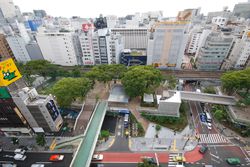
In this lecture entitled Tokyo Nine Flux, Yoshiharu Tsukamoto interprets urban space in Tokyo as a causal chain of responses to flux – natural phenomena such as earthquakes and typhoons that pose a constant threat to the city, and increases in population, traffic and waste. Yoshiharu Tsukamoto is co-founder, with Momoyo Kaijima, of the architectural studio Atelier(...)
In this lecture entitled Tokyo Nine Flux, Yoshiharu Tsukamoto interprets urban space in Tokyo as a causal chain of responses to flux – natural phenomena such as earthquakes and typhoons that pose a constant threat to the city, and increases in population, traffic and waste. Yoshiharu Tsukamoto is co-founder, with Momoyo Kaijima, of the architectural studio Atelier(...)
Location:
Paul Desmarais Theatre
Paul Desmarais Theatre
Date:
26 April 2007 , 7pm
26 April 2007 , 7pm
Title:
Learning from… Tokyo
Actions:
Description:
In this lecture entitled Tokyo Nine Flux, Yoshiharu Tsukamoto interprets urban space in Tokyo as a causal chain of responses to flux – natural phenomena such as earthquakes and typhoons that pose a constant threat to the city, and increases in population, traffic and waste. Yoshiharu Tsukamoto is co-founder, with Momoyo Kaijima, of the architectural studio Atelier(...)
Learning from… Tokyo
Actions:
Description:
In this lecture entitled Tokyo Nine Flux, Yoshiharu Tsukamoto interprets urban space in Tokyo as a causal chain of responses to flux – natural phenomena such as earthquakes and typhoons that pose a constant threat to the city, and increases in population, traffic and waste. Yoshiharu Tsukamoto is co-founder, with Momoyo Kaijima, of the architectural studio Atelier(...)
Form:
events
events
Date:
26 April 2007
7pm
26 April 2007
7pm
Location:
Paul Desmarais Theatre
Paul Desmarais Theatre
Level of archival description:
Series
Series
Reference number:
AP156.S3
Description:
La série documente les projets d'architectures en Europe et en Inde de Pierre Jeanneret et autres architectes entre la fin des années 1930 et la moitié des années 1970s. La série inclute des projets comme le Centre d'apprentissage de Béziers, en France, ainsi que plusieurs des projets d'architecture ou d'urbanisme réalisés pour la nouvelle ville de Chandigarh et Talwara, en Inde, avec Le Corbusier. Le matériel dans la série a été produit entre 1932 et 1975. La série contient des dessins et des reprographies de dessins conceptuel, de dessin de développement du design, de dessins d'exécution et de dessins de présentation. La série contient aussi quelques documents textuels et des photographies reliées à certains des projets. Series documents the architectural projects in Europe and India of Pierre Jeanneret and other architects between the end of the 1930s to the middle of the 1970s. The series includes projects like the Centre d'apprentissage de Béziers, in France, and also many projects of architectural and urban planning completed for the new city of Chandigarh and Talwara, in India, with Le Corbusier. The material in the series was produced between 1932 and 1975. The series contains drawings and reprograhic copies of conceptual drawings, design developement drawings, working drawings and presentation drawings. The series contains also some textual records and photographs related to some of the projects.
AP156.S3
Description:
La série documente les projets d'architectures en Europe et en Inde de Pierre Jeanneret et autres architectes entre la fin des années 1930 et la moitié des années 1970s. La série inclute des projets comme le Centre d'apprentissage de Béziers, en France, ainsi que plusieurs des projets d'architecture ou d'urbanisme réalisés pour la nouvelle ville de Chandigarh et Talwara, en Inde, avec Le Corbusier. Le matériel dans la série a été produit entre 1932 et 1975. La série contient des dessins et des reprographies de dessins conceptuel, de dessin de développement du design, de dessins d'exécution et de dessins de présentation. La série contient aussi quelques documents textuels et des photographies reliées à certains des projets. Series documents the architectural projects in Europe and India of Pierre Jeanneret and other architects between the end of the 1930s to the middle of the 1970s. The series includes projects like the Centre d'apprentissage de Béziers, in France, and also many projects of architectural and urban planning completed for the new city of Chandigarh and Talwara, in India, with Le Corbusier. The material in the series was produced between 1932 and 1975. The series contains drawings and reprograhic copies of conceptual drawings, design developement drawings, working drawings and presentation drawings. The series contains also some textual records and photographs related to some of the projects.
People:
Date:
1932-1975
1932-1975
Title:
Projets d'architecture = Architectural projects
Actions:
AP156.S3
Description:
La série documente les projets d'architectures en Europe et en Inde de Pierre Jeanneret et autres architectes entre la fin des années 1930 et la moitié des années 1970s. La série inclute des projets comme le Centre d'apprentissage de Béziers, en France, ainsi que plusieurs des projets d'architecture ou d'urbanisme réalisés pour la nouvelle ville de Chandigarh et Talwara, en Inde, avec Le Corbusier. Le matériel dans la série a été produit entre 1932 et 1975. La série contient des dessins et des reprographies de dessins conceptuel, de dessin de développement du design, de dessins d'exécution et de dessins de présentation. La série contient aussi quelques documents textuels et des photographies reliées à certains des projets. Series documents the architectural projects in Europe and India of Pierre Jeanneret and other architects between the end of the 1930s to the middle of the 1970s. The series includes projects like the Centre d'apprentissage de Béziers, in France, and also many projects of architectural and urban planning completed for the new city of Chandigarh and Talwara, in India, with Le Corbusier. The material in the series was produced between 1932 and 1975. The series contains drawings and reprograhic copies of conceptual drawings, design developement drawings, working drawings and presentation drawings. The series contains also some textual records and photographs related to some of the projects.
Projets d'architecture = Architectural projects
Actions:
AP156.S3
Description:
La série documente les projets d'architectures en Europe et en Inde de Pierre Jeanneret et autres architectes entre la fin des années 1930 et la moitié des années 1970s. La série inclute des projets comme le Centre d'apprentissage de Béziers, en France, ainsi que plusieurs des projets d'architecture ou d'urbanisme réalisés pour la nouvelle ville de Chandigarh et Talwara, en Inde, avec Le Corbusier. Le matériel dans la série a été produit entre 1932 et 1975. La série contient des dessins et des reprographies de dessins conceptuel, de dessin de développement du design, de dessins d'exécution et de dessins de présentation. La série contient aussi quelques documents textuels et des photographies reliées à certains des projets. Series documents the architectural projects in Europe and India of Pierre Jeanneret and other architects between the end of the 1930s to the middle of the 1970s. The series includes projects like the Centre d'apprentissage de Béziers, in France, and also many projects of architectural and urban planning completed for the new city of Chandigarh and Talwara, in India, with Le Corbusier. The material in the series was produced between 1932 and 1975. The series contains drawings and reprograhic copies of conceptual drawings, design developement drawings, working drawings and presentation drawings. The series contains also some textual records and photographs related to some of the projects.
Level of archival description:
Série 3
Série 3
Date:
1932-1975
1932-1975
People:


