


11307 Results
Level of archival description:
Project
Project
Reference number:
AP178.S1.1990.PR09
Description:
The project series documents the Recuperação do Restaurante Pai Ramiro in Porto, Portugal. While the records were held in the office’s archives this project was assigned the number 19/90. The office assigned the dates 1990-1994 for this project. This project consists of a design for the restaurant Pai Ramiro in an existing eighteenth-century home. The restaurant was to have a capacity of 36 people, with a waiting bar, kitchen, storage spaces and a second-floor terrace. The building program proposed a bar area flooded in natural light from windows that revealed a backyard garden. The installation of air conditioning, a fire detection system and ventilation systems were also proposed. This project was not built. The project is recorded through drawings, photographic materials and some textual records dating from 1989-1995. The drawings include sketches, plans, elevations, sections, perspectives, details and framing drawings, while the photographic materials largely document the exisiting building. The textual records consist of correspondence, permit and supplier documentation, and the electrical program.
AP178.S1.1990.PR09
Description:
The project series documents the Recuperação do Restaurante Pai Ramiro in Porto, Portugal. While the records were held in the office’s archives this project was assigned the number 19/90. The office assigned the dates 1990-1994 for this project. This project consists of a design for the restaurant Pai Ramiro in an existing eighteenth-century home. The restaurant was to have a capacity of 36 people, with a waiting bar, kitchen, storage spaces and a second-floor terrace. The building program proposed a bar area flooded in natural light from windows that revealed a backyard garden. The installation of air conditioning, a fire detection system and ventilation systems were also proposed. This project was not built. The project is recorded through drawings, photographic materials and some textual records dating from 1989-1995. The drawings include sketches, plans, elevations, sections, perspectives, details and framing drawings, while the photographic materials largely document the exisiting building. The textual records consist of correspondence, permit and supplier documentation, and the electrical program.
People:
Date:
1989-1995
1989-1995
Title:
Recuperação do Restaurante Pai Ramiro [Pai Ramiro restaurant renovations], Porto, Portugal (1990-1994)
Actions:
AP178.S1.1990.PR09
Description:
The project series documents the Recuperação do Restaurante Pai Ramiro in Porto, Portugal. While the records were held in the office’s archives this project was assigned the number 19/90. The office assigned the dates 1990-1994 for this project. This project consists of a design for the restaurant Pai Ramiro in an existing eighteenth-century home. The restaurant was to have a capacity of 36 people, with a waiting bar, kitchen, storage spaces and a second-floor terrace. The building program proposed a bar area flooded in natural light from windows that revealed a backyard garden. The installation of air conditioning, a fire detection system and ventilation systems were also proposed. This project was not built. The project is recorded through drawings, photographic materials and some textual records dating from 1989-1995. The drawings include sketches, plans, elevations, sections, perspectives, details and framing drawings, while the photographic materials largely document the exisiting building. The textual records consist of correspondence, permit and supplier documentation, and the electrical program.
Recuperação do Restaurante Pai Ramiro [Pai Ramiro restaurant renovations], Porto, Portugal (1990-1994)
Actions:
AP178.S1.1990.PR09
Description:
The project series documents the Recuperação do Restaurante Pai Ramiro in Porto, Portugal. While the records were held in the office’s archives this project was assigned the number 19/90. The office assigned the dates 1990-1994 for this project. This project consists of a design for the restaurant Pai Ramiro in an existing eighteenth-century home. The restaurant was to have a capacity of 36 people, with a waiting bar, kitchen, storage spaces and a second-floor terrace. The building program proposed a bar area flooded in natural light from windows that revealed a backyard garden. The installation of air conditioning, a fire detection system and ventilation systems were also proposed. This project was not built. The project is recorded through drawings, photographic materials and some textual records dating from 1989-1995. The drawings include sketches, plans, elevations, sections, perspectives, details and framing drawings, while the photographic materials largely document the exisiting building. The textual records consist of correspondence, permit and supplier documentation, and the electrical program.
Level of archival description:
Project
Project
Date:
1989-1995
1989-1995
People:
Form:
textual records
textual records
Actions:
Reference number:
ARCH204172
Description:
Le rapport d'étude propose d'édifier derrière la Place-des-Arts une "Cité culturelle de Montréal" regroupant en un même secteur la Bibliothèque nationale du Québec, le Centre régional de Montréal des Archives nationales, la Bibliothèque de Montréal, le Musée d'art contemporain, une Maison du Cinéma (Institut québécois du cinéma, Bureau de la surveillance en cinéma, Cinémathèque québécoise, Direction générale du cinéma et de l'audio-visuel) et un musée de la science et de la technologie.
ARCH204172
Description:
Le rapport d'étude propose d'édifier derrière la Place-des-Arts une "Cité culturelle de Montréal" regroupant en un même secteur la Bibliothèque nationale du Québec, le Centre régional de Montréal des Archives nationales, la Bibliothèque de Montréal, le Musée d'art contemporain, une Maison du Cinéma (Institut québécois du cinéma, Bureau de la surveillance en cinéma, Cinémathèque québécoise, Direction générale du cinéma et de l'audio-visuel) et un musée de la science et de la technologie.
People:
Date:
1979
1979
Title:
Étude de faisabilité, Campus culturel, Montréal, Québec
Actions:
ARCH204172
Description:
Le rapport d'étude propose d'édifier derrière la Place-des-Arts une "Cité culturelle de Montréal" regroupant en un même secteur la Bibliothèque nationale du Québec, le Centre régional de Montréal des Archives nationales, la Bibliothèque de Montréal, le Musée d'art contemporain, une Maison du Cinéma (Institut québécois du cinéma, Bureau de la surveillance en cinéma, Cinémathèque québécoise, Direction générale du cinéma et de l'audio-visuel) et un musée de la science et de la technologie.
Étude de faisabilité, Campus culturel, Montréal, Québec
Actions:
ARCH204172
Description:
Le rapport d'étude propose d'édifier derrière la Place-des-Arts une "Cité culturelle de Montréal" regroupant en un même secteur la Bibliothèque nationale du Québec, le Centre régional de Montréal des Archives nationales, la Bibliothèque de Montréal, le Musée d'art contemporain, une Maison du Cinéma (Institut québécois du cinéma, Bureau de la surveillance en cinéma, Cinémathèque québécoise, Direction générale du cinéma et de l'audio-visuel) et un musée de la science et de la technologie.
Form:
textual records
textual records
Date:
1979
1979
People:
Level of archival description:
Sub-series
Sub-series
Title:
Bloco C, Reconstrução do Chiado [Block C, Reconstruction of the Chiado] Lisbon, Portugal, 1988-1998
Bloco C, Reconstrução do Chiado [Block C, Reconstruction of the Chiado] Lisbon, Portugal, 1988-1998
Actions:
Reference number:
AP178.S1.1988.PR07.SS7
Description:
This project subseries documents Bloco C of the reconstruction of the Chiado in Lisbon, Portugal. The office's archives identified this project as 58/80. The office assigned the dates 1988-1998 for this project. Bloco C was located between Rua Do Crucifixo, Rua Do Carmo, and Rua Nova Do Almada. Bloco C included buildings 1, 2, 3, 4 (Grandes Armazéns do Chiado), 5 (Grandella building), and 6. The construction work for the buildings of Bloco A included the restoration of windows, doors, façades, painting, stonework, as well as work on the structure and mechanical systems. Drawings include studies and working drawings. Textual material includes project documentation and studies. Photographic materials and slides document the buildings prior to the fire, damaged buildings, project site, and construction work. It is important to note that this subseries includes general details of Bloco C, for more specific details see individual building subseries of the Grandella building (AP178.S1.1988.PR07.SS8) and Grandes Armazéns do Chiado (AP178.S1.1988.PR07.SS9).
AP178.S1.1988.PR07.SS7
Description:
This project subseries documents Bloco C of the reconstruction of the Chiado in Lisbon, Portugal. The office's archives identified this project as 58/80. The office assigned the dates 1988-1998 for this project. Bloco C was located between Rua Do Crucifixo, Rua Do Carmo, and Rua Nova Do Almada. Bloco C included buildings 1, 2, 3, 4 (Grandes Armazéns do Chiado), 5 (Grandella building), and 6. The construction work for the buildings of Bloco A included the restoration of windows, doors, façades, painting, stonework, as well as work on the structure and mechanical systems. Drawings include studies and working drawings. Textual material includes project documentation and studies. Photographic materials and slides document the buildings prior to the fire, damaged buildings, project site, and construction work. It is important to note that this subseries includes general details of Bloco C, for more specific details see individual building subseries of the Grandella building (AP178.S1.1988.PR07.SS8) and Grandes Armazéns do Chiado (AP178.S1.1988.PR07.SS9).
People:
Date:
1942-2003
1942-2003
Title:
Bloco C, Reconstrução do Chiado [Block C, Reconstruction of the Chiado] Lisbon, Portugal, 1988-1998
Actions:
AP178.S1.1988.PR07.SS7
Description:
This project subseries documents Bloco C of the reconstruction of the Chiado in Lisbon, Portugal. The office's archives identified this project as 58/80. The office assigned the dates 1988-1998 for this project. Bloco C was located between Rua Do Crucifixo, Rua Do Carmo, and Rua Nova Do Almada. Bloco C included buildings 1, 2, 3, 4 (Grandes Armazéns do Chiado), 5 (Grandella building), and 6. The construction work for the buildings of Bloco A included the restoration of windows, doors, façades, painting, stonework, as well as work on the structure and mechanical systems. Drawings include studies and working drawings. Textual material includes project documentation and studies. Photographic materials and slides document the buildings prior to the fire, damaged buildings, project site, and construction work. It is important to note that this subseries includes general details of Bloco C, for more specific details see individual building subseries of the Grandella building (AP178.S1.1988.PR07.SS8) and Grandes Armazéns do Chiado (AP178.S1.1988.PR07.SS9).
Bloco C, Reconstrução do Chiado [Block C, Reconstruction of the Chiado] Lisbon, Portugal, 1988-1998
Actions:
AP178.S1.1988.PR07.SS7
Description:
This project subseries documents Bloco C of the reconstruction of the Chiado in Lisbon, Portugal. The office's archives identified this project as 58/80. The office assigned the dates 1988-1998 for this project. Bloco C was located between Rua Do Crucifixo, Rua Do Carmo, and Rua Nova Do Almada. Bloco C included buildings 1, 2, 3, 4 (Grandes Armazéns do Chiado), 5 (Grandella building), and 6. The construction work for the buildings of Bloco A included the restoration of windows, doors, façades, painting, stonework, as well as work on the structure and mechanical systems. Drawings include studies and working drawings. Textual material includes project documentation and studies. Photographic materials and slides document the buildings prior to the fire, damaged buildings, project site, and construction work. It is important to note that this subseries includes general details of Bloco C, for more specific details see individual building subseries of the Grandella building (AP178.S1.1988.PR07.SS8) and Grandes Armazéns do Chiado (AP178.S1.1988.PR07.SS9).
Level of archival description:
Project
Project
Date:
1942-2003
1942-2003
People:
Level of archival description:
Sub-series
Sub-series
Reference number:
AP178.S1.1988.PR07.SS8
Description:
This project series documents the restoration of the Grandella building in Lisbon, Portugal. While the records were held in the office’s archives this project was assigned the number 58/80 N5. The office assigned the date 1988-1998 for this project. The destructive fire of 1988 started in The Grandella building. It was part of Bloco C and identified as building 5 in Siza's reconstruction plan. It was originally designed by French architect George Demaye and built by Francisco de Almeida Grandella in 1907. Siza's program included the introduction of new functions, including cultural, administrative, and retail activities. Due to the historic importance of the building in Lisbon, a particular effort was made to restore the original façade. Drawings include studies, working drawings, mechanical drawings and structural drawings. Textual materials include project documentation, studies, meeting reports and correspondence. Photographic material includes photographs of the building before the fire, ruins, and construction work. There is also a study model for this project. Documentation can also be found in subseries Master plans and exterior spaces (AP178.S1.1988.PR07.SS1) and Bloco C (AP178.S1.1988.PR07.SS7).
AP178.S1.1988.PR07.SS8
Description:
This project series documents the restoration of the Grandella building in Lisbon, Portugal. While the records were held in the office’s archives this project was assigned the number 58/80 N5. The office assigned the date 1988-1998 for this project. The destructive fire of 1988 started in The Grandella building. It was part of Bloco C and identified as building 5 in Siza's reconstruction plan. It was originally designed by French architect George Demaye and built by Francisco de Almeida Grandella in 1907. Siza's program included the introduction of new functions, including cultural, administrative, and retail activities. Due to the historic importance of the building in Lisbon, a particular effort was made to restore the original façade. Drawings include studies, working drawings, mechanical drawings and structural drawings. Textual materials include project documentation, studies, meeting reports and correspondence. Photographic material includes photographs of the building before the fire, ruins, and construction work. There is also a study model for this project. Documentation can also be found in subseries Master plans and exterior spaces (AP178.S1.1988.PR07.SS1) and Bloco C (AP178.S1.1988.PR07.SS7).
People:
Date:
1948-1999
1948-1999
Title:
Recuperação do Edifício Grandella, Bloco C, Reconstrução do Chiado [Restoration of Grandella building, Block C, Reconstruction of the Chiado], Lisbon, Portugal (1988-1998)
Actions:
AP178.S1.1988.PR07.SS8
Description:
This project series documents the restoration of the Grandella building in Lisbon, Portugal. While the records were held in the office’s archives this project was assigned the number 58/80 N5. The office assigned the date 1988-1998 for this project. The destructive fire of 1988 started in The Grandella building. It was part of Bloco C and identified as building 5 in Siza's reconstruction plan. It was originally designed by French architect George Demaye and built by Francisco de Almeida Grandella in 1907. Siza's program included the introduction of new functions, including cultural, administrative, and retail activities. Due to the historic importance of the building in Lisbon, a particular effort was made to restore the original façade. Drawings include studies, working drawings, mechanical drawings and structural drawings. Textual materials include project documentation, studies, meeting reports and correspondence. Photographic material includes photographs of the building before the fire, ruins, and construction work. There is also a study model for this project. Documentation can also be found in subseries Master plans and exterior spaces (AP178.S1.1988.PR07.SS1) and Bloco C (AP178.S1.1988.PR07.SS7).
Recuperação do Edifício Grandella, Bloco C, Reconstrução do Chiado [Restoration of Grandella building, Block C, Reconstruction of the Chiado], Lisbon, Portugal (1988-1998)
Actions:
AP178.S1.1988.PR07.SS8
Description:
This project series documents the restoration of the Grandella building in Lisbon, Portugal. While the records were held in the office’s archives this project was assigned the number 58/80 N5. The office assigned the date 1988-1998 for this project. The destructive fire of 1988 started in The Grandella building. It was part of Bloco C and identified as building 5 in Siza's reconstruction plan. It was originally designed by French architect George Demaye and built by Francisco de Almeida Grandella in 1907. Siza's program included the introduction of new functions, including cultural, administrative, and retail activities. Due to the historic importance of the building in Lisbon, a particular effort was made to restore the original façade. Drawings include studies, working drawings, mechanical drawings and structural drawings. Textual materials include project documentation, studies, meeting reports and correspondence. Photographic material includes photographs of the building before the fire, ruins, and construction work. There is also a study model for this project. Documentation can also be found in subseries Master plans and exterior spaces (AP178.S1.1988.PR07.SS1) and Bloco C (AP178.S1.1988.PR07.SS7).
Level of archival description:
Project
Project
Date:
1948-1999
1948-1999
People:
Level of archival description:
Project
Project
Reference number:
AP178.S1.1983.PR08
Description:
This project series documents the Plano de Expansão da Cidade de Macau (Areia P. e Porto E.) in Macau, China. While the records were held in the office’s archives this project was assigned the number 16/80. The office assigned the date 1982 to this project. Macau is a Chinese-Portuguese peninsula near the Pear River Delta on the south coast of China. After 1950, the speedy industrial growth caused massive waves of immigration and created housing problems. Macau's governement wanted to reorganize the urban landscape in order to readapt the territory to the economic and political realities. Siza was hired by the P&T Group as part of a team of specialist-consultants to rethink the districts of Areia Preta and Porto Exterior. A first proposal was submitted in 1984. The proposed plans were accepted by the authorities years later, but never realized due to the construction of hotels and casinos instead of housing. Documenting this project are studies, plans and project site plans. Textual materials include project documentation and correspondence. Photographic materials document the models and project site. These materials date from 1981-2012.
AP178.S1.1983.PR08
Description:
This project series documents the Plano de Expansão da Cidade de Macau (Areia P. e Porto E.) in Macau, China. While the records were held in the office’s archives this project was assigned the number 16/80. The office assigned the date 1982 to this project. Macau is a Chinese-Portuguese peninsula near the Pear River Delta on the south coast of China. After 1950, the speedy industrial growth caused massive waves of immigration and created housing problems. Macau's governement wanted to reorganize the urban landscape in order to readapt the territory to the economic and political realities. Siza was hired by the P&T Group as part of a team of specialist-consultants to rethink the districts of Areia Preta and Porto Exterior. A first proposal was submitted in 1984. The proposed plans were accepted by the authorities years later, but never realized due to the construction of hotels and casinos instead of housing. Documenting this project are studies, plans and project site plans. Textual materials include project documentation and correspondence. Photographic materials document the models and project site. These materials date from 1981-2012.
People:
Date:
1981-2012
1981-2012
Title:
Plano de Expansão da Cidade de Macau (Areia P. e Porto E.) [Macau City expansion plan], Macau, China (1982)
Actions:
AP178.S1.1983.PR08
Description:
This project series documents the Plano de Expansão da Cidade de Macau (Areia P. e Porto E.) in Macau, China. While the records were held in the office’s archives this project was assigned the number 16/80. The office assigned the date 1982 to this project. Macau is a Chinese-Portuguese peninsula near the Pear River Delta on the south coast of China. After 1950, the speedy industrial growth caused massive waves of immigration and created housing problems. Macau's governement wanted to reorganize the urban landscape in order to readapt the territory to the economic and political realities. Siza was hired by the P&T Group as part of a team of specialist-consultants to rethink the districts of Areia Preta and Porto Exterior. A first proposal was submitted in 1984. The proposed plans were accepted by the authorities years later, but never realized due to the construction of hotels and casinos instead of housing. Documenting this project are studies, plans and project site plans. Textual materials include project documentation and correspondence. Photographic materials document the models and project site. These materials date from 1981-2012.
Plano de Expansão da Cidade de Macau (Areia P. e Porto E.) [Macau City expansion plan], Macau, China (1982)
Actions:
AP178.S1.1983.PR08
Description:
This project series documents the Plano de Expansão da Cidade de Macau (Areia P. e Porto E.) in Macau, China. While the records were held in the office’s archives this project was assigned the number 16/80. The office assigned the date 1982 to this project. Macau is a Chinese-Portuguese peninsula near the Pear River Delta on the south coast of China. After 1950, the speedy industrial growth caused massive waves of immigration and created housing problems. Macau's governement wanted to reorganize the urban landscape in order to readapt the territory to the economic and political realities. Siza was hired by the P&T Group as part of a team of specialist-consultants to rethink the districts of Areia Preta and Porto Exterior. A first proposal was submitted in 1984. The proposed plans were accepted by the authorities years later, but never realized due to the construction of hotels and casinos instead of housing. Documenting this project are studies, plans and project site plans. Textual materials include project documentation and correspondence. Photographic materials document the models and project site. These materials date from 1981-2012.
Level of archival description:
Project
Project
Date:
1981-2012
1981-2012
People:
Level of archival description:
Project
Project
Actions:
Reference number:
AP178.S1.1994.PR09
Description:
This project series documents the Casa Van Middelem-Dupont in Oudenbourg, Belgium. While the records were held in the office’s archives this project was assigned the number 61/90. The office assigned the date 1994 to this project. The project files document the repurposing of a 200 year old farmhouse and stables, as well as the addition of new buildings. Siza collaborated with Roberto Cremascoli, Andrea Smaniotto, Ueli Krauss, Daniela Antonucci, and Maurice Custer on the project. The project is divided into a residential unit, a guest house, and an art gallery. The original farmhouse was transformed into an art gallery and the new buildings serve as housing. The housing units located on agricultural land form a U shape around the courtyard. The forms and materials of the new units were selected in order to respect Flemish architectural typologies. The buildings were designed in 1994 and completed in 2001. Documenting this project are studies, design development drawings, working drawings, structural drawings, and technical drawings. Textual material includes project documentation. Photographic material documents the models, construction work, and the built project.
AP178.S1.1994.PR09
Description:
This project series documents the Casa Van Middelem-Dupont in Oudenbourg, Belgium. While the records were held in the office’s archives this project was assigned the number 61/90. The office assigned the date 1994 to this project. The project files document the repurposing of a 200 year old farmhouse and stables, as well as the addition of new buildings. Siza collaborated with Roberto Cremascoli, Andrea Smaniotto, Ueli Krauss, Daniela Antonucci, and Maurice Custer on the project. The project is divided into a residential unit, a guest house, and an art gallery. The original farmhouse was transformed into an art gallery and the new buildings serve as housing. The housing units located on agricultural land form a U shape around the courtyard. The forms and materials of the new units were selected in order to respect Flemish architectural typologies. The buildings were designed in 1994 and completed in 2001. Documenting this project are studies, design development drawings, working drawings, structural drawings, and technical drawings. Textual material includes project documentation. Photographic material documents the models, construction work, and the built project.
People:
Date:
1992-2000
1992-2000
Title:
Casa Van Middelem-Dupont [Van Middelem-Dupont house], Oudenbourg, Belgium (1994)
Actions:
AP178.S1.1994.PR09
Description:
This project series documents the Casa Van Middelem-Dupont in Oudenbourg, Belgium. While the records were held in the office’s archives this project was assigned the number 61/90. The office assigned the date 1994 to this project. The project files document the repurposing of a 200 year old farmhouse and stables, as well as the addition of new buildings. Siza collaborated with Roberto Cremascoli, Andrea Smaniotto, Ueli Krauss, Daniela Antonucci, and Maurice Custer on the project. The project is divided into a residential unit, a guest house, and an art gallery. The original farmhouse was transformed into an art gallery and the new buildings serve as housing. The housing units located on agricultural land form a U shape around the courtyard. The forms and materials of the new units were selected in order to respect Flemish architectural typologies. The buildings were designed in 1994 and completed in 2001. Documenting this project are studies, design development drawings, working drawings, structural drawings, and technical drawings. Textual material includes project documentation. Photographic material documents the models, construction work, and the built project.
Casa Van Middelem-Dupont [Van Middelem-Dupont house], Oudenbourg, Belgium (1994)
Actions:
AP178.S1.1994.PR09
Description:
This project series documents the Casa Van Middelem-Dupont in Oudenbourg, Belgium. While the records were held in the office’s archives this project was assigned the number 61/90. The office assigned the date 1994 to this project. The project files document the repurposing of a 200 year old farmhouse and stables, as well as the addition of new buildings. Siza collaborated with Roberto Cremascoli, Andrea Smaniotto, Ueli Krauss, Daniela Antonucci, and Maurice Custer on the project. The project is divided into a residential unit, a guest house, and an art gallery. The original farmhouse was transformed into an art gallery and the new buildings serve as housing. The housing units located on agricultural land form a U shape around the courtyard. The forms and materials of the new units were selected in order to respect Flemish architectural typologies. The buildings were designed in 1994 and completed in 2001. Documenting this project are studies, design development drawings, working drawings, structural drawings, and technical drawings. Textual material includes project documentation. Photographic material documents the models, construction work, and the built project.
Level of archival description:
Project
Project
Date:
1992-2000
1992-2000
People:
Level of archival description:
Project
Project
Reference number:
AP178.S1.1998.PR08
Description:
This project series documents the Biblioteca de Humanidades de la Universidade de Salamanca in Salamanca, Spain. While the records were held in the office’s archives this project was assigned the number 103/90. The office assigned the date 1998 to this project. The project site was located on the site of the Colegio Mayor de Cuenca near the Palacio de Congresos built by Juan Navarro Baldeweg. Previously on this site was the Convento de San Agustin, which was destroyed during the Peninsular War. During the construction of the Colegio Mayor de Cuence archeological artifacts were discovered. The library was originally part of Siza's intervention in Salamanca, including a building for the Fundación Caja Duero and a building for the Fundación Germán Sánchez Ruipérez. None of these projects were realized. The design for the library included three floors and a basement and integrates architectural vestiges. The project was not realized. Documenting this project are sketches, mechanical drawings, plumbing drawings, structural drawings and annotated plans. Textual materials include project documentation, correspondence, and details for the archaeological excavation. Photographic materials include panoramas and negatives showing the model.
AP178.S1.1998.PR08
Description:
This project series documents the Biblioteca de Humanidades de la Universidade de Salamanca in Salamanca, Spain. While the records were held in the office’s archives this project was assigned the number 103/90. The office assigned the date 1998 to this project. The project site was located on the site of the Colegio Mayor de Cuenca near the Palacio de Congresos built by Juan Navarro Baldeweg. Previously on this site was the Convento de San Agustin, which was destroyed during the Peninsular War. During the construction of the Colegio Mayor de Cuence archeological artifacts were discovered. The library was originally part of Siza's intervention in Salamanca, including a building for the Fundación Caja Duero and a building for the Fundación Germán Sánchez Ruipérez. None of these projects were realized. The design for the library included three floors and a basement and integrates architectural vestiges. The project was not realized. Documenting this project are sketches, mechanical drawings, plumbing drawings, structural drawings and annotated plans. Textual materials include project documentation, correspondence, and details for the archaeological excavation. Photographic materials include panoramas and negatives showing the model.
People:
Date:
1998-2008
1998-2008
Title:
Biblioteca de Humanidades de la Universidade de Salamanca [Humanities Library, University of Salamanca], Salamanca, Spain (1998)
Actions:
AP178.S1.1998.PR08
Description:
This project series documents the Biblioteca de Humanidades de la Universidade de Salamanca in Salamanca, Spain. While the records were held in the office’s archives this project was assigned the number 103/90. The office assigned the date 1998 to this project. The project site was located on the site of the Colegio Mayor de Cuenca near the Palacio de Congresos built by Juan Navarro Baldeweg. Previously on this site was the Convento de San Agustin, which was destroyed during the Peninsular War. During the construction of the Colegio Mayor de Cuence archeological artifacts were discovered. The library was originally part of Siza's intervention in Salamanca, including a building for the Fundación Caja Duero and a building for the Fundación Germán Sánchez Ruipérez. None of these projects were realized. The design for the library included three floors and a basement and integrates architectural vestiges. The project was not realized. Documenting this project are sketches, mechanical drawings, plumbing drawings, structural drawings and annotated plans. Textual materials include project documentation, correspondence, and details for the archaeological excavation. Photographic materials include panoramas and negatives showing the model.
Biblioteca de Humanidades de la Universidade de Salamanca [Humanities Library, University of Salamanca], Salamanca, Spain (1998)
Actions:
AP178.S1.1998.PR08
Description:
This project series documents the Biblioteca de Humanidades de la Universidade de Salamanca in Salamanca, Spain. While the records were held in the office’s archives this project was assigned the number 103/90. The office assigned the date 1998 to this project. The project site was located on the site of the Colegio Mayor de Cuenca near the Palacio de Congresos built by Juan Navarro Baldeweg. Previously on this site was the Convento de San Agustin, which was destroyed during the Peninsular War. During the construction of the Colegio Mayor de Cuence archeological artifacts were discovered. The library was originally part of Siza's intervention in Salamanca, including a building for the Fundación Caja Duero and a building for the Fundación Germán Sánchez Ruipérez. None of these projects were realized. The design for the library included three floors and a basement and integrates architectural vestiges. The project was not realized. Documenting this project are sketches, mechanical drawings, plumbing drawings, structural drawings and annotated plans. Textual materials include project documentation, correspondence, and details for the archaeological excavation. Photographic materials include panoramas and negatives showing the model.
Level of archival description:
Project
Project
Date:
1998-2008
1998-2008
People:
Level of archival description:
Project
Project
Reference number:
AP178.S1.2001.PR04
Description:
This project series documents the Casa em Palma de Maiorca in Palma de Maiorca, Spain. While the records were held in the office’s archives this project was assigned the number 28/00. The office assigned the date 2001 to this project. The project site is located in Palma, a Spanish island in the Mediterranean sea. The summer house is divided into three blocks, each divided into smaller parts. The two-story house was built on sloping land and completed in 2008. Collaborators on this project were Atsushi Ueno, Fafel Moranta, and Miquel Capllonch. The eastern wing includes the master bedroom and guest bedroom. The western wing has three bedrooms and a living room. The western block connects the northeast and eastern wings. The northeast block, with two rooms and a living room, hosts the housekeeper. The private spaces are all located on the upper section and the public sections are on the ground level. Documenting this project are sketches, studies, preliminary drawings, plans, working drawings, and technical drawings. Textual material includes project documentation and correspondence. Photographic material documents construction work and the built project.
AP178.S1.2001.PR04
Description:
This project series documents the Casa em Palma de Maiorca in Palma de Maiorca, Spain. While the records were held in the office’s archives this project was assigned the number 28/00. The office assigned the date 2001 to this project. The project site is located in Palma, a Spanish island in the Mediterranean sea. The summer house is divided into three blocks, each divided into smaller parts. The two-story house was built on sloping land and completed in 2008. Collaborators on this project were Atsushi Ueno, Fafel Moranta, and Miquel Capllonch. The eastern wing includes the master bedroom and guest bedroom. The western wing has three bedrooms and a living room. The western block connects the northeast and eastern wings. The northeast block, with two rooms and a living room, hosts the housekeeper. The private spaces are all located on the upper section and the public sections are on the ground level. Documenting this project are sketches, studies, preliminary drawings, plans, working drawings, and technical drawings. Textual material includes project documentation and correspondence. Photographic material documents construction work and the built project.
People:
Date:
2001-2008
2001-2008
Title:
Casa em Palma de Maiorca [House in Palma de Maiorca], Palma de Mallorca, Spain (2001)
Actions:
AP178.S1.2001.PR04
Description:
This project series documents the Casa em Palma de Maiorca in Palma de Maiorca, Spain. While the records were held in the office’s archives this project was assigned the number 28/00. The office assigned the date 2001 to this project. The project site is located in Palma, a Spanish island in the Mediterranean sea. The summer house is divided into three blocks, each divided into smaller parts. The two-story house was built on sloping land and completed in 2008. Collaborators on this project were Atsushi Ueno, Fafel Moranta, and Miquel Capllonch. The eastern wing includes the master bedroom and guest bedroom. The western wing has three bedrooms and a living room. The western block connects the northeast and eastern wings. The northeast block, with two rooms and a living room, hosts the housekeeper. The private spaces are all located on the upper section and the public sections are on the ground level. Documenting this project are sketches, studies, preliminary drawings, plans, working drawings, and technical drawings. Textual material includes project documentation and correspondence. Photographic material documents construction work and the built project.
Casa em Palma de Maiorca [House in Palma de Maiorca], Palma de Mallorca, Spain (2001)
Actions:
AP178.S1.2001.PR04
Description:
This project series documents the Casa em Palma de Maiorca in Palma de Maiorca, Spain. While the records were held in the office’s archives this project was assigned the number 28/00. The office assigned the date 2001 to this project. The project site is located in Palma, a Spanish island in the Mediterranean sea. The summer house is divided into three blocks, each divided into smaller parts. The two-story house was built on sloping land and completed in 2008. Collaborators on this project were Atsushi Ueno, Fafel Moranta, and Miquel Capllonch. The eastern wing includes the master bedroom and guest bedroom. The western wing has three bedrooms and a living room. The western block connects the northeast and eastern wings. The northeast block, with two rooms and a living room, hosts the housekeeper. The private spaces are all located on the upper section and the public sections are on the ground level. Documenting this project are sketches, studies, preliminary drawings, plans, working drawings, and technical drawings. Textual material includes project documentation and correspondence. Photographic material documents construction work and the built project.
Level of archival description:
Project
Project
Date:
2001-2008
2001-2008
People:
Form:
archives
Level of archival description:
Fonds
archives
Level of archival description:
Fonds
Title:
Max Wolfe Roth fonds
Max Wolfe Roth fonds
Actions:
Reference number:
AP125
Synopsis:
The Max Wolfe Roth fonds, 1933-2000, documents the professional career of architect Max Wolfe Roth. The fonds comprises of materials relating to 15 student projects (1933-1937) and 333 professional projects (1937-2000). Materials in this fonds consist of 7,589 drawings (including reprographic copies), 303 photographs, 22 panels, 2.83 l.m. of textual records, 0.33 l.m.of slides, 82 notebooks, 7 stamps, 1 slide rule and 1 model.
AP125
Synopsis:
The Max Wolfe Roth fonds, 1933-2000, documents the professional career of architect Max Wolfe Roth. The fonds comprises of materials relating to 15 student projects (1933-1937) and 333 professional projects (1937-2000). Materials in this fonds consist of 7,589 drawings (including reprographic copies), 303 photographs, 22 panels, 2.83 l.m. of textual records, 0.33 l.m.of slides, 82 notebooks, 7 stamps, 1 slide rule and 1 model.
People:
Date:
1933-2000
1933-2000
Title:
Max Wolfe Roth fonds
Actions:
AP125
Synopsis:
The Max Wolfe Roth fonds, 1933-2000, documents the professional career of architect Max Wolfe Roth. The fonds comprises of materials relating to 15 student projects (1933-1937) and 333 professional projects (1937-2000). Materials in this fonds consist of 7,589 drawings (including reprographic copies), 303 photographs, 22 panels, 2.83 l.m. of textual records, 0.33 l.m.of slides, 82 notebooks, 7 stamps, 1 slide rule and 1 model.
Max Wolfe Roth fonds
Actions:
AP125
Synopsis:
The Max Wolfe Roth fonds, 1933-2000, documents the professional career of architect Max Wolfe Roth. The fonds comprises of materials relating to 15 student projects (1933-1937) and 333 professional projects (1937-2000). Materials in this fonds consist of 7,589 drawings (including reprographic copies), 303 photographs, 22 panels, 2.83 l.m. of textual records, 0.33 l.m.of slides, 82 notebooks, 7 stamps, 1 slide rule and 1 model.
Form:
archives
Level of archival description:
Fonds
archives
Level of archival description:
Fonds
Date:
1933-2000
1933-2000
People:
Form:
exhibitions
exhibitions
Title:
Oscillating Spaces
Oscillating Spaces
Actions:
Description:
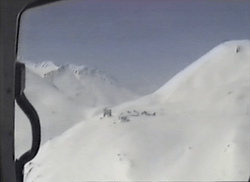
Oscillating Spaces, curated by Anneke Abhelakh, explores the Rhône Glacier—undergoing fast melting and transformation processes—as a case study to reflect on environmental challenges in a constantly oscillating site. Juxtaposing glacier cartography, photography, film, ecclesiastical documents, tourist souvenirs, and architectural archives, the exhibition questions the(...)
Oscillating Spaces, curated by Anneke Abhelakh, explores the Rhône Glacier—undergoing fast melting and transformation processes—as a case study to reflect on environmental challenges in a constantly oscillating site. Juxtaposing glacier cartography, photography, film, ecclesiastical documents, tourist souvenirs, and architectural archives, the exhibition questions the(...)
Location:
Octagonal gallery
Octagonal gallery
Date:
25 April 2025 to 1 February 2026
25 April 2025 to 1 February 2026
Title:
Oscillating Spaces
Actions:
Description:
Oscillating Spaces, curated by Anneke Abhelakh, explores the Rhône Glacier—undergoing fast melting and transformation processes—as a case study to reflect on environmental challenges in a constantly oscillating site. Juxtaposing glacier cartography, photography, film, ecclesiastical documents, tourist souvenirs, and architectural archives, the exhibition questions the(...)
Oscillating Spaces
Actions:
Description:
Oscillating Spaces, curated by Anneke Abhelakh, explores the Rhône Glacier—undergoing fast melting and transformation processes—as a case study to reflect on environmental challenges in a constantly oscillating site. Juxtaposing glacier cartography, photography, film, ecclesiastical documents, tourist souvenirs, and architectural archives, the exhibition questions the(...)
Form:
exhibitions
exhibitions
Date:
25 April 2025 to
1 February 2026
25 April 2025 to
1 February 2026
Location:
Octagonal gallery
Octagonal gallery


