


5088 Results
Form:
books
books

Actions:
Price:
$82.00
(available to order)
Summary:
Andrea Blum (born 1950) is a New York–based artist who has worked at the intersection of art, architecture and design since the 1970s. She has exhibited at a wide range of venues and has built projects in Europe and the United States that include public installations, furniture, exhibition design, libraries and other designs for living. Blum’s work considers the(...)
Title:
Andrea Blum: Biota. A discourse between art and architecture from the 1970s to the present
Actions:
Price:
$82.00
(available to order)
Summary:
Andrea Blum (born 1950) is a New York–based artist who has worked at the intersection of art, architecture and design since the 1970s. She has exhibited at a wide range of venues and has built projects in Europe and the United States that include public installations, furniture, exhibition design, libraries and other designs for living. Blum’s work considers the relationship of the sociopolitical world to the private psychological one, zooming in and out of the conditions that organize us as a culture, with a focus on the "down time"—when one eats, reads and is in repose—as the time when the border between private behavior and public etiquette is most evidenced. Accompanying an expansive exhibition of the same name at Hunter College Art Galleries, "Biota" is lavishly illustrated with extensive photography of Blum’s early sculpture, public works, exhibitions, installations and propositions of the past 40 years.
Form:
books
books
Publication:
July 2025
July 2025
Subject:
Contemporary Art Monographs
Contemporary Art Monographs
Form:
books
books
Price:
$21.95
(available to order)
Summary:
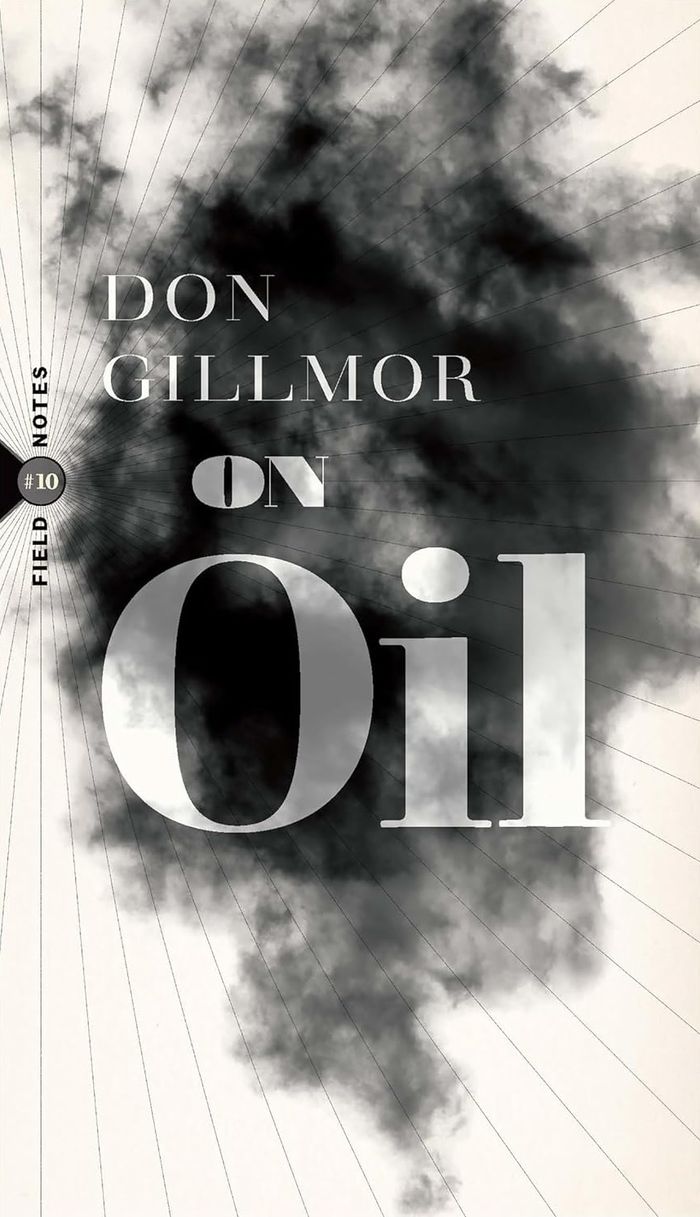
Oil has dominated our lives for the last century. It has given us warmth, progress, and life-threatening pollution. It has been a gift and is now a threat. It has started wars, ended wars, and infiltrated governments—in some cases, effectively become the government. And now oil's enduring mythology is facing a messy, complicated twilight. In "On oil," Don Gillmor, who(...)
Title:
On oil
Actions:
Price:
$21.95
(available to order)
Summary:
Oil has dominated our lives for the last century. It has given us warmth, progress, and life-threatening pollution. It has been a gift and is now a threat. It has started wars, ended wars, and infiltrated governments—in some cases, effectively become the government. And now oil's enduring mythology is facing a messy, complicated twilight. In "On oil," Don Gillmor, who worked as a roughneck on oil rigs during the seventies oil boom in Alberta, looks at how the industry has changed over the decades and illustrates the ways our dependence on oil has led to regulatory capture, in Canada and elsewhere, and contributed to armed conflict and war across the world. Gillmor documents the myriad ways that oil companies have misdirected environmental action and misinformed the public about climate concerns and illuminates where we went wrong—and how we might yet change course.
Form:
books
books
Publication:
April 2025
April 2025
Subject:
Social
Social
Form:
journals and magazines
journals and magazines
Actions:
Price:
$16.95
(available in store)
Summary:
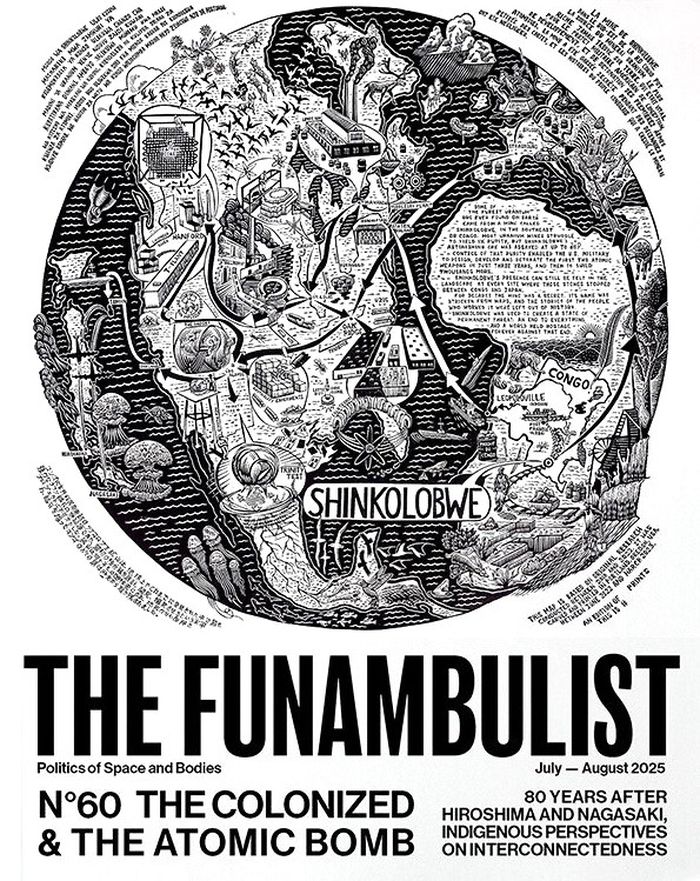
Welcome to the 60th issue of The Funambulist, which concludes the tenth year of publishing the magazine! On August 6th and 9th, The Funambulist will commemorate the 80th anniversary of the devastating US nuclear bombing of the cities of Hiroshima and Nagasaki. Our contribution to the significance of these two massacres consists in convoking Indigenous perspectives from(...)
Title:
The Funambulist n. 60: The colonized & the atomic bomb
Actions:
Price:
$16.95
(available in store)
Summary:
Welcome to the 60th issue of The Funambulist, which concludes the tenth year of publishing the magazine! On August 6th and 9th, The Funambulist will commemorate the 80th anniversary of the devastating US nuclear bombing of the cities of Hiroshima and Nagasaki. Our contribution to the significance of these two massacres consists in convoking Indigenous perspectives from lands that have been exploited for these two bombings. The idea for it came from listening to Glen Sean Coulthard in Dene Country (in what the Canadian settler colony designates as Northwest Territories) about the uranium extracted from his nation’s land to fabricate the atomic bomb and three decades later, the visit of a Dene delegation to Hiroshima to apologize for the role of their labor and land in the nuclear bombing of the city. This understanding of interconnectedness between distant lands and peoples forms the editorial core of this issue.
Form:
journals and magazines
journals and magazines
Publication:
July 2025
July 2025
Subject:
Magazines
Magazines
Form:
books
books
Title:
Maybe the birds
Maybe the birds
Actions:
Price:
$24.95
(available in store)
Summary:
After the apocalypse destroys most life on Earth, a woman makes artificial bird voiceboxes to try and keep birdsong alive. A young female vampire uses her knowledge of mirrors to save her village from the creature who turned her. A woman haunted by her past feels that the robins she has always loved are no longer her friends. These fourteen stories, largely speculative in(...)
Title:
Maybe the birds
Actions:
Price:
$24.95
(available in store)
Summary:
After the apocalypse destroys most life on Earth, a woman makes artificial bird voiceboxes to try and keep birdsong alive. A young female vampire uses her knowledge of mirrors to save her village from the creature who turned her. A woman haunted by her past feels that the robins she has always loved are no longer her friends. These fourteen stories, largely speculative in nature, consider what happens when the world is no longer as it used to be—whether it be the postapocalyptic future, the paleolithic past, or the dark north of the present. A. J. Ashworth’s second collection features "Leather" from Best British Short Stories and explores themes of love and loss, family and foe, as well as moments of disconnection and connection with those closest to us. All are interested in what it means to be alive in very difficult times.
Form:
books
books
Publication:
October 2025
October 2025
Subject:
Literature and poetry
Literature and poetry
Form:
books
books
Actions:
Price:
$98.00
(available to order)
Summary:
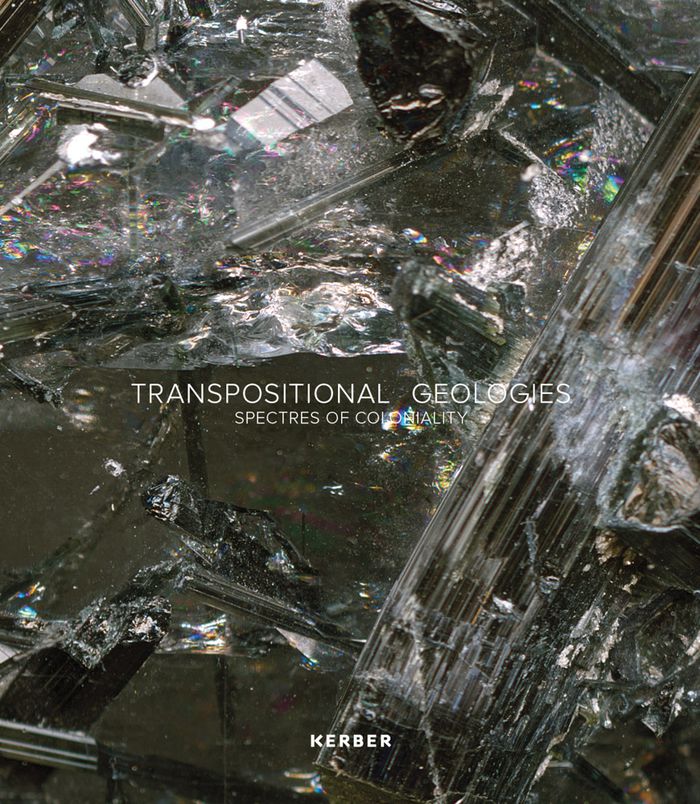
If you enter an institutional mineralogical collection, you typically encounter glass cabinets organized by classification systems according to material properties. Yet, each mineral carries with it a history of extraction, destruction, (dis)possession, and global relations. "Transpositional geologies" localizes such collections as indices of the afterlife of colonialism(...)
Title:
Transpositional geologies: Spectres of coloniality
Actions:
Price:
$98.00
(available to order)
Summary:
If you enter an institutional mineralogical collection, you typically encounter glass cabinets organized by classification systems according to material properties. Yet, each mineral carries with it a history of extraction, destruction, (dis)possession, and global relations. "Transpositional geologies" localizes such collections as indices of the afterlife of colonialism and proposes an evolving political geology, reading mineral specimens as objects of "culture" rather than of "nature." Capturing his five-year artistic engagement and cultural collaboration in Namibia and Germany, Sascha Mikloweit brings together international voices from fields including anthropology, critical theory, geology, history, museum studies, philosophy, poetry, public administration—and the perspectives of boltwoodite, cerussite, or smithsonite. Rock by rock, this exquisitely designed volume invites us to engage with a progressively nuanced reading of geology’s history: its epistemic violence, omissions and racial regimes, and how the lasting residues of its colonial legacies continue to shape our present-day extractive realities.
Form:
books
books
Publication:
August 2025
August 2025
Subject:
Art Theory
Art Theory
Form:
books
books

Title:
Emily Shur: Sunshine Terrace
Emily Shur: Sunshine Terrace
Actions:
Price:
$78.00
(available to order)
Summary:
Through the pages of "Sunshine Terrace", it is a strange, askew domesticity that first strikes us. It is the red eyes of a garage gate, a crooked tree growing over patchwork gravel beds, abandoned shopping carts, a strange triangular decoration, like a semblance of an imaginary map that one cannot read. These are the signs to be deciphered of a deliberately emptied(...)
Title:
Emily Shur: Sunshine Terrace
Actions:
Price:
$78.00
(available to order)
Summary:
Through the pages of "Sunshine Terrace", it is a strange, askew domesticity that first strikes us. It is the red eyes of a garage gate, a crooked tree growing over patchwork gravel beds, abandoned shopping carts, a strange triangular decoration, like a semblance of an imaginary map that one cannot read. These are the signs to be deciphered of a deliberately emptied residential area, whose human presence remains elusive, but whose inevitable markers we recognize: the stucco and asphalt surfaces, the chain-link fences and bodywork, the bursts of greenery, too. Turning her lens towards her own neighborhood, perched between the expanses of Los Angeles and the San Fernando Valley, Emily Shur adopts the figure of the walking photographer, focusing her gaze on this familiar place in which she precisely frames surfaces, colors and light in a true compositional pleasure, where forms respond to each other with a discreet humor.
Form:
books
books
Publication:
December 2025
December 2025
Subject:
Photography monographs
Photography monographs
Form:
books
books
Price:
$24.95
(available in store)
Summary:
The 2020 murder of George Floyd in Minneapolis led to the closure of the Tate Britain restaurant in London, which had advertised its 55-foot-long racist mural from the 1920s as "the most amusing room in Europe" Suddenly it was obvious. Flooded by Mail introduces strategies of antihegemonic amateur collecting and examines why the killing of a Black man by U.S. police in(...)
Subject:
Architectural Theory
Architectural Theory
Publication:
December 2025
December 2025
Title:
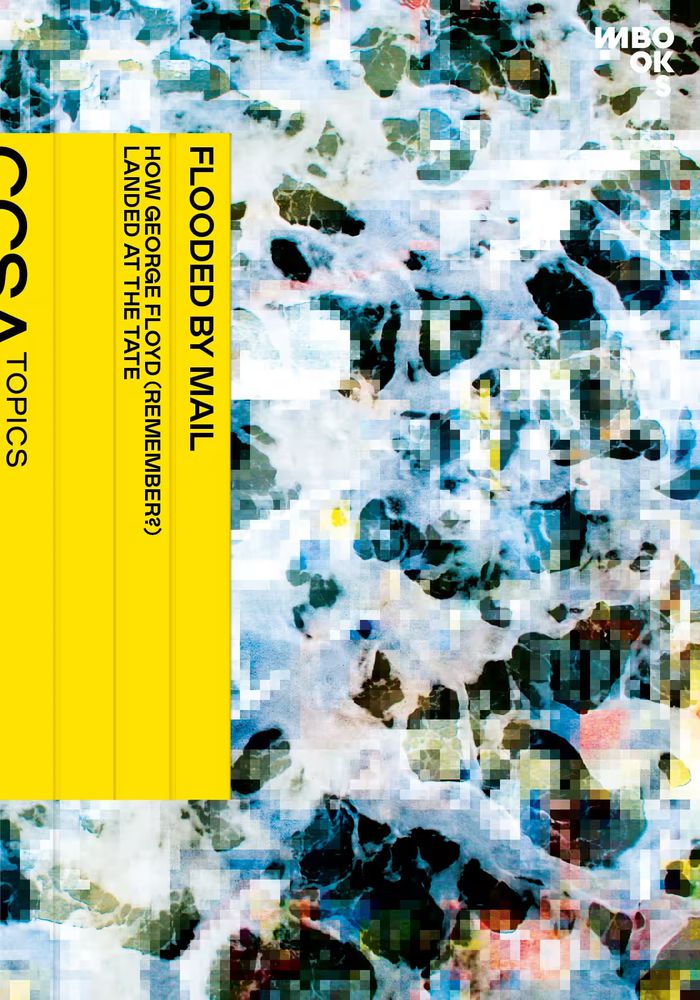
Flooded by mail: How George Floyd (remember?) landed at the Tate
Actions:
Price:
$24.95
(available in store)
Summary:
The 2020 murder of George Floyd in Minneapolis led to the closure of the Tate Britain restaurant in London, which had advertised its 55-foot-long racist mural from the 1920s as "the most amusing room in Europe" Suddenly it was obvious. Flooded by Mail introduces strategies of antihegemonic amateur collecting and examines why the killing of a Black man by U.S. police in public implicates us in Europe. A number of objects found online are useful for this task: the trial minting of a coin commemorating the collapse of the Cologne City Archive that never entered circulation, a board game from a 1932 German film, stock photos and generic copperplate engravings from the same family over centuries, Köllnflocken trading cards, postcards from a wall in Morocco, a procession in Cologne and a possessed harbor in Spain, and a 1970s conceptualist installation with postcards of rough seas along the British coast.
Form:
books
books
Publication:
December 2025
December 2025
Subject:
Architectural Theory
Architectural Theory
Form:
journals and magazines
journals and magazines

Actions:
Price:
$15.00
(available to order)
Summary:
"Now, and Then” is a nice elliptical phrase, never standing on its own — inconclusive in an expansive kind of way. It can be read to mean “occasionally,” as in — now and then I have a craving for raw oysters. It can be understood comparatively: this is now and that was then or it can be read as a double state of mind, considering what we are doing now and what took place(...)
Title:
Border Crossings 169 : Now, and then
Actions:
Price:
$15.00
(available to order)
Summary:
"Now, and Then” is a nice elliptical phrase, never standing on its own — inconclusive in an expansive kind of way. It can be read to mean “occasionally,” as in — now and then I have a craving for raw oysters. It can be understood comparatively: this is now and that was then or it can be read as a double state of mind, considering what we are doing now and what took place then. This is the way in which our topic for the current issue came to mind. It might also serve as an anchor in our rudderless time, to be consistently nautical, in that we can be engaged in the unavoidable present but we can also be assured that there is a history behind us — both bolstering, and dreadful, some of it we can draw and build on and much for which we ask to be forgiven.
Form:
journals and magazines
journals and magazines
Publication:
January 2026
January 2026
Subject:
Magazines
Magazines
Form:
books
books
Actions:
Price:
$41.00
(available in store)
Summary:
Globally, Black people are among the most affected by the climate crisis, despite contributing very little to it. For a long time, the crisis was portrayed as yet another injustice for Black people to care about, on top of the day-to-day oppression they face. In ''Black Climates'', Selina Nwulu reframes the crisis to encompass our disconnection from each other and the(...)
Title:
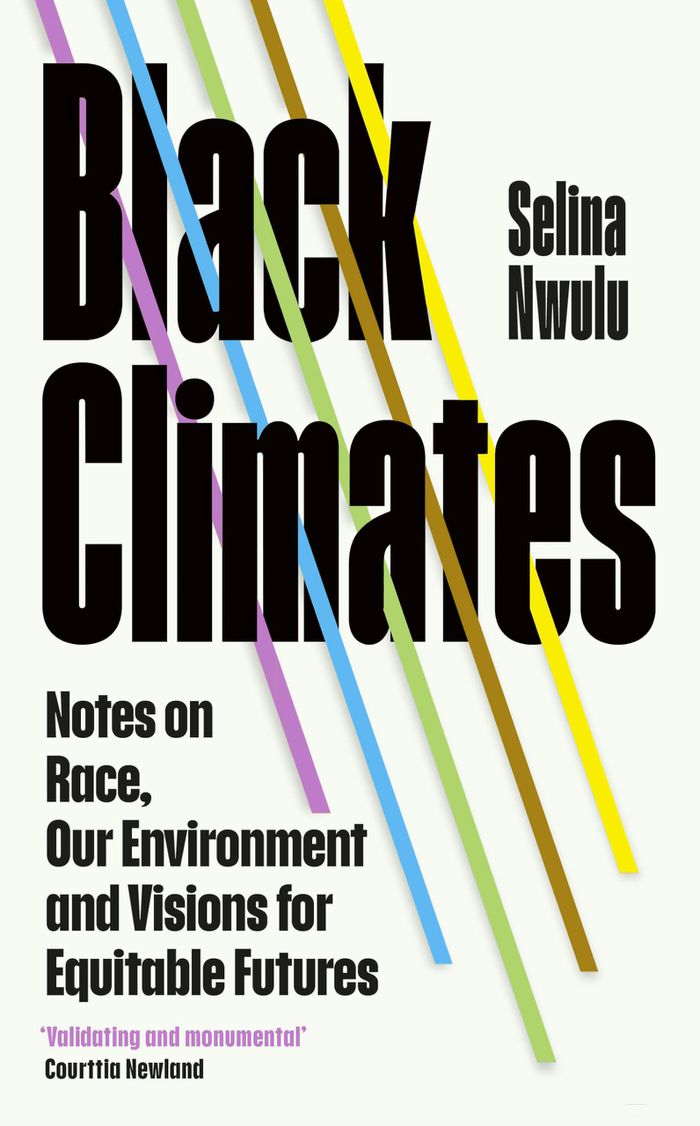
Black climates: Notes on race, our environment, and visions for equitable futures
Actions:
Price:
$41.00
(available in store)
Summary:
Globally, Black people are among the most affected by the climate crisis, despite contributing very little to it. For a long time, the crisis was portrayed as yet another injustice for Black people to care about, on top of the day-to-day oppression they face. In ''Black Climates'', Selina Nwulu reframes the crisis to encompass our disconnection from each other and the world around us. She argues that the root of climate change lies in historical colonial violence and ongoing exploitation, making it inherently racist. Nwulu, former Young People's Laureate for London, uses her poetic and skilful voice to directly address Black British readers who have been previously ignored in mainstream environmental conversations. She includes interviews with a wide range of creatives and campaigners to explore a variety of subjects, including air pollution, prison ecology, disability justice, migration, food, nature, community care, and radical imagination.
Form:
books
books
Publication:
January 2026
January 2026
Subject:
Environment and environmental theory
Environment and environmental theory
Form:
books
books
Actions:
Price:
$64.00
(available to order)
Summary:
Louis I. Kahn is one of the most influential and poetic architects of the twentieth century, a figure whose appeal extends beyond the realm of specialists. In this book, noted Kahn expert John Lobell explores how Kahn's focus on structure, respect for materials, clarity of program, and reverence for details come together to manifest an overall philosophy. Kahn's work(...)
Title:
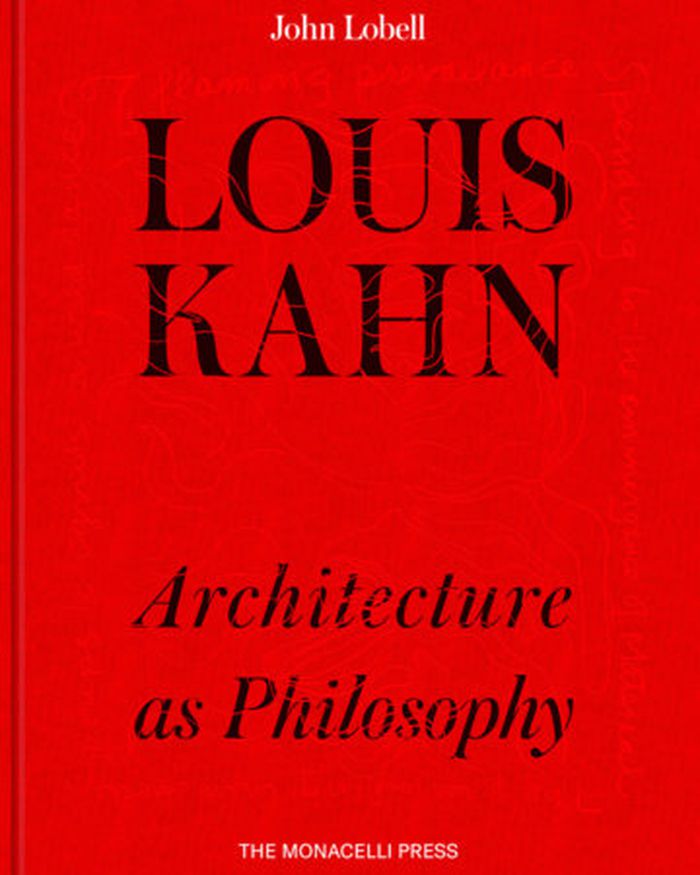
Louis Kahn: Architecture as philosophy
Actions:
Price:
$64.00
(available to order)
Summary:
Louis I. Kahn is one of the most influential and poetic architects of the twentieth century, a figure whose appeal extends beyond the realm of specialists. In this book, noted Kahn expert John Lobell explores how Kahn's focus on structure, respect for materials, clarity of program, and reverence for details come together to manifest an overall philosophy. Kahn's work clearly conveys a kind of "transcendent rootedness"--a rootedness in the fundamentals of architecture that also asks soaring questions about our experience of light and space, and even how we fit into the world. In Louis Kahn: The Philosophy of Architecture, John Lobell seeks to reveal how Kahn's buildings speak to grand humanistic concerns. An architecture book that touches on topics that addresses the universal human interests of consciousness and creativity, Louis Kahn: The Philosophy of Architecture helps us understand our place and the nature of well-being in the built environment.
Form:
books
books
Publication:
July 2020
July 2020
Subject:
Architecture Monographs
Architecture Monographs


