


4749 Results
Form:
books
books
Actions:
Price:
$60.00
(available to order)
Summary:
An unsurpassed master of postwar Japanese realist photography and a reference for amateur photographers even today. The breadth and diversity of this Renaissance man’s oeuvre reveals untiring attention to and interest in the culture, art, faces, society, and politics of his country. With over 70,000 pictures taken between the 1920s and the 1980s, Domon Ken is considered(...)
$60.00
(available to order)
Summary:
An unsurpassed master of postwar Japanese realist photography and a reference for amateur photographers even today. The breadth and diversity of this Renaissance man’s oeuvre reveals untiring attention to and interest in the culture, art, faces, society, and politics of his country. With over 70,000 pictures taken between the 1920s and the 1980s, Domon Ken is considered(...)
Subject:
Photography monographs
Photography monographs
Publication:
August 2017
August 2017
Title:
Domon Ken: master of Japanese realism
Actions:
Price:
$60.00
(available to order)
Summary:
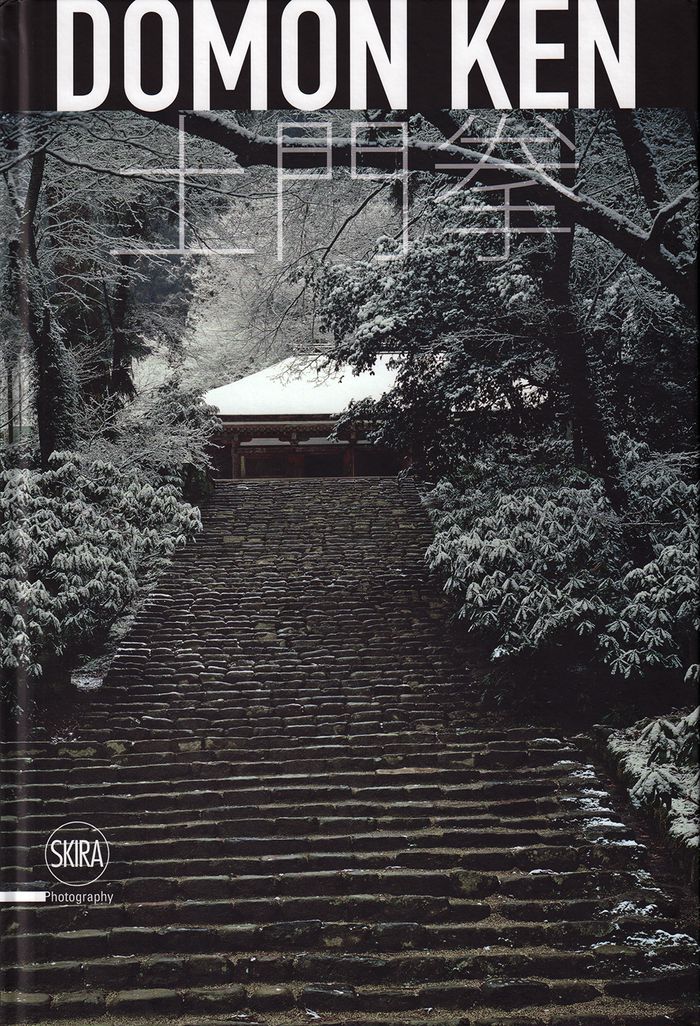
An unsurpassed master of postwar Japanese realist photography and a reference for amateur photographers even today. The breadth and diversity of this Renaissance man’s oeuvre reveals untiring attention to and interest in the culture, art, faces, society, and politics of his country. With over 70,000 pictures taken between the 1920s and the 1980s, Domon Ken is considered the supreme master of Japanese photography as well as the main exponent of realism as the only approach possible. Over the years he honed his craft, shifting from propaganda photography during the war to photography as a life’s mission, in search of his own Japan: a fascinating and silent Japan of ancient temples, Buddhist sculptures, puppet theaters (where he took refuge during the war); the seductive and expressive faces of celebrities alongside the modest ones of street urchins; the poorest Japan of mining villages; and finally his most disturbing and modern work, portraying Hiroshima and its unhealed wounds.
Domon Ken: master of Japanese realism
Actions:
Price:
$60.00
(available to order)
Summary:
An unsurpassed master of postwar Japanese realist photography and a reference for amateur photographers even today. The breadth and diversity of this Renaissance man’s oeuvre reveals untiring attention to and interest in the culture, art, faces, society, and politics of his country. With over 70,000 pictures taken between the 1920s and the 1980s, Domon Ken is considered the supreme master of Japanese photography as well as the main exponent of realism as the only approach possible. Over the years he honed his craft, shifting from propaganda photography during the war to photography as a life’s mission, in search of his own Japan: a fascinating and silent Japan of ancient temples, Buddhist sculptures, puppet theaters (where he took refuge during the war); the seductive and expressive faces of celebrities alongside the modest ones of street urchins; the poorest Japan of mining villages; and finally his most disturbing and modern work, portraying Hiroshima and its unhealed wounds.
Form:
books
books
Publication:
August 2017
August 2017
Subject:
Photography monographs
Photography monographs
Form:
books
books
Actions:
Price:
$66.00
(available to order)
Summary:
How does the experience of turning a door handle, opening a door from one space into another, affect us? It is no wonder that the door, one of the most elemental architectural forms, has such metaphorical richness. But even on a purely physical human level, the cold touch of a brass handle or the swish of a sliding screen gives rise to an emotional reaction, sometimes(...)
$66.00
(available to order)
Summary:
How does the experience of turning a door handle, opening a door from one space into another, affect us? It is no wonder that the door, one of the most elemental architectural forms, has such metaphorical richness. But even on a purely physical human level, the cold touch of a brass handle or the swish of a sliding screen gives rise to an emotional reaction, sometimes(...)
Title:
The experience of architecture
Actions:
Price:
$66.00
(available to order)
Summary:
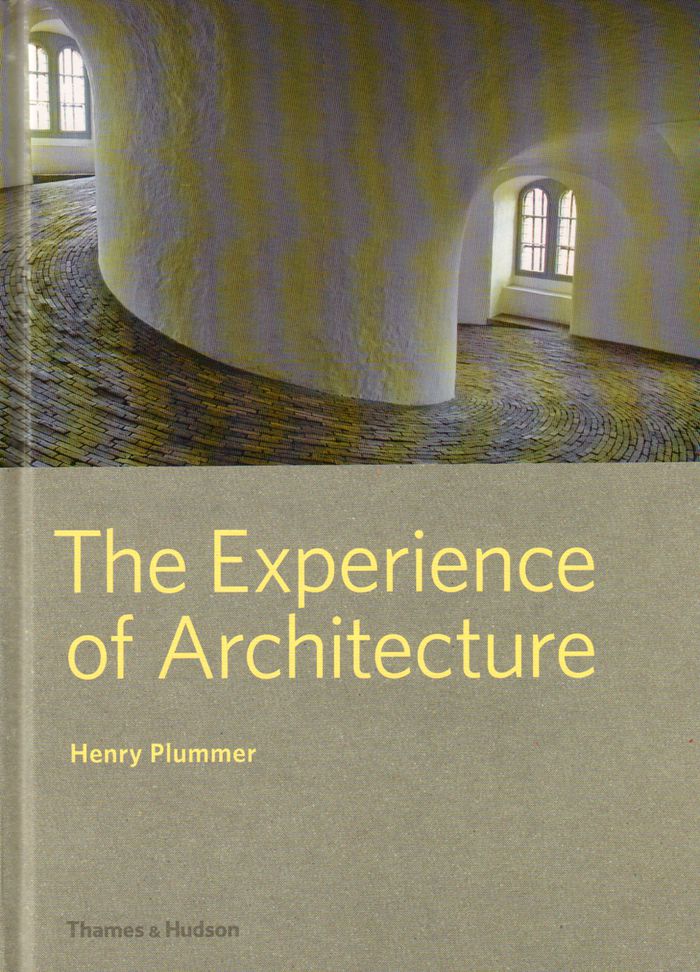
How does the experience of turning a door handle, opening a door from one space into another, affect us? It is no wonder that the door, one of the most elemental architectural forms, has such metaphorical richness. But even on a purely physical human level, the cold touch of a brass handle or the swish of a sliding screen gives rise to an emotional reaction, sometimes modest, occasionally profound. This book aims to understand how these everyday acts are influenced by architectural form, a concept that is vital for all architects to grasp. It considers how specifically built elements and volumes, taken from a wide array of buildings and settings around the world, can affect our powers of decision. From hand-carved stairs in Greek villages to free-floating catwalks, from the elegant processional steps of Renaissance Italy to Frank Lloyd Wright’s masterly manipulation of form, all provide very different experiences of stepping from one level to the next, and all affect our experience of that space.
The experience of architecture
Actions:
Price:
$66.00
(available to order)
Summary:
How does the experience of turning a door handle, opening a door from one space into another, affect us? It is no wonder that the door, one of the most elemental architectural forms, has such metaphorical richness. But even on a purely physical human level, the cold touch of a brass handle or the swish of a sliding screen gives rise to an emotional reaction, sometimes modest, occasionally profound. This book aims to understand how these everyday acts are influenced by architectural form, a concept that is vital for all architects to grasp. It considers how specifically built elements and volumes, taken from a wide array of buildings and settings around the world, can affect our powers of decision. From hand-carved stairs in Greek villages to free-floating catwalks, from the elegant processional steps of Renaissance Italy to Frank Lloyd Wright’s masterly manipulation of form, all provide very different experiences of stepping from one level to the next, and all affect our experience of that space.
Form:
books
books
Publication:
November 2016
November 2016
Subject:
Architectural Theory
Architectural Theory
Form:
books
books
Actions:
Price:
$81.50
(available in store)
Summary:
In this volume, twenty scholars explore the work of two of the twentieth century’s greatest architectural historians: the American Henry-Russell Hitchcock (1903–1987) and the Englishman Sir John Summerson (1904–1992). Both men undertook architectural training and became key polemical figures in the establishment of Modernism in the 1930s. After the war, and especially in(...)
$81.50
(available in store)
Summary:
In this volume, twenty scholars explore the work of two of the twentieth century’s greatest architectural historians: the American Henry-Russell Hitchcock (1903–1987) and the Englishman Sir John Summerson (1904–1992). Both men undertook architectural training and became key polemical figures in the establishment of Modernism in the 1930s. After the war, and especially in(...)
Title:
Summersopn and Hitchcock : centenary essays on architectural historiography
Actions:
Price:
$81.50
(available in store)
Summary:
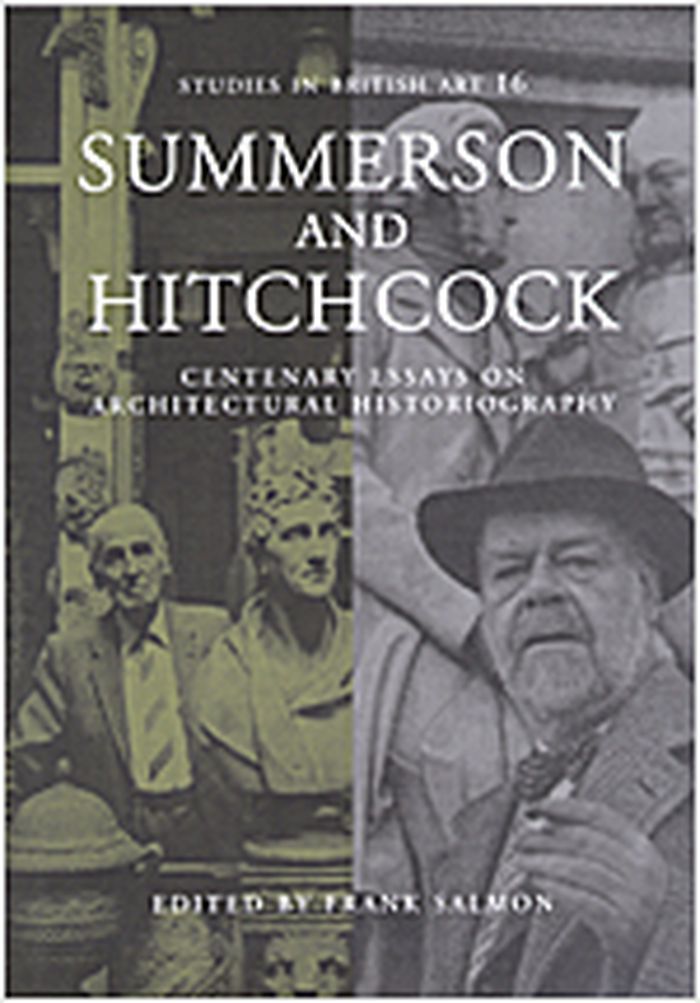
In this volume, twenty scholars explore the work of two of the twentieth century’s greatest architectural historians: the American Henry-Russell Hitchcock (1903–1987) and the Englishman Sir John Summerson (1904–1992). Both men undertook architectural training and became key polemical figures in the establishment of Modernism in the 1930s. After the war, and especially in the 1950s, both turned more exclusively to historical research and writing. While their areas of interest overlapped, their approaches greatly differed. The contributors to the book investigate the work and methodologies of Summerson and Hitchcock, from their interests in the Northern European (as opposed to Italian) Renaissance, through their studies of the nineteenth century as a precursor to their own times, to their involvement in contemporary issues of design and conservation. The book enhances our understanding of the influences that shaped these two important figures and of the place of architecture within the social and cultural environment.
Summersopn and Hitchcock : centenary essays on architectural historiography
Actions:
Price:
$81.50
(available in store)
Summary:
In this volume, twenty scholars explore the work of two of the twentieth century’s greatest architectural historians: the American Henry-Russell Hitchcock (1903–1987) and the Englishman Sir John Summerson (1904–1992). Both men undertook architectural training and became key polemical figures in the establishment of Modernism in the 1930s. After the war, and especially in the 1950s, both turned more exclusively to historical research and writing. While their areas of interest overlapped, their approaches greatly differed. The contributors to the book investigate the work and methodologies of Summerson and Hitchcock, from their interests in the Northern European (as opposed to Italian) Renaissance, through their studies of the nineteenth century as a precursor to their own times, to their involvement in contemporary issues of design and conservation. The book enhances our understanding of the influences that shaped these two important figures and of the place of architecture within the social and cultural environment.
Form:
books
books
Publication:
January 2006, New Haven, London
January 2006, New Haven, London
Subject:
Architectural Theory
Architectural Theory
Form:
books
books
Price:
$72.00
(available to order)
Summary:
The spread of Renaissance culture in England coincided with the birth of the profession of architecture, whose practitioners soon became superior to simple builders in social standing and perceived intellectual prowess. This book, which focuses in particular on the scientist, mathematician, and architect Sir Christopher Wren, explores the extent to which this new(...)
$72.00
(available to order)
Summary:
The spread of Renaissance culture in England coincided with the birth of the profession of architecture, whose practitioners soon became superior to simple builders in social standing and perceived intellectual prowess. This book, which focuses in particular on the scientist, mathematician, and architect Sir Christopher Wren, explores the extent to which this new(...)
Title:
Compass & rule : architecture as mathematical practice in England
Actions:
Price:
$72.00
(available to order)
Summary:
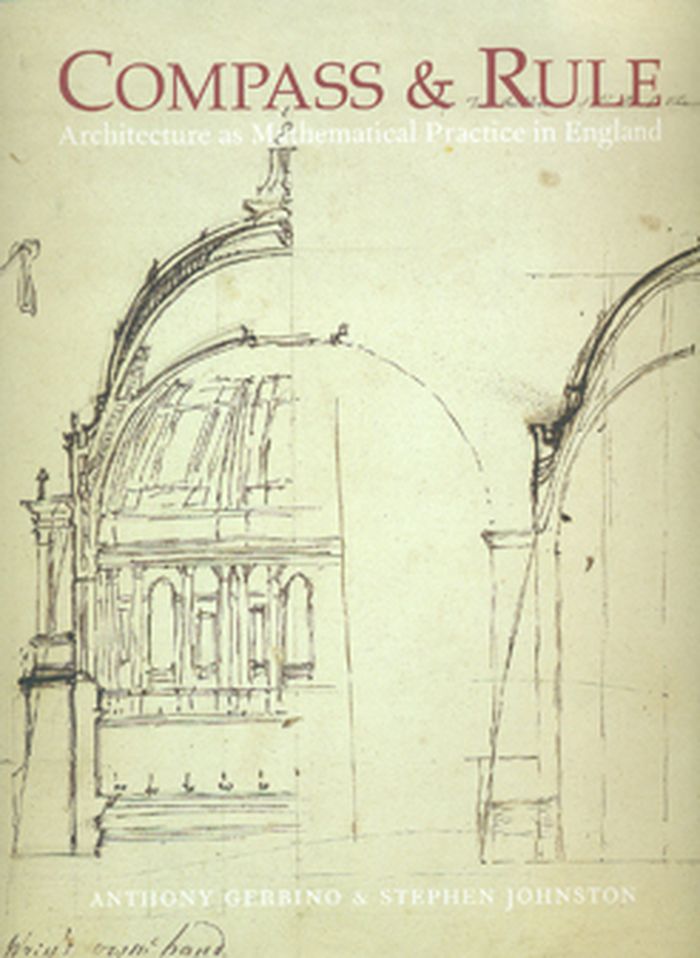
The spread of Renaissance culture in England coincided with the birth of the profession of architecture, whose practitioners soon became superior to simple builders in social standing and perceived intellectual prowess. This book, which focuses in particular on the scientist, mathematician, and architect Sir Christopher Wren, explores the extent to which this new professional identity was based on expertise in the mathematical arts and sciences. Featuring drawings, instruments, paintings, and other examples of the material culture of English architecture, the book discusses the role of mathematics in architectural design and building technology. It begins with architectural drawing in the 16th century, moves to large-scale technical drawing under Henry VIII, considers Inigo Jones and his royal buildings and Christopher Wren and the dome of St. Paul’s, and concludes with the architectural education of George III. Interweaving text and visual image, the book investigates the boundaries between art and science in architecture—the most artistic of the sciences and the most scientific of the arts.
Compass & rule : architecture as mathematical practice in England
Actions:
Price:
$72.00
(available to order)
Summary:
The spread of Renaissance culture in England coincided with the birth of the profession of architecture, whose practitioners soon became superior to simple builders in social standing and perceived intellectual prowess. This book, which focuses in particular on the scientist, mathematician, and architect Sir Christopher Wren, explores the extent to which this new professional identity was based on expertise in the mathematical arts and sciences. Featuring drawings, instruments, paintings, and other examples of the material culture of English architecture, the book discusses the role of mathematics in architectural design and building technology. It begins with architectural drawing in the 16th century, moves to large-scale technical drawing under Henry VIII, considers Inigo Jones and his royal buildings and Christopher Wren and the dome of St. Paul’s, and concludes with the architectural education of George III. Interweaving text and visual image, the book investigates the boundaries between art and science in architecture—the most artistic of the sciences and the most scientific of the arts.
Form:
books
books
Publication:
May 2009
May 2009
Subject:
Architectural Drawing
Architectural Drawing
Form:
books
books
Actions:
Price:
$67.50
(available in store)
Summary:
Linoleum is a natural material with quite an eventful history of use since its invention in 1864 by the British entrepreneur Frederik Walton. Its first golden age was between 1900 and 1930, when numerous renowned designers - among them Josef Hoffmann or Bruno Paul -(...)
$67.50
(available in store)
Summary:
Linoleum is a natural material with quite an eventful history of use since its invention in 1864 by the British entrepreneur Frederik Walton. Its first golden age was between 1900 and 1930, when numerous renowned designers - among them Josef Hoffmann or Bruno Paul -(...)
Title:
Linoleum : history, design, archtiecture 1882 - 2000
Actions:
Price:
$67.50
(available in store)
Summary:
Linoleum is a natural material with quite an eventful history of use since its invention in 1864 by the British entrepreneur Frederik Walton. Its first golden age was between 1900 and 1930, when numerous renowned designers - among them Josef Hoffmann or Bruno Paul - designed both collections and patterns. Even Peter Behrens - before he became the "artistic counselor" to AEG in Berlin in 1908 - tried his hand at designing linoleum patterns, to the point of developing a complete "corporate design" from stationary to catalogs to exhibition architecture for the Anker- Linoleum-Werke at Delmenhorst. Bauhaus architects such as Bruno Taut or Mies van der Rohe used linoleum in housing projects as an inexpensive and hardwearing but also decorative floor-covering. This book is the first to present this historically and ecologically equally important material in its various guises. Experts in the field contributed essays about the history of linoleum, its "discovery" by modernist designers and architects and its renaissance in contemporary design and architecture.
Linoleum : history, design, archtiecture 1882 - 2000
Actions:
Price:
$67.50
(available in store)
Summary:
Linoleum is a natural material with quite an eventful history of use since its invention in 1864 by the British entrepreneur Frederik Walton. Its first golden age was between 1900 and 1930, when numerous renowned designers - among them Josef Hoffmann or Bruno Paul - designed both collections and patterns. Even Peter Behrens - before he became the "artistic counselor" to AEG in Berlin in 1908 - tried his hand at designing linoleum patterns, to the point of developing a complete "corporate design" from stationary to catalogs to exhibition architecture for the Anker- Linoleum-Werke at Delmenhorst. Bauhaus architects such as Bruno Taut or Mies van der Rohe used linoleum in housing projects as an inexpensive and hardwearing but also decorative floor-covering. This book is the first to present this historically and ecologically equally important material in its various guises. Experts in the field contributed essays about the history of linoleum, its "discovery" by modernist designers and architects and its renaissance in contemporary design and architecture.
Form:
books
books
Publication:
March 2001, Ostfilden
March 2001, Ostfilden
Subject:
Materials and Lighting
Materials and Lighting
Form:
books
books
Title:
The spaces between buildings
The spaces between buildings
Actions:
Price:
$33.95
(available to order)
Summary:
Ford begins by looking at the growth of four urban places, each representing a historical era as much as a geographic location: the Islamic medina; the city shaped by the Spanish renaissance; the nineteenth-century North American city; and the twentieth-century American city. His first(...)
$33.95
(available to order)
Summary:
Ford begins by looking at the growth of four urban places, each representing a historical era as much as a geographic location: the Islamic medina; the city shaped by the Spanish renaissance; the nineteenth-century North American city; and the twentieth-century American city. His first(...)
Title:
The spaces between buildings
Actions:
Price:
$33.95
(available to order)
Summary:
Ford begins by looking at the growth of four urban places, each representing a historical era as much as a geographic location: the Islamic medina; the city shaped by the Spanish renaissance; the nineteenth-century North American city; and the twentieth-century American city. His first essay also discusses the evolution of the free-standing structure as a basic urban building type and the problems encountered in beautifying the often work-a-day back and side yards that have helped to create the image of the untidy American city. The second essay examines the urban trend toward viewing lawns, gardens, hedges, and trees as an essential adjunct to architecture. The final essay focuses on pedestrian and vehicular spaces. Here the author includes the landscape of the garage, sidewalks, streets, and alleys. In its exploration of how spaces become places, "The Spaces between Buildings" invites readers to see anew the spaces they encounter every day and often take for granted.
The spaces between buildings
Actions:
Price:
$33.95
(available to order)
Summary:
Ford begins by looking at the growth of four urban places, each representing a historical era as much as a geographic location: the Islamic medina; the city shaped by the Spanish renaissance; the nineteenth-century North American city; and the twentieth-century American city. His first essay also discusses the evolution of the free-standing structure as a basic urban building type and the problems encountered in beautifying the often work-a-day back and side yards that have helped to create the image of the untidy American city. The second essay examines the urban trend toward viewing lawns, gardens, hedges, and trees as an essential adjunct to architecture. The final essay focuses on pedestrian and vehicular spaces. Here the author includes the landscape of the garage, sidewalks, streets, and alleys. In its exploration of how spaces become places, "The Spaces between Buildings" invites readers to see anew the spaces they encounter every day and often take for granted.
Form:
books
books
Publication:
August 2000, Baltimore
August 2000, Baltimore
Subject:
Architectural Theory
Architectural Theory
Form:
books
books
Actions:
Price:
$20.50
(available to order)
Summary:
How architects and engineers relate to one another has long been debated but never before addressed over a broad span of history. There are many controversial issues: about professional demarcation, about credit for design, about the value we attach to art in buildings, and about how that connects with advances in technique and efficiency. This pioneering and handsomely(...)
$20.50
(available to order)
Summary:
How architects and engineers relate to one another has long been debated but never before addressed over a broad span of history. There are many controversial issues: about professional demarcation, about credit for design, about the value we attach to art in buildings, and about how that connects with advances in technique and efficiency. This pioneering and handsomely(...)
Publication:
March 2008, New Haven, London
March 2008, New Haven, London
Title:
Architect and Engineer: a study in sibling rivalry
Actions:
Price:
$20.50
(available to order)
Summary:
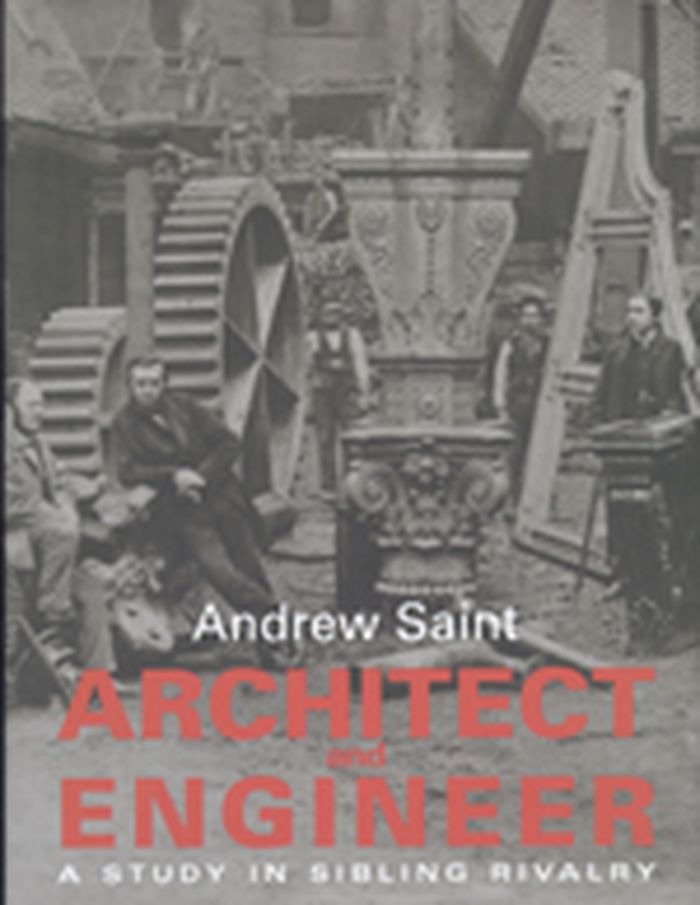
How architects and engineers relate to one another has long been debated but never before addressed over a broad span of history. There are many controversial issues: about professional demarcation, about credit for design, about the value we attach to art in buildings, and about how that connects with advances in technique and efficiency. This pioneering and handsomely illustrated book enquires for the first time into the pattern of these relationships since the Renaissance. Concentrating particularly on Britain, France and the United States, Architect and Engineer looks at what has actually taken place when architecture and engineering have interlocked. It examines projects ranging from the building of Waterloo Bridge to the evolution of the Chicago skyscraper, and personalities from Vauban to Brunel and Wright. The results of this impartial investigation may often surprise and provoke the reader. It is a study that has radical implications for the compartmentalized ways in which the history of architecture and construction has conventionally been addressed
Architect and Engineer: a study in sibling rivalry
Actions:
Price:
$20.50
(available to order)
Summary:
How architects and engineers relate to one another has long been debated but never before addressed over a broad span of history. There are many controversial issues: about professional demarcation, about credit for design, about the value we attach to art in buildings, and about how that connects with advances in technique and efficiency. This pioneering and handsomely illustrated book enquires for the first time into the pattern of these relationships since the Renaissance. Concentrating particularly on Britain, France and the United States, Architect and Engineer looks at what has actually taken place when architecture and engineering have interlocked. It examines projects ranging from the building of Waterloo Bridge to the evolution of the Chicago skyscraper, and personalities from Vauban to Brunel and Wright. The results of this impartial investigation may often surprise and provoke the reader. It is a study that has radical implications for the compartmentalized ways in which the history of architecture and construction has conventionally been addressed
Form:
books
books
Publication:
March 2008, New Haven, London
March 2008, New Haven, London
Form:
books
books
Price:
$32.95
(available to order)
Summary:
La désobéissance inventive, ou la nécessité de faire autrement. C'est ce que recommande Nicolas Michelin, architecte urbaniste, dans ces nouveaux textes. C'est-à-dire sortir de la routine, contourner les objectifs réglementaires incertains ou absurdes, éviter les alibis environnementaux douteux, pour échapper au carcan qui uniformise la production architecturale actuelle.(...)
$32.95
(available to order)
Summary:
La désobéissance inventive, ou la nécessité de faire autrement. C'est ce que recommande Nicolas Michelin, architecte urbaniste, dans ces nouveaux textes. C'est-à-dire sortir de la routine, contourner les objectifs réglementaires incertains ou absurdes, éviter les alibis environnementaux douteux, pour échapper au carcan qui uniformise la production architecturale actuelle.(...)
Title:
Attitudes ; propos sur l'architecture, la ville, l'environnement
Actions:
Price:
$32.95
(available to order)
Summary:
La désobéissance inventive, ou la nécessité de faire autrement. C'est ce que recommande Nicolas Michelin, architecte urbaniste, dans ces nouveaux textes. C'est-à-dire sortir de la routine, contourner les objectifs réglementaires incertains ou absurdes, éviter les alibis environnementaux douteux, pour échapper au carcan qui uniformise la production architecturale actuelle. Mais, Nicolas Michelin fait soudain un pas de côté. De manière inattendue, il livre quatre courtes fictions qui entraînent le lecteur dans d'étranges univers, incursions dans des mondes parallèles où l'architecture apparaît toujours en filigrane. À partir de constructions ou de paysages réels, il glisse vers des hallucinations dans des temporalités et des spatialités étrangement subverties. Puis, il mène trois conversations avec des interlocuteurs proches de son mode de pensée. Il échange avec ses deux associés sur la pratique de l'agence sur la double échelle, de l'urbanisme et de l'architecture. Il partage sa parole avec un artiste, à propos de la Renaissance, et s'interroge avec deux architectes plus jeunes sur la notion d'engagement. Au fil de ces textes, il explicite sa position d'architecte et sa vision de ce métier politique.
Attitudes ; propos sur l'architecture, la ville, l'environnement
Actions:
Price:
$32.95
(available to order)
Summary:
La désobéissance inventive, ou la nécessité de faire autrement. C'est ce que recommande Nicolas Michelin, architecte urbaniste, dans ces nouveaux textes. C'est-à-dire sortir de la routine, contourner les objectifs réglementaires incertains ou absurdes, éviter les alibis environnementaux douteux, pour échapper au carcan qui uniformise la production architecturale actuelle. Mais, Nicolas Michelin fait soudain un pas de côté. De manière inattendue, il livre quatre courtes fictions qui entraînent le lecteur dans d'étranges univers, incursions dans des mondes parallèles où l'architecture apparaît toujours en filigrane. À partir de constructions ou de paysages réels, il glisse vers des hallucinations dans des temporalités et des spatialités étrangement subverties. Puis, il mène trois conversations avec des interlocuteurs proches de son mode de pensée. Il échange avec ses deux associés sur la pratique de l'agence sur la double échelle, de l'urbanisme et de l'architecture. Il partage sa parole avec un artiste, à propos de la Renaissance, et s'interroge avec deux architectes plus jeunes sur la notion d'engagement. Au fil de ces textes, il explicite sa position d'architecte et sa vision de ce métier politique.
Form:
books
books
Publication:
November 2010
November 2010
Subject:
Architectural Theory
Architectural Theory
Form:
books
books
Price:
$74.95
(available to order)
Summary:
In the late 19th century, a centuries-old preference for highly ornamented architecture gave way to a budding Modernism of clean lines and unadorned surfaces. At the same moment, everyday objects—cups, saucers, chairs, and tables—began to receive critical attention. Alina Payne addresses this shift, arguing for a new understanding of the genealogy of architectural(...)
$74.95
(available to order)
Summary:
In the late 19th century, a centuries-old preference for highly ornamented architecture gave way to a budding Modernism of clean lines and unadorned surfaces. At the same moment, everyday objects—cups, saucers, chairs, and tables—began to receive critical attention. Alina Payne addresses this shift, arguing for a new understanding of the genealogy of architectural(...)
Title:
From ornament to object: genealogies of architectural modernism
Actions:
Price:
$74.95
(available to order)
Summary:
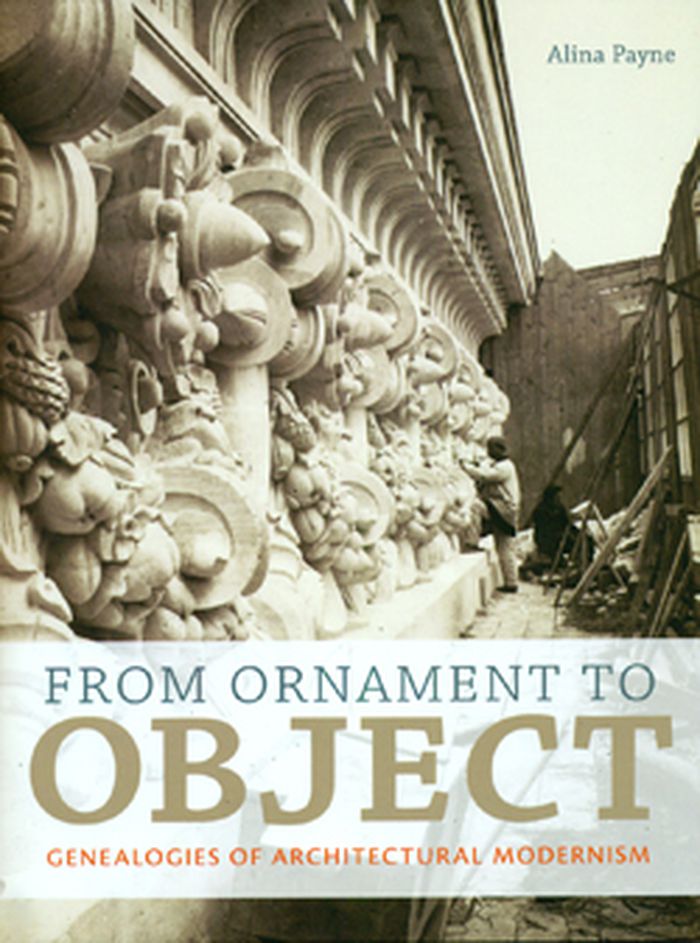
In the late 19th century, a centuries-old preference for highly ornamented architecture gave way to a budding Modernism of clean lines and unadorned surfaces. At the same moment, everyday objects—cups, saucers, chairs, and tables—began to receive critical attention. Alina Payne addresses this shift, arguing for a new understanding of the genealogy of architectural modernism: rather than the well-known story in which an absorption of technology and mass production created a radical aesthetic that broke decisively with the past, Payne argues for a more gradual shift, as the eloquence of architectural ornamentation was taken on by objects of daily use. As she demonstrates, the work of Adolf Loos and Le Corbusier should be seen as the culmination of a conversation about ornament dating as far back as the Renaissance. Payne looks beyond the usual suspects of philosophy and science to establish theoretical catalysts for the shift from ornament to object in the varied fields of anthropology and ethnology; art history and the museum; and archaeology and psychology.
From ornament to object: genealogies of architectural modernism
Actions:
Price:
$74.95
(available to order)
Summary:
In the late 19th century, a centuries-old preference for highly ornamented architecture gave way to a budding Modernism of clean lines and unadorned surfaces. At the same moment, everyday objects—cups, saucers, chairs, and tables—began to receive critical attention. Alina Payne addresses this shift, arguing for a new understanding of the genealogy of architectural modernism: rather than the well-known story in which an absorption of technology and mass production created a radical aesthetic that broke decisively with the past, Payne argues for a more gradual shift, as the eloquence of architectural ornamentation was taken on by objects of daily use. As she demonstrates, the work of Adolf Loos and Le Corbusier should be seen as the culmination of a conversation about ornament dating as far back as the Renaissance. Payne looks beyond the usual suspects of philosophy and science to establish theoretical catalysts for the shift from ornament to object in the varied fields of anthropology and ethnology; art history and the museum; and archaeology and psychology.
Form:
books
books
Publication:
July 2012
July 2012
Subject:
Architectural Theory
Architectural Theory
Form:
books
books
Title:
Sign painters
Sign painters
Actions:
Price:
$28.95
(available to order)
Summary:
There was a time, as recently as the 1980s, when storefronts, murals, banners, barn signs, billboards, and even street signs were all hand-lettered with brush and paint. But, like many skilled trades, the sign industry has been overrun by the techno-fueled promise of quicker and cheaper. The resulting proliferation of computer-designed, die-cut vinyl lettering and inkjet(...)
$28.95
(available to order)
Summary:
There was a time, as recently as the 1980s, when storefronts, murals, banners, barn signs, billboards, and even street signs were all hand-lettered with brush and paint. But, like many skilled trades, the sign industry has been overrun by the techno-fueled promise of quicker and cheaper. The resulting proliferation of computer-designed, die-cut vinyl lettering and inkjet(...)
Title:
Sign painters
Actions:
Price:
$28.95
(available to order)
Summary:
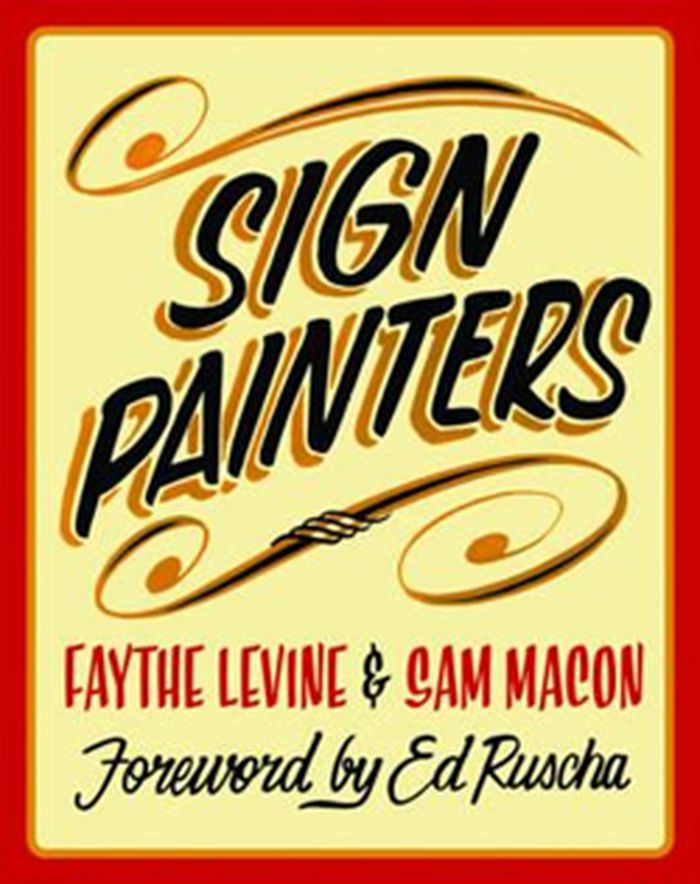
There was a time, as recently as the 1980s, when storefronts, murals, banners, barn signs, billboards, and even street signs were all hand-lettered with brush and paint. But, like many skilled trades, the sign industry has been overrun by the techno-fueled promise of quicker and cheaper. The resulting proliferation of computer-designed, die-cut vinyl lettering and inkjet printers has ushered a creeping sameness into our visual landscape. Fortunately, there is a growing trend to seek out traditional sign painters and a renaissance in the trade. In 2010, Faythe Levine and Sam Macon began documenting these dedicated practitioners, their time-honored methods, and their appreciation for quality and craftsmanship. Sign Painters, the first anecdotal history of the craft, features stories and photographs of more than two dozen sign painters working in cities throughout the United States. With a foreword by legendary artist (and former sign painter) Ed Ruscha, this book profiles sign painters young and old, from the new vanguard working solo to collaborative shops such as San Francisco's New Bohemia Signs and New York's Colossal Media's Sky High Murals.
Sign painters
Actions:
Price:
$28.95
(available to order)
Summary:
There was a time, as recently as the 1980s, when storefronts, murals, banners, barn signs, billboards, and even street signs were all hand-lettered with brush and paint. But, like many skilled trades, the sign industry has been overrun by the techno-fueled promise of quicker and cheaper. The resulting proliferation of computer-designed, die-cut vinyl lettering and inkjet printers has ushered a creeping sameness into our visual landscape. Fortunately, there is a growing trend to seek out traditional sign painters and a renaissance in the trade. In 2010, Faythe Levine and Sam Macon began documenting these dedicated practitioners, their time-honored methods, and their appreciation for quality and craftsmanship. Sign Painters, the first anecdotal history of the craft, features stories and photographs of more than two dozen sign painters working in cities throughout the United States. With a foreword by legendary artist (and former sign painter) Ed Ruscha, this book profiles sign painters young and old, from the new vanguard working solo to collaborative shops such as San Francisco's New Bohemia Signs and New York's Colossal Media's Sky High Murals.
Form:
books
books
Publication:
October 2012
October 2012
Subject:
Graphic Design and Typography
Graphic Design and Typography


