


4749 Results
Form:
books
books
Actions:
Price:
$47.95
(available to order)
Summary:
Ce livre raconte l’exploration d’une terre inconnue, la nôtre. À la suite des voyageurs de la Renaissance partis cartographier les terra incognita du Nouveau Monde, « Terra Forma » propose, cinq siècles plus tard, de découvrir une autre Terre, ou plutôt de redécouvrir autrement celle que nous croyons si bien connaître en partant du constat que si les transformations(...)
$47.95
(available to order)
Summary:
Ce livre raconte l’exploration d’une terre inconnue, la nôtre. À la suite des voyageurs de la Renaissance partis cartographier les terra incognita du Nouveau Monde, « Terra Forma » propose, cinq siècles plus tard, de découvrir une autre Terre, ou plutôt de redécouvrir autrement celle que nous croyons si bien connaître en partant du constat que si les transformations(...)
Title:
Terra forma : manuel de cartographies potentielles
Actions:
Price:
$47.95
(available to order)
Summary:
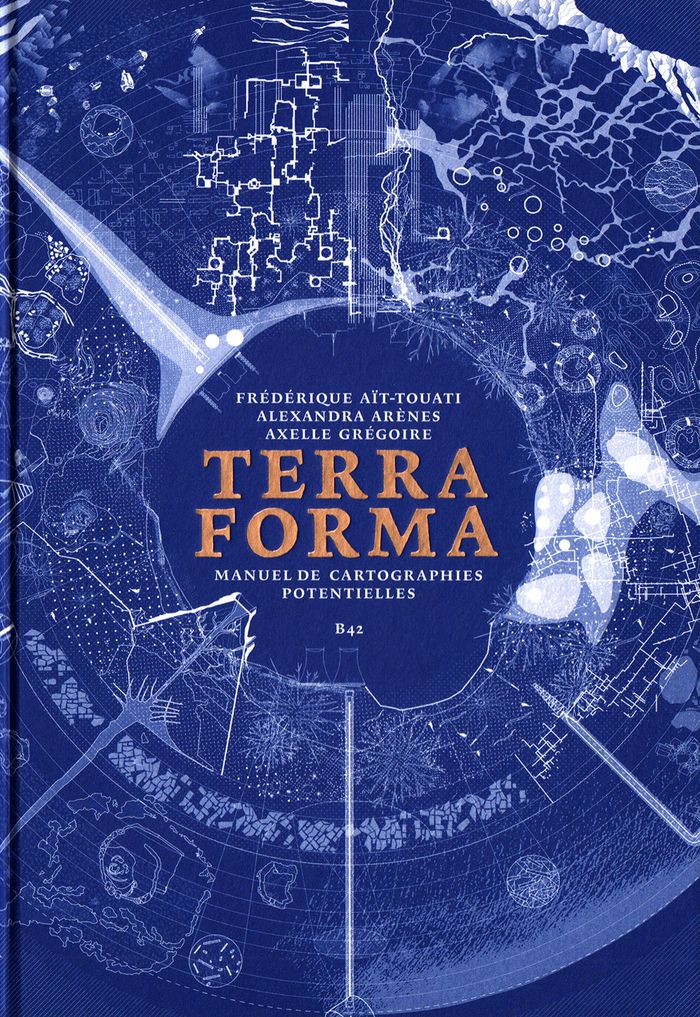
Ce livre raconte l’exploration d’une terre inconnue, la nôtre. À la suite des voyageurs de la Renaissance partis cartographier les terra incognita du Nouveau Monde, « Terra Forma » propose, cinq siècles plus tard, de découvrir une autre Terre, ou plutôt de redécouvrir autrement celle que nous croyons si bien connaître en partant du constat que si les transformations récentes des conditions d’habitabilité du monde sont si difficiles à percevoir, c’est parce que les représentations disponibles sont trop abstraites, lointaines, et dans une certaine mesure trop stables. En proposant une extension du vocabulaire cartographique, ce livre est un manifeste pour l’imagination géographique, et, ce faisant, politique. Si certains des phénomènes auxquels nous assistons (érosion des sols, épuisement des ressources, accélération des espaces-temps urbains, intensification des zones polluées) nous échappent par leur échelle, leur durée, leur ampleur, c’est par le développement de nos techniques de représentation que l’on peut espérer mieux les comprendre. En mettant en « cartes » certaines propositions des sciences du Système-Terre et de la pensée écologique contemporaine, « Terra Forma » permet de mieux saisir leur portée politique.
Terra forma : manuel de cartographies potentielles
Actions:
Price:
$47.95
(available to order)
Summary:
Ce livre raconte l’exploration d’une terre inconnue, la nôtre. À la suite des voyageurs de la Renaissance partis cartographier les terra incognita du Nouveau Monde, « Terra Forma » propose, cinq siècles plus tard, de découvrir une autre Terre, ou plutôt de redécouvrir autrement celle que nous croyons si bien connaître en partant du constat que si les transformations récentes des conditions d’habitabilité du monde sont si difficiles à percevoir, c’est parce que les représentations disponibles sont trop abstraites, lointaines, et dans une certaine mesure trop stables. En proposant une extension du vocabulaire cartographique, ce livre est un manifeste pour l’imagination géographique, et, ce faisant, politique. Si certains des phénomènes auxquels nous assistons (érosion des sols, épuisement des ressources, accélération des espaces-temps urbains, intensification des zones polluées) nous échappent par leur échelle, leur durée, leur ampleur, c’est par le développement de nos techniques de représentation que l’on peut espérer mieux les comprendre. En mettant en « cartes » certaines propositions des sciences du Système-Terre et de la pensée écologique contemporaine, « Terra Forma » permet de mieux saisir leur portée politique.
Form:
books
books
Publication:
May 2019
May 2019
Subject:
Architectural Plans and Cartography
Architectural Plans and Cartography
Form:
books
books
Actions:
Price:
$75.00
(available in store)
Summary:
''Photography and Architecture: 1839–1939'' presents works that show aspects of the history of architecture seen through photography, and the history of photography through architecture. One hundred and forty-eight photographs from the collection of the CCA have been selected to demonstrate the great richness of the subject, including the origins of(...)
$75.00
(available in store)
Summary:
''Photography and Architecture: 1839–1939'' presents works that show aspects of the history of architecture seen through photography, and the history of photography through architecture. One hundred and forty-eight photographs from the collection of the CCA have been selected to demonstrate the great richness of the subject, including the origins of(...)
Title:
Photography and architecture: 1839-1939
Actions:
Price:
$75.00
(available in store)
Summary:
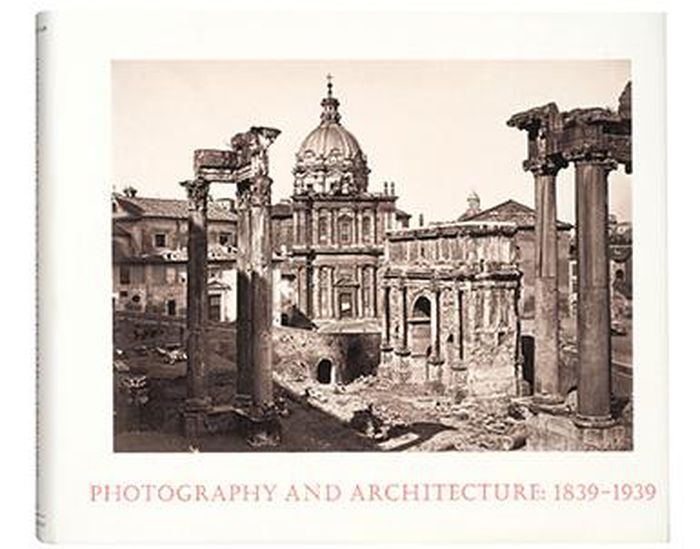
''Photography and Architecture: 1839–1939'' presents works that show aspects of the history of architecture seen through photography, and the history of photography through architecture. One hundred and forty-eight photographs from the collection of the CCA have been selected to demonstrate the great richness of the subject, including the origins of photography in Britain and France, the pioneering expeditions accompanied by photographers who recorded the great monuments of the world from the Mediterranean to the Far East, and the great surveys of the nineteenth century. Individual images document the expansion of the United States in works that reflect the growth of American cities. Urban renewal is seen in works from the Second Empire in France and from the 1880s in England and Scotland. Works from the American renaissance in photography of the 1920s and 1930s explore new aspects of the modern vertical city. The final section of the book is devoted to works that reflect the architectural ideas developped in Germany between the two world wars. Introduction by Phyllis Lambert.
Photography and architecture: 1839-1939
Actions:
Price:
$75.00
(available in store)
Summary:
''Photography and Architecture: 1839–1939'' presents works that show aspects of the history of architecture seen through photography, and the history of photography through architecture. One hundred and forty-eight photographs from the collection of the CCA have been selected to demonstrate the great richness of the subject, including the origins of photography in Britain and France, the pioneering expeditions accompanied by photographers who recorded the great monuments of the world from the Mediterranean to the Far East, and the great surveys of the nineteenth century. Individual images document the expansion of the United States in works that reflect the growth of American cities. Urban renewal is seen in works from the Second Empire in France and from the 1880s in England and Scotland. Works from the American renaissance in photography of the 1920s and 1930s explore new aspects of the modern vertical city. The final section of the book is devoted to works that reflect the architectural ideas developped in Germany between the two world wars. Introduction by Phyllis Lambert.
Form:
books
books
Publication:
January 1982, Montréal
January 1982, Montréal
Subject:
CCA Publications
CCA Publications
Form:
books
books
Actions:
Price:
$61.95
(available to order)
Summary:
Naïve documents the return of classical graphic design reminiscent of the 1940s to 1960s in contemporary graphic design. Friedrich von Schiller a minimalist design vocabulary is currently being reinvented by a troop of young graphic designers who are rediscovering the stylistic elements reminiscent of classic graphic design such as silkscreen printing, classical(...)
$61.95
(available to order)
Summary:
Naïve documents the return of classical graphic design reminiscent of the 1940s to 1960s in contemporary graphic design. Friedrich von Schiller a minimalist design vocabulary is currently being reinvented by a troop of young graphic designers who are rediscovering the stylistic elements reminiscent of classic graphic design such as silkscreen printing, classical(...)
Title:
Naïve: Modernism and folklore in contemporary graphic design
Actions:
Price:
$61.95
(available to order)
Summary:
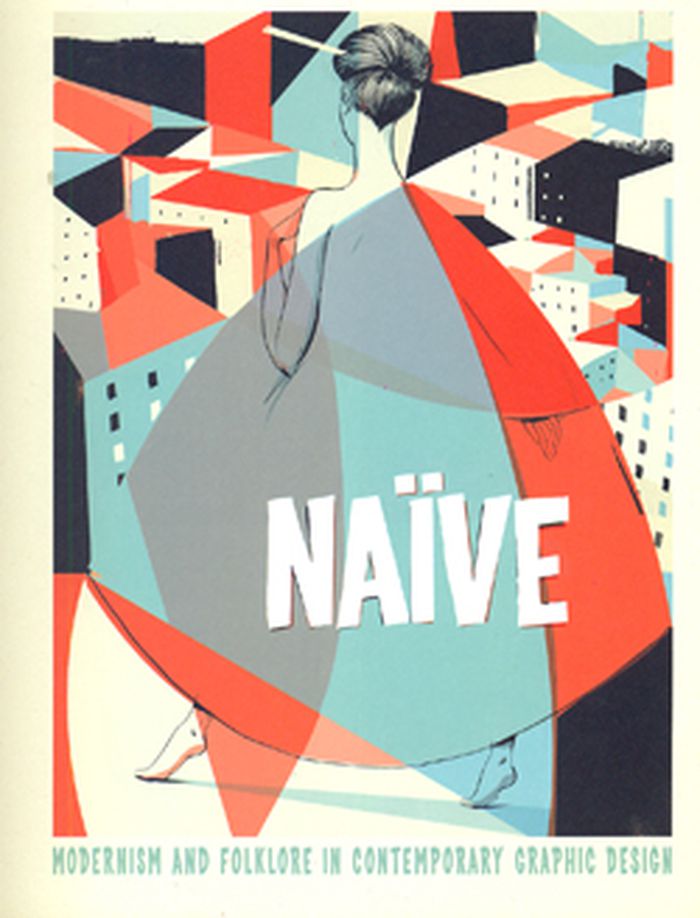
Naïve documents the return of classical graphic design reminiscent of the 1940s to 1960s in contemporary graphic design. Friedrich von Schiller a minimalist design vocabulary is currently being reinvented by a troop of young graphic designers who are rediscovering the stylistic elements reminiscent of classic graphic design such as silkscreen printing, classical typography, hand lettering, woodcutting and folk art and integrating them into their work. Naïve documents this extraordinary renaissance of Classic Modernism, from the 1940s to 1960s, in contemporary graphic design. Inspired by twentieth century American legends such as Saul Bass, the undisputed master of film title design and iconic logos as well as modernist graphic artist Charley Harper and textile designer Alexander Girard, these burgeoning designers are creating new and striking imagery using palettes of earthy and pastel shades, reduced strokes, patterns and shapes with a strong folkloristic element. Naïve illustrates this new development in graphic design, assembling a multitude of vivid and inspiring examples ranging from illustrations, poster art, editorials, book covers and record sleeves to stationery and textiles.
Naïve: Modernism and folklore in contemporary graphic design
Actions:
Price:
$61.95
(available to order)
Summary:
Naïve documents the return of classical graphic design reminiscent of the 1940s to 1960s in contemporary graphic design. Friedrich von Schiller a minimalist design vocabulary is currently being reinvented by a troop of young graphic designers who are rediscovering the stylistic elements reminiscent of classic graphic design such as silkscreen printing, classical typography, hand lettering, woodcutting and folk art and integrating them into their work. Naïve documents this extraordinary renaissance of Classic Modernism, from the 1940s to 1960s, in contemporary graphic design. Inspired by twentieth century American legends such as Saul Bass, the undisputed master of film title design and iconic logos as well as modernist graphic artist Charley Harper and textile designer Alexander Girard, these burgeoning designers are creating new and striking imagery using palettes of earthy and pastel shades, reduced strokes, patterns and shapes with a strong folkloristic element. Naïve illustrates this new development in graphic design, assembling a multitude of vivid and inspiring examples ranging from illustrations, poster art, editorials, book covers and record sleeves to stationery and textiles.
Form:
books
books
Publication:
May 2009
May 2009
Subject:
Graphic Design and Typography
Graphic Design and Typography
Form:
books
books
Actions:
Price:
$53.95
(available to order)
Summary:
''Amaza Lee Meredith imagines herself modern'' tells the captivating story of Amaza Lee Meredith, a Black woman architect, artist, and educator born into the Jim Crow South, whose bold choices in both life and architecture expand our understanding of the Great Migration and the Harlem Renaissance, while revealing the importance of architecture as a force in Black(...)
$53.95
(available to order)
Summary:
''Amaza Lee Meredith imagines herself modern'' tells the captivating story of Amaza Lee Meredith, a Black woman architect, artist, and educator born into the Jim Crow South, whose bold choices in both life and architecture expand our understanding of the Great Migration and the Harlem Renaissance, while revealing the importance of architecture as a force in Black(...)
Title:
Amaza Lee Meredith imagines herself modern: Architecture and the Black Amercian middle class
Actions:
Price:
$53.95
(available to order)
Summary:
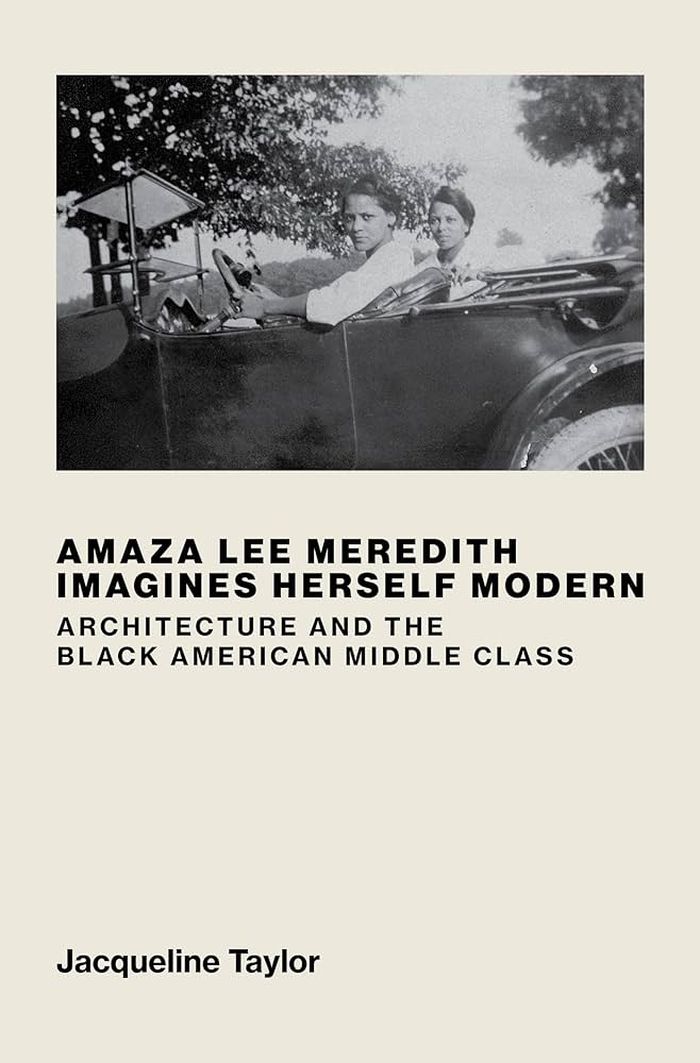
''Amaza Lee Meredith imagines herself modern'' tells the captivating story of Amaza Lee Meredith, a Black woman architect, artist, and educator born into the Jim Crow South, whose bold choices in both life and architecture expand our understanding of the Great Migration and the Harlem Renaissance, while revealing the importance of architecture as a force in Black middle-class identity. Through her charismatic protagonist, Jacqueline Taylor derives new insights into the experiences of Black women at the forefront of culture in early twentieth-century America, caught between expectation and ambition, responsibility and desire. Central to Taylor’s argument is that Meredith’s response to modern architecture and art, like those of other Black cultural producers, was not marginal to the modernist project; instead, her work reveals the tensions and inconsistencies in how American modernism has been defined. In this way, the book shines a necessary light on modernism’s complexity, while overturning perceived notions of race and gender in relation to the modernist project and challenging the notion of the white male hero of modern architecture.
Amaza Lee Meredith imagines herself modern: Architecture and the Black Amercian middle class
Actions:
Price:
$53.95
(available to order)
Summary:
''Amaza Lee Meredith imagines herself modern'' tells the captivating story of Amaza Lee Meredith, a Black woman architect, artist, and educator born into the Jim Crow South, whose bold choices in both life and architecture expand our understanding of the Great Migration and the Harlem Renaissance, while revealing the importance of architecture as a force in Black middle-class identity. Through her charismatic protagonist, Jacqueline Taylor derives new insights into the experiences of Black women at the forefront of culture in early twentieth-century America, caught between expectation and ambition, responsibility and desire. Central to Taylor’s argument is that Meredith’s response to modern architecture and art, like those of other Black cultural producers, was not marginal to the modernist project; instead, her work reveals the tensions and inconsistencies in how American modernism has been defined. In this way, the book shines a necessary light on modernism’s complexity, while overturning perceived notions of race and gender in relation to the modernist project and challenging the notion of the white male hero of modern architecture.
Form:
books
books
Publication:
November 2023
November 2023
Subject:
Architectural Theory
Architectural Theory
Form:
books
books
Title:
Toward an architecture
Toward an architecture
Actions:
Price:
$36.50
(available in store)
Summary:
Published in 1923, Toward an Architecture had an immediate impact on architects throughout Europe and remains a foundational text for students and professionals. Le Corbusier urges readers to cease thinking of architecture as a matter of historical styles and instead open their eyes to the modern world. Simultaneously a historian, critic, and prophet, he provocatively(...)
$36.50
(available in store)
Summary:
Published in 1923, Toward an Architecture had an immediate impact on architects throughout Europe and remains a foundational text for students and professionals. Le Corbusier urges readers to cease thinking of architecture as a matter of historical styles and instead open their eyes to the modern world. Simultaneously a historian, critic, and prophet, he provocatively(...)
Title:
Toward an architecture
Actions:
Price:
$36.50
(available in store)
Summary:
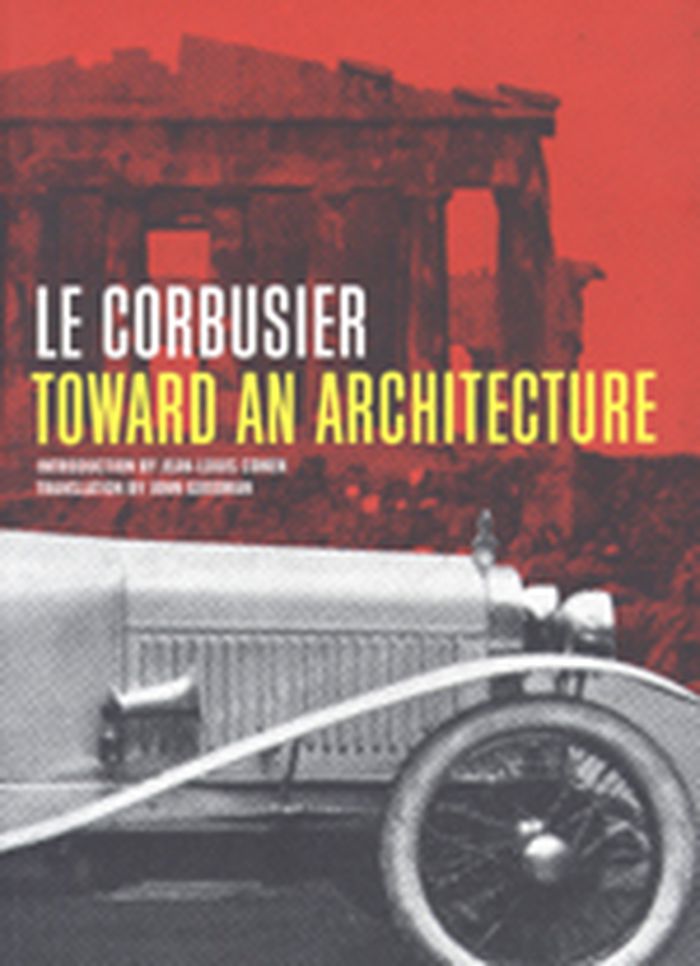
Published in 1923, Toward an Architecture had an immediate impact on architects throughout Europe and remains a foundational text for students and professionals. Le Corbusier urges readers to cease thinking of architecture as a matter of historical styles and instead open their eyes to the modern world. Simultaneously a historian, critic, and prophet, he provocatively juxtaposes views of classical Greece and Renaissance Rome with images of airplanes, cars, and ocean liners. Le Corbusier's slogans�such as "the house is a machine for living in"�and philosophy changed how his contemporaries saw the relationship between architecture, technology, and history. This edition includes a new translation of the original text, a scholarly introduction, and background notes that illuminate the text and illustrations. Jean-Louis Cohen is the Sheldon H. Solow Chair in the History of Architecture at New York University's Institute of Fine Arts. He has written extensively on Le Corbusier's work. John Goodman is a translator and art historian. He has rendered some thirty books from French into English.
Toward an architecture
Actions:
Price:
$36.50
(available in store)
Summary:
Published in 1923, Toward an Architecture had an immediate impact on architects throughout Europe and remains a foundational text for students and professionals. Le Corbusier urges readers to cease thinking of architecture as a matter of historical styles and instead open their eyes to the modern world. Simultaneously a historian, critic, and prophet, he provocatively juxtaposes views of classical Greece and Renaissance Rome with images of airplanes, cars, and ocean liners. Le Corbusier's slogans�such as "the house is a machine for living in"�and philosophy changed how his contemporaries saw the relationship between architecture, technology, and history. This edition includes a new translation of the original text, a scholarly introduction, and background notes that illuminate the text and illustrations. Jean-Louis Cohen is the Sheldon H. Solow Chair in the History of Architecture at New York University's Institute of Fine Arts. He has written extensively on Le Corbusier's work. John Goodman is a translator and art historian. He has rendered some thirty books from French into English.
Form:
books
books
Publication:
January 2007, Los Angeles
January 2007, Los Angeles
Subject:
Architecture Monographs
Architecture Monographs
Form:
books
books
Actions:
Price:
$49.95
(available to order)
Summary:
In 1452, Florentine sculptor Lorenzo Ghiberti unveiled a masterpiece that had been a quarter-century in the making: ten bronze panels depicting intricate scenes from the Old Testament. The monumental gilded bronze doors (each more than 15 feet tall) were designed for the Baptistery in the Piazza del Duomo in Florence. Centuries of admirers have considered “The Gates of(...)
$49.95
(available to order)
Summary:
In 1452, Florentine sculptor Lorenzo Ghiberti unveiled a masterpiece that had been a quarter-century in the making: ten bronze panels depicting intricate scenes from the Old Testament. The monumental gilded bronze doors (each more than 15 feet tall) were designed for the Baptistery in the Piazza del Duomo in Florence. Centuries of admirers have considered “The Gates of(...)
Title:
The gates of paradise : Lorenzo Ghiberti's masterpiece
Actions:
Price:
$49.95
(available to order)
Summary:
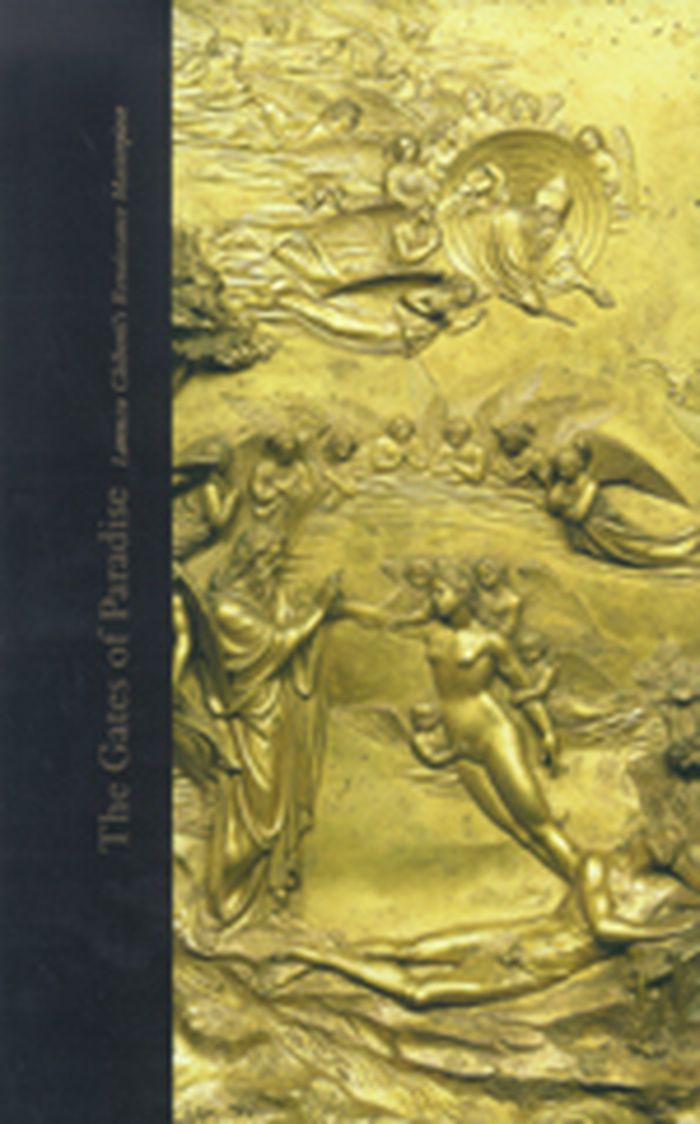
In 1452, Florentine sculptor Lorenzo Ghiberti unveiled a masterpiece that had been a quarter-century in the making: ten bronze panels depicting intricate scenes from the Old Testament. The monumental gilded bronze doors (each more than 15 feet tall) were designed for the Baptistery in the Piazza del Duomo in Florence. Centuries of admirers have considered “The Gates of Paradise” one of the great masterworks of Western art. This extensively illustrated book displays the full glory and elaborate details of many of the newly restored bronze panels, the extraordinary work of the conservators and restorers who cleaned the priceless doors. In a series of fascinating chapters, expert contributors capture Ghiberti’s world, his remarkable talent at representing human emotion in rich illusionistic settings, the relationships between Renaissance patrons and artists, and the collaborations and rivalries among artists. Other chapters explore the challenging craft of bronze sculpture, Ghiberti’s casting and finishing techniques, and the painstaking process involved in documenting and restoring the treasured doors. A chronology of Ghiberti’s life completes this lavishly produced volume.
The gates of paradise : Lorenzo Ghiberti's masterpiece
Actions:
Price:
$49.95
(available to order)
Summary:
In 1452, Florentine sculptor Lorenzo Ghiberti unveiled a masterpiece that had been a quarter-century in the making: ten bronze panels depicting intricate scenes from the Old Testament. The monumental gilded bronze doors (each more than 15 feet tall) were designed for the Baptistery in the Piazza del Duomo in Florence. Centuries of admirers have considered “The Gates of Paradise” one of the great masterworks of Western art. This extensively illustrated book displays the full glory and elaborate details of many of the newly restored bronze panels, the extraordinary work of the conservators and restorers who cleaned the priceless doors. In a series of fascinating chapters, expert contributors capture Ghiberti’s world, his remarkable talent at representing human emotion in rich illusionistic settings, the relationships between Renaissance patrons and artists, and the collaborations and rivalries among artists. Other chapters explore the challenging craft of bronze sculpture, Ghiberti’s casting and finishing techniques, and the painstaking process involved in documenting and restoring the treasured doors. A chronology of Ghiberti’s life completes this lavishly produced volume.
Form:
books
books
Publication:
August 2007, New Haven London
August 2007, New Haven London
Subject:
History until 1900, Italy
History until 1900, Italy
Form:
books
books
Actions:
Price:
$31.50
(available to order)
Summary:
Published to mark the 800th anniversary in 2007 of the founding of modern Liverpool by King John, Liverpool 800 is the definitive biography of this magnificent world city. Contributors explore the life of Liverpool over eight centuries, looking at the town’s early development, the eighteenth-century foundations of its mercantile economy, the golden period of the(...)
$31.50
(available to order)
Summary:
Published to mark the 800th anniversary in 2007 of the founding of modern Liverpool by King John, Liverpool 800 is the definitive biography of this magnificent world city. Contributors explore the life of Liverpool over eight centuries, looking at the town’s early development, the eighteenth-century foundations of its mercantile economy, the golden period of the(...)
Subject:
Architecture since 1900, Europe
Architecture since 1900, Europe
Publication:
September 2006, Liverpool
September 2006, Liverpool
Title:
Liverpool 800 : culture, character & history
Actions:
Price:
$31.50
(available to order)
Summary:
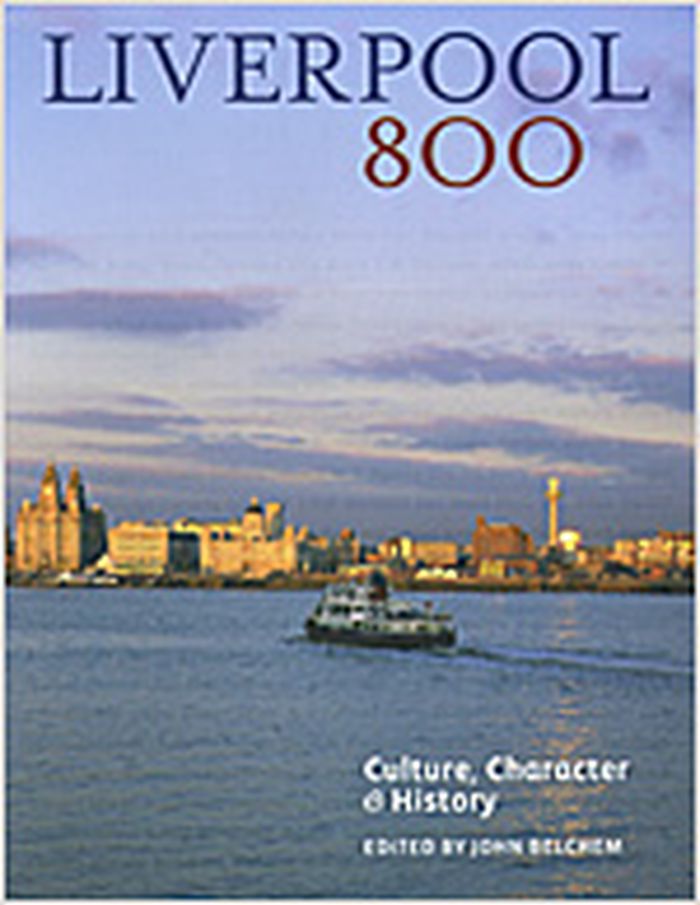
Published to mark the 800th anniversary in 2007 of the founding of modern Liverpool by King John, Liverpool 800 is the definitive biography of this magnificent world city. Contributors explore the life of Liverpool over eight centuries, looking at the town’s early development, the eighteenth-century foundations of its mercantile economy, the golden period of the nineteenth and early twentieth centuries, the difficult inter-war years, the fifties boom and the subsequent disastrous and seemingly irreversible decline – seemingly, because the winning of European Capital of Culture status for 2008 reflects Liverpool’s contemporary renaissance, an aspect of current history which is also reflected upon by the contributors. Ranging widely over politics and government, famous and infamous personalities, domestic lives and global connections, and culture both high and low, "Liverpool 800" offers a warts and all portrait of a city which has inspired contempt (‘a black spot on the Mersey’) and adulation (‘the centre of consciousness of the human universe’) but rarely indifference. This publication includes over 300 illustrations, many of which have never been published before.
Liverpool 800 : culture, character & history
Actions:
Price:
$31.50
(available to order)
Summary:
Published to mark the 800th anniversary in 2007 of the founding of modern Liverpool by King John, Liverpool 800 is the definitive biography of this magnificent world city. Contributors explore the life of Liverpool over eight centuries, looking at the town’s early development, the eighteenth-century foundations of its mercantile economy, the golden period of the nineteenth and early twentieth centuries, the difficult inter-war years, the fifties boom and the subsequent disastrous and seemingly irreversible decline – seemingly, because the winning of European Capital of Culture status for 2008 reflects Liverpool’s contemporary renaissance, an aspect of current history which is also reflected upon by the contributors. Ranging widely over politics and government, famous and infamous personalities, domestic lives and global connections, and culture both high and low, "Liverpool 800" offers a warts and all portrait of a city which has inspired contempt (‘a black spot on the Mersey’) and adulation (‘the centre of consciousness of the human universe’) but rarely indifference. This publication includes over 300 illustrations, many of which have never been published before.
Form:
books
books
Publication:
September 2006, Liverpool
September 2006, Liverpool
Subject:
Architecture since 1900, Europe
Architecture since 1900, Europe
Form:
books
books
Title:
Rewriting Alberti
Rewriting Alberti
Actions:
Price:
$45.95
(available to order)
Summary:
Much has been written about Renaissance architect Leon Battista Alberti’s mantra of part-to-whole as one of the continuing conditions of architecture. While this underlying thesis has often been repeated in the annals of architectural history and theory, architects have rarely questioned the idea. In ''Rewriting Alberti'', architect Peter Eisenman suggests, however, that(...)
$45.95
(available to order)
Summary:
Much has been written about Renaissance architect Leon Battista Alberti’s mantra of part-to-whole as one of the continuing conditions of architecture. While this underlying thesis has often been repeated in the annals of architectural history and theory, architects have rarely questioned the idea. In ''Rewriting Alberti'', architect Peter Eisenman suggests, however, that(...)
Subject:
Architectural Theory
Architectural Theory
Publication:
October 2025
October 2025
Title:
Rewriting Alberti
Actions:
Price:
$45.95
(available to order)
Summary:
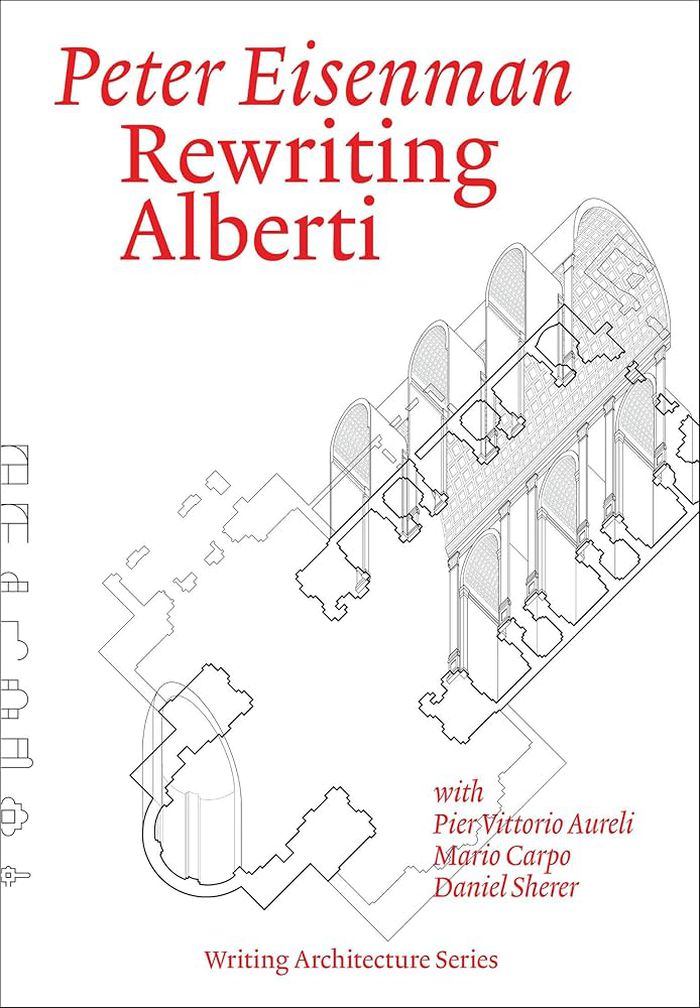
Much has been written about Renaissance architect Leon Battista Alberti’s mantra of part-to-whole as one of the continuing conditions of architecture. While this underlying thesis has often been repeated in the annals of architectural history and theory, architects have rarely questioned the idea. In ''Rewriting Alberti'', architect Peter Eisenman suggests, however, that Alberti provoked a radical discourse beyond the part-to-whole dialogue featured in his Ten Books of Architecture. Eisenman’s in-depth analysis of Alberti’s five built works reveals a disjunction between the architect’s buildings and theoretical writings, suggesting a new relationship of form to meaning based on the fragmentation of homogeneous space. ''Rewriting Alberti'' includes contributions by Pier Vittorio Aureli, Mario Carpo, and Daniel Sherer. Carpo, an architectural historian and critic, theorizes that Alberti’s work initiated an idea of the discipline as a notational system akin to contemporary computational logics. By way of comparison, Sherer, an architectural historian, reconsiders critic Manfredo Tafuri’s readings of Alberti, and architect and theorist Aureli draws on Alberti to propose another idea of the architectural “project.”
Rewriting Alberti
Actions:
Price:
$45.95
(available to order)
Summary:
Much has been written about Renaissance architect Leon Battista Alberti’s mantra of part-to-whole as one of the continuing conditions of architecture. While this underlying thesis has often been repeated in the annals of architectural history and theory, architects have rarely questioned the idea. In ''Rewriting Alberti'', architect Peter Eisenman suggests, however, that Alberti provoked a radical discourse beyond the part-to-whole dialogue featured in his Ten Books of Architecture. Eisenman’s in-depth analysis of Alberti’s five built works reveals a disjunction between the architect’s buildings and theoretical writings, suggesting a new relationship of form to meaning based on the fragmentation of homogeneous space. ''Rewriting Alberti'' includes contributions by Pier Vittorio Aureli, Mario Carpo, and Daniel Sherer. Carpo, an architectural historian and critic, theorizes that Alberti’s work initiated an idea of the discipline as a notational system akin to contemporary computational logics. By way of comparison, Sherer, an architectural historian, reconsiders critic Manfredo Tafuri’s readings of Alberti, and architect and theorist Aureli draws on Alberti to propose another idea of the architectural “project.”
Form:
books
books
Publication:
October 2025
October 2025
Subject:
Architectural Theory
Architectural Theory
Form:
books
books
Price:
$55.95
(available to order)
Summary:
Le cycle d'expositions d'art contemporain "La ville, le jardin, la mémoire", ouvert en 1998 à la Villa Médicis, s'achève en l'an 2000. Pour ce dernier volet du tryptique, l'accent est mis sur le jardin: aussi le parcours, se tient-il en dehors des salles d'exposition traditionnelles. Alors que 1999, -année de la mémoire-, insistait sur la dimension sonore et sur(...)
$55.95
(available to order)
Summary:
Le cycle d'expositions d'art contemporain "La ville, le jardin, la mémoire", ouvert en 1998 à la Villa Médicis, s'achève en l'an 2000. Pour ce dernier volet du tryptique, l'accent est mis sur le jardin: aussi le parcours, se tient-il en dehors des salles d'exposition traditionnelles. Alors que 1999, -année de la mémoire-, insistait sur la dimension sonore et sur(...)
Subject:
Gardens
Gardens
Publication:
June 2000, Gent
June 2000, Gent
Title:
La ville, le jardin, la mémoire : Académie de France à Rome, Villa Médicis
Actions:
Price:
$55.95
(available to order)
Summary:
Le cycle d'expositions d'art contemporain "La ville, le jardin, la mémoire", ouvert en 1998 à la Villa Médicis, s'achève en l'an 2000. Pour ce dernier volet du tryptique, l'accent est mis sur le jardin: aussi le parcours, se tient-il en dehors des salles d'exposition traditionnelles. Alors que 1999, -année de la mémoire-, insistait sur la dimension sonore et sur l'archéologie du lieu, les oeuvres disséminées dans le jardin de la Villa Médicis prennent en compte ses différentes facettes. Tel artiste à un souci d'ordre et de monumentalité, clairement affirmé dans le plan du XVIè siècle, tel autre à l'opposé, s'interroge sur la faune originelle et menacée d'un tel "espace vert", un troisième recrée, à sa manière, un labyrinthe comme les aiment les princes de la Renaissance. Comme les années précédentes, l'exposition a été l'occasion d'inviter des artistes venus de tous les continents, et de mêler les générations. Des artistes "historiques" tels que Daniel Buren, Giovanni Anselmo ou Dan Graham coexistent avec de plus jeunes, parmi lesquels les pensionnaires de l'Académie de France à Rome, eux-mêmes venus d'horizons divers.
La ville, le jardin, la mémoire : Académie de France à Rome, Villa Médicis
Actions:
Price:
$55.95
(available to order)
Summary:
Le cycle d'expositions d'art contemporain "La ville, le jardin, la mémoire", ouvert en 1998 à la Villa Médicis, s'achève en l'an 2000. Pour ce dernier volet du tryptique, l'accent est mis sur le jardin: aussi le parcours, se tient-il en dehors des salles d'exposition traditionnelles. Alors que 1999, -année de la mémoire-, insistait sur la dimension sonore et sur l'archéologie du lieu, les oeuvres disséminées dans le jardin de la Villa Médicis prennent en compte ses différentes facettes. Tel artiste à un souci d'ordre et de monumentalité, clairement affirmé dans le plan du XVIè siècle, tel autre à l'opposé, s'interroge sur la faune originelle et menacée d'un tel "espace vert", un troisième recrée, à sa manière, un labyrinthe comme les aiment les princes de la Renaissance. Comme les années précédentes, l'exposition a été l'occasion d'inviter des artistes venus de tous les continents, et de mêler les générations. Des artistes "historiques" tels que Daniel Buren, Giovanni Anselmo ou Dan Graham coexistent avec de plus jeunes, parmi lesquels les pensionnaires de l'Académie de France à Rome, eux-mêmes venus d'horizons divers.
Form:
books
books
Publication:
June 2000, Gent
June 2000, Gent
Subject:
Gardens
Gardens
Form:
books
books
Price:
$41.95
(available to order)
Summary:
Avec la mondialisation, nous voilà projetés dans l'" après-ville ", dans le " post-urbain ". En Europe, nous étions habitués à voir la ville comme un espace circonscrit dans lequel se déroule une vie culturelle, sociale et politique rendant possible une intégration civique des individus... Nous voici maintenant confrontés d'un côté à des métropoles gigantesques et sans(...)
$41.95
(available to order)
Summary:
Avec la mondialisation, nous voilà projetés dans l'" après-ville ", dans le " post-urbain ". En Europe, nous étions habitués à voir la ville comme un espace circonscrit dans lequel se déroule une vie culturelle, sociale et politique rendant possible une intégration civique des individus... Nous voici maintenant confrontés d'un côté à des métropoles gigantesques et sans(...)
Title:
La condition urbaine : la ville à l'heure de la mondialisation
Actions:
Price:
$41.95
(available to order)
Summary:
Avec la mondialisation, nous voilà projetés dans l'" après-ville ", dans le " post-urbain ". En Europe, nous étions habitués à voir la ville comme un espace circonscrit dans lequel se déroule une vie culturelle, sociale et politique rendant possible une intégration civique des individus... Nous voici maintenant confrontés d'un côté à des métropoles gigantesques et sans limites, et de l'autre au surgissement d'entités globales, en réseau, coupées de leur environnement. La reconfiguration en cours suscite l'inquiétude : allons-nous assister au déclin irrémédiable des valeurs urbaines qui ont accompagné l'histoire européenne ? La fragmentation et l'étalement chaotique vont-ils inéluctablement l'emporter ? Sommes-nous condamnés à regretter la palis grecque, la ville de la Renaissance, le Paris des Lumières, les grandes villes industrielles du XIX° siècle ? En rappelant les éléments distinctifs qui composent l'expérience urbaine, Olivier Mongin pose les fondements d'urne réflexion d'aujourd'hui sur la condition urbaine. Nous vivons à une époque où l'information s'échange immatériellement selon des flux plutôt que dans des lieux : comment, dans ces conditions, refonder des lieux urbains accordés à notre temps ?
La condition urbaine : la ville à l'heure de la mondialisation
Actions:
Price:
$41.95
(available to order)
Summary:
Avec la mondialisation, nous voilà projetés dans l'" après-ville ", dans le " post-urbain ". En Europe, nous étions habitués à voir la ville comme un espace circonscrit dans lequel se déroule une vie culturelle, sociale et politique rendant possible une intégration civique des individus... Nous voici maintenant confrontés d'un côté à des métropoles gigantesques et sans limites, et de l'autre au surgissement d'entités globales, en réseau, coupées de leur environnement. La reconfiguration en cours suscite l'inquiétude : allons-nous assister au déclin irrémédiable des valeurs urbaines qui ont accompagné l'histoire européenne ? La fragmentation et l'étalement chaotique vont-ils inéluctablement l'emporter ? Sommes-nous condamnés à regretter la palis grecque, la ville de la Renaissance, le Paris des Lumières, les grandes villes industrielles du XIX° siècle ? En rappelant les éléments distinctifs qui composent l'expérience urbaine, Olivier Mongin pose les fondements d'urne réflexion d'aujourd'hui sur la condition urbaine. Nous vivons à une époque où l'information s'échange immatériellement selon des flux plutôt que dans des lieux : comment, dans ces conditions, refonder des lieux urbains accordés à notre temps ?
Form:
books
books
Publication:
October 2005, Paris
October 2005, Paris
Subject:
Urban Theory
Urban Theory


