


504 Results
Form:
books
books
Title:
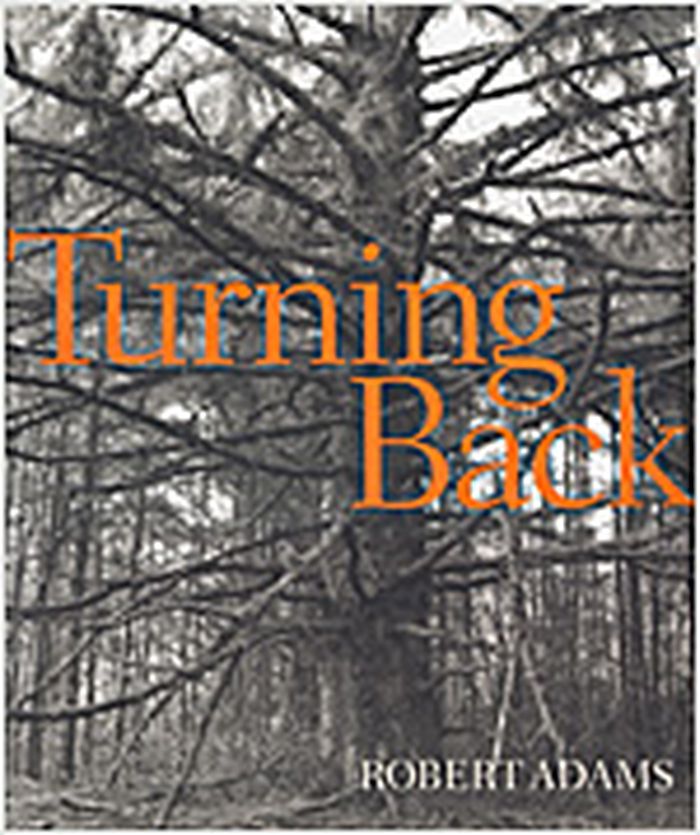
Robert Adams : turning back
Robert Adams : turning back
Actions:
Price:
$56.95
(available to order)
Summary:
"Turning back: a photographic journal of re-exploration" is published to coincide with the bicentennial of the Lewis and Clark expedition. The narrative begins at the Pacific ocean and moves eastward through what was formerly one of the world’s great rain forests. Photographs at the center of the book report on the forest’s destruction. Elsewhere they trace a search for(...)
Title:
Robert Adams : turning back
Actions:
Price:
$56.95
(available to order)
Summary:
"Turning back: a photographic journal of re-exploration" is published to coincide with the bicentennial of the Lewis and Clark expedition. The narrative begins at the Pacific ocean and moves eastward through what was formerly one of the world’s great rain forests. Photographs at the center of the book report on the forest’s destruction. Elsewhere they trace a search for hope. Two hundred years ago, Lewis and Clark reported finding in the American Northwest a vast forest of ancient evergreens. In "Turning back", Robert Adams looks again at the region’s trees, discovering evidence both of America’s failure and of a continuing promise. President Jefferson’s primary charge to Lewis and Clark was to prepare the way for American commerce. Today, historians still speculate about why, upon his return, Lewis lapsed into depression and apparently committed suicide. "Going east," Adams suggests, "was more difficult than going west." So then, what is the future? "Turning back" documents two kinds of predictive evidence. On the one hand we observe the results of greed so unrestrained that they are indistinguishable from those of nihilism. On the other we see what still lives, whether by our design or neglect, or Providence; in these 164 pictures the tone is celebratory, as in a prayer book. From coastal landscapes populated with tourists to timber clear-cutting and small family farms in eastern Oregon, here we reflect on what was lost, what is retained, and what we value both regionally and as a people with a common history.
Form:
books
books
Publication:
May 2005, New York
May 2005, New York
Subject:
Photography monographs
Photography monographs
Form:
books
books
Title:
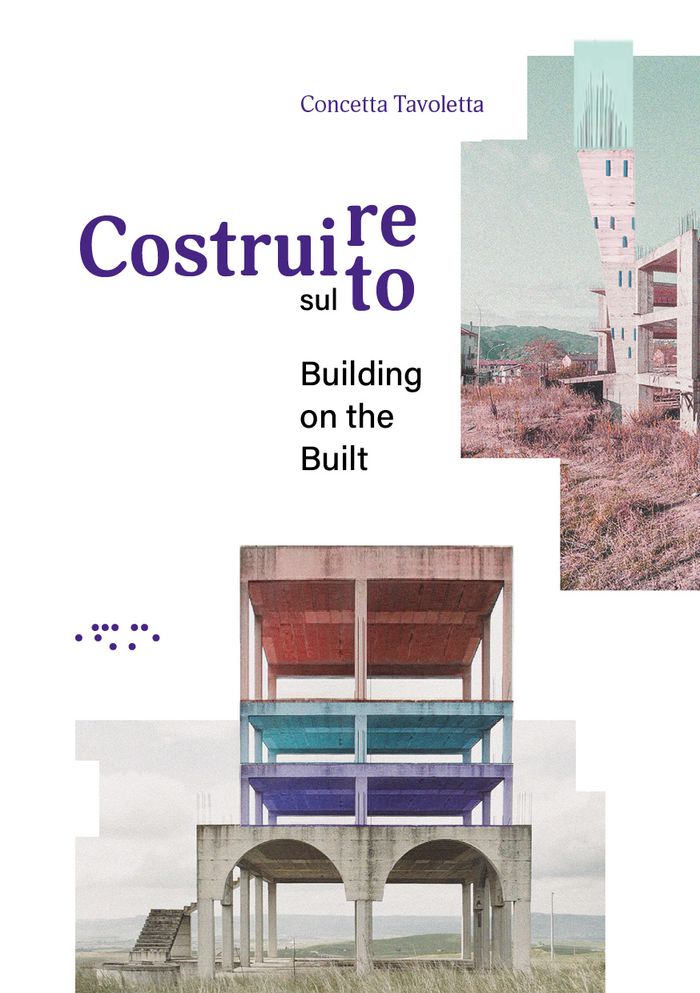
Building on the built
Building on the built
Actions:
Price:
$33.00
(available in store)
Summary:
This book is the result of research carried out at the Department of Architecture and Industrial Design of the University of Campania ‘Luigi Vanvitelli’ and thanks to funds from the PON Green and Innovation project. The aim of this work was the desire to investigate a new theory of reuse at a time when space is corrupted by traces of the recent past resulting from(...)
Title:
Building on the built
Actions:
Price:
$33.00
(available in store)
Summary:
This book is the result of research carried out at the Department of Architecture and Industrial Design of the University of Campania ‘Luigi Vanvitelli’ and thanks to funds from the PON Green and Innovation project. The aim of this work was the desire to investigate a new theory of reuse at a time when space is corrupted by traces of the recent past resulting from speculation and ‘easy building’. The paradigm of architecture’s function is changing and the project must be in dialogue with the possibility of architecture having many more lives than what it was imagined for, perhaps returning to being what it has always been, an organism ready to be everything and composed of layers of time, just as the history of architecture has taught us by building on the built without fear.
Form:
books
books
Publication:
June 2023
June 2023
Subject:
Contemporary Architecture
Contemporary Architecture
Form:
books
books
Title:
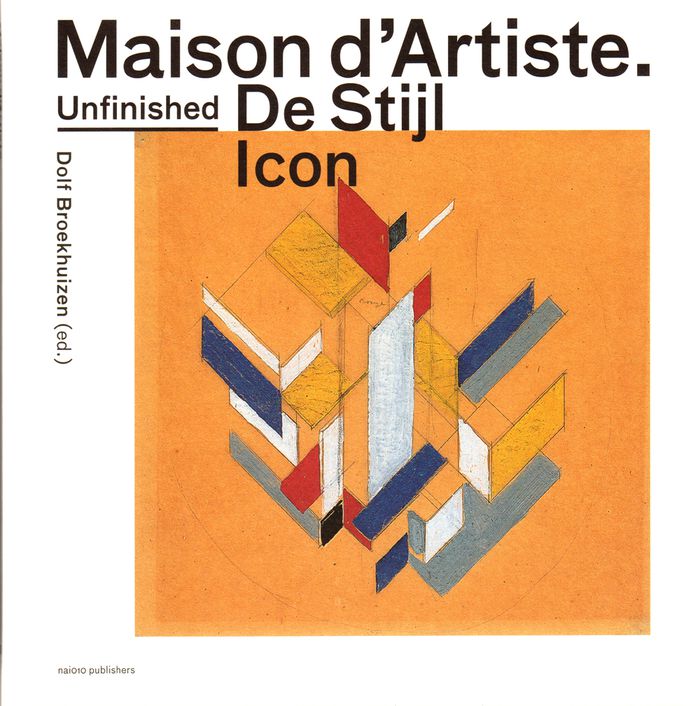
Maison d'Artiste, an unfinished icon by De Stijl. Theo van Doesburg and Cornelis van Eesteren
Maison d'Artiste, an unfinished icon by De Stijl. Theo van Doesburg and Cornelis van Eesteren
Actions:
Price:
$65.00
(available in store)
Summary:
Though it was never built, the design for the legendary artist’s house Maison d’Artiste is one of the key works of the Dutch avant-garde movement De Stijl. Created in 1923 by painter Theo van Doesburg and architect Cornelis van Eesteren for De Stijl’s first group exhibition, the Maison d’Artiste was intended to encapsulate what De Stijl aspired to: a new everyday(...)
Title:
Maison d'Artiste, an unfinished icon by De Stijl. Theo van Doesburg and Cornelis van Eesteren
Actions:
Price:
$65.00
(available in store)
Summary:
Though it was never built, the design for the legendary artist’s house Maison d’Artiste is one of the key works of the Dutch avant-garde movement De Stijl. Created in 1923 by painter Theo van Doesburg and architect Cornelis van Eesteren for De Stijl’s first group exhibition, the Maison d’Artiste was intended to encapsulate what De Stijl aspired to: a new everyday environment achieved through the harmonious fusion of painting and architecture. The scale model presented De Stijl’s ideal space for life and work, with a gym, a music room and a studio, as well as living spaces like guest rooms and bathrooms. Maison d’Artiste: An Unfinished Icon by De Stijl explores the revolutionary cultural importance of the design, its significance for the history of De Stijl and its place in a history of the unbuilt architecture of the 20th century.
Form:
books
books
Publication:
February 2017
February 2017
Subject:
Architecture Monographs
Architecture Monographs
Form:
books
books
Actions:
Price:
$60.50
(available to order)
Summary:
If this were a novel, the tales of astounding wealth, sexual perversion, murder, munificence, rape, insanity, brutality, slavery, religious mania, selfishness, snobbery, charity, suicide, generosity, theft, madness, wickedness, failure and eccentricity which unfold in these pages would be too concentrated to allow for the willing suspension of disbelief. All these sins(...)
Subject:
History until 1900, Great Britain
History until 1900, Great Britain
Publication:
October 2020
October 2020
Title:
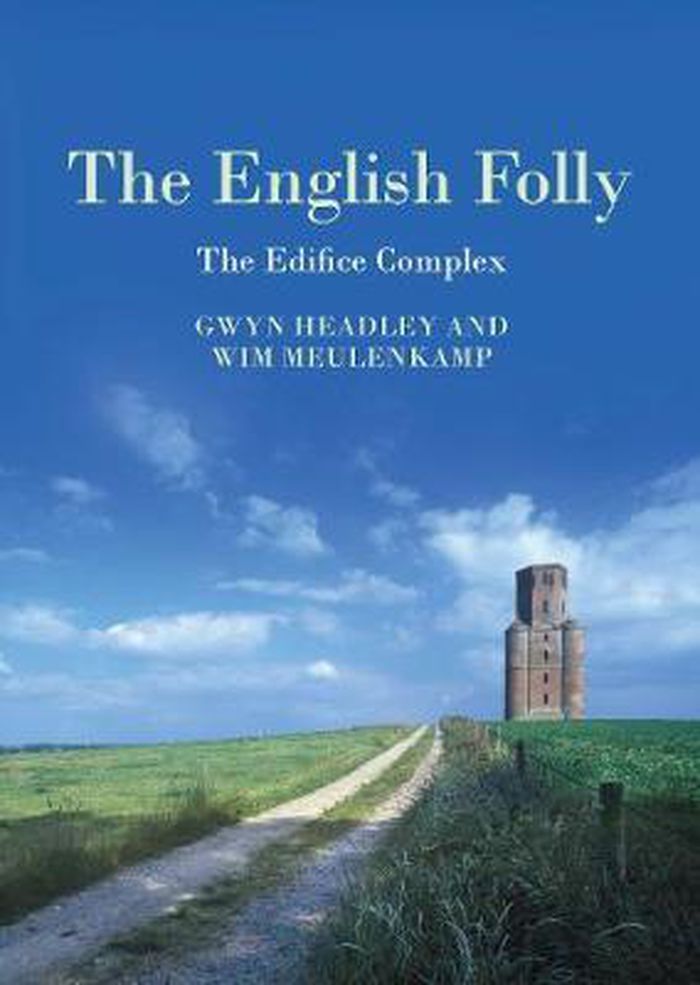
The English folly: the edifice complex
Actions:
Price:
$60.50
(available to order)
Summary:
If this were a novel, the tales of astounding wealth, sexual perversion, murder, munificence, rape, insanity, brutality, slavery, religious mania, selfishness, snobbery, charity, suicide, generosity, theft, madness, wickedness, failure and eccentricity which unfold in these pages would be too concentrated to allow for the willing suspension of disbelief. All these sins and virtues, and more, are displayed by the characters in this book, some exhibiting several of them simultaneously. Folly builders were not as we are. They never built what we now call follies. They built for beauty, utility, improvement; it is only we, struggling after them with our imperfect understanding, who dismiss their prodigious constructions as follies. Follies can be found around the world, but England is their spiritual home. Having written the definitive books on follies in Great Britain, Benelux and the USA, Headley & Meulenkamp have turned their attention to the folly builders themselves, people so blinded by fashion or driven by some nameless ideology that they expended great fortunes on making their point in brick, stone and flint. Most follies are simply misunderstood buildings, and this book studies the motives, characters, decisions and delusions of their builders. If there was madness in their building, fortunately there was no method in it.
Form:
books
books
Publication:
October 2020
October 2020
Subject:
History until 1900, Great Britain
History until 1900, Great Britain
Form:
journals and magazines
journals and magazines

Actions:
Price:
$15.00
(available to order)
Summary:
"Now, and Then” is a nice elliptical phrase, never standing on its own — inconclusive in an expansive kind of way. It can be read to mean “occasionally,” as in — now and then I have a craving for raw oysters. It can be understood comparatively: this is now and that was then or it can be read as a double state of mind, considering what we are doing now and what took place(...)
Title:
Border Crossings 169 : Now, and then
Actions:
Price:
$15.00
(available to order)
Summary:
"Now, and Then” is a nice elliptical phrase, never standing on its own — inconclusive in an expansive kind of way. It can be read to mean “occasionally,” as in — now and then I have a craving for raw oysters. It can be understood comparatively: this is now and that was then or it can be read as a double state of mind, considering what we are doing now and what took place then. This is the way in which our topic for the current issue came to mind. It might also serve as an anchor in our rudderless time, to be consistently nautical, in that we can be engaged in the unavoidable present but we can also be assured that there is a history behind us — both bolstering, and dreadful, some of it we can draw and build on and much for which we ask to be forgiven.
Form:
journals and magazines
journals and magazines
Publication:
January 2026
January 2026
Subject:
Magazines
Magazines
Form:
books
books
Price:
$31.95
(available to order)
Summary:
In this fresh and authoritative account John Macarthur presents the eighteenth century idea of the picturesque – when it was a risky term concerned with a refined taste for everyday things, such as the hovels of the labouring poor in the light of its reception and effects in modern culture. In a series of linked essays Macarthur shows: what the concept of picture does(...)
Title:
The picturesque: architecture, disgust and other irregularities
Actions:
Price:
$31.95
(available to order)
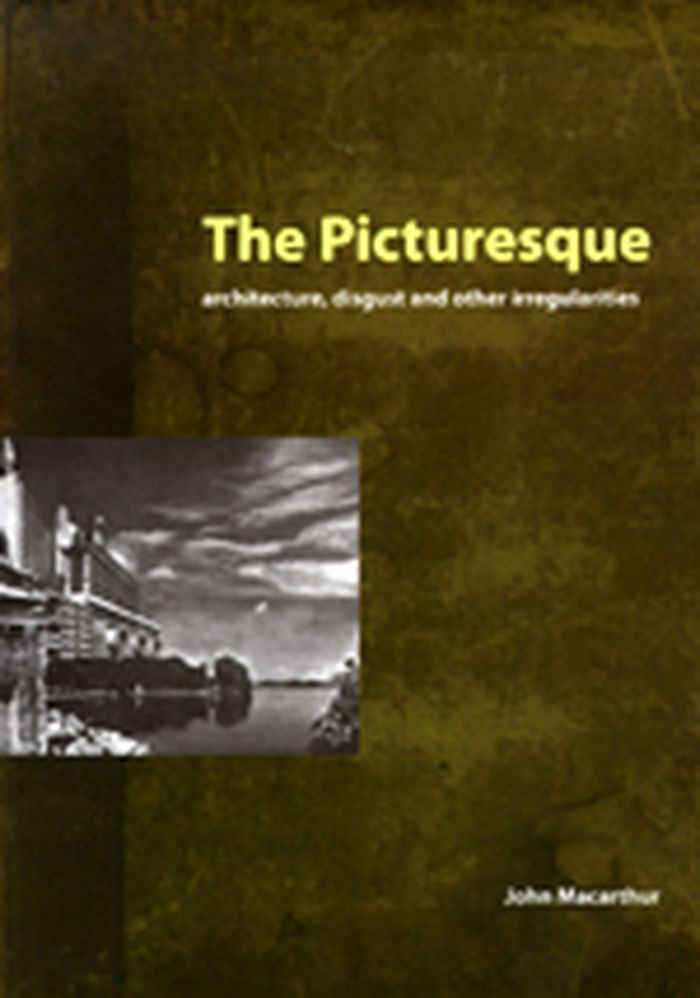
Summary:
In this fresh and authoritative account John Macarthur presents the eighteenth century idea of the picturesque – when it was a risky term concerned with a refined taste for everyday things, such as the hovels of the labouring poor in the light of its reception and effects in modern culture. In a series of linked essays Macarthur shows: what the concept of picture does in the picturesque and how this relates to modern theories of the image how the distaste that might be felt today at the sentimentality of the picturesque was already at play in the eighteenth century how visual values such as ‘irregularity’ become the basis of modern architectural planning; how the concept of appropriating a view moves from landscape design into urban design why movement is fundamental to picturing the stillness of buildings, cities and landscapes. Drawing on examples from architecture, art and broader culture, John Macarthur's account of this key topic in cultural history, makes engaging reading for all those studying architecture, art history, cultural history or visual studies.
Form:
books
books
Publication:
October 2007, London, New York
October 2007, London, New York
Subject:
Architectural Theory
Architectural Theory
Form:
books
books

Actions:
Price:
$19.95
(available to order)
Summary:
The stirring speech given by Peter Sloterdijk in Lucerne in October 2022. From time immemorial, humanity has had to organize their "metabolism with nature." For Marx, the most important factor in this process was labor. When Prometheus, according to the myth, brought fire to earth, another crucial input was added. Fire has been used to cook food and harden tools for(...)
Title:
Prometheus's remorse: From the gift of fire to global arson
Actions:
Price:
$19.95
(available to order)
Summary:
The stirring speech given by Peter Sloterdijk in Lucerne in October 2022. From time immemorial, humanity has had to organize their "metabolism with nature." For Marx, the most important factor in this process was labor. When Prometheus, according to the myth, brought fire to earth, another crucial input was added. Fire has been used to cook food and harden tools for hundreds of thousands of years. In this sense, it can be said that all history implies the history of the uses of fire. But whereas trees could only be burnt once, labor and fire shifted with the discovery of underground deposits of coal and oil. Modern humanity, according to Peter Sloterdijk, can be considered a collective of arsonists who set fire to the underground forests and moors. If Prometheus were to return to earth today, he might regret his gift; after all, what looms is nothing less than Ekpyrosis, the demise of the world in fire. And only a new, energetic pacifism can prevent this catastrophe.
Form:
books
books
Publication:
March 2024
March 2024
Subject:
Critical Theory
Critical Theory
Form:
books
books
Actions:
Price:
$30.70
(available to order)
Summary:
'Television: Technology and Cultural Form' was first published in 1974, long before the dawn of multi-channel TV, or the reality and celebrity shows that now pack the schedules. Yet Williams' analysis of television's history, its institutions, programmes and practices, and its future prospects, remains remarkably prescient. Williams stresses the importance of(...)
Title:
Television: technology and cultural form
Actions:
Price:
$30.70
(available to order)
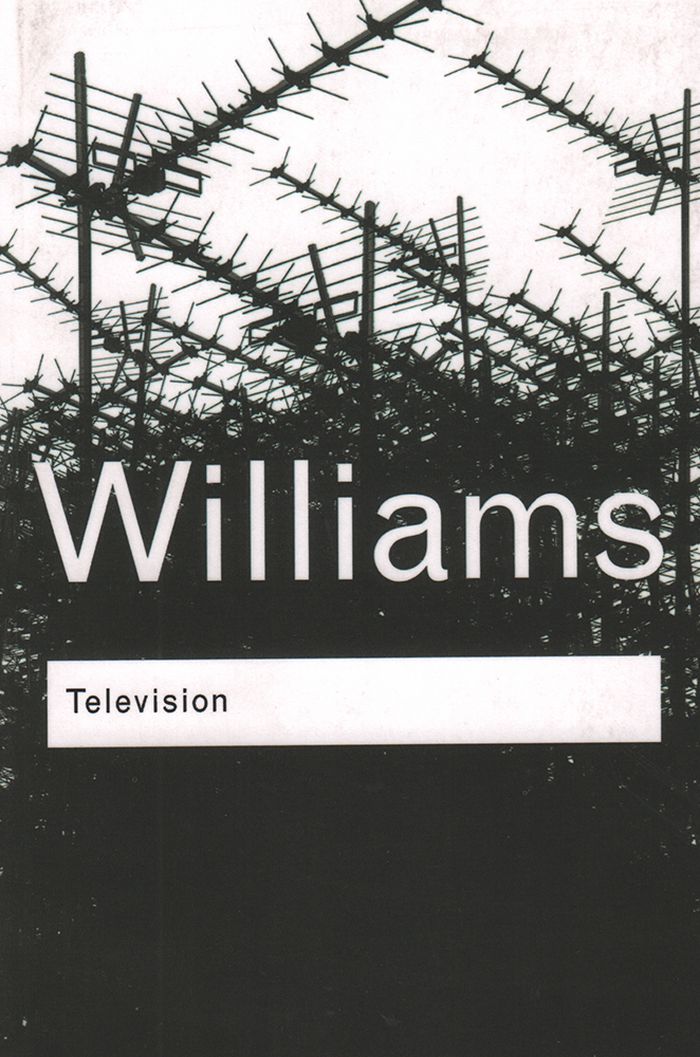
Summary:
'Television: Technology and Cultural Form' was first published in 1974, long before the dawn of multi-channel TV, or the reality and celebrity shows that now pack the schedules. Yet Williams' analysis of television's history, its institutions, programmes and practices, and its future prospects, remains remarkably prescient. Williams stresses the importance of technology in shaping the cultural form of television, while always resisting the determinism of McLuhan's dictum that 'the medium is the message'. If the medium really is the message, Williams asks, what is left for us to do or say? Williams argues that, on the contrary, we as viewers have the power to disturb, disrupt and to distract the otherwise cold logic of history and technology - not just because television is part of the fabric of our daily lives, but because new technologies continue to offer opportunities, momentarily outside the sway of transnational corporations or the grasp of media moguls, for new forms of self and political expression.
Form:
books
books
Publication:
June 2003
June 2003
Subject:
Critical Theory
Critical Theory
Form:
books
books
Title:
Debt: The first 5,000 years
Debt: The first 5,000 years
Actions:
Price:
$29.99
(available to order)
Summary:
Before there was money, there was debt. Every economics textbook says the same thing: Money was invented to replace onerous and complicated barter systems—to relieve ancient people from having to haul their goods to market. The problem with this version of history? There’s not a shred of evidence to support it. Here anthropologist David Graeber presents a stunning(...)
Title:
Debt: The first 5,000 years
Actions:
Price:
$29.99
(available to order)
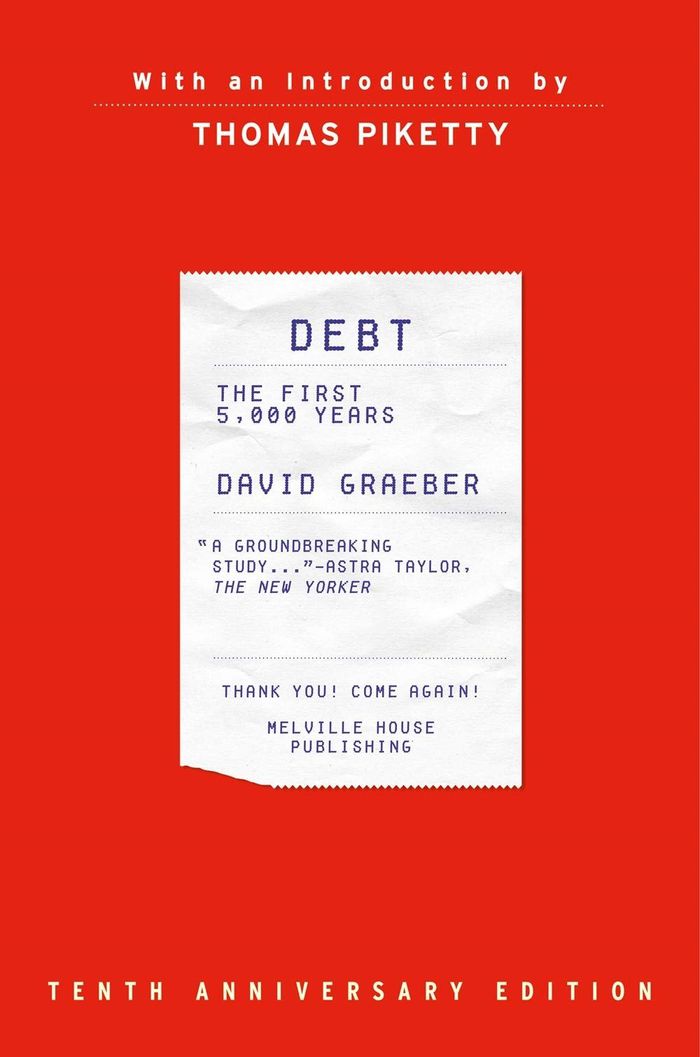
Summary:
Before there was money, there was debt. Every economics textbook says the same thing: Money was invented to replace onerous and complicated barter systems—to relieve ancient people from having to haul their goods to market. The problem with this version of history? There’s not a shred of evidence to support it. Here anthropologist David Graeber presents a stunning reversal of conventional wisdom. He shows that for more than 5,000 years, since the beginnings of the first agrarian empires, humans have used elaborate credit systems to buy and sell goods—that is, long before the invention of coins or cash. It is in this era, Graeber argues, that we also first encounter a society divided into debtors and creditors. Graeber shows that arguments about debt and debt forgiveness have been at the center of political debates from Italy to China, as well as sparking innumerable insurrections. He also brilliantly demonstrates that the language of the ancient works of law and religion (words like ''guilt,'' ''sin,'' and ''redemption'') derive in large part from ancient debates about debt, and shape even our most basic ideas of right and wrong. We are still fighting these battles today without knowing it. ''Debt: The first 5,000 years'' is a fascinating chronicle of this little known history—as well as how it has defined human history. It shows how debt has defined our human past, and what that means for our economic future.
Form:
books
books
Publication:
October 2014
October 2014
Subject:
Critical Theory
Critical Theory
Form:
books
books
Actions:
Price:
$41.00
(available to order)
Summary:
Before there was money, there was debt. Every economics textbook says the same thing: Money was invented to replace onerous and complicated barter systems—to relieve ancient people from having to haul their goods to market. The problem with this version of history? There’s not a shred of evidence to support it. Here anthropologist David Graeber presents a stunning(...)
Title:
Debt: The first 5,000 years, updated and expanded
Actions:
Price:
$41.00
(available to order)
Summary:
Before there was money, there was debt. Every economics textbook says the same thing: Money was invented to replace onerous and complicated barter systems—to relieve ancient people from having to haul their goods to market. The problem with this version of history? There’s not a shred of evidence to support it. Here anthropologist David Graeber presents a stunning reversal of conventional wisdom. He shows that for more than 5,000 years, since the beginnings of the first agrarian empires, humans have used elaborate credit systems to buy and sell goods—that is, long before the invention of coins or cash. It is in this era, Graeber argues, that we also first encounter a society divided into debtors and creditors. Graeber shows that arguments about debt and debt forgiveness have been at the center of political debates from Italy to China, as well as sparking innumerable insurrections. He also brilliantly demonstrates that the language of the ancient works of law and religion (words like ''guilt,'' ''sin,'' and ''redemption'') derive in large part from ancient debates about debt, and shape even our most basic ideas of right and wrong. We are still fighting these battles today without knowing it. ''Debt: The first 5,000 years'' is a fascinating chronicle of this little known history—as well as how it has defined human history. It shows how debt has defined our human past, and what that means for our economic future.
Form:
books
books
Publication:
June 2021
June 2021
Subject:
Critical Theory
Critical Theory


