


6900 Results
Form:
articles
articles

Title:
Dimensions of an Idea
Dimensions of an Idea
Actions:
Carla Juaçaba and Marina Oba in conversation
Issue:
Forces of Friction
Forces of Friction
Published:
16 June 2025
16 June 2025
Issue:
Forces of Friction
Forces of Friction
Form:
books, photographs
books, photographs
Actions:
Reference number:
PH1989:0262.04:001-060
Description:
This album contains 60 photographs and has a presentation page : Presented to Her Majesty's Commissioners for the Exhibition of M.D.CCC.LI. to Doctor Lyon, Playfair, C.B. and a title page : Exhibition of the Works of Industry of All Nations, 1851. Reports by the Juries on the Subjects in the Thirty Classes into which the Exhibition was divided. By authority of the Royal Commission in four volumes. VOL. IV. Introductory, Awards, Reports - Classes XXXIX to XXX. London : Spicer Brothers, Wholesale Stationers; W. Cloeves and Sons, Printers; Contractors to the Royal Commision MDCCCLII. This album also contains colour lithographs listed as follows: plate 1 (figs. 1-3); plate 2 (figs. 1-4); plate 3 (figs. 1-3).
PH1989:0262.04:001-060
Description:
This album contains 60 photographs and has a presentation page : Presented to Her Majesty's Commissioners for the Exhibition of M.D.CCC.LI. to Doctor Lyon, Playfair, C.B. and a title page : Exhibition of the Works of Industry of All Nations, 1851. Reports by the Juries on the Subjects in the Thirty Classes into which the Exhibition was divided. By authority of the Royal Commission in four volumes. VOL. IV. Introductory, Awards, Reports - Classes XXXIX to XXX. London : Spicer Brothers, Wholesale Stationers; W. Cloeves and Sons, Printers; Contractors to the Royal Commision MDCCCLII. This album also contains colour lithographs listed as follows: plate 1 (figs. 1-3); plate 2 (figs. 1-4); plate 3 (figs. 1-3).
People:
Subject:
architecture, sculpture
architecture, sculpture
Date:
published 1852
published 1852
Title:
Album of the Great Exhibition, London, England
Actions:
PH1989:0262.04:001-060
Description:
This album contains 60 photographs and has a presentation page : Presented to Her Majesty's Commissioners for the Exhibition of M.D.CCC.LI. to Doctor Lyon, Playfair, C.B. and a title page : Exhibition of the Works of Industry of All Nations, 1851. Reports by the Juries on the Subjects in the Thirty Classes into which the Exhibition was divided. By authority of the Royal Commission in four volumes. VOL. IV. Introductory, Awards, Reports - Classes XXXIX to XXX. London : Spicer Brothers, Wholesale Stationers; W. Cloeves and Sons, Printers; Contractors to the Royal Commision MDCCCLII. This album also contains colour lithographs listed as follows: plate 1 (figs. 1-3); plate 2 (figs. 1-4); plate 3 (figs. 1-3).
Album of the Great Exhibition, London, England
Actions:
PH1989:0262.04:001-060
Description:
This album contains 60 photographs and has a presentation page : Presented to Her Majesty's Commissioners for the Exhibition of M.D.CCC.LI. to Doctor Lyon, Playfair, C.B. and a title page : Exhibition of the Works of Industry of All Nations, 1851. Reports by the Juries on the Subjects in the Thirty Classes into which the Exhibition was divided. By authority of the Royal Commission in four volumes. VOL. IV. Introductory, Awards, Reports - Classes XXXIX to XXX. London : Spicer Brothers, Wholesale Stationers; W. Cloeves and Sons, Printers; Contractors to the Royal Commision MDCCCLII. This album also contains colour lithographs listed as follows: plate 1 (figs. 1-3); plate 2 (figs. 1-4); plate 3 (figs. 1-3).
Form:
books, photographs
books, photographs
Date:
published 1852
published 1852
People:
Subject:
architecture, sculpture
architecture, sculpture
Form:
events
events
Actions:
Description:
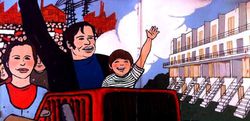
Evoking a provocation famously framed by Le Corbusier, “Architecture ou Révolution,” this conversation will situate the SAAL process in Portugal within international debates during the 1960s and 1970s on social housing and the architect’s social responsibility. Nuno Portas, Secretary of State for Housing and Urbanism of the government established after the 1974 Portuguese(...)
Evoking a provocation famously framed by Le Corbusier, “Architecture ou Révolution,” this conversation will situate the SAAL process in Portugal within international debates during the 1960s and 1970s on social housing and the architect’s social responsibility. Nuno Portas, Secretary of State for Housing and Urbanism of the government established after the 1974 Portuguese(...)
Location:
Paul-Desmarais Theatre
Paul-Desmarais Theatre
Date:
14 May 2015 , 6pm
14 May 2015 , 6pm
Title:
Architecture or Revolution? A Conversation with Nuno Portas and Nuno Grande
Actions:
Description:
Evoking a provocation famously framed by Le Corbusier, “Architecture ou Révolution,” this conversation will situate the SAAL process in Portugal within international debates during the 1960s and 1970s on social housing and the architect’s social responsibility. Nuno Portas, Secretary of State for Housing and Urbanism of the government established after the 1974 Portuguese(...)
Architecture or Revolution? A Conversation with Nuno Portas and Nuno Grande
Actions:
Description:
Evoking a provocation famously framed by Le Corbusier, “Architecture ou Révolution,” this conversation will situate the SAAL process in Portugal within international debates during the 1960s and 1970s on social housing and the architect’s social responsibility. Nuno Portas, Secretary of State for Housing and Urbanism of the government established after the 1974 Portuguese(...)
Form:
events
events
Date:
14 May 2015
6pm
14 May 2015
6pm
Location:
Paul-Desmarais Theatre
Paul-Desmarais Theatre
Level of archival description:
Project
Project
Title:
Inter-Action Centre
Inter-Action Centre
Reference number:
AP144.S2.D82
Description:
File documents Inter-Action Centre, a completed project for a community centre commissioned by Ed Berman and the Inter-Action Trust, for a disused site at Talacre Public Open Space in Kentish Town, Camden, London. The construction was divided into two phases. Foundations, steel frame and trusses were constructed first and could be used for open-air community events while funds were being raised for the second phase. Phase II included cladding, fittings, finishes, services prefabricated units, and log cabins. The building was intended as a flexible short life-span building in which the interior spaces would be independent of the roof and exterior walls. Functional areas suggested by Cedric Price include: assembly halls, classrooms, rehearsal rooms, studios, areas for performance, media resources, lounging and dining, and a gym and a nursery. Cedric Price had been engaged by the concepts of flexible architecture, indeterminacy, impermanence, and the fusion of information technology, entertainment, and educational activities in earlier unrealized projects such as Fun Palace (AP144.S2.D46) and Oxford Corner House (AP144.S2.D59). Existing conditions drawings include photographs of the site; reprographic copies of electrical and drainage systems; ordinance surveys of Kentish Town; and landscape and playground layout. Conceptual drawings include sketches of overall massing; diagrammatic plans; drawings and diagrams of site conditions; notes for the structural framework; rendered interior elevations; plans showing impact of site context on building design; diagrammatic sketches of relationship between functional requirements and structural form. Schematic drawings include diagrammatic plans; sections of structural system and exterior wall; cladding details; and axonometric views of supports. Design development drawings and working drawings include plans, elevations, sections, details and axonometric views. Presentation drawings include watercolours and other renderings; reprographic copies, possibly for publication; and perspectives drawings. Some material from this file was published in "Inter-action Centre." 'RIBA Journal'. (November 1977), 458-465; "Intervista A Cedric Price: London Interaction Centre." 'Domus'. (April 1978), 17-21; "Kentish Town West Amalgam, London." 'Architectural Record'. (January 1973), 19; Lyall, Sutherland. 'The State of British Architecture'. (London: Architectural Press, 1980), 107-109; 130 and 'Cedric Price-Works II' (London: Architectural Press, 1984), 54, 62-63. Material in this file was produced between 1964 and 1992, but predominantly between 1970 and 1981. File contains technical drawings that are attributed to the following consultants, contractors, and manufacturers: Coseley Buildings Ltd; H.G. Deacon Ltd; Kayanson Engineers; H.J. Knights & Co. Ltd; Woodcemair; Metal Sections Ltd; Spaceway; Gascoigne, Gush & Dent (Engineering Ltd); UBM Engineering; J. Murphy & Sons Ltd; Maurice Pickering Associates, Architects & Landscape Consultants; David Lee Architect & Landscape Architect; J. Starkie Gardner Ltd; Dibben Structural Engineers; Zisman, Bowyer & Partners; Felix J. Samuely and Partners; Ruberoid Contracts Ltd; Whitbread London Limited; and Portakabin. Paul Hyett and Will Alsop were Cedric Price's main assistants for this project. 'Inter-Action Trust Limited', 'Inter-Action Centre', and 'Talacre Centre Limited' appear as the client(s) at various stages of this project. File contains cartographic materials, conceptual drawings, consultant drawings, design development drawings, models, panels, photographic materials, presentation drawings, an illustration, textual records, and working drawings.
AP144.S2.D82
Description:
File documents Inter-Action Centre, a completed project for a community centre commissioned by Ed Berman and the Inter-Action Trust, for a disused site at Talacre Public Open Space in Kentish Town, Camden, London. The construction was divided into two phases. Foundations, steel frame and trusses were constructed first and could be used for open-air community events while funds were being raised for the second phase. Phase II included cladding, fittings, finishes, services prefabricated units, and log cabins. The building was intended as a flexible short life-span building in which the interior spaces would be independent of the roof and exterior walls. Functional areas suggested by Cedric Price include: assembly halls, classrooms, rehearsal rooms, studios, areas for performance, media resources, lounging and dining, and a gym and a nursery. Cedric Price had been engaged by the concepts of flexible architecture, indeterminacy, impermanence, and the fusion of information technology, entertainment, and educational activities in earlier unrealized projects such as Fun Palace (AP144.S2.D46) and Oxford Corner House (AP144.S2.D59). Existing conditions drawings include photographs of the site; reprographic copies of electrical and drainage systems; ordinance surveys of Kentish Town; and landscape and playground layout. Conceptual drawings include sketches of overall massing; diagrammatic plans; drawings and diagrams of site conditions; notes for the structural framework; rendered interior elevations; plans showing impact of site context on building design; diagrammatic sketches of relationship between functional requirements and structural form. Schematic drawings include diagrammatic plans; sections of structural system and exterior wall; cladding details; and axonometric views of supports. Design development drawings and working drawings include plans, elevations, sections, details and axonometric views. Presentation drawings include watercolours and other renderings; reprographic copies, possibly for publication; and perspectives drawings. Some material from this file was published in "Inter-action Centre." 'RIBA Journal'. (November 1977), 458-465; "Intervista A Cedric Price: London Interaction Centre." 'Domus'. (April 1978), 17-21; "Kentish Town West Amalgam, London." 'Architectural Record'. (January 1973), 19; Lyall, Sutherland. 'The State of British Architecture'. (London: Architectural Press, 1980), 107-109; 130 and 'Cedric Price-Works II' (London: Architectural Press, 1984), 54, 62-63. Material in this file was produced between 1964 and 1992, but predominantly between 1970 and 1981. File contains technical drawings that are attributed to the following consultants, contractors, and manufacturers: Coseley Buildings Ltd; H.G. Deacon Ltd; Kayanson Engineers; H.J. Knights & Co. Ltd; Woodcemair; Metal Sections Ltd; Spaceway; Gascoigne, Gush & Dent (Engineering Ltd); UBM Engineering; J. Murphy & Sons Ltd; Maurice Pickering Associates, Architects & Landscape Consultants; David Lee Architect & Landscape Architect; J. Starkie Gardner Ltd; Dibben Structural Engineers; Zisman, Bowyer & Partners; Felix J. Samuely and Partners; Ruberoid Contracts Ltd; Whitbread London Limited; and Portakabin. Paul Hyett and Will Alsop were Cedric Price's main assistants for this project. 'Inter-Action Trust Limited', 'Inter-Action Centre', and 'Talacre Centre Limited' appear as the client(s) at various stages of this project. File contains cartographic materials, conceptual drawings, consultant drawings, design development drawings, models, panels, photographic materials, presentation drawings, an illustration, textual records, and working drawings.
People:
Date:
1964-1992, predominant 1970-1981
1964-1992, predominant 1970-1981
Title:
Inter-Action Centre
Actions:
AP144.S2.D82
Description:
File documents Inter-Action Centre, a completed project for a community centre commissioned by Ed Berman and the Inter-Action Trust, for a disused site at Talacre Public Open Space in Kentish Town, Camden, London. The construction was divided into two phases. Foundations, steel frame and trusses were constructed first and could be used for open-air community events while funds were being raised for the second phase. Phase II included cladding, fittings, finishes, services prefabricated units, and log cabins. The building was intended as a flexible short life-span building in which the interior spaces would be independent of the roof and exterior walls. Functional areas suggested by Cedric Price include: assembly halls, classrooms, rehearsal rooms, studios, areas for performance, media resources, lounging and dining, and a gym and a nursery. Cedric Price had been engaged by the concepts of flexible architecture, indeterminacy, impermanence, and the fusion of information technology, entertainment, and educational activities in earlier unrealized projects such as Fun Palace (AP144.S2.D46) and Oxford Corner House (AP144.S2.D59). Existing conditions drawings include photographs of the site; reprographic copies of electrical and drainage systems; ordinance surveys of Kentish Town; and landscape and playground layout. Conceptual drawings include sketches of overall massing; diagrammatic plans; drawings and diagrams of site conditions; notes for the structural framework; rendered interior elevations; plans showing impact of site context on building design; diagrammatic sketches of relationship between functional requirements and structural form. Schematic drawings include diagrammatic plans; sections of structural system and exterior wall; cladding details; and axonometric views of supports. Design development drawings and working drawings include plans, elevations, sections, details and axonometric views. Presentation drawings include watercolours and other renderings; reprographic copies, possibly for publication; and perspectives drawings. Some material from this file was published in "Inter-action Centre." 'RIBA Journal'. (November 1977), 458-465; "Intervista A Cedric Price: London Interaction Centre." 'Domus'. (April 1978), 17-21; "Kentish Town West Amalgam, London." 'Architectural Record'. (January 1973), 19; Lyall, Sutherland. 'The State of British Architecture'. (London: Architectural Press, 1980), 107-109; 130 and 'Cedric Price-Works II' (London: Architectural Press, 1984), 54, 62-63. Material in this file was produced between 1964 and 1992, but predominantly between 1970 and 1981. File contains technical drawings that are attributed to the following consultants, contractors, and manufacturers: Coseley Buildings Ltd; H.G. Deacon Ltd; Kayanson Engineers; H.J. Knights & Co. Ltd; Woodcemair; Metal Sections Ltd; Spaceway; Gascoigne, Gush & Dent (Engineering Ltd); UBM Engineering; J. Murphy & Sons Ltd; Maurice Pickering Associates, Architects & Landscape Consultants; David Lee Architect & Landscape Architect; J. Starkie Gardner Ltd; Dibben Structural Engineers; Zisman, Bowyer & Partners; Felix J. Samuely and Partners; Ruberoid Contracts Ltd; Whitbread London Limited; and Portakabin. Paul Hyett and Will Alsop were Cedric Price's main assistants for this project. 'Inter-Action Trust Limited', 'Inter-Action Centre', and 'Talacre Centre Limited' appear as the client(s) at various stages of this project. File contains cartographic materials, conceptual drawings, consultant drawings, design development drawings, models, panels, photographic materials, presentation drawings, an illustration, textual records, and working drawings.
Inter-Action Centre
Actions:
AP144.S2.D82
Description:
File documents Inter-Action Centre, a completed project for a community centre commissioned by Ed Berman and the Inter-Action Trust, for a disused site at Talacre Public Open Space in Kentish Town, Camden, London. The construction was divided into two phases. Foundations, steel frame and trusses were constructed first and could be used for open-air community events while funds were being raised for the second phase. Phase II included cladding, fittings, finishes, services prefabricated units, and log cabins. The building was intended as a flexible short life-span building in which the interior spaces would be independent of the roof and exterior walls. Functional areas suggested by Cedric Price include: assembly halls, classrooms, rehearsal rooms, studios, areas for performance, media resources, lounging and dining, and a gym and a nursery. Cedric Price had been engaged by the concepts of flexible architecture, indeterminacy, impermanence, and the fusion of information technology, entertainment, and educational activities in earlier unrealized projects such as Fun Palace (AP144.S2.D46) and Oxford Corner House (AP144.S2.D59). Existing conditions drawings include photographs of the site; reprographic copies of electrical and drainage systems; ordinance surveys of Kentish Town; and landscape and playground layout. Conceptual drawings include sketches of overall massing; diagrammatic plans; drawings and diagrams of site conditions; notes for the structural framework; rendered interior elevations; plans showing impact of site context on building design; diagrammatic sketches of relationship between functional requirements and structural form. Schematic drawings include diagrammatic plans; sections of structural system and exterior wall; cladding details; and axonometric views of supports. Design development drawings and working drawings include plans, elevations, sections, details and axonometric views. Presentation drawings include watercolours and other renderings; reprographic copies, possibly for publication; and perspectives drawings. Some material from this file was published in "Inter-action Centre." 'RIBA Journal'. (November 1977), 458-465; "Intervista A Cedric Price: London Interaction Centre." 'Domus'. (April 1978), 17-21; "Kentish Town West Amalgam, London." 'Architectural Record'. (January 1973), 19; Lyall, Sutherland. 'The State of British Architecture'. (London: Architectural Press, 1980), 107-109; 130 and 'Cedric Price-Works II' (London: Architectural Press, 1984), 54, 62-63. Material in this file was produced between 1964 and 1992, but predominantly between 1970 and 1981. File contains technical drawings that are attributed to the following consultants, contractors, and manufacturers: Coseley Buildings Ltd; H.G. Deacon Ltd; Kayanson Engineers; H.J. Knights & Co. Ltd; Woodcemair; Metal Sections Ltd; Spaceway; Gascoigne, Gush & Dent (Engineering Ltd); UBM Engineering; J. Murphy & Sons Ltd; Maurice Pickering Associates, Architects & Landscape Consultants; David Lee Architect & Landscape Architect; J. Starkie Gardner Ltd; Dibben Structural Engineers; Zisman, Bowyer & Partners; Felix J. Samuely and Partners; Ruberoid Contracts Ltd; Whitbread London Limited; and Portakabin. Paul Hyett and Will Alsop were Cedric Price's main assistants for this project. 'Inter-Action Trust Limited', 'Inter-Action Centre', and 'Talacre Centre Limited' appear as the client(s) at various stages of this project. File contains cartographic materials, conceptual drawings, consultant drawings, design development drawings, models, panels, photographic materials, presentation drawings, an illustration, textual records, and working drawings.
Level of archival description:
File 82
File 82
Date:
1964-1992, predominant 1970-1981
1964-1992, predominant 1970-1981
People:
Form:
exhibitions
exhibitions
Description:
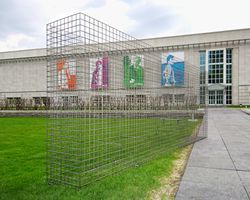
Absent Wall: Recalling Gordon Matta-Clark’s Garbage Wall (1970), an installation in the CCA’s Baile Park, is a symbolic structure that evokes Matta-Clark’s interest in recycling, leftover spaces, and alternatives to architectural design. On the occasion of the first Earth Day, Gordon Matta-Clark orchestrated an event at Manhattan’s St. Mark’s Church that took place from(...)
Absent Wall: Recalling Gordon Matta-Clark’s Garbage Wall (1970), an installation in the CCA’s Baile Park, is a symbolic structure that evokes Matta-Clark’s interest in recycling, leftover spaces, and alternatives to architectural design. On the occasion of the first Earth Day, Gordon Matta-Clark orchestrated an event at Manhattan’s St. Mark’s Church that took place from(...)
Location:
Baile Park
Baile Park
Date:
6 May 2004 to 6 September 2004
6 May 2004 to 6 September 2004
Title:
Absent Wall: Recalling Gordon Matta-Clark’s Garbage Wall (1970)
Actions:
Description:
Absent Wall: Recalling Gordon Matta-Clark’s Garbage Wall (1970), an installation in the CCA’s Baile Park, is a symbolic structure that evokes Matta-Clark’s interest in recycling, leftover spaces, and alternatives to architectural design. On the occasion of the first Earth Day, Gordon Matta-Clark orchestrated an event at Manhattan’s St. Mark’s Church that took place from(...)
Absent Wall: Recalling Gordon Matta-Clark’s Garbage Wall (1970)
Actions:
Description:
Absent Wall: Recalling Gordon Matta-Clark’s Garbage Wall (1970), an installation in the CCA’s Baile Park, is a symbolic structure that evokes Matta-Clark’s interest in recycling, leftover spaces, and alternatives to architectural design. On the occasion of the first Earth Day, Gordon Matta-Clark orchestrated an event at Manhattan’s St. Mark’s Church that took place from(...)
Form:
exhibitions
exhibitions
Date:
6 May 2004 to
6 September 2004
6 May 2004 to
6 September 2004
Location:
Baile Park
Baile Park
Form:
events
events
Actions:
Description:
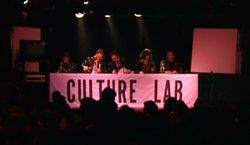
Brian Boigon ran Culture Lab at the back of a rock club in Toronto from 1991 to 1994. Participants from architecture, art, film, video, music, comedy, science and fashion were asked to push their discipline through their assigned thematic field out into the wilds of unknown propagation. Boigon’s talk addresses the temporal and social ramifications that led up and into the(...)
Brian Boigon ran Culture Lab at the back of a rock club in Toronto from 1991 to 1994. Participants from architecture, art, film, video, music, comedy, science and fashion were asked to push their discipline through their assigned thematic field out into the wilds of unknown propagation. Boigon’s talk addresses the temporal and social ramifications that led up and into the(...)
Location:
Paul-Desmarais Theatre
Paul-Desmarais Theatre
Date:
31 March 2016
31 March 2016
Title:
Fucking with Interoperability: Culture Lab 1991–94
Actions:
Description:
Brian Boigon ran Culture Lab at the back of a rock club in Toronto from 1991 to 1994. Participants from architecture, art, film, video, music, comedy, science and fashion were asked to push their discipline through their assigned thematic field out into the wilds of unknown propagation. Boigon’s talk addresses the temporal and social ramifications that led up and into the(...)
Fucking with Interoperability: Culture Lab 1991–94
Actions:
Description:
Brian Boigon ran Culture Lab at the back of a rock club in Toronto from 1991 to 1994. Participants from architecture, art, film, video, music, comedy, science and fashion were asked to push their discipline through their assigned thematic field out into the wilds of unknown propagation. Boigon’s talk addresses the temporal and social ramifications that led up and into the(...)
Form:
events
events
Date:
31 March 2016
31 March 2016
Location:
Paul-Desmarais Theatre
Paul-Desmarais Theatre
Form:
events
events
Actions:
Description:
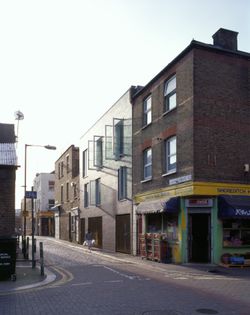
British architect Stephen Taylor speaks about his work and the CCA exhibition Some Ideas on Living in London and Tokyo by Stephen Taylor and Ryue Nishizawa (2008). The exhibition marks the first North American presentation of residential projects by Stephen Taylor and Ryue Nishizawa and reveals their distinctive solutions to the challenges of building homes in existing(...)
British architect Stephen Taylor speaks about his work and the CCA exhibition Some Ideas on Living in London and Tokyo by Stephen Taylor and Ryue Nishizawa (2008). The exhibition marks the first North American presentation of residential projects by Stephen Taylor and Ryue Nishizawa and reveals their distinctive solutions to the challenges of building homes in existing(...)
Location:
Paul Desmarais Theatre
Paul Desmarais Theatre
Date:
15 May 2008
15 May 2008
Title:
Stephen Taylor: Some Ideas on Living
Actions:
Description:
British architect Stephen Taylor speaks about his work and the CCA exhibition Some Ideas on Living in London and Tokyo by Stephen Taylor and Ryue Nishizawa (2008). The exhibition marks the first North American presentation of residential projects by Stephen Taylor and Ryue Nishizawa and reveals their distinctive solutions to the challenges of building homes in existing(...)
Stephen Taylor: Some Ideas on Living
Actions:
Description:
British architect Stephen Taylor speaks about his work and the CCA exhibition Some Ideas on Living in London and Tokyo by Stephen Taylor and Ryue Nishizawa (2008). The exhibition marks the first North American presentation of residential projects by Stephen Taylor and Ryue Nishizawa and reveals their distinctive solutions to the challenges of building homes in existing(...)
Form:
events
events
Date:
15 May 2008
15 May 2008
Location:
Paul Desmarais Theatre
Paul Desmarais Theatre
Form:
events
events
Actions:
Description:
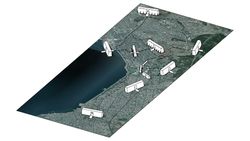
Andreas Angelidakis describes his exhibition practice as a single continuous project that investigates the architecture of exhibiting. This talk will focus on the development of his practice across five exhibitions: the third Thessaloniki Biennial; The System of Objects at the DESTE Foundation in Athens; Every End Is a Beginning at the National Museum of Contemporary Art(...)
Andreas Angelidakis describes his exhibition practice as a single continuous project that investigates the architecture of exhibiting. This talk will focus on the development of his practice across five exhibitions: the third Thessaloniki Biennial; The System of Objects at the DESTE Foundation in Athens; Every End Is a Beginning at the National Museum of Contemporary Art(...)
Date:
15 October 2015 , 6pm
15 October 2015 , 6pm
Title:
Displaying Architecture: Andreas Angelidakis
Actions:
Description:
Andreas Angelidakis describes his exhibition practice as a single continuous project that investigates the architecture of exhibiting. This talk will focus on the development of his practice across five exhibitions: the third Thessaloniki Biennial; The System of Objects at the DESTE Foundation in Athens; Every End Is a Beginning at the National Museum of Contemporary Art(...)
Displaying Architecture: Andreas Angelidakis
Actions:
Description:
Andreas Angelidakis describes his exhibition practice as a single continuous project that investigates the architecture of exhibiting. This talk will focus on the development of his practice across five exhibitions: the third Thessaloniki Biennial; The System of Objects at the DESTE Foundation in Athens; Every End Is a Beginning at the National Museum of Contemporary Art(...)
Form:
events
events
Date:
15 October 2015
6pm
15 October 2015
6pm
Form:
exhibitions
exhibitions
Description:
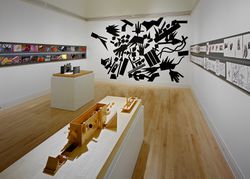
Other Soundings: Selected Works by John Hejduk, 1954–1997, the first major retrospective of Hejduk’s work, explores the themes that have always preoccupied him: architecture as a social act, the wall, the house, the church, passage and transformation, the experience of the city. The importance of John Hejduk rests on his teaching and on the originality of his vision of(...)
Other Soundings: Selected Works by John Hejduk, 1954–1997, the first major retrospective of Hejduk’s work, explores the themes that have always preoccupied him: architecture as a social act, the wall, the house, the church, passage and transformation, the experience of the city. The importance of John Hejduk rests on his teaching and on the originality of his vision of(...)
Location:
Main galleries
Main galleries
Date:
22 October 1997 to 15 February 1998
22 October 1997 to 15 February 1998
Title:
Other Soundings: Selected Works by John Hejduk, 1954-1997
Actions:
Description:
Other Soundings: Selected Works by John Hejduk, 1954–1997, the first major retrospective of Hejduk’s work, explores the themes that have always preoccupied him: architecture as a social act, the wall, the house, the church, passage and transformation, the experience of the city. The importance of John Hejduk rests on his teaching and on the originality of his vision of(...)
Other Soundings: Selected Works by John Hejduk, 1954-1997
Actions:
Description:
Other Soundings: Selected Works by John Hejduk, 1954–1997, the first major retrospective of Hejduk’s work, explores the themes that have always preoccupied him: architecture as a social act, the wall, the house, the church, passage and transformation, the experience of the city. The importance of John Hejduk rests on his teaching and on the originality of his vision of(...)
Form:
exhibitions
exhibitions
Date:
22 October 1997 to
15 February 1998
22 October 1997 to
15 February 1998
Location:
Main galleries
Main galleries
Form:
events
events

Title:
Mapping Rural Montréal
Mapping Rural Montréal
Actions:
Description:
On a tour of downtown Montréal, San Francisco-based artist Amy Franceschini shows participants ‘rural’ sites and activities and questions the dichotomy of country and city. Franceschini founded Futurefarmers, a collaborative and experimental studio that addresses ecological issues, as well as the online magazine, Atlas. Inspired by the exhibition Actions: What You Can Do(...)
On a tour of downtown Montréal, San Francisco-based artist Amy Franceschini shows participants ‘rural’ sites and activities and questions the dichotomy of country and city. Franceschini founded Futurefarmers, a collaborative and experimental studio that addresses ecological issues, as well as the online magazine, Atlas. Inspired by the exhibition Actions: What You Can Do(...)
Date:
4 April 2009
4 April 2009
Title:
Mapping Rural Montréal
Actions:
Description:
On a tour of downtown Montréal, San Francisco-based artist Amy Franceschini shows participants ‘rural’ sites and activities and questions the dichotomy of country and city. Franceschini founded Futurefarmers, a collaborative and experimental studio that addresses ecological issues, as well as the online magazine, Atlas. Inspired by the exhibition Actions: What You Can Do(...)
Mapping Rural Montréal
Actions:
Description:
On a tour of downtown Montréal, San Francisco-based artist Amy Franceschini shows participants ‘rural’ sites and activities and questions the dichotomy of country and city. Franceschini founded Futurefarmers, a collaborative and experimental studio that addresses ecological issues, as well as the online magazine, Atlas. Inspired by the exhibition Actions: What You Can Do(...)
Form:
events
events
Date:
4 April 2009
4 April 2009


