


4749 Results
Form:
books
books

Actions:
Price:
$39.00
(available in store)
Summary:
This illustrated version of the popular Passover song "Had gadya" was the wonderfully playful offspring of the avant-garde artist El Lissitzky (1890-1941). It dates to a little-known period early in his career when he immersed himself in the Jewish cultural renaissance that flourished in Russia from roughly 1912 to the early 1920s. Signed with his Hebrew given name, this(...)
$39.00
(available in store)
Summary:
This illustrated version of the popular Passover song "Had gadya" was the wonderfully playful offspring of the avant-garde artist El Lissitzky (1890-1941). It dates to a little-known period early in his career when he immersed himself in the Jewish cultural renaissance that flourished in Russia from roughly 1912 to the early 1920s. Signed with his Hebrew given name, this(...)
Subject:
Illustration
Illustration
Publication:
June 2004, Los Angeles
June 2004, Los Angeles
Title:
Had Gadya the only kid : Facsmile of El Lissitzky's
Actions:
Price:
$39.00
(available in store)
Summary:
This illustrated version of the popular Passover song "Had gadya" was the wonderfully playful offspring of the avant-garde artist El Lissitzky (1890-1941). It dates to a little-known period early in his career when he immersed himself in the Jewish cultural renaissance that flourished in Russia from roughly 1912 to the early 1920s. Signed with his Hebrew given name, this volume—with its wraparound cover, colorful lithographic montages, and stylized use of Yiddish and Aramaic words—celebrates Lissitzky's interest in Jewish folk traditions while looking forward to the dynamic graphic and typographic designs for which he is best remembered. This near-scale facsimile—including the rarely seen cover—allows readers to experience Lissitzky's Had gadya as originally envisioned. It is accompanied here by Nancy Perloff's discussion of the work's cultural and artistic contexts, Arnold J. Band's English translation of Lissitzky's Yiddish version of the song, sections on Lissitzky's iconography and vocabulary, and lyrics set to music. Arnold J. Band is professor emeritus of Hebrew and comparative literature at the University of California, Los Angeles. Nancy Perloff is collections curator of modern and new media collections at the Getty Research Institute.
Had Gadya the only kid : Facsmile of El Lissitzky's
Actions:
Price:
$39.00
(available in store)
Summary:
This illustrated version of the popular Passover song "Had gadya" was the wonderfully playful offspring of the avant-garde artist El Lissitzky (1890-1941). It dates to a little-known period early in his career when he immersed himself in the Jewish cultural renaissance that flourished in Russia from roughly 1912 to the early 1920s. Signed with his Hebrew given name, this volume—with its wraparound cover, colorful lithographic montages, and stylized use of Yiddish and Aramaic words—celebrates Lissitzky's interest in Jewish folk traditions while looking forward to the dynamic graphic and typographic designs for which he is best remembered. This near-scale facsimile—including the rarely seen cover—allows readers to experience Lissitzky's Had gadya as originally envisioned. It is accompanied here by Nancy Perloff's discussion of the work's cultural and artistic contexts, Arnold J. Band's English translation of Lissitzky's Yiddish version of the song, sections on Lissitzky's iconography and vocabulary, and lyrics set to music. Arnold J. Band is professor emeritus of Hebrew and comparative literature at the University of California, Los Angeles. Nancy Perloff is collections curator of modern and new media collections at the Getty Research Institute.
Form:
books
books
Publication:
June 2004, Los Angeles
June 2004, Los Angeles
Subject:
Illustration
Illustration
Form:
books
books
Title:
Toronto : design city
Toronto : design city
Actions:
Price:
$64.99
(available to order)
Summary:
At a time when modern architecture has become a means for cities to up their game and raise their cultural profile on the world stage, Toronto is coming into its own. Fully entrenched in a design renaissance that is dramatically changing the face and space of the city, Toronto is now a welcome playground for celebrated local talent and international star architects. While(...)
$64.99
(available to order)
Summary:
At a time when modern architecture has become a means for cities to up their game and raise their cultural profile on the world stage, Toronto is coming into its own. Fully entrenched in a design renaissance that is dramatically changing the face and space of the city, Toronto is now a welcome playground for celebrated local talent and international star architects. While(...)
Subject:
Architecture in Canada
Architecture in Canada
Publication:
March 2007, Chichester
March 2007, Chichester
Title:
Toronto : design city
Actions:
Price:
$64.99
(available to order)
Summary:
At a time when modern architecture has become a means for cities to up their game and raise their cultural profile on the world stage, Toronto is coming into its own. Fully entrenched in a design renaissance that is dramatically changing the face and space of the city, Toronto is now a welcome playground for celebrated local talent and international star architects. While some cities can be immediately defined by a specific style, Toronto is distinguished instead by a fusion of contemporary architecture, heritage preservation and sustainable urban design. A true mosaic of architecture and culture, Toronto is a city learning to recognise and celebrate its diversity – it is a city set to rediscover itself. "Design city : Toronto" showcases over thirty exemplary contemporary interior and architectural projects, both complete and underway. These range from hip restaurants and bars by Toronto-based practices to major institutional buildings completed by the likes of Will Alsop, Behnisch, Behnisch & Partners, Foster and Partners, Frank Gehry, Kuwabara Payne McKenna Blumberg and Daniel Libeskind. Written in an engaging and lively manner, the book is illustrated with new photography by Tom Arban. It also provides a neighbourhood overview and biographies of featured designers.
Toronto : design city
Actions:
Price:
$64.99
(available to order)
Summary:
At a time when modern architecture has become a means for cities to up their game and raise their cultural profile on the world stage, Toronto is coming into its own. Fully entrenched in a design renaissance that is dramatically changing the face and space of the city, Toronto is now a welcome playground for celebrated local talent and international star architects. While some cities can be immediately defined by a specific style, Toronto is distinguished instead by a fusion of contemporary architecture, heritage preservation and sustainable urban design. A true mosaic of architecture and culture, Toronto is a city learning to recognise and celebrate its diversity – it is a city set to rediscover itself. "Design city : Toronto" showcases over thirty exemplary contemporary interior and architectural projects, both complete and underway. These range from hip restaurants and bars by Toronto-based practices to major institutional buildings completed by the likes of Will Alsop, Behnisch, Behnisch & Partners, Foster and Partners, Frank Gehry, Kuwabara Payne McKenna Blumberg and Daniel Libeskind. Written in an engaging and lively manner, the book is illustrated with new photography by Tom Arban. It also provides a neighbourhood overview and biographies of featured designers.
Form:
books
books
Publication:
March 2007, Chichester
March 2007, Chichester
Subject:
Architecture in Canada
Architecture in Canada
Form:
books
books
Actions:
Price:
$97.95
(available to order)
Summary:
This book offers a comprehensive account of the architecture of Florence, setting the city’s buildings within the political, economic, and cultural contexts in which they were made. The rapid expansion of its banking interests and its wool and textile industries brought Florence prosperity, and it became, under Medici power, the heart of the European Renaissance, and the(...)
$97.95
(available to order)
Summary:
This book offers a comprehensive account of the architecture of Florence, setting the city’s buildings within the political, economic, and cultural contexts in which they were made. The rapid expansion of its banking interests and its wool and textile industries brought Florence prosperity, and it became, under Medici power, the heart of the European Renaissance, and the(...)
Title:
Florence : the city and its architecture
Actions:
Price:
$97.95
(available to order)
Summary:
This book offers a comprehensive account of the architecture of Florence, setting the city’s buildings within the political, economic, and cultural contexts in which they were made. The rapid expansion of its banking interests and its wool and textile industries brought Florence prosperity, and it became, under Medici power, the heart of the European Renaissance, and the sponsor of pivotal architectural works. Stretching from the city’s foundation by Julius Caesar in 59 BC to modern times, the text takes a thematic approach. It begins with a historical overview, then moves on to look at buildings associated with the powers of Church and State, followed by the practicalities of building and the main architectural types, ending with modern developments. Buildings covered range from the Duomo, with Brunelleschi’s cupola, and the Palazzo Pitti, to neighbourhood churches and piazzas. Landmark modernist buildings include those by architect Pier Luigi Nervi. The visual wealth of the city is reflected in specially commissioned photography, while original plans and paintings by Florentine masters emphasize the historical context. In addition to a glossary of Italian terms and biographical notes on major figures, the book includes a foldout map with a key to the buildings discussed.
Florence : the city and its architecture
Actions:
Price:
$97.95
(available to order)
Summary:
This book offers a comprehensive account of the architecture of Florence, setting the city’s buildings within the political, economic, and cultural contexts in which they were made. The rapid expansion of its banking interests and its wool and textile industries brought Florence prosperity, and it became, under Medici power, the heart of the European Renaissance, and the sponsor of pivotal architectural works. Stretching from the city’s foundation by Julius Caesar in 59 BC to modern times, the text takes a thematic approach. It begins with a historical overview, then moves on to look at buildings associated with the powers of Church and State, followed by the practicalities of building and the main architectural types, ending with modern developments. Buildings covered range from the Duomo, with Brunelleschi’s cupola, and the Palazzo Pitti, to neighbourhood churches and piazzas. Landmark modernist buildings include those by architect Pier Luigi Nervi. The visual wealth of the city is reflected in specially commissioned photography, while original plans and paintings by Florentine masters emphasize the historical context. In addition to a glossary of Italian terms and biographical notes on major figures, the book includes a foldout map with a key to the buildings discussed.
Form:
books
books
Publication:
April 2002, London / New York
April 2002, London / New York
Subject:
History until 1900
History until 1900
Form:
books
books
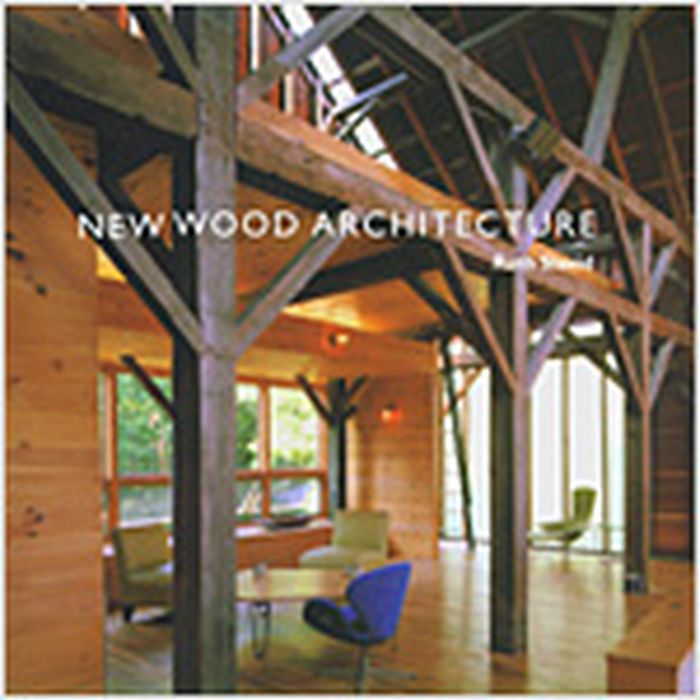
Title:
New wood architecture
New wood architecture
Actions:
Price:
$56.50
(available to order)
Summary:
A detailed and timely look at the resourceful ways wood is being used in some of the world’s most innovative new buildings. Despite its legacy as a traditional building material, timber is experiencing a renaissance as contemporary architects and designers increasingly come to appreciate its sustainability, versatility, and beauty. Lavishly illustrated with over 300(...)
$56.50
(available to order)
Summary:
A detailed and timely look at the resourceful ways wood is being used in some of the world’s most innovative new buildings. Despite its legacy as a traditional building material, timber is experiencing a renaissance as contemporary architects and designers increasingly come to appreciate its sustainability, versatility, and beauty. Lavishly illustrated with over 300(...)
Subject:
Green Architecture
Green Architecture
Publication:
April 2005, New
April 2005, New
Title:
New wood architecture
Actions:
Price:
$56.50
(available to order)
Summary:
A detailed and timely look at the resourceful ways wood is being used in some of the world’s most innovative new buildings. Despite its legacy as a traditional building material, timber is experiencing a renaissance as contemporary architects and designers increasingly come to appreciate its sustainability, versatility, and beauty. Lavishly illustrated with over 300 photographs and drawings, "New Wood Architecture" features over 40 contemporary projects from around the world by leading architects including Shigeru Ban, Roberto Briccola, Santiago Calatrava, Steven Holl, Herzog + Partner, Herzog and de Meuron, Peter Hübner, Renzo Piano Building Workshop, and Peter Zumthor. Ruth Slavid examines the innovative ways timber is currently being handled and how its use has been expanded by new technologies and experiments with traditional building methods. Featured topics include wood’s natural properties in rural landscapes; its heritage as a vernacular building material; its pragmatic and cost-efficient properties; its versatility; current technological innovations such as the uses of engineered products, laminates, plywoods, and chipboards; the ways wood can be combined with other materials to enhance its structural properties; and its use as a recycled or “green” material in some of the most beautiful and experimental plans being constructed today.
New wood architecture
Actions:
Price:
$56.50
(available to order)
Summary:
A detailed and timely look at the resourceful ways wood is being used in some of the world’s most innovative new buildings. Despite its legacy as a traditional building material, timber is experiencing a renaissance as contemporary architects and designers increasingly come to appreciate its sustainability, versatility, and beauty. Lavishly illustrated with over 300 photographs and drawings, "New Wood Architecture" features over 40 contemporary projects from around the world by leading architects including Shigeru Ban, Roberto Briccola, Santiago Calatrava, Steven Holl, Herzog + Partner, Herzog and de Meuron, Peter Hübner, Renzo Piano Building Workshop, and Peter Zumthor. Ruth Slavid examines the innovative ways timber is currently being handled and how its use has been expanded by new technologies and experiments with traditional building methods. Featured topics include wood’s natural properties in rural landscapes; its heritage as a vernacular building material; its pragmatic and cost-efficient properties; its versatility; current technological innovations such as the uses of engineered products, laminates, plywoods, and chipboards; the ways wood can be combined with other materials to enhance its structural properties; and its use as a recycled or “green” material in some of the most beautiful and experimental plans being constructed today.
Form:
books
books
Publication:
April 2005, New
April 2005, New
Subject:
Green Architecture
Green Architecture
Form:
books
books
Actions:
Price:
$24.95
(available to order)
Summary:
Fresques de Fontainebleau ou de l'Escurial, jardins Boboli, monstres de Bomarzo ou grottes de la villa Borromée sur le lac Majeur sont les hauts lieux du maniérisme. Redécouvert au début du XXe siècle, le maniérisme, souvent confondu avec la Renaissance dont il constitue le prolongement, demeure mal identifié. On peut y reconnaître une avant-garde avant la lettre, comme(...)
$24.95
(available to order)
Summary:
Fresques de Fontainebleau ou de l'Escurial, jardins Boboli, monstres de Bomarzo ou grottes de la villa Borromée sur le lac Majeur sont les hauts lieux du maniérisme. Redécouvert au début du XXe siècle, le maniérisme, souvent confondu avec la Renaissance dont il constitue le prolongement, demeure mal identifié. On peut y reconnaître une avant-garde avant la lettre, comme(...)
Title:
Le manièrisme : une avant-garde au XVIe siècle
Actions:
Price:
$24.95
(available to order)
Summary:
Fresques de Fontainebleau ou de l'Escurial, jardins Boboli, monstres de Bomarzo ou grottes de la villa Borromée sur le lac Majeur sont les hauts lieux du maniérisme. Redécouvert au début du XXe siècle, le maniérisme, souvent confondu avec la Renaissance dont il constitue le prolongement, demeure mal identifié. On peut y reconnaître une avant-garde avant la lettre, comme le démontre avec brio Patricia Falguières. Une avant-garde triomphante puisque le maniérisme fut à l'origine du premier grand style international depuis le gothique. À partir de Fontainebleau (son foyer central avec Florence et Rome), il étend son emprise sur l'Europe du XVIe siècle. Partout images et formes recyclent, durant près d'un siècle, les modèles inventés par Rosso, le Parmesan, le Primatice... Au cœur de cette aventure, un héros inattendu, Michel-Ange - figure tutélaire d'une génération de jeunes artistes indisciplinés. Tout à la fois excentriques géniaux et techniciens exceptionnels, individualistes forcenés et compétiteurs féroces, ils vont forger le langage artistique de l'Europe moderne, réinventer les règles du grand décor, populariser la figure de l'artiste génial. Ils ont aussi accrédité l'idée que l'art n'est pas seulement une question de savoir-faire, mais d'" idée " et de " génie ".
Le manièrisme : une avant-garde au XVIe siècle
Actions:
Price:
$24.95
(available to order)
Summary:
Fresques de Fontainebleau ou de l'Escurial, jardins Boboli, monstres de Bomarzo ou grottes de la villa Borromée sur le lac Majeur sont les hauts lieux du maniérisme. Redécouvert au début du XXe siècle, le maniérisme, souvent confondu avec la Renaissance dont il constitue le prolongement, demeure mal identifié. On peut y reconnaître une avant-garde avant la lettre, comme le démontre avec brio Patricia Falguières. Une avant-garde triomphante puisque le maniérisme fut à l'origine du premier grand style international depuis le gothique. À partir de Fontainebleau (son foyer central avec Florence et Rome), il étend son emprise sur l'Europe du XVIe siècle. Partout images et formes recyclent, durant près d'un siècle, les modèles inventés par Rosso, le Parmesan, le Primatice... Au cœur de cette aventure, un héros inattendu, Michel-Ange - figure tutélaire d'une génération de jeunes artistes indisciplinés. Tout à la fois excentriques géniaux et techniciens exceptionnels, individualistes forcenés et compétiteurs féroces, ils vont forger le langage artistique de l'Europe moderne, réinventer les règles du grand décor, populariser la figure de l'artiste génial. Ils ont aussi accrédité l'idée que l'art n'est pas seulement une question de savoir-faire, mais d'" idée " et de " génie ".
Form:
books
books
Publication:
September 2004, Paris
September 2004, Paris
Subject:
History until 1900
History until 1900
Form:
books
books
Price:
$39.95
(available to order)
Summary:
L'abbaye de Fontenay, fondée en 1119 par saint Bernard au nord de la Bourgogne, est le plus ancien témoin de l'architecture cistercienne en Europe. Seconde fille de Clairvaux, le monument constitue l'un des ensembles monastiques les plus complets et conserve aussi la forge médiévale où les moines exerçaient la métallurgie. Vendus comme bien national, en 1790, les(...)
$39.95
(available to order)
Summary:
L'abbaye de Fontenay, fondée en 1119 par saint Bernard au nord de la Bourgogne, est le plus ancien témoin de l'architecture cistercienne en Europe. Seconde fille de Clairvaux, le monument constitue l'un des ensembles monastiques les plus complets et conserve aussi la forge médiévale où les moines exerçaient la métallurgie. Vendus comme bien national, en 1790, les(...)
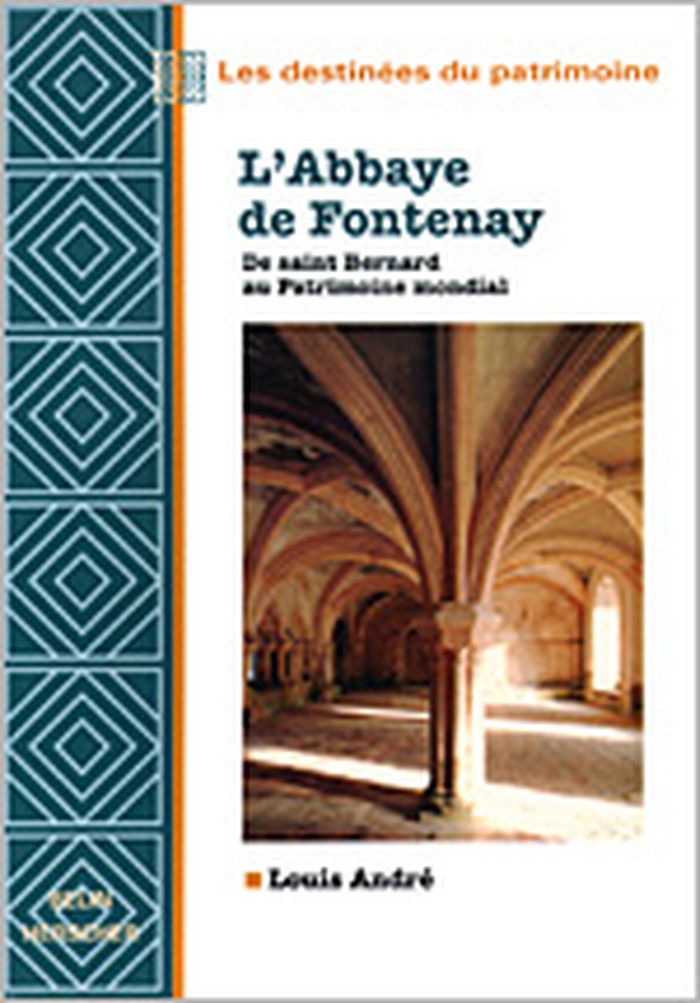
Title:
L'Abbaye de Fontenay : de Saint Bernard au patrimoine mondial
Actions:
Price:
$39.95
(available to order)
Summary:
L'abbaye de Fontenay, fondée en 1119 par saint Bernard au nord de la Bourgogne, est le plus ancien témoin de l'architecture cistercienne en Europe. Seconde fille de Clairvaux, le monument constitue l'un des ensembles monastiques les plus complets et conserve aussi la forge médiévale où les moines exerçaient la métallurgie. Vendus comme bien national, en 1790, les bâtiments sont réutilisés pour une usine de papeterie, rachetée en 1820 par Élie de Montgolfier. Les machines envahissent les bâtiments et l'activité industrielle s'étend progressivement dans tout la vallée de Fontenay, jusqu'à ce que l'abbaye soit rachetée en 1906 par le banquier lyonnais Édouard Aynard, époux de Rose de Montgolfier, qui en entreprend une restauration exemplaire. Après lui, pierre à pierre, ses descendants parachèvent la renaissance de Fontenay couronnée par l'inscription sur la liste du Patrimoine mondial (UNESCO), en 1981. Louis André, ancien conservateur du patrimoine, a participé à la rénovation du musée des Arts et Métiers du CNAM, à Paris. Auteur d'une thèse sur l'industrie papetière en France au XIXe siècle, il est actuellement maître de conférences au département d'histoire de l'art de l'université de Rennes 2
L'Abbaye de Fontenay : de Saint Bernard au patrimoine mondial
Actions:
Price:
$39.95
(available to order)
Summary:
L'abbaye de Fontenay, fondée en 1119 par saint Bernard au nord de la Bourgogne, est le plus ancien témoin de l'architecture cistercienne en Europe. Seconde fille de Clairvaux, le monument constitue l'un des ensembles monastiques les plus complets et conserve aussi la forge médiévale où les moines exerçaient la métallurgie. Vendus comme bien national, en 1790, les bâtiments sont réutilisés pour une usine de papeterie, rachetée en 1820 par Élie de Montgolfier. Les machines envahissent les bâtiments et l'activité industrielle s'étend progressivement dans tout la vallée de Fontenay, jusqu'à ce que l'abbaye soit rachetée en 1906 par le banquier lyonnais Édouard Aynard, époux de Rose de Montgolfier, qui en entreprend une restauration exemplaire. Après lui, pierre à pierre, ses descendants parachèvent la renaissance de Fontenay couronnée par l'inscription sur la liste du Patrimoine mondial (UNESCO), en 1981. Louis André, ancien conservateur du patrimoine, a participé à la rénovation du musée des Arts et Métiers du CNAM, à Paris. Auteur d'une thèse sur l'industrie papetière en France au XIXe siècle, il est actuellement maître de conférences au département d'histoire de l'art de l'université de Rennes 2
Form:
books
books
Publication:
October 2003, Paris
October 2003, Paris
Subject:
History until 1900, France
History until 1900, France
Form:
books
books
Actions:
Price:
$45.95
(available to order)
Summary:
Commissioned in 1750, the Palazzo Venier was planned as a testimony to the power and wealth of a great Venetian family, but the fortunes of the Veniers waned midconstruction and the project was abandoned. Empty, unfinished, and decaying, the building was considered an eyesore until the early twentieth century when it attracted and inspired three women at key moments in(...)
$45.95
(available to order)
Summary:
Commissioned in 1750, the Palazzo Venier was planned as a testimony to the power and wealth of a great Venetian family, but the fortunes of the Veniers waned midconstruction and the project was abandoned. Empty, unfinished, and decaying, the building was considered an eyesore until the early twentieth century when it attracted and inspired three women at key moments in(...)
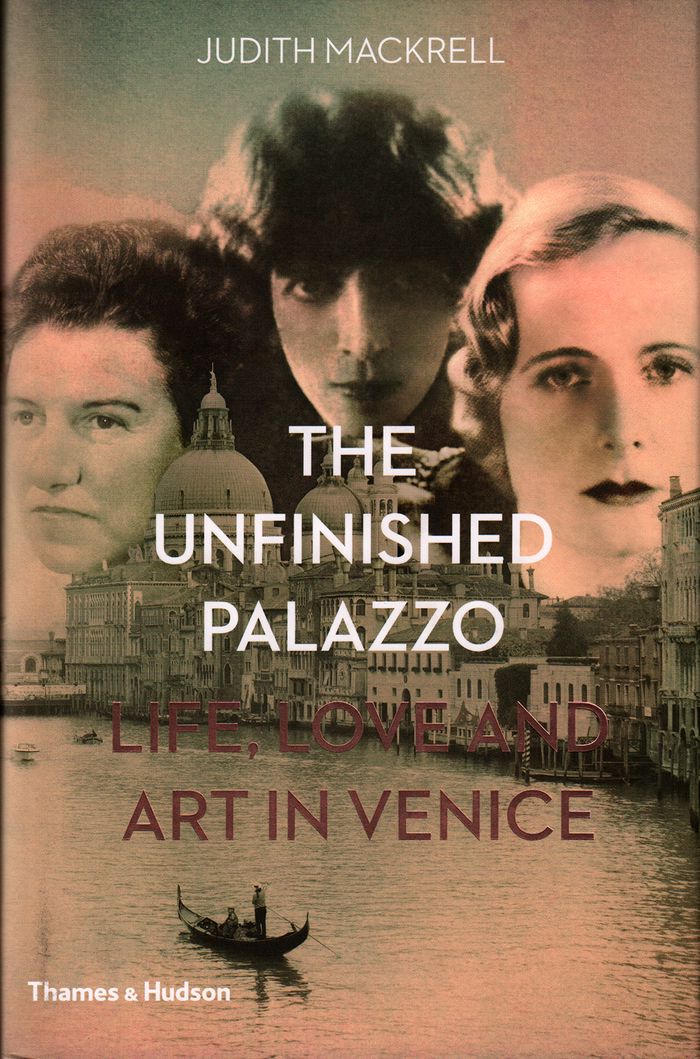
Title:
The unfinished palazzo: stories of Luisa Casati, Doris Castlerosse and Peggy Guggenheim
Actions:
Price:
$45.95
(available to order)
Summary:
Commissioned in 1750, the Palazzo Venier was planned as a testimony to the power and wealth of a great Venetian family, but the fortunes of the Veniers waned midconstruction and the project was abandoned. Empty, unfinished, and decaying, the building was considered an eyesore until the early twentieth century when it attracted and inspired three women at key moments in their lives: Luisa Casati, Doris Castlerosse, and Peggy Guggenheim. Luisa Casati turned her home into an aesthete’s fantasy where she hosted parties as extravagant and decadent as Renaissance court operas, spending small fortunes on her own costumes in her quest to become a “living work of art” and muse. Doris Castlerosse strove to make her mark in London and Venice during the glamorous, hedonistic interwar years, hosting film stars and royalty at glittering parties. In the postwar years, Peggy Gugenheim turned the Palazzo into a model of modernist simplicity that served as a home for her exquisite collection of modern art that today draws tourists and art lovers from around the world. Each vivid life story is accompanied by previously unseen materials from family archives, weaving an intricate history of these legendary art world eccentrics.
The unfinished palazzo: stories of Luisa Casati, Doris Castlerosse and Peggy Guggenheim
Actions:
Price:
$45.95
(available to order)
Summary:
Commissioned in 1750, the Palazzo Venier was planned as a testimony to the power and wealth of a great Venetian family, but the fortunes of the Veniers waned midconstruction and the project was abandoned. Empty, unfinished, and decaying, the building was considered an eyesore until the early twentieth century when it attracted and inspired three women at key moments in their lives: Luisa Casati, Doris Castlerosse, and Peggy Guggenheim. Luisa Casati turned her home into an aesthete’s fantasy where she hosted parties as extravagant and decadent as Renaissance court operas, spending small fortunes on her own costumes in her quest to become a “living work of art” and muse. Doris Castlerosse strove to make her mark in London and Venice during the glamorous, hedonistic interwar years, hosting film stars and royalty at glittering parties. In the postwar years, Peggy Gugenheim turned the Palazzo into a model of modernist simplicity that served as a home for her exquisite collection of modern art that today draws tourists and art lovers from around the world. Each vivid life story is accompanied by previously unseen materials from family archives, weaving an intricate history of these legendary art world eccentrics.
Form:
books
books
Publication:
September 2017
September 2017
Subject:
History until 1900
History until 1900
Form:
books
books
Title:
Vitruve et le vitruvianisme
Vitruve et le vitruvianisme
Actions:
Price:
$52.00
(available to order)
Summary:
Ce livre est la traduction de la 2e édition de "Einführung in die Geschichte der Architekturtheorie" parue en 1987. En tant que discipline, la théorie de l'architecture se situe d'abord dans le champ de la littérature artistique et se manifeste par des traités autant que par des chroniques, des pamphlets, des textes romanesques, voire des utopies. La tradition(...)
$52.00
(available to order)
Summary:
Ce livre est la traduction de la 2e édition de "Einführung in die Geschichte der Architekturtheorie" parue en 1987. En tant que discipline, la théorie de l'architecture se situe d'abord dans le champ de la littérature artistique et se manifeste par des traités autant que par des chroniques, des pamphlets, des textes romanesques, voire des utopies. La tradition(...)
Title:
Vitruve et le vitruvianisme
Actions:
Price:
$52.00
(available to order)
Summary:
Ce livre est la traduction de la 2e édition de "Einführung in die Geschichte der Architekturtheorie" parue en 1987. En tant que discipline, la théorie de l'architecture se situe d'abord dans le champ de la littérature artistique et se manifeste par des traités autant que par des chroniques, des pamphlets, des textes romanesques, voire des utopies. La tradition scientifique du traité remonte aux "Dix livres de l'architecture" de l'ingénieur-architecte Vitruve, ouvrage dédié à l'empereur Auguste. En Italie, en France, en Angleterre et en Allemagne, le discours lettré sur l'architecture répercute jusqu'au XIXe siècle l'écho du texte fondateur. D'où cette affirmation, cette amplification et ce déclin du vitruvianisme en tant que doctrine cardinale, sujette aux remises en cause de l'histoire. Partant de ce texte fondateur, le livre proposé examine le retentissement de Vitruve sur la théorie de l'architecture au Moyen Age, à la Renaissance et dans les Temps Modernes. Emanant de cours et de séminaires donnés à l'Université de Bâle, et donc destiné à l'enseignement, il propose un aperçu de l'exégèse vitruvienne et vise à mettre en place des jalons qui renvoient à la lecture des textes.
Vitruve et le vitruvianisme
Actions:
Price:
$52.00
(available to order)
Summary:
Ce livre est la traduction de la 2e édition de "Einführung in die Geschichte der Architekturtheorie" parue en 1987. En tant que discipline, la théorie de l'architecture se situe d'abord dans le champ de la littérature artistique et se manifeste par des traités autant que par des chroniques, des pamphlets, des textes romanesques, voire des utopies. La tradition scientifique du traité remonte aux "Dix livres de l'architecture" de l'ingénieur-architecte Vitruve, ouvrage dédié à l'empereur Auguste. En Italie, en France, en Angleterre et en Allemagne, le discours lettré sur l'architecture répercute jusqu'au XIXe siècle l'écho du texte fondateur. D'où cette affirmation, cette amplification et ce déclin du vitruvianisme en tant que doctrine cardinale, sujette aux remises en cause de l'histoire. Partant de ce texte fondateur, le livre proposé examine le retentissement de Vitruve sur la théorie de l'architecture au Moyen Age, à la Renaissance et dans les Temps Modernes. Emanant de cours et de séminaires donnés à l'Université de Bâle, et donc destiné à l'enseignement, il propose un aperçu de l'exégèse vitruvienne et vise à mettre en place des jalons qui renvoient à la lecture des textes.
Form:
books
books
Publication:
May 2016
May 2016
Subject:
Treatises
Treatises
Form:
books
books
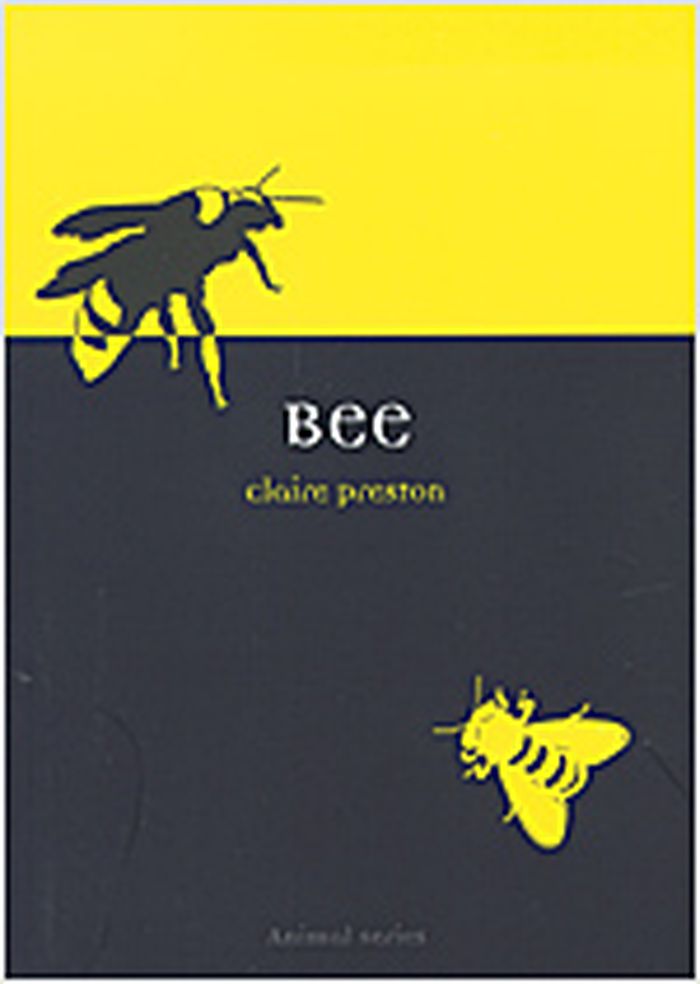
Price:
$24.95
(available to order)
Summary:
The bee is not a domestic animal, yet our relationship with this creature is one of the longest-standing between humanity and any other species. Since the earliest times the unique manufacturing and architectural abilities of the bee and its remarkable social organization have been regarded as miraculous. Because of this ancient relationship, bees always carry profound(...)
$24.95
(available to order)
Summary:
The bee is not a domestic animal, yet our relationship with this creature is one of the longest-standing between humanity and any other species. Since the earliest times the unique manufacturing and architectural abilities of the bee and its remarkable social organization have been regarded as miraculous. Because of this ancient relationship, bees always carry profound(...)
Title:
Bee
Actions:
Price:
$24.95
(available to order)
Summary:
The bee is not a domestic animal, yet our relationship with this creature is one of the longest-standing between humanity and any other species. Since the earliest times the unique manufacturing and architectural abilities of the bee and its remarkable social organization have been regarded as miraculous. Because of this ancient relationship, bees always carry profound cultural meanings which can tell us much about who we are. Bees are also the subject of an enormous body of legend throughout the temperate world; no less extraordinary is the natural history of the bee, and the ways in which its biological and social organization have been adapted and encouraged by mankind in search of honey. Claire Preston’s Bee follows the natural and cultural history of our relationship with the bee and the development of these legends, from ancient political descriptions of the bee to Renaissance debates about monarchy, and the accompanying scientific discoveries about insects, to the modern conversion of the virtuous, civil bee into the dangerous swarm of the Hollywood horror flick, and finally to the melancholy recognition that the scientific study of bee behavior gives us a warning to beware our own awful technologies of destruction.
Bee
Actions:
Price:
$24.95
(available to order)
Summary:
The bee is not a domestic animal, yet our relationship with this creature is one of the longest-standing between humanity and any other species. Since the earliest times the unique manufacturing and architectural abilities of the bee and its remarkable social organization have been regarded as miraculous. Because of this ancient relationship, bees always carry profound cultural meanings which can tell us much about who we are. Bees are also the subject of an enormous body of legend throughout the temperate world; no less extraordinary is the natural history of the bee, and the ways in which its biological and social organization have been adapted and encouraged by mankind in search of honey. Claire Preston’s Bee follows the natural and cultural history of our relationship with the bee and the development of these legends, from ancient political descriptions of the bee to Renaissance debates about monarchy, and the accompanying scientific discoveries about insects, to the modern conversion of the virtuous, civil bee into the dangerous swarm of the Hollywood horror flick, and finally to the melancholy recognition that the scientific study of bee behavior gives us a warning to beware our own awful technologies of destruction.
Form:
books
books
Publication:
December 2005, London
December 2005, London
Subject:
Fauna and flora
Fauna and flora
Form:
books
books

Price:
$90.00
(available to order)
Summary:
A true Renaissance man with a clear, unified aesthetic vision, the Swiss artist, designer, architect and writer Max Bill combined the virtues of homo faber and homo ludens throughout his intensely productive career, launching the Concrete art movement and establishing himself as the single most decisive influence on postwar Swiss graphic design. This gorgeously designed,(...)
$90.00
(available to order)
Summary:
A true Renaissance man with a clear, unified aesthetic vision, the Swiss artist, designer, architect and writer Max Bill combined the virtues of homo faber and homo ludens throughout his intensely productive career, launching the Concrete art movement and establishing himself as the single most decisive influence on postwar Swiss graphic design. This gorgeously designed,(...)
Title:
Max Bill
Actions:
Price:
$90.00
(available to order)
Summary:
A true Renaissance man with a clear, unified aesthetic vision, the Swiss artist, designer, architect and writer Max Bill combined the virtues of homo faber and homo ludens throughout his intensely productive career, launching the Concrete art movement and establishing himself as the single most decisive influence on postwar Swiss graphic design. This gorgeously designed, hefty volume—the most thorough Bill overview ever published in English, and the only monograph in print—presents Bill’s oeuvre both chronologically and thematically, across every facet of his multifaceted oeuvre: painting, graphic art, sculpture, architecture, book and magazine design, industrial and furniture design, graphic design and advertising typography—from large-format posters to small inserts in periodicals—as well as his designs for exhibition spaces. Bill stands out for his enormous influence on Latin American geometric art (through his 1951 retrospective at the São Paulo Museum of Modern Art), as well as for his essays, his work as an educator and his political and social concerns. All these aspects of his life and work are covered in this profusely illustrated catalogue, along with essays by scholars and a selection of previously unpublished essays by Bill himself.
Max Bill
Actions:
Price:
$90.00
(available to order)
Summary:
A true Renaissance man with a clear, unified aesthetic vision, the Swiss artist, designer, architect and writer Max Bill combined the virtues of homo faber and homo ludens throughout his intensely productive career, launching the Concrete art movement and establishing himself as the single most decisive influence on postwar Swiss graphic design. This gorgeously designed, hefty volume—the most thorough Bill overview ever published in English, and the only monograph in print—presents Bill’s oeuvre both chronologically and thematically, across every facet of his multifaceted oeuvre: painting, graphic art, sculpture, architecture, book and magazine design, industrial and furniture design, graphic design and advertising typography—from large-format posters to small inserts in periodicals—as well as his designs for exhibition spaces. Bill stands out for his enormous influence on Latin American geometric art (through his 1951 retrospective at the São Paulo Museum of Modern Art), as well as for his essays, his work as an educator and his political and social concerns. All these aspects of his life and work are covered in this profusely illustrated catalogue, along with essays by scholars and a selection of previously unpublished essays by Bill himself.
Form:
books
books
Publication:
February 2016
February 2016
Subject:
Design Monographs
Design Monographs


