


4749 Results
Form:
books
books
Title:
Les cabinets de curiosités
Les cabinets de curiosités
Actions:
Price:
$115.00
(available to order)
Summary:
Du nord au sud de l'Europe, à la fin de la Renaissance, surgirent d'étranges endroits : secrets ou visibles, dans des demeures royales comme chez des notables ou des apothicaires, tenant à la fois de l'antre du magicien et de l'officine, les cabinets de curiosité rassemblaient un incroyable capharnaüm couvrant murs et plafonds, débordants des tiroirs et des cassettes. S'y(...)
$115.00
(available to order)
Summary:
Du nord au sud de l'Europe, à la fin de la Renaissance, surgirent d'étranges endroits : secrets ou visibles, dans des demeures royales comme chez des notables ou des apothicaires, tenant à la fois de l'antre du magicien et de l'officine, les cabinets de curiosité rassemblaient un incroyable capharnaüm couvrant murs et plafonds, débordants des tiroirs et des cassettes. S'y(...)
Title:
Les cabinets de curiosités
Actions:
Price:
$115.00
(available to order)
Summary:
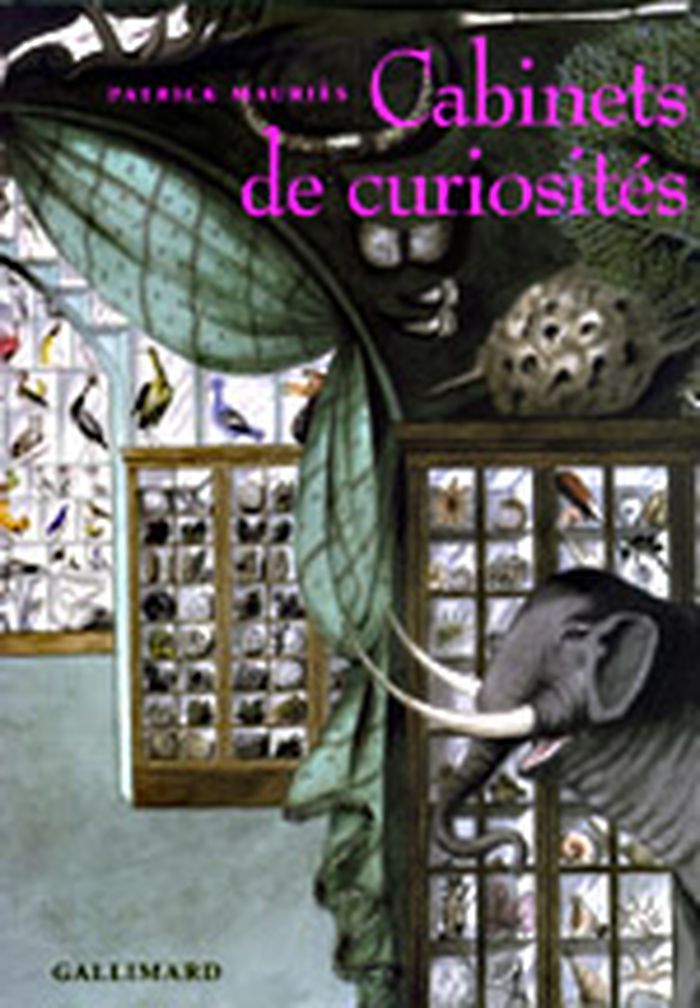
Du nord au sud de l'Europe, à la fin de la Renaissance, surgirent d'étranges endroits : secrets ou visibles, dans des demeures royales comme chez des notables ou des apothicaires, tenant à la fois de l'antre du magicien et de l'officine, les cabinets de curiosité rassemblaient un incroyable capharnaüm couvrant murs et plafonds, débordants des tiroirs et des cassettes. S'y côtoyaient mappemondes et objets d'ivoire, monnaies antiques et crânes de singe, dents de géant et cornes de licornes, pierres magiques et queues de sirène, sans oublier de fascinants oiseaux de paradis qui passaient leur vie à voler, supposait-on, puisqu'ils n'avaient pas de pattes… C'est à l'étrange destin de ces théâtres du bizarre qu'est consacré le présent ouvrage. On y retrace brièvement l'histoire du phénomène, on en montre les survivances et les transformations au cours des siècles suivants, on y évoque des figures peu connues de collectionneurs et d'amateurs attachés au culte de la curiosité ; on en souligne aussi l'influence sur certains des grands mouvements artistiques du XXe siècle, on en suit quelques-uns des développements dans l'art contemporain ; on considère enfin les motifs et les formes de réinvention du cabinet de curiosités dans des décors et des cadres de vie actuels.
Les cabinets de curiosités
Actions:
Price:
$115.00
(available to order)
Summary:
Du nord au sud de l'Europe, à la fin de la Renaissance, surgirent d'étranges endroits : secrets ou visibles, dans des demeures royales comme chez des notables ou des apothicaires, tenant à la fois de l'antre du magicien et de l'officine, les cabinets de curiosité rassemblaient un incroyable capharnaüm couvrant murs et plafonds, débordants des tiroirs et des cassettes. S'y côtoyaient mappemondes et objets d'ivoire, monnaies antiques et crânes de singe, dents de géant et cornes de licornes, pierres magiques et queues de sirène, sans oublier de fascinants oiseaux de paradis qui passaient leur vie à voler, supposait-on, puisqu'ils n'avaient pas de pattes… C'est à l'étrange destin de ces théâtres du bizarre qu'est consacré le présent ouvrage. On y retrace brièvement l'histoire du phénomène, on en montre les survivances et les transformations au cours des siècles suivants, on y évoque des figures peu connues de collectionneurs et d'amateurs attachés au culte de la curiosité ; on en souligne aussi l'influence sur certains des grands mouvements artistiques du XXe siècle, on en suit quelques-uns des développements dans l'art contemporain ; on considère enfin les motifs et les formes de réinvention du cabinet de curiosités dans des décors et des cadres de vie actuels.
Form:
books
books
Publication:
January 2003, Paris
January 2003, Paris
Subject:
Museums and Universal Exhibitions
Museums and Universal Exhibitions
Form:
books
books
Title:
Roger Capron : Céramiste
Roger Capron : Céramiste
Actions:
Price:
$104.95
(available to order)
Summary:
Réédition largement augmentée de l'édition de 2003, cette monographie revient sur le parcours de Roger Capron (1922-2006), seul céramiste français de son époque qui ait à la fois accompli une importante oeuvre artistique et fondé une entreprise individuelle de premier plan. Après avoir suivi l'enseignement du décorateur René Gabriel, Capron crée en 1946 avec Robert(...)
$104.95
(available to order)
Summary:
Réédition largement augmentée de l'édition de 2003, cette monographie revient sur le parcours de Roger Capron (1922-2006), seul céramiste français de son époque qui ait à la fois accompli une importante oeuvre artistique et fondé une entreprise individuelle de premier plan. Après avoir suivi l'enseignement du décorateur René Gabriel, Capron crée en 1946 avec Robert(...)
Title:
Roger Capron : Céramiste
Actions:
Price:
$104.95
(available to order)
Summary:
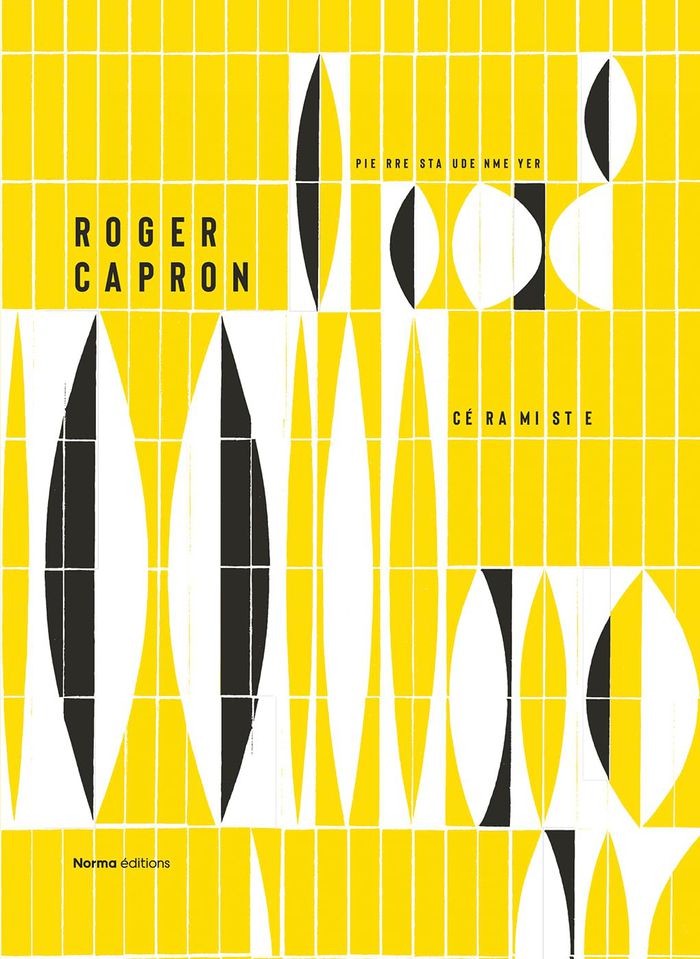
Réédition largement augmentée de l'édition de 2003, cette monographie revient sur le parcours de Roger Capron (1922-2006), seul céramiste français de son époque qui ait à la fois accompli une importante oeuvre artistique et fondé une entreprise individuelle de premier plan. Après avoir suivi l'enseignement du décorateur René Gabriel, Capron crée en 1946 avec Robert Picault l'atelier de céramique Callis à Vallauris participant à la renaissance de la céramique, faisant du beau à la portée de tous. Apparaissent à cette époque les formes et représentations emblématiques de son travail : branchages, personnages stylisés, soleils et motifs géométriques. En 1952, il rachète une poterie désaffectée et commence son aventure industrielle en fabriquant carreaux émaillés, mobilier d'appoint et panneaux décoratifs. A la fin des années 50, la commande d'une fresque de 300 m2 pour la gare maritime de Cannes lui fait découvrir la céramique architecturale qu'il mettra en oeuvre dans d'autres productions telles que la piste de danse en grès de l'hôtel Byblos de Saint Tropez. Enfin dans les années 80, Capron aborde un travail nouveau avec des pièces uniques proches de la sculpture. Basée sur le texte original de Pierre Staudenmeyer, cette version est enrichie par des des focus thématiques et un entretien exclusif entre Jacotte Capron, veuve de l'artiste, et Flavien Gaillard, spécialiste des arts décoratifs du XXe siècle, ainsi que par un répertoire de formes enrichi vient compléter la monographie.
Roger Capron : Céramiste
Actions:
Price:
$104.95
(available to order)
Summary:
Réédition largement augmentée de l'édition de 2003, cette monographie revient sur le parcours de Roger Capron (1922-2006), seul céramiste français de son époque qui ait à la fois accompli une importante oeuvre artistique et fondé une entreprise individuelle de premier plan. Après avoir suivi l'enseignement du décorateur René Gabriel, Capron crée en 1946 avec Robert Picault l'atelier de céramique Callis à Vallauris participant à la renaissance de la céramique, faisant du beau à la portée de tous. Apparaissent à cette époque les formes et représentations emblématiques de son travail : branchages, personnages stylisés, soleils et motifs géométriques. En 1952, il rachète une poterie désaffectée et commence son aventure industrielle en fabriquant carreaux émaillés, mobilier d'appoint et panneaux décoratifs. A la fin des années 50, la commande d'une fresque de 300 m2 pour la gare maritime de Cannes lui fait découvrir la céramique architecturale qu'il mettra en oeuvre dans d'autres productions telles que la piste de danse en grès de l'hôtel Byblos de Saint Tropez. Enfin dans les années 80, Capron aborde un travail nouveau avec des pièces uniques proches de la sculpture. Basée sur le texte original de Pierre Staudenmeyer, cette version est enrichie par des des focus thématiques et un entretien exclusif entre Jacotte Capron, veuve de l'artiste, et Flavien Gaillard, spécialiste des arts décoratifs du XXe siècle, ainsi que par un répertoire de formes enrichi vient compléter la monographie.
Form:
books
books
Publication:
June 2023
June 2023
Subject:
Design Monographs
Design Monographs
Form:
books
books
Price:
$27.00
(available to order)
Summary:
The diamond vaults of Central Europe are among the most original yet little-known creations of medieval architecture : ceilings so complex that, as their name suggests, they recall the facets of a cut gemstone. First appearing in 1471 at the palace of Albrechtsburg in Meissen, Germany, they were employed for almost a century in locations as far apart as Gdansk on the(...)
$27.00
(available to order)
Summary:
The diamond vaults of Central Europe are among the most original yet little-known creations of medieval architecture : ceilings so complex that, as their name suggests, they recall the facets of a cut gemstone. First appearing in 1471 at the palace of Albrechtsburg in Meissen, Germany, they were employed for almost a century in locations as far apart as Gdansk on the(...)
Title:
Diamond vaults : innovation and geometry in medieval architecture
Actions:
Price:
$27.00
(available to order)
Summary:
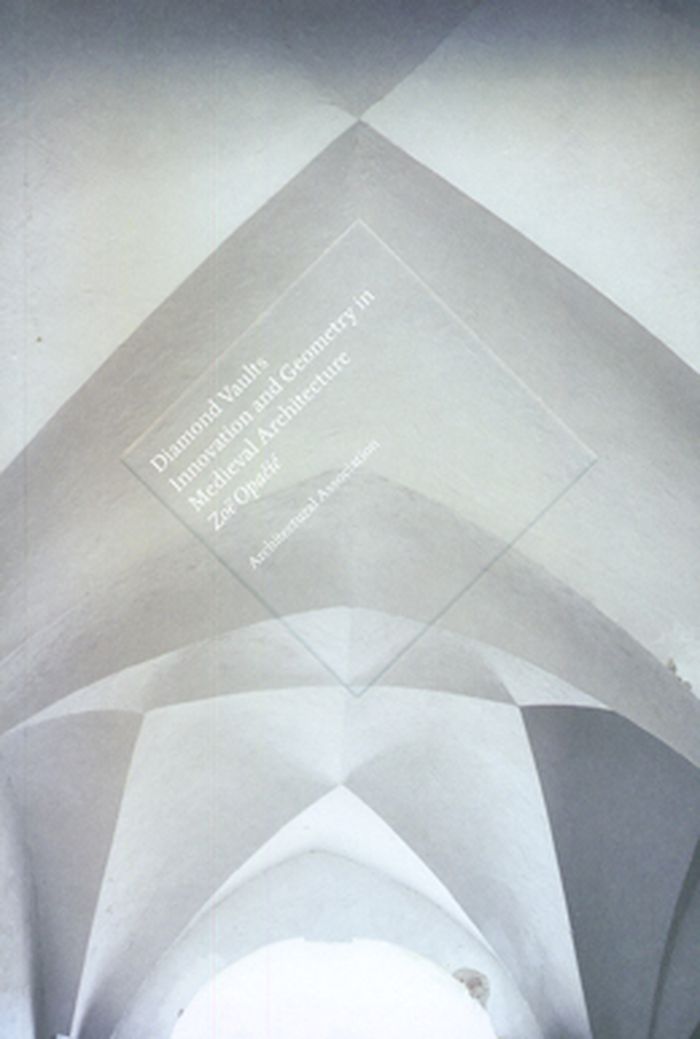
The diamond vaults of Central Europe are among the most original yet little-known creations of medieval architecture : ceilings so complex that, as their name suggests, they recall the facets of a cut gemstone. First appearing in 1471 at the palace of Albrechtsburg in Meissen, Germany, they were employed for almost a century in locations as far apart as Gdansk on the Baltic to Bechyne in southern Bohemia (today’s Czech Republic). From a historical point of view, diamond vaults show the continuing vitality of Gothic architecture in Central Europe, at a time when the rediscovery of the classical past in Renaissance Italy was changing the course of building. Architecturally, they offer some of the most impressive examples of geometrical experimentation and versatility in both secular and sacred spaces. But perhaps their greatest appeal is visual. The stark, concave–convex shapes of diamond vaults, with their lyrical play of the effects of light and shade, strike us today as incredibly modern. "Diamond vaults" explores this singular phenomenon. A text by Zoë Opacic explores the vault’s origins, topography, structure and design, as well as function and context, focusing primarily on the Czech Republic, which boasts some of the best examples, and contrasting them with those in Germany and Gdansk. One of the chief aims is to demonstrate the undoubted aesthetic appeal of this form, which has continued to inspire generations of architects.
Diamond vaults : innovation and geometry in medieval architecture
Actions:
Price:
$27.00
(available to order)
Summary:
The diamond vaults of Central Europe are among the most original yet little-known creations of medieval architecture : ceilings so complex that, as their name suggests, they recall the facets of a cut gemstone. First appearing in 1471 at the palace of Albrechtsburg in Meissen, Germany, they were employed for almost a century in locations as far apart as Gdansk on the Baltic to Bechyne in southern Bohemia (today’s Czech Republic). From a historical point of view, diamond vaults show the continuing vitality of Gothic architecture in Central Europe, at a time when the rediscovery of the classical past in Renaissance Italy was changing the course of building. Architecturally, they offer some of the most impressive examples of geometrical experimentation and versatility in both secular and sacred spaces. But perhaps their greatest appeal is visual. The stark, concave–convex shapes of diamond vaults, with their lyrical play of the effects of light and shade, strike us today as incredibly modern. "Diamond vaults" explores this singular phenomenon. A text by Zoë Opacic explores the vault’s origins, topography, structure and design, as well as function and context, focusing primarily on the Czech Republic, which boasts some of the best examples, and contrasting them with those in Germany and Gdansk. One of the chief aims is to demonstrate the undoubted aesthetic appeal of this form, which has continued to inspire generations of architects.
Form:
books
books
Publication:
January 2006, London
January 2006, London
Subject:
History until 1900, Middle Ages
History until 1900, Middle Ages
Form:
books
books
Price:
$124.50
(available to order)
Summary:
During his tenure as Chief Royal Architect (1539-1588) in the "Golden Age" of the Ottoman Empire, Sinan designed hundreds of structures that helped create the renowned urban image of Istanbul, particularly mosques with seemingly weightless, light-filled centralized domes that have been compared with developments in Renaissance Italy. His distinctive architectural idiom(...)
$124.50
(available to order)
Summary:
During his tenure as Chief Royal Architect (1539-1588) in the "Golden Age" of the Ottoman Empire, Sinan designed hundreds of structures that helped create the renowned urban image of Istanbul, particularly mosques with seemingly weightless, light-filled centralized domes that have been compared with developments in Renaissance Italy. His distinctive architectural idiom(...)
Title:
The Age of Sinan : architectural culture in the Ottoman Empire
Actions:
Price:
$124.50
(available to order)
Summary:
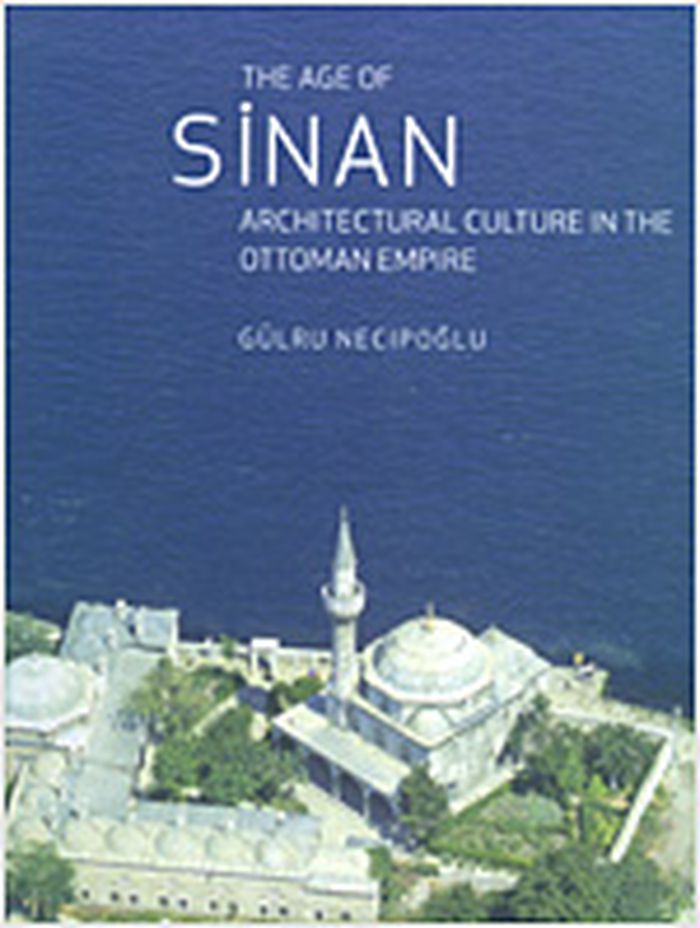
During his tenure as Chief Royal Architect (1539-1588) in the "Golden Age" of the Ottoman Empire, Sinan designed hundreds of structures that helped create the renowned urban image of Istanbul, particularly mosques with seemingly weightless, light-filled centralized domes that have been compared with developments in Renaissance Italy. His distinctive architectural idiom left its imprint over a vast empire extending from the Danube to the Tigris, and he became the most celebrated of all Ottoman architects. In this lavishly illustrated, major new assessment of Sinan's oeuvre, Gülru Necipoglu challenges standard views of Sinan as a "Turkish Michelangelo" driven solely by an insatiable urge for artistic experimentation. Her innovative analysis shows that Sinan's rich variety of mosque designs sprang from a process of negotiation between the architect and his elite patrons, both men and women. Defined though they were by social and territorial hierarchies and associated notions of identity, memory, and decorum, Sinan's mosques simultaneously shaped these conceptions. "The Age of Sinan" draws on a wealth of primary sources to reveal the chief architect's monuments as bearers of previously unrecognized dimensions of meaning. A sophisticated study of the cultural and social history of Ottoman architecture, interpreting the works of a seminal figure in the early modern eastern Mediterranean world, it is must-reading for scholars and students of art history and other fields with an interest in the Ottoman Empire.
The Age of Sinan : architectural culture in the Ottoman Empire
Actions:
Price:
$124.50
(available to order)
Summary:
During his tenure as Chief Royal Architect (1539-1588) in the "Golden Age" of the Ottoman Empire, Sinan designed hundreds of structures that helped create the renowned urban image of Istanbul, particularly mosques with seemingly weightless, light-filled centralized domes that have been compared with developments in Renaissance Italy. His distinctive architectural idiom left its imprint over a vast empire extending from the Danube to the Tigris, and he became the most celebrated of all Ottoman architects. In this lavishly illustrated, major new assessment of Sinan's oeuvre, Gülru Necipoglu challenges standard views of Sinan as a "Turkish Michelangelo" driven solely by an insatiable urge for artistic experimentation. Her innovative analysis shows that Sinan's rich variety of mosque designs sprang from a process of negotiation between the architect and his elite patrons, both men and women. Defined though they were by social and territorial hierarchies and associated notions of identity, memory, and decorum, Sinan's mosques simultaneously shaped these conceptions. "The Age of Sinan" draws on a wealth of primary sources to reveal the chief architect's monuments as bearers of previously unrecognized dimensions of meaning. A sophisticated study of the cultural and social history of Ottoman architecture, interpreting the works of a seminal figure in the early modern eastern Mediterranean world, it is must-reading for scholars and students of art history and other fields with an interest in the Ottoman Empire.
Form:
books
books
Publication:
May 2005, Princeton
May 2005, Princeton
Subject:
History until 1900, Asia
History until 1900, Asia
Form:
books
books
Actions:
Price:
$31.00
(available to order)
Summary:
As with the compass needle, so people have always been most powerfully attracted northwards; everyone carries within them their own concept of north. The Idea of North is a study, ranging widely in time and place, of some of the ways in which these ideas have found expression. Peter Davidson explores the topography of north as represented in images and literature, taking(...)
$31.00
(available to order)
Summary:
As with the compass needle, so people have always been most powerfully attracted northwards; everyone carries within them their own concept of north. The Idea of North is a study, ranging widely in time and place, of some of the ways in which these ideas have found expression. Peter Davidson explores the topography of north as represented in images and literature, taking(...)
Title:
The idea of north, 2nd edition
Actions:
Price:
$31.00
(available to order)
Summary:
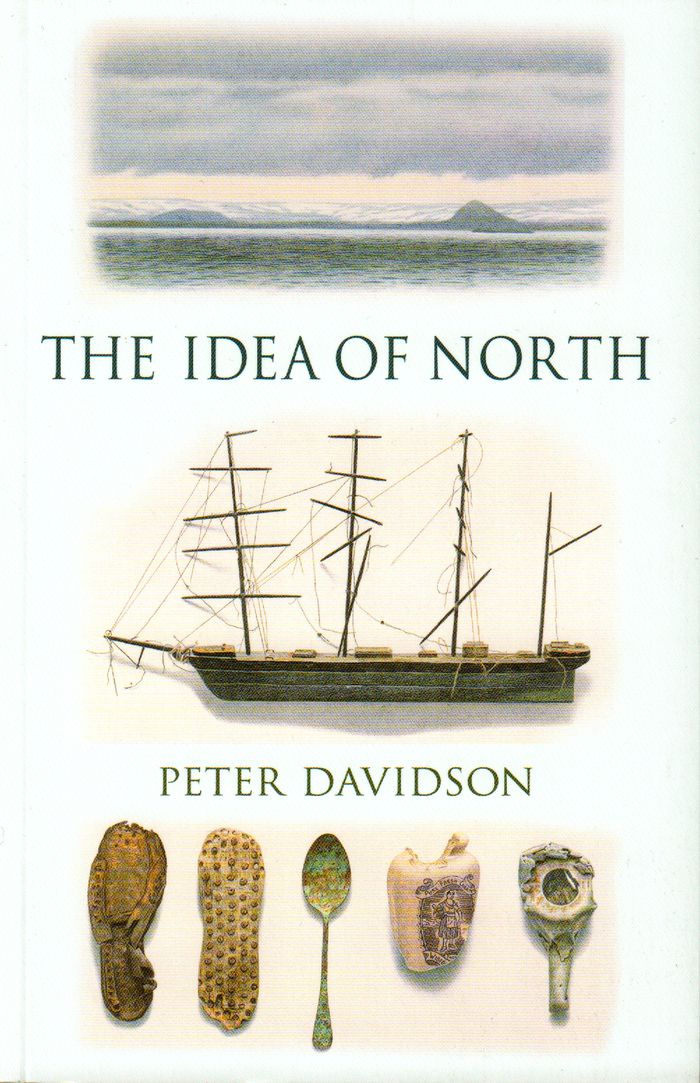
As with the compass needle, so people have always been most powerfully attracted northwards; everyone carries within them their own concept of north. The Idea of North is a study, ranging widely in time and place, of some of the ways in which these ideas have found expression. Peter Davidson explores the topography of north as represented in images and literature, taking in Netherlandic winter paintings of the Renaissance, German Romantic landscapes, Scandinavian Biedermeyer and twentieth-century topographical painting and printmaking. He examines a bewildering diversity of mythologies and imaginings of north, including The Snow Queen; Scandinavian Sagas; ghost-stories; Moomintrolls, Arctic exploration; the fictitious snowy kingdoms of Zembla and Naboland; Nabokov's nostalgias; Baltic midsummer; rooms in winter light; compasses and star-stones; hoar-frost; ice; and glass. The book also traces a northward journey, describing northern rural England, industrial sites, and the long emptiness of the borders, Scotland and the Highlands. He looks at the region far north of Scotland, then moves to the Northern Netherlands and Scandinavia to explore their identifiable northernness.The last visited place is Iceland, identified by W. H. Auden and Louis McNeice in 1936 as 'furthest, most remote, most distant, most northerly'. An engaging meditation on solitude, absence and stillness, The Idea of North shows north to be a goal rather than a destination, a place of revelation that is always somewhere ultimate and austere.
The idea of north, 2nd edition
Actions:
Price:
$31.00
(available to order)
Summary:
As with the compass needle, so people have always been most powerfully attracted northwards; everyone carries within them their own concept of north. The Idea of North is a study, ranging widely in time and place, of some of the ways in which these ideas have found expression. Peter Davidson explores the topography of north as represented in images and literature, taking in Netherlandic winter paintings of the Renaissance, German Romantic landscapes, Scandinavian Biedermeyer and twentieth-century topographical painting and printmaking. He examines a bewildering diversity of mythologies and imaginings of north, including The Snow Queen; Scandinavian Sagas; ghost-stories; Moomintrolls, Arctic exploration; the fictitious snowy kingdoms of Zembla and Naboland; Nabokov's nostalgias; Baltic midsummer; rooms in winter light; compasses and star-stones; hoar-frost; ice; and glass. The book also traces a northward journey, describing northern rural England, industrial sites, and the long emptiness of the borders, Scotland and the Highlands. He looks at the region far north of Scotland, then moves to the Northern Netherlands and Scandinavia to explore their identifiable northernness.The last visited place is Iceland, identified by W. H. Auden and Louis McNeice in 1936 as 'furthest, most remote, most distant, most northerly'. An engaging meditation on solitude, absence and stillness, The Idea of North shows north to be a goal rather than a destination, a place of revelation that is always somewhere ultimate and austere.
Form:
books
books
Publication:
June 2016
June 2016
Subject:
Architectural Theory
Architectural Theory
Form:
books
books
Actions:
Price:
$97.90
(available in store)
Summary:
The sketch is a window into the architects mind. As creative designers, architects are interested in how other architects, particularly successful ones, think through the use of drawings to approach their work. Historically designers have sought inspiration for their own work through an insight into the minds and workings of people they often regard as geniuses. This(...)
$97.90
(available in store)
Summary:
The sketch is a window into the architects mind. As creative designers, architects are interested in how other architects, particularly successful ones, think through the use of drawings to approach their work. Historically designers have sought inspiration for their own work through an insight into the minds and workings of people they often regard as geniuses. This(...)
Title:
Architects' drawings: a selection of sketches by world famous archittects through history
Actions:
Price:
$97.90
(available in store)
Summary:
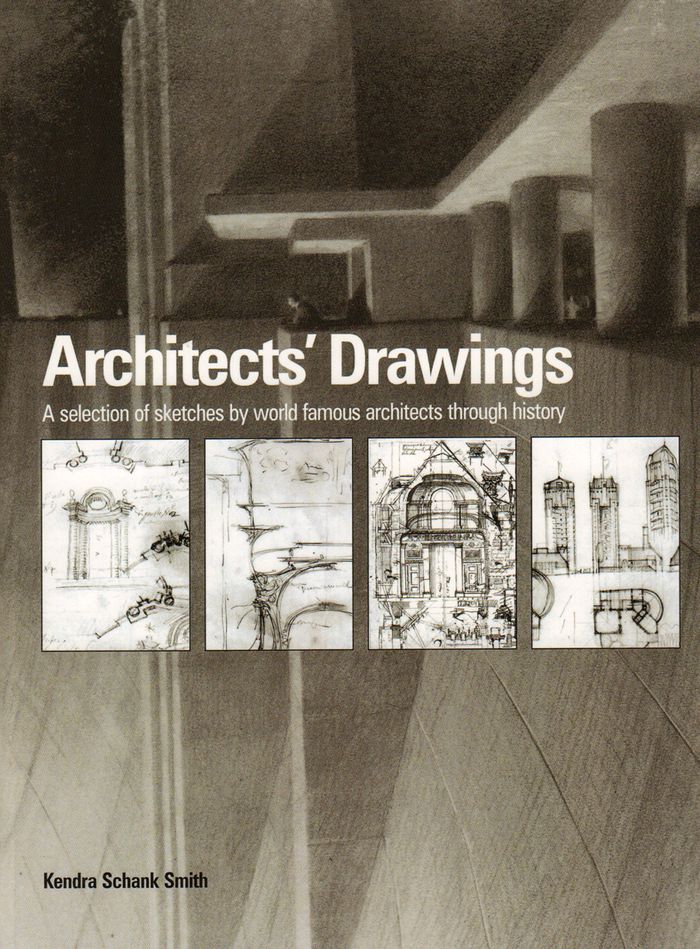
The sketch is a window into the architects mind. As creative designers, architects are interested in how other architects, particularly successful ones, think through the use of drawings to approach their work. Historically designers have sought inspiration for their own work through an insight into the minds and workings of people they often regard as geniuses. This collection of sketches aims to provide this insight. Here for the first time, a wide range of world famous architects' sketches from the Renaissance to the present day can be seen in a single volume. The sketches have been selected to represent the concepts or philosophies of the key movements in architecture in order to develop an overall picture of the role of the sketch in the development of architecture. The book illustrates the work of designers as diverse as Andrea Palladio, Erich Mendelsohn, Sir Edwin Lutyens, Gianlorenzo Bernini, Le Corbusier, Michelangelo, Alvar Aalto, Sir John Soane, Francesco Borromini, Walter Gropius, and contemporary architects Tadao Ando, Zaha Hadid and Frank Gehry to name but a few. Each chronologically placed sketch is accompanied by text providing details about the architect’s life, a look at the sketch in context, and the connection to specific buildings where appropriate. Style, media and meaning are also discussed, developing an explanation of the architect’s thinking and intentions.
Architects' drawings: a selection of sketches by world famous archittects through history
Actions:
Price:
$97.90
(available in store)
Summary:
The sketch is a window into the architects mind. As creative designers, architects are interested in how other architects, particularly successful ones, think through the use of drawings to approach their work. Historically designers have sought inspiration for their own work through an insight into the minds and workings of people they often regard as geniuses. This collection of sketches aims to provide this insight. Here for the first time, a wide range of world famous architects' sketches from the Renaissance to the present day can be seen in a single volume. The sketches have been selected to represent the concepts or philosophies of the key movements in architecture in order to develop an overall picture of the role of the sketch in the development of architecture. The book illustrates the work of designers as diverse as Andrea Palladio, Erich Mendelsohn, Sir Edwin Lutyens, Gianlorenzo Bernini, Le Corbusier, Michelangelo, Alvar Aalto, Sir John Soane, Francesco Borromini, Walter Gropius, and contemporary architects Tadao Ando, Zaha Hadid and Frank Gehry to name but a few. Each chronologically placed sketch is accompanied by text providing details about the architect’s life, a look at the sketch in context, and the connection to specific buildings where appropriate. Style, media and meaning are also discussed, developing an explanation of the architect’s thinking and intentions.
Form:
books
books
Publication:
February 2016
February 2016
Subject:
Architectural Drawing
Architectural Drawing
Form:
books
books
Title:
Première leçon d'urbanisme
Première leçon d'urbanisme
Actions:
Price:
$21.95
(available to order)
Summary:
Cet ouvrage n'est pas un traité d'urbanisme: il s'inscrit dans une tradition qui, en langue française, s'est ouverte avec les Introduction à l'urbanisme d'un Marcel Poëte ou d'un Pierre Lavedan. Le renouvellement de la réflexion est évident. Cette initiation à l'urbanisme s'inspire non seulement des disciplines classiques mais de celles qui se sont épanouies dans les(...)
$21.95
(available to order)
Summary:
Cet ouvrage n'est pas un traité d'urbanisme: il s'inscrit dans une tradition qui, en langue française, s'est ouverte avec les Introduction à l'urbanisme d'un Marcel Poëte ou d'un Pierre Lavedan. Le renouvellement de la réflexion est évident. Cette initiation à l'urbanisme s'inspire non seulement des disciplines classiques mais de celles qui se sont épanouies dans les(...)
Title:
Première leçon d'urbanisme
Actions:
Price:
$21.95
(available to order)
Summary:
Cet ouvrage n'est pas un traité d'urbanisme: il s'inscrit dans une tradition qui, en langue française, s'est ouverte avec les Introduction à l'urbanisme d'un Marcel Poëte ou d'un Pierre Lavedan. Le renouvellement de la réflexion est évident. Cette initiation à l'urbanisme s'inspire non seulement des disciplines classiques mais de celles qui se sont épanouies dans les dernières décennies : sciences du langage et des signes, archéologie du savoir, anthropologie et même musicologie. Métaphore mais surtout analogie placent ainsi l'urbanisme à un carrefour de savoirs et de savoir-faire. La périodisation historique proposée par l'auteur est originale. L'histoire de l'urbanisme, à la fois reflet et moteur de l'histoire urbaine, s'enracine dans la modernité depuis la Renaissance: long parcours aux avatars multiples, dont le court XXe siècle marque à la fois le chant du cygne et la désagrégation. Ainsi passe-t-on à la ville contemporaine, la "sprawl city", mais qui est loin de s'établir en table rase. Quels sont les effets de cette mutation sur les modes d'intervention de l'urbaniste, sur sa culture, sur sa philosophie même ? Car il ne s'agit pas seulement de répondre aux caractères de la ville contemporaine mais d'en engager l'avenir. C'est le sens de la notion de projet. Pour Bernardo Secchi, l'urbaniste reste un auteur: au-delà des savoirs et des savoir-faire ne doit-il pas respecter une déontologie ?
Première leçon d'urbanisme
Actions:
Price:
$21.95
(available to order)
Summary:
Cet ouvrage n'est pas un traité d'urbanisme: il s'inscrit dans une tradition qui, en langue française, s'est ouverte avec les Introduction à l'urbanisme d'un Marcel Poëte ou d'un Pierre Lavedan. Le renouvellement de la réflexion est évident. Cette initiation à l'urbanisme s'inspire non seulement des disciplines classiques mais de celles qui se sont épanouies dans les dernières décennies : sciences du langage et des signes, archéologie du savoir, anthropologie et même musicologie. Métaphore mais surtout analogie placent ainsi l'urbanisme à un carrefour de savoirs et de savoir-faire. La périodisation historique proposée par l'auteur est originale. L'histoire de l'urbanisme, à la fois reflet et moteur de l'histoire urbaine, s'enracine dans la modernité depuis la Renaissance: long parcours aux avatars multiples, dont le court XXe siècle marque à la fois le chant du cygne et la désagrégation. Ainsi passe-t-on à la ville contemporaine, la "sprawl city", mais qui est loin de s'établir en table rase. Quels sont les effets de cette mutation sur les modes d'intervention de l'urbaniste, sur sa culture, sur sa philosophie même ? Car il ne s'agit pas seulement de répondre aux caractères de la ville contemporaine mais d'en engager l'avenir. C'est le sens de la notion de projet. Pour Bernardo Secchi, l'urbaniste reste un auteur: au-delà des savoirs et des savoir-faire ne doit-il pas respecter une déontologie ?
Form:
books
books
Publication:
February 2006, Marseilles
February 2006, Marseilles
Subject:
Urban Theory
Urban Theory
Form:
books
books
Actions:
Price:
$96.00
(available to order)
Summary:
Recognized in his own time for extraordinary architectural achievements, Leon Battista Alberti (14041472) five hundred years after his death continues to influence the practice and theory of architecture. This book is the first full-scale study of Alberti's life and architecture in more than a quarter century. Robert Tavernor provides a biographical account of the(...)
$96.00
(available to order)
Summary:
Recognized in his own time for extraordinary architectural achievements, Leon Battista Alberti (14041472) five hundred years after his death continues to influence the practice and theory of architecture. This book is the first full-scale study of Alberti's life and architecture in more than a quarter century. Robert Tavernor provides a biographical account of the(...)
Title:
On Alberti and the art of building
Actions:
Price:
$96.00
(available to order)
Summary:
Recognized in his own time for extraordinary architectural achievements, Leon Battista Alberti (14041472) five hundred years after his death continues to influence the practice and theory of architecture. This book is the first full-scale study of Alberti's life and architecture in more than a quarter century. Robert Tavernor provides a biographical account of the Italian architect and a detailed consideration of each of the building projects with which he was involved. With new reconstructions of Alberti's buildings and new interpretations of his design intentions, this book will fascinate every reader with an interest in Renaissance architecture. From Alberti's supreme knowledge of the thought and buildings of antiquity, he developed a set of writings on science and the visual arts, including his important treatise on architecture, De re aedificatoria. In this volume, Tavernor examines Alberti's architectural writings and his practical example, his relations with his patrons, how he extended his theory into practice through major building projects across Italy, and how he succeeded in raising the status of architecture to an art-one that sought harmony with the natural world. Focusing on the analysis of Alberti's buildings, the author sets each in historical context; provides a building history; and considers source material, proportional systems, and iconography. He concludes the book with a fresh view of Alberti's theory and practice and a summary of his design process.
On Alberti and the art of building
Actions:
Price:
$96.00
(available to order)
Summary:
Recognized in his own time for extraordinary architectural achievements, Leon Battista Alberti (14041472) five hundred years after his death continues to influence the practice and theory of architecture. This book is the first full-scale study of Alberti's life and architecture in more than a quarter century. Robert Tavernor provides a biographical account of the Italian architect and a detailed consideration of each of the building projects with which he was involved. With new reconstructions of Alberti's buildings and new interpretations of his design intentions, this book will fascinate every reader with an interest in Renaissance architecture. From Alberti's supreme knowledge of the thought and buildings of antiquity, he developed a set of writings on science and the visual arts, including his important treatise on architecture, De re aedificatoria. In this volume, Tavernor examines Alberti's architectural writings and his practical example, his relations with his patrons, how he extended his theory into practice through major building projects across Italy, and how he succeeded in raising the status of architecture to an art-one that sought harmony with the natural world. Focusing on the analysis of Alberti's buildings, the author sets each in historical context; provides a building history; and considers source material, proportional systems, and iconography. He concludes the book with a fresh view of Alberti's theory and practice and a summary of his design process.
Form:
books
books
Publication:
December 1998, New Haven
December 1998, New Haven
Subject:
Treatises
Treatises
Form:
books
books
Actions:
Price:
$34.95
(available to order)
Summary:
In this second volume in the Chora series, contributing authors take an interdisciplinary approach to architecture and other cultural concerns, challenging readers to consider alternatives to conventional aesthetic and technological reductions. Karsten Harris provides a new and long-overdue reading of Martin Heidegger's well-known(...)
$34.95
(available to order)
Summary:
In this second volume in the Chora series, contributing authors take an interdisciplinary approach to architecture and other cultural concerns, challenging readers to consider alternatives to conventional aesthetic and technological reductions. Karsten Harris provides a new and long-overdue reading of Martin Heidegger's well-known(...)
Subject:
Architectural Theory
Architectural Theory
Publication:
September 1996, Montréal
September 1996, Montréal
Title:
Chora 2 : intervals in the philosophy of architecture
Actions:
Price:
$34.95
(available to order)
Summary:
In this second volume in the Chora series, contributing authors take an interdisciplinary approach to architecture and other cultural concerns, challenging readers to consider alternatives to conventional aesthetic and technological reductions. Karsten Harris provides a new and long-overdue reading of Martin Heidegger's well-known essay "Building Dwelling Thinking." Donald Kunze and Stephen Parcell consider possibilities of meaningful architectural space for a visual culture, continuing themes they addressed in Chora 1. Further reflections on the spaces of literature, cinema, and architecture include an interview with French writer and film maker Alain Robbe-Grillet and articles by Dagmar Motycka Weston on the surrealist city, Tracey Eve Winton on the museum as a paradigmatic modern building, and Terrance Galvin on spiritual space in the works of Jean Cocteau. Jean-Pierre Chupin and Bram Ratner explore historical themes in their essays on French Renaissance architect Philibert de l'Orme and the Jewish myth of the Golem. Gregory Caicco addresses ethical questions in his essay on the Greek agora and the death of Socrates, as does Lily Chi in her meditation on the critical issue of use in architectural works. A concern with architectural representation and generative strategies for the making of architecture is present throughout, especially in the essay by Joanna Merwood on the provocative House by British artist Rachel Whiteread.
Chora 2 : intervals in the philosophy of architecture
Actions:
Price:
$34.95
(available to order)
Summary:
In this second volume in the Chora series, contributing authors take an interdisciplinary approach to architecture and other cultural concerns, challenging readers to consider alternatives to conventional aesthetic and technological reductions. Karsten Harris provides a new and long-overdue reading of Martin Heidegger's well-known essay "Building Dwelling Thinking." Donald Kunze and Stephen Parcell consider possibilities of meaningful architectural space for a visual culture, continuing themes they addressed in Chora 1. Further reflections on the spaces of literature, cinema, and architecture include an interview with French writer and film maker Alain Robbe-Grillet and articles by Dagmar Motycka Weston on the surrealist city, Tracey Eve Winton on the museum as a paradigmatic modern building, and Terrance Galvin on spiritual space in the works of Jean Cocteau. Jean-Pierre Chupin and Bram Ratner explore historical themes in their essays on French Renaissance architect Philibert de l'Orme and the Jewish myth of the Golem. Gregory Caicco addresses ethical questions in his essay on the Greek agora and the death of Socrates, as does Lily Chi in her meditation on the critical issue of use in architectural works. A concern with architectural representation and generative strategies for the making of architecture is present throughout, especially in the essay by Joanna Merwood on the provocative House by British artist Rachel Whiteread.
Form:
books
books
Publication:
September 1996, Montréal
September 1996, Montréal
Subject:
Architectural Theory
Architectural Theory
Form:
books
books
Price:
$44.95
(available to order)
Summary:
This book attempts to chart the history of art and its interaction with written language. It examines the use of words (or language) in many genres of art – most often painting, but including prints, the book as art, sculpture, installation, and performance. This book asks what does it mean when a painting is 'invaded' by language? How do the two forms converse and(...)
$44.95
(available to order)
Summary:
This book attempts to chart the history of art and its interaction with written language. It examines the use of words (or language) in many genres of art – most often painting, but including prints, the book as art, sculpture, installation, and performance. This book asks what does it mean when a painting is 'invaded' by language? How do the two forms converse and(...)
Title:
Art, word and image : 2,000 years of visual/textual interaction
Actions:
Price:
$44.95
(available to order)
Summary:
This book attempts to chart the history of art and its interaction with written language. It examines the use of words (or language) in many genres of art – most often painting, but including prints, the book as art, sculpture, installation, and performance. This book asks what does it mean when a painting is 'invaded' by language? How do the two forms converse and combine, and what messages are intended for the viewer? In addition, other important themes that are also addressed include the naming or titling of paintings, the uses of narrative in art, and the literary connections and aspirations of artists. The book is constructed around three wide-ranging essays by John Dixon Hunt, David Lomas and Michael Corris. These essays discuss the use and significance of words in art – from Classical Greece and Assyria, through to the Middle Ages and the Renaissance, to modern times and today’s digital media, where the words and image question has become a central issue. The essays cover a variety of movements (Pre-Raphaelites, Cubists, Surrealists, and Lettrists, for example) and many artists, among them Duchamp, Picasso, Ernst, Twombly, Michaux, Warhol and Kruger. The book also includes ‘spotlight’ essays on artists whose work engages substantially with questions of word and image: Blake, Klee, Schwitters, Haack, Pettibon, McCahon and Walla. With contributions by Jeremy Adler, Stephen Barber, Rex Butler and Laurence Simmons, Michael Corris, John Dixon Hunt, Michael R. Leaman, David Lomas, Joseph Viscomi, Hamza Walker, Barbara Weyandt and Michael White.
Art, word and image : 2,000 years of visual/textual interaction
Actions:
Price:
$44.95
(available to order)
Summary:
This book attempts to chart the history of art and its interaction with written language. It examines the use of words (or language) in many genres of art – most often painting, but including prints, the book as art, sculpture, installation, and performance. This book asks what does it mean when a painting is 'invaded' by language? How do the two forms converse and combine, and what messages are intended for the viewer? In addition, other important themes that are also addressed include the naming or titling of paintings, the uses of narrative in art, and the literary connections and aspirations of artists. The book is constructed around three wide-ranging essays by John Dixon Hunt, David Lomas and Michael Corris. These essays discuss the use and significance of words in art – from Classical Greece and Assyria, through to the Middle Ages and the Renaissance, to modern times and today’s digital media, where the words and image question has become a central issue. The essays cover a variety of movements (Pre-Raphaelites, Cubists, Surrealists, and Lettrists, for example) and many artists, among them Duchamp, Picasso, Ernst, Twombly, Michaux, Warhol and Kruger. The book also includes ‘spotlight’ essays on artists whose work engages substantially with questions of word and image: Blake, Klee, Schwitters, Haack, Pettibon, McCahon and Walla. With contributions by Jeremy Adler, Stephen Barber, Rex Butler and Laurence Simmons, Michael Corris, John Dixon Hunt, Michael R. Leaman, David Lomas, Joseph Viscomi, Hamza Walker, Barbara Weyandt and Michael White.
Form:
books
books
Publication:
September 2011
September 2011
Subject:
Art Theory
Art Theory


