


4749 Results
Form:
books
books
Actions:
Price:
$58.95
(available in store)
Summary:
Objet de rêve, la villa balnéaire formalise une invitation au voyage où, depuis la fin du XVIIIe, architectes et entrepreneurs rivalisent d'invention et multiplient les solutions d'articulation entre l'intérieur et l'extérieur où se déroule une grande part de la vie estivale. Entre 1945 et 1980, la villégiature devient tourisme de masse et les maîtres d'oeuvre doivent(...)
$58.95
(available in store)
Summary:
Objet de rêve, la villa balnéaire formalise une invitation au voyage où, depuis la fin du XVIIIe, architectes et entrepreneurs rivalisent d'invention et multiplient les solutions d'articulation entre l'intérieur et l'extérieur où se déroule une grande part de la vie estivale. Entre 1945 et 1980, la villégiature devient tourisme de masse et les maîtres d'oeuvre doivent(...)
Title:
Maisons des bords de mer : Modernité et régionalisme en Charente-Maritime 1945-1980
Actions:
Price:
$58.95
(available in store)
Summary:
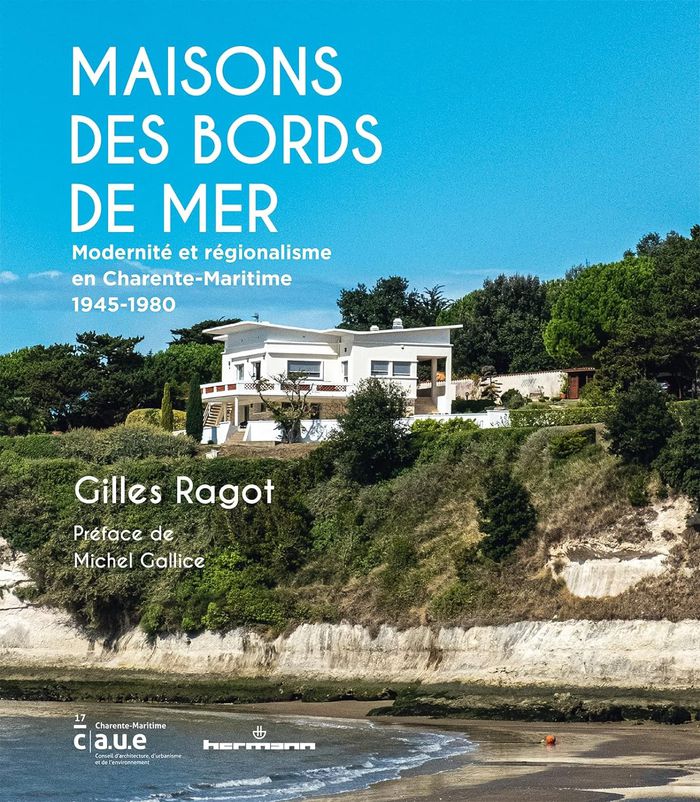
Objet de rêve, la villa balnéaire formalise une invitation au voyage où, depuis la fin du XVIIIe, architectes et entrepreneurs rivalisent d'invention et multiplient les solutions d'articulation entre l'intérieur et l'extérieur où se déroule une grande part de la vie estivale. Entre 1945 et 1980, la villégiature devient tourisme de masse et les maîtres d'oeuvre doivent s'adapter à ce changement d'échelle. Le marché de la maison individuelle et celui de la maison balnéaire dont elle n'est qu'un aspect en sont bouleversés. La créativité foisonnante qui prévaut encore dans le contexte de la Reconstruction s'essouffle devant les réalités économiques et sociologiques d'une aspiration légitime du plus grand nombre à jouir d'une petite place au soleil en bord de mer. S'appuyant sur le corpus des 12000 maisons individuelles construites entre 1945 et 1980 sur le littoral de Charente-Maritime, à Saint-Georges-de-Didonne, Royan, Ronce-les-Bains, Fouras, Châtelaillon-Plage, La Rochelle, mais aussi dans les iles d'Aix, d'Oléron ou de Ré, l'ouvrage propose, pour la première fois à l'échelle d'un département, un panorama complet de la production des maisons du littoral, des villas modernes les plus inventives à la production de maisons ordinaires qui dessinent le paysage côtier contemporain. L'ouvrage questionne les façons d'être modernes et la place qu'y occupent les architectes et les entrepreneurs concepteurs, la notion de régionalisme au moment de son abandon et de sa renaissance à l'aube des années 1980 sous la forme d'un post-modernisme vernaculaire inventif.
Maisons des bords de mer : Modernité et régionalisme en Charente-Maritime 1945-1980
Actions:
Price:
$58.95
(available in store)
Summary:
Objet de rêve, la villa balnéaire formalise une invitation au voyage où, depuis la fin du XVIIIe, architectes et entrepreneurs rivalisent d'invention et multiplient les solutions d'articulation entre l'intérieur et l'extérieur où se déroule une grande part de la vie estivale. Entre 1945 et 1980, la villégiature devient tourisme de masse et les maîtres d'oeuvre doivent s'adapter à ce changement d'échelle. Le marché de la maison individuelle et celui de la maison balnéaire dont elle n'est qu'un aspect en sont bouleversés. La créativité foisonnante qui prévaut encore dans le contexte de la Reconstruction s'essouffle devant les réalités économiques et sociologiques d'une aspiration légitime du plus grand nombre à jouir d'une petite place au soleil en bord de mer. S'appuyant sur le corpus des 12000 maisons individuelles construites entre 1945 et 1980 sur le littoral de Charente-Maritime, à Saint-Georges-de-Didonne, Royan, Ronce-les-Bains, Fouras, Châtelaillon-Plage, La Rochelle, mais aussi dans les iles d'Aix, d'Oléron ou de Ré, l'ouvrage propose, pour la première fois à l'échelle d'un département, un panorama complet de la production des maisons du littoral, des villas modernes les plus inventives à la production de maisons ordinaires qui dessinent le paysage côtier contemporain. L'ouvrage questionne les façons d'être modernes et la place qu'y occupent les architectes et les entrepreneurs concepteurs, la notion de régionalisme au moment de son abandon et de sa renaissance à l'aube des années 1980 sous la forme d'un post-modernisme vernaculaire inventif.
Form:
books
books
Publication:
April 2023
April 2023
Subject:
Residential Architecture
Residential Architecture
Form:
books
books

Actions:
Price:
$41.95
(available to order)
Summary:
Notre habitation, notre habitat, l'espace où nous évoluons est un médium que nous croyons façonner selon notre désir, selon l'image que nous voulons donner de nous-même selon notre ego. En fait, il restitue nos craintes et nos joies, qui ressurgissent du plus lointain de notre mémoire génétique. Notre habitation n'est que le reflet de nous-mêmes. Ce n'est pas seulement(...)
$41.95
(available to order)
Summary:
Notre habitation, notre habitat, l'espace où nous évoluons est un médium que nous croyons façonner selon notre désir, selon l'image que nous voulons donner de nous-même selon notre ego. En fait, il restitue nos craintes et nos joies, qui ressurgissent du plus lointain de notre mémoire génétique. Notre habitation n'est que le reflet de nous-mêmes. Ce n'est pas seulement(...)
Title:
Les origines symboliques de notre habitat
Actions:
Price:
$41.95
(available to order)
Summary:
Notre habitation, notre habitat, l'espace où nous évoluons est un médium que nous croyons façonner selon notre désir, selon l'image que nous voulons donner de nous-même selon notre ego. En fait, il restitue nos craintes et nos joies, qui ressurgissent du plus lointain de notre mémoire génétique. Notre habitation n'est que le reflet de nous-mêmes. Ce n'est pas seulement l'architecture sacrée qui véhicule des symboles mais la plus simple demeure reflète aussi des archétypes qui proviennent de la tradition primordiale. Des premières croyances humaines pour les déesses mères, comme Gaia, la terre nourricière jusqu'à la Sophia, la sagesse grecque. vénérée encore par les hermétistes de la Renaissance, la lignée ininterrompue des bâtisseurs qui ont construit selon les principes de la géométrie sacrée, du mythe osirien au corpus hermeticum, issu de l'Hermès trismégiste, il y a eu un fil conducteur pour que l'union du ciel et de la terre puisse se réaliser. Il y a eu une transmission du savoir de constructeurs initiés, qui n'ont cessé, à travers des civilisations très éloignées, semble-t-il, les unes des autres, de rassembler ce qui était épars, qui nous vient encore de la nature et qui n'a pas été inventé par l'homme mais seulement réappris et réutilisé. Suivons l'auteur à la découverte de nos racines profondes et dont le développement s'est fait identiquement et analogiquement à celles de l'Asie, de l'Orient ou du Nouveau Monde.
Les origines symboliques de notre habitat
Actions:
Price:
$41.95
(available to order)
Summary:
Notre habitation, notre habitat, l'espace où nous évoluons est un médium que nous croyons façonner selon notre désir, selon l'image que nous voulons donner de nous-même selon notre ego. En fait, il restitue nos craintes et nos joies, qui ressurgissent du plus lointain de notre mémoire génétique. Notre habitation n'est que le reflet de nous-mêmes. Ce n'est pas seulement l'architecture sacrée qui véhicule des symboles mais la plus simple demeure reflète aussi des archétypes qui proviennent de la tradition primordiale. Des premières croyances humaines pour les déesses mères, comme Gaia, la terre nourricière jusqu'à la Sophia, la sagesse grecque. vénérée encore par les hermétistes de la Renaissance, la lignée ininterrompue des bâtisseurs qui ont construit selon les principes de la géométrie sacrée, du mythe osirien au corpus hermeticum, issu de l'Hermès trismégiste, il y a eu un fil conducteur pour que l'union du ciel et de la terre puisse se réaliser. Il y a eu une transmission du savoir de constructeurs initiés, qui n'ont cessé, à travers des civilisations très éloignées, semble-t-il, les unes des autres, de rassembler ce qui était épars, qui nous vient encore de la nature et qui n'a pas été inventé par l'homme mais seulement réappris et réutilisé. Suivons l'auteur à la découverte de nos racines profondes et dont le développement s'est fait identiquement et analogiquement à celles de l'Asie, de l'Orient ou du Nouveau Monde.
Form:
books
books
Publication:
September 2007, Paris
September 2007, Paris
Subject:
Architectural Theory
Architectural Theory
Form:
books
books
Actions:
Price:
$55.00
(available in store)
Summary:
The oldest churches shown in this book were built as early as in the 15th century, most of those still standing were built in the 18th and 19th centuries, and quite a few are still being built today. Many were destroyed in the two world wars, many fell victim to ethnic cleansing after 1945, some fell into disrepair during the Soviet era, others were burnt down by(...)
$55.00
(available in store)
Summary:
The oldest churches shown in this book were built as early as in the 15th century, most of those still standing were built in the 18th and 19th centuries, and quite a few are still being built today. Many were destroyed in the two world wars, many fell victim to ethnic cleansing after 1945, some fell into disrepair during the Soviet era, others were burnt down by(...)
Title:
Wooden churches in Eastern Europe
Actions:
Price:
$55.00
(available in store)
Summary:
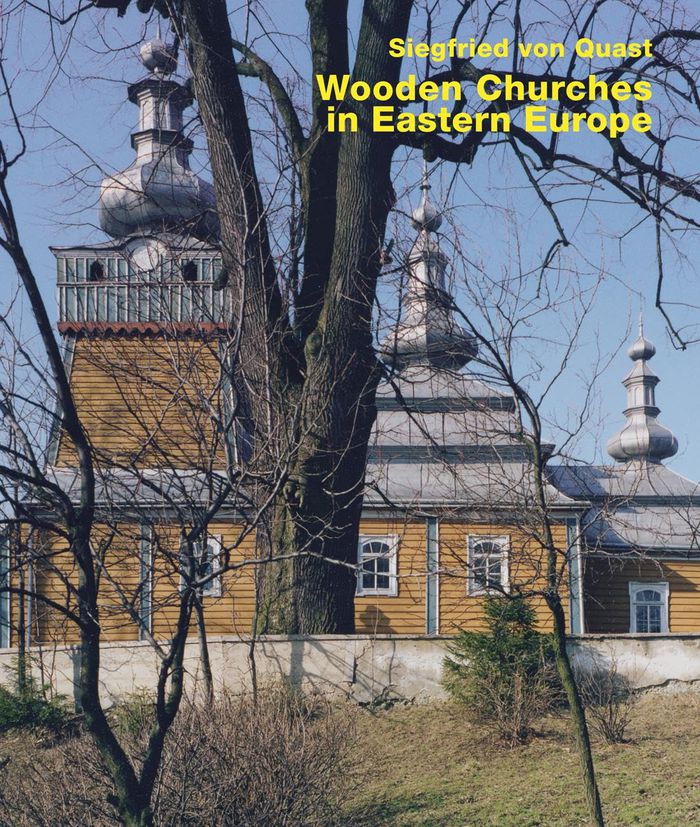
The oldest churches shown in this book were built as early as in the 15th century, most of those still standing were built in the 18th and 19th centuries, and quite a few are still being built today. Many were destroyed in the two world wars, many fell victim to ethnic cleansing after 1945, some fell into disrepair during the Soviet era, others were burnt down by lightning or short circuits, and quite a few simply gave way to the more "representative" stone churches as early as the 19th century. But a large number are still standing, consecrated, and believers gather in them. In fact almost of them in the various Carpathian countries are protected monuments, and many have been lovingly restored in recent times. More than the architectural-historical value, the question arises here of the aesthetic assessment of these small buildings. It is not a refined canon of forms of great architecture that can be derived and proven from the history of architecture that inspires us so much. Ba-sically, they are not overly sophisticated constructions in terms of craftsmanship, they are safe and beautiful in their simplicity. Their aesthetic appeal, however, also includes the surface-weathered material, deformed structures, colour improvisations, recently ornamented sheet metal, inside wall paintings, altar and iconostasis furnishings derived from Renaissance and Baroque periods, but above all their location in the village, mostly isolated, often elevated, surrounded by old trees, enclosures and graves without cemetery order.
Wooden churches in Eastern Europe
Actions:
Price:
$55.00
(available in store)
Summary:
The oldest churches shown in this book were built as early as in the 15th century, most of those still standing were built in the 18th and 19th centuries, and quite a few are still being built today. Many were destroyed in the two world wars, many fell victim to ethnic cleansing after 1945, some fell into disrepair during the Soviet era, others were burnt down by lightning or short circuits, and quite a few simply gave way to the more "representative" stone churches as early as the 19th century. But a large number are still standing, consecrated, and believers gather in them. In fact almost of them in the various Carpathian countries are protected monuments, and many have been lovingly restored in recent times. More than the architectural-historical value, the question arises here of the aesthetic assessment of these small buildings. It is not a refined canon of forms of great architecture that can be derived and proven from the history of architecture that inspires us so much. Ba-sically, they are not overly sophisticated constructions in terms of craftsmanship, they are safe and beautiful in their simplicity. Their aesthetic appeal, however, also includes the surface-weathered material, deformed structures, colour improvisations, recently ornamented sheet metal, inside wall paintings, altar and iconostasis furnishings derived from Renaissance and Baroque periods, but above all their location in the village, mostly isolated, often elevated, surrounded by old trees, enclosures and graves without cemetery order.
Form:
books
books
Publication:
April 2024
April 2024
Subject:
Commercial interiors, Building types
Commercial interiors, Building types
Form:
books
books
Actions:
Price:
$57.95
(available to order)
Summary:
Voici le premier livre en français sur Aby Warburg (1866-1929). Fondateur de la discipline iconologique, créateur du prestigieux institut qui porte son nom, Warburg a compté parmi ses disciples les plus célèbres historiens d'art du siècle : E. Panofsky, E. Wind, F. Saxl... Avec Warburg, l'histoire de l'art n'opère plus aux confins de l'anthropologie : elle en est une(...)
$57.95
(available to order)
Summary:
Voici le premier livre en français sur Aby Warburg (1866-1929). Fondateur de la discipline iconologique, créateur du prestigieux institut qui porte son nom, Warburg a compté parmi ses disciples les plus célèbres historiens d'art du siècle : E. Panofsky, E. Wind, F. Saxl... Avec Warburg, l'histoire de l'art n'opère plus aux confins de l'anthropologie : elle en est une(...)
Title:
Aby Warburg et l'image en mouvement
Actions:
Price:
$57.95
(available to order)
Summary:
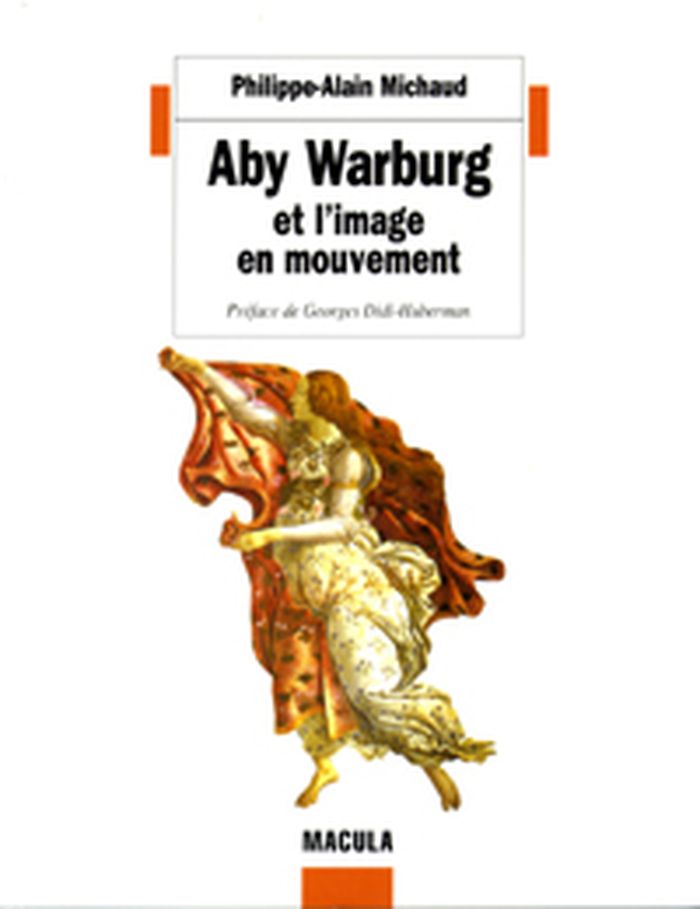
Voici le premier livre en français sur Aby Warburg (1866-1929). Fondateur de la discipline iconologique, créateur du prestigieux institut qui porte son nom, Warburg a compté parmi ses disciples les plus célèbres historiens d'art du siècle : E. Panofsky, E. Wind, F. Saxl... Avec Warburg, l'histoire de l'art n'opère plus aux confins de l'anthropologie : elle en est une catégorie. Plutôt que leur beauté, il met en évidence l'efficacité des images. Ses mots clés sont : survivance, magie, astrologie, empathie, animisme, totémisme... À trente ans, en 1896, par un geste raisonné de rupture, il se rend chez les Hopis du Nouveau-Mexique. Étrange parcours mélancolique d'un historien qui va trouver dans les rituels des Indiens pueblos les réponses aux énigmes que lui posait la Renaissance de l'Occident. À partir de 1924, Warburg élabore avec son Atlas intitulé Mnémosyne une «histoire de l'art sans texte» qui procède par juxtaposition de documents empruntés à tous les champs du savoir, esquisse mystérieuse d'un nouveau type d'exposé et d'exposition, loin des généalogies établies. L'ouvrage de Philippe-Alain Michaud n'est pas seulement un livre sur Warburg, c'est un livre avec Warburg - dont il prolonge les intuitions en introduisant dans son analyse le daguerréotype, les expériences de Marey, le cinéma primitif, la danse de Loïe Fuller, toutes pratiques qui affleurent dans l'interprétation warburgienne des images et qui en éclairent la singularité. Philippe-Alain Michaud, ancien élève de l'École normale de Saint-Cloud, est philosophe de formation. Warburg et l'image en mouvement est son premier livre.
Aby Warburg et l'image en mouvement
Actions:
Price:
$57.95
(available to order)
Summary:
Voici le premier livre en français sur Aby Warburg (1866-1929). Fondateur de la discipline iconologique, créateur du prestigieux institut qui porte son nom, Warburg a compté parmi ses disciples les plus célèbres historiens d'art du siècle : E. Panofsky, E. Wind, F. Saxl... Avec Warburg, l'histoire de l'art n'opère plus aux confins de l'anthropologie : elle en est une catégorie. Plutôt que leur beauté, il met en évidence l'efficacité des images. Ses mots clés sont : survivance, magie, astrologie, empathie, animisme, totémisme... À trente ans, en 1896, par un geste raisonné de rupture, il se rend chez les Hopis du Nouveau-Mexique. Étrange parcours mélancolique d'un historien qui va trouver dans les rituels des Indiens pueblos les réponses aux énigmes que lui posait la Renaissance de l'Occident. À partir de 1924, Warburg élabore avec son Atlas intitulé Mnémosyne une «histoire de l'art sans texte» qui procède par juxtaposition de documents empruntés à tous les champs du savoir, esquisse mystérieuse d'un nouveau type d'exposé et d'exposition, loin des généalogies établies. L'ouvrage de Philippe-Alain Michaud n'est pas seulement un livre sur Warburg, c'est un livre avec Warburg - dont il prolonge les intuitions en introduisant dans son analyse le daguerréotype, les expériences de Marey, le cinéma primitif, la danse de Loïe Fuller, toutes pratiques qui affleurent dans l'interprétation warburgienne des images et qui en éclairent la singularité. Philippe-Alain Michaud, ancien élève de l'École normale de Saint-Cloud, est philosophe de formation. Warburg et l'image en mouvement est son premier livre.
Form:
books
books
Publication:
January 1900, Paris
January 1900, Paris
Subject:
Critical Theory
Critical Theory
Form:
books
books
Actions:
Price:
$300.00
(available to order)
Summary:
To study Gio Ponti’s prolific body of work is to appreciate the clear, unifying vision behind a complex creative universe. A synthesis of the arts, his creations expand intuitively with the Italian grandeur and studied lightness that defined his iconic style. Ponti’s rare capacity to move seamlessly between scales allowed him to approach the design of a teaspoon with the(...)
$300.00
(available to order)
Summary:
To study Gio Ponti’s prolific body of work is to appreciate the clear, unifying vision behind a complex creative universe. A synthesis of the arts, his creations expand intuitively with the Italian grandeur and studied lightness that defined his iconic style. Ponti’s rare capacity to move seamlessly between scales allowed him to approach the design of a teaspoon with the(...)
Title:
Gio Ponti, Life and works 1923-1979
Actions:
Price:
$300.00
(available to order)
Summary:
To study Gio Ponti’s prolific body of work is to appreciate the clear, unifying vision behind a complex creative universe. A synthesis of the arts, his creations expand intuitively with the Italian grandeur and studied lightness that defined his iconic style. Ponti’s rare capacity to move seamlessly between scales allowed him to approach the design of a teaspoon with the same conviction as he did an entire city. He was as much an architect and designer as he was a publisher, poet, and man. A treasure in its own regard, his contribution is also a distinctive landmark of Italy’s mid-century Renaissance and the modernist values it sought to realize. This new book is the most comprehensive account of Ponti’s work to date, unprecedented in scale and scope. It tracks the development of his oeuvre over 6 decades, with 136 projects indexed and reproduced in high resolution, each object framed by the context in which Ponti had created it. Like windows onto his elusive life, unpublished materials and candid imagery create new dialogues between his famous masterpieces and his lesser-known feats. A rich layer of texts, featuring an extensive biographical essay by Stefano Casciani, was produced in close collaboration with the Gio Ponti Archives offering an intimate insight on his life’s work. Materializing Ponti’s core philosophy of modernity, this book presents architecture as a performing object, a "self-illuminating" stage for his humanistic art de vivre and boundless creativity.
Gio Ponti, Life and works 1923-1979
Actions:
Price:
$300.00
(available to order)
Summary:
To study Gio Ponti’s prolific body of work is to appreciate the clear, unifying vision behind a complex creative universe. A synthesis of the arts, his creations expand intuitively with the Italian grandeur and studied lightness that defined his iconic style. Ponti’s rare capacity to move seamlessly between scales allowed him to approach the design of a teaspoon with the same conviction as he did an entire city. He was as much an architect and designer as he was a publisher, poet, and man. A treasure in its own regard, his contribution is also a distinctive landmark of Italy’s mid-century Renaissance and the modernist values it sought to realize. This new book is the most comprehensive account of Ponti’s work to date, unprecedented in scale and scope. It tracks the development of his oeuvre over 6 decades, with 136 projects indexed and reproduced in high resolution, each object framed by the context in which Ponti had created it. Like windows onto his elusive life, unpublished materials and candid imagery create new dialogues between his famous masterpieces and his lesser-known feats. A rich layer of texts, featuring an extensive biographical essay by Stefano Casciani, was produced in close collaboration with the Gio Ponti Archives offering an intimate insight on his life’s work. Materializing Ponti’s core philosophy of modernity, this book presents architecture as a performing object, a "self-illuminating" stage for his humanistic art de vivre and boundless creativity.
Form:
books
books
Publication:
June 2021
June 2021
Subject:
Design Monographs
Design Monographs
Form:
books
books
Actions:
Price:
$22.99
(available to order)
Summary:
The tale of how the hero Theseus killed the Minotaur, finding his way out of the labyrinth using Ariadne's ball of red thread, is one of the most intriguing, suggestive and persistent of all myths, and the labyrinth - the beautiful, confounding and terrifying building created for the half-man, half-bull monster - is one of the foundational symbols of human ingenuity and(...)
$22.99
(available to order)
Summary:
The tale of how the hero Theseus killed the Minotaur, finding his way out of the labyrinth using Ariadne's ball of red thread, is one of the most intriguing, suggestive and persistent of all myths, and the labyrinth - the beautiful, confounding and terrifying building created for the half-man, half-bull monster - is one of the foundational symbols of human ingenuity and(...)
Title:
Red thread: On mazes and labyrinths
Actions:
Price:
$22.99
(available to order)
Summary:
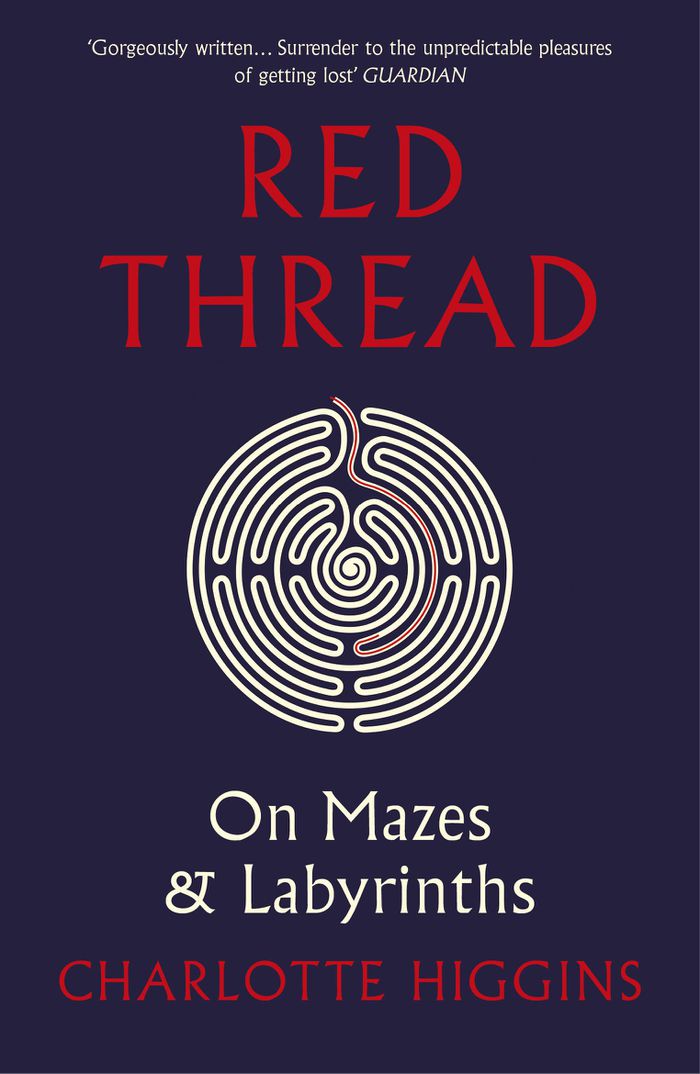
The tale of how the hero Theseus killed the Minotaur, finding his way out of the labyrinth using Ariadne's ball of red thread, is one of the most intriguing, suggestive and persistent of all myths, and the labyrinth - the beautiful, confounding and terrifying building created for the half-man, half-bull monster - is one of the foundational symbols of human ingenuity and artistry. Charlotte Higgins, author of the Baillie Gifford-shortlisted ''Under Another Sky,'' tracks the origins of the story of the labyrinth in the poems of Homer, Catullus, Virgil and Ovid, and with them builds an ingenious edifice of her own. She follows the idea of the labyrinth through the Cretan excavations of Sir Arthur Evans, the mysterious turf labyrinths of Northern Europe, the church labyrinths of medieval French cathedrals and the hedge mazes of Renaissance gardens. Along the way, she traces the labyrinthine ideas of writers from Dante and Borges to George Eliot and Conan Doyle, and of artists from Titian and Vel zquez to Picasso and Eva Hesse. Her intricately constructed narrative asks what it is to be lost, what it is to find one's way, and what it is to travel the confusing and circuitous path of a lived life. ''Red thread'' is, above all, a winding and unpredictable route through the byways of the author's imagination - one that leads the reader on a strange and intriguing journey, full of unexpected connections and surprising pleasures.
Red thread: On mazes and labyrinths
Actions:
Price:
$22.99
(available to order)
Summary:
The tale of how the hero Theseus killed the Minotaur, finding his way out of the labyrinth using Ariadne's ball of red thread, is one of the most intriguing, suggestive and persistent of all myths, and the labyrinth - the beautiful, confounding and terrifying building created for the half-man, half-bull monster - is one of the foundational symbols of human ingenuity and artistry. Charlotte Higgins, author of the Baillie Gifford-shortlisted ''Under Another Sky,'' tracks the origins of the story of the labyrinth in the poems of Homer, Catullus, Virgil and Ovid, and with them builds an ingenious edifice of her own. She follows the idea of the labyrinth through the Cretan excavations of Sir Arthur Evans, the mysterious turf labyrinths of Northern Europe, the church labyrinths of medieval French cathedrals and the hedge mazes of Renaissance gardens. Along the way, she traces the labyrinthine ideas of writers from Dante and Borges to George Eliot and Conan Doyle, and of artists from Titian and Vel zquez to Picasso and Eva Hesse. Her intricately constructed narrative asks what it is to be lost, what it is to find one's way, and what it is to travel the confusing and circuitous path of a lived life. ''Red thread'' is, above all, a winding and unpredictable route through the byways of the author's imagination - one that leads the reader on a strange and intriguing journey, full of unexpected connections and surprising pleasures.
Form:
books
books
Publication:
October 2021
October 2021
Subject:
Journeys
Journeys
Form:
books
books

Title:
St. Peter's
St. Peter's
Actions:
Price:
$22.95
(available to order)
Summary:
Built by the decree of Constantine, rebuilt by some of the most distinguished architects in Renaissance Italy, emulated by Hitler's architect in his vision for Germania, immortalized on film by Fellini, and fictionalized by a modern American bestseller, St. Peter's is the most easily recognizable church in the world. This book is a cultural history of one of the most(...)
$22.95
(available to order)
Summary:
Built by the decree of Constantine, rebuilt by some of the most distinguished architects in Renaissance Italy, emulated by Hitler's architect in his vision for Germania, immortalized on film by Fellini, and fictionalized by a modern American bestseller, St. Peter's is the most easily recognizable church in the world. This book is a cultural history of one of the most(...)
Title:
St. Peter's
Actions:
Price:
$22.95
(available to order)
Summary:
Built by the decree of Constantine, rebuilt by some of the most distinguished architects in Renaissance Italy, emulated by Hitler's architect in his vision for Germania, immortalized on film by Fellini, and fictionalized by a modern American bestseller, St. Peter's is the most easily recognizable church in the world. This book is a cultural history of one of the most significant structures in the West. It bears the imprint of Bramante, Raphael, Michelangelo, Bernini, and Canova. For Grand Tourists of the eighteenth century, St. Peter's exemplified the sublime. It continues to fascinate visitors today and appears globally as a familiar symbol of the papacy and of the Catholic Church itself. The church was first built in the fourth century on what is thought to be the tomb of Peter - the rock upon which Christ decreed his church shall be built. After twelve hundred years, the church was largely demolished and rebuilt in the sixteenth century when it came to acquire its present-day form. St. Peter's awes the visitor by its gigantic proportions, creating a city within itself. It is the mother church, the womb from which churches around the world have taken inspiration. This book covers the social, political, and architectural history of the church from the fourth century to the present. From the threshold, to the subterranean Roman necropolis, to the dizzying heights of the dome, this book provides rare perspectives and contexts for understanding the shape and significance of the most illustrious church in the world.
St. Peter's
Actions:
Price:
$22.95
(available to order)
Summary:
Built by the decree of Constantine, rebuilt by some of the most distinguished architects in Renaissance Italy, emulated by Hitler's architect in his vision for Germania, immortalized on film by Fellini, and fictionalized by a modern American bestseller, St. Peter's is the most easily recognizable church in the world. This book is a cultural history of one of the most significant structures in the West. It bears the imprint of Bramante, Raphael, Michelangelo, Bernini, and Canova. For Grand Tourists of the eighteenth century, St. Peter's exemplified the sublime. It continues to fascinate visitors today and appears globally as a familiar symbol of the papacy and of the Catholic Church itself. The church was first built in the fourth century on what is thought to be the tomb of Peter - the rock upon which Christ decreed his church shall be built. After twelve hundred years, the church was largely demolished and rebuilt in the sixteenth century when it came to acquire its present-day form. St. Peter's awes the visitor by its gigantic proportions, creating a city within itself. It is the mother church, the womb from which churches around the world have taken inspiration. This book covers the social, political, and architectural history of the church from the fourth century to the present. From the threshold, to the subterranean Roman necropolis, to the dizzying heights of the dome, this book provides rare perspectives and contexts for understanding the shape and significance of the most illustrious church in the world.
Form:
books
books
Publication:
October 2007, London
October 2007, London
Subject:
History until 1900, Italy
History until 1900, Italy
Form:
books
books
Actions:
Price:
$54.00
(available to order)
Summary:
We tend to think of architecture as a practice in permanence, but what if we looked instead for an architecture of transience? In "Things that move," Tim Anstey does just that: rather than assuming that architecture is, at a certain level, stationary, he considers how architecture moves subjects (referring to its emotive potential in the experience it creates); how it(...)
$54.00
(available to order)
Summary:
We tend to think of architecture as a practice in permanence, but what if we looked instead for an architecture of transience? In "Things that move," Tim Anstey does just that: rather than assuming that architecture is, at a certain level, stationary, he considers how architecture moves subjects (referring to its emotive potential in the experience it creates); how it(...)
Title:
Things that move: A hinterland in architectural history
Actions:
Price:
$54.00
(available to order)
Summary:
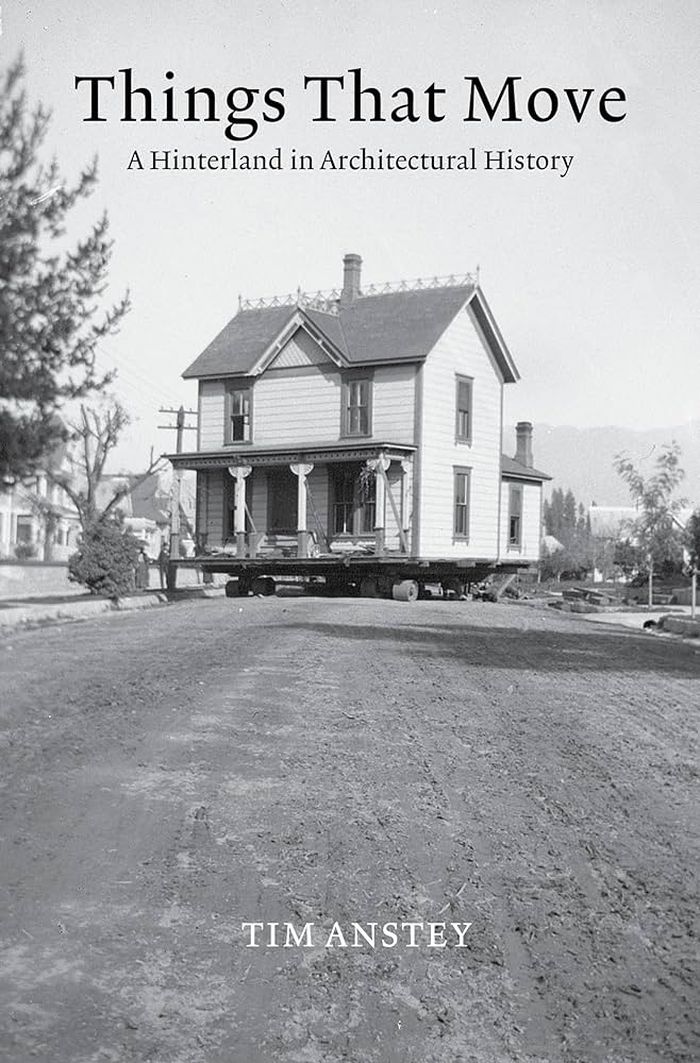
We tend to think of architecture as a practice in permanence, but what if we looked instead for an architecture of transience? In "Things that move," Tim Anstey does just that: rather than assuming that architecture is, at a certain level, stationary, he considers how architecture moves subjects (referring to its emotive potential in the experience it creates); how it moves objects (referring to how it choreographs bodies in motion); and how it is itself moved (referring to the mixture of materials, laws, affordances, and images that introduce movement into any architectural condition). The first of the book's three sections, "Cargoes," highlights the mobile peripheries of architectural history through the eighteenth and nineteenth centuries. It asks what kinds of knowledge can be included in a discussion of architecture, noting the connections between discourses of the lithe and the technical, on the one hand, and those associated with the production of monumental, static compositions on the other. The second section, “Dispatches,” reinterprets early architectural theory by examining the Renaissance ideal of decorum, the nature of the architectural work, and the ways in which architects are constituted as authors. The last part of the book, “Vehicles,” considers building in terms of literal and metaphorical movement, using two cases from the twentieth century that investigate the relationship between architecture and cultural memory. Using a broadly forensic approach to connect details in otherwise disparate cases, "Things that move" is a breathtakingly capacious architectural account that will change the way readers understand buildings, their becoming, and their significance.
Things that move: A hinterland in architectural history
Actions:
Price:
$54.00
(available to order)
Summary:
We tend to think of architecture as a practice in permanence, but what if we looked instead for an architecture of transience? In "Things that move," Tim Anstey does just that: rather than assuming that architecture is, at a certain level, stationary, he considers how architecture moves subjects (referring to its emotive potential in the experience it creates); how it moves objects (referring to how it choreographs bodies in motion); and how it is itself moved (referring to the mixture of materials, laws, affordances, and images that introduce movement into any architectural condition). The first of the book's three sections, "Cargoes," highlights the mobile peripheries of architectural history through the eighteenth and nineteenth centuries. It asks what kinds of knowledge can be included in a discussion of architecture, noting the connections between discourses of the lithe and the technical, on the one hand, and those associated with the production of monumental, static compositions on the other. The second section, “Dispatches,” reinterprets early architectural theory by examining the Renaissance ideal of decorum, the nature of the architectural work, and the ways in which architects are constituted as authors. The last part of the book, “Vehicles,” considers building in terms of literal and metaphorical movement, using two cases from the twentieth century that investigate the relationship between architecture and cultural memory. Using a broadly forensic approach to connect details in otherwise disparate cases, "Things that move" is a breathtakingly capacious architectural account that will change the way readers understand buildings, their becoming, and their significance.
Form:
books
books
Publication:
April 2024
April 2024
Subject:
Architectural Theory
Architectural Theory
Form:
books
books
Actions:
Price:
$32.50
(available to order)
Summary:
Who are you? And how can you prove it? How were individuals described and identified by people who had never seen them before, in the centuries before photography and fingerprinting, in a world without centralized administrations, where names and addresses were constantly changing? In "Who are you?", Valentin Groebner traces the early modern European history of(...)
$32.50
(available to order)
Summary:
Who are you? And how can you prove it? How were individuals described and identified by people who had never seen them before, in the centuries before photography and fingerprinting, in a world without centralized administrations, where names and addresses were constantly changing? In "Who are you?", Valentin Groebner traces the early modern European history of(...)
Title:
Who are you? : identification, deception, and surveillance in early modern Europe
Actions:
Price:
$32.50
(available to order)
Summary:
Who are you? And how can you prove it? How were individuals described and identified by people who had never seen them before, in the centuries before photography and fingerprinting, in a world without centralized administrations, where names and addresses were constantly changing? In "Who are you?", Valentin Groebner traces the early modern European history of identification practices and identity papers. The documents, seals, stamps, and signatures were — and are — powerful tools that created the double of a person in writ and bore the indelible signs of bureaucratic authenticity. Ultimately, as Groebner lucidly explains, they revealed as much about their makers’ illustory fantasies as they did about their bearers’ actual identity. The bureaucratic desire to register and control the population created, from the sixteenth century onward, an intricate administrative system for tracking individual identities. Most important, the proof of one’s identity was intimately linked and determined by the identification papers the authorities demanded and endlessly supplied. At the same time, these papers and practices gave birth to two uncanny doppelgängers of administrative identity procedures : the spy who craftily forged official documents and passports, and the impostor who dissimulated and mimed any individual he so disired. Through careful research and powerful narrative, Groebner recounts the complicated and bizarre stories of the many ways in which identities were stolen, created, and doubled. Groebner argues that identity papers cannot be interpreted literally as pure and simple documents. They are themselves pieces of history, histories of individuals and individuality, papers that both document and transform their owner’s identity — from Renaissance vagrants and gypsies to the illegal immigrants of today who remain "sans papiers", without papers.
Who are you? : identification, deception, and surveillance in early modern Europe
Actions:
Price:
$32.50
(available to order)
Summary:
Who are you? And how can you prove it? How were individuals described and identified by people who had never seen them before, in the centuries before photography and fingerprinting, in a world without centralized administrations, where names and addresses were constantly changing? In "Who are you?", Valentin Groebner traces the early modern European history of identification practices and identity papers. The documents, seals, stamps, and signatures were — and are — powerful tools that created the double of a person in writ and bore the indelible signs of bureaucratic authenticity. Ultimately, as Groebner lucidly explains, they revealed as much about their makers’ illustory fantasies as they did about their bearers’ actual identity. The bureaucratic desire to register and control the population created, from the sixteenth century onward, an intricate administrative system for tracking individual identities. Most important, the proof of one’s identity was intimately linked and determined by the identification papers the authorities demanded and endlessly supplied. At the same time, these papers and practices gave birth to two uncanny doppelgängers of administrative identity procedures : the spy who craftily forged official documents and passports, and the impostor who dissimulated and mimed any individual he so disired. Through careful research and powerful narrative, Groebner recounts the complicated and bizarre stories of the many ways in which identities were stolen, created, and doubled. Groebner argues that identity papers cannot be interpreted literally as pure and simple documents. They are themselves pieces of history, histories of individuals and individuality, papers that both document and transform their owner’s identity — from Renaissance vagrants and gypsies to the illegal immigrants of today who remain "sans papiers", without papers.
Form:
books
books
Publication:
March 2007, New York
March 2007, New York
Subject:
Architectural Theory
Architectural Theory
Form:
books
books
Actions:
Price:
$33.95
(available to order)
Summary:
Mucking around in the messy terrain of American trash, Jani Scandura tells the story of the United States during the Great Depression through evocative and photo-rich portraits of four different locales: Reno, Harlem, Key West, and Hollywood. In investigating these depression-era �dumps,� places that she claims contained and reclaimed the cultural, ideological, and(...)
$33.95
(available to order)
Summary:
Mucking around in the messy terrain of American trash, Jani Scandura tells the story of the United States during the Great Depression through evocative and photo-rich portraits of four different locales: Reno, Harlem, Key West, and Hollywood. In investigating these depression-era �dumps,� places that she claims contained and reclaimed the cultural, ideological, and(...)
Title:
Down in the dumps: place, modernity, american depression
Actions:
Price:
$33.95
(available to order)
Summary:
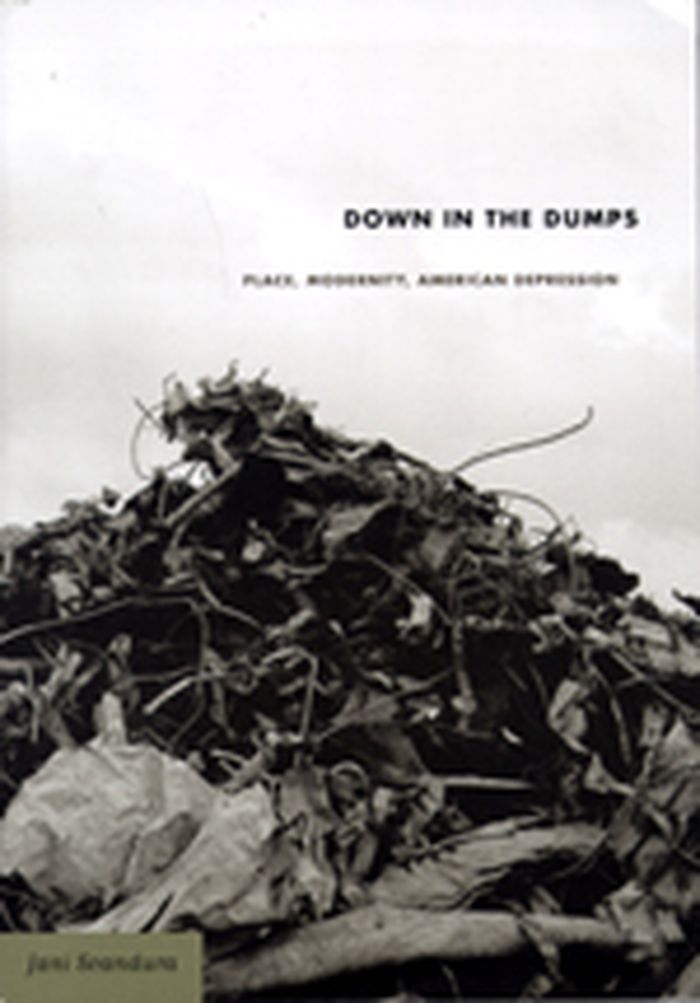
Mucking around in the messy terrain of American trash, Jani Scandura tells the story of the United States during the Great Depression through evocative and photo-rich portraits of four different locales: Reno, Harlem, Key West, and Hollywood. In investigating these depression-era �dumps,� places that she claims contained and reclaimed the cultural, ideological, and material refuse of modern America, Scandura introduces the concept of �depressive modernity,� an enduring affective component of American culture that exposes itself at those moments when the foundational myths of America and progressive modernity�capitalism, democracy, individualism, secularism, utopian aspiration�are thrown into question. Depressive modernity is modernity at a standstill. Such a modernity is not stagnant or fixed, nor immobile, but is constituted by an instantaneous unstaging of desire, territory, language, and memory that reveals itself in the shimmering of place. An interpretive bricolage that draws on an unlikely archive of 1930s detritus�office memos, scribbled manuscripts, scrapbooks, ruined photographs, newspaper clippings, glass eyes, incinerated stage sets, pulp novels, and junk washed ashore�Down in the Dumps escorts its readers through Reno�s 1930s divorce factory, where couples from across the United States came to quickly dissolve matrimonial bonds; Key West�s multilingual salvage economy and the island that became the center of an ideological tug-of-war between the American New Deal government and a politically fraught Caribbean; post-Renaissance Harlem, in the process of memorializing, remembering, grieving and rewriting a modernity that had already passed; and Studio-era Hollywood, Nathanael West�s �dump of dreams,� in which the introduction of sound film and shifts in art direction began to transform how Americans understood place-making and even being itself. A coda on Alcatraz and the Pentagon brings the book into the present, exploring how American Depression comes to bear on post-9/11 America.
Down in the dumps: place, modernity, american depression
Actions:
Price:
$33.95
(available to order)
Summary:
Mucking around in the messy terrain of American trash, Jani Scandura tells the story of the United States during the Great Depression through evocative and photo-rich portraits of four different locales: Reno, Harlem, Key West, and Hollywood. In investigating these depression-era �dumps,� places that she claims contained and reclaimed the cultural, ideological, and material refuse of modern America, Scandura introduces the concept of �depressive modernity,� an enduring affective component of American culture that exposes itself at those moments when the foundational myths of America and progressive modernity�capitalism, democracy, individualism, secularism, utopian aspiration�are thrown into question. Depressive modernity is modernity at a standstill. Such a modernity is not stagnant or fixed, nor immobile, but is constituted by an instantaneous unstaging of desire, territory, language, and memory that reveals itself in the shimmering of place. An interpretive bricolage that draws on an unlikely archive of 1930s detritus�office memos, scribbled manuscripts, scrapbooks, ruined photographs, newspaper clippings, glass eyes, incinerated stage sets, pulp novels, and junk washed ashore�Down in the Dumps escorts its readers through Reno�s 1930s divorce factory, where couples from across the United States came to quickly dissolve matrimonial bonds; Key West�s multilingual salvage economy and the island that became the center of an ideological tug-of-war between the American New Deal government and a politically fraught Caribbean; post-Renaissance Harlem, in the process of memorializing, remembering, grieving and rewriting a modernity that had already passed; and Studio-era Hollywood, Nathanael West�s �dump of dreams,� in which the introduction of sound film and shifts in art direction began to transform how Americans understood place-making and even being itself. A coda on Alcatraz and the Pentagon brings the book into the present, exploring how American Depression comes to bear on post-9/11 America.
Form:
books
books
Publication:
January 2008, Durham, London
January 2008, Durham, London
Subject:
Urban Theory
Urban Theory


