


5088 Results
Form:
books
books
Actions:
Price:
$35.00
(available to order)
Summary:
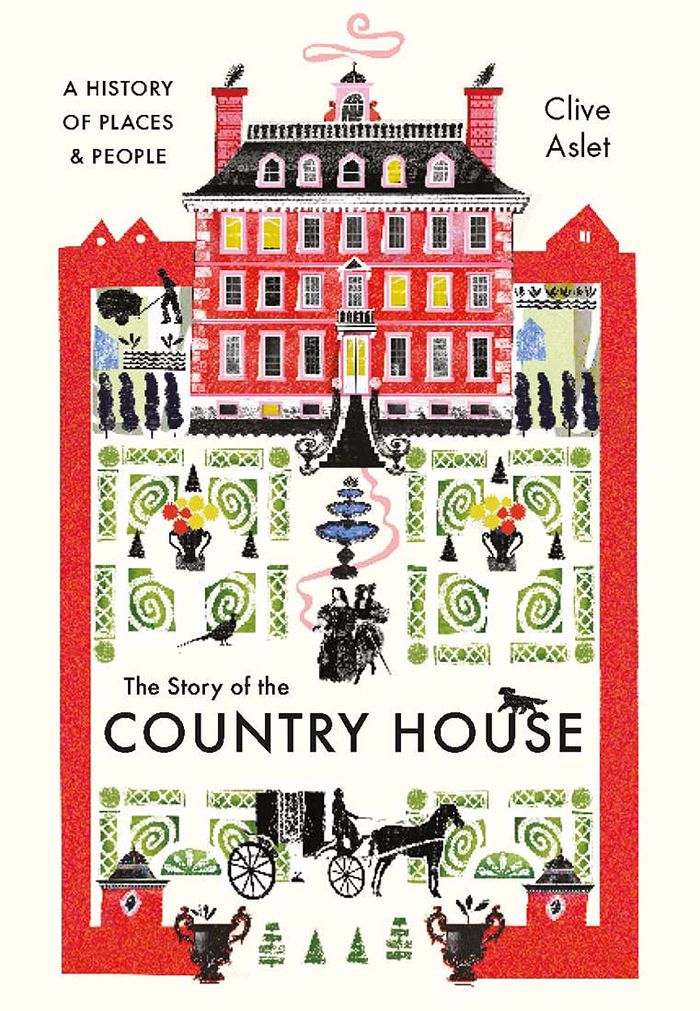
The Story of the Country House is an authoritative and vivid account of the British country house, exploring how they have evolved with the changing political and economic landscape. Clive Aslet reveals the captivating stories behind individual houses, their architects, and occupants, and paints a vivid picture of the wider context in which the country house in Britain(...)
Title:
The story of the country house
Actions:
Price:
$35.00
(available to order)
Summary:
The Story of the Country House is an authoritative and vivid account of the British country house, exploring how they have evolved with the changing political and economic landscape. Clive Aslet reveals the captivating stories behind individual houses, their architects, and occupants, and paints a vivid picture of the wider context in which the country house in Britain flourished and subsequently fell into decline before enjoying a renaissance in the twenty-first century. The genesis, style, and purpose of architectural masterpieces such as Hardwick Hall, Hatfield House, and Chatsworth are explored, alongside the numerous country houses lost to war and economic decline. We also meet a cavalcade of characters, owners with all their dynastic obsessions and diverse sources of wealth, and architects such as Inigo Jones, Sir John Vanbrugh, Robert Adam, Sir John Soane and A.W.N. Pugin, who dazzled or in some cases outraged their contemporaries. The Story of the Country House takes a fresh look at this enduringly popular building type, exploring why it continues to hold such fascination for us today.
Form:
books
books
Publication:
October 2021
October 2021
Subject:
History until 1900, Great Britain
History until 1900, Great Britain
Form:
books
books

Actions:
Price:
$105.00
(available in store)
Summary:
''A pound of pictures'' is a stream-of-consciousness celebration of the photographic medium, bringing together an entirely new collection of work by Alec Soth made between 2018 and 2021. Depicting a sprawling array of subjects ? from Buddhist statues and birdwatchers to sun-seekers and busts of Abe Lincoln- this book reflects on the photographic desire to pin down and(...)
Title:
Alec Soth: A pound of pictures
Actions:
Price:
$105.00
(available in store)
Summary:
''A pound of pictures'' is a stream-of-consciousness celebration of the photographic medium, bringing together an entirely new collection of work by Alec Soth made between 2018 and 2021. Depicting a sprawling array of subjects ? from Buddhist statues and birdwatchers to sun-seekers and busts of Abe Lincoln- this book reflects on the photographic desire to pin down and crystallise experience, especially as it is represented and recollected by printed images. Throughout this eclectic sequence are the recurring presences of iconography, of souvenirs and mementos, and of the image-makers that surround us day to day. Forming a winding, ruminative road trip, Soth’s photographs are followed by his own notes and reflections in an extended afterword. 'If the pictures in this book are about anything other than their shimmering surfaces,' he writes, 'they are about the process of their own making. They are about going into the ecstatically specific world and creating a connection between the ephemeral (light, time) and the physical (eyeballs, film).' Each book contains five randomised replica vernacular photographs loosely inserted within the pages.
Form:
books
books
Publication:
January 2022
January 2022
Subject:
Photography monographs
Photography monographs
Form:
books
books
Price:
$22.95
(available to order)
Summary:
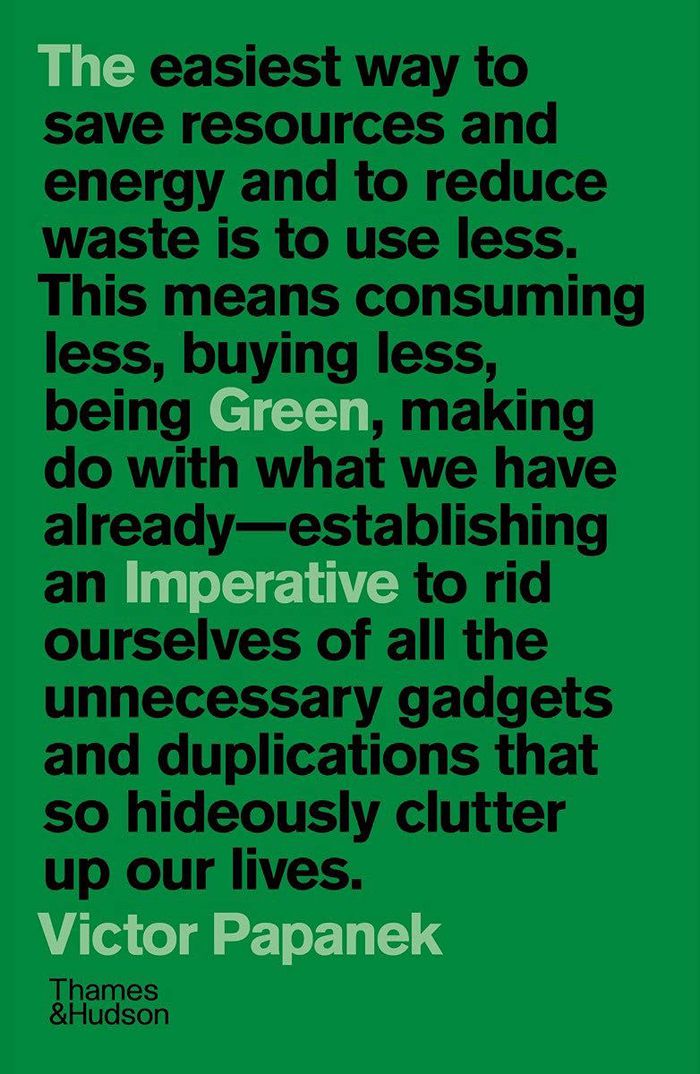
Whether it’s horror at the plastic littering the world’s beaches or despair at the melting polar ice caps, the world is gradually waking up to the impending climate disaster. In ''The green imperative,'' Papanek argues for design that addresses these issues head-on. This means using materials that can be recycled and reused, no more pointless packaging, thinking about how(...)
Title:
The green imperative: Ecology and ethics in design and architecture
Actions:
Price:
$22.95
(available to order)
Summary:
Whether it’s horror at the plastic littering the world’s beaches or despair at the melting polar ice caps, the world is gradually waking up to the impending climate disaster. In ''The green imperative,'' Papanek argues for design that addresses these issues head-on. This means using materials that can be recycled and reused, no more pointless packaging, thinking about how products make us feel and engage all our senses, putting nature at the heart of design, working at a smaller scale, rejecting aesthetics for their own sake, and thinking before we buy. First published at the end of the twentieth century, this book offered a plethora of honest advice, clear examples, and withering critiques, laying out the flaws of and opportunities for the design world at that time. A quarter of a century on, Papanek’s lucid prose has lost none of its verve, and the problems he highlights have only become more urgent, giving today’s reader both a fascinating historical perspective on the issues at hand and a blueprint for how they might be solved.
Form:
books
books
Publication:
February 2022
February 2022
Subject:
Environment and environmental theory
Environment and environmental theory
Form:
books
books
Actions:
Price:
$33.95
(available in store)
Summary:
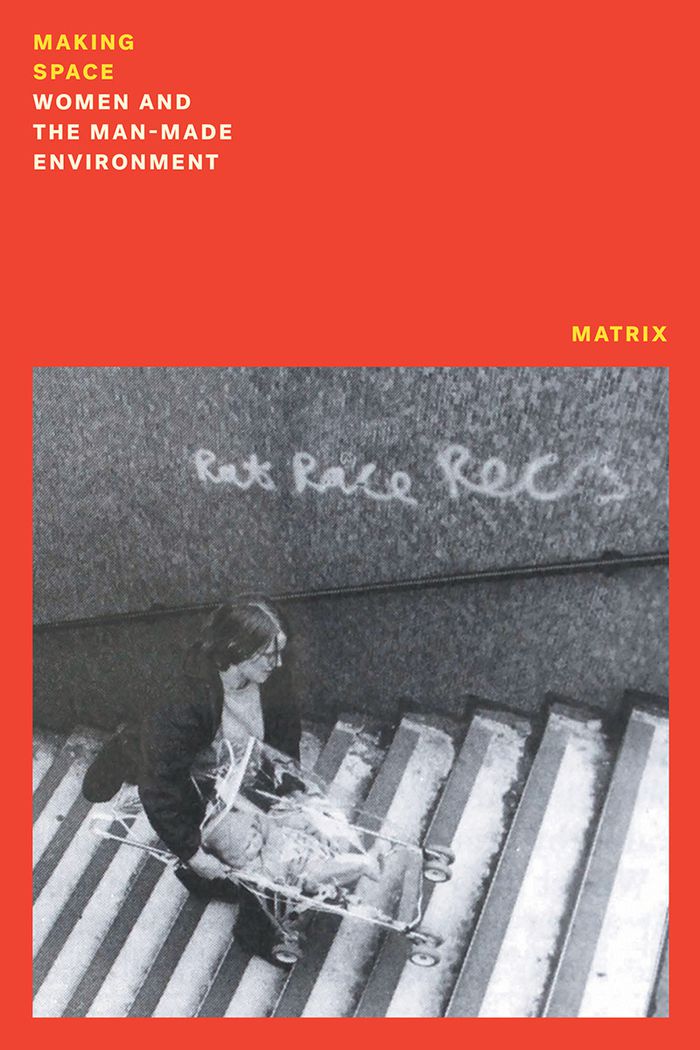
''Making space'' is a pioneering work first published in 1984 which challenges us to look at how the built environment impacts on women’s lives. It exposes the sexist assumptions on gender and sexuality that have a fundamental impact on the way buildings are designed and our cities are planned. Written collaboratively by the feminist collective Matrix, the book(...)
Title:
Making space: Women and the manmade environment
Actions:
Price:
$33.95
(available in store)
Summary:
''Making space'' is a pioneering work first published in 1984 which challenges us to look at how the built environment impacts on women’s lives. It exposes the sexist assumptions on gender and sexuality that have a fundamental impact on the way buildings are designed and our cities are planned. Written collaboratively by the feminist collective Matrix, the book provide a full blown critique of the patriarchal built environment both in the home and in public space, and outline alternative forms of practice that are still relevant today. ''Making space'' remains a path breaking book pointing to possibilities of a feminist future. Some authors worked for the London-based Matrix Feminist Architect’s collective, an architectural practice set up in 1980 seeking to establish a feminist approach to design. They worked on design projects—such as community, children and women’s centres. Others were engaged in building work, teaching and research. The new edition comes with a new introduction examining the context, process and legacy of ''Making space'' written by leading feminists in architecture.
Form:
books
books
Publication:
March 2022
March 2022
Subject:
Gender Theory in Architecture
Gender Theory in Architecture
Form:
books
books
Actions:
Price:
$170.00
(available to order)
Summary:
For Richard Tuttle, the object, as well as the work, is intended for communication. Where others find in history answers to the questions objects pose, Tuttle instead finds the questions that drive his art—asking us to think about what objects mean, and how. This is the first publication to explore the influential American artist’s object collection and the cards on which(...)
Title:
Richard Tuttle: What is the object
Actions:
Price:
$170.00
(available to order)
Summary:
For Richard Tuttle, the object, as well as the work, is intended for communication. Where others find in history answers to the questions objects pose, Tuttle instead finds the questions that drive his art—asking us to think about what objects mean, and how. This is the first publication to explore the influential American artist’s object collection and the cards on which he has recorded his thoughts about these items over the past five decades. Designed by the Belgian book artist Luc Derycke as a ''book as object,'' the volume carries forth the challenging question of the meaning of objects. It includes an interview with Tuttle, an analysis of objects in poetic nonfiction by Renee Gladman, and an essay about Tuttle’s art as the pursuit of a kind of philosophical exploration by Peter N. Miller, as well as poems by Tuttle and a short, surrealist tale about the artist’s objects. Tuttle’s objects and index cards are beautifully photographed throughout by Bruce M. White in this lavishly illustrated volume.
Form:
books
books
Publication:
April 2022
April 2022
Subject:
Contemporary Art Monographs
Contemporary Art Monographs
Form:
books
books
Actions:
Price:
$50.00
(available to order)
Summary:
The exhilarating and at times unsettling work featured in this book suggests an alternative view of natural processes and ecosystems and their relationships to human society and architecture. R's Mosquito Bottleneck house in Trinidad uses a skin that actually attracts mosquitoes and moves them through the building, while keeping them separate from the occupants. In his(...)
Title:
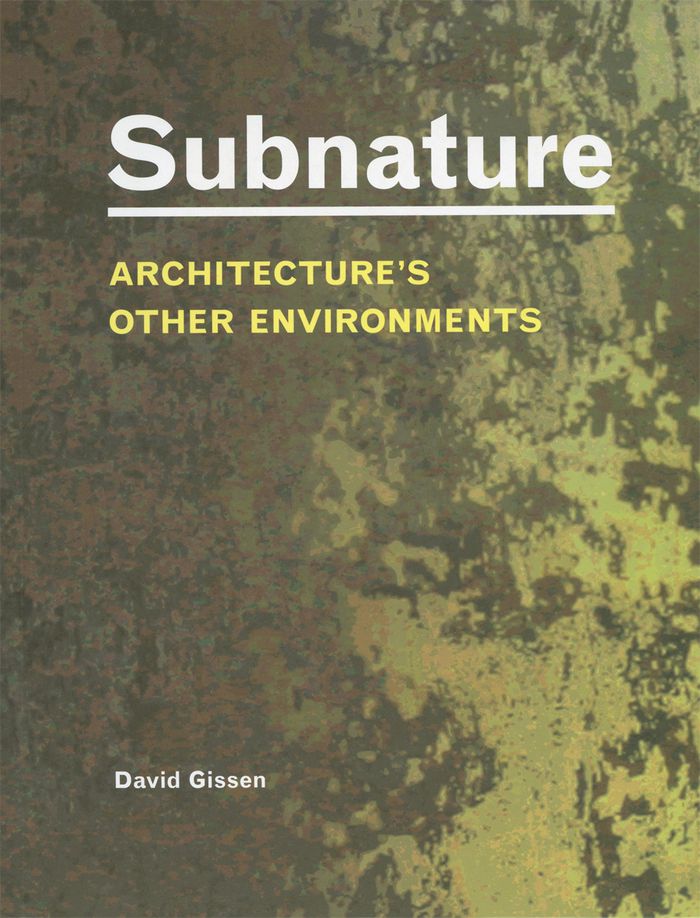
Subnature, architecture's other environments
Actions:
Price:
$50.00
(available to order)
Summary:
The exhilarating and at times unsettling work featured in this book suggests an alternative view of natural processes and ecosystems and their relationships to human society and architecture. R's Mosquito Bottleneck house in Trinidad uses a skin that actually attracts mosquitoes and moves them through the building, while keeping them separate from the occupants. In his building designs the architect Philippe Rahm draws the dank air from the earth and the gasses and moisture from our breath to define new forms of spatial experience. In his Underground House, Mollier House, and Omnisport Hall, Rahm forces us to consider the odor of soil and the emissions from our body as the natural context of a future architecture. [Cero 9]'s design for the Magic Mountain captures excess heat emitted from a power generator in Ames, Iowa, to fuel a rose garden that embellishes the industrial site and creates a natural mountain rising above the city's skyline. Subnature looks beyond leed ratings, green roofs, and solar panels toward a progressive architecture based on a radical new conception of nature.
Form:
books
books
Publication:
November 2009
November 2009
Subject:
Green Architecture
Green Architecture
Form:
books
books

Actions:
Price:
$65.00
(available to order)
Summary:
Arthur Elrod was the most successful interior designer working in the Palm Springs area from 1954 to 1974. His forward-thinking midcentury interior design appeared in primary homes, second houses, third houses, spec houses, country clubs, and experimental houses- in the desert and across the US. He was charming, handsome, and worked tirelessly for his A-list clientele,(...)
Title:
Arthur Elrod: Desert modern design
Actions:
Price:
$65.00
(available to order)
Summary:
Arthur Elrod was the most successful interior designer working in the Palm Springs area from 1954 to 1974. His forward-thinking midcentury interior design appeared in primary homes, second houses, third houses, spec houses, country clubs, and experimental houses- in the desert and across the US. He was charming, handsome, and worked tirelessly for his A-list clientele, such as Lucille Ball and Walt Disney. Perhaps his most famous work was done in his own home, known as the Elrod House in Palm Springs, built by architect John Lautner in 1968. His rise paralleled the growing modernist movement in desert architecture, and he worked alongside the leading California architects of the day including E. Stewart Williams, William F. Cody, Paul R. Williams, Edward Fickett and, most famously, John Lautner. Elrod's life was cut tragically short when the convertible he was riding in was hit by a drunk driver one morning in February 1974; he was 49. This in-depth biography is the first and only of its kind.
Form:
books
books
Publication:
February 2019
February 2019
Subject:
Interior Design
Interior Design
Form:
books
books
Actions:
Price:
$30.00
(available to order)
Summary:
Ongoing use of fossil fuels, the development of industrial zones in city centers, and even our growing reliance on air conditioners have led to extreme climate swings. Now an urgent public concern, global warming alarms ever more people—and yet most of them still hesitate to identify a workable plan of action. Approaching the problem head-on, "Solar Guerilla" highlights a(...)
Title:
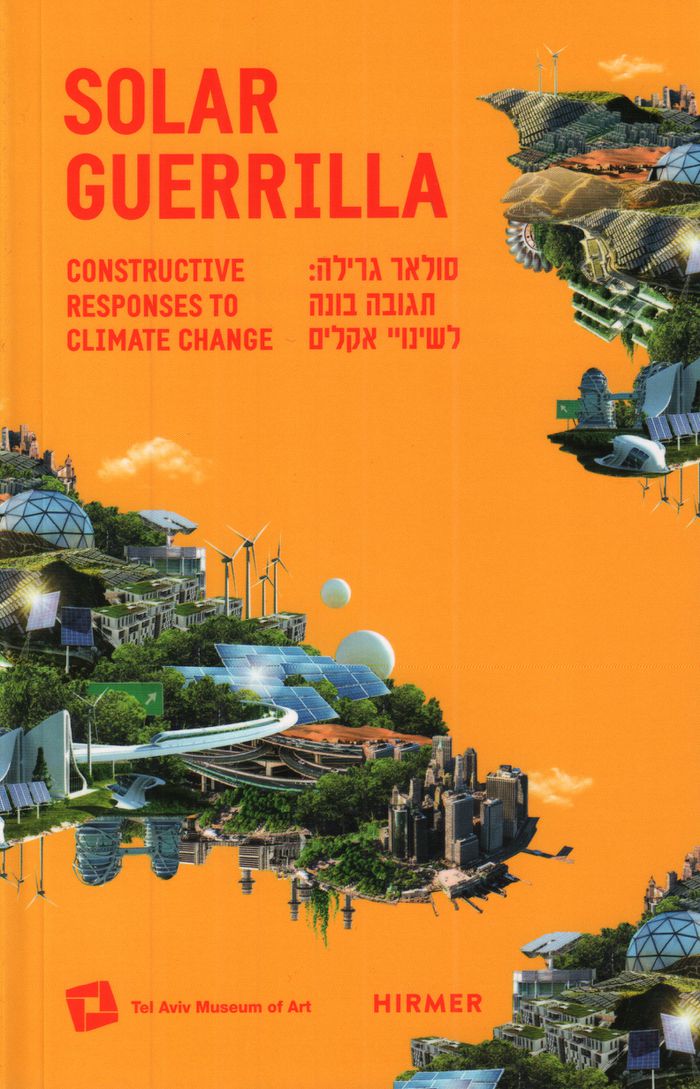
Solar Guerilla: constructive responses to climate change
Actions:
Price:
$30.00
(available to order)
Summary:
Ongoing use of fossil fuels, the development of industrial zones in city centers, and even our growing reliance on air conditioners have led to extreme climate swings. Now an urgent public concern, global warming alarms ever more people—and yet most of them still hesitate to identify a workable plan of action. Approaching the problem head-on, "Solar Guerilla" highlights a number of programs, architects, and companies that are already active in such cities as Chicago, Hong Kong, Shanghai, and Tel Aviv. In a series of case studies, this book focuses on efficient strategies implemented at the local level, where collaboration within communities may be the key to effectively combating environmental damage. As companies like China’s Turenscape and Israel’s Electreon thrive alongside programs such as Chicago’s Third Nature approach to its famous riverwalk, the local efforts begin to yield global results. As "Solar Guerilla" demonstrates, these and other initiatives may be the best way to counter the emotional fatigue and physical disasters that currently plague us in our all-too-rapidly-changing urban environment.
Form:
books
books
Publication:
December 2019
December 2019
Subject:
Green Architecture
Green Architecture
Form:
books
books
Title:
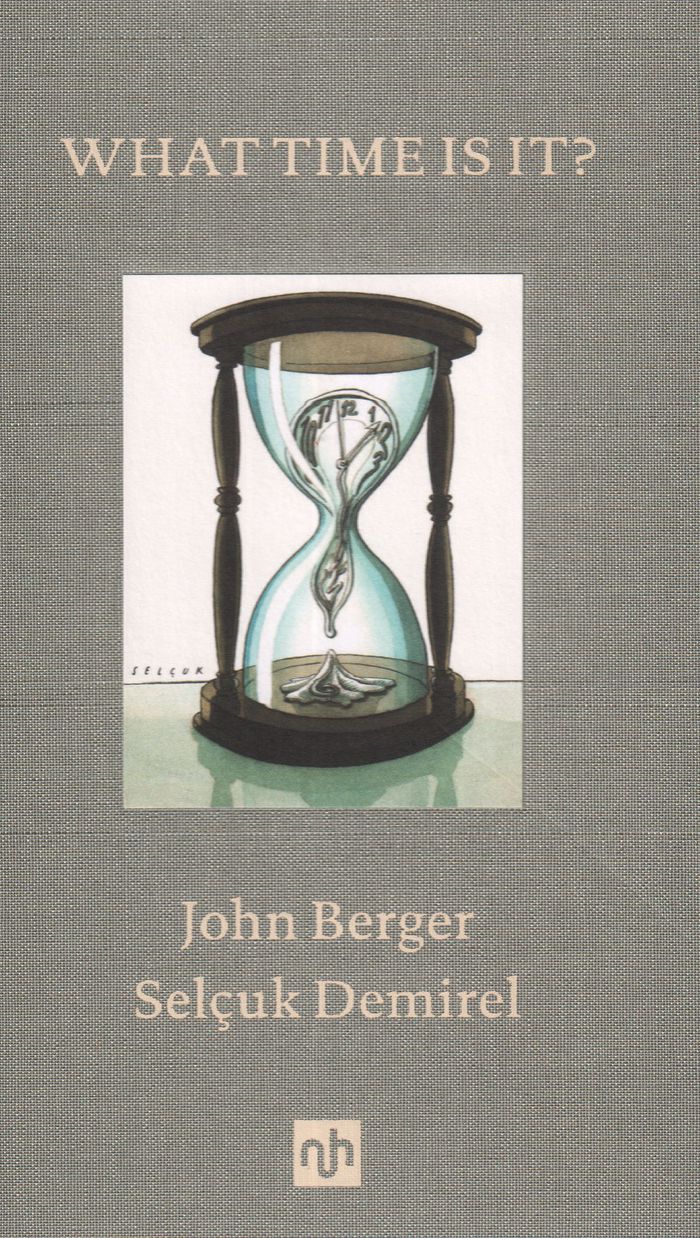
What time is it?
What time is it?
Actions:
Price:
$24.95
(available to order)
Summary:
The last book that John Berger wrote was this precious little volume about time titled What Time Is It?, now posthumously published for the first time in English by Notting Hill Editions. Berger died before it was completed, but the text has been assembled and illustrated by his longtime collaborator and friend Selçuk Demirel, and has an introduction by Maria Nadotti. (...)
Title:
What time is it?
Actions:
Price:
$24.95
(available to order)
Summary:
The last book that John Berger wrote was this precious little volume about time titled What Time Is It?, now posthumously published for the first time in English by Notting Hill Editions. Berger died before it was completed, but the text has been assembled and illustrated by his longtime collaborator and friend Selçuk Demirel, and has an introduction by Maria Nadotti. What Time Is It? is a profound and playful meditation on the illusory nature of time. Berger, the great art critic and Man Booker Prize–winning author, reflects on what time has come to mean to us in modern life. Our perception of time assumes a uniform and ceaseless passing of time, yet time is turbulent. It expands and contracts according to the intensity of the lived moment. We talk of time “saved” in a hundred household appliances; time, like money, is exchanged for the content it lacks. Berger posits the idea that time can lengthen lifetimes once we seize the present moment. “What-is-to-come, what-is-to-be-gained empties what-is.”
Form:
books
books
Publication:
September 2019
September 2019
Subject:
Literature and poetry
Literature and poetry
Form:
books
books
Title:
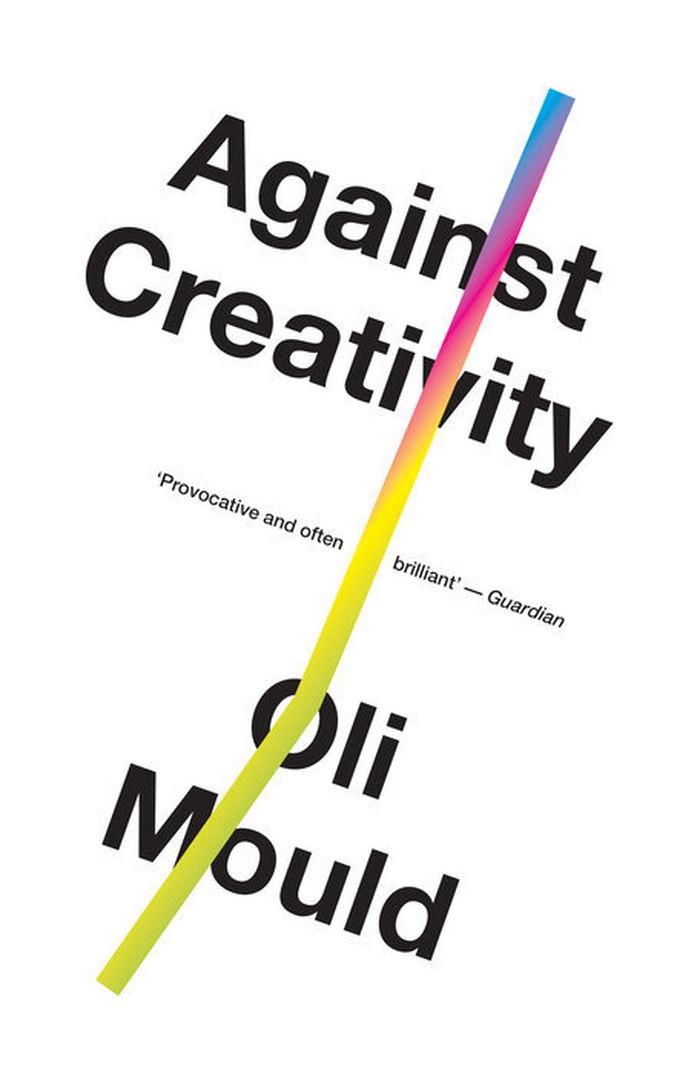
Against creativity
Against creativity
Actions:
Price:
$22.95
(available in store)
Summary:
Everything you have been told about creativity is wrong. From line managers, corporate CEOs, urban designers, teachers, politicians, mayors, advertisers and even our friends and family, the message is ‘be creative’. Creativity is heralded as the driving force of our contemporary society; celebrated as agile, progressive and liberating. It is the spring of the knowledge(...)
Title:
Against creativity
Actions:
Price:
$22.95
(available in store)
Summary:
Everything you have been told about creativity is wrong. From line managers, corporate CEOs, urban designers, teachers, politicians, mayors, advertisers and even our friends and family, the message is ‘be creative’. Creativity is heralded as the driving force of our contemporary society; celebrated as agile, progressive and liberating. It is the spring of the knowledge economy and shapes the cities we inhabit. It even defines our politics. What could possibly be wrong with this? In this brilliant, counter intuitive blast Oli Mould demands that we rethink the story we are being sold. Behind the novelty, he shows that creativity is a barely hidden form of neoliberal appropriation. It is a regime that prioritizes individual success over collective flourishing. It refuses to recognise anything – job, place, person – that is not profitable. And it impacts on everything around us: the places where we work, the way we are managed, how we spend our leisure time. Is there an alternative? Mould offers a radical redefinition of creativity, one embedded in the idea of collective flourishing, outside the tyranny of profit.
Form:
books
books
Publication:
March 2020
March 2020
Subject:
Critical Theory
Critical Theory


