


5194 Results
Form:
books
books

Actions:
Price:
$55.00
(available to order)
Summary:
The cities and urban societies of America and Europe were subject to dramatic shifts of power in the 19th century: the founding of new nation-states, industrialization and the increased mobility that went along with these developments were accompanied by tremendous social changes. New parties strove to participate in shaping society and urban space. New ways of using the(...)
$55.00
(available to order)
Summary:
The cities and urban societies of America and Europe were subject to dramatic shifts of power in the 19th century: the founding of new nation-states, industrialization and the increased mobility that went along with these developments were accompanied by tremendous social changes. New parties strove to participate in shaping society and urban space. New ways of using the(...)
Title:
Recoding the city: thinking, planning and building the city of the 19th century
Actions:
Price:
$55.00
(available to order)
Summary:
The cities and urban societies of America and Europe were subject to dramatic shifts of power in the 19th century: the founding of new nation-states, industrialization and the increased mobility that went along with these developments were accompanied by tremendous social changes. New parties strove to participate in shaping society and urban space. New ways of using the city not only promoted the physical expansion of the developing capitals and metropolises, but also required a new coding of existing urban structures to meet changing requirements and expectations about life and society. ''Recoding the City'' explores the intentions and claims of the protagonists who shaped the cities of the 19th century. Developed from a series of international research initiatives, ''Recoding the City'' examines this decisive moment in the history of the Western city and considers its continuing influence on our lives in the present day.
Recoding the city: thinking, planning and building the city of the 19th century
Actions:
Price:
$55.00
(available to order)
Summary:
The cities and urban societies of America and Europe were subject to dramatic shifts of power in the 19th century: the founding of new nation-states, industrialization and the increased mobility that went along with these developments were accompanied by tremendous social changes. New parties strove to participate in shaping society and urban space. New ways of using the city not only promoted the physical expansion of the developing capitals and metropolises, but also required a new coding of existing urban structures to meet changing requirements and expectations about life and society. ''Recoding the City'' explores the intentions and claims of the protagonists who shaped the cities of the 19th century. Developed from a series of international research initiatives, ''Recoding the City'' examines this decisive moment in the history of the Western city and considers its continuing influence on our lives in the present day.
Form:
books
books
Publication:
April 2019
April 2019
Subject:
Urban Theory
Urban Theory
Form:
books
books
Actions:
Price:
$35.95
(available to order)
Summary:
In "Punctuations" Michael J. Shapiro examines how punctuation—conceived not as a series of marks but as a metaphor for the ways in which artists engage with intelligibility—opens pathways for thinking through the possibilities for oppositional politics. Drawing on Theodor Adorno, Alain Robbe-Grillet, and Roland Barthes, Shapiro demonstrates how punctuation's capacity to(...)
$35.95
(available to order)
Summary:
In "Punctuations" Michael J. Shapiro examines how punctuation—conceived not as a series of marks but as a metaphor for the ways in which artists engage with intelligibility—opens pathways for thinking through the possibilities for oppositional politics. Drawing on Theodor Adorno, Alain Robbe-Grillet, and Roland Barthes, Shapiro demonstrates how punctuation's capacity to(...)
Title:
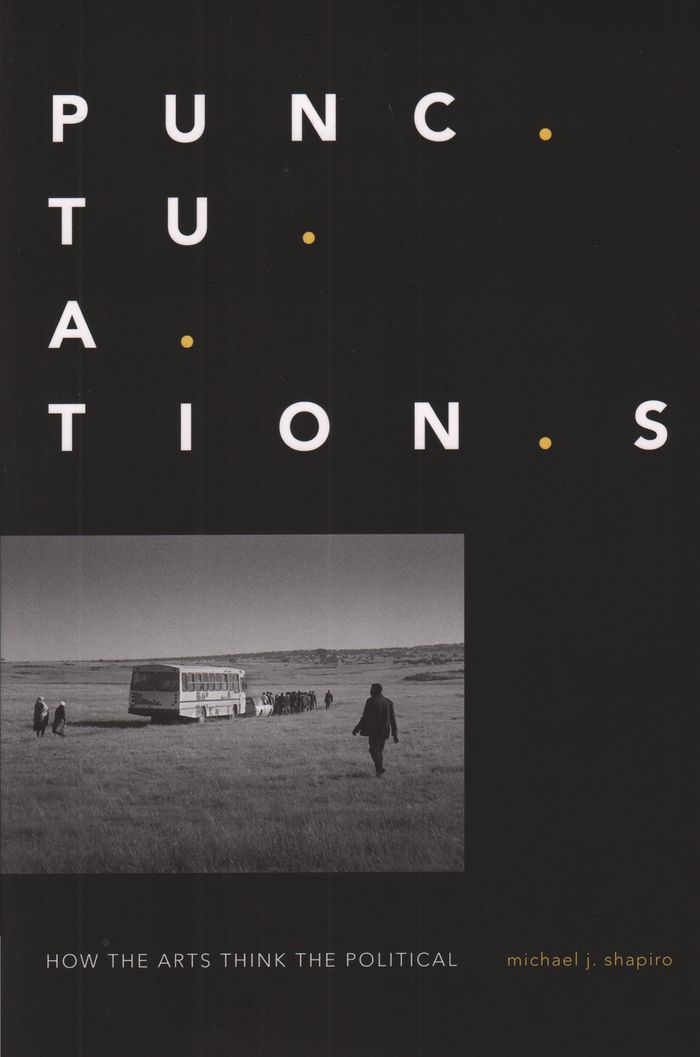
Punctuations: how the arts think the political
Actions:
Price:
$35.95
(available to order)
Summary:
In "Punctuations" Michael J. Shapiro examines how punctuation—conceived not as a series of marks but as a metaphor for the ways in which artists engage with intelligibility—opens pathways for thinking through the possibilities for oppositional politics. Drawing on Theodor Adorno, Alain Robbe-Grillet, and Roland Barthes, Shapiro demonstrates how punctuation's capacity to create unexpected rhythmic pacing makes it an ideal tool for writers, musicians, filmmakers, and artists to challenge structures of power. In works ranging from film scores and jazz compositions to literature, architecture, and photography, Shapiro shows how the use of punctuation reveals the contestability of dominant narratives in ways that prompt readers, viewers, and listeners to reflect on their acceptance of those narratives. Such uses of punctuation, he theorizes, offer models for disrupting structures of authority, thereby fostering the creation of alternative communities of sense from which to base political mobilization.
Punctuations: how the arts think the political
Actions:
Price:
$35.95
(available to order)
Summary:
In "Punctuations" Michael J. Shapiro examines how punctuation—conceived not as a series of marks but as a metaphor for the ways in which artists engage with intelligibility—opens pathways for thinking through the possibilities for oppositional politics. Drawing on Theodor Adorno, Alain Robbe-Grillet, and Roland Barthes, Shapiro demonstrates how punctuation's capacity to create unexpected rhythmic pacing makes it an ideal tool for writers, musicians, filmmakers, and artists to challenge structures of power. In works ranging from film scores and jazz compositions to literature, architecture, and photography, Shapiro shows how the use of punctuation reveals the contestability of dominant narratives in ways that prompt readers, viewers, and listeners to reflect on their acceptance of those narratives. Such uses of punctuation, he theorizes, offer models for disrupting structures of authority, thereby fostering the creation of alternative communities of sense from which to base political mobilization.
Form:
books
books
Publication:
November 2019
November 2019
Subject:
Art Theory
Art Theory
Form:
books
books
Title:
In pursuit of color. From fungi to fossil fuels: Uncovering the origins of the world's famous dyes
In pursuit of color. From fungi to fossil fuels: Uncovering the origins of the world's famous dyes
Actions:
Price:
$66.95
(available to order)
Summary:
Over the centuries our manipulation of the natural world has resulted in an explosion of synthetic dye production and application globally. To gain insight into the history of how folk practices have been lost and technical processes found, anthropologist and textile artist Lauren MacDonald explores a practice that is both ancient and wholly modern: coloring cloth. The(...)
$66.95
(available to order)
Summary:
Over the centuries our manipulation of the natural world has resulted in an explosion of synthetic dye production and application globally. To gain insight into the history of how folk practices have been lost and technical processes found, anthropologist and textile artist Lauren MacDonald explores a practice that is both ancient and wholly modern: coloring cloth. The(...)
Title:
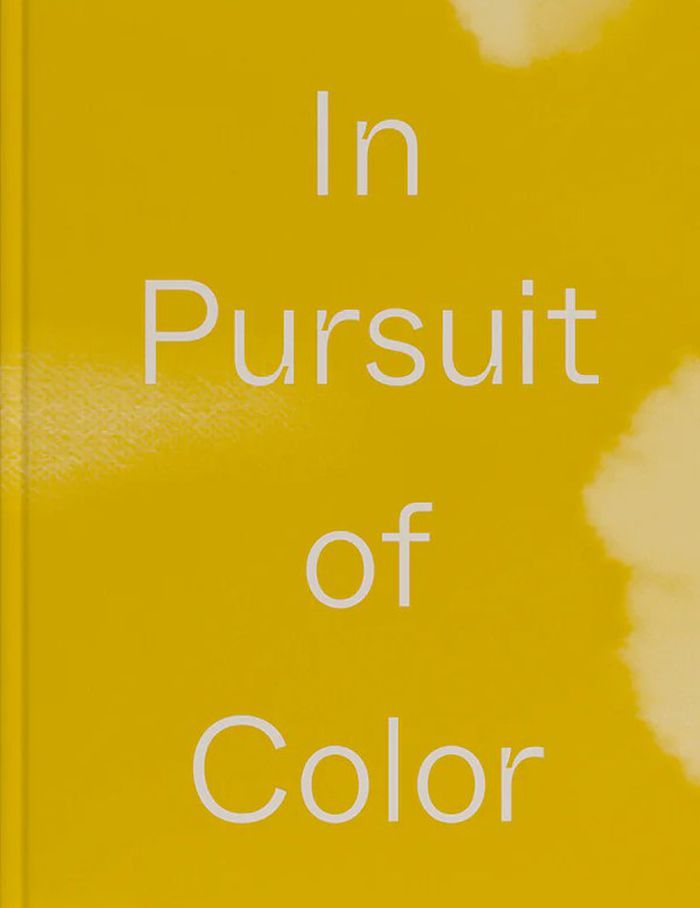
In pursuit of color. From fungi to fossil fuels: Uncovering the origins of the world's famous dyes
Actions:
Price:
$66.95
(available to order)
Summary:
Over the centuries our manipulation of the natural world has resulted in an explosion of synthetic dye production and application globally. To gain insight into the history of how folk practices have been lost and technical processes found, anthropologist and textile artist Lauren MacDonald explores a practice that is both ancient and wholly modern: coloring cloth. The pursuit of color has long spurred economic and social contest, and through this deeply researched volume we explore the stories that the materials used to dye cloth tell us about our complex relationship to nature, our troubling ideas about progress and our understanding of power and labor. In Pursuit of Color: From Fungi to Fossil Fuels: Uncovering the Origins of the World's Most Famous Dyes brings together historic techniques, archive photography, specimens and present-day events to tell the histories of some of the world’s most important dyestuffs.
In pursuit of color. From fungi to fossil fuels: Uncovering the origins of the world's famous dyes
Actions:
Price:
$66.95
(available to order)
Summary:
Over the centuries our manipulation of the natural world has resulted in an explosion of synthetic dye production and application globally. To gain insight into the history of how folk practices have been lost and technical processes found, anthropologist and textile artist Lauren MacDonald explores a practice that is both ancient and wholly modern: coloring cloth. The pursuit of color has long spurred economic and social contest, and through this deeply researched volume we explore the stories that the materials used to dye cloth tell us about our complex relationship to nature, our troubling ideas about progress and our understanding of power and labor. In Pursuit of Color: From Fungi to Fossil Fuels: Uncovering the Origins of the World's Most Famous Dyes brings together historic techniques, archive photography, specimens and present-day events to tell the histories of some of the world’s most important dyestuffs.
Form:
books
books
Publication:
November 2022
November 2022
Subject:
Colour Theory and Design
Colour Theory and Design
Form:
books
books
Actions:
Price:
$69.00
(available to order)
Summary:
The most ''African'' of the Brazilian villages in the south of Bahia bears a Swiss name. Helvécia was founded 200 years ago by Swiss and German colonists, and the coffee grown on its vast estates produced great wealth for them. This would not have been possible without exploitation: in the mid-19th century, for every 200 white colonists, there were 2,000 slaves of African(...)
$69.00
(available to order)
Summary:
The most ''African'' of the Brazilian villages in the south of Bahia bears a Swiss name. Helvécia was founded 200 years ago by Swiss and German colonists, and the coffee grown on its vast estates produced great wealth for them. This would not have been possible without exploitation: in the mid-19th century, for every 200 white colonists, there were 2,000 slaves of African(...)
Subject:
Architecture since 1900, Americas
Architecture since 1900, Americas
Publication:
January 2023
January 2023
Title:
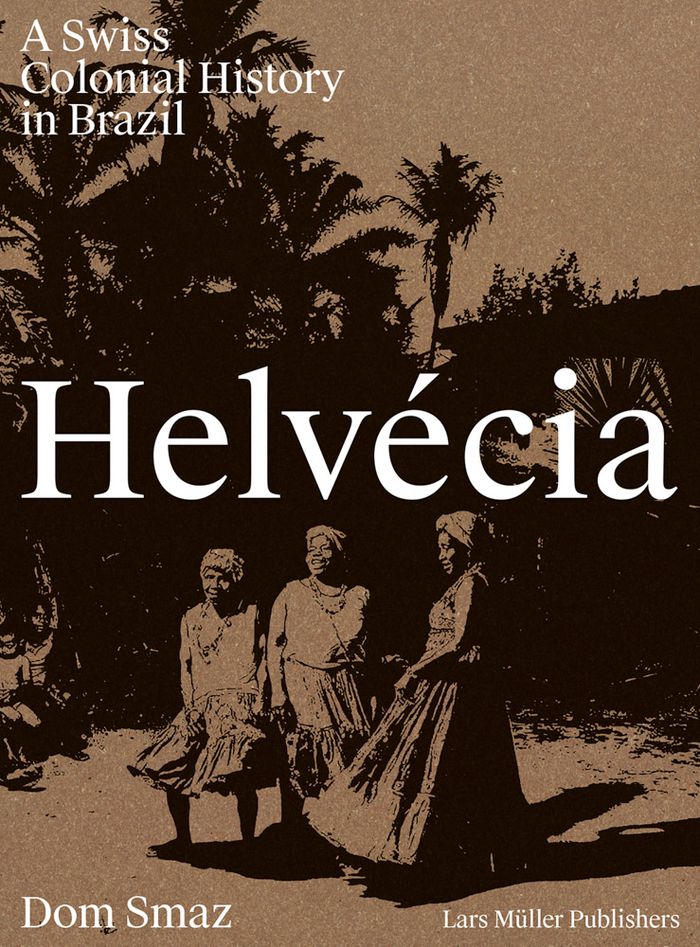
Helvécia: A Swiss colonial history in Brazil
Actions:
Price:
$69.00
(available to order)
Summary:
The most ''African'' of the Brazilian villages in the south of Bahia bears a Swiss name. Helvécia was founded 200 years ago by Swiss and German colonists, and the coffee grown on its vast estates produced great wealth for them. This would not have been possible without exploitation: in the mid-19th century, for every 200 white colonists, there were 2,000 slaves of African origin. Black people still make up the majority of the population today; many do not know the origins of their community. With great sensitivity and in dialogue with the inhabitants, Swiss photographer Dom Smaz goes in search of traces of the past, capturing the lives of the local people. Smaz’s pictures and text contributions by Shalini Randeria, among others, allow a new look at history and the origins of Switzerland’s wealth, revealing global histories of interconnectedness and power relations of the past that continue into the present.
Helvécia: A Swiss colonial history in Brazil
Actions:
Price:
$69.00
(available to order)
Summary:
The most ''African'' of the Brazilian villages in the south of Bahia bears a Swiss name. Helvécia was founded 200 years ago by Swiss and German colonists, and the coffee grown on its vast estates produced great wealth for them. This would not have been possible without exploitation: in the mid-19th century, for every 200 white colonists, there were 2,000 slaves of African origin. Black people still make up the majority of the population today; many do not know the origins of their community. With great sensitivity and in dialogue with the inhabitants, Swiss photographer Dom Smaz goes in search of traces of the past, capturing the lives of the local people. Smaz’s pictures and text contributions by Shalini Randeria, among others, allow a new look at history and the origins of Switzerland’s wealth, revealing global histories of interconnectedness and power relations of the past that continue into the present.
Form:
books
books
Publication:
January 2023
January 2023
Subject:
Architecture since 1900, Americas
Architecture since 1900, Americas
Form:
books
books
Price:
$24.95
(available in store)
Summary:
In this book, Leah Laksmi Piepzna-Samarasinha asks some provocative questions: What if, in the near future, the majority of people will be disabled - and what if that's not a bad thing? And what if disability justice and disabled wisdom are crucial to creating a future in which it's possible to survive fascism, climate change, and pandemics and to bring about liberation?(...)
$24.95
(available in store)
Summary:
In this book, Leah Laksmi Piepzna-Samarasinha asks some provocative questions: What if, in the near future, the majority of people will be disabled - and what if that's not a bad thing? And what if disability justice and disabled wisdom are crucial to creating a future in which it's possible to survive fascism, climate change, and pandemics and to bring about liberation?(...)
Title:
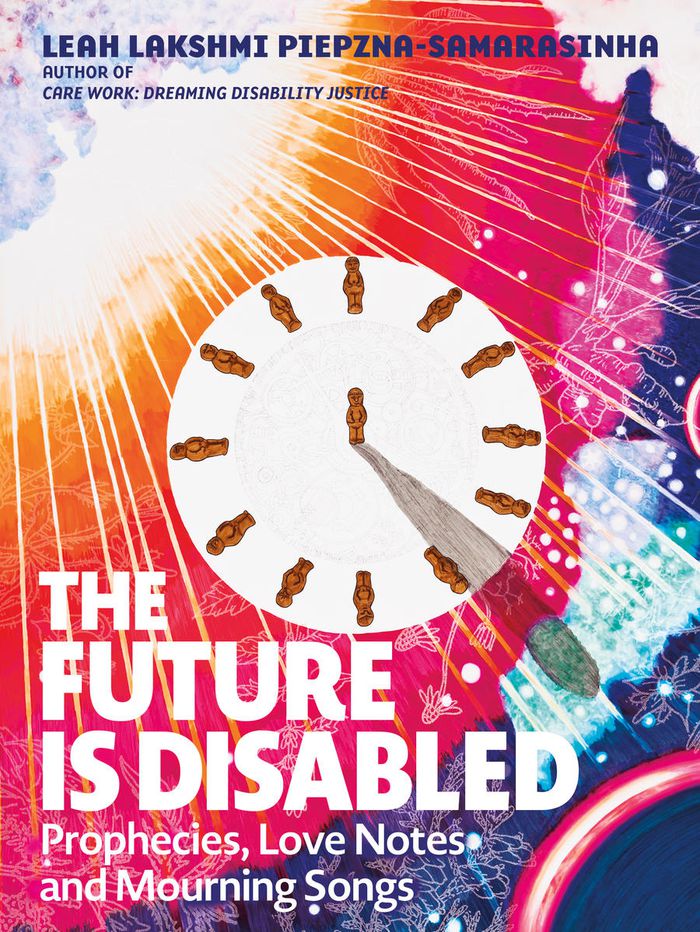
The future is disabled: Prophecies, love notes and mourning songs
Actions:
Price:
$24.95
(available in store)
Summary:
In this book, Leah Laksmi Piepzna-Samarasinha asks some provocative questions: What if, in the near future, the majority of people will be disabled - and what if that's not a bad thing? And what if disability justice and disabled wisdom are crucial to creating a future in which it's possible to survive fascism, climate change, and pandemics and to bring about liberation? Written over the course of two years of disabled isolation during the pandemic, this is a book of love letters to other disabled QTBIPOC (and those concerned about disability justice, the care crisis, and surviving the apocalypse); honour songs for kin who are gone; recipes for survival; questions and real talk about care, organizing, disabled families, and kin networks and communities; and wild brown disabled femme joy in the face of death. With passion and power, the book remembers our dead and insists on our future.
The future is disabled: Prophecies, love notes and mourning songs
Actions:
Price:
$24.95
(available in store)
Summary:
In this book, Leah Laksmi Piepzna-Samarasinha asks some provocative questions: What if, in the near future, the majority of people will be disabled - and what if that's not a bad thing? And what if disability justice and disabled wisdom are crucial to creating a future in which it's possible to survive fascism, climate change, and pandemics and to bring about liberation? Written over the course of two years of disabled isolation during the pandemic, this is a book of love letters to other disabled QTBIPOC (and those concerned about disability justice, the care crisis, and surviving the apocalypse); honour songs for kin who are gone; recipes for survival; questions and real talk about care, organizing, disabled families, and kin networks and communities; and wild brown disabled femme joy in the face of death. With passion and power, the book remembers our dead and insists on our future.
Form:
books
books
Publication:
October 2022
October 2022
Subject:
Social
Social
Form:
books
books
Actions:
Price:
$99.95
(available to order)
Summary:
“We don’t sell gardens; we sell images of gardens.” This observation on the part of a landscape architect makes it clear just how important it is that a design be effectively communicated to the community, clients, and the public. Drawings, models, simulations, and films communicate the designers’ proposed ideas and solutions, but they also convey their attitude toward(...)
$99.95
(available to order)
Summary:
“We don’t sell gardens; we sell images of gardens.” This observation on the part of a landscape architect makes it clear just how important it is that a design be effectively communicated to the community, clients, and the public. Drawings, models, simulations, and films communicate the designers’ proposed ideas and solutions, but they also convey their attitude toward(...)
Title:
Visualizing landscape architecture
Actions:
Price:
$99.95
(available to order)
Summary:
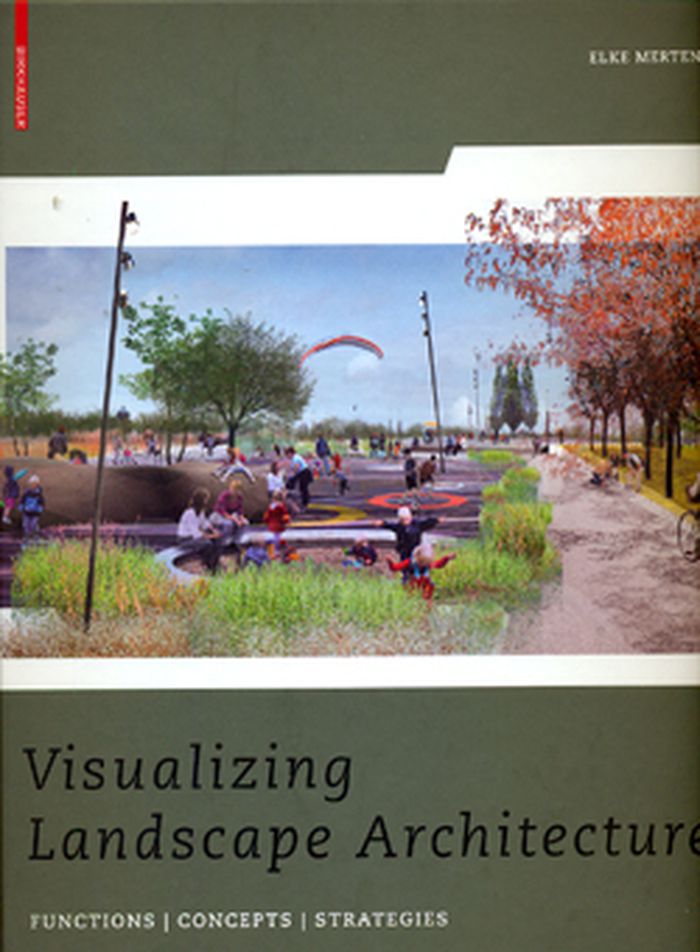
“We don’t sell gardens; we sell images of gardens.” This observation on the part of a landscape architect makes it clear just how important it is that a design be effectively communicated to the community, clients, and the public. Drawings, models, simulations, and films communicate the designers’ proposed ideas and solutions, but they also convey their attitude toward the use of nature and the environment. With myriad possibilities – including computer programs as well as hand drawings and models, which continue to be widely used – and strong competition in the field, there is now a huge variety of visual representations, with agreed-upon rules but also a great deal of freedom. In three large sections, this books sifts through the currently commonplace and available techniques and evaluates them in terms of their informative value and persuasive power, always illustrating its points with analysis of examples from international firms.
Visualizing landscape architecture
Actions:
Price:
$99.95
(available to order)
Summary:
“We don’t sell gardens; we sell images of gardens.” This observation on the part of a landscape architect makes it clear just how important it is that a design be effectively communicated to the community, clients, and the public. Drawings, models, simulations, and films communicate the designers’ proposed ideas and solutions, but they also convey their attitude toward the use of nature and the environment. With myriad possibilities – including computer programs as well as hand drawings and models, which continue to be widely used – and strong competition in the field, there is now a huge variety of visual representations, with agreed-upon rules but also a great deal of freedom. In three large sections, this books sifts through the currently commonplace and available techniques and evaluates them in terms of their informative value and persuasive power, always illustrating its points with analysis of examples from international firms.
Form:
books
books
Publication:
December 2009
December 2009
Subject:
Landscape Theory
Landscape Theory
Form:
books
books
Actions:
Price:
$59.95
(available to order)
Summary:
Velazquez. Poussin. Carvaggio. Bernini. Despite their disparate backgrounds, these greats of European Baroque art converged at one remarkable place in time: Rome, 1630. In response to the Protestant Reformation, the Catholic Church turned to these masters of Baroque art to craft works celebrating the glories of the heavens manifested on earth. And so, with glittering(...)
$59.95
(available to order)
Summary:
Velazquez. Poussin. Carvaggio. Bernini. Despite their disparate backgrounds, these greats of European Baroque art converged at one remarkable place in time: Rome, 1630. In response to the Protestant Reformation, the Catholic Church turned to these masters of Baroque art to craft works celebrating the glories of the heavens manifested on earth. And so, with glittering(...)
Title:
Rome, 1630: The horizon of early Baroque, and other essays
Actions:
Price:
$59.95
(available to order)
Summary:
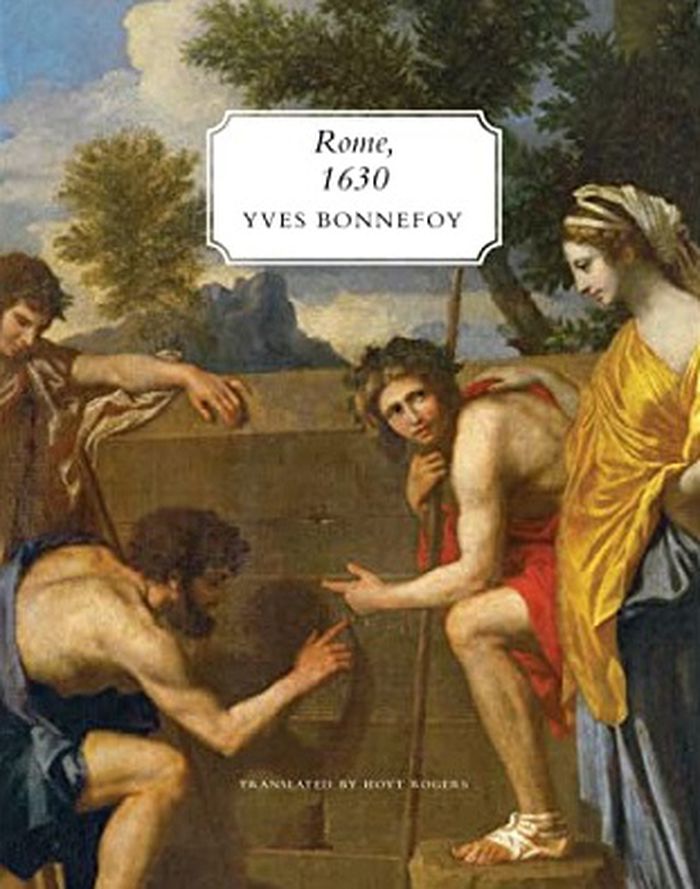
Velazquez. Poussin. Carvaggio. Bernini. Despite their disparate backgrounds, these greats of European Baroque art converged at one remarkable place in time: Rome, 1630. In response to the Protestant Reformation, the Catholic Church turned to these masters of Baroque art to craft works celebrating the glories of the heavens manifested on earth. And so, with glittering monuments like Bernini's imposing bronze columns in St. Peter's Basilica, Rome, 1630 came to be the crossroads of seventeenth-century art, religion, and power. In ''Rome, 1630,'' the renowned French poet and critic Yves Bonnefoy devotes his attention to this single year in the Baroque period in European art. The inclusion of five additional essays on seventeenth-century art situate Bonnefoy's analysis within a lively debate on Baroque art and art history. Translator Hoyt Rogers's afterword pays homage to the author himself, situating ''Rome, 1630'' in Bonnefoy's productive career as a premier French poet and critic.
Rome, 1630: The horizon of early Baroque, and other essays
Actions:
Price:
$59.95
(available to order)
Summary:
Velazquez. Poussin. Carvaggio. Bernini. Despite their disparate backgrounds, these greats of European Baroque art converged at one remarkable place in time: Rome, 1630. In response to the Protestant Reformation, the Catholic Church turned to these masters of Baroque art to craft works celebrating the glories of the heavens manifested on earth. And so, with glittering monuments like Bernini's imposing bronze columns in St. Peter's Basilica, Rome, 1630 came to be the crossroads of seventeenth-century art, religion, and power. In ''Rome, 1630,'' the renowned French poet and critic Yves Bonnefoy devotes his attention to this single year in the Baroque period in European art. The inclusion of five additional essays on seventeenth-century art situate Bonnefoy's analysis within a lively debate on Baroque art and art history. Translator Hoyt Rogers's afterword pays homage to the author himself, situating ''Rome, 1630'' in Bonnefoy's productive career as a premier French poet and critic.
Form:
books
books
Publication:
November 2020
November 2020
Subject:
Art Theory
Art Theory
Form:
books
books
Title:
The snows of Venice
The snows of Venice
Actions:
Price:
$55.00
(available to order)
Summary:
American author Ben Lerner and German film-maker and writer Alexander Kluge come from two different generations but share a single passion: an interest in the long-term effects of things. A line from Lerner’s poem “The sky stops painting and turns to criticism” that Kluge was struck by some years ago became the starting point for their first joint book project. Kluge(...)
$55.00
(available to order)
Summary:
American author Ben Lerner and German film-maker and writer Alexander Kluge come from two different generations but share a single passion: an interest in the long-term effects of things. A line from Lerner’s poem “The sky stops painting and turns to criticism” that Kluge was struck by some years ago became the starting point for their first joint book project. Kluge(...)
Title:
The snows of Venice
Actions:
Price:
$55.00
(available to order)
Summary:
American author Ben Lerner and German film-maker and writer Alexander Kluge come from two different generations but share a single passion: an interest in the long-term effects of things. A line from Lerner’s poem “The sky stops painting and turns to criticism” that Kluge was struck by some years ago became the starting point for their first joint book project. Kluge responded to this celestial critique with a story about the technically controlled power of a squadron of bombers bossing the skies over Aleppo, which Lerner answered with a sonnet. Step by step this gave rise to poems, stories, and conversations in which the heavens show their bewitching and threatening qualities. This literary dialogue is published in 'The Snows of Venice'. A series of twenty-one photographs that Gerhard Richter took in Venice in the 1970s augments the interplay of texts and the principle of interconnecting poetic horizons.
The snows of Venice
Actions:
Price:
$55.00
(available to order)
Summary:
American author Ben Lerner and German film-maker and writer Alexander Kluge come from two different generations but share a single passion: an interest in the long-term effects of things. A line from Lerner’s poem “The sky stops painting and turns to criticism” that Kluge was struck by some years ago became the starting point for their first joint book project. Kluge responded to this celestial critique with a story about the technically controlled power of a squadron of bombers bossing the skies over Aleppo, which Lerner answered with a sonnet. Step by step this gave rise to poems, stories, and conversations in which the heavens show their bewitching and threatening qualities. This literary dialogue is published in 'The Snows of Venice'. A series of twenty-one photographs that Gerhard Richter took in Venice in the 1970s augments the interplay of texts and the principle of interconnecting poetic horizons.
Form:
books
books
Publication:
September 2018
September 2018
Subject:
Literature and poetry
Literature and poetry
Form:
books
books

Title:
Abstrakt Zermatt
Abstrakt Zermatt
Actions:
Price:
$55.00
(available to order)
Summary:
In the valleys, from the high summits that surround Zermatt, the gigantic movement of the glacier is frozen, like an irreversible snapshot. Here, the seasons pass one after the other, but have no power over a history that has fallen to pieces. The rare human silhouettes and colour are incorporated into this immobile flux like annexes to the autarkic oxygen of Zermatt as a(...)
$55.00
(available to order)
Summary:
In the valleys, from the high summits that surround Zermatt, the gigantic movement of the glacier is frozen, like an irreversible snapshot. Here, the seasons pass one after the other, but have no power over a history that has fallen to pieces. The rare human silhouettes and colour are incorporated into this immobile flux like annexes to the autarkic oxygen of Zermatt as a(...)
Title:
Abstrakt Zermatt
Actions:
Price:
$55.00
(available to order)
Summary:
In the valleys, from the high summits that surround Zermatt, the gigantic movement of the glacier is frozen, like an irreversible snapshot. Here, the seasons pass one after the other, but have no power over a history that has fallen to pieces. The rare human silhouettes and colour are incorporated into this immobile flux like annexes to the autarkic oxygen of Zermatt as a place. The imprint of plants appears to be mineral and gigantic, the summits and perspectives are turned upside down, the immobility of stone and ice resembles a fossilized tumult, a flow of ages. The almost total effacing of intention in these photographs lets other things appear—as if by imposition—in the glacial mist or the pastel intoxicated by altitude: a form of nature in which texture and matter take on the aspect of puzzles, fractals, the interweaving of crystals and of gypsum.
Abstrakt Zermatt
Actions:
Price:
$55.00
(available to order)
Summary:
In the valleys, from the high summits that surround Zermatt, the gigantic movement of the glacier is frozen, like an irreversible snapshot. Here, the seasons pass one after the other, but have no power over a history that has fallen to pieces. The rare human silhouettes and colour are incorporated into this immobile flux like annexes to the autarkic oxygen of Zermatt as a place. The imprint of plants appears to be mineral and gigantic, the summits and perspectives are turned upside down, the immobility of stone and ice resembles a fossilized tumult, a flow of ages. The almost total effacing of intention in these photographs lets other things appear—as if by imposition—in the glacial mist or the pastel intoxicated by altitude: a form of nature in which texture and matter take on the aspect of puzzles, fractals, the interweaving of crystals and of gypsum.
Form:
books
books
Publication:
November 2017
November 2017
Subject:
Photography monographs
Photography monographs
Form:
books
books
Title:
Turning inward
Turning inward
Actions:
Price:
$29.95
(available to order)
Summary:
In the publication Turning Inward, a selection of texts by international artists, critics and curators consider the impact of the technologically internalized capitalist system of networked power structures upon the production, distribution and consumption of contemporary art. Divided into three parts, the volume addresses the effects of globalization and the Internet on(...)
$29.95
(available to order)
Summary:
In the publication Turning Inward, a selection of texts by international artists, critics and curators consider the impact of the technologically internalized capitalist system of networked power structures upon the production, distribution and consumption of contemporary art. Divided into three parts, the volume addresses the effects of globalization and the Internet on(...)
Title:
Turning inward
Actions:
Price:
$29.95
(available to order)
Summary:
In the publication Turning Inward, a selection of texts by international artists, critics and curators consider the impact of the technologically internalized capitalist system of networked power structures upon the production, distribution and consumption of contemporary art. Divided into three parts, the volume addresses the effects of globalization and the Internet on art, its political agency and the changing role of artists, artworks and art institutions. The second section focuses on Berlin s shift from a politically and physically divided capital into a landscape of art and project spaces. A critical look at art history, curating and alternative methodologies comprises the third section. In conclusion, pioneering Iranian philosopher and theorist Reza Negarestani reflects on the transforming relationship between mind and world. Contributions by John Beeson, Svetlana Boym, Marta Dziewanska, Philipp Ekardt, Felix Ensslin, Orit Gat, David Joselit, William Kherbek, John Miller, Matteo Pasquinelli and Dieter Roelstraete
Turning inward
Actions:
Price:
$29.95
(available to order)
Summary:
In the publication Turning Inward, a selection of texts by international artists, critics and curators consider the impact of the technologically internalized capitalist system of networked power structures upon the production, distribution and consumption of contemporary art. Divided into three parts, the volume addresses the effects of globalization and the Internet on art, its political agency and the changing role of artists, artworks and art institutions. The second section focuses on Berlin s shift from a politically and physically divided capital into a landscape of art and project spaces. A critical look at art history, curating and alternative methodologies comprises the third section. In conclusion, pioneering Iranian philosopher and theorist Reza Negarestani reflects on the transforming relationship between mind and world. Contributions by John Beeson, Svetlana Boym, Marta Dziewanska, Philipp Ekardt, Felix Ensslin, Orit Gat, David Joselit, William Kherbek, John Miller, Matteo Pasquinelli and Dieter Roelstraete
Form:
books
books
Publication:
October 2015
October 2015
Subject:
Critical Theory
Critical Theory


