


5088 Results
Form:
books
books
Price:
$37.95
(available to order)
Summary:
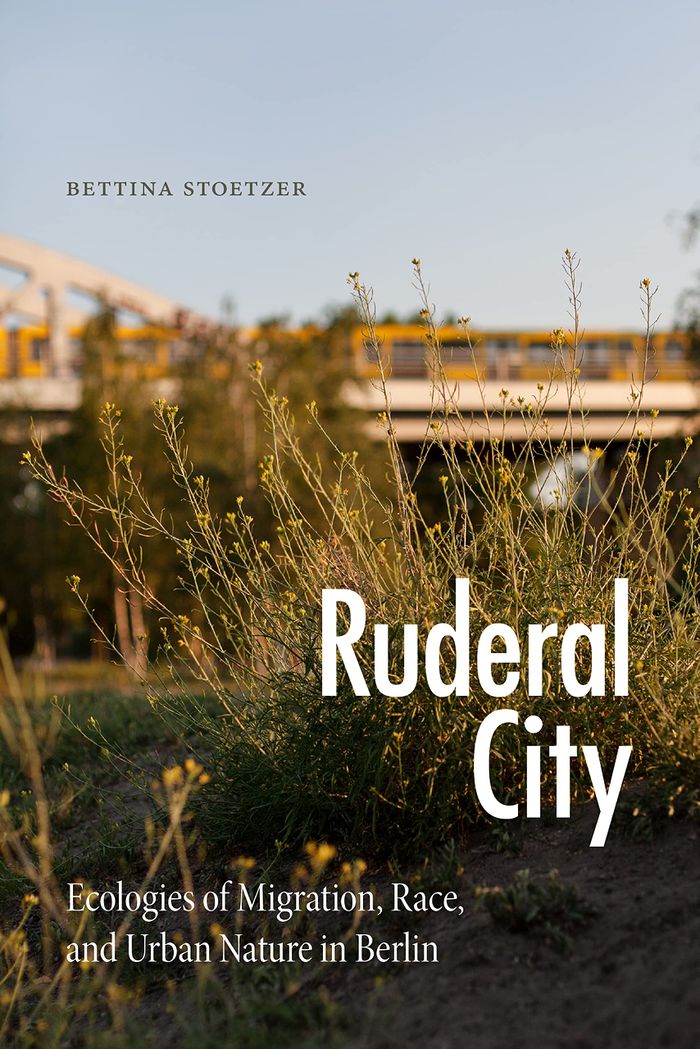
In ''Ruderal city'' Bettina Stoetzer traces relationships among people, plants, and animals in contemporary Berlin as they make their lives in the ruins of European nationalism and capitalism. She develops the notion of the ruderal—originally an ecological designation for the unruly life that inhabits inhospitable environments such as rubble, roadsides, train tracks, and(...)
Title:
Ruderal city: ecologies of migration, race, and urban nature in Berlin
Actions:
Price:
$37.95
(available to order)
Summary:
In ''Ruderal city'' Bettina Stoetzer traces relationships among people, plants, and animals in contemporary Berlin as they make their lives in the ruins of European nationalism and capitalism. She develops the notion of the ruderal—originally an ecological designation for the unruly life that inhabits inhospitable environments such as rubble, roadsides, train tracks, and sidewalk cracks—to theorize Berlin as a “ruderal city.” Stoetzer explores sites in and around Berlin that have figured in German national imaginaries—gardens, forests, parks, and rubble fields—to show how racial, class, and gender inequalities shape contestations over today’s uses and knowledges of urban nature. Drawing on fieldwork with gardeners, botanists, migrant workers, refugees, public officials, and nature enthusiasts while charting human and more-than-human worlds, Stoetzer offers a wide-ranging ethnographic portrait of Berlin’s postwar ecologies that reveals emergent futures in the margins of European cities. Brimming with stories that break down divides between environmental perspectives and the study of migration and racial politics, Berlin’s ruderal worlds help us rethink the space of nature and culture and the categories through which we make sense of urban life in inhospitable times.
Form:
books
books
Publication:
December 2022
December 2022
Subject:
Urban Theory
Urban Theory
Form:
books
books
Actions:
Price:
$35.00
(available to order)
Summary:
Benjamin Franklin secretly loved London more than Philadelphia: it was simply the most exciting place to be in the British Empire. And in the decade before the outbreak of the American Revolution, thousands of his fellow colonists flocked to the Georgian city in its first big wave of American visitors. At the very point of political rupture, mother country and colonies(...)
Title:
When London was capital of America
Actions:
Price:
$35.00
(available to order)
Summary:
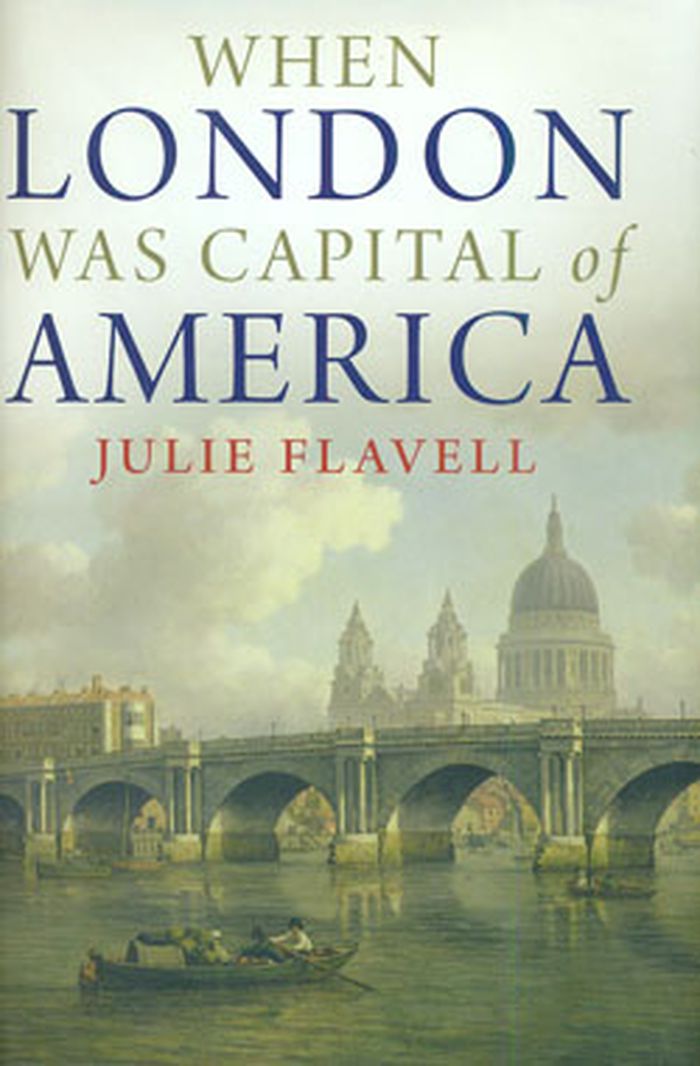
Benjamin Franklin secretly loved London more than Philadelphia: it was simply the most exciting place to be in the British Empire. And in the decade before the outbreak of the American Revolution, thousands of his fellow colonists flocked to the Georgian city in its first big wave of American visitors. At the very point of political rupture, mother country and colonies were socially and culturally closer than ever before. In this first-ever portrait of eighteenth-century London as the capital of America, Julie Flavell recreates the famous city's heyday as the centre of an empire that encompassed North America and the West Indies. The momentous years before independence saw more colonial Americans than ever on London's streets: wealthy Southern plantation owners in quest of culture, slaves hoping for a chance of freedom, Yankee businessmen looking for opportunities in the city, even Ben Franklin seeking a second, more distinguished career. The stories of the colonials, no innocents abroad, vividly recreate a time when Americans saw London as their own and remind us of the complex, multiracial - at times even decadent - nature of America's colonial British heritage.
Form:
books
books
Publication:
June 2010
June 2010
Subject:
History until 1900, Great Britain
History until 1900, Great Britain
Form:
books
books
Actions:
Price:
$59.50
(available to order)
Summary:
From the targeted demolition of Mostar's Stari-Most Bridge in 1993 to the physical and social havoc caused by the 2004 Boxing Day Tsunami, the history of cities is often a history of destruction and reconstruction. But what political and aesthetic criteria should guide us in the rebuilding of cities devastated by war and natural calamities? This publication points to(...)
Title:
Architects without frontiers: war, reconstruction and design responsibility
Actions:
Price:
$59.50
(available to order)
Summary:
From the targeted demolition of Mostar's Stari-Most Bridge in 1993 to the physical and social havoc caused by the 2004 Boxing Day Tsunami, the history of cities is often a history of destruction and reconstruction. But what political and aesthetic criteria should guide us in the rebuilding of cities devastated by war and natural calamities? This publication points to the potential for architects to play important roles in post-war relief and reconstruction. Charlesworth suggests that architects and design professionals have a significant opportunity to assist peace-making and reconstruction efforts in the period immediately after conflict or disaster, when much of the housing, hospital, educational, transport, civic and business infrastructure has been destroyed or badly damaged. Through selected case studies, Charlesworth examines the role of architects, planners, urban designers and landscape architects in three cities following conflict - Beirut, Nicosia and Mostar - three cities where the mental and physical scars of violent conflict still remain. This book expands the traditional role of the architect from 'hero' to 'peacemaker' and discusses how design educators can stretch their wings to encompass the proliferating agendas and sites of civil unrest.
Form:
books
books
Publication:
April 2006
April 2006
Subject:
Architectural Theory
Architectural Theory
Form:
books
books
Price:
$29.95
(available to order)
Summary:
In the late 1990s, three monuments -- Crab Park "Boulder," "Marker of Change," and Standing "with Courage, Strength and Pride" -- were built in Vancouver's Downtown Eastside. Located within a few city blocks of one another, the monuments were grassroots initiatives that challenged the norms of civic art by claiming a place in public space for society's more(...)
Title:
Speaking for a long time : public space & social memory in Vancouver
Actions:
Price:
$29.95
(available to order)
Summary:
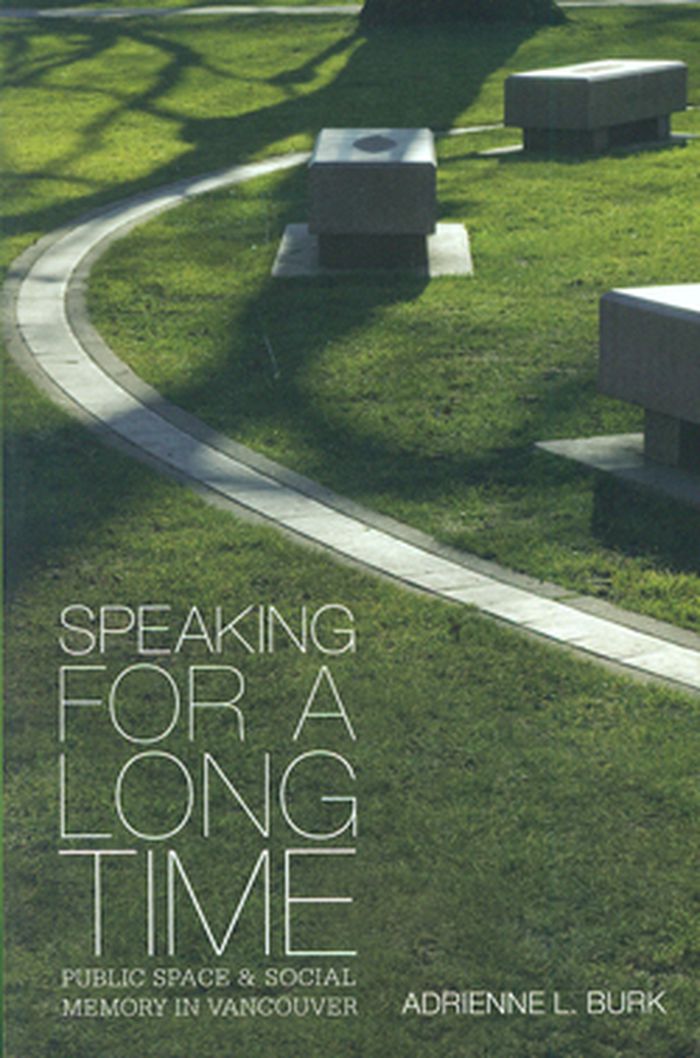
In the late 1990s, three monuments -- Crab Park "Boulder," "Marker of Change," and Standing "with Courage, Strength and Pride" -- were built in Vancouver's Downtown Eastside. Located within a few city blocks of one another, the monuments were grassroots initiatives that challenged the norms of civic art by claiming a place in public space for society's more vulnerable groups, and each figured in debates about many kinds of violence. "Speaking for a Long Time" offers unique insights into the creation of memorials and the multiple, often contested meanings that can be attached to them in local communities. Part 1, "Act," explores the monuments' origin stories and highlights the distinctive perspectives of their founders. Part 2, "Frame," places these narratives in the context of modern debates and theories on public space and social memory. Part 3, "Forge," returns to the Downtown Eastside to show how the resilience and agency of grassroots activists can give the socially marginalized a visible presence in our urban landscapes. This vivid account of the creation of memory-scapes in a marginalized community asks us to reconsider what constitutes public art that will "speak for a long time."
Form:
books
books
Publication:
April 2011
April 2011
Subject:
Architecture in Canada
Architecture in Canada
Form:
books
books
Actions:
Price:
$44.95
(available to order)
Summary:
Essays, projects, and interviews will examine emerging forms of sponsorship, new forms of connectivity - technological or social - that produce innovative modes of collaboration, and strategies for cultivating relationships that allow us to rethink typical hierarchies between those in power and those in service. One could argue that the profession of architecture has(...)
Title:
Beyond patronage: reconsidering models of practice
Actions:
Price:
$44.95
(available to order)
Summary:
Essays, projects, and interviews will examine emerging forms of sponsorship, new forms of connectivity - technological or social - that produce innovative modes of collaboration, and strategies for cultivating relationships that allow us to rethink typical hierarchies between those in power and those in service. One could argue that the profession of architecture has traditionally been characterized by patronage. Throughout the twentieth century, private clients have enabled architects to develop and realize their most significant work. Today, the landscape of patronage is shifting. While the role of private clients is still central to the survival of the profession, an increasing number of architects and design practitioners are actively cultivating partnerships with not-for-profits, granting agencies, educational institutions, and other public organizations. How are these broader relationships redefining the role of patronage in architecture? Have our current economic, ecological, and political climates provoked architecture to confront its own priorities and assumptions? How can the practice of architecture be shaped not only through relationships of power, but also through strategies of empowerment? How are emerging practitioners today grappling with issues of inclusion and exclusion in the field?
Form:
books
books
Publication:
March 2014
March 2014
Subject:
Architectural Theory
Architectural Theory
Form:
books
books
Title:
Lefebvre for architects
Lefebvre for architects
Actions:
Price:
$51.70
(available in store)
Summary:
Contemporary discomfort with romanticism and Utopia arguably obstructs the shift of Lefebvre’s thinking from being objects of theoretical interest into positions of actually influencing practices. Attempting to understand and act upon architecture and the city with Lefebvre but without Utopia and romanticism risks muting the impact of his ideas. Although Utopia may seem(...)
Title:
Lefebvre for architects
Actions:
Price:
$51.70
(available in store)
Summary:
Contemporary discomfort with romanticism and Utopia arguably obstructs the shift of Lefebvre’s thinking from being objects of theoretical interest into positions of actually influencing practices. Attempting to understand and act upon architecture and the city with Lefebvre but without Utopia and romanticism risks muting the impact of his ideas. Although Utopia may seem to have no place in the present, Lefebvre reveals this as little more than a self-serving affirmation that ‘there is no alternative’ to social and political detachment. Demanding the impossible may end in failure but as Lefebvre shows us, doing so is the first step towards other possibilities. To think with Lefebvre is to think about Utopia, doing so makes contact with what is most enduring about his project for the city and its inhabitants, and with what is most radical about it as well. "Lefebvre for architects" offers a concise account of the relevance of Henri Lefebvre’s writing for the theory and practice of architecture, planning and urban design. This book is accessible for students and practitioners who wish to fully engage with the design possibilities offered by Lefebvre’s philosophy.
Form:
books
books
Publication:
February 1993
February 1993
Subject:
Architectural Theory
Architectural Theory
Form:
books
books
Actions:
Price:
$72.00
(available to order)
Summary:
In every segment of retail, countless products compete for our attention. Whether fashion, cosmetics, furnishings, accessories, or gourmet food, the range of goods is overwhelming. Designers and manufacturers are faced with the daunting challenge of setting their products apart to reach their target audiences. The best ones captivate us by telling fascinating(...)
Subject:
Industrial Design
Industrial Design
Publication:
September 2015
September 2015
Title:
The still life: in product presentation and editorial design
Actions:
Price:
$72.00
(available to order)
Summary:
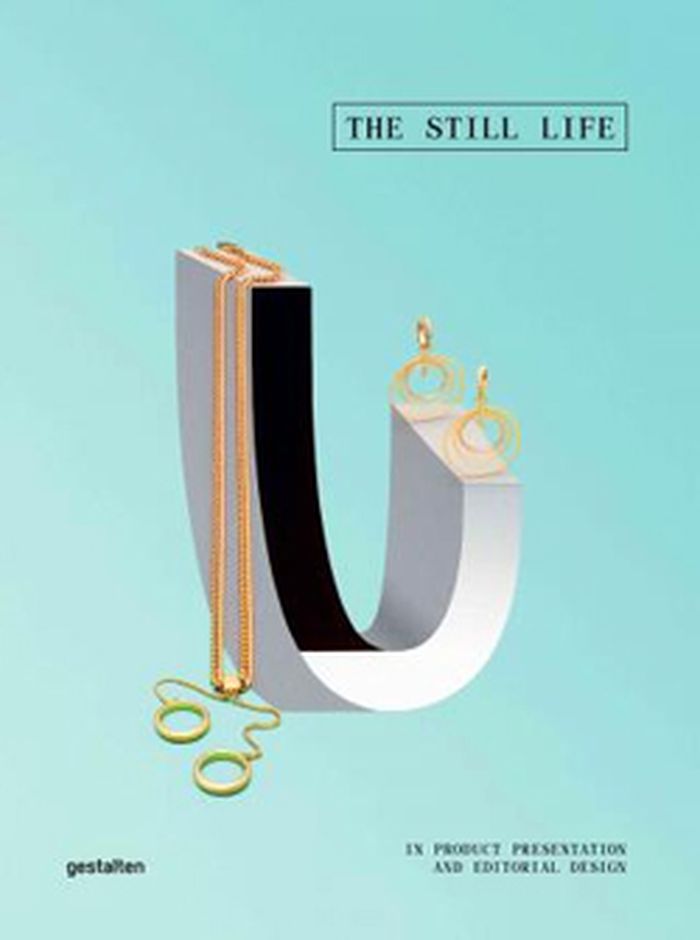
In every segment of retail, countless products compete for our attention. Whether fashion, cosmetics, furnishings, accessories, or gourmet food, the range of goods is overwhelming. Designers and manufacturers are faced with the daunting challenge of setting their products apart to reach their target audiences. The best ones captivate us by telling fascinating stories or creating compelling retail spaces and experiences. The Still Life compiles striking editorial photography, innovative shop window displays, and intelligent visual merchandising that succeed in doing exactly that. The featured work is created by imaginative stylists and photographers who arrange products, objects, and materials in unusual ways. Distinctive worlds of images result that are reminiscent of Baroque and Renaissance still life paintings in which arrangements of flowers, fruit, musical instruments, and other objects were used as powerful allegories for various aspects of life and death. Today's creatives are developing new visual storytelling techniques for engaging customers. The Still Life showcases their entire spectrum. The book illustrates how a combination of quality handcraft and inspired flair are being used to put familiar products, such as gardening tools, cutlery, purses, writing implements, or jewelry, into surprising new contexts, ranging from minimalistic understatement to opulent glamour.
Form:
books
books
Publication:
September 2015
September 2015
Subject:
Industrial Design
Industrial Design
Form:
books
books
Title:
Mapping Malcolm
Mapping Malcolm
Actions:
Price:
$38.00
(available in store)
Summary:
"For Harlem is where he worked and where he struggled and fought—his home of homes, where his heart was, and where his people are." Nearly sixty years since the martyrdom of Malcolm X, these words from Ossie Davis’s eulogy remind us that Malcolm’s political and religious beliefs and conceptions of culture have profoundly shaped and been shaped by Harlem. "Mapping Malcolm"(...)
Title:
Mapping Malcolm
Actions:
Price:
$38.00
(available in store)
Summary:
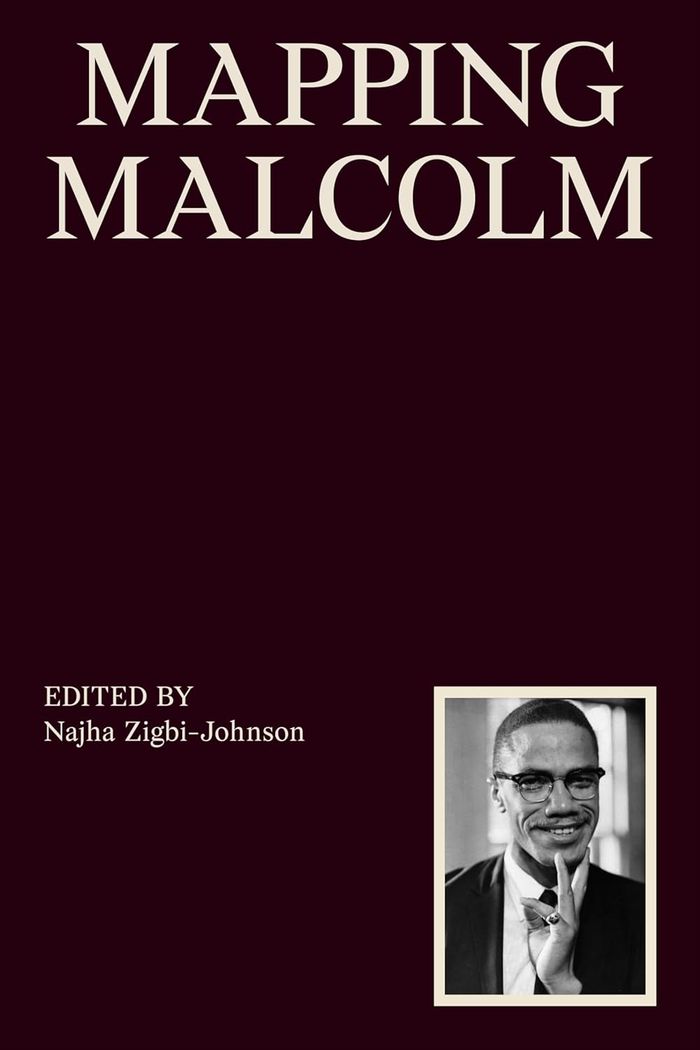
"For Harlem is where he worked and where he struggled and fought—his home of homes, where his heart was, and where his people are." Nearly sixty years since the martyrdom of Malcolm X, these words from Ossie Davis’s eulogy remind us that Malcolm’s political and religious beliefs and conceptions of culture have profoundly shaped and been shaped by Harlem. "Mapping Malcolm" continues the project of reinscribing Malcolm X’s memory and legacy in the present by exploring his commitment to community building and his articulation of a global power analysis as it continues to manifest across New York City today. More specifically, the book explores the limits and possibilities of the archive, the political, material, and philosophical legacy of the Black radical tradition, the Black diaspora, and the state. Oriented toward sovereignty and liberation, ''Mapping Malcolm'' brings together artists, community organizers, and scholars to consider the politics of Black space-making in Harlem through a range of historical, cultural, and anti-imperialist worldviews designed to offer new, reparatory pedagogical possibilities. Together, they reconfigure how we understand, employ, and carry forward Malcolm X’s sociopolitical, cross-cultural analyses of justice and power as an everyday praxis in the built environment and beyond.
Form:
books
books
Publication:
May 2024
May 2024
Subject:
Social
Social
Form:
books
books
Actions:
Price:
$95.00
(available in store)
Summary:
"The anatomy of the architectural book" examines approaches to structuring, constructing and designing architectural books and traces how they have changed over time. The discipline has been exposed to debates, just as building construction has been exposed to the charms of book making. Examining the crossovers between book culture and building culture makes the axes(...)
Title:
The anatomy of the architectural book, 2nd edition
Actions:
Price:
$95.00
(available in store)
Summary:
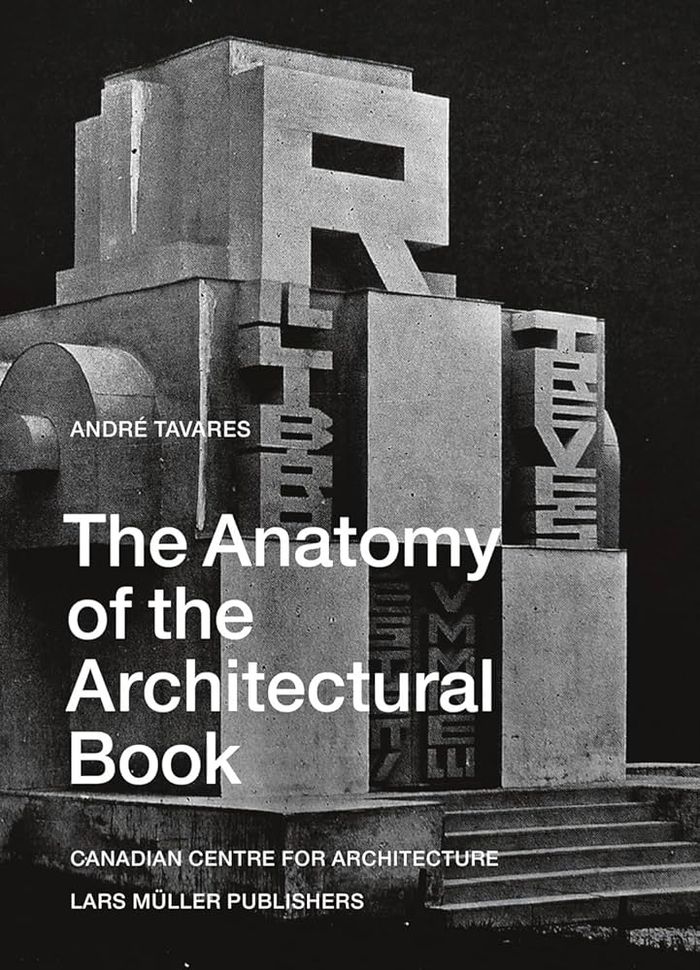
"The anatomy of the architectural book" examines approaches to structuring, constructing and designing architectural books and traces how they have changed over time. The discipline has been exposed to debates, just as building construction has been exposed to the charms of book making. Examining the crossovers between book culture and building culture makes the axes visible along which architectural knowledge circulates through books into buildings and back – from the celebration of specific architectural practices to the production of unique books, using pages and print to convey architectural ideas. Dissecting a wealth of books through five conceptual tools – texture, surface, rhythm, structure and scale – André Tavares analyzes the material qualities of books in order to assess their crossovers with architectural knowledge. The detailed history of Sigfried Giedion’s Befreites Wohnen and the two incarnations of the Crystal Palace in Hyde Park and Sydenham provide a background that confront us not only with the rise of the industrialized book but also with the configuration of the book as a unique visual device. Richly illustrated with samples from the library of the Canadian Centre for Architecture, the volume discusses a wide range of authors, including Vitruvius, William Morris, Gottfried Semper, El Lissitzky and Le Corbusier.
Form:
books
books
Publication:
November 2024
November 2024
Subject:
Architectural Theory
Architectural Theory
Form:
books
books
Title:
Walker Evans
Walker Evans
Actions:
Price:
$37.50
(available to order)
Summary:
Walker Evans (1903-1975) is best known for documenting the people and living conditions of the American South during the Great Depression. But his photographic accomplishments were much broader than these famous images: modernist views of New York City, such as his Flatiron Building, New York (1928-29) and Brooklyn Bridge (1929); architectural studies of Victorian homes(...)
Title:
Walker Evans
Actions:
Price:
$37.50
(available to order)
Summary:
Walker Evans (1903-1975) is best known for documenting the people and living conditions of the American South during the Great Depression. But his photographic accomplishments were much broader than these famous images: modernist views of New York City, such as his Flatiron Building, New York (1928-29) and Brooklyn Bridge (1929); architectural studies of Victorian homes and other buildings in Boston, Cape Cod, Saratoga Springs, and small towns in upstate New York; a series of spontaneous and surreptitious portraits taken on the Manhattan subway; scenes from Cuba in the 1930s; and his commercial assignments as a staff photographer and writer for Fortune magazine. The familiar work from his Farm Security Administration project is also here-views of the rural South immortalized in his collaborative book with James Agee, Let Us Now Praise Famous Men, along with urban images from New Orleans and Savannah. Essays by Christian A. Peterson, associate curator of photography at The Minneapolis Institute of Arts, describe Evans's photographic vision and include information about the acquisition history of many of the photographs in this book. Illustrated with almost one hundred high-quality black-and-white photographs, Walker Evans presents the full breadth of Evans's expansive and varied photographic art.
Form:
books
books
Publication:
July 2003, Minneapolis
July 2003, Minneapolis
Subject:
Photography monographs
Photography monographs


