


5088 Results
Form:
books
books
Title:
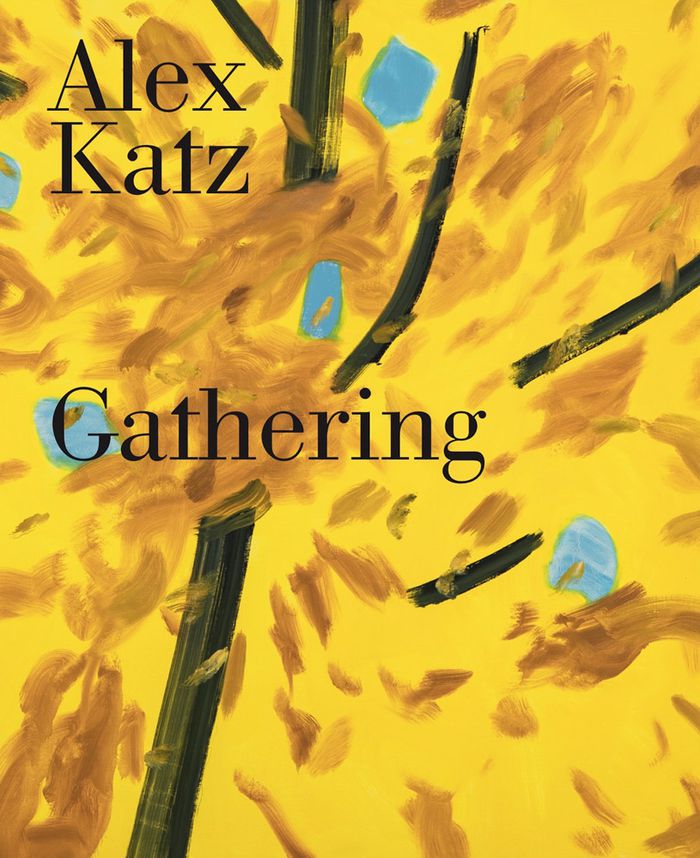
Alex Katz: Gathering
Alex Katz: Gathering
Actions:
Price:
$97.95
(available to order)
Summary:
Across decades of intense creative production, Alex Katz has sought to capture a state of ''absolute awareness'' in paint. Whether evoking a glancing exchange between friends or a shaft of light filtered through trees, he has aimed to create a record of ''quick things passing,'' compressing the flux of everyday life into a condensed burst of optical perception. Published(...)
Subject:
Contemporary Art Monographs
Contemporary Art Monographs
Publication:
December 2022
December 2022
Title:
Alex Katz: Gathering
Actions:
Price:
$97.95
(available to order)
Summary:
Across decades of intense creative production, Alex Katz has sought to capture a state of ''absolute awareness'' in paint. Whether evoking a glancing exchange between friends or a shaft of light filtered through trees, he has aimed to create a record of ''quick things passing,'' compressing the flux of everyday life into a condensed burst of optical perception. Published on the occasion of the artist’s first US career retrospective in more than 30 years, ''Alex Katz: Gathering'' offers a definitive account of Katz’s artistic project, demonstrating both its marked coherence and restless evolution. Generously illustrated, the book features the full breadth of the artist’s work across mediums and formats, from intimate sketches of riders on the New York City subway in the late 1940s to the rapturous, monumentally scaled landscapes that have dominated his recent production. Essays by artists, writers and art historians offer fresh, authoritative overviews of the artist’s practice alongside more focused considerations of specific facets of his art, including his flower paintings, collages, prints, freestanding ''cutouts'' and set design collaborations with the Paul Taylor Dance Company. A sourcebook of historical reviews, essays and poems rounds out the volume, which offers an overdue reassessment of the artist’s oeuvre.
Form:
books
books
Publication:
December 2022
December 2022
Subject:
Contemporary Art Monographs
Contemporary Art Monographs
Form:
journals and magazines
journals and magazines
Actions:
Author:
Subject:
Publication:
Chicago, Ill. : University of Chicago Press, 1933-
Chicago, Ill. : University of Chicago Press, 1933-
Form:
journals and magazines
journals and magazines
Publication:
Chicago, Ill. : University of Chicago Press, 1933-
Chicago, Ill. : University of Chicago Press, 1933-
Author:
Subject:
Form:
books
books
Price:
$39.95
(available to order)
Summary:
How human behavior brought our world to the brink, and how human behavior can save us. The world is a mess. Our dire predicament, from collapsing social structures to the climate crisis, has been millennia in the making and can be traced back to the erroneous belief that the earth's resources are infinite. The key to change, says Don Norman, is human behavior, covered(...)
Title:
Design for a better world: meaningful, sustainable, humanity centered
Actions:
Price:
$39.95
(available to order)
Summary:
How human behavior brought our world to the brink, and how human behavior can save us. The world is a mess. Our dire predicament, from collapsing social structures to the climate crisis, has been millennia in the making and can be traced back to the erroneous belief that the earth's resources are infinite. The key to change, says Don Norman, is human behavior, covered in the book's three major themes: meaning, sustainability, and humanity-centeredness. Emphasize quality of life, not monetary rewards; restructure how we live to better protect the environment; and focus on all of humanity. ''Design for a better world'' presents an eye-opening diagnosis of where we've gone wrong and a clear prescription for making things better. Norman proposes a new way of thinking, one that recognizes our place in a complex global system where even simple behaviors affect the entire world. He identifies the economic metrics that contribute to the harmful effects of commerce and manufacturing and proposes a recalibration of what we consider important in life. His experience as both a scientist and business executive gives him the perspective to show how to make these changes while maintaining a thriving economy. Let the change begin with this book before it's too late.
Form:
books
books
Publication:
March 2023
March 2023
Subject:
Design Theory
Design Theory
Form:
books
books
Price:
$66.00
(available to order)
Summary:
The architectural drawing might seem to be a quintessentially modern form, and indeed many histories of the genre begin in the early modern period with Italian Renaissance architects such as Alberti. Yet the Middle Ages also had a remarkably sophisticated way of drawing and writing about architecture. ''God’s own language'' takes us to twelfth-century Paris, where a(...)
Title:
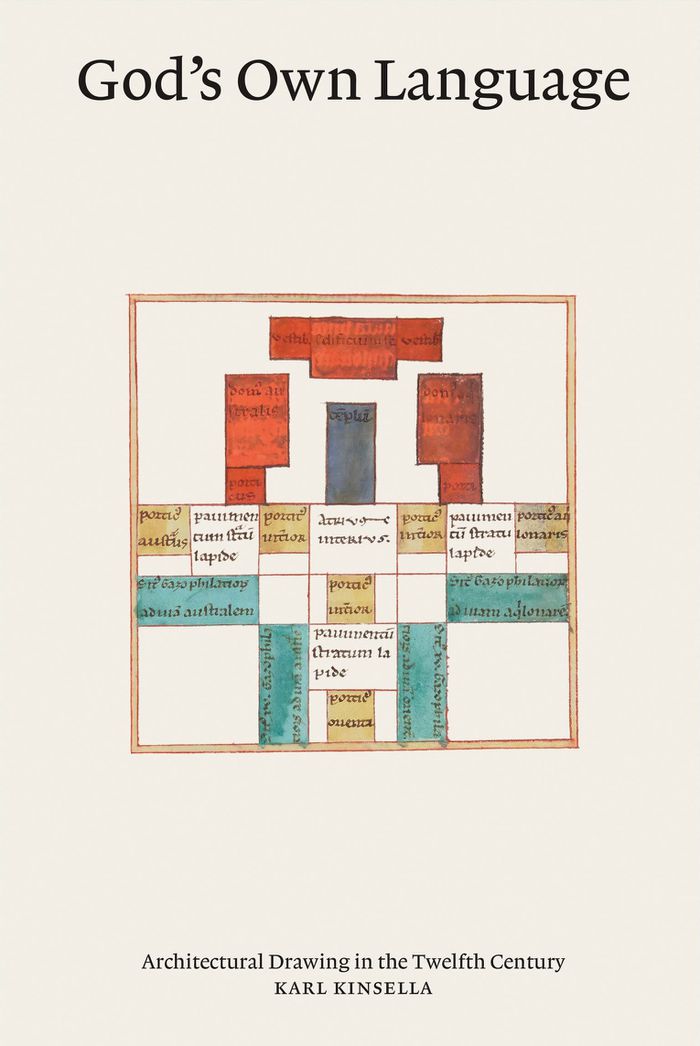
God's own language: Architectural drawing in the twelfth century
Actions:
Price:
$66.00
(available to order)
Summary:
The architectural drawing might seem to be a quintessentially modern form, and indeed many histories of the genre begin in the early modern period with Italian Renaissance architects such as Alberti. Yet the Middle Ages also had a remarkably sophisticated way of drawing and writing about architecture. ''God’s own language'' takes us to twelfth-century Paris, where a Scottish monk named Richard of Saint Victor, along with his mentor Hugh, developed an innovative visual and textual architectural language. In the process, he devised techniques and terms that we still use today, from sectional elevations to the word “plan.” Surprisingly, however, Richard’s detailed drawings appeared not in an architectural treatise but in a widely circulated set of biblical commentaries. Seeing architecture as a way of communicating with the divine, Richard drew plans and elevations for such biblical constructions as Noah’s ark and the temple envisioned by the prophet Ezekiel. Interpreting Richard and Hugh’s drawings and writings within the context of the thriving theological and intellectual cultures of medieval Paris, Karl Kinsella argues that the popularity of these works suggests that, centuries before the Renaissance, there was a large circle of readers with a highly developed understanding of geometry and the visual language of architecture.
Form:
books
books
Publication:
June 2023
June 2023
Subject:
Architectural Theory
Architectural Theory
Form:
books
books
Actions:
Price:
$86.00
(available to order)
Summary:
From December 9, 2023 to April 21, 2024, the Fondation Cartier pour l’art contemporain presents an exhibition created by the Indian architecture studio, Studio Mumbai, directed by Bijoy Jain. Inspired by the rhythm of breathing, this exhibition offers a space for reverie and contemplation in dialogue with Jean Nouvel’s building. Born in 1965 in Mumbai, Bijoy Jain created(...)
Title:
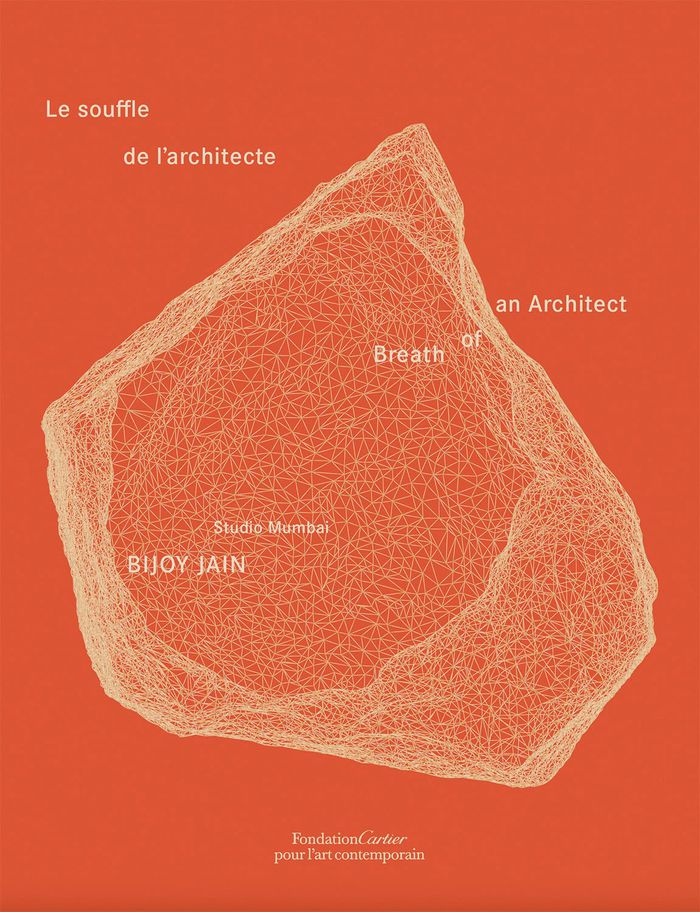
Bijoy Jain / Studio Mumbai: Breath of an architect
Actions:
Price:
$86.00
(available to order)
Summary:
From December 9, 2023 to April 21, 2024, the Fondation Cartier pour l’art contemporain presents an exhibition created by the Indian architecture studio, Studio Mumbai, directed by Bijoy Jain. Inspired by the rhythm of breathing, this exhibition offers a space for reverie and contemplation in dialogue with Jean Nouvel’s building. Born in 1965 in Mumbai, Bijoy Jain created Studio Mumbai in 2005. Exploring the links between art, architecture and materials, this human-scale organization is composed of craftsmen and architects who design and build each project themselves, using local resources. Bijoy Jain / Studio Mumbai participated in many exhibitions around the world, including the Venice (2010, 2016) and Chicago (2017) architecture biennals. For the Fondation Cartier, Bijoy Jain unites man and nature, light and shadow, bamboo, brick and stone to form a meditative landscape taking us into the heart of creation. Sculptures, objects and furniture interact with artworks by Chinese painter Hu Liu and Turkish ceramist Alev Ebüzziya Siesbye, invited by the architect, revealing a shared sensibility and ethos between these artists. The catalog published in conjunction with the exhibition invites readers to discover Bijoy Jain’s aesthetics and philosophy. Conceived as a work-in-progress of the exhibition, this book focuses on the artist’s drawings, photographs of his studio and works in the making.
Form:
books
books
Publication:
January 2024
January 2024
Subject:
Architecture Monographs
Architecture Monographs
Form:
books
books
Actions:
Price:
$39.95
(available in store)
Summary:
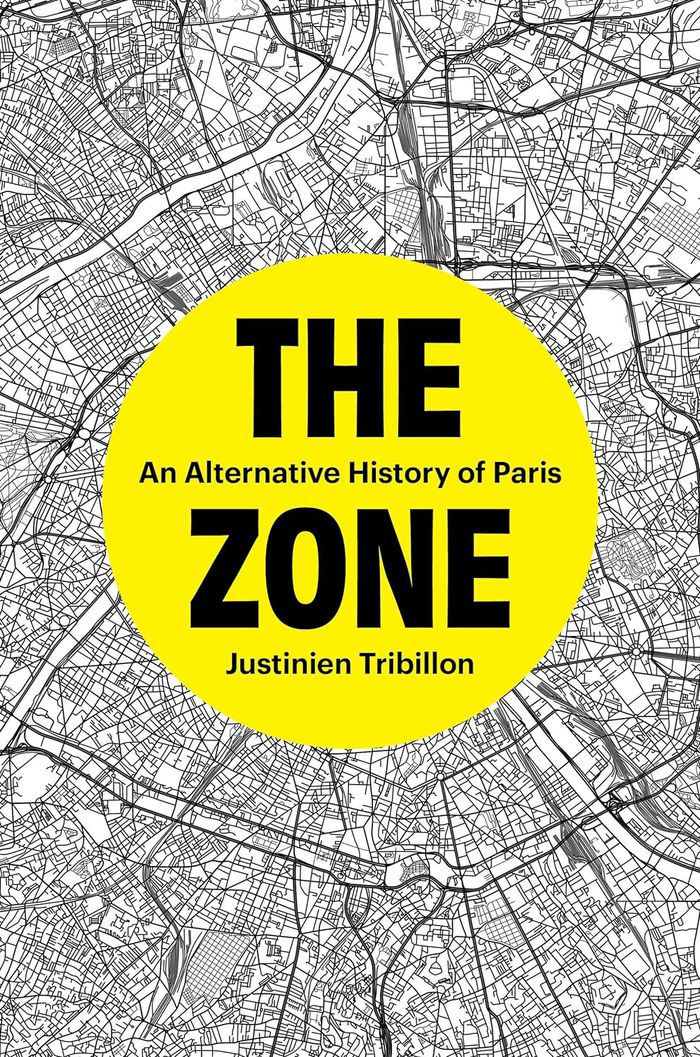
In "The Zone," Justinien Tribillon takes the reader on a tour of an eponymous Parisian hinterland. The site of dreams and nightmares, from Van Gogh’s paintings to the cinematic violence of La Haine, the Zone, so often misunderstood, is the key to understanding today’s Paris, and even France itself. Originally the site of defensive walls, alongside which mushroomed(...)
Title:
The zone: An alternative history of Paris
Actions:
Price:
$39.95
(available in store)
Summary:
In "The Zone," Justinien Tribillon takes the reader on a tour of an eponymous Parisian hinterland. The site of dreams and nightmares, from Van Gogh’s paintings to the cinematic violence of La Haine, the Zone, so often misunderstood, is the key to understanding today’s Paris, and even France itself. Originally the site of defensive walls, alongside which mushroomed makeshift housing, allotments, and dancehalls in the nineteenth century, the Zone has performed many functions and been a place of contention for two centuries. Dismantled in the 1920s, the fortifications were first replaced with gardens, stadia and homes. After the war came the Boulevard Périphérique, a ring road promising seamless travel in a futuristic car-centric Paris. With the ring road came new dreams of modernity in reinvented suburbs: new towns, high-rise architecture and social housing built at record speed. Yesterday’s Paris made way for tomorrow’s banlieue. But the metropolitan dream was never realised. The Zone became a symbol of division: between inner and outer cities; between the bourgeois centre and the working-class immigrant outskirts; between ‘us’ and ‘them’. The Zone, both a physical space and a powerful myth, came to crystallise the social, spatial and ethno-racial differences between Paris and the banlieue.
Form:
books
books
Publication:
July 2024
July 2024
Subject:
Urban Theory
Urban Theory
Form:
books
books
Actions:
Price:
$26.95
(available to order)
Summary:
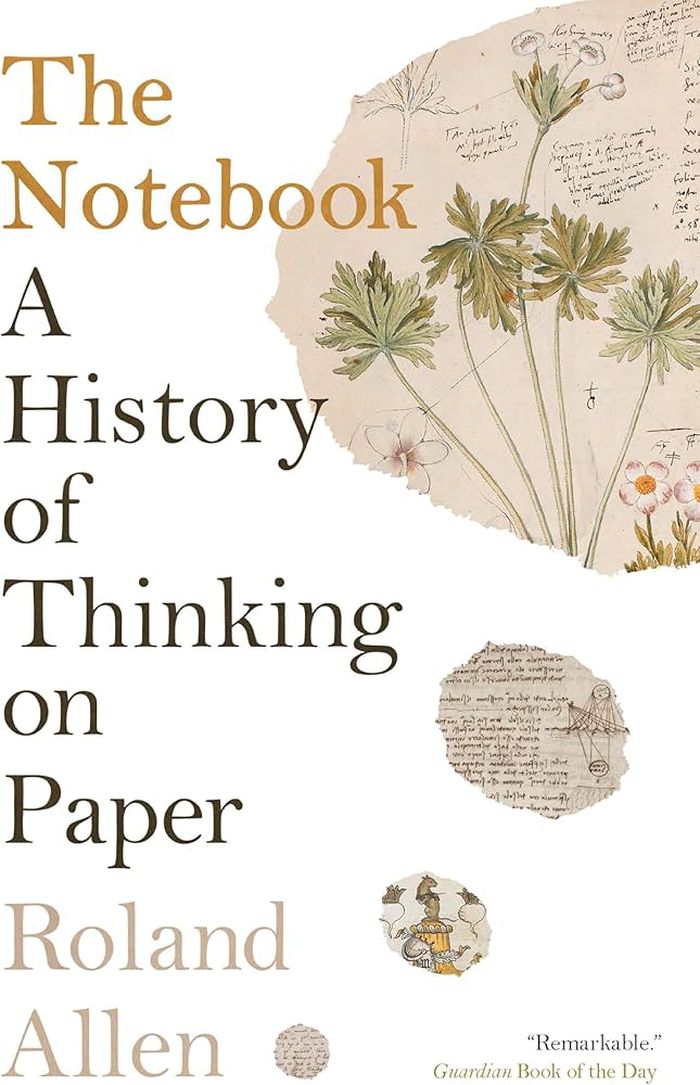
We see notebooks everywhere we go. But where did these indispensable implements come from? How did they revolutionize our lives? And how can using a notebook help change the way you think? In this wide-ranging history, Roland Allen reveals how the notebook became our most dependable and versatile tool for creative thinking. He tells the notebook stories of Leonardo and(...)
Title:
The notebook: A history of thinking on paper
Actions:
Price:
$26.95
(available to order)
Summary:
We see notebooks everywhere we go. But where did these indispensable implements come from? How did they revolutionize our lives? And how can using a notebook help change the way you think? In this wide-ranging history, Roland Allen reveals how the notebook became our most dependable and versatile tool for creative thinking. He tells the notebook stories of Leonardo and Frida Kahlo, Isaac Newton and Marie Curie, and writers from Chaucer to Henry James; shows how Darwin developed his theory of evolution in tiny pocket books and Agatha Christie plotted a hundred murders in scrappy exercise books; and introduces a host of cooks, kings, sailors, fishermen, musicians, engineers, politicians, adventurers, and mathematicians, all of whom used their notebooks as a space to think—and in doing so, shaped the modern world. In an age of AI and digital overload, the humble notebook is more relevant than ever. Allen shows how bullet points can combat ADHD, journals can ease PTSD, and patient diaries soften the trauma of reawakening from coma. The everyday act of moving a pen across paper, he finds, can have profound consequences, changing the way we think and feel: making us more creative, more productive—and maybe even happier.
Form:
books
books
Publication:
September 2024
September 2024
Subject:
Literature and poetry
Literature and poetry
Form:
books
books
Actions:
Price:
$46.95
(available in store)
Summary:
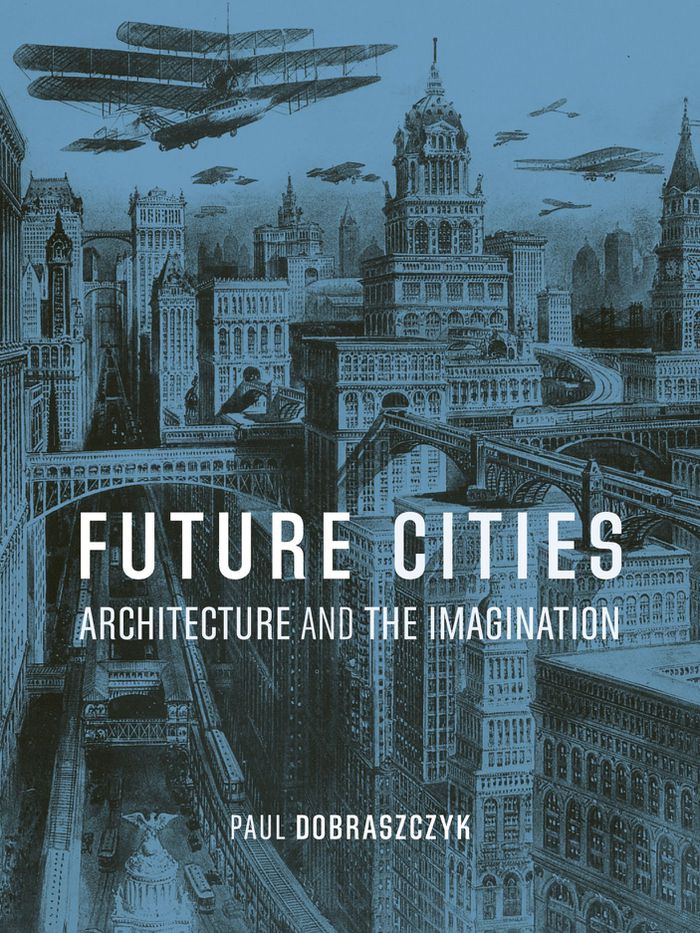
Though reaching ever further toward the skies, today’s cities are overshadowed by multiple threats: climate change, overpopulation, social division, and urban warfare all endanger our metropolitan way of life. The fundamental tool we use to make sense of these uncertain city futures is the imagination. Architects, artists, filmmakers, and fiction writers have long been(...)
Title:
Future cities: Architecture and the imagination
Actions:
Price:
$46.95
(available in store)
Summary:
Though reaching ever further toward the skies, today’s cities are overshadowed by multiple threats: climate change, overpopulation, social division, and urban warfare all endanger our metropolitan way of life. The fundamental tool we use to make sense of these uncertain city futures is the imagination. Architects, artists, filmmakers, and fiction writers have long been inspired to imagine cities of the future, but their speculative visions tend to be seen very differently from scientific predictions: flights of fancy on the one hand versus practical reasoning on the other. In a digital age when the real and the fantastic coexist as near equals, it is especially important to know how these two forces are entangled, and how together they may help us best conceive of cities yet to come. Exploring a breathtaking range of imagined cities—submerged, floating, flying, vertical, underground, ruined, and salvaged—Future Cities teases out the links between speculation and reality, arguing that there is no clear separation between the two. In the Netherlands, prototype floating cities are already being built; Dubai’s recent skyscrapers resemble those of science-fiction cities of the past; while makeshift settlements built by the urban poor in the developing world are already like the dystopian cities of cyberpunk.
Form:
books
books
Publication:
March 2025
March 2025
Subject:
Architectural Theory
Architectural Theory
Form:
books
books
Actions:
Price:
$75.00
(available to order)
Summary:
No Man’s Land’ is a surreal and terrifying place, a world at once horrific and hilarious. We know that human beings people these places, but they have scurried away, leaving behind nothing but furniture, machines, instruments, walls, floors, lighting – the impersonal, neutral artefacts of modern existence. An air of claustrophobia hangs over everything: there is no way in(...)
Subject:
Photography monographs
Photography monographs
Publication:
October 2001, London
October 2001, London
Title:
No man's land : the photography of Lynne Cohen
Actions:
Price:
$75.00
(available to order)
Summary:
No Man’s Land’ is a surreal and terrifying place, a world at once horrific and hilarious. We know that human beings people these places, but they have scurried away, leaving behind nothing but furniture, machines, instruments, walls, floors, lighting – the impersonal, neutral artefacts of modern existence. An air of claustrophobia hangs over everything: there is no way in and no way out of such stifling spaces, either physically or ideologically. We need a good deal of persuading that environments as extraordinary as these actually exist in the real world. But they do, and for thirty years Lynne Cohen has been searching them out and recording them. She collects fragments of the real world photographically and turns them into found installations. ‘From the first photographs I made’, she has said, ‘I felt the world couldn’t be like this. It seemed as if it was full of finished works of art.’ Her fascination with synthetic materials adds a further distancing coldness to these disturbing images. These are images that force us to ask ourselves what kind of world we have made. "No Man’s Land" includes a critique of Cohen’s work by photographic curator Ann Thomas, an interview with the photographer, and a preface by Pierre Théberge and William A. Ewing
Form:
books
books
Publication:
October 2001, London
October 2001, London
Subject:
Photography monographs
Photography monographs
Form:
books
books
Actions:
Price:
$6.99
(available to order)
Summary:
"Design for life: the architecture of Sim Van der Ryn" surveys the work and principles of Sim Van der Ryn, a world leader in the field of sustainable architecture. Sharing his years of experience as a teacher and using his building designs as examples, the author shows us that buildings are not objects but organisms, and cities are not machines but complex ecosystems.(...)
Publication:
May 2005, Salt Lake City
May 2005, Salt Lake City
Title:
Design for life : the architecture of Sim Van der Ryn
Actions:
Price:
$6.99
(available to order)
Summary:
"Design for life: the architecture of Sim Van der Ryn" surveys the work and principles of Sim Van der Ryn, a world leader in the field of sustainable architecture. Sharing his years of experience as a teacher and using his building designs as examples, the author shows us that buildings are not objects but organisms, and cities are not machines but complex ecosystems. "Design for life" illustrates how Van der Ryn came to see the shifting patterns in nature and how these patterns profoundly affect how people live and work in the structures we build. Van der Ryn explores how architecture has created physical and mental barriers that separate people from the natural world, and how to recover the soul of architecture and reconnect with our natural surroundings. Appointed California State Architect by then-Governor Jerry Brown, Van der Ryn introduced the nation's first energy-efficient government building projects. His vision heralded a Golden Age of ecologically sensitive design and resulted in the adoption of strict energy standards and disability access standards for all state buildings and parks. Van der Ryn has helped inspire architects to see the myriad ways they can apply physical and social ecology to architecture and environmental design.
Form:
books
books
Publication:
May 2005, Salt Lake City
May 2005, Salt Lake City


