


504 Results
Form:
books
books
Title:
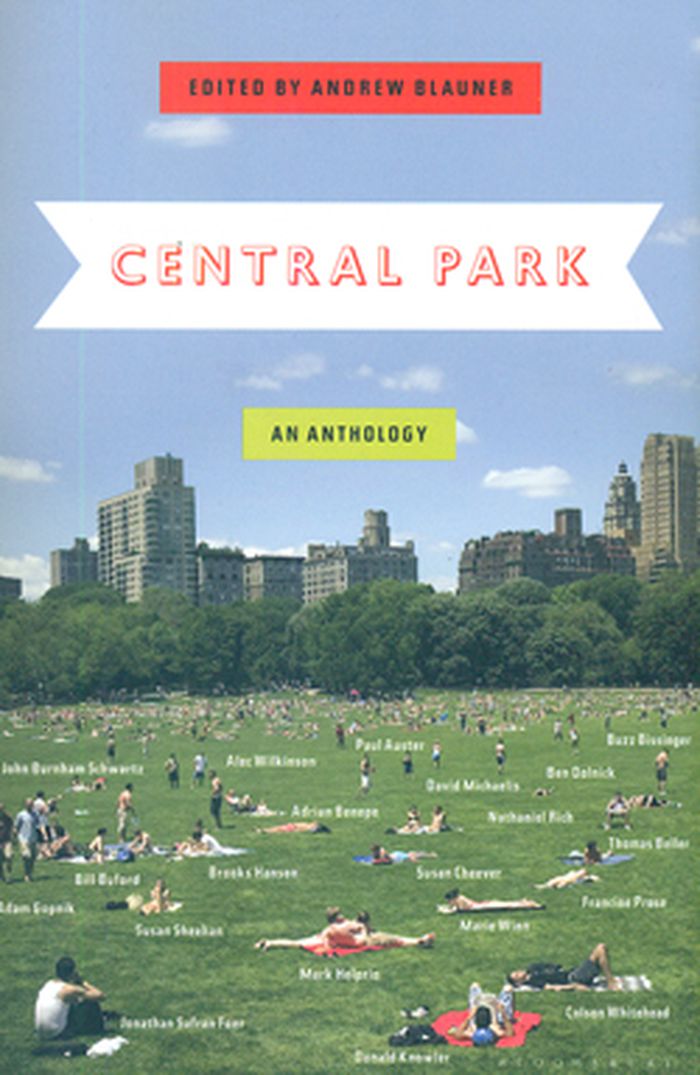
Central park : an anthology
Central park : an anthology
Actions:
Price:
$18.00
(available to order)
Summary:
In a city where people can live sixty-three thousand to a square mile, Central Park is an escape, adventure, meditation, memory, and amusement, and this anthology, comprising the work of some of New York's literary luminaries, is a charming 21-essay tribute to what is probably the most closely watched and monitored 843 acres on Earth. Marie Winn pens a funny letter to(...)
Title:
Central park : an anthology
Actions:
Price:
$18.00
(available to order)
Summary:
In a city where people can live sixty-three thousand to a square mile, Central Park is an escape, adventure, meditation, memory, and amusement, and this anthology, comprising the work of some of New York's literary luminaries, is a charming 21-essay tribute to what is probably the most closely watched and monitored 843 acres on Earth. Marie Winn pens a funny letter to Holden Caulfield about what happens to the park's ducks in winter; Bill Buford tries sleeping there one night; and Nathaniel Rich gives the sentimental history of an annual Thanksgiving touch-football game (the "Turkey-Lurkey Bowl"). Othersa Susan Cheever, Colson Whitehead, Adam Gopnik, and Paul Auster among thema fish for carp, run past Jackie Kennedy, befriend goats at the zoo, and explore the place "where nature is so beautifully and spectacularly kept on a leash." But it wasn't always so: the masterpiece of Frederick Law Olmstead and Calvert Vaux was, at times, a "municipal embarrassment," the site of muggings, murders, anda rumor had ita "a nightmarish water fountain that dribbled raw sewage into the mouths of toddlers." It's clear, by the collection's range, that there must be at least as many Central Parks as there are annual visitors and that's close to 40 million.
Form:
books
books
Publication:
March 2012
March 2012
Subject:
Architectural Theory
Architectural Theory
Form:
books
books
Actions:
Price:
$55.95
(available to order)
Summary:
"You press the button, we do the rest." Kodak used this slogan in ads for the first box cameras, introduced by George Eastman in 1888. From then on, virtually anyone could take pictures--the snapshot was born!~Without exception, the amateur photos presented in "Snapshots: the eye of the century" capture what are essentially ordinary moments--yet every trace of banality(...)
Title:
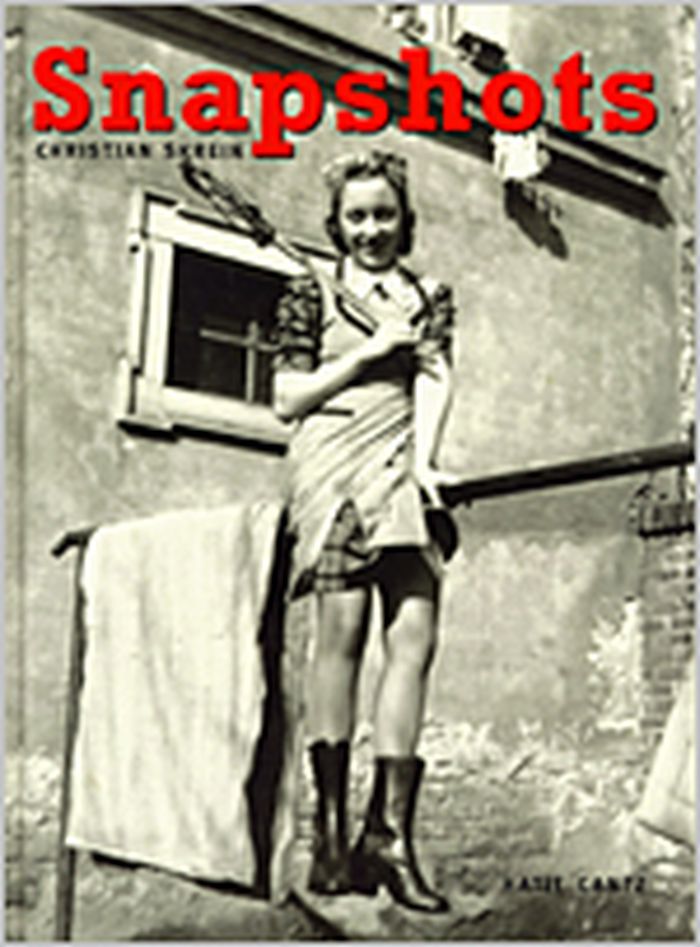
Snapshots : the eye of the century
Actions:
Price:
$55.95
(available to order)
Summary:
"You press the button, we do the rest." Kodak used this slogan in ads for the first box cameras, introduced by George Eastman in 1888. From then on, virtually anyone could take pictures--the snapshot was born!~Without exception, the amateur photos presented in "Snapshots: the eye of the century" capture what are essentially ordinary moments--yet every trace of banality disappears once they are removed from the context of personal biography. Sometimes the moment is right, and art just "happens," in the form of double or multiple exposures, slipped horizons, or curious details that enter the picture frame because the camera moved just as the shutter was released. Christian R. Skrein-Bumballa, an artist and a former professional photographer, has tracked down and collected thousands of these treasures, which can be viewed as part of our visual heritage. His impressive selection of photographs is here arranged thematically, and at its heart we find the essentials of the human condition: joy and pain, visualized in the decisive moment in which history stands still for a fraction of a second. Snapshots features the most aesthetically notable and otherwise curious photographs from the S.A.S. Snapshots Archiv Skrein, a collection of nearly one million snapshots from all over the world.
Form:
books
books
Publication:
June 2004, Ostfildern
June 2004, Ostfildern
Subject:
Photography Periods and Styles
Photography Periods and Styles
Form:
books
books
Title:
Treatise on elegant living
Treatise on elegant living
Actions:
Price:
$16.00
(available to order)
Summary:
Honoré de Balzac's 1830 Treatise on Elegant Living was a keystone text on dandyism, preceding Jules Barbey d'Aurevilly's Anatomy of Dandyism (1845) and Charles Baudelaire's “The Dandy” (in The Painter of Modern Life, 1863), and marking an important shift from the early dandyism of the British Regency to the intellectual and artistic dandyism of nineteenth-century France.(...)
Title:
Treatise on elegant living
Actions:
Price:
$16.00
(available to order)
Summary:
Honoré de Balzac's 1830 Treatise on Elegant Living was a keystone text on dandyism, preceding Jules Barbey d'Aurevilly's Anatomy of Dandyism (1845) and Charles Baudelaire's “The Dandy” (in The Painter of Modern Life, 1863), and marking an important shift from the early dandyism of the British Regency to the intellectual and artistic dandyism of nineteenth-century France. The Treatise is the first true philosophical expression of dandyism, and is full of well-crafted aphorisms: “Elegant living is, in the broad acceptance of the term, the art of animating repose,” runs one classic definition of dandyism, and “One must have studied at least as far as rhetoric to lead an elegant life” asserts the importance of verbal pirouette and dexterous quipping to the dandy. Further embellished with anecdotes and historical and personal illustrations, Balzac's Treatise even features a fictitious encounter with the original dandy himself, Beau Brummell. Never before translated into English, this witty tract makes for an illuminating cornerstone to Balzac's Human Comedy (which was originally to have included a never-completed four-part philosophical “Pathology of Social Life”). Above all, it represents a decisive moment in the history of dandyism, and an entertaining exposition on the profundities of what lies deepest within all of us: our appearance.
Form:
books
books
Publication:
February 2010
February 2010
Subject:
small format
small format
Form:
books
books
Price:
$32.95
(available to order)
Summary:
In 1949, the forest magnate, H.R. MacMillan, opened an exhibition at the Vancouver Art Gallery entitled “Design for Living,” a show which brought together design and artistic communities to create four imaginary households for postwar Vancouverites. It also heralded an unprecedented level of cooperation between the province’s industry and its artists and craftspeople – a(...)
Title:
A Modern life : art and design in British Columbia, 1945-1960
Actions:
Price:
$32.95
(available to order)
Summary:
In 1949, the forest magnate, H.R. MacMillan, opened an exhibition at the Vancouver Art Gallery entitled “Design for Living,” a show which brought together design and artistic communities to create four imaginary households for postwar Vancouverites. It also heralded an unprecedented level of cooperation between the province’s industry and its artists and craftspeople – a relationship that seemed to hold great promise for the development of art, furniture, and craft in B.C. The celebration of the cooperative spirit between “architects, artists and designers,” between “potters, weavers and gardeners” is central to "A Modern Life", which examines the coming together of what were often very separate disciplines in post-World War II British Columbia, as well as the trend-setting design and use of materials that developed in the province, and the impact these had on the more traditional art community. "A Modern Life", demonstrates that the ideas of the artistic and design community as a whole during this vibrant period – an era of optimism and promise for the future, in a province that had reason to believe passionately in what was to come – have a continued relevance and importance for our understanding of the history of this community and the relationship of the built environment to the extraordinary landscape of British Columbia. With essays by Rachel Chinnery on ceramics, Scott Watson on fine arts, Alan Elder on collaboration, Allan Collier on wood and design, and Sherry McKay on architecture.
Form:
books
books
Publication:
October 2004, Vancouver
October 2004, Vancouver
Subject:
Architecture in Canada
Architecture in Canada
Form:
books
books
Actions:
Price:
$49.95
(available in store)
Summary:
The Sydney Opera House is one of the world’s great icons and a symbol of Australia. The overall image which it has maintained does reflect the brilliant design work that Utzon invested in the project, even if it had a troubled history and it was subject to many changes. This book reveals for the first time exactly what happened. Francoise Fromonot has researched(...)
Title:
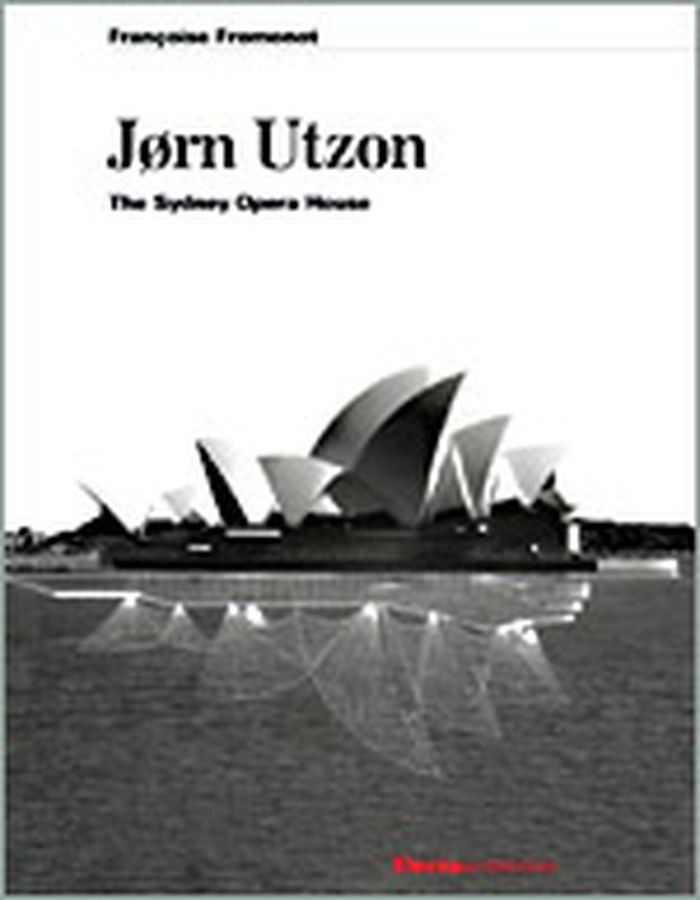
Jorn Utzon : the Sydney Opera House
Actions:
Price:
$49.95
(available in store)
Summary:
The Sydney Opera House is one of the world’s great icons and a symbol of Australia. The overall image which it has maintained does reflect the brilliant design work that Utzon invested in the project, even if it had a troubled history and it was subject to many changes. This book reveals for the first time exactly what happened. Francoise Fromonot has researched documentation relating to every single phase of project--in the process discovering a precious collection of photographic negatives depicting each stage in the construction work--and her story reveals how changes in the political situation and crude professional scheming led to the Australians ultimately abandoning the great challenge the Danish architect had offered them. The text and pictures tell a unique story, both of a building and of an architect who set us an example we still do not fully understand.
Form:
books
books
Publication:
April 2002, Milan
April 2002, Milan
Subject:
Architecture Monographs
Architecture Monographs
Form:
books
books
Price:
$60.95
(available to order)
Summary:
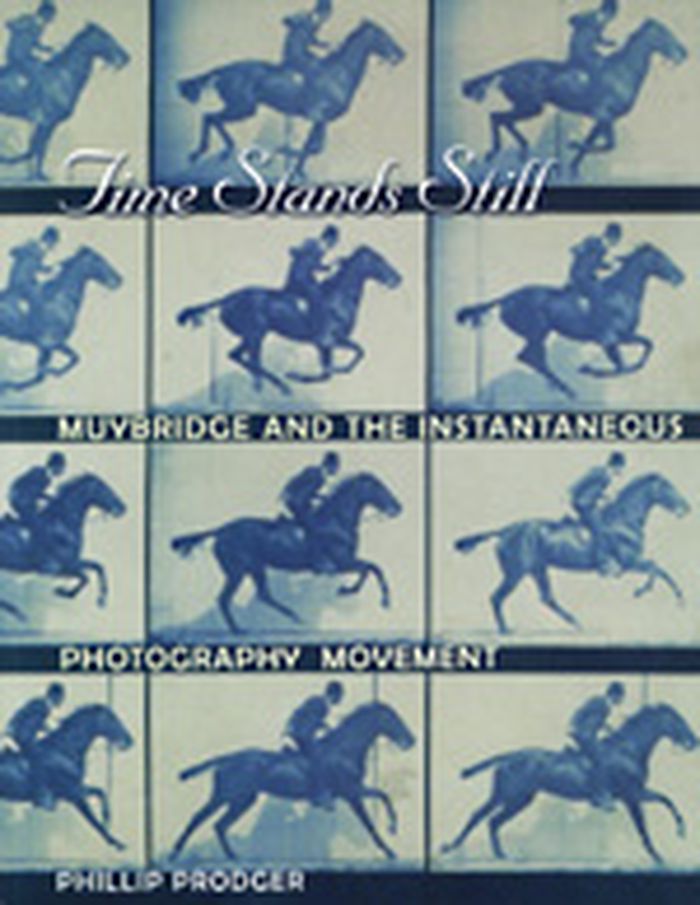
Eadweard Muybridge, one of the great pioneer-innovators of the 19th century, is a familiar figure to students of art history, photography, and cinema. Best known for the photographs of horses and other animals in motion that he made in the 1870s and '80s, Muybridge was the first person to use photography to freeze rapid action for analysis and study. He devised a method(...)
Title:
Time stands still : Muybridge and the instantaneous photography movement
Actions:
Price:
$60.95
(available to order)
Summary:
Eadweard Muybridge, one of the great pioneer-innovators of the 19th century, is a familiar figure to students of art history, photography, and cinema. Best known for the photographs of horses and other animals in motion that he made in the 1870s and '80s, Muybridge was the first person to use photography to freeze rapid action for analysis and study. He devised a method for photographing episodes of behavior using a series of cameras, producing some of the most famous sequential photographs ever made. These pictures, the first successful photographs of rapidly moving subjects, revolutionized expectations of what photography could reveal about the natural world, and ultimately led to the invention of the motion picture in the mid-1890s. "Time stands still" is the catalogue that accompanies an exhibition celebrating Muybridge's work. Though the instantaneous photography movement stands as a crucial event in the progression of photography to motion pictures, this exhibition represents the first major organized treatment of the subject. Opening in spring 2003 at the Iris and B. Gerald Cantor Center for Visual Arts at Stanford University and touring through 2004, it combines an examination of the artist's career in motion photography with a survey of early attempts to photograph moving subjects.
Form:
books
books
Publication:
April 2003, New York
April 2003, New York
Subject:
Photography monographs
Photography monographs
Form:
books
books
Price:
$67.95
(available to order)
Summary:
The dream of the twentieth century was the construction of mass utopia. As the century closes, this dream is being left behind; the belief that industrial modernization can bring about the good society by overcoming material scarcity for all has been challenged by the disintegration(...)
Title:
Dreamworld and catastrophe : the passing of mass utopia in East and West
Actions:
Price:
$67.95
(available to order)
Summary:
The dream of the twentieth century was the construction of mass utopia. As the century closes, this dream is being left behind; the belief that industrial modernization can bring about the good society by overcoming material scarcity for all has been challenged by the disintegration of European socialism, capitalist restructuring, and ecological constraints. The larger social vision has given way to private dreams of material happiness and to political cynicism. Developing the notion of dreamworld as both a poetic description of a collective mental state and an analytical concept, Susan Buck-Morss attempts to come to terms with mass dreamworlds at the moment of their passing. She shows how dreamworlds became dangerous when their energy was used by the structures of power as an instrument of force against the masses. Stressing the similarities between the East and West and using the end of the Cold War as her point of departure, she examines both extremes of mass utopia, dreamworld and catastrophe. The book is in four parts. "Dreamworlds of Democracy" asks whether collective sovereignty can ever be democratic. "Dreamworlds of History" calls for a rethinking of revolution by political and artistic avant-gardes. "Dreamworlds of Mass Culture" explores the affinities between mass culture's socialist and capitalist forms. An "Afterward" places the book in the historical context of the author's collaboration with a group of Moscow philosophers and artists over the past two tumultuous decades. The book is an experiment in visual culture, using images as philosophy, presenting, literally, a way of seeing the past. Its pictorial narratives rescue historical data that with the end of the Cold War are threatened with oblivion and challenge common conceptions of what this century was all about.
Form:
books
books
Publication:
January 1900, Cambridge
January 1900, Cambridge
Subject:
Architectural Theory
Architectural Theory
Form:
books
books
Actions:
Price:
$32.95
(available to order)
Summary:
The mastermind behind what he termed beautiful and functional “machines for living,” Le Corbusier has long been recognized as one of the foremost figures in the international style of architecture. Yet, beginning in the 1940s, the famed architect and urbanist increasingly took modernism in a new direction that has until now been insufficiently considered—and little(...)
Title:
Le Corbusier: The architect on the beach
Actions:
Price:
$32.95
(available to order)
Summary:
The mastermind behind what he termed beautiful and functional “machines for living,” Le Corbusier has long been recognized as one of the foremost figures in the international style of architecture. Yet, beginning in the 1940s, the famed architect and urbanist increasingly took modernism in a new direction that has until now been insufficiently considered—and little understood. Dispensing with his trademark suit and bowtie, Le Corbusier was spending increasing amounts of time at the shore in the 1940s, collecting stones, shells, and other jetsam, and enjoying the works of the philosopher and ardent shell collector Paul Valéry. And it was here that the seemingly hyper-rational architect developed a revolutionary new theory of design, built around these polished and splintered shapes. Stating that nature was the source of his inspiration, Le Corbusier embarked on a meandering odyssey through the literature and esoteric writings of his day, going on to produce such unorthodox projects as Chandigarh’s Palace of Assembly and the strange and beautiful Ronchamp Chapel in Paris, whose roof is said to have been modeled after an inverted crab’s shell. The development of Le Corbusier’s new approach not only changed modernism but also inspired—and continues to inspire—new shapes and lines in the work of a host of architects. In this superbly written and accessible piece of architectural history, Maak develops the intricate story of a breakthrough in architecture that began on a beach.
Form:
books
books
Publication:
August 2011
August 2011
Subject:
Architecture Monographs
Architecture Monographs
Form:
books
books
Price:
$29.95
(available to order)
Summary:
Van Alen Institute mounted the exhibition "Renewing, Rebuilding, Remembering" to demonstrate how cities, after incomparable loss of people and places, find ways to plan, design, and reconstruct the life of the city. The book is both a catalogue and a special edition of our series of "Van Alen Reports," the publication both documents the exhibit and expands on it with(...)
Title:
Information exchange : how cities renew, rebuild, and remember
Actions:
Price:
$29.95
(available to order)
Summary:
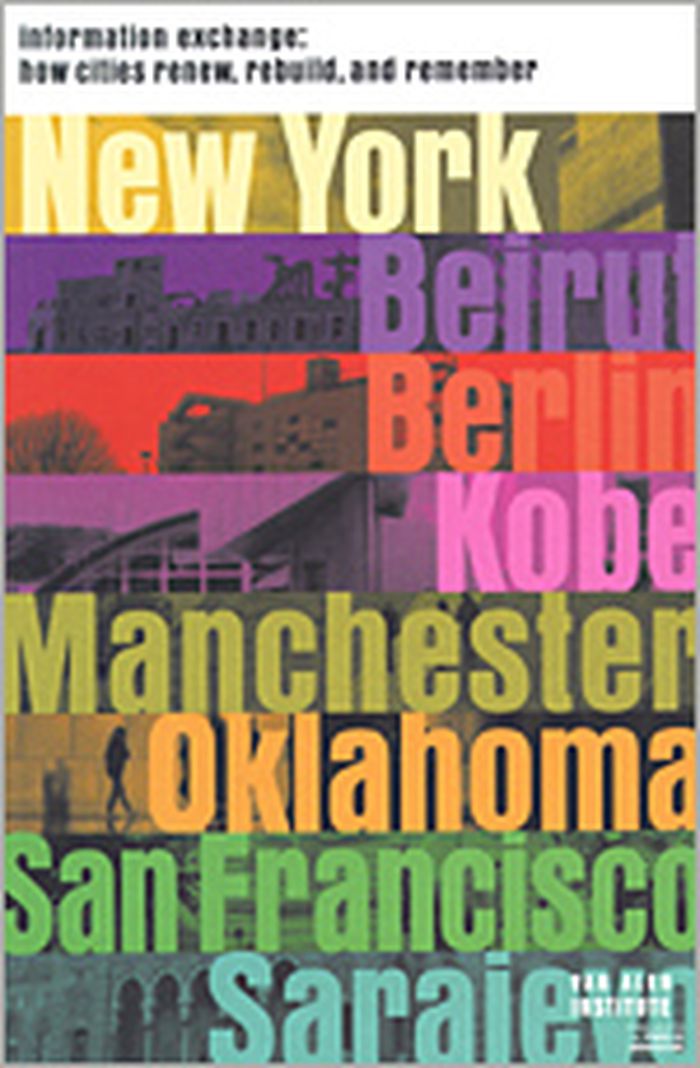
Van Alen Institute mounted the exhibition "Renewing, Rebuilding, Remembering" to demonstrate how cities, after incomparable loss of people and places, find ways to plan, design, and reconstruct the life of the city. The book is both a catalogue and a special edition of our series of "Van Alen Reports," the publication both documents the exhibit and expands on it with personal essays, articles and interviews. The point of the exhibition was not to compare catastrophes, but to compare, contrast, and try to explicate and understand initiatives, projects, plans, and actions that took place after the bomb, the earthquake, the war. After that, what worked, what would they do differently, what mattered right away, what mattered for the long-term? In October, the Institute put out a call for ideas for the exhibit. Students, designers, planners, artists, professors, photographers, public officials and a wide range of respondents from around the world were generous in suggesting places, projects, issues, and designs that were telling for the future of New York. From this response and ongoing research, the Institute chose to focus on specific processes and projects in seven cities. In Beirut, a public art installation that progressed through the city was a first step in reclaiming its war-torn districts, and the Lebanese capital has continued not only with master plans and major new developments, but also with works such as the Garden of Forgiveness, grappling with a hard history to contemplate. In Berlin, a center for information about the city and its reconstruction rose above the ruins of the Berlin Wall, half a century after the city had been devastated and divided. In San Francisco, an earthquake left the elevated highway downtown in such precarious decision that the city decided to tear it down-and implement a long-held dream of reopening the city to the waterfront. In Kobe, where an earthquake resulted not only in billions of dollars of damage to infrastructure, but also in a terrible loss of life, architects responded with an outpouring of energy to survey the damage and construct innovative emergency housing, proving the old adage that necessity is the mother of invention. In addition, they strove to understand the disaster, building a museum about, and at, the geological fault that brought down so much of their city. Manchester had a terrorist attack in the mid-1990s, and rebuilt its center city better than before, as well as setting up an institute for the study of cities around the world, to better understand that the life of the city and its public realm can not be taken for granted. So, too, did Oklahoma City, where a public process led to an international design competition for a memorial, and the city has rebuilt itself around it. Sarajevo, after years of civil war, pulled together its citizens through restoring the landmarks of their public life.
Form:
books
books
Publication:
March 2003, New York
March 2003, New York
Subject:
Urban Theory
Urban Theory
Form:
books
books
Actions:
Price:
$24.00
(available to order)
Summary:
Artist and writer Jenny Odell hadn’t originally planned to deliver the Harvard University Graduate School of Design’s 2020 Class Day Address from her living room. But on May 25, 2020, there was Jenny, framed by a rose garden in her Zoom background, speaking to an audience she could not see about the role of design in a suspended moment marked by uncertainty in a global(...)
Title:
Inhabiting the negative space
Actions:
Price:
$24.00
(available to order)
Summary:
Artist and writer Jenny Odell hadn’t originally planned to deliver the Harvard University Graduate School of Design’s 2020 Class Day Address from her living room. But on May 25, 2020, there was Jenny, framed by a rose garden in her Zoom background, speaking to an audience she could not see about the role of design in a suspended moment marked by uncertainty in a global pandemic. Odell’s message, itself a timely reflection on observation, embraces the standstill and its potential to deepen and expand our individual and collective attention and sensitivity to time, place, and presence–in turn, perhaps, enabling us all, amid our "new" virtual contexts, to better connect with our natural and cultural environments. Odell unspools this hopeful meditation in "Inhabiting the Negative Space," where periods of inactivity become reimagined not as wasted time but fertile spaces for a kind of design predicated less on relentless production and more on permitting a deeper, more careful look at what exactly is demanding or tapping our time and attention, and how we might use this strange moment in history to respond.
Form:
books
books
Publication:
August 2021
August 2021
Subject:
Social
Social


