


5088 Results
Form:
books
books

Title:
William Mullan: Odd apples
William Mullan: Odd apples
Actions:
Price:
$27.00
(available to order)
Summary:
William Mullan’s obsession with apples began when he saw his first Egremont Russet at a Waitrose grocery store outside of London. Fascinated by its gnarled, potato-like appearance and shockingly fresh, nutty flavor, Mullan began searching for, and photographing, rare apple varieties. In ''Odd apples,'' each apple is lovingly rendered and styled according to its individual(...)
Title:
William Mullan: Odd apples
Actions:
Price:
$27.00
(available to order)
Summary:
William Mullan’s obsession with apples began when he saw his first Egremont Russet at a Waitrose grocery store outside of London. Fascinated by its gnarled, potato-like appearance and shockingly fresh, nutty flavor, Mullan began searching for, and photographing, rare apple varieties. In ''Odd apples,'' each apple is lovingly rendered and styled according to its individual ''personality''—a combination of its looks and its flavors. The apples are set against complementary brightly colored backdrops; they are peeled or unpeeled, cut or whole, skin shriveled or perfectly smooth and shiny. It is precisely this odd charm combined with the hitherto unknown that makes these photographs fascinating studies of a supposedly commonplace fruit. Mullan embraces its idiosyncratic aesthetic qualities completely, and invites us, in this attractive gift book, to embark on a visual expedition into the world of the apple. By day, William Mullan (born 1989) works at an artisanal chocolate factory in Brooklyn, and by night, he photographs fruit. British-born, New York–based Mullan came to photography as an autodidact and his talent was quickly recognized. His ''Odd Apple'' project developed into an influential and much talked-about series, reviewed by the New Yorker, the New York Times and i-D Magazine, and released as a sold-out run of prints on his website.
Form:
books
books
Publication:
October 2021
October 2021
Subject:
Photography monographs
Photography monographs
Form:
books
books
Title:
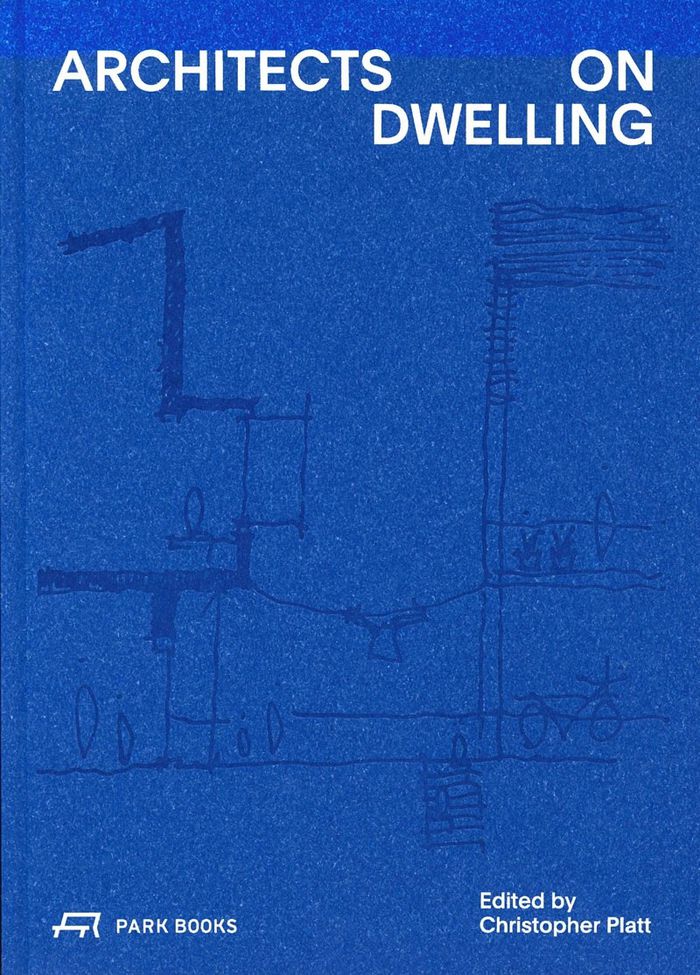
Architects on dwelling
Architects on dwelling
Actions:
Price:
$50.00
(available to order)
Summary:
While most books on architecture focus on the architectural outcome itself, ''Architects on dwelling'' takes a close look at how that outcome is created. To design any kind of dwelling, architects draw on both their reservoir of ideas as well as their own experiences as fellow inhabitants of such structures. This book explores how architects design the places we inhabit(...)
Title:
Architects on dwelling
Actions:
Price:
$50.00
(available to order)
Summary:
While most books on architecture focus on the architectural outcome itself, ''Architects on dwelling'' takes a close look at how that outcome is created. To design any kind of dwelling, architects draw on both their reservoir of ideas as well as their own experiences as fellow inhabitants of such structures. This book explores how architects design the places we inhabit and how those places in turn inform the manner in which we live, in ways beyond lifestyle and personal taste. Through contributions by Stephen Hoey, Henry McKeown & Ian Alexander, James Mitchell, Stacey Philips, Christopher Platt, Adrian Stewart, and Miranda Webster—most of whom are Scotland-based practitioners as well as teachers in The Glasgow School of Art—it reveals the unique values and qualities that inform their design processes. In their essays, they focus mostly on one exemplary building, explaining how and why they design the way they do. Dick van Gameren, Simon Henley, and Graeme Hutton, distinguished experts and themselves architect-educators, place this work within an international context and provide insightful comment about what these design approaches inform us about contemporary design in Scotland. Complemented with a wide range of images, these essays both illuminate the architects’ motivations and inspirations and celebrate their featured works.
Form:
books
books
Publication:
July 2022
July 2022
Subject:
Architectural Theory
Architectural Theory
Form:
books
books
Price:
$24.95
(available to order)
Summary:
During the two hundred millennia we've been on the planet, nothing has shaped us more profoundly than the city. In a fascinating narrative that ranges through cities famous and forgotten, acclaimed historian Ben Wilson tells the glorious story of how urban living has allowed human culture to flourish. Beginning with Uruk, the world's first city, he shows that cities(...)
Title:
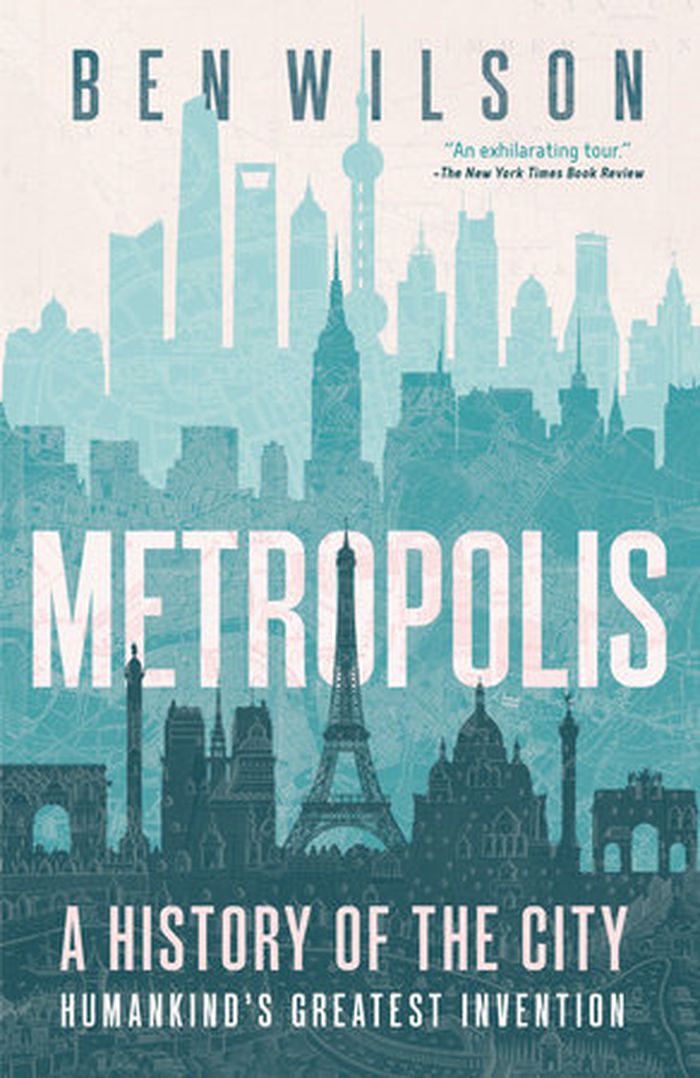
Metropolis: a history of the city, mankind's greatest invention
Actions:
Price:
$24.95
(available to order)
Summary:
During the two hundred millennia we've been on the planet, nothing has shaped us more profoundly than the city. In a fascinating narrative that ranges through cities famous and forgotten, acclaimed historian Ben Wilson tells the glorious story of how urban living has allowed human culture to flourish. Beginning with Uruk, the world's first city, he shows that cities created such a blossoming of human endeavor--new professions, new forms of art, worship, and trade--that they kick-started civilization itself. Despite outbreaks of plague and war, and outlasting empires, the city endured and new cities sprang up to capture the inimitable energy of human beings together. Wilson reveals the innovations nurturned amid the density of urban centers over the centuries: civics in the agora of Athens, global trade in ninth-century Baghdad, finance in the coffeehouses of London, domestic comforts in the heart of Amsterdam, peacocking in Belle Epoque Paris. In the modern age, the skyscrapers of New York City inspired utopian visions of community design, while the trees of twenty-first-century Seattle and Shanghai point to a sustainable future in the age of climate change. Page turning and irresistible, ''Metropolis'' is a history of cities that is also a history of how humanity lives.
Form:
books
books
Publication:
October 2021
October 2021
Subject:
Urban Theory
Urban Theory
Form:
books
books
Actions:
Price:
$65.95
(available to order)
Summary:
Planting design is, rather obviously, a complex topic, spanning as it does art, science, social need, and morality?especially during these days of increasing planetary environmental threat. Although certainly not denying the importance of scientifically appropriate practices, the symposium “The Aesthetics of [Contemporary] Planting Design” addressed planting design today,(...)
Title:
The aesthetics of contemporary planting design
Actions:
Price:
$65.95
(available to order)
Summary:
Planting design is, rather obviously, a complex topic, spanning as it does art, science, social need, and morality?especially during these days of increasing planetary environmental threat. Although certainly not denying the importance of scientifically appropriate practices, the symposium “The Aesthetics of [Contemporary] Planting Design” addressed planting design today, proposing a renewed concern for the cultural and aesthetic aspects of the landscapes that result. This book, which has been developed from the original presentations at the symposium, presents the thoughts of a select international group of landscape architects and historians who discuss the subject of planting design through the lens of their own work as well as the work of others, both contemporary and historical. They suggest that, as in real estate, the most important factor in selecting plants is “location, location, location.” Certainly the Californian situation is far more forgiving than the aridity and other restrictive environmental conditions endemic to the Sonoran desert, or the frost and short growing seasons of Nordic lands that direct Scandinavian landscape architects to rely on native birches, pines, rowan, and moss. Most of us would agree that there are plants sensible for each climatic zone. Addressing environmental conditions is but the first step in the equation, however. There are also the issues of combination and composition.
Form:
books
books
Publication:
September 2021
September 2021
Subject:
Gardens
Gardens
Form:
books
books
Price:
$58.50
(available to order)
Summary:
Overcrowding, noise and air pollution, long commutes and lack of daylight can take a huge toll on the mental well-being of city-dwellers. With mental healthcare services under increasing pressure, could a better approach to urban design and planning provide a solution? The restrictions faced by city residents around the world during the COVID-19 pandemic has brought home(...)
Title:
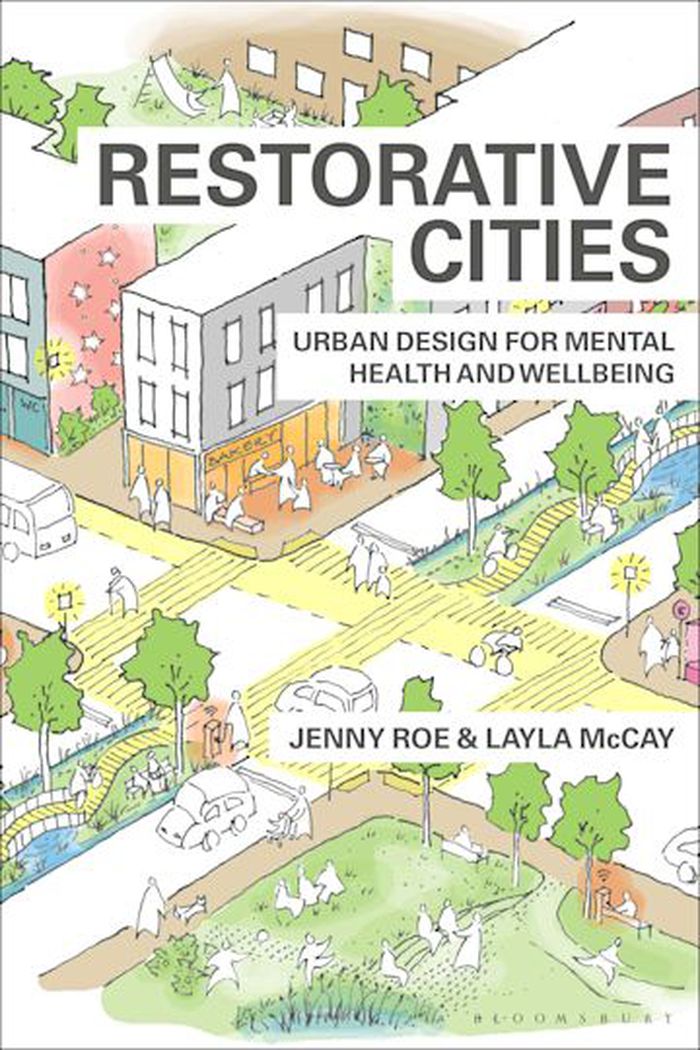
Restorative cities: urban design for mental health and wellbeing
Actions:
Price:
$58.50
(available to order)
Summary:
Overcrowding, noise and air pollution, long commutes and lack of daylight can take a huge toll on the mental well-being of city-dwellers. With mental healthcare services under increasing pressure, could a better approach to urban design and planning provide a solution? The restrictions faced by city residents around the world during the COVID-19 pandemic has brought home just how much urban design can affect our mental health – and created an imperative to seize this opportunity. ''Restorative cities'' explores a new way of designing cities, one which places mental health and wellness at the forefront. Establishing a blueprint for urban design for mental health, it examines a range of strategies – from sensory architecture to place-making for creativity and community – and brings a genuinely evidence-based approach that will appeal to designers and planners, health practitioners and researchers alike - and provide compelling insights for anyone who cares about how our surroundings affect us. Written by a psychiatrist and public health specialist, and an environmental psychologist with extensive experience of architectural practice, this much-needed work will prompt debate and inspire built environment students and professionals to think more about the positive potential of their designs for mental well-being.
Form:
books
books
Publication:
August 2021
August 2021
Subject:
Humans and cities
Humans and cities
Form:
books
books
Title:
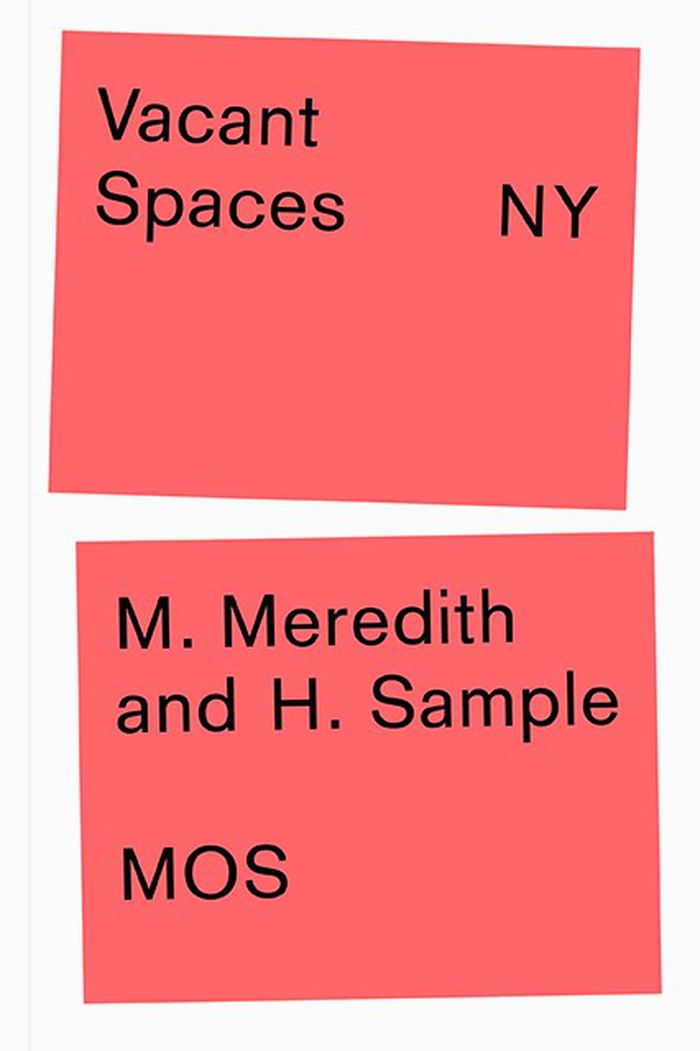
Vacant Spaces NY
Vacant Spaces NY
Actions:
Price:
$80.00
(available to order)
Summary:
This project began by walking around our neighborhood noticing empty storefronts. Once we saw them, they were everywhere. They followed us, appearing quietly throughout New York City. Many with no signage, no “for rent,” no “coming soon.” Usually empty, sometimes dusty, sometimes with brown paper covering the glass. Now, vacancy has only increased. In the densest city in(...)
Subject:
Architecture Monographs
Architecture Monographs
Publication:
October 2021
October 2021
Title:
Vacant Spaces NY
Actions:
Price:
$80.00
(available to order)
Summary:
This project began by walking around our neighborhood noticing empty storefronts. Once we saw them, they were everywhere. They followed us, appearing quietly throughout New York City. Many with no signage, no “for rent,” no “coming soon.” Usually empty, sometimes dusty, sometimes with brown paper covering the glass. Now, vacancy has only increased. In the densest city in the United States. During a housing crisis. Throughout a pandemic. The quantity of vacant spaces is anyone’s best guess. It’s only partially documented. They hide in plain sight. This volume is organized from large to small, general to specific. It begins by looking at vacancy within the United States and continues down to each Manhattan neighborhood, where we zoom into specific vacant spaces, where we have provided as case studies that imagine some possibilities for transforming current vacant spaces into housing or social services. There is also a section on Covid 19, which infiltrated New York during our research. As a whole, this document is not meant to provide specific solutions. The data is incomplete. Case studies are limited. We are not policy experts or data analysts or urban planners. Instead, it is simply meant to show something we have taken for granted, vacant spaces, taking part in a collective process of imagining a better city.
Form:
books
books
Publication:
October 2021
October 2021
Subject:
Architecture Monographs
Architecture Monographs
Form:
books
books
Title:
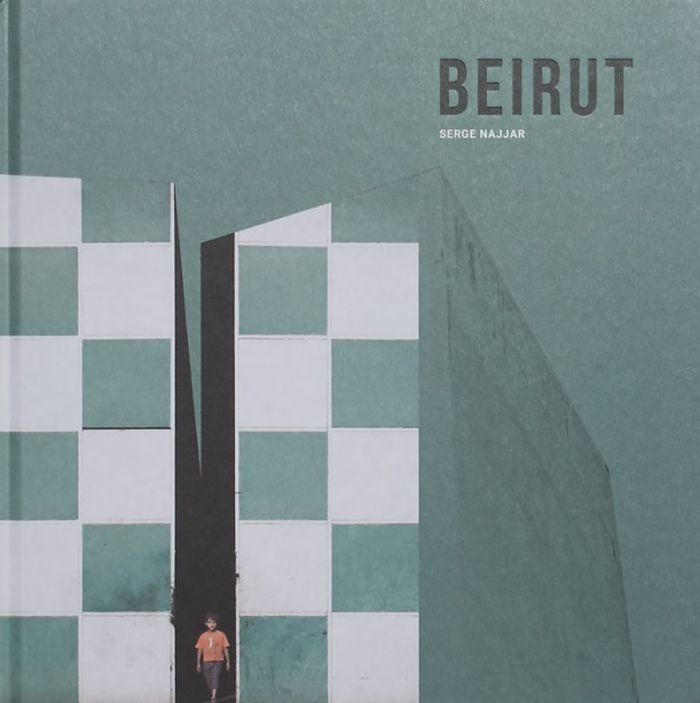
Serge Najjar: Beirut
Serge Najjar: Beirut
Actions:
Price:
$80.00
(available in store)
Summary:
''Serge Najjar writes with lines and plays with shadows. [...] For me, some images evoke the utopia of the architects of the Enlightenment era, who had dreamt of them but never achieved them. Had they been photographers, they would have been compelled to compose with reality. Receptive to the variations of Time, Serge has not drawn on a memory of Beirut, – no pictures of(...)
Title:
Serge Najjar: Beirut
Actions:
Price:
$80.00
(available in store)
Summary:
''Serge Najjar writes with lines and plays with shadows. [...] For me, some images evoke the utopia of the architects of the Enlightenment era, who had dreamt of them but never achieved them. Had they been photographers, they would have been compelled to compose with reality. Receptive to the variations of Time, Serge has not drawn on a memory of Beirut, – no pictures of 'old stones' – but homed in on the realities of a changing city. [...] There was the Beirut of childhood dreams inside bomb shelters, then the city he fled due to the fighting, then finally the building sites of reconstruction. The discovery of his city would go on to establish his need to write with the light and to triumph over darkness. In his animated images, a fraction of a second signifies timelessness, and the image can no longer be conceived of without its author, a fleeting shadow or incarnate presence. Serge calls on us to follow him in these architectures of light, and to pass through the mirror of appearances. The history of Beirut calls for constant resurrection. The Beirut of Serge Najjar is the book of time dreamt, reinvented and then accomplished, the book of a captured time.'' - Ferrante Ferranti
Form:
books
books
Publication:
October 2020
October 2020
Subject:
Photography monographs
Photography monographs
Form:
books
books
Title:
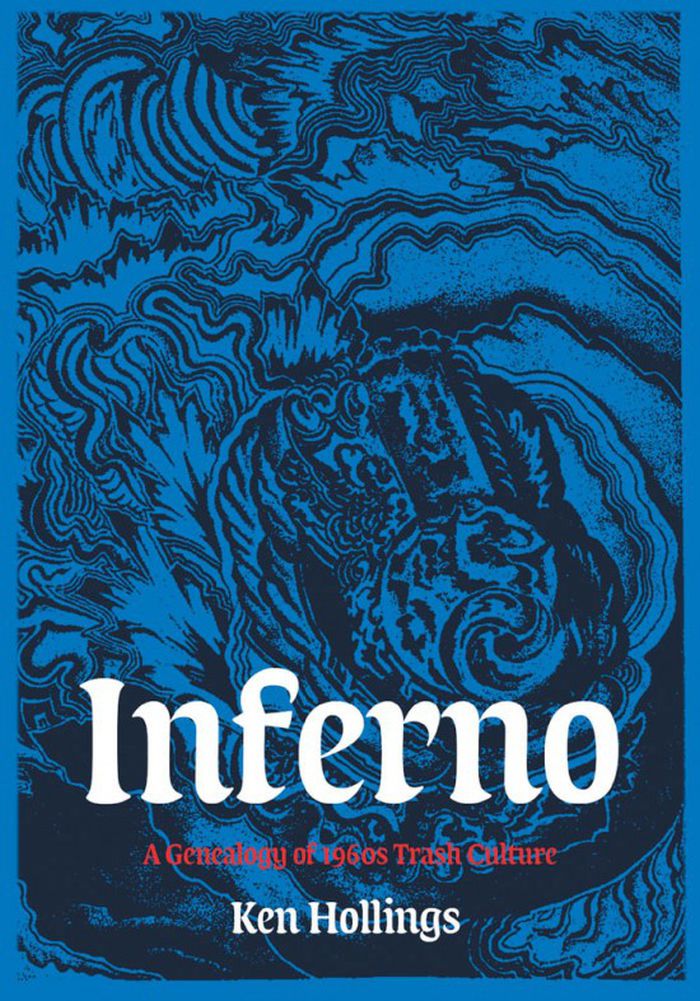
Inferno: the trash project
Inferno: the trash project
Actions:
Price:
$29.95
(available to order)
Summary:
Why do we find ourselves so attracted to the cheap and vulgar, the discarded, the misshapen and the abject? What do we really mean when we say that something is “so bad it's good,” and what finally does it say about us? Part personal confession and part historical roadmap of tales from the underground and exploitation movie scene in America during the 1960s, ''Inferno''(...)
Title:
Inferno: the trash project
Actions:
Price:
$29.95
(available to order)
Summary:
Why do we find ourselves so attracted to the cheap and vulgar, the discarded, the misshapen and the abject? What do we really mean when we say that something is “so bad it's good,” and what finally does it say about us? Part personal confession and part historical roadmap of tales from the underground and exploitation movie scene in America during the 1960s, ''Inferno'' takes the reader on a journey deep into the heart of the trash experience. With this publication, Hollings offers a complex and intricate timeline of connections, coincidences, and resonances that have mostly gone unnoticed. He traces the transmission of “the Purple Death,” a deadly and exotic virus first depicted in an old episode of a Flash Gordon movie serial, through the films of Jack Smith, Andy Warhol, and Kenneth Anger and into the output of such exploitation pioneers as Ray Dennis Steckler, Hershel Gordon Lewis, and Russ Meyer. Hollings also turns his idiosyncratic gaze upon key aspects of teenage culture during the 1960s, including hot rods, “Rat Fink,” surfers, bikers, and beach parties, uncovering a secretive and hidden universe of masks, fake identities, and secret desires. Even Dante would think twice about taking this trip into Hell.
Form:
books
books
Publication:
May 2019
May 2019
Subject:
Critical Theory
Critical Theory
Form:
books
books
Title:
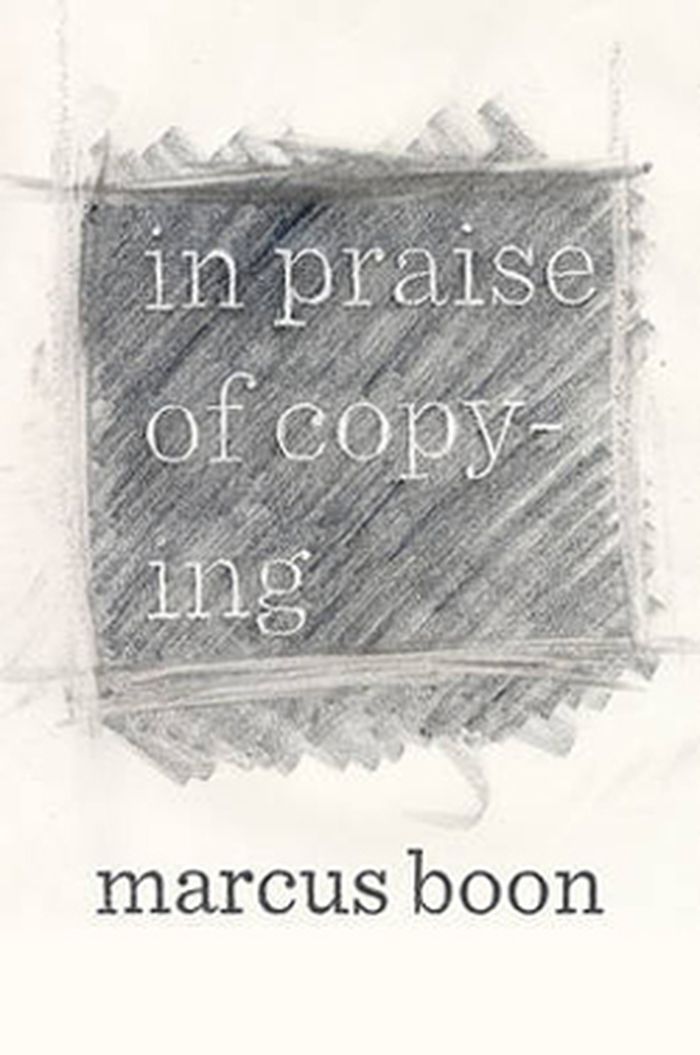
In praise of copying
In praise of copying
Actions:
Price:
$29.95
(available to order)
Summary:
This book is devoted to a deceptively simple but original argument: that copying is an essential part of being human, that the ability to copy is worthy of celebration, and that, without recognizing how integral copying is to being human, we cannot understand ourselves or the world we live in. In spite of the laws, stigmas, and anxieties attached to it, the word(...)
Title:
In praise of copying
Actions:
Price:
$29.95
(available to order)
Summary:
This book is devoted to a deceptively simple but original argument: that copying is an essential part of being human, that the ability to copy is worthy of celebration, and that, without recognizing how integral copying is to being human, we cannot understand ourselves or the world we live in. In spite of the laws, stigmas, and anxieties attached to it, the word “copying” permeates contemporary culture, shaping discourse on issues from hip hop to digitization to gender reassignment, and is particularly crucial in legal debates concerning intellectual property and copyright. Yet as a philosophical concept, copying remains poorly understood. Working comparatively across cultures and times, Marcus Boon undertakes an examination of what this word means—historically, culturally, philosophically—and why it fills us with fear and fascination. He argues that the dominant legal-political structures that define copying today obscure much broader processes of imitation that have constituted human communities for ages and continue to shape various subcultures today. Drawing on contemporary art, music and film, the history of aesthetics, critical theory, and Buddhist philosophy and practice, In Praise of Copying seeks to show how and why copying works, what the sources of its power are, and the political stakes of renegotiating the way we value copying in the age of globalization.
Form:
books
books
Publication:
October 2010
October 2010
Subject:
Critical Theory
Critical Theory
Form:
books
books
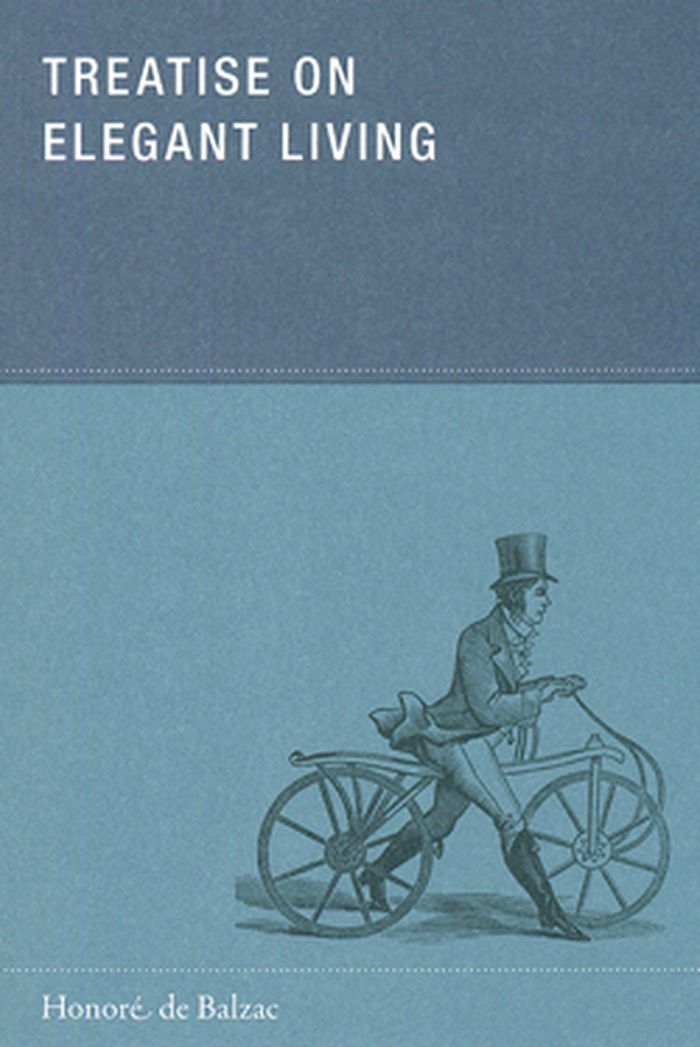
Title:
Treatise on elegant living
Treatise on elegant living
Actions:
Price:
$16.00
(available to order)
Summary:
Honoré de Balzac's 1830 Treatise on Elegant Living was a keystone text on dandyism, preceding Jules Barbey d'Aurevilly's Anatomy of Dandyism (1845) and Charles Baudelaire's “The Dandy” (in The Painter of Modern Life, 1863), and marking an important shift from the early dandyism of the British Regency to the intellectual and artistic dandyism of nineteenth-century France.(...)
Title:
Treatise on elegant living
Actions:
Price:
$16.00
(available to order)
Summary:
Honoré de Balzac's 1830 Treatise on Elegant Living was a keystone text on dandyism, preceding Jules Barbey d'Aurevilly's Anatomy of Dandyism (1845) and Charles Baudelaire's “The Dandy” (in The Painter of Modern Life, 1863), and marking an important shift from the early dandyism of the British Regency to the intellectual and artistic dandyism of nineteenth-century France. The Treatise is the first true philosophical expression of dandyism, and is full of well-crafted aphorisms: “Elegant living is, in the broad acceptance of the term, the art of animating repose,” runs one classic definition of dandyism, and “One must have studied at least as far as rhetoric to lead an elegant life” asserts the importance of verbal pirouette and dexterous quipping to the dandy. Further embellished with anecdotes and historical and personal illustrations, Balzac's Treatise even features a fictitious encounter with the original dandy himself, Beau Brummell. Never before translated into English, this witty tract makes for an illuminating cornerstone to Balzac's Human Comedy (which was originally to have included a never-completed four-part philosophical “Pathology of Social Life”). Above all, it represents a decisive moment in the history of dandyism, and an entertaining exposition on the profundities of what lies deepest within all of us: our appearance.
Form:
books
books
Publication:
February 2010
February 2010
Subject:
small format
small format


