


5194 Results
Form:
books
books

Actions:
Price:
$59.25
(available to order)
Summary:
The history of the book in Tibet involves more than literary trends and trade routes. Functioning as material, intellectual, and symbolic object, the book has been an instrumental tool in the construction of Tibetan power and authority, and its history opens a crucial window onto the cultural, intellectual, and economic life of an immensely influential Buddhist(...)
$59.25
(available to order)
Summary:
The history of the book in Tibet involves more than literary trends and trade routes. Functioning as material, intellectual, and symbolic object, the book has been an instrumental tool in the construction of Tibetan power and authority, and its history opens a crucial window onto the cultural, intellectual, and economic life of an immensely influential Buddhist(...)
Title:
The culture of the book in Tibet
Actions:
Price:
$59.25
(available to order)
Summary:
The history of the book in Tibet involves more than literary trends and trade routes. Functioning as material, intellectual, and symbolic object, the book has been an instrumental tool in the construction of Tibetan power and authority, and its history opens a crucial window onto the cultural, intellectual, and economic life of an immensely influential Buddhist society.Spanning the fourteenth to the eighteenth centuries, Kurtis R. Schaeffer envisions the scholars and hermits, madmen and ministers, kings and queens who produced Tibet's massive canons. He describes how Tibetan scholars edited and printed works of religion, literature, art, and science and what this indicates about the interrelation of material and cultural practices. The Tibetan book is at once the embodiment of the Buddha's voice, a principal means of education, a source of tradition and authority, an economic product, a finely crafted aesthetic object, a medium of Buddhist written culture, and a symbol of the religion itself.
The culture of the book in Tibet
Actions:
Price:
$59.25
(available to order)
Summary:
The history of the book in Tibet involves more than literary trends and trade routes. Functioning as material, intellectual, and symbolic object, the book has been an instrumental tool in the construction of Tibetan power and authority, and its history opens a crucial window onto the cultural, intellectual, and economic life of an immensely influential Buddhist society.Spanning the fourteenth to the eighteenth centuries, Kurtis R. Schaeffer envisions the scholars and hermits, madmen and ministers, kings and queens who produced Tibet's massive canons. He describes how Tibetan scholars edited and printed works of religion, literature, art, and science and what this indicates about the interrelation of material and cultural practices. The Tibetan book is at once the embodiment of the Buddha's voice, a principal means of education, a source of tradition and authority, an economic product, a finely crafted aesthetic object, a medium of Buddhist written culture, and a symbol of the religion itself.
Form:
books
books
Publication:
June 2009
June 2009
Subject:
Arch Southwest Asia & North Africa
Arch Southwest Asia & North Africa
Form:
books
books
Actions:
Price:
$45.95
(available in store)
Summary:
Anarchitecture, a radical aesthetic practice of unmaking the built environment, staged a vigorous confrontation with urban renewal and gentrification projects in the 1970s. In Anarchitecture After Everything, Jack Halberstam identifies a powerful lexicon of transformation within anarchitecture, joining the movement’s practices of cutting and splitting with the(...)
$45.95
(available in store)
Summary:
Anarchitecture, a radical aesthetic practice of unmaking the built environment, staged a vigorous confrontation with urban renewal and gentrification projects in the 1970s. In Anarchitecture After Everything, Jack Halberstam identifies a powerful lexicon of transformation within anarchitecture, joining the movement’s practices of cutting and splitting with the(...)
Title:
Anarchitecture after everything: A trans manifesto
Actions:
Price:
$45.95
(available in store)
Summary:
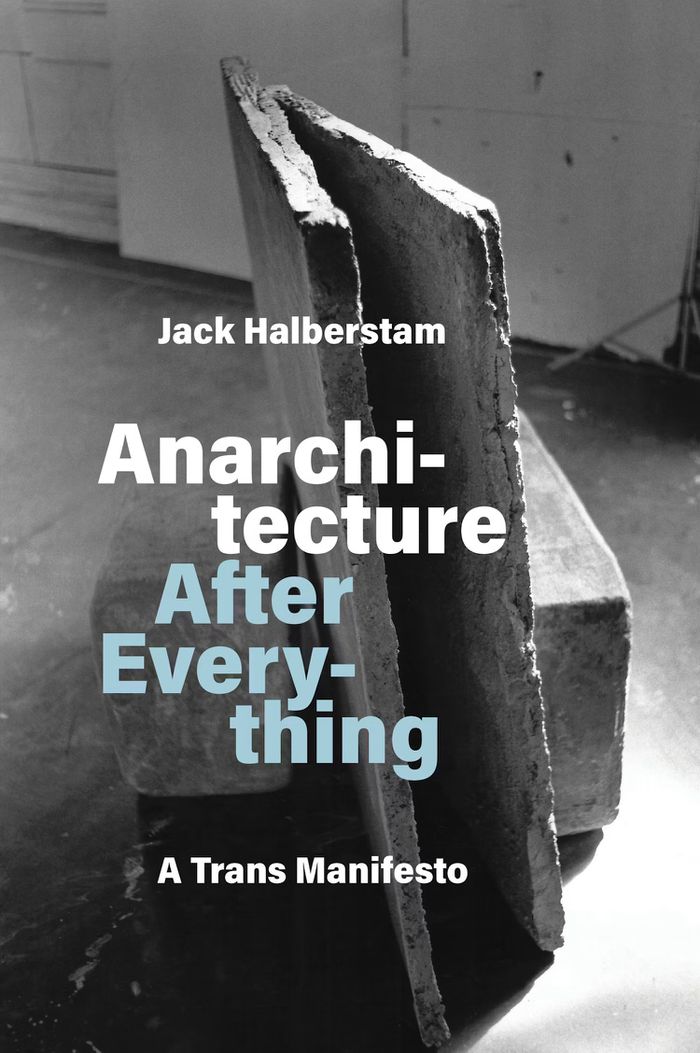
Anarchitecture, a radical aesthetic practice of unmaking the built environment, staged a vigorous confrontation with urban renewal and gentrification projects in the 1970s. In Anarchitecture After Everything, Jack Halberstam identifies a powerful lexicon of transformation within anarchitecture, joining the movement’s practices of cutting and splitting with the destabilizing power of transness to detonate acts of formal violence in our time. "Anarchitecture" describes the aesthetic practice of splitting and cutting, dismantling and undoing, unmaking, unbuilding, and ultimately unworlding. The trans body splits bodily coherence, dismantles the gender binary, and unbuilds bodily meaning. In these chapters, Gordon Matta-Clark’s cuts, along with Alvin Baltrop’s 1970s images of collapsing warehouses and Beverly Buchanan’s post-demolition fragmentary sculptures, return with a vengeance through the contemporary aesthetic gestures of Yve Laris Cohen, Jesse Darling, Nicole Eisenman, Kiyan Williams, Cassils, boychild, and Every Ocean Hughes. Anarchitecture unmakes space and offers a new rhetoric for emptiness. In its conclusion, the book explores this rhetoric through Renee Gladman’s anarchitectural experiments with language.
Anarchitecture after everything: A trans manifesto
Actions:
Price:
$45.95
(available in store)
Summary:
Anarchitecture, a radical aesthetic practice of unmaking the built environment, staged a vigorous confrontation with urban renewal and gentrification projects in the 1970s. In Anarchitecture After Everything, Jack Halberstam identifies a powerful lexicon of transformation within anarchitecture, joining the movement’s practices of cutting and splitting with the destabilizing power of transness to detonate acts of formal violence in our time. "Anarchitecture" describes the aesthetic practice of splitting and cutting, dismantling and undoing, unmaking, unbuilding, and ultimately unworlding. The trans body splits bodily coherence, dismantles the gender binary, and unbuilds bodily meaning. In these chapters, Gordon Matta-Clark’s cuts, along with Alvin Baltrop’s 1970s images of collapsing warehouses and Beverly Buchanan’s post-demolition fragmentary sculptures, return with a vengeance through the contemporary aesthetic gestures of Yve Laris Cohen, Jesse Darling, Nicole Eisenman, Kiyan Williams, Cassils, boychild, and Every Ocean Hughes. Anarchitecture unmakes space and offers a new rhetoric for emptiness. In its conclusion, the book explores this rhetoric through Renee Gladman’s anarchitectural experiments with language.
Form:
books
books
Publication:
August 2026
August 2026
Subject:
Architectural Theory
Architectural Theory
Form:
books
books
Actions:
Price:
$75.00
(available to order)
Summary:
The classical architectural and planning schemes conceived by Canada’s Anglo-settler elite in the early twentieth century embodied a prescriptive vision of power and grandeur for the country and its people on a scale almost unimaginable today. This provocative collection of essays examines the classical design precepts that shaped much of Canada’s built environment –(...)
$75.00
(available to order)
Summary:
The classical architectural and planning schemes conceived by Canada’s Anglo-settler elite in the early twentieth century embodied a prescriptive vision of power and grandeur for the country and its people on a scale almost unimaginable today. This provocative collection of essays examines the classical design precepts that shaped much of Canada’s built environment –(...)
Title:
Classicism in Canada: Ambition, utopia, hubris
Actions:
Price:
$75.00
(available to order)
Summary:
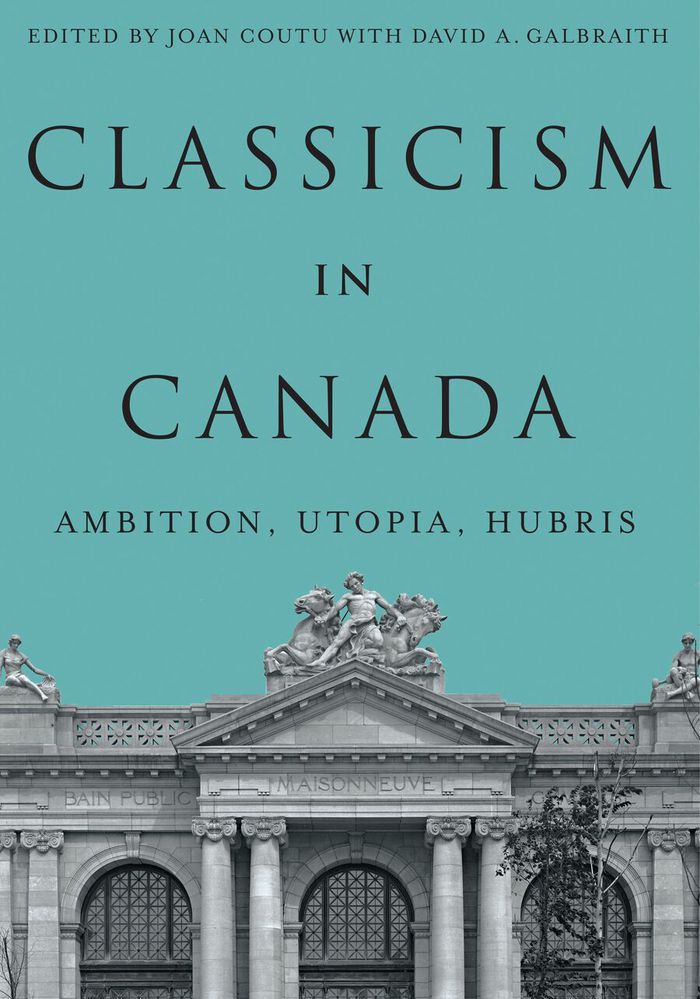
The classical architectural and planning schemes conceived by Canada’s Anglo-settler elite in the early twentieth century embodied a prescriptive vision of power and grandeur for the country and its people on a scale almost unimaginable today. This provocative collection of essays examines the classical design precepts that shaped much of Canada’s built environment – leaving an imprint for how we continue to experience place today. "Classicism in Canada" brings together essays by planning, architectural, art, political, and social historians. Drawing on primary sources and the physical sites themselves, the contributors probe the meaning of a style that melded the École des Beaux-Arts with the sensibilities of the City Beautiful movement and that was rooted in assumptions about order and historical continuity. The transformation of built space and land was motivated by pragmatism, aesthetics, and an ideological infrastructure that reverberated with utopian zeal as much as it was driven by racial discrimination and Indigenous erasure.
Classicism in Canada: Ambition, utopia, hubris
Actions:
Price:
$75.00
(available to order)
Summary:
The classical architectural and planning schemes conceived by Canada’s Anglo-settler elite in the early twentieth century embodied a prescriptive vision of power and grandeur for the country and its people on a scale almost unimaginable today. This provocative collection of essays examines the classical design precepts that shaped much of Canada’s built environment – leaving an imprint for how we continue to experience place today. "Classicism in Canada" brings together essays by planning, architectural, art, political, and social historians. Drawing on primary sources and the physical sites themselves, the contributors probe the meaning of a style that melded the École des Beaux-Arts with the sensibilities of the City Beautiful movement and that was rooted in assumptions about order and historical continuity. The transformation of built space and land was motivated by pragmatism, aesthetics, and an ideological infrastructure that reverberated with utopian zeal as much as it was driven by racial discrimination and Indigenous erasure.
Form:
books
books
Publication:
August 2026
August 2026
Subject:
Architecture in Canada
Architecture in Canada
Form:
books
books
Price:
$64.95
(available to order)
Summary:
This book investigates the characteristics of today's built environment: no longer simply a city but increasingly large conurbations made up of a number of development clusters, linked by transport routes. The diffusion of the once compact city into a city web, the 'meta city' is mirrored by changes in society from communities with strong social cohesion and interest in(...)
$64.95
(available to order)
Summary:
This book investigates the characteristics of today's built environment: no longer simply a city but increasingly large conurbations made up of a number of development clusters, linked by transport routes. The diffusion of the once compact city into a city web, the 'meta city' is mirrored by changes in society from communities with strong social cohesion and interest in(...)
Title:
Cities without cities : an interpretation of the Zwischenstadt
Actions:
Price:
$64.95
(available to order)
Summary:
This book investigates the characteristics of today's built environment: no longer simply a city but increasingly large conurbations made up of a number of development clusters, linked by transport routes. The diffusion of the once compact city into a city web, the 'meta city' is mirrored by changes in society from communities with strong social cohesion and interest in their towns and cities to individuals pursing their own goals, with global social links and little interest in their own town or city other than the quality of their personal space. The account is complex and on a number of levels; social, philosophical, economic and environmental. The difficulties in managing or even controlling the city web, divided arbitrarily into areas of limited size and political power, are enormous. Areas compete with each other rather than co-operate. The book provides a better understanding of this new type of urban form and argues for a change in planning systems for better management.
Cities without cities : an interpretation of the Zwischenstadt
Actions:
Price:
$64.95
(available to order)
Summary:
This book investigates the characteristics of today's built environment: no longer simply a city but increasingly large conurbations made up of a number of development clusters, linked by transport routes. The diffusion of the once compact city into a city web, the 'meta city' is mirrored by changes in society from communities with strong social cohesion and interest in their towns and cities to individuals pursing their own goals, with global social links and little interest in their own town or city other than the quality of their personal space. The account is complex and on a number of levels; social, philosophical, economic and environmental. The difficulties in managing or even controlling the city web, divided arbitrarily into areas of limited size and political power, are enormous. Areas compete with each other rather than co-operate. The book provides a better understanding of this new type of urban form and argues for a change in planning systems for better management.
Form:
books
books
Publication:
November 2003, London
November 2003, London
Subject:
Urban Theory
Urban Theory
Form:
books
books
Actions:
Price:
$33.95
(available to order)
Summary:
Across five centuries of Russian history, Russian leaders have used architecture to project unity, identity, and power. Church architecture has inspired national cohesion and justified political control while representing the claims of religion in brick, wood, and stone. The architectural vocabulary of the Soviet state celebrated industrialization, mechanization, and(...)
$33.95
(available to order)
Summary:
Across five centuries of Russian history, Russian leaders have used architecture to project unity, identity, and power. Church architecture has inspired national cohesion and justified political control while representing the claims of religion in brick, wood, and stone. The architectural vocabulary of the Soviet state celebrated industrialization, mechanization, and(...)
Subject:
History until 1900
History until 1900
Publication:
May 2003, Ithaca and London
May 2003, Ithaca and London
Title:
Architectures of Russian identity 1500 to the present
Actions:
Price:
$33.95
(available to order)
Summary:
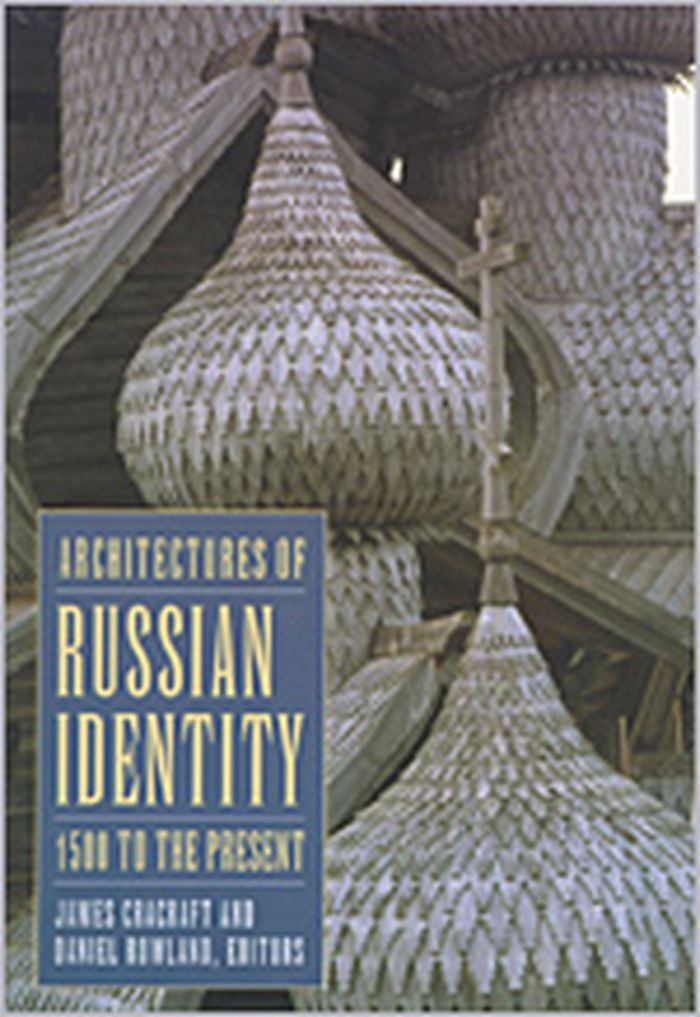
Across five centuries of Russian history, Russian leaders have used architecture to project unity, identity, and power. Church architecture has inspired national cohesion and justified political control while representing the claims of religion in brick, wood, and stone. The architectural vocabulary of the Soviet state celebrated industrialization, mechanization, and communal life. Buildings and landscapes have expressed utopian urges as well as lofty spiritual goals. Country houses and memorials have encoded their own messages. In Architectures of Russian Identity, James Cracraft and Daniel Rowland gather a group of authors from a wide variety of backgrounds—including history and architectural history, linguistics, literary studies, geography, and political science—to survey the political and symbolic meanings of many different kinds of structures. Fourteen heavily illustrated chapters demonstrate the remarkable fertility of the theme of architecture, broadly defined, for a range of fields dealing with Russia and its surrounding territories. The authors engage key terms in contemporary historiography—identity, nationality, visual culture—and assess the applications of each in Russian contexts.
Architectures of Russian identity 1500 to the present
Actions:
Price:
$33.95
(available to order)
Summary:
Across five centuries of Russian history, Russian leaders have used architecture to project unity, identity, and power. Church architecture has inspired national cohesion and justified political control while representing the claims of religion in brick, wood, and stone. The architectural vocabulary of the Soviet state celebrated industrialization, mechanization, and communal life. Buildings and landscapes have expressed utopian urges as well as lofty spiritual goals. Country houses and memorials have encoded their own messages. In Architectures of Russian Identity, James Cracraft and Daniel Rowland gather a group of authors from a wide variety of backgrounds—including history and architectural history, linguistics, literary studies, geography, and political science—to survey the political and symbolic meanings of many different kinds of structures. Fourteen heavily illustrated chapters demonstrate the remarkable fertility of the theme of architecture, broadly defined, for a range of fields dealing with Russia and its surrounding territories. The authors engage key terms in contemporary historiography—identity, nationality, visual culture—and assess the applications of each in Russian contexts.
Form:
books
books
Publication:
May 2003, Ithaca and London
May 2003, Ithaca and London
Subject:
History until 1900
History until 1900
Form:
books
books
Actions:
Price:
$42.95
(available to order)
Summary:
Renowned natural dyer, artist, and educator Sasha Duerr envisions a new age of fresh, modern color palettes, drawing from our original source of inspiration and ingredients-the natural world around us. This innovative plant-based color-guide includes twenty-five palettes with five hundred natural color swatches, providing inspiration for sustainable fashion, textiles,(...)
$42.95
(available to order)
Summary:
Renowned natural dyer, artist, and educator Sasha Duerr envisions a new age of fresh, modern color palettes, drawing from our original source of inspiration and ingredients-the natural world around us. This innovative plant-based color-guide includes twenty-five palettes with five hundred natural color swatches, providing inspiration for sustainable fashion, textiles,(...)
Title:
Natural palettes: inspiration from plant-based color
Actions:
Price:
$42.95
(available to order)
Summary:
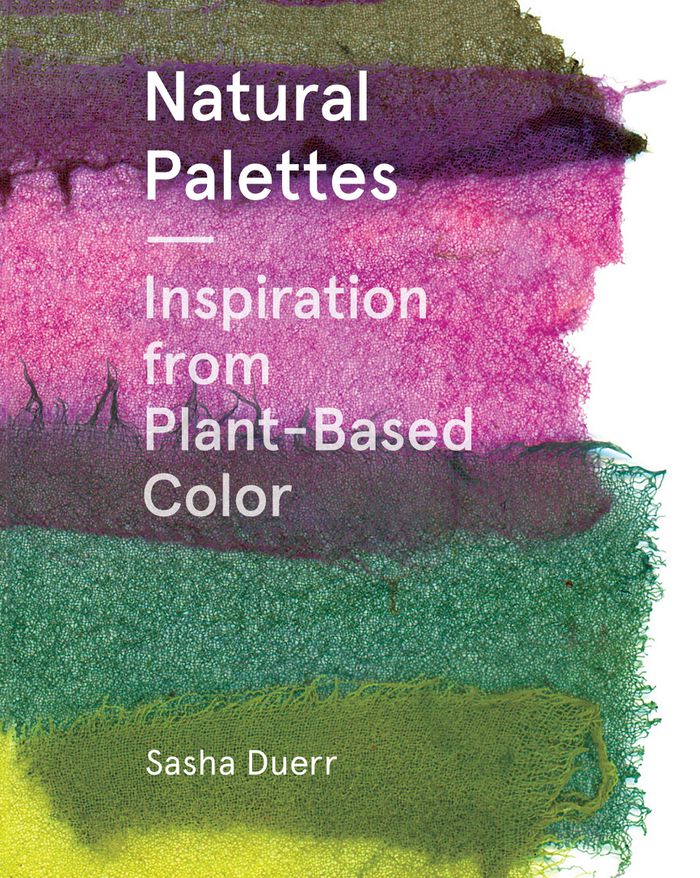
Renowned natural dyer, artist, and educator Sasha Duerr envisions a new age of fresh, modern color palettes, drawing from our original source of inspiration and ingredients-the natural world around us. This innovative plant-based color-guide includes twenty-five palettes with five hundred natural color swatches, providing inspiration for sustainable fashion, textiles, fine art, floral design, food, medicine, gardening, interior design, and other creative disciplines. Bring the healing power of forest bathing into your home with a palette of spruce cones, pine needles, and balsam branches. Move past Pantone and embrace the natural balance of a pollinator palette with Hopi sunflower, red poppy, echinacea, and scabiosa. Duerr complements the palettes with short essays that provide useful information. She connects the colors with particular landscapes, the restorative qualities of medicinal plants, common garden flora, lifestyle experiences, food and floral waste, and the ecological benefits of using organic materials to create colors. You may never view color-or your plants-the same way again.
Natural palettes: inspiration from plant-based color
Actions:
Price:
$42.95
(available to order)
Summary:
Renowned natural dyer, artist, and educator Sasha Duerr envisions a new age of fresh, modern color palettes, drawing from our original source of inspiration and ingredients-the natural world around us. This innovative plant-based color-guide includes twenty-five palettes with five hundred natural color swatches, providing inspiration for sustainable fashion, textiles, fine art, floral design, food, medicine, gardening, interior design, and other creative disciplines. Bring the healing power of forest bathing into your home with a palette of spruce cones, pine needles, and balsam branches. Move past Pantone and embrace the natural balance of a pollinator palette with Hopi sunflower, red poppy, echinacea, and scabiosa. Duerr complements the palettes with short essays that provide useful information. She connects the colors with particular landscapes, the restorative qualities of medicinal plants, common garden flora, lifestyle experiences, food and floral waste, and the ecological benefits of using organic materials to create colors. You may never view color-or your plants-the same way again.
Form:
books
books
Publication:
April 2020
April 2020
Subject:
Colour Theory and Design
Colour Theory and Design
Form:
books
books
Actions:
Price:
$54.95
(available to order)
Summary:
Vanessa R. Schwartz engagingly presents the jet plane’s power to define a new age at a critical moment in the mid-20th century, arguing that the craft’s speed and smooth ride allowed people to imagine themselves living in the future. Exploring realms as diverse as airport architecture, theme park design, film, and photography, Schwartz argues that the jet created an(...)
$54.95
(available to order)
Summary:
Vanessa R. Schwartz engagingly presents the jet plane’s power to define a new age at a critical moment in the mid-20th century, arguing that the craft’s speed and smooth ride allowed people to imagine themselves living in the future. Exploring realms as diverse as airport architecture, theme park design, film, and photography, Schwartz argues that the jet created an(...)
Title:
Jet age aesthetic: the glamour of media in motion
Actions:
Price:
$54.95
(available to order)
Summary:
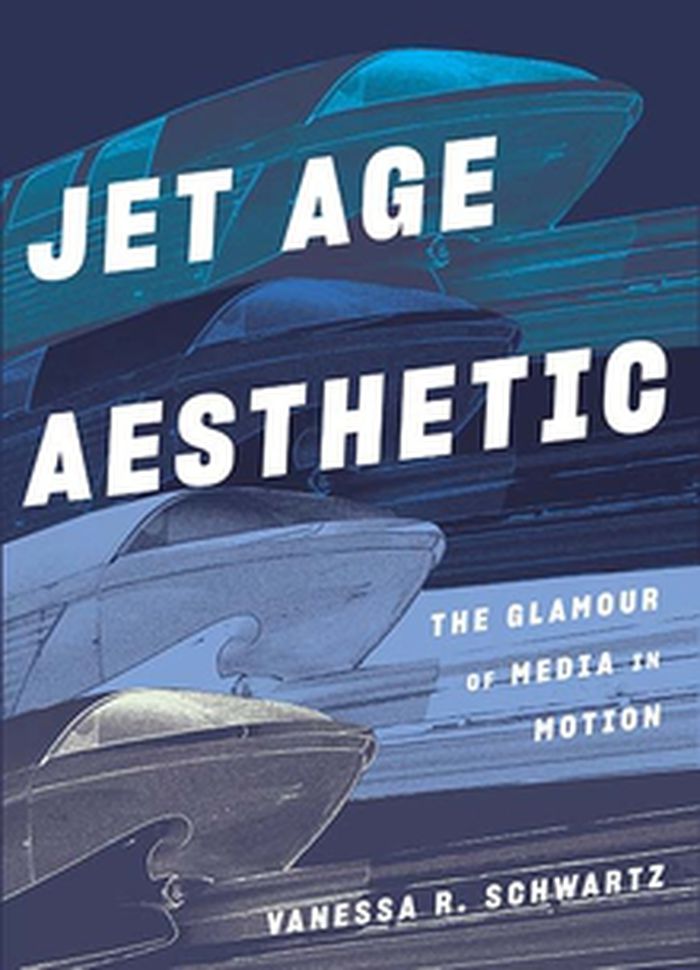
Vanessa R. Schwartz engagingly presents the jet plane’s power to define a new age at a critical moment in the mid-20th century, arguing that the craft’s speed and smooth ride allowed people to imagine themselves living in the future. Exploring realms as diverse as airport architecture, theme park design, film, and photography, Schwartz argues that the jet created an aesthetic that circulated on the ground below. Visual and media culture, including Eero Saarinen’s airports, David Bailey’s photographs of the jet set, and Ernst Haas’s experiments in color photojournalism glamorized the imagery of motion. Drawing on unprecedented access to the archives of The Walt Disney Studios, Schwartz also examines the period’s most successful example of fluid motion meeting media culture: Disneyland. The park’s dedication to “people-moving” defined Walt Disney’s vision, shaping the very identity of the place. The jet age aesthetic laid the groundwork for our contemporary media culture, in which motion is so fluid that we can surf the internet while going nowhere at all.
Jet age aesthetic: the glamour of media in motion
Actions:
Price:
$54.95
(available to order)
Summary:
Vanessa R. Schwartz engagingly presents the jet plane’s power to define a new age at a critical moment in the mid-20th century, arguing that the craft’s speed and smooth ride allowed people to imagine themselves living in the future. Exploring realms as diverse as airport architecture, theme park design, film, and photography, Schwartz argues that the jet created an aesthetic that circulated on the ground below. Visual and media culture, including Eero Saarinen’s airports, David Bailey’s photographs of the jet set, and Ernst Haas’s experiments in color photojournalism glamorized the imagery of motion. Drawing on unprecedented access to the archives of The Walt Disney Studios, Schwartz also examines the period’s most successful example of fluid motion meeting media culture: Disneyland. The park’s dedication to “people-moving” defined Walt Disney’s vision, shaping the very identity of the place. The jet age aesthetic laid the groundwork for our contemporary media culture, in which motion is so fluid that we can surf the internet while going nowhere at all.
Form:
books
books
Publication:
April 2020
April 2020
Subject:
Design, Periods and Styles
Design, Periods and Styles
Form:
books
books
Actions:
Price:
$39.95
(available to order)
Summary:
The preservation enterprise helps fashion the physical contours of memory in public space, and thus has the power to curate a multidimensional and inclusive representation of societal values and narratives. Increasingly, the field of preservation is being challenged to consider questions of social inclusion, of how multiple publics are—or are not—represented in heritage(...)
$39.95
(available to order)
Summary:
The preservation enterprise helps fashion the physical contours of memory in public space, and thus has the power to curate a multidimensional and inclusive representation of societal values and narratives. Increasingly, the field of preservation is being challenged to consider questions of social inclusion, of how multiple publics are—or are not—represented in heritage(...)
Title:
Preservation and social exclusion
Actions:
Price:
$39.95
(available to order)
Summary:
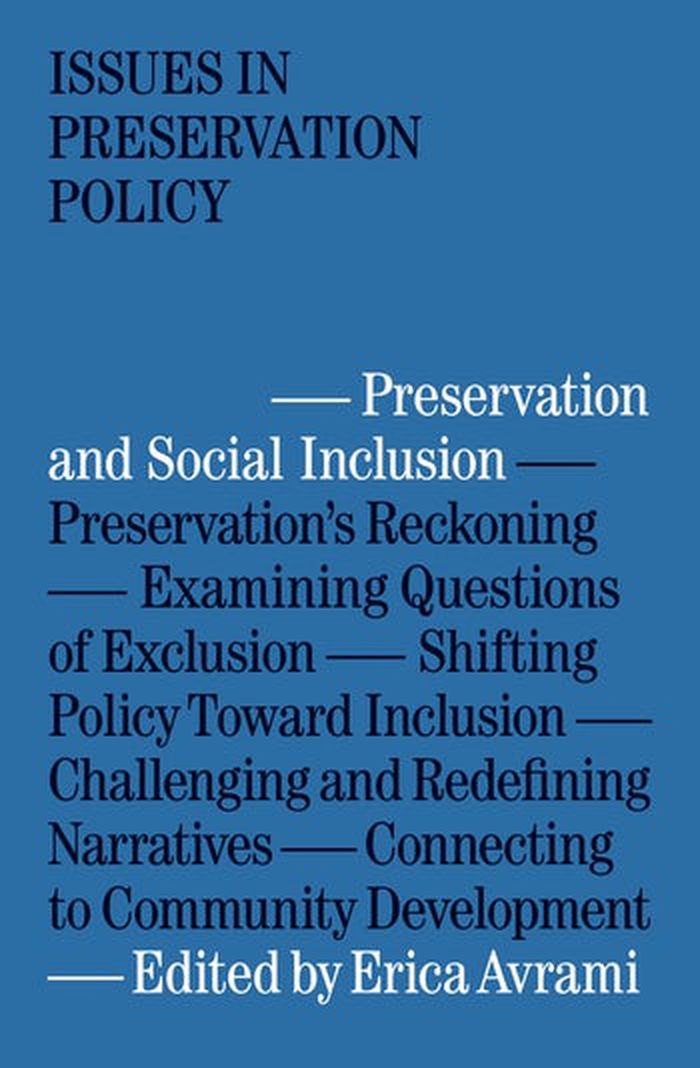
The preservation enterprise helps fashion the physical contours of memory in public space, and thus has the power to curate a multidimensional and inclusive representation of societal values and narratives. Increasingly, the field of preservation is being challenged to consider questions of social inclusion, of how multiple publics are—or are not—represented in heritage decision-making, geographies, and governance structures. Community engagement is increasingly being integrated into project-based preservation practice, but the policy toolbox has been slower to evolve. Recognizing how preservation and other land use decisions can both empower and marginalize publics compels greater reflection on preservation’s past and future and collective action beyond the project level. This requires professionals and institutions to consider systemic policy change with integrity, sensitivity, and intentionality. Bringing together a broad range of academics, historians, and practitioners, this second volume in the Issues in Preservation Policy series documents historic preservation’s progress toward inclusivity and explores further steps to be taken.
Preservation and social exclusion
Actions:
Price:
$39.95
(available to order)
Summary:
The preservation enterprise helps fashion the physical contours of memory in public space, and thus has the power to curate a multidimensional and inclusive representation of societal values and narratives. Increasingly, the field of preservation is being challenged to consider questions of social inclusion, of how multiple publics are—or are not—represented in heritage decision-making, geographies, and governance structures. Community engagement is increasingly being integrated into project-based preservation practice, but the policy toolbox has been slower to evolve. Recognizing how preservation and other land use decisions can both empower and marginalize publics compels greater reflection on preservation’s past and future and collective action beyond the project level. This requires professionals and institutions to consider systemic policy change with integrity, sensitivity, and intentionality. Bringing together a broad range of academics, historians, and practitioners, this second volume in the Issues in Preservation Policy series documents historic preservation’s progress toward inclusivity and explores further steps to be taken.
Form:
books
books
Publication:
March 2020
March 2020
Subject:
Architectural Theory
Architectural Theory
Form:
books
books
Actions:
Price:
$49.95
(available to order)
Summary:
What might our cities look like in ten, twenty or fifty years? How may future cities face global challenges? Imagining the city of the future has long been an inspiration for many architects, artists and designers. This book examines how cities of the future have been visualised, what these projects sought to communicate and what the implications may be for us now. It(...)
$49.95
(available to order)
Summary:
What might our cities look like in ten, twenty or fifty years? How may future cities face global challenges? Imagining the city of the future has long been an inspiration for many architects, artists and designers. This book examines how cities of the future have been visualised, what these projects sought to communicate and what the implications may be for us now. It(...)
Title:
Future cities: a visual guide
Actions:
Price:
$49.95
(available to order)
Summary:
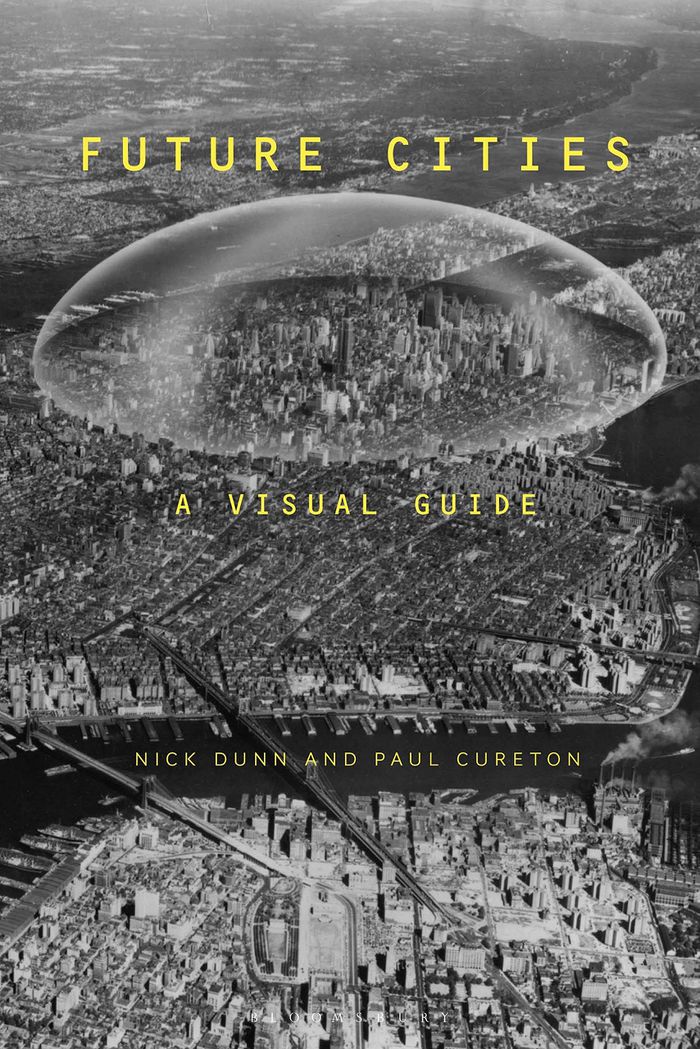
What might our cities look like in ten, twenty or fifty years? How may future cities face global challenges? Imagining the city of the future has long been an inspiration for many architects, artists and designers. This book examines how cities of the future have been visualised, what these projects sought to communicate and what the implications may be for us now. It provides a visual history of the future and explores the relationships between different visualisation techniques and ideologies for cities. Thinking about what futures are, who they are for, why they are desirable, and how and when they are to be brought into being is central to this book. Through visualisation we are able to experiment in ways that would be impractical and potentially hazardous in the real world, and this book, therefore, aims to contribute toward a better understanding of the power and agency of visualisations for future cities.
Future cities: a visual guide
Actions:
Price:
$49.95
(available to order)
Summary:
What might our cities look like in ten, twenty or fifty years? How may future cities face global challenges? Imagining the city of the future has long been an inspiration for many architects, artists and designers. This book examines how cities of the future have been visualised, what these projects sought to communicate and what the implications may be for us now. It provides a visual history of the future and explores the relationships between different visualisation techniques and ideologies for cities. Thinking about what futures are, who they are for, why they are desirable, and how and when they are to be brought into being is central to this book. Through visualisation we are able to experiment in ways that would be impractical and potentially hazardous in the real world, and this book, therefore, aims to contribute toward a better understanding of the power and agency of visualisations for future cities.
Form:
books
books
Publication:
February 2021
February 2021
Subject:
Urban Theory
Urban Theory
Form:
books
books
Actions:
Price:
$19.95
(available to order)
Summary:
With rapid increases in urban populations, there is an urgent need to transform our world's cities in keeping with ecological imperatives and democratic principles. A growing worldwide citizen movement is attempting to challenge bureaucratic administrations and replace the politics of fear with neighborhood power, direct democracy, and solidarity. They believe that(...)
$19.95
(available to order)
Summary:
With rapid increases in urban populations, there is an urgent need to transform our world's cities in keeping with ecological imperatives and democratic principles. A growing worldwide citizen movement is attempting to challenge bureaucratic administrations and replace the politics of fear with neighborhood power, direct democracy, and solidarity. They believe that(...)
Title:
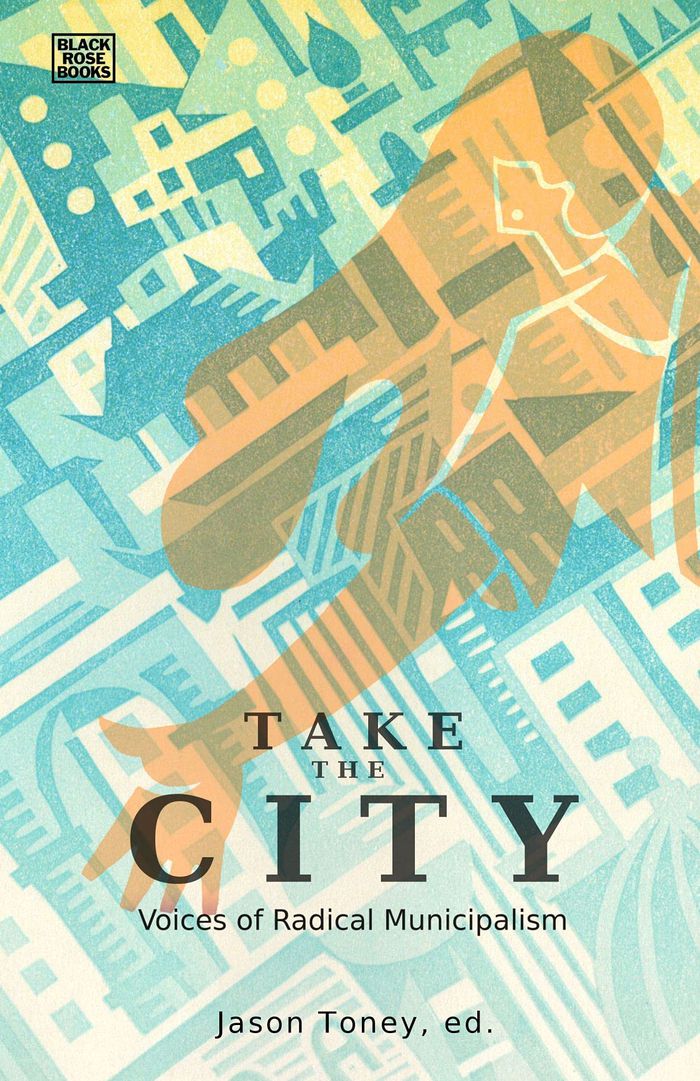
Take the city: Voices of radical municipalism
Actions:
Price:
$19.95
(available to order)
Summary:
With rapid increases in urban populations, there is an urgent need to transform our world's cities in keeping with ecological imperatives and democratic principles. A growing worldwide citizen movement is attempting to challenge bureaucratic administrations and replace the politics of fear with neighborhood power, direct democracy, and solidarity. They believe that threats of capitalism, totalitarianism, and climate change require imaginative political resistance rooted where they live. Combining political theory, philosophy, history, and intimate narrative, ''Take the city!'' presents an expansive view of municipalist movements around the world. With over twenty contributors, including David Harvey, this anthology provides crucial insights into the challenges ahead by looking at and beyond municipal electoral politics. Stories of diverse regions and issues illuminate the nuances of municipalist movements of the past and present, providing a roadmap of the fight for our future. From Seattle to Kurdistan, Burlington to Oaxaca, Barcelona to Mississippi, and Vienna to Montreal, contributors carefully consider the intertwined questions concerning current crises in housing, the environment, democracy, and capitalism.
Take the city: Voices of radical municipalism
Actions:
Price:
$19.95
(available to order)
Summary:
With rapid increases in urban populations, there is an urgent need to transform our world's cities in keeping with ecological imperatives and democratic principles. A growing worldwide citizen movement is attempting to challenge bureaucratic administrations and replace the politics of fear with neighborhood power, direct democracy, and solidarity. They believe that threats of capitalism, totalitarianism, and climate change require imaginative political resistance rooted where they live. Combining political theory, philosophy, history, and intimate narrative, ''Take the city!'' presents an expansive view of municipalist movements around the world. With over twenty contributors, including David Harvey, this anthology provides crucial insights into the challenges ahead by looking at and beyond municipal electoral politics. Stories of diverse regions and issues illuminate the nuances of municipalist movements of the past and present, providing a roadmap of the fight for our future. From Seattle to Kurdistan, Burlington to Oaxaca, Barcelona to Mississippi, and Vienna to Montreal, contributors carefully consider the intertwined questions concerning current crises in housing, the environment, democracy, and capitalism.
Form:
books
books
Publication:
October 2021
October 2021
Subject:
Humans and cities
Humans and cities


