


5194 Results
Form:
books
books
Title:
Imagery in the 21st century
Imagery in the 21st century
Actions:
Price:
$44.95
(available in store)
Summary:
We are surrounded by images as never before: on Flickr, Facebook, and YouTube; on thousands of television channels; in digital games and virtual worlds; in media art and science. Without new efforts to visualize complex ideas, structures, and systems, today’s informatio explosion would be unmanageable. The digital image represents endless options for manipulation; images(...)
$44.95
(available in store)
Summary:
We are surrounded by images as never before: on Flickr, Facebook, and YouTube; on thousands of television channels; in digital games and virtual worlds; in media art and science. Without new efforts to visualize complex ideas, structures, and systems, today’s informatio explosion would be unmanageable. The digital image represents endless options for manipulation; images(...)
Title:
Imagery in the 21st century
Actions:
Price:
$44.95
(available in store)
Summary:
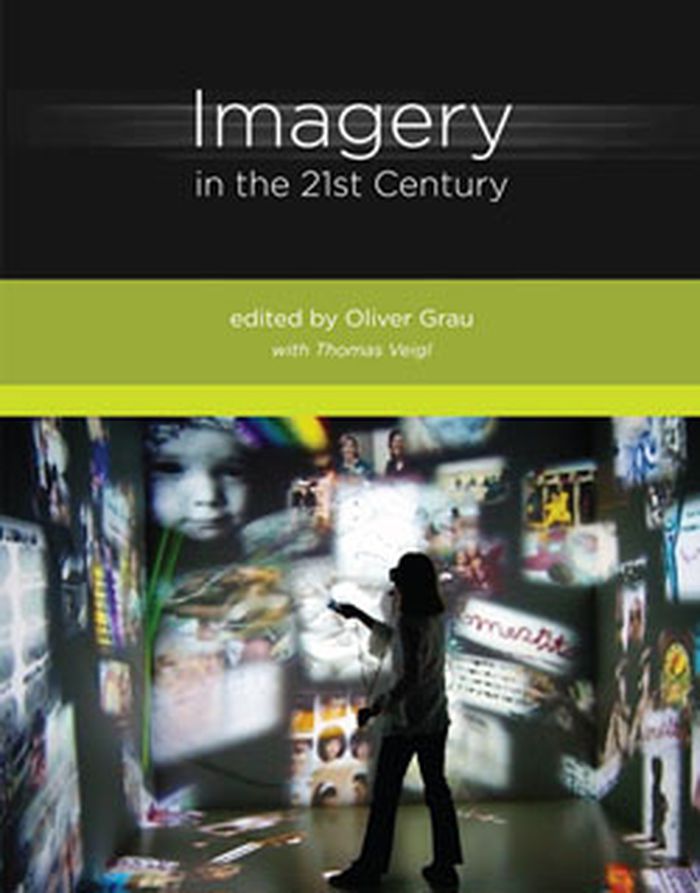
We are surrounded by images as never before: on Flickr, Facebook, and YouTube; on thousands of television channels; in digital games and virtual worlds; in media art and science. Without new efforts to visualize complex ideas, structures, and systems, today’s informatio explosion would be unmanageable. The digital image represents endless options for manipulation; images seem capable of changing interactively or even autonomously. This volume offers systematic and interdisciplinary reflections on these new image worlds and new analytical approaches to the visual. This publication examines this revolution in various fields, with researchers from the natural sciences and the humanities meeting to achieve a deeper understanding of the meaning and impact of the image in our time. The contributors explore and discuss new critical terms of multidisciplinary scope, from database economy to the dramaturgy of hypermedia, from visualizations in neurosciences to the image in bio art. They consider the power of the image in the development of human consciousness, pursue new definitions of visual phenomena, and examine new tools for image research and visual analysis. The goal is to expand visual competence in investigating new visual worlds and to build cross-disciplinary exchanges among the arts, humanities, and natural sciences.
Imagery in the 21st century
Actions:
Price:
$44.95
(available in store)
Summary:
We are surrounded by images as never before: on Flickr, Facebook, and YouTube; on thousands of television channels; in digital games and virtual worlds; in media art and science. Without new efforts to visualize complex ideas, structures, and systems, today’s informatio explosion would be unmanageable. The digital image represents endless options for manipulation; images seem capable of changing interactively or even autonomously. This volume offers systematic and interdisciplinary reflections on these new image worlds and new analytical approaches to the visual. This publication examines this revolution in various fields, with researchers from the natural sciences and the humanities meeting to achieve a deeper understanding of the meaning and impact of the image in our time. The contributors explore and discuss new critical terms of multidisciplinary scope, from database economy to the dramaturgy of hypermedia, from visualizations in neurosciences to the image in bio art. They consider the power of the image in the development of human consciousness, pursue new definitions of visual phenomena, and examine new tools for image research and visual analysis. The goal is to expand visual competence in investigating new visual worlds and to build cross-disciplinary exchanges among the arts, humanities, and natural sciences.
Form:
books
books
Publication:
September 2011
September 2011
Subject:
Art Theory
Art Theory
Form:
books
books

Actions:
Price:
$52.95
(available to order)
Summary:
In the seventeenth century, a map of the plague suggested a radical idea—that the disease was carried and spread by humans. In the nineteenth century, maps of cholera cases were used to prove its waterborne nature. More recently, maps charting the swine flu pandemic caused worldwide panic and sent shockwaves through the medical community. In Disease Maps, Tom Koch(...)
$52.95
(available to order)
Summary:
In the seventeenth century, a map of the plague suggested a radical idea—that the disease was carried and spread by humans. In the nineteenth century, maps of cholera cases were used to prove its waterborne nature. More recently, maps charting the swine flu pandemic caused worldwide panic and sent shockwaves through the medical community. In Disease Maps, Tom Koch(...)
Title:
Disease maps: epidemics on the ground
Actions:
Price:
$52.95
(available to order)
Summary:
In the seventeenth century, a map of the plague suggested a radical idea—that the disease was carried and spread by humans. In the nineteenth century, maps of cholera cases were used to prove its waterborne nature. More recently, maps charting the swine flu pandemic caused worldwide panic and sent shockwaves through the medical community. In Disease Maps, Tom Koch contends that to understand epidemics and their history we need to think about maps of varying scale, from the individual body to shared symptoms evidenced across cities, nations, and the world. Disease Maps begins with a brief review of epidemic mapping today and a detailed example of its power. Koch then traces the early history of medical cartography, including pandemics such as European plague and yellow fever, and the advancements in anatomy, printing, and world atlases that paved the way for their mapping. Moving on to the scourge of the nineteenth century—cholera—Koch considers the many choleras argued into existence by the maps of the day, including a new perspective on John Snow’s science and legacy. Finally, Koch addresses contemporary outbreaks such as AIDS, cancer, and H1N1, and reaches into the future, toward the coming epidemics.
Disease maps: epidemics on the ground
Actions:
Price:
$52.95
(available to order)
Summary:
In the seventeenth century, a map of the plague suggested a radical idea—that the disease was carried and spread by humans. In the nineteenth century, maps of cholera cases were used to prove its waterborne nature. More recently, maps charting the swine flu pandemic caused worldwide panic and sent shockwaves through the medical community. In Disease Maps, Tom Koch contends that to understand epidemics and their history we need to think about maps of varying scale, from the individual body to shared symptoms evidenced across cities, nations, and the world. Disease Maps begins with a brief review of epidemic mapping today and a detailed example of its power. Koch then traces the early history of medical cartography, including pandemics such as European plague and yellow fever, and the advancements in anatomy, printing, and world atlases that paved the way for their mapping. Moving on to the scourge of the nineteenth century—cholera—Koch considers the many choleras argued into existence by the maps of the day, including a new perspective on John Snow’s science and legacy. Finally, Koch addresses contemporary outbreaks such as AIDS, cancer, and H1N1, and reaches into the future, toward the coming epidemics.
Form:
books
books
Publication:
August 2011
August 2011
Subject:
Architectural Plans and Cartography
Architectural Plans and Cartography
Form:
books
books
Actions:
Price:
$54.00
(available to order)
Summary:
These influential, hard-to-obtain texts—many of which have never before been published— by Marcia Tucker, founding director of New York’s New Museum, showcase her lifelong commitment to pushing the boundaries of curatorial practice and writing while rethinking inherited structures of power within and outside the museum. The volume brings together the only comprehensive(...)
$54.00
(available to order)
Summary:
These influential, hard-to-obtain texts—many of which have never before been published— by Marcia Tucker, founding director of New York’s New Museum, showcase her lifelong commitment to pushing the boundaries of curatorial practice and writing while rethinking inherited structures of power within and outside the museum. The volume brings together the only comprehensive(...)
Title:
Out of bounds: the collected writings of Marcia Tucker
Actions:
Price:
$54.00
(available to order)
Summary:
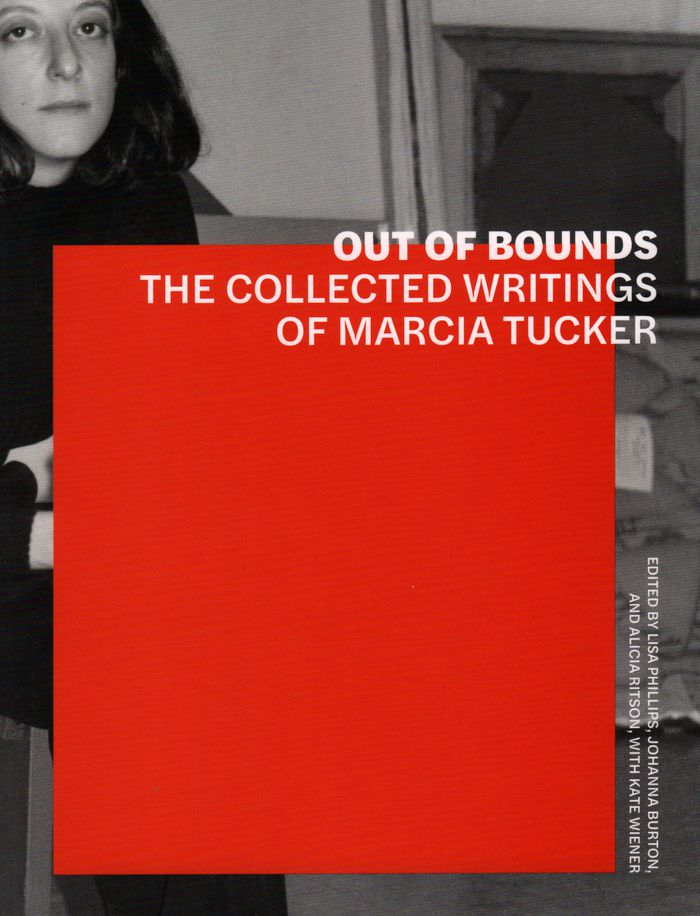
These influential, hard-to-obtain texts—many of which have never before been published— by Marcia Tucker, founding director of New York’s New Museum, showcase her lifelong commitment to pushing the boundaries of curatorial practice and writing while rethinking inherited structures of power within and outside the museum. The volume brings together the only comprehensive bibliography of Tucker’s writing and highlights her critical attention to art’s relationship to broader culture and politics. The book is divided into three sections: monographic texts on a selection of the visionary artists whom Tucker championed, among them Bruce Nauman, Joan Mitchell, Richard Tuttle, and Andres Serrano; exhibition essays from some of the formative group shows she organized, such as Anti-Illusion: Procedures/Materials (1969) and Bad Girls (1994), which expanded the canons of curating and art history; and other critical works, including lectures, that interrogated museum practice, inequities of the art world, and institutional responsibility. These texts attest to Tucker’s tireless pursuit of questions related to difference, marginalization, access, and ethics, illuminating her significant impact on contemporary art discourse in her own time and demonstrating her lasting contributions to the field.
Out of bounds: the collected writings of Marcia Tucker
Actions:
Price:
$54.00
(available to order)
Summary:
These influential, hard-to-obtain texts—many of which have never before been published— by Marcia Tucker, founding director of New York’s New Museum, showcase her lifelong commitment to pushing the boundaries of curatorial practice and writing while rethinking inherited structures of power within and outside the museum. The volume brings together the only comprehensive bibliography of Tucker’s writing and highlights her critical attention to art’s relationship to broader culture and politics. The book is divided into three sections: monographic texts on a selection of the visionary artists whom Tucker championed, among them Bruce Nauman, Joan Mitchell, Richard Tuttle, and Andres Serrano; exhibition essays from some of the formative group shows she organized, such as Anti-Illusion: Procedures/Materials (1969) and Bad Girls (1994), which expanded the canons of curating and art history; and other critical works, including lectures, that interrogated museum practice, inequities of the art world, and institutional responsibility. These texts attest to Tucker’s tireless pursuit of questions related to difference, marginalization, access, and ethics, illuminating her significant impact on contemporary art discourse in her own time and demonstrating her lasting contributions to the field.
Form:
books
books
Publication:
September 2019
September 2019
Subject:
Art Theory
Art Theory
Form:
books
books
Price:
$64.95
(available to order)
Summary:
The life and work of the outstanding Catalan-Majorcan philosopher, logician, and mystic Ramon Llull continues to fascinate thinkers, artists, and scholars worldwide The primary idea of Ramon Llull’s teachings—to enable rational and therefore trustworthy dialogue between cultures and religions through a universally valid system of symbols—is today still topical and of(...)
$64.95
(available to order)
Summary:
The life and work of the outstanding Catalan-Majorcan philosopher, logician, and mystic Ramon Llull continues to fascinate thinkers, artists, and scholars worldwide The primary idea of Ramon Llull’s teachings—to enable rational and therefore trustworthy dialogue between cultures and religions through a universally valid system of symbols—is today still topical and of(...)
Subject:
Critical Theory
Critical Theory
Publication:
April 2019
April 2019
Title:
Dia-logos:Ramon Llull's method of thought and artistic practice
Actions:
Price:
$64.95
(available to order)
Summary:
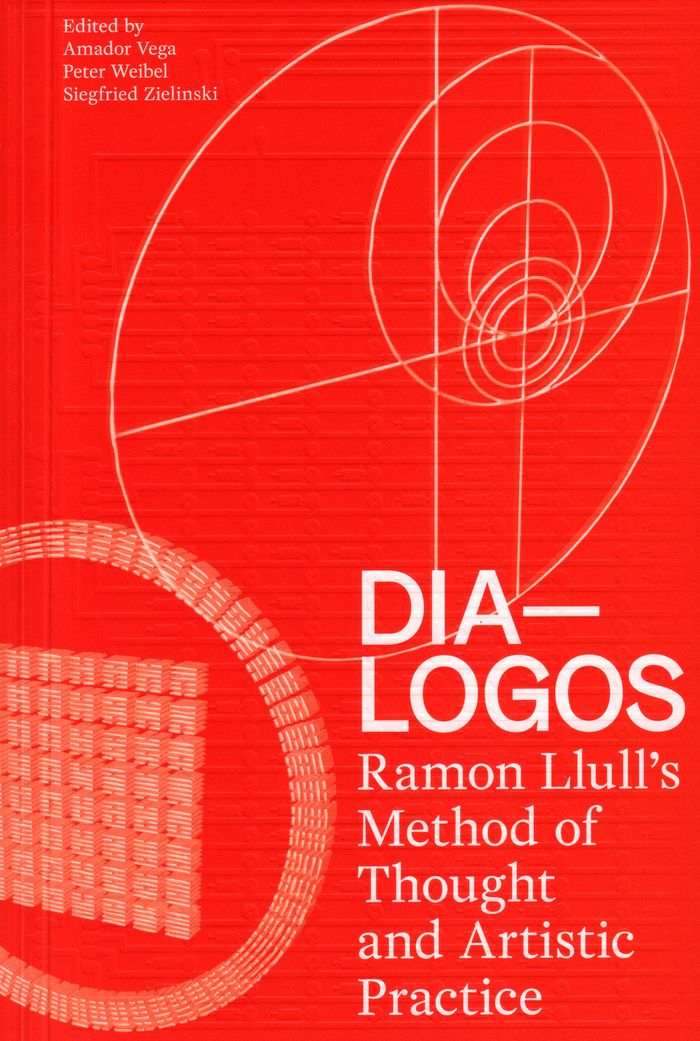
The life and work of the outstanding Catalan-Majorcan philosopher, logician, and mystic Ramon Llull continues to fascinate thinkers, artists, and scholars worldwide The primary idea of Ramon Llull’s teachings—to enable rational and therefore trustworthy dialogue between cultures and religions through a universally valid system of symbols—is today still topical and of great relevance, especially in the tensions prevailing in globalized spaces of possibility. This book addresses Lullism as a remarkable and distinctive method of thinking and experimenting. The origins and impact of Ramon Llull’s oeuvre as a modern thinker are presented, and their interdisciplinary and intercultural implications, which continue to this day, are explored. Ars combinatoria, generative and permutative generation of texts, the epistemic and poetic power of algorithmic systems, plus the principle of unconditional dialogue between cultural groups and their individual members, are the most important coordinates of this combinatorial–dialogical media and communication theory, which appeared very early in the history of science, technology, and art. It was developed in the work of Ramon Llull during the transition from the thirteenth to the fourteenth century when Arab-Islamic, Jewish, and Christian cultures intersected.
Dia-logos:Ramon Llull's method of thought and artistic practice
Actions:
Price:
$64.95
(available to order)
Summary:
The life and work of the outstanding Catalan-Majorcan philosopher, logician, and mystic Ramon Llull continues to fascinate thinkers, artists, and scholars worldwide The primary idea of Ramon Llull’s teachings—to enable rational and therefore trustworthy dialogue between cultures and religions through a universally valid system of symbols—is today still topical and of great relevance, especially in the tensions prevailing in globalized spaces of possibility. This book addresses Lullism as a remarkable and distinctive method of thinking and experimenting. The origins and impact of Ramon Llull’s oeuvre as a modern thinker are presented, and their interdisciplinary and intercultural implications, which continue to this day, are explored. Ars combinatoria, generative and permutative generation of texts, the epistemic and poetic power of algorithmic systems, plus the principle of unconditional dialogue between cultural groups and their individual members, are the most important coordinates of this combinatorial–dialogical media and communication theory, which appeared very early in the history of science, technology, and art. It was developed in the work of Ramon Llull during the transition from the thirteenth to the fourteenth century when Arab-Islamic, Jewish, and Christian cultures intersected.
Form:
books
books
Publication:
April 2019
April 2019
Subject:
Critical Theory
Critical Theory
Form:
books
books
Actions:
Price:
$34.99
(available to order)
Summary:
The last explosive change in art education came nearly a century ago, when the German Bauhaus was formed. Today, dramatic changes in the art world—its increasing professionalization, the pervasive power of the art market, and fundamental shifts in art-making itself in our post-Duchampian era—combined with a revolution in information technology, raise fundamental questions(...)
$34.99
(available to order)
Summary:
The last explosive change in art education came nearly a century ago, when the German Bauhaus was formed. Today, dramatic changes in the art world—its increasing professionalization, the pervasive power of the art market, and fundamental shifts in art-making itself in our post-Duchampian era—combined with a revolution in information technology, raise fundamental questions(...)
Title:
Art school (propositions for the 21st century)
Actions:
Price:
$34.99
(available to order)
Summary:
The last explosive change in art education came nearly a century ago, when the German Bauhaus was formed. Today, dramatic changes in the art world—its increasing professionalization, the pervasive power of the art market, and fundamental shifts in art-making itself in our post-Duchampian era—combined with a revolution in information technology, raise fundamental questions about the education of today's artists. This book brings together more than thirty leading international artists and art educators to reconsider the practices of art education in academic, practical, ethical, and philosophical terms. The essays in the book range over continents, histories, traditions, experiments, and fantasies of education. Accompanying the essays are conversations with such prominent artist/educators as John Baldessari, Michael Craig-Martin, Hans Haacke, and Marina Abramovi, as well as questionnaire responses from a dozen important artists—among them Mike Kelley, Ann Hamilton, Guillermo Kuitca, and Shirin Neshat—about their own experiences as students. A fascinating analysis of the architecture of major historical art schools throughout the world looks at the relationship of the principles of their designs to the principles of the pedagogy practiced within their halls.
Art school (propositions for the 21st century)
Actions:
Price:
$34.99
(available to order)
Summary:
The last explosive change in art education came nearly a century ago, when the German Bauhaus was formed. Today, dramatic changes in the art world—its increasing professionalization, the pervasive power of the art market, and fundamental shifts in art-making itself in our post-Duchampian era—combined with a revolution in information technology, raise fundamental questions about the education of today's artists. This book brings together more than thirty leading international artists and art educators to reconsider the practices of art education in academic, practical, ethical, and philosophical terms. The essays in the book range over continents, histories, traditions, experiments, and fantasies of education. Accompanying the essays are conversations with such prominent artist/educators as John Baldessari, Michael Craig-Martin, Hans Haacke, and Marina Abramovi, as well as questionnaire responses from a dozen important artists—among them Mike Kelley, Ann Hamilton, Guillermo Kuitca, and Shirin Neshat—about their own experiences as students. A fascinating analysis of the architecture of major historical art schools throughout the world looks at the relationship of the principles of their designs to the principles of the pedagogy practiced within their halls.
Form:
books
books
Publication:
October 2009
October 2009
Subject:
Art Theory
Art Theory
Form:
books
books
Actions:
Price:
$43.95
(available to order)
Summary:
''An anthology of Blackness'' examines the intersection of Black identity and practice, probing why the design field has failed to attract Black professionals, how Eurocentric hegemony impacts Black professionals, and how Black designers can create an anti-racist design industry. Contributing authors and creators demonstrate how to develop a pro-Black design practice of(...)
$43.95
(available to order)
Summary:
''An anthology of Blackness'' examines the intersection of Black identity and practice, probing why the design field has failed to attract Black professionals, how Eurocentric hegemony impacts Black professionals, and how Black designers can create an anti-racist design industry. Contributing authors and creators demonstrate how to develop a pro-Black design practice of(...)
Title:
An anthology of Blackness: the state of Black design
Actions:
Price:
$43.95
(available to order)
Summary:
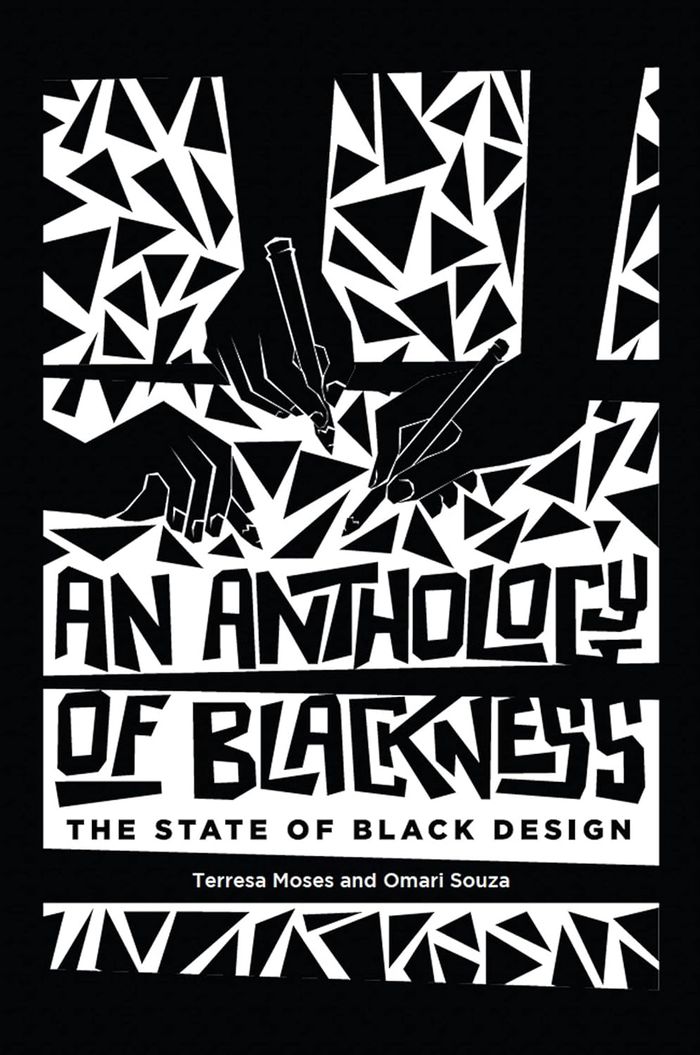
''An anthology of Blackness'' examines the intersection of Black identity and practice, probing why the design field has failed to attract Black professionals, how Eurocentric hegemony impacts Black professionals, and how Black designers can create an anti-racist design industry. Contributing authors and creators demonstrate how to develop a pro-Black design practice of inclusivity, including Black representation in designed media, anti-racist pedagogy, and radical self-care. Through autoethnography, lived experience, scholarship, and applied research, these contributors share proven methods for creating an anti-racist and inclusive design practice. The contributions in ''An anthology of Blackness'' include essays, opinion pieces, case studies, and visual narratives. Many contributors write from an intersectional perspective on race, gender, sexuality, ethnicity, and ability. Each section of the book expands on community-driven concerns about the state of the design industry, design pedagogy, and design activism. Ultimately, this articulated intersection of Black identity and Black design practice reveals the power of resistance, community, and solidarity—and the hope for a more equitable future. With a foreword written by design luminary Elizabeth (Dori) Tunstall, ''An anthology of Blackness'' is a pioneering contribution to the literature of social justice.
An anthology of Blackness: the state of Black design
Actions:
Price:
$43.95
(available to order)
Summary:
''An anthology of Blackness'' examines the intersection of Black identity and practice, probing why the design field has failed to attract Black professionals, how Eurocentric hegemony impacts Black professionals, and how Black designers can create an anti-racist design industry. Contributing authors and creators demonstrate how to develop a pro-Black design practice of inclusivity, including Black representation in designed media, anti-racist pedagogy, and radical self-care. Through autoethnography, lived experience, scholarship, and applied research, these contributors share proven methods for creating an anti-racist and inclusive design practice. The contributions in ''An anthology of Blackness'' include essays, opinion pieces, case studies, and visual narratives. Many contributors write from an intersectional perspective on race, gender, sexuality, ethnicity, and ability. Each section of the book expands on community-driven concerns about the state of the design industry, design pedagogy, and design activism. Ultimately, this articulated intersection of Black identity and Black design practice reveals the power of resistance, community, and solidarity—and the hope for a more equitable future. With a foreword written by design luminary Elizabeth (Dori) Tunstall, ''An anthology of Blackness'' is a pioneering contribution to the literature of social justice.
Form:
books
books
Publication:
October 2023
October 2023
Subject:
Design Theory
Design Theory
Form:
books
books
Actions:
Price:
$94.00
(available to order)
Summary:
The 1960s and 1970s marked a period of exceptional change in Korea, propelled by rapid urbanization and modernization, and influenced by an authoritarian state at home and a globalizing world beyond. Young artists of the era were not immune to these unprecedented socioeconomic, political, and material conditions, responding with a groundbreaking and genre-defying body of(...)
$94.00
(available to order)
Summary:
The 1960s and 1970s marked a period of exceptional change in Korea, propelled by rapid urbanization and modernization, and influenced by an authoritarian state at home and a globalizing world beyond. Young artists of the era were not immune to these unprecedented socioeconomic, political, and material conditions, responding with a groundbreaking and genre-defying body of(...)
Publication:
October 2023
October 2023
Title:
Only the young: Expermental art in Korea, 1960s-1970s
Actions:
Price:
$94.00
(available to order)
Summary:
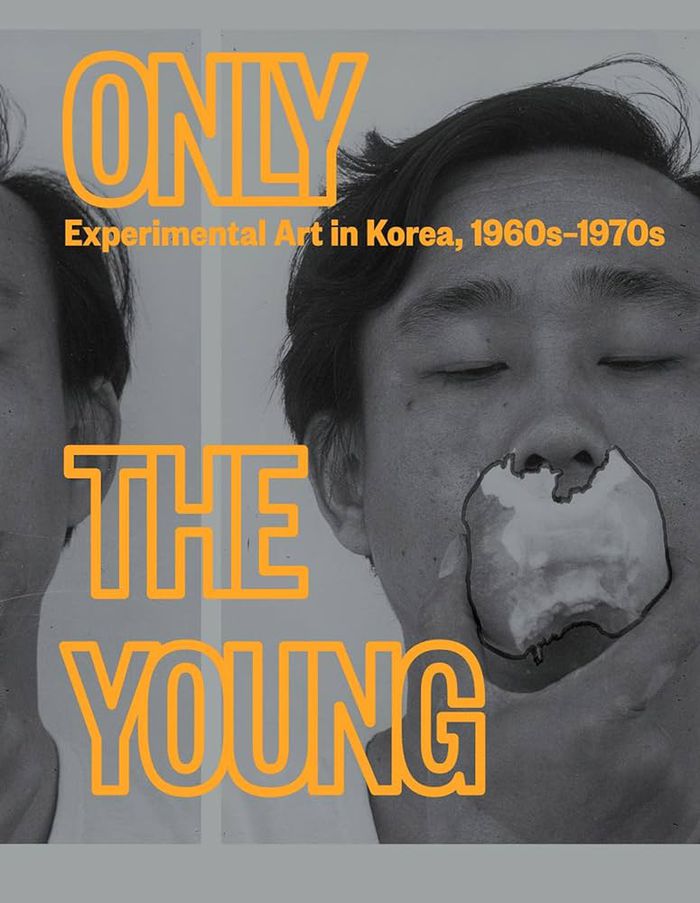
The 1960s and 1970s marked a period of exceptional change in Korea, propelled by rapid urbanization and modernization, and influenced by an authoritarian state at home and a globalizing world beyond. Young artists of the era were not immune to these unprecedented socioeconomic, political, and material conditions, responding with a groundbreaking and genre-defying body of avant-garde art known broadly as ''Experimental art'' (silheom misul). Both as individuals and in collectives, these artists broke definitively with their predecessors, redefining the boundaries of traditional painting and sculpture while embracing innovative and often provocative approaches to materials and process through performance, installation, photography, and video. ''Only the Young: Experimental Art in Korea, 1960s–1970s'' accompanies the first exhibition in North America to examine this influential but understudied period. Featuring incisive new scholarship and lavish photography of works drawn from public and private collections across the globe, the volume also brings together translations of articles, artist manifestos, and other primary sources that offer a firsthand perspective on the ideas and discourses then shaping Korean art. What emerges is the story of how this generation of young Korean artists harnessed the power of art to confront and reimagine an ever-shifting present.
Only the young: Expermental art in Korea, 1960s-1970s
Actions:
Price:
$94.00
(available to order)
Summary:
The 1960s and 1970s marked a period of exceptional change in Korea, propelled by rapid urbanization and modernization, and influenced by an authoritarian state at home and a globalizing world beyond. Young artists of the era were not immune to these unprecedented socioeconomic, political, and material conditions, responding with a groundbreaking and genre-defying body of avant-garde art known broadly as ''Experimental art'' (silheom misul). Both as individuals and in collectives, these artists broke definitively with their predecessors, redefining the boundaries of traditional painting and sculpture while embracing innovative and often provocative approaches to materials and process through performance, installation, photography, and video. ''Only the Young: Experimental Art in Korea, 1960s–1970s'' accompanies the first exhibition in North America to examine this influential but understudied period. Featuring incisive new scholarship and lavish photography of works drawn from public and private collections across the globe, the volume also brings together translations of articles, artist manifestos, and other primary sources that offer a firsthand perspective on the ideas and discourses then shaping Korean art. What emerges is the story of how this generation of young Korean artists harnessed the power of art to confront and reimagine an ever-shifting present.
Form:
books
books
Publication:
October 2023
October 2023
Form:
books
books
Title:
Atlas of the senseable city
Atlas of the senseable city
Actions:
Price:
$48.00
(available in store)
Summary:
What have smart technologies taught us about cities? What lessons can we learn from today’s urbanites to make better places to live? Antoine Picon and Carlo Ratti argue that the answers are in the maps we make. For centuries, we have relied on maps to navigate the enormity of the city. Now, as the physical world combines with the digital world, we need a new generation of(...)
$48.00
(available in store)
Summary:
What have smart technologies taught us about cities? What lessons can we learn from today’s urbanites to make better places to live? Antoine Picon and Carlo Ratti argue that the answers are in the maps we make. For centuries, we have relied on maps to navigate the enormity of the city. Now, as the physical world combines with the digital world, we need a new generation of(...)
Title:
Atlas of the senseable city
Actions:
Price:
$48.00
(available in store)
Summary:
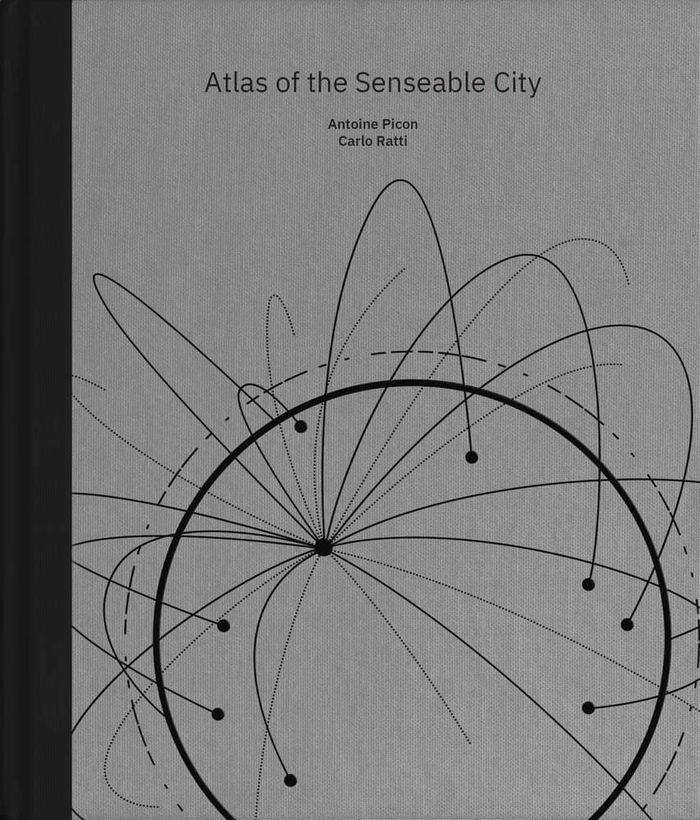
What have smart technologies taught us about cities? What lessons can we learn from today’s urbanites to make better places to live? Antoine Picon and Carlo Ratti argue that the answers are in the maps we make. For centuries, we have relied on maps to navigate the enormity of the city. Now, as the physical world combines with the digital world, we need a new generation of maps to navigate the city of tomorrow. Pervasive sensors allow anyone to visualize cities in entirely new ways—ebbs and flows of pollution, traffic, and internet connectivity. This book explores how the growth of digital mapping, spurred by sensing technologies, is affecting cities and daily lives. It examines how new cartographic possibilities aid urban planners, technicians, politicians, and administrators; how digitally mapped cities could reveal ways to make cities smarter and more efficient; how monitoring urbanites has political and social repercussions; and how the proliferation of open-source maps and collaborative platforms can aid activists and vulnerable populations. With its beautiful, accessible presentation of cutting-edge research, this book makes it easy for readers to understand the stakes of the new information age—and appreciate the timeless power of the city.
Atlas of the senseable city
Actions:
Price:
$48.00
(available in store)
Summary:
What have smart technologies taught us about cities? What lessons can we learn from today’s urbanites to make better places to live? Antoine Picon and Carlo Ratti argue that the answers are in the maps we make. For centuries, we have relied on maps to navigate the enormity of the city. Now, as the physical world combines with the digital world, we need a new generation of maps to navigate the city of tomorrow. Pervasive sensors allow anyone to visualize cities in entirely new ways—ebbs and flows of pollution, traffic, and internet connectivity. This book explores how the growth of digital mapping, spurred by sensing technologies, is affecting cities and daily lives. It examines how new cartographic possibilities aid urban planners, technicians, politicians, and administrators; how digitally mapped cities could reveal ways to make cities smarter and more efficient; how monitoring urbanites has political and social repercussions; and how the proliferation of open-source maps and collaborative platforms can aid activists and vulnerable populations. With its beautiful, accessible presentation of cutting-edge research, this book makes it easy for readers to understand the stakes of the new information age—and appreciate the timeless power of the city.
Form:
books
books
Publication:
June 2023
June 2023
Subject:
Urban Theory
Urban Theory
Form:
books
books
Title:
Equilibres
Equilibres
Actions:
Price:
$62.00
(available to order)
Summary:
The Swiss collaborators Fischli & Weiss have said of this early series of color and black-and-white photographs, "Balance is most beautiful just shortly before it collapses." Indeed their tense arrangements of household miscellany often look on the verge of falling, or are caught in the process. The only texts included with them are associative titles, including Natural(...)
$62.00
(available to order)
Summary:
The Swiss collaborators Fischli & Weiss have said of this early series of color and black-and-white photographs, "Balance is most beautiful just shortly before it collapses." Indeed their tense arrangements of household miscellany often look on the verge of falling, or are caught in the process. The only texts included with them are associative titles, including Natural(...)
Subject:
Contemporary Art Monographs
Contemporary Art Monographs
Publication:
March 2007, Collogne
March 2007, Collogne
Title:
Equilibres
Actions:
Price:
$62.00
(available to order)
Summary:
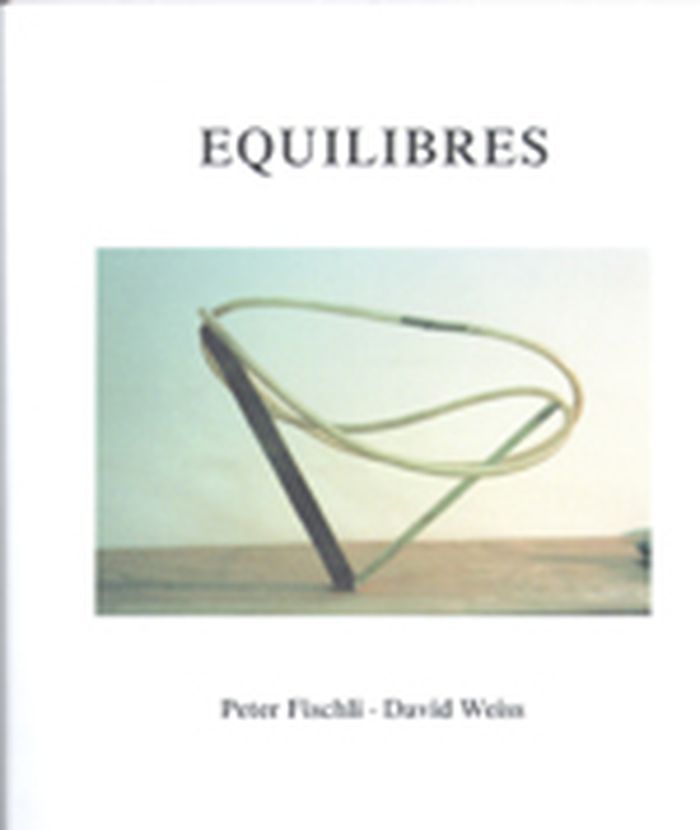
The Swiss collaborators Fischli & Weiss have said of this early series of color and black-and-white photographs, "Balance is most beautiful just shortly before it collapses." Indeed their tense arrangements of household miscellany often look on the verge of falling, or are caught in the process. The only texts included with them are associative titles, including Natural Grace, (a spatula on a plate on a wine bottle on an apple on a cup), The Fart (chairs on Coke bottles and aerosol cans), and Invisible Power, (showing one end of a paper construction held aloft by the breeze from a small fan). Many of the constructions appear under several titles, in several styles: Completion, when shot in grainy, starkly lit black-and-white, becomes Honor, Courage, Confidence, and in close-up, Can I , May I, Do Anything? On the page, these often elaborate and expansive objects acquire an incidental quality that makes them both more real and more transient. Ultimately, the only evidence of their existence is these images. While a small selection of these works appeared in the artist's book Quiet Afternoon, most have never before been published in any form.
Equilibres
Actions:
Price:
$62.00
(available to order)
Summary:
The Swiss collaborators Fischli & Weiss have said of this early series of color and black-and-white photographs, "Balance is most beautiful just shortly before it collapses." Indeed their tense arrangements of household miscellany often look on the verge of falling, or are caught in the process. The only texts included with them are associative titles, including Natural Grace, (a spatula on a plate on a wine bottle on an apple on a cup), The Fart (chairs on Coke bottles and aerosol cans), and Invisible Power, (showing one end of a paper construction held aloft by the breeze from a small fan). Many of the constructions appear under several titles, in several styles: Completion, when shot in grainy, starkly lit black-and-white, becomes Honor, Courage, Confidence, and in close-up, Can I , May I, Do Anything? On the page, these often elaborate and expansive objects acquire an incidental quality that makes them both more real and more transient. Ultimately, the only evidence of their existence is these images. While a small selection of these works appeared in the artist's book Quiet Afternoon, most have never before been published in any form.
Form:
books
books
Publication:
March 2007, Collogne
March 2007, Collogne
Subject:
Contemporary Art Monographs
Contemporary Art Monographs
Form:
books
books

Title:
White rapids
White rapids
Actions:
Price:
$29.95
(available to order)
Summary:
Award-winning Quebecois cartoonist Pascal Blanchet’s graphic novel is a compelling account of the rise and fall of the small northern town of White Rapids. In the first English translation of his work, Blanchet seamlessly blends fact and fiction as he weaves together the official history of the town and snapshots of the quotidian life of its residents. Founded in 1928 in(...)
$29.95
(available to order)
Summary:
Award-winning Quebecois cartoonist Pascal Blanchet’s graphic novel is a compelling account of the rise and fall of the small northern town of White Rapids. In the first English translation of his work, Blanchet seamlessly blends fact and fiction as he weaves together the official history of the town and snapshots of the quotidian life of its residents. Founded in 1928 in(...)
Title:
White rapids
Actions:
Price:
$29.95
(available to order)
Summary:
Award-winning Quebecois cartoonist Pascal Blanchet’s graphic novel is a compelling account of the rise and fall of the small northern town of White Rapids. In the first English translation of his work, Blanchet seamlessly blends fact and fiction as he weaves together the official history of the town and snapshots of the quotidian life of its residents. Founded in 1928 in an isolated region of Quebec forest, the town was conceived and constructed by the Shawinigan Water & Power Company to function as a fully equipped, self-contained living community for workers at the nearby dam and their families. Intended as an incentive to lure workers to the remote and inaccessible region, White Rapids provided its residents with all the luxuries of middle-class modern life in a pastoral setting—until the town was abruptly shut down in 1971, when the company changed hands. Blanchet’s unique, streamlined, retro-inspired aesthetic draws on art deco and fifties modernist design to vividly conjure up idyllic scenes of lazy summer days and crisp winter nights in White Rapids, transporting the reader back to a more innocent time.
White rapids
Actions:
Price:
$29.95
(available to order)
Summary:
Award-winning Quebecois cartoonist Pascal Blanchet’s graphic novel is a compelling account of the rise and fall of the small northern town of White Rapids. In the first English translation of his work, Blanchet seamlessly blends fact and fiction as he weaves together the official history of the town and snapshots of the quotidian life of its residents. Founded in 1928 in an isolated region of Quebec forest, the town was conceived and constructed by the Shawinigan Water & Power Company to function as a fully equipped, self-contained living community for workers at the nearby dam and their families. Intended as an incentive to lure workers to the remote and inaccessible region, White Rapids provided its residents with all the luxuries of middle-class modern life in a pastoral setting—until the town was abruptly shut down in 1971, when the company changed hands. Blanchet’s unique, streamlined, retro-inspired aesthetic draws on art deco and fifties modernist design to vividly conjure up idyllic scenes of lazy summer days and crisp winter nights in White Rapids, transporting the reader back to a more innocent time.
Form:
books
books
Publication:
September 2007
September 2007
Subject:
Architecture du Québec
Architecture du Québec


