


12071 Results
Form:
books
books
Price:
$88.00
(available to order)
Summary:
How can the public library fulfil its classic social mission in our individualized and sometimes fragmented society? And how does such a library fit into the urban public space, in which commerce and consumption seem to reign supreme? This requires innovative architecture, the strength of imagination and the willingness to think countercyclically. In this book, librarians(...)
$88.00
(available to order)
Summary:
How can the public library fulfil its classic social mission in our individualized and sometimes fragmented society? And how does such a library fit into the urban public space, in which commerce and consumption seem to reign supreme? This requires innovative architecture, the strength of imagination and the willingness to think countercyclically. In this book, librarians(...)
Subject:
Commercial interiors, Building types
Commercial interiors, Building types
Publication:
March 2022
March 2022
Title:
Imagination and participation: Next steps in public library architecture
Actions:
Price:
$88.00
(available to order)
Summary:
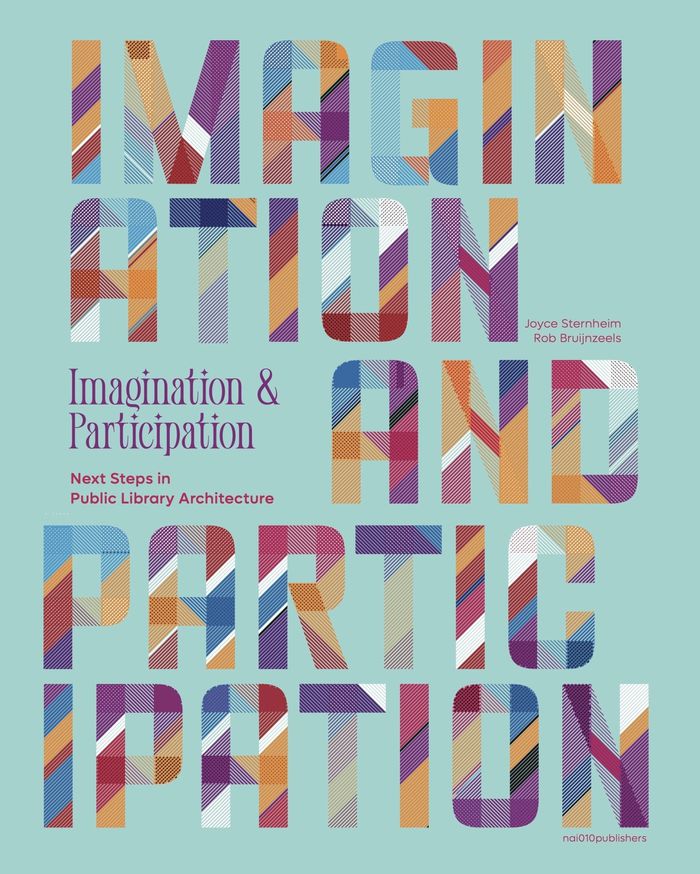
How can the public library fulfil its classic social mission in our individualized and sometimes fragmented society? And how does such a library fit into the urban public space, in which commerce and consumption seem to reign supreme? This requires innovative architecture, the strength of imagination and the willingness to think countercyclically. In this book, librarians Rob Bruijnzeels and Joyce Sternheim examine the most important transitions in public library work. They speak with experts and Dutch and Flemish top architects who have designed public libraries in the Netherlands and abroad. These conversations and the authors’ own insights and experiences have resulted in a new perspective on contemporary library work that has been translated into starting points for the future architecture of public libraries.
Imagination and participation: Next steps in public library architecture
Actions:
Price:
$88.00
(available to order)
Summary:
How can the public library fulfil its classic social mission in our individualized and sometimes fragmented society? And how does such a library fit into the urban public space, in which commerce and consumption seem to reign supreme? This requires innovative architecture, the strength of imagination and the willingness to think countercyclically. In this book, librarians Rob Bruijnzeels and Joyce Sternheim examine the most important transitions in public library work. They speak with experts and Dutch and Flemish top architects who have designed public libraries in the Netherlands and abroad. These conversations and the authors’ own insights and experiences have resulted in a new perspective on contemporary library work that has been translated into starting points for the future architecture of public libraries.
Form:
books
books
Publication:
March 2022
March 2022
Subject:
Commercial interiors, Building types
Commercial interiors, Building types
Form:
books
books
Title:
From the world heritage of Wroclaw to that of Dessau : the path of Modernism architecture, 1900-1930
From the world heritage of Wroclaw to that of Dessau : the path of Modernism architecture, 1900-1930
Actions:
Price:
$34.00
(available to order)
Summary:
An unusual journey between Breslau and Dessau, from the World Cultural Heritage of the Centennial Hall (1913) to the World Cultural Heritage of Bauhaus dating from the twenties : and there are many highpoints of modern architecture in-between—in Görlitz, Dresden-Hellerau, Leipzig or Chemnitz, for example. Almost all the great modernist architects are gathered together(...)
$34.00
(available to order)
Summary:
An unusual journey between Breslau and Dessau, from the World Cultural Heritage of the Centennial Hall (1913) to the World Cultural Heritage of Bauhaus dating from the twenties : and there are many highpoints of modern architecture in-between—in Görlitz, Dresden-Hellerau, Leipzig or Chemnitz, for example. Almost all the great modernist architects are gathered together(...)
Title:
From the world heritage of Wroclaw to that of Dessau : the path of Modernism architecture, 1900-1930
Actions:
Price:
$34.00
(available to order)
Summary:
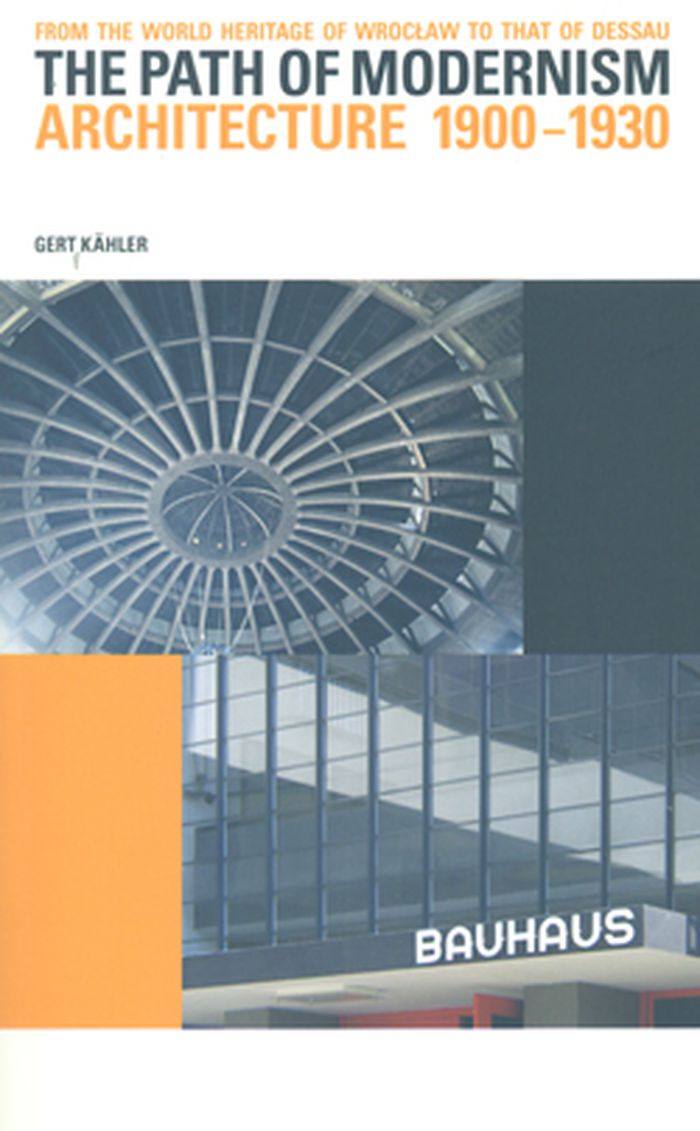
An unusual journey between Breslau and Dessau, from the World Cultural Heritage of the Centennial Hall (1913) to the World Cultural Heritage of Bauhaus dating from the twenties : and there are many highpoints of modern architecture in-between—in Görlitz, Dresden-Hellerau, Leipzig or Chemnitz, for example. Almost all the great modernist architects are gathered together here, from Hans Poelzig and Henry van de Velde to Heinrich Tessenow, Richard Riemerschmid, Hans Scharoun, Erich Mendelsohn and even Walter Gropius. But the focus is also on the cities themselves; at a very early date, their progressive building councillors thought hard about European urban development — about buildings ranging from striking tower blocks to top-quality mass housing. This publication illustrates an important chapter of architectural history in an original, condensed-format travel guide.
From the world heritage of Wroclaw to that of Dessau : the path of Modernism architecture, 1900-1930
Actions:
Price:
$34.00
(available to order)
Summary:
An unusual journey between Breslau and Dessau, from the World Cultural Heritage of the Centennial Hall (1913) to the World Cultural Heritage of Bauhaus dating from the twenties : and there are many highpoints of modern architecture in-between—in Görlitz, Dresden-Hellerau, Leipzig or Chemnitz, for example. Almost all the great modernist architects are gathered together here, from Hans Poelzig and Henry van de Velde to Heinrich Tessenow, Richard Riemerschmid, Hans Scharoun, Erich Mendelsohn and even Walter Gropius. But the focus is also on the cities themselves; at a very early date, their progressive building councillors thought hard about European urban development — about buildings ranging from striking tower blocks to top-quality mass housing. This publication illustrates an important chapter of architectural history in an original, condensed-format travel guide.
Form:
books
books
Publication:
November 2009
November 2009
Subject:
History since 1900, Reference Books
History since 1900, Reference Books
Form:
books
books
Title:
Politics of learning, politics of space: architecture and the education shock of the 1960s and 1970s
Politics of learning, politics of space: architecture and the education shock of the 1960s and 1970s
Actions:
Price:
$21.95
(available to order)
Summary:
How the relationships between education and outer space have developed historically is exemplified in an incisive way by the decades that followed the 'Sputnik shock' of 1957. The wake-up call that resulted from the Soviet space program set the global landscape of learning in motion. New schools and universities came into being against the backdrop of the reform euphoria(...)
$21.95
(available to order)
Summary:
How the relationships between education and outer space have developed historically is exemplified in an incisive way by the decades that followed the 'Sputnik shock' of 1957. The wake-up call that resulted from the Soviet space program set the global landscape of learning in motion. New schools and universities came into being against the backdrop of the reform euphoria(...)
Publication:
February 2021
February 2021
Title:
Politics of learning, politics of space: architecture and the education shock of the 1960s and 1970s
Actions:
Price:
$21.95
(available to order)
Summary:
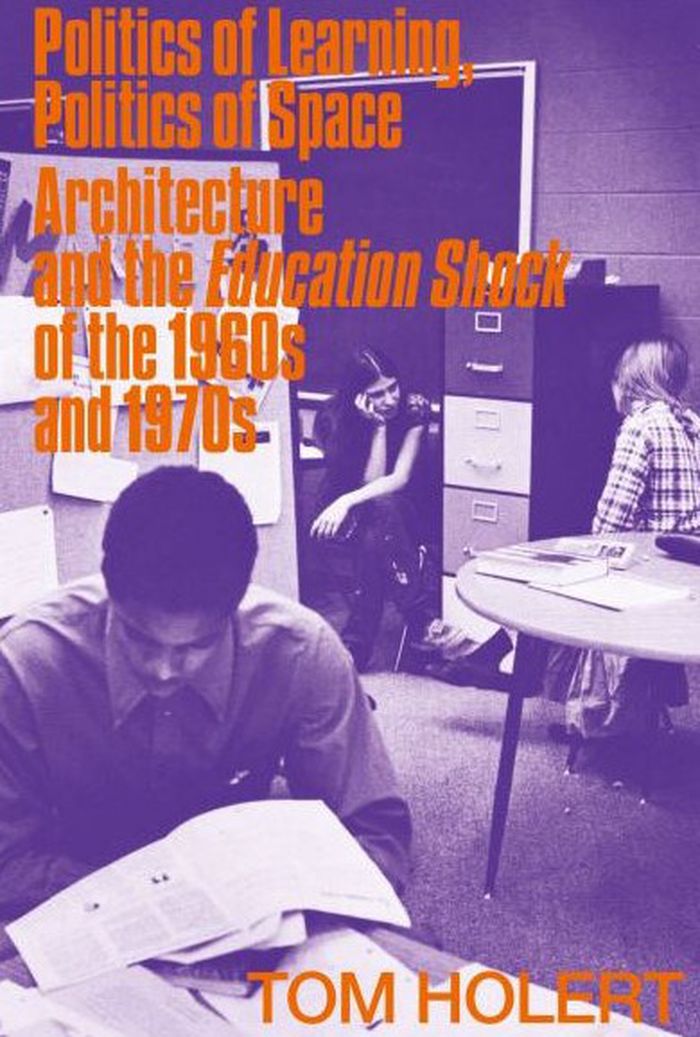
How the relationships between education and outer space have developed historically is exemplified in an incisive way by the decades that followed the 'Sputnik shock' of 1957. The wake-up call that resulted from the Soviet space program set the global landscape of learning in motion. New schools and universities came into being against the backdrop of the reform euphoria and mood of catastrophe. At the same time, traditional pedagogical concepts were severely called into question—including the call to do away with institutions of education. What is shown in the architectures of learning is not only a politics of space, but also the educational shock that intensively shook up the global societies of the 1960s and 1970s, while they were gradually being transformed into knowledge societies.
Politics of learning, politics of space: architecture and the education shock of the 1960s and 1970s
Actions:
Price:
$21.95
(available to order)
Summary:
How the relationships between education and outer space have developed historically is exemplified in an incisive way by the decades that followed the 'Sputnik shock' of 1957. The wake-up call that resulted from the Soviet space program set the global landscape of learning in motion. New schools and universities came into being against the backdrop of the reform euphoria and mood of catastrophe. At the same time, traditional pedagogical concepts were severely called into question—including the call to do away with institutions of education. What is shown in the architectures of learning is not only a politics of space, but also the educational shock that intensively shook up the global societies of the 1960s and 1970s, while they were gradually being transformed into knowledge societies.
Form:
books
books
Publication:
February 2021
February 2021
Form:
books
books
Price:
$57.00
(available to order)
Summary:
This publication dissects fifty of the world's modern masterpieces, constructed from 1950 to the present, through specially commissioned freehand drawings that reveal the principles and details of what makes a building meaningful and enduring.
$57.00
(available to order)
Summary:
This publication dissects fifty of the world's modern masterpieces, constructed from 1950 to the present, through specially commissioned freehand drawings that reveal the principles and details of what makes a building meaningful and enduring.
Publication:
May 2014
May 2014
Title:
The elements of modern architecture: understanding contemporary buildings
Actions:
Price:
$57.00
(available to order)
Summary:
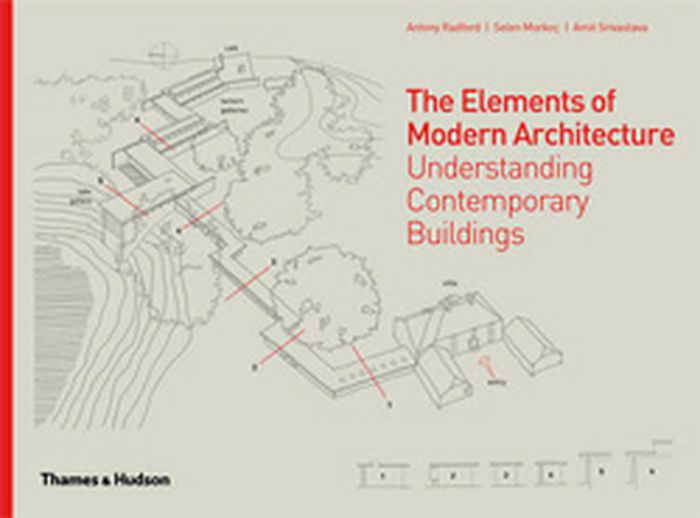
This publication dissects fifty of the world's modern masterpieces, constructed from 1950 to the present, through specially commissioned freehand drawings that reveal the principles and details of what makes a building meaningful and enduring.
The elements of modern architecture: understanding contemporary buildings
Actions:
Price:
$57.00
(available to order)
Summary:
This publication dissects fifty of the world's modern masterpieces, constructed from 1950 to the present, through specially commissioned freehand drawings that reveal the principles and details of what makes a building meaningful and enduring.
Form:
books
books
Publication:
May 2014
May 2014
Form:
books
books
Actions:
Price:
$102.00
(available to order)
Summary:
Spurred on by the modernizing impulses of the Second Vatican Council in the early 1960s, the Catholic Church searched for an appropriate architectural language that showed its relevance to the modern world. ''Sacred Modernity'' documents this dramatic shift in ecclesiastical architecture across postwar Europe. Among these structures, some exude a joyful antagonism, while(...)
$102.00
(available to order)
Summary:
Spurred on by the modernizing impulses of the Second Vatican Council in the early 1960s, the Catholic Church searched for an appropriate architectural language that showed its relevance to the modern world. ''Sacred Modernity'' documents this dramatic shift in ecclesiastical architecture across postwar Europe. Among these structures, some exude a joyful antagonism, while(...)
Title:
Sacred modernity: The holy embrace of modernist architecture
Actions:
Price:
$102.00
(available to order)
Summary:
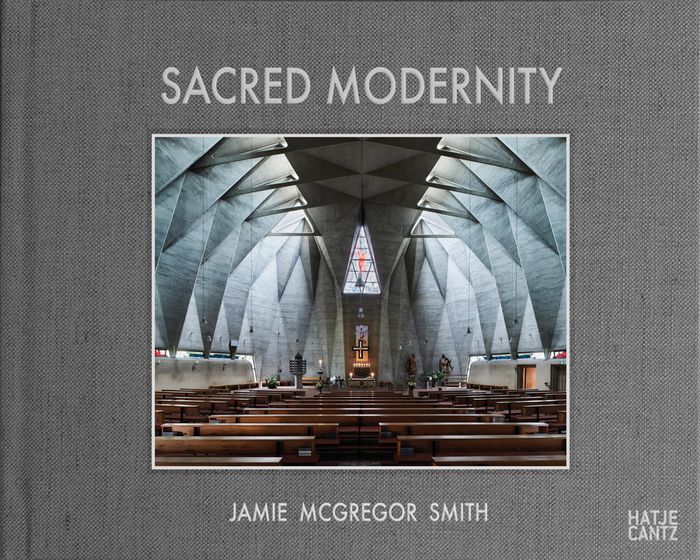
Spurred on by the modernizing impulses of the Second Vatican Council in the early 1960s, the Catholic Church searched for an appropriate architectural language that showed its relevance to the modern world. ''Sacred Modernity'' documents this dramatic shift in ecclesiastical architecture across postwar Europe. Among these structures, some exude a joyful antagonism, while others emanate a cold minimalism. Boldly designed, outrageous and provocative for their time, the aesthetic of this period still ignites great debate between modernists and traditionalists. Half a century on, this study traces how their materials and ideals have matured and patinated. The book represents the first attempt to collate the religious architecture of the mid-century high modern years that took many forms, from Brutalism to Structural Expressionism.
Sacred modernity: The holy embrace of modernist architecture
Actions:
Price:
$102.00
(available to order)
Summary:
Spurred on by the modernizing impulses of the Second Vatican Council in the early 1960s, the Catholic Church searched for an appropriate architectural language that showed its relevance to the modern world. ''Sacred Modernity'' documents this dramatic shift in ecclesiastical architecture across postwar Europe. Among these structures, some exude a joyful antagonism, while others emanate a cold minimalism. Boldly designed, outrageous and provocative for their time, the aesthetic of this period still ignites great debate between modernists and traditionalists. Half a century on, this study traces how their materials and ideals have matured and patinated. The book represents the first attempt to collate the religious architecture of the mid-century high modern years that took many forms, from Brutalism to Structural Expressionism.
Form:
books
books
Publication:
May 2024
May 2024
Subject:
Modernism
Modernism
Form:
books
books
Actions:
Price:
$40.95
(available to order)
Summary:
While we all live our lives in designed landscapes of various types, only on occasion do we consider what these landscapes mean to us and how they have acquired that significance. Can a landscape architect or garden designer really imbue new settings with meaning, or does meaning evolve over time, created by those who perceive and use these landscapes? What role does the(...)
$40.95
(available to order)
Summary:
While we all live our lives in designed landscapes of various types, only on occasion do we consider what these landscapes mean to us and how they have acquired that significance. Can a landscape architect or garden designer really imbue new settings with meaning, or does meaning evolve over time, created by those who perceive and use these landscapes? What role does the(...)
Title:
Meaning in landscape architecture and gardens: Four essays, Four commentaries
Actions:
Price:
$40.95
(available to order)
Summary:
While we all live our lives in designed landscapes of various types, only on occasion do we consider what these landscapes mean to us and how they have acquired that significance. Can a landscape architect or garden designer really imbue new settings with meaning, or does meaning evolve over time, created by those who perceive and use these landscapes? What role does the selection and arrangement of plants and hard materials play in this process and just where does the passage of time enter into the equation? These questions collectively provide the core material for Meaning in Landscape Architecture and Gardens, a compendium of four landmark essays written over a period of twenty years by leading scholars in the field of landscape architecture. New commentaries by the authors accompany each of the essays and reflect on the thinking behind them as well as the evolution of the author’s thoughts since their original publication.
Meaning in landscape architecture and gardens: Four essays, Four commentaries
Actions:
Price:
$40.95
(available to order)
Summary:
While we all live our lives in designed landscapes of various types, only on occasion do we consider what these landscapes mean to us and how they have acquired that significance. Can a landscape architect or garden designer really imbue new settings with meaning, or does meaning evolve over time, created by those who perceive and use these landscapes? What role does the selection and arrangement of plants and hard materials play in this process and just where does the passage of time enter into the equation? These questions collectively provide the core material for Meaning in Landscape Architecture and Gardens, a compendium of four landmark essays written over a period of twenty years by leading scholars in the field of landscape architecture. New commentaries by the authors accompany each of the essays and reflect on the thinking behind them as well as the evolution of the author’s thoughts since their original publication.
Form:
books
books
Publication:
March 2011
March 2011
Subject:
Landscape Theory
Landscape Theory
Form:
books
books
Price:
$64.95
(available to order)
Summary:
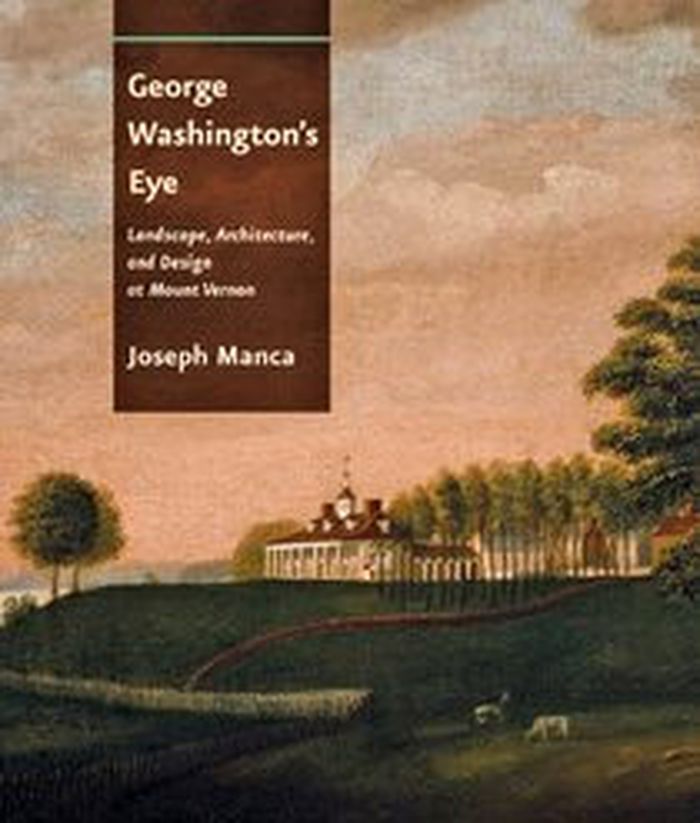
Based on careful study of Washington's personal diaries and correspondence and on the lively accounts of visitors to his estate, this book introduces a George Washington unfamiliar to many readers-an avid art collector, amateur architect, and leading landscape designer of his time.
$64.95
(available to order)
Summary:
Based on careful study of Washington's personal diaries and correspondence and on the lively accounts of visitors to his estate, this book introduces a George Washington unfamiliar to many readers-an avid art collector, amateur architect, and leading landscape designer of his time.
Title:
George Washington's eye : landscape, architecture & design at Mount Vernon
Actions:
Price:
$64.95
(available to order)
Summary:
Based on careful study of Washington's personal diaries and correspondence and on the lively accounts of visitors to his estate, this book introduces a George Washington unfamiliar to many readers-an avid art collector, amateur architect, and leading landscape designer of his time.
George Washington's eye : landscape, architecture & design at Mount Vernon
Actions:
Price:
$64.95
(available to order)
Summary:
Based on careful study of Washington's personal diaries and correspondence and on the lively accounts of visitors to his estate, this book introduces a George Washington unfamiliar to many readers-an avid art collector, amateur architect, and leading landscape designer of his time.
Form:
books
books
Publication:
August 2012
August 2012
Subject:
Urban Theory
Urban Theory
Form:
books
books
Price:
$39.95
(available to order)
Summary:
We shape ourselves, and are shaped in return, by the walls that contain us. Buildings affect how we sleep, work, socialise and even breathe. They can isolate and endanger us but they can also heal us. We project our hopes and fears onto buildings, while they absorb our histories. In Living With Buildings, Iain Sinclair embarks on a series of expeditions - through(...)
$39.95
(available to order)
Summary:
We shape ourselves, and are shaped in return, by the walls that contain us. Buildings affect how we sleep, work, socialise and even breathe. They can isolate and endanger us but they can also heal us. We project our hopes and fears onto buildings, while they absorb our histories. In Living With Buildings, Iain Sinclair embarks on a series of expeditions - through(...)
Title:
Living with buildings and walking with ghosts: on health and architecture
Actions:
Price:
$39.95
(available to order)
Summary:
We shape ourselves, and are shaped in return, by the walls that contain us. Buildings affect how we sleep, work, socialise and even breathe. They can isolate and endanger us but they can also heal us. We project our hopes and fears onto buildings, while they absorb our histories. In Living With Buildings, Iain Sinclair embarks on a series of expeditions - through London, Marseille, Mexico and the Outer Hebrides. He explores the relationship between sickness and structure, and between art, architecture, social planning and health, taking plenty of detours along the way. Walking is Sinclair's defensive magic against illness and, as he moves, he observes his surroundings: stacked tower blocks and behemoth estates; halogen-lit glasshouse offices and humming hospitals; the blackened hull of a Spitalfields church and the floating mass of Le Corbusier's radiant city. Sinclair also peels back layers of life. A father and his daughter (who has a rare syndrome) visit the estate where they once lived. Developers clink champagne glasses as residents are 'decanted' from their homes. A box sculpted from whalebone, thought to contain healing properties, is returned to its origins with unexpected consequences. Part investigation, part travelogue, ‘Living with Buildings’ brings the spaces we inhabit to life as never before. Published in association with the Wellcome Collection exhibition Living with Buildings, 4 October 2018- 3 March 2019.
Living with buildings and walking with ghosts: on health and architecture
Actions:
Price:
$39.95
(available to order)
Summary:
We shape ourselves, and are shaped in return, by the walls that contain us. Buildings affect how we sleep, work, socialise and even breathe. They can isolate and endanger us but they can also heal us. We project our hopes and fears onto buildings, while they absorb our histories. In Living With Buildings, Iain Sinclair embarks on a series of expeditions - through London, Marseille, Mexico and the Outer Hebrides. He explores the relationship between sickness and structure, and between art, architecture, social planning and health, taking plenty of detours along the way. Walking is Sinclair's defensive magic against illness and, as he moves, he observes his surroundings: stacked tower blocks and behemoth estates; halogen-lit glasshouse offices and humming hospitals; the blackened hull of a Spitalfields church and the floating mass of Le Corbusier's radiant city. Sinclair also peels back layers of life. A father and his daughter (who has a rare syndrome) visit the estate where they once lived. Developers clink champagne glasses as residents are 'decanted' from their homes. A box sculpted from whalebone, thought to contain healing properties, is returned to its origins with unexpected consequences. Part investigation, part travelogue, ‘Living with Buildings’ brings the spaces we inhabit to life as never before. Published in association with the Wellcome Collection exhibition Living with Buildings, 4 October 2018- 3 March 2019.
Form:
books
books
Publication:
October 2018
October 2018
Subject:
Current Exhibitions
Current Exhibitions
Form:
books
books
Actions:
Price:
$64.50
(available to order)
Summary:
The field of architectural photography, long rooted in realistic depictions, has begun to see a dramatic shift in approach. Today, traditional styles of photographic representation are giving way to a new form of individualized reality, as advances in technology and techniques open new avenues for manipulating images. ''Fiction and Fabrication,'' which accompanies an(...)
$64.50
(available to order)
Summary:
The field of architectural photography, long rooted in realistic depictions, has begun to see a dramatic shift in approach. Today, traditional styles of photographic representation are giving way to a new form of individualized reality, as advances in technology and techniques open new avenues for manipulating images. ''Fiction and Fabrication,'' which accompanies an(...)
Title:
Fiction and fabrication: photography of architecture after the digital turn
Actions:
Price:
$64.50
(available to order)
Summary:
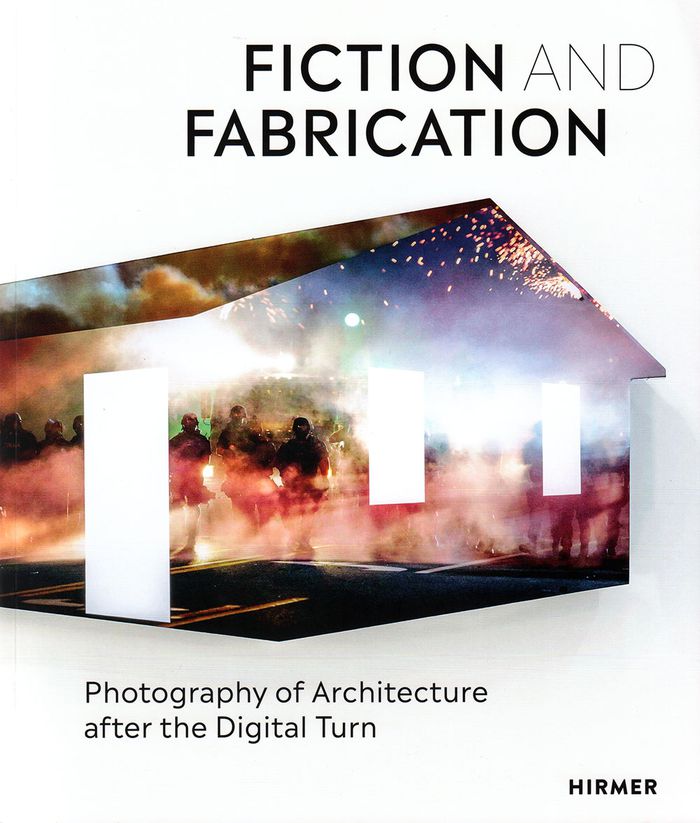
The field of architectural photography, long rooted in realistic depictions, has begun to see a dramatic shift in approach. Today, traditional styles of photographic representation are giving way to a new form of individualized reality, as advances in technology and techniques open new avenues for manipulating images. ''Fiction and Fabrication,'' which accompanies an exhibition at the Museum of Art, Architecture, and Technology in Lisbon, explores this trend via a range of contemporary works by some of the world’s most celebrated artists.
Fiction and fabrication: photography of architecture after the digital turn
Actions:
Price:
$64.50
(available to order)
Summary:
The field of architectural photography, long rooted in realistic depictions, has begun to see a dramatic shift in approach. Today, traditional styles of photographic representation are giving way to a new form of individualized reality, as advances in technology and techniques open new avenues for manipulating images. ''Fiction and Fabrication,'' which accompanies an exhibition at the Museum of Art, Architecture, and Technology in Lisbon, explores this trend via a range of contemporary works by some of the world’s most celebrated artists.
Form:
books
books
Publication:
July 2019
July 2019
Subject:
Photography Collections
Photography Collections
Form:
books
books
Actions:
Price:
$525.00
(available to order)
Summary:
The Oxford Companion to Architecture is a fresh and indispensable two-volume resource for all who wish to enrich their passion and knowledge of architecture. 1,500 A-Z entries cover all aspects of architecture, from architects, building types, and movements and styles to materials, aspects of design, and definitions. High-quality illustrations complement and enhance the(...)
$525.00
(available to order)
Summary:
The Oxford Companion to Architecture is a fresh and indispensable two-volume resource for all who wish to enrich their passion and knowledge of architecture. 1,500 A-Z entries cover all aspects of architecture, from architects, building types, and movements and styles to materials, aspects of design, and definitions. High-quality illustrations complement and enhance the(...)
Title:
The oxford companion to architecture, vol.1 and vol. 2
Actions:
Price:
$525.00
(available to order)
Summary:
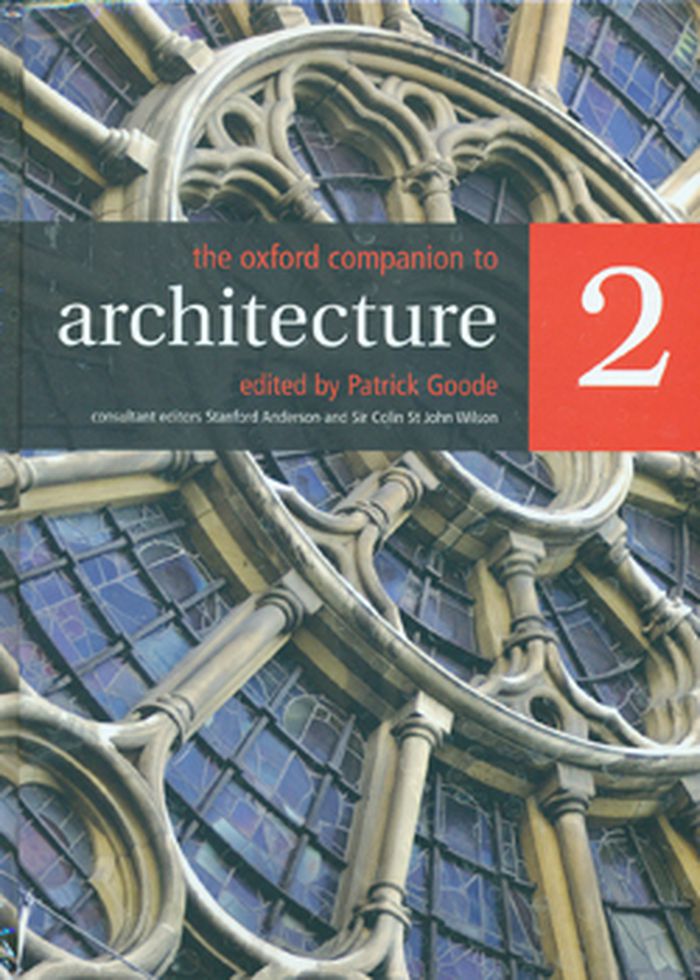
The Oxford Companion to Architecture is a fresh and indispensable two-volume resource for all who wish to enrich their passion and knowledge of architecture. 1,500 A-Z entries cover all aspects of architecture, from architects, building types, and movements and styles to materials, aspects of design, and definitions. High-quality illustrations complement and enhance the text, and in-depth cross-referencing and a thematic table of contents enable readers to find information easily.
The oxford companion to architecture, vol.1 and vol. 2
Actions:
Price:
$525.00
(available to order)
Summary:
The Oxford Companion to Architecture is a fresh and indispensable two-volume resource for all who wish to enrich their passion and knowledge of architecture. 1,500 A-Z entries cover all aspects of architecture, from architects, building types, and movements and styles to materials, aspects of design, and definitions. High-quality illustrations complement and enhance the text, and in-depth cross-referencing and a thematic table of contents enable readers to find information easily.
Form:
books
books
Publication:
July 2009
July 2009
Subject:
Dictionaries
Dictionaries


