


12071 Results
Form:
books
books
Price:
$38.95
(available to order)
Summary:
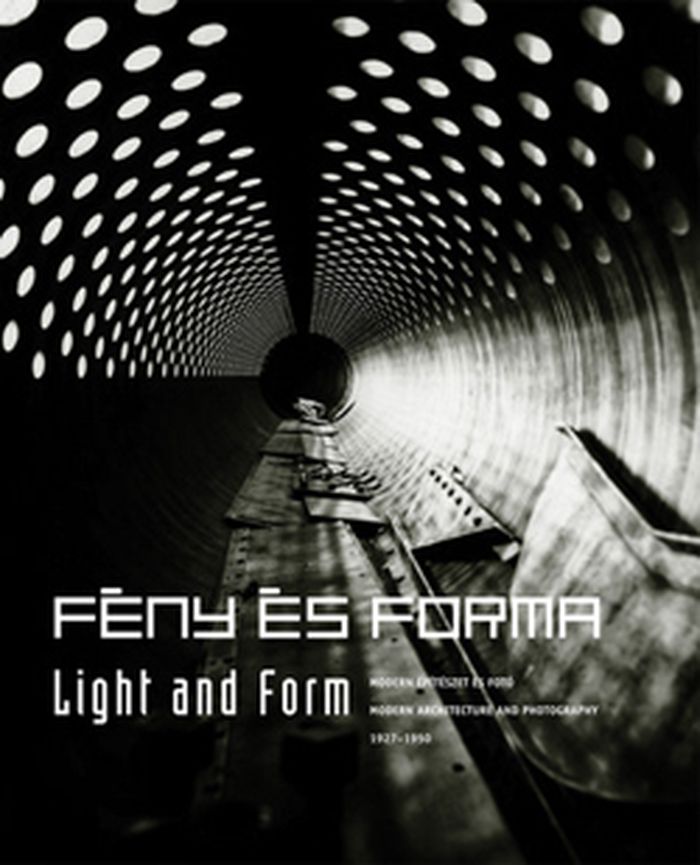
The bulk of the book is devoted to more than 60 examples of architecture and interior design, presented through photography, accompanied by short building descriptions and comments on the images, and concluded with an illustrated introduction to key architects, photographers, and cityscapes from 1930s Budapest. This bilingual edition includes English and Hungarian.
$38.95
(available to order)
Summary:
The bulk of the book is devoted to more than 60 examples of architecture and interior design, presented through photography, accompanied by short building descriptions and comments on the images, and concluded with an illustrated introduction to key architects, photographers, and cityscapes from 1930s Budapest. This bilingual edition includes English and Hungarian.
Subject:
Photography Periods and Styles
Photography Periods and Styles
Publication:
January 2011
January 2011
Title:
Light and form: modern architecture and photography 1927-1950
Actions:
Price:
$38.95
(available to order)
Summary:
The bulk of the book is devoted to more than 60 examples of architecture and interior design, presented through photography, accompanied by short building descriptions and comments on the images, and concluded with an illustrated introduction to key architects, photographers, and cityscapes from 1930s Budapest. This bilingual edition includes English and Hungarian.
Light and form: modern architecture and photography 1927-1950
Actions:
Price:
$38.95
(available to order)
Summary:
The bulk of the book is devoted to more than 60 examples of architecture and interior design, presented through photography, accompanied by short building descriptions and comments on the images, and concluded with an illustrated introduction to key architects, photographers, and cityscapes from 1930s Budapest. This bilingual edition includes English and Hungarian.
Form:
books
books
Publication:
January 2011
January 2011
Subject:
Photography Periods and Styles
Photography Periods and Styles
Form:
books
books
Actions:
Price:
$50.00
(available to order)
Summary:
Emphasising attention to ways of doing as key to innovation, this title of AD brings together historical perspectives with a range of leading provocative, emerging approaches to architectural practice that together offer fresh insight into the often vague and ubiquitous atmospheres of innovation-speak. Ultimately, this issue asks how an emphasis on vitality might offer a(...)
$50.00
(available to order)
Summary:
Emphasising attention to ways of doing as key to innovation, this title of AD brings together historical perspectives with a range of leading provocative, emerging approaches to architectural practice that together offer fresh insight into the often vague and ubiquitous atmospheres of innovation-speak. Ultimately, this issue asks how an emphasis on vitality might offer a(...)
Title:
AD 83:1 The innovation imperative: architectures of vitality
Actions:
Price:
$50.00
(available to order)
Summary:
Emphasising attention to ways of doing as key to innovation, this title of AD brings together historical perspectives with a range of leading provocative, emerging approaches to architectural practice that together offer fresh insight into the often vague and ubiquitous atmospheres of innovation-speak. Ultimately, this issue asks how an emphasis on vitality might offer a more nuanced understanding of the aesthetic value and ethical know-how intertwined within innovative architectural endeavour.
AD 83:1 The innovation imperative: architectures of vitality
Actions:
Price:
$50.00
(available to order)
Summary:
Emphasising attention to ways of doing as key to innovation, this title of AD brings together historical perspectives with a range of leading provocative, emerging approaches to architectural practice that together offer fresh insight into the often vague and ubiquitous atmospheres of innovation-speak. Ultimately, this issue asks how an emphasis on vitality might offer a more nuanced understanding of the aesthetic value and ethical know-how intertwined within innovative architectural endeavour.
Form:
books
books
Publication:
April 2013
April 2013
Subject:
Magazines
Magazines
Form:
books
books
Price:
$49.95
(available to order)
Summary:
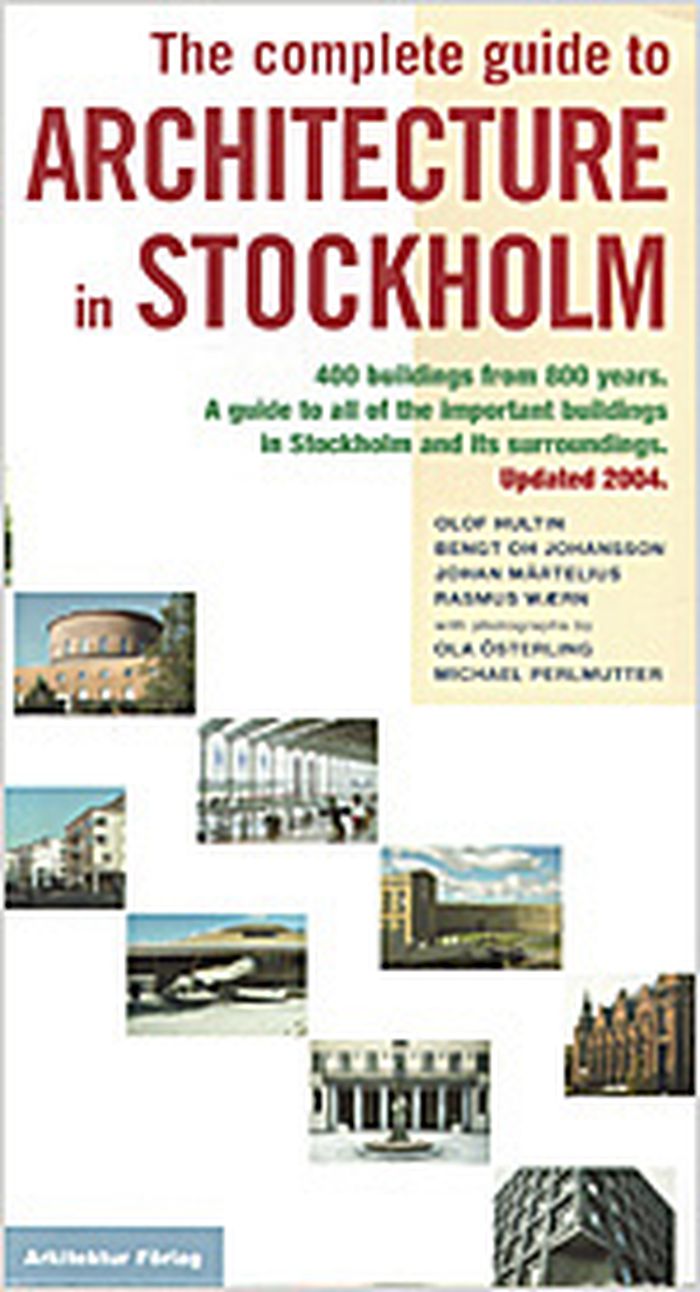
A fully illustrated guide to over 400 important buildings in and around Stockholm.
$49.95
(available to order)
Summary:
A fully illustrated guide to over 400 important buildings in and around Stockholm.
Subject:
City Guides
City Guides
Publication:
April 2004, Stockholm
April 2004, Stockholm
Title:
The complete guide to architecture in Stockholm, updated 2004
Actions:
Price:
$49.95
(available to order)
Summary:
A fully illustrated guide to over 400 important buildings in and around Stockholm.
The complete guide to architecture in Stockholm, updated 2004
Actions:
Price:
$49.95
(available to order)
Summary:
A fully illustrated guide to over 400 important buildings in and around Stockholm.
Form:
books
books
Publication:
April 2004, Stockholm
April 2004, Stockholm
Subject:
City Guides
City Guides
Form:
books
books
Price:
$97.95
(available to order)
Summary:
For more than a thousand years, the burial site known as the Wu Family Shrines in the Shandong province of northeastern China has served as a benchmark for the study of the Han Dynasty (206 BCE - 220 CE) - a defining period in Chinese history. This book presents scolarships that prompts significant reexamination of the site's long-accepted implications, including its(...)
$97.95
(available to order)
Summary:
For more than a thousand years, the burial site known as the Wu Family Shrines in the Shandong province of northeastern China has served as a benchmark for the study of the Han Dynasty (206 BCE - 220 CE) - a defining period in Chinese history. This book presents scolarships that prompts significant reexamination of the site's long-accepted implications, including its(...)
Subject:
Arch Southwest Asia & North Africa
Arch Southwest Asia & North Africa
Publication:
May 2005, New Haven, New York
May 2005, New Haven, New York
Title:
Recarving China's past : art, archeology, and architecture of the
Actions:
Price:
$97.95
(available to order)
Summary:
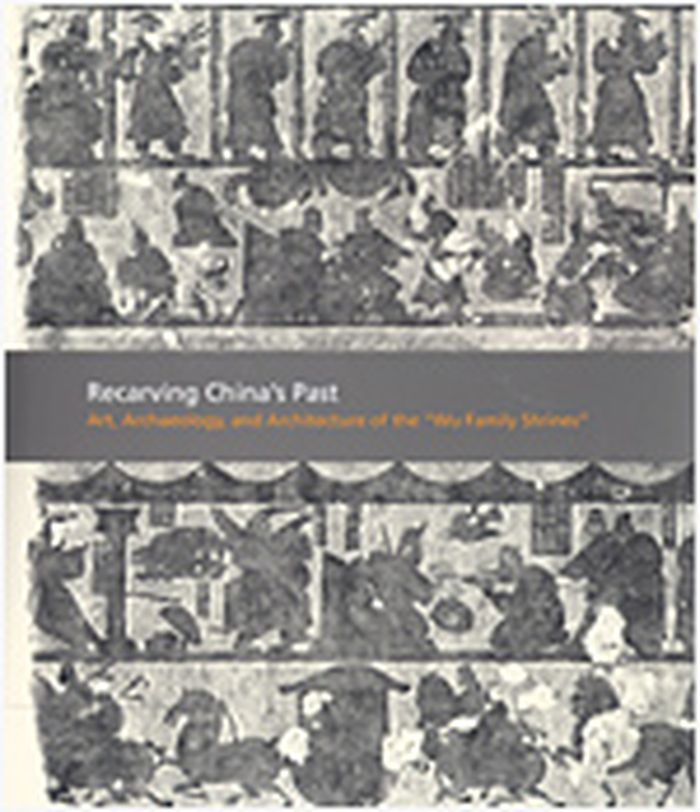
For more than a thousand years, the burial site known as the Wu Family Shrines in the Shandong province of northeastern China has served as a benchmark for the study of the Han Dynasty (206 BCE - 220 CE) - a defining period in Chinese history. This book presents scolarships that prompts significant reexamination of the site's long-accepted implications, including its attribution to the Wu family.
Recarving China's past : art, archeology, and architecture of the
Actions:
Price:
$97.95
(available to order)
Summary:
For more than a thousand years, the burial site known as the Wu Family Shrines in the Shandong province of northeastern China has served as a benchmark for the study of the Han Dynasty (206 BCE - 220 CE) - a defining period in Chinese history. This book presents scolarships that prompts significant reexamination of the site's long-accepted implications, including its attribution to the Wu family.
Form:
books
books
Publication:
May 2005, New Haven, New York
May 2005, New Haven, New York
Subject:
Arch Southwest Asia & North Africa
Arch Southwest Asia & North Africa
Form:
books
books
Actions:
Price:
$65.00
(available to order)
Summary:
"Design agendas: Modern architecture in St. Louis, 1930s–1970s" features essays on the modernist architects Charles E. Fleming, R. Buckminster Fuller, Eric Mendelsohn, and Gyo Obata by contributing scholars Shantel Blakely, John C. Guenther, Kathleen James-Chakraborty, and Winifred Elysse Newman, as well as a memoir by Michael E. Willis, FAIA, NOMA. Editor and(...)
$65.00
(available to order)
Summary:
"Design agendas: Modern architecture in St. Louis, 1930s–1970s" features essays on the modernist architects Charles E. Fleming, R. Buckminster Fuller, Eric Mendelsohn, and Gyo Obata by contributing scholars Shantel Blakely, John C. Guenther, Kathleen James-Chakraborty, and Winifred Elysse Newman, as well as a memoir by Michael E. Willis, FAIA, NOMA. Editor and(...)
Subject:
Modernism
Modernism
Publication:
January 2025
January 2025
Title:
Design agendas: Modern architecture in St. Louis 1930s-1970s
Actions:
Price:
$65.00
(available to order)
Summary:
"Design agendas: Modern architecture in St. Louis, 1930s–1970s" features essays on the modernist architects Charles E. Fleming, R. Buckminster Fuller, Eric Mendelsohn, and Gyo Obata by contributing scholars Shantel Blakely, John C. Guenther, Kathleen James-Chakraborty, and Winifred Elysse Newman, as well as a memoir by Michael E. Willis, FAIA, NOMA. Editor and architectural historian Eric P. Mumford situates the work of these architects and others within the context of St. Louis urban development against the midcentury backdrop of New Deal planning, the Great Migration, and the civil rights and Great Society eras. This publication adds to the small but growing number of studies on modern architecture in St. Louis.
Design agendas: Modern architecture in St. Louis 1930s-1970s
Actions:
Price:
$65.00
(available to order)
Summary:
"Design agendas: Modern architecture in St. Louis, 1930s–1970s" features essays on the modernist architects Charles E. Fleming, R. Buckminster Fuller, Eric Mendelsohn, and Gyo Obata by contributing scholars Shantel Blakely, John C. Guenther, Kathleen James-Chakraborty, and Winifred Elysse Newman, as well as a memoir by Michael E. Willis, FAIA, NOMA. Editor and architectural historian Eric P. Mumford situates the work of these architects and others within the context of St. Louis urban development against the midcentury backdrop of New Deal planning, the Great Migration, and the civil rights and Great Society eras. This publication adds to the small but growing number of studies on modern architecture in St. Louis.
Form:
books
books
Publication:
January 2025
January 2025
Subject:
Modernism
Modernism
Form:
books
books
Price:
$48.50
(available to order)
Summary:
Comprising the effort of more than a century of collecting chairs, the Faculty of Architecture of the TU Delft can pride itself on having one of the major furniture collections in the Netherlands. Set up as an educational tool, the collection has offered knowledge about materials, construction and typology to students and designers. In the catalogue, the entire collection(...)
$48.50
(available to order)
Summary:
Comprising the effort of more than a century of collecting chairs, the Faculty of Architecture of the TU Delft can pride itself on having one of the major furniture collections in the Netherlands. Set up as an educational tool, the collection has offered knowledge about materials, construction and typology to students and designers. In the catalogue, the entire collection(...)
Subject:
Design, Periods and Styles
Design, Periods and Styles
Publication:
March 2008, Rotterdam
March 2008, Rotterdam
Title:
Chairs: catalogue of the Delft faculty of architecture collection
Actions:
Price:
$48.50
(available to order)
Summary:
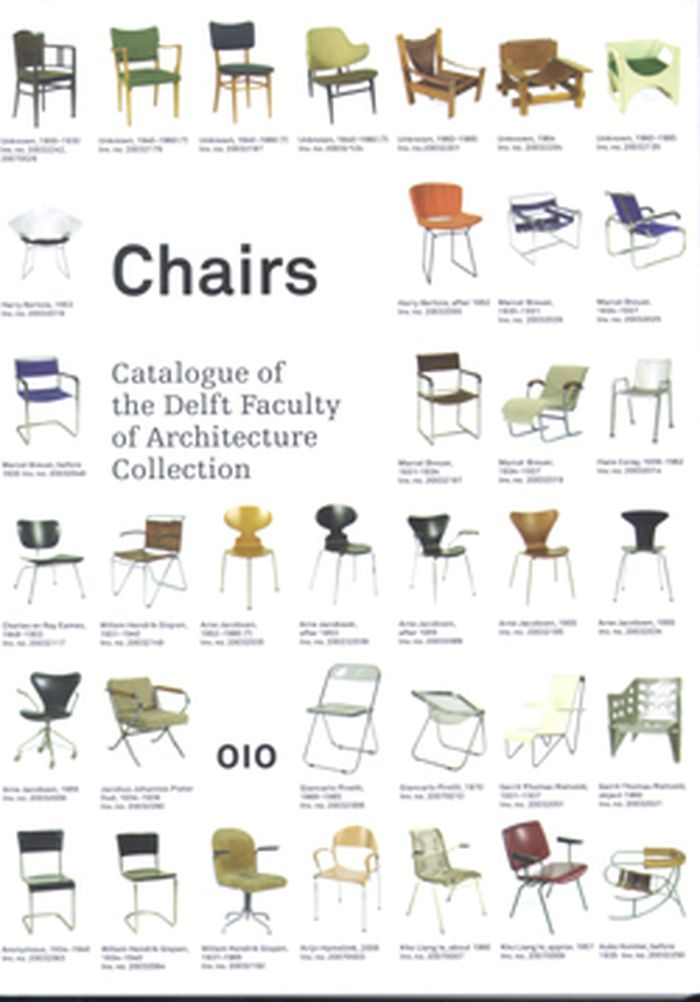
Comprising the effort of more than a century of collecting chairs, the Faculty of Architecture of the TU Delft can pride itself on having one of the major furniture collections in the Netherlands. Set up as an educational tool, the collection has offered knowledge about materials, construction and typology to students and designers. In the catalogue, the entire collection of over 240 chairs is presented for the first time. Each object is accompanied by images and a thorough description. Also, the book offers comprehensive texts on key designs in the collection, showing the diversity of the collection which consists of world famous designs, 17th, 18th and 19th century designs, everyday household chairs and rare pieces of furniture that have never been published before. Among the designers presented are Verner Panton, Gerrit Th. Rietveld, Hendrik Petrus Berlage, Jean Prouvé, Marcel Breuer and Droog Design.
Chairs: catalogue of the Delft faculty of architecture collection
Actions:
Price:
$48.50
(available to order)
Summary:
Comprising the effort of more than a century of collecting chairs, the Faculty of Architecture of the TU Delft can pride itself on having one of the major furniture collections in the Netherlands. Set up as an educational tool, the collection has offered knowledge about materials, construction and typology to students and designers. In the catalogue, the entire collection of over 240 chairs is presented for the first time. Each object is accompanied by images and a thorough description. Also, the book offers comprehensive texts on key designs in the collection, showing the diversity of the collection which consists of world famous designs, 17th, 18th and 19th century designs, everyday household chairs and rare pieces of furniture that have never been published before. Among the designers presented are Verner Panton, Gerrit Th. Rietveld, Hendrik Petrus Berlage, Jean Prouvé, Marcel Breuer and Droog Design.
Form:
books
books
Publication:
March 2008, Rotterdam
March 2008, Rotterdam
Subject:
Design, Periods and Styles
Design, Periods and Styles
Form:
books
books
Title:
L'art d'accomoder les restes
L'art d'accomoder les restes
Actions:
Price:
$43.00
(available in store)
Summary:
Que peut l'architecture à l'ère de l'Anthropocène? A-t-elle l'énergie de se saisir de l'occasion pour faire autrement et, ce faisant, de construire d'autres histoires? L'acte de transformation négocie avec l'idée de pertes. Le face-à-face de l'architecte avec celles-ci est continu et se joue en toutes phases, de la conception jusqu'à la réalisation, en passant par la mise(...)
$43.00
(available in store)
Summary:
Que peut l'architecture à l'ère de l'Anthropocène? A-t-elle l'énergie de se saisir de l'occasion pour faire autrement et, ce faisant, de construire d'autres histoires? L'acte de transformation négocie avec l'idée de pertes. Le face-à-face de l'architecte avec celles-ci est continu et se joue en toutes phases, de la conception jusqu'à la réalisation, en passant par la mise(...)
Subject:
Architecture Monographs
Architecture Monographs
Publication:
February 2024
February 2024
Title:
L'art d'accomoder les restes
Actions:
Price:
$43.00
(available in store)
Summary:
Que peut l'architecture à l'ère de l'Anthropocène? A-t-elle l'énergie de se saisir de l'occasion pour faire autrement et, ce faisant, de construire d'autres histoires? L'acte de transformation négocie avec l'idée de pertes. Le face-à-face de l'architecte avec celles-ci est continu et se joue en toutes phases, de la conception jusqu'à la réalisation, en passant par la mise en usages. Ce qui est livré se patine, puis s'érode, dès le ruban rouge coupé; ces pertes sont irrémédiables. Le projet déplace les réalités, les fait changer de formes, amenant à concéder un certain nombre de deuils. Certains sont d'ordre individuel, d'autres sont collectifs. Cette condition de l'architecte générateur de pertes est intemporelle. Cependant, elle se conscientise de manière plus aiguë à l'ère de l'Anthropocène où l'idée de table rase est battue en brèche.
L'art d'accomoder les restes
Actions:
Price:
$43.00
(available in store)
Summary:
Que peut l'architecture à l'ère de l'Anthropocène? A-t-elle l'énergie de se saisir de l'occasion pour faire autrement et, ce faisant, de construire d'autres histoires? L'acte de transformation négocie avec l'idée de pertes. Le face-à-face de l'architecte avec celles-ci est continu et se joue en toutes phases, de la conception jusqu'à la réalisation, en passant par la mise en usages. Ce qui est livré se patine, puis s'érode, dès le ruban rouge coupé; ces pertes sont irrémédiables. Le projet déplace les réalités, les fait changer de formes, amenant à concéder un certain nombre de deuils. Certains sont d'ordre individuel, d'autres sont collectifs. Cette condition de l'architecte générateur de pertes est intemporelle. Cependant, elle se conscientise de manière plus aiguë à l'ère de l'Anthropocène où l'idée de table rase est battue en brèche.
Form:
books
books
Publication:
February 2024
February 2024
Subject:
Architecture Monographs
Architecture Monographs
Form:
books
books
Actions:
Price:
$75.00
(available to order)
Summary:
Since 2009, photographer Armin Linke and architect Srdjan Jovanovic Weiss have been documenting ex-Yugoslav Socialist architecture-buildings that were either left vacant or only recently repurposed when the Socialist Federation of Yugoslavia was dismantled in the early 1990s. "Socialist Architecture" commemorates these structures in present-day Croatia,(...)
$75.00
(available to order)
Summary:
Since 2009, photographer Armin Linke and architect Srdjan Jovanovic Weiss have been documenting ex-Yugoslav Socialist architecture-buildings that were either left vacant or only recently repurposed when the Socialist Federation of Yugoslavia was dismantled in the early 1990s. "Socialist Architecture" commemorates these structures in present-day Croatia,(...)
Subject:
Photography monographs
Photography monographs
Publication:
March 2012
March 2012
Title:
Armin Linke, Srdjan Jovanovic Weiss: Socialist architecture, the vanishing act
Actions:
Price:
$75.00
(available to order)
Summary:
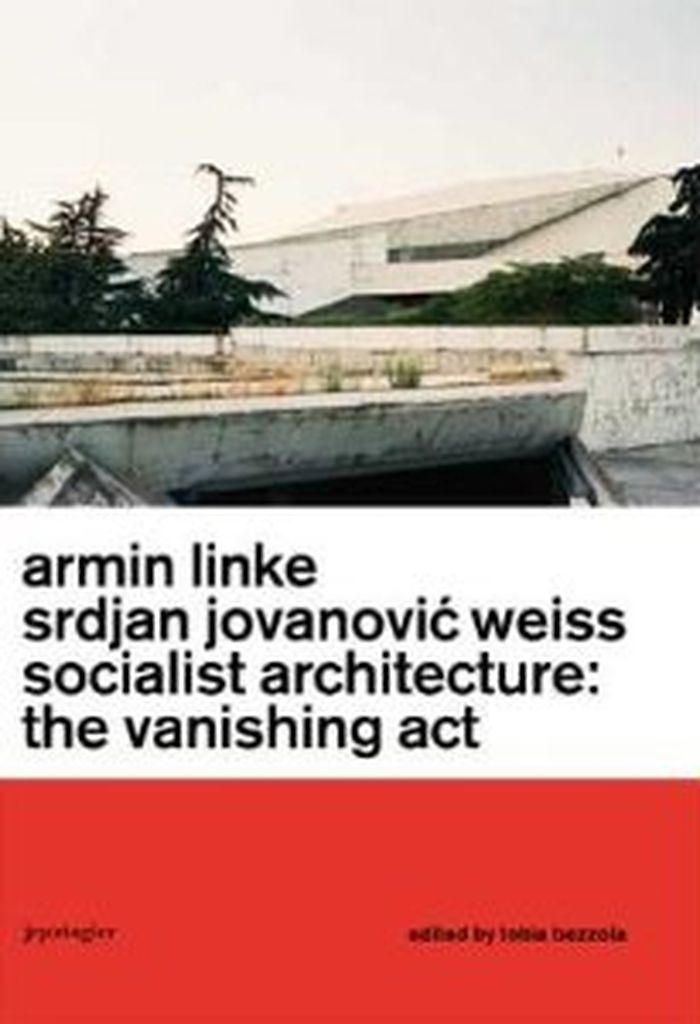
Since 2009, photographer Armin Linke and architect Srdjan Jovanovic Weiss have been documenting ex-Yugoslav Socialist architecture-buildings that were either left vacant or only recently repurposed when the Socialist Federation of Yugoslavia was dismantled in the early 1990s. "Socialist Architecture" commemorates these structures in present-day Croatia, Bosnia-Herzegovina, Montenegro, Macedonia, and Serbia.
Armin Linke, Srdjan Jovanovic Weiss: Socialist architecture, the vanishing act
Actions:
Price:
$75.00
(available to order)
Summary:
Since 2009, photographer Armin Linke and architect Srdjan Jovanovic Weiss have been documenting ex-Yugoslav Socialist architecture-buildings that were either left vacant or only recently repurposed when the Socialist Federation of Yugoslavia was dismantled in the early 1990s. "Socialist Architecture" commemorates these structures in present-day Croatia, Bosnia-Herzegovina, Montenegro, Macedonia, and Serbia.
Form:
books
books
Publication:
March 2012
March 2012
Subject:
Photography monographs
Photography monographs
Form:
books
books
Actions:
Price:
$50.50
(available in store)
Summary:
Exhibiting at the German Pavilion of the 18th Venice Architecture Biennale, this collaboration between the Summacumfemmer Büro Juliane Greb Collective and ARCH+ proposes a sustainable approach to architecture, prioritizing restoration and maintenance of existing buildings over the profligate use of resources in new constructions.
$50.50
(available in store)
Summary:
Exhibiting at the German Pavilion of the 18th Venice Architecture Biennale, this collaboration between the Summacumfemmer Büro Juliane Greb Collective and ARCH+ proposes a sustainable approach to architecture, prioritizing restoration and maintenance of existing buildings over the profligate use of resources in new constructions.
Subject:
Magazines
Magazines
Publication:
September 2023
September 2023
Title:
ARCH+ : Open for maintenance. German pavillion, 18th Venice Architecture Biennale
Actions:
Price:
$50.50
(available in store)
Summary:
Exhibiting at the German Pavilion of the 18th Venice Architecture Biennale, this collaboration between the Summacumfemmer Büro Juliane Greb Collective and ARCH+ proposes a sustainable approach to architecture, prioritizing restoration and maintenance of existing buildings over the profligate use of resources in new constructions.
ARCH+ : Open for maintenance. German pavillion, 18th Venice Architecture Biennale
Actions:
Price:
$50.50
(available in store)
Summary:
Exhibiting at the German Pavilion of the 18th Venice Architecture Biennale, this collaboration between the Summacumfemmer Büro Juliane Greb Collective and ARCH+ proposes a sustainable approach to architecture, prioritizing restoration and maintenance of existing buildings over the profligate use of resources in new constructions.
Form:
books
books
Publication:
September 2023
September 2023
Subject:
Magazines
Magazines
Form:
books
books
Title:
Cultivated building materials: industrialized natural resources for architecture and construction
Cultivated building materials: industrialized natural resources for architecture and construction
Actions:
Price:
$89.95
(available to order)
Summary:
The 21st century faces a radical change in how we produce construction materials – a shift towards cultivating, breeding, raising, farming, or growing future resources. This book presents innovative industrialized production methods for cultivated building materials, like cement grown by bacteria, bricks made of mushroom mycelium, or bamboo fibers as reinforcement for(...)
$89.95
(available to order)
Summary:
The 21st century faces a radical change in how we produce construction materials – a shift towards cultivating, breeding, raising, farming, or growing future resources. This book presents innovative industrialized production methods for cultivated building materials, like cement grown by bacteria, bricks made of mushroom mycelium, or bamboo fibers as reinforcement for(...)
Title:
Cultivated building materials: industrialized natural resources for architecture and construction
Actions:
Price:
$89.95
(available to order)
Summary:
The 21st century faces a radical change in how we produce construction materials – a shift towards cultivating, breeding, raising, farming, or growing future resources. This book presents innovative industrialized production methods for cultivated building materials, like cement grown by bacteria, bricks made of mushroom mycelium, or bamboo fibers as reinforcement for concrete. Spanning from scientific research to product development and architectural application, this book builds a bridge between the academic and the professional world of architecture. The book describes the challenges, strategies, and goals in the first part, followed by a second part on bamboo, A cultivated building material and a number of examples in the third part which form the bridge from cultivated materials to building products.
Cultivated building materials: industrialized natural resources for architecture and construction
Actions:
Price:
$89.95
(available to order)
Summary:
The 21st century faces a radical change in how we produce construction materials – a shift towards cultivating, breeding, raising, farming, or growing future resources. This book presents innovative industrialized production methods for cultivated building materials, like cement grown by bacteria, bricks made of mushroom mycelium, or bamboo fibers as reinforcement for concrete. Spanning from scientific research to product development and architectural application, this book builds a bridge between the academic and the professional world of architecture. The book describes the challenges, strategies, and goals in the first part, followed by a second part on bamboo, A cultivated building material and a number of examples in the third part which form the bridge from cultivated materials to building products.
Form:
books
books
Publication:
June 2017
June 2017
Subject:
Materials and Lighting
Materials and Lighting


