


6622 Results
Form:
books
books
Actions:
Price:
$66.95
(available to order)
Summary:
Superblocks are the basic unit of China’s urban development, but they are also spatial instruments with social, cultural, environmental, and economic implications, operating between the scales of architecture and the city. These redefined ‘Megablocks’ then become laboratories for the consequences, opportunities, and potential global proliferation of Chinese urban models,(...)
$66.95
(available to order)
Summary:
Superblocks are the basic unit of China’s urban development, but they are also spatial instruments with social, cultural, environmental, and economic implications, operating between the scales of architecture and the city. These redefined ‘Megablocks’ then become laboratories for the consequences, opportunities, and potential global proliferation of Chinese urban models,(...)
Title:
The China Lab guide to megablock urbanisms
Actions:
Price:
$66.95
(available to order)
Summary:
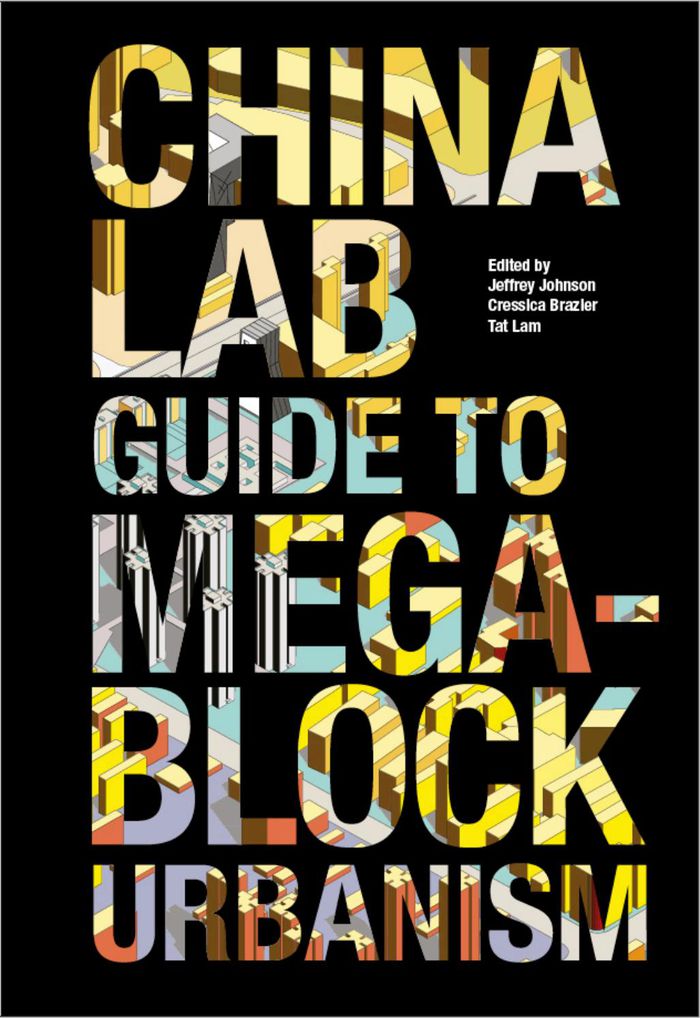
Superblocks are the basic unit of China’s urban development, but they are also spatial instruments with social, cultural, environmental, and economic implications, operating between the scales of architecture and the city. These redefined ‘Megablocks’ then become laboratories for the consequences, opportunities, and potential global proliferation of Chinese urban models, reconsidered through the filters of ecology, economics, and ethics. In this bilingual Guide to Megablock Urbanisms, China Lab aims to document and advance China’s urban future. Co-published with GSAPP, Columbia University.
The China Lab guide to megablock urbanisms
Actions:
Price:
$66.95
(available to order)
Summary:
Superblocks are the basic unit of China’s urban development, but they are also spatial instruments with social, cultural, environmental, and economic implications, operating between the scales of architecture and the city. These redefined ‘Megablocks’ then become laboratories for the consequences, opportunities, and potential global proliferation of Chinese urban models, reconsidered through the filters of ecology, economics, and ethics. In this bilingual Guide to Megablock Urbanisms, China Lab aims to document and advance China’s urban future. Co-published with GSAPP, Columbia University.
Form:
books
books
Publication:
November 2020
November 2020
Subject:
Urban Theory
Urban Theory
Form:
books
books
Title:
Human scale remeasured
Human scale remeasured
Actions:
Price:
$25.00
(available to order)
Summary:
''Human scale remeasured'' draws attention to a new holistic economic evaluation of society, resilience and sustainability as a factor of value concerning the built environment now and in the future. Human demands in architecture and urban design emphasise the needs of both individuals and the society in relation to urban and spatial developments. This publication(...)
$25.00
(available to order)
Summary:
''Human scale remeasured'' draws attention to a new holistic economic evaluation of society, resilience and sustainability as a factor of value concerning the built environment now and in the future. Human demands in architecture and urban design emphasise the needs of both individuals and the society in relation to urban and spatial developments. This publication(...)
Title:
Human scale remeasured
Actions:
Price:
$25.00
(available to order)
Summary:
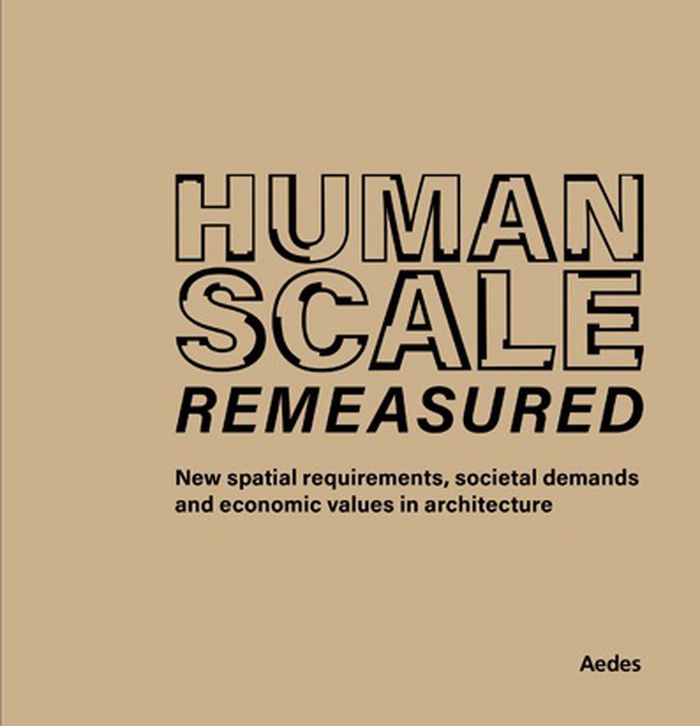
''Human scale remeasured'' draws attention to a new holistic economic evaluation of society, resilience and sustainability as a factor of value concerning the built environment now and in the future. Human demands in architecture and urban design emphasise the needs of both individuals and the society in relation to urban and spatial developments. This publication presents 15 exemplary international projects in combination with in-depth essays and short abstracts which apply socio-economic coherence and democratic principles in the design of collective habitats.
Human scale remeasured
Actions:
Price:
$25.00
(available to order)
Summary:
''Human scale remeasured'' draws attention to a new holistic economic evaluation of society, resilience and sustainability as a factor of value concerning the built environment now and in the future. Human demands in architecture and urban design emphasise the needs of both individuals and the society in relation to urban and spatial developments. This publication presents 15 exemplary international projects in combination with in-depth essays and short abstracts which apply socio-economic coherence and democratic principles in the design of collective habitats.
Form:
books
books
Publication:
March 2021
March 2021
Subject:
Collective Housing
Collective Housing
Form:
books
books
Actions:
Subject:
Publication:
Bauhaus Dessau Foundation 2022
Bauhaus Dessau Foundation 2022
Form:
books
books
Publication:
Bauhaus Dessau Foundation 2022
Bauhaus Dessau Foundation 2022
Subject:
Form:
books
books
Title:
Hybrid factory, hybrid city
Hybrid factory, hybrid city
Actions:
Price:
$54.95
(available to order)
Summary:
Now that urban industry is often clean, green, small, and quiet it can be integrated at the city and building scale with other uses. Although little explored as of yet, we don’t yet know what this new hybrid will look like and how can it support new entrepreneurs, equitable jobs, and vital urban forms? How can hybrid models change with new technologies, sustainable(...)
$54.95
(available to order)
Summary:
Now that urban industry is often clean, green, small, and quiet it can be integrated at the city and building scale with other uses. Although little explored as of yet, we don’t yet know what this new hybrid will look like and how can it support new entrepreneurs, equitable jobs, and vital urban forms? How can hybrid models change with new technologies, sustainable(...)
Title:
Hybrid factory, hybrid city
Actions:
Price:
$54.95
(available to order)
Summary:
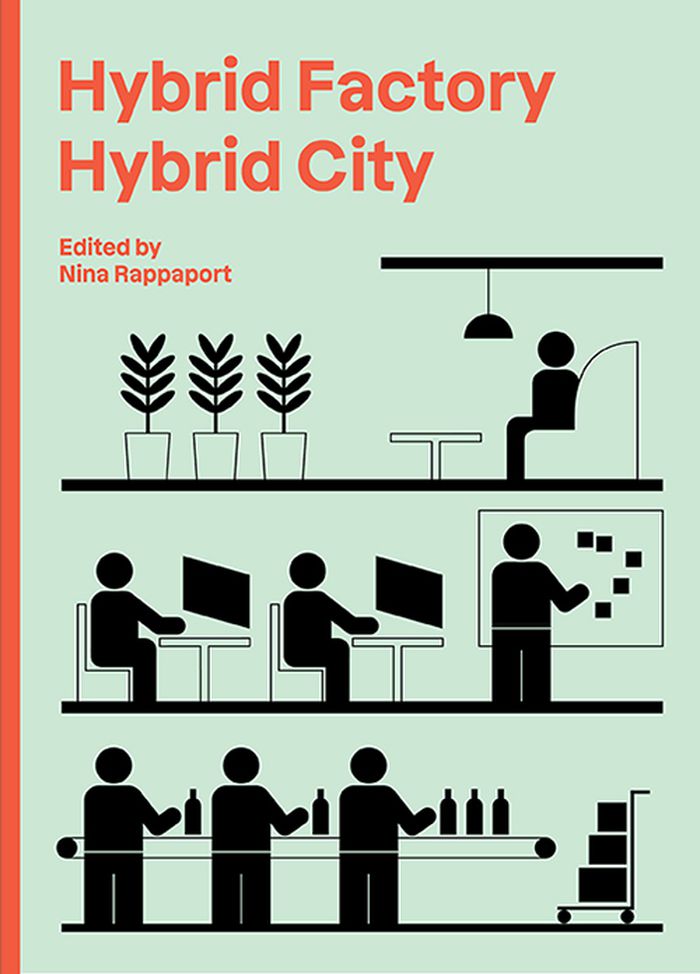
Now that urban industry is often clean, green, small, and quiet it can be integrated at the city and building scale with other uses. Although little explored as of yet, we don’t yet know what this new hybrid will look like and how can it support new entrepreneurs, equitable jobs, and vital urban forms? How can hybrid models change with new technologies, sustainable manufacturing, and advanced production systems to create new open city? Can we break the planning and land-use patterns of segregated zoning by class and function and encourage mixed-use zoning that transforms new building and zoning codes and this the mix in the city? These questions and more are addressed in Hybrid Factory / Hybrid City, through a collection of essays by participants in the eponymous symposium organized by Nina Rappaport at the Future Urban Legacy Lab of the Politecnico di Torino. Divided into two sections, the essays describes projects and research by architects and urbanists regarding the aura of industry and its smells, its place in relationship to the body, building structures, logistics centers, reused factory buildings, and their current and future potential for mixed-use. Social and economic equity can be integrated through light manufacturing jobs, community uses, and affordable housing.
Hybrid factory, hybrid city
Actions:
Price:
$54.95
(available to order)
Summary:
Now that urban industry is often clean, green, small, and quiet it can be integrated at the city and building scale with other uses. Although little explored as of yet, we don’t yet know what this new hybrid will look like and how can it support new entrepreneurs, equitable jobs, and vital urban forms? How can hybrid models change with new technologies, sustainable manufacturing, and advanced production systems to create new open city? Can we break the planning and land-use patterns of segregated zoning by class and function and encourage mixed-use zoning that transforms new building and zoning codes and this the mix in the city? These questions and more are addressed in Hybrid Factory / Hybrid City, through a collection of essays by participants in the eponymous symposium organized by Nina Rappaport at the Future Urban Legacy Lab of the Politecnico di Torino. Divided into two sections, the essays describes projects and research by architects and urbanists regarding the aura of industry and its smells, its place in relationship to the body, building structures, logistics centers, reused factory buildings, and their current and future potential for mixed-use. Social and economic equity can be integrated through light manufacturing jobs, community uses, and affordable housing.
Form:
books
books
Publication:
March 2023
March 2023
Subject:
Urban Theory
Urban Theory
Form:
books
books
Price:
$54.00
(available in store)
Summary:
To think through soil is to engage with some of the most critical issues of our time. In addition to its agricultural role in feeding eight billion people, soil has become the primary agent of carbon storage in global climate models, and it is crucial for biodiversity, flood control, and freshwater resources. Perhaps no other material is asked to do so much for the human(...)
$54.00
(available in store)
Summary:
To think through soil is to engage with some of the most critical issues of our time. In addition to its agricultural role in feeding eight billion people, soil has become the primary agent of carbon storage in global climate models, and it is crucial for biodiversity, flood control, and freshwater resources. Perhaps no other material is asked to do so much for the human(...)
Subject:
Architecture ecologies
Architecture ecologies
Publication:
June 2025
June 2025
Title:
Thinking through soil: Wastewater agriculture in the Mezquital Valley
Actions:
Price:
$54.00
(available in store)
Summary:
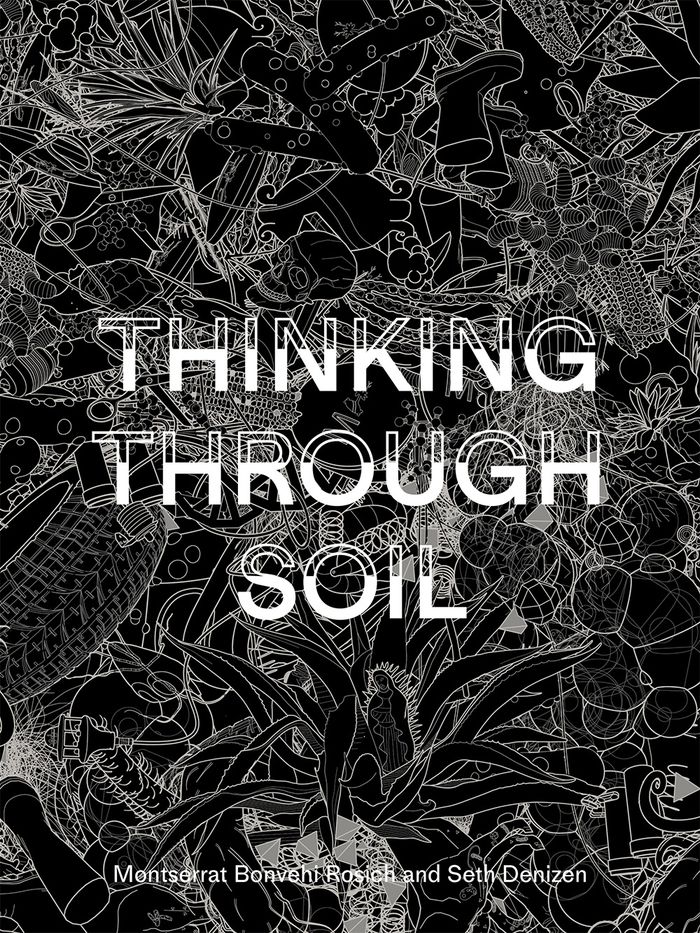
To think through soil is to engage with some of the most critical issues of our time. In addition to its agricultural role in feeding eight billion people, soil has become the primary agent of carbon storage in global climate models, and it is crucial for biodiversity, flood control, and freshwater resources. Perhaps no other material is asked to do so much for the human environment, and yet our basic conceptual model of what soil is and how it works remains surprisingly vague. In cities, soil occupies a blurry category whose boundaries are both empirically uncertain and politically contested. Soil functions as a nexus for environmental processes through which the planet’s most fundamental material transformations occur, but conjuring what it actually is serves as a useful exercise in reframing environmental thought, design thinking, and city and regional planning toward a healthier, more ethical, and more sustainable future. Through a sustained analysis of the world’s largest wastewater agricultural system, located in the Mexico City–Mezquital hydrological region, ''Thinking Through Soil'' imagines what a better environmental future might look like in central Mexico. More broadly, this case study offers a new image of soil that captures its shifting identity, explains its profound importance to rural and urban life, and argues for its capacity to save our planet.
Thinking through soil: Wastewater agriculture in the Mezquital Valley
Actions:
Price:
$54.00
(available in store)
Summary:
To think through soil is to engage with some of the most critical issues of our time. In addition to its agricultural role in feeding eight billion people, soil has become the primary agent of carbon storage in global climate models, and it is crucial for biodiversity, flood control, and freshwater resources. Perhaps no other material is asked to do so much for the human environment, and yet our basic conceptual model of what soil is and how it works remains surprisingly vague. In cities, soil occupies a blurry category whose boundaries are both empirically uncertain and politically contested. Soil functions as a nexus for environmental processes through which the planet’s most fundamental material transformations occur, but conjuring what it actually is serves as a useful exercise in reframing environmental thought, design thinking, and city and regional planning toward a healthier, more ethical, and more sustainable future. Through a sustained analysis of the world’s largest wastewater agricultural system, located in the Mexico City–Mezquital hydrological region, ''Thinking Through Soil'' imagines what a better environmental future might look like in central Mexico. More broadly, this case study offers a new image of soil that captures its shifting identity, explains its profound importance to rural and urban life, and argues for its capacity to save our planet.
Form:
books
books
Publication:
June 2025
June 2025
Subject:
Architecture ecologies
Architecture ecologies
Form:
books
books
Actions:
Price:
$83.00
(available to order)
Summary:
The ecological approach to building is the great untold story in the architectural history of the past century. This book is essential reading for architects and students. As an urgent wake-up call on the state of our built environment, it will be of interest to everyone who cares about the future of our planet. In the past, many of the key tenets of the ecological(...)
$83.00
(available to order)
Summary:
The ecological approach to building is the great untold story in the architectural history of the past century. This book is essential reading for architects and students. As an urgent wake-up call on the state of our built environment, it will be of interest to everyone who cares about the future of our planet. In the past, many of the key tenets of the ecological(...)
Title:
Ecological architecture : a critical history
Actions:
Price:
$83.00
(available to order)
Summary:
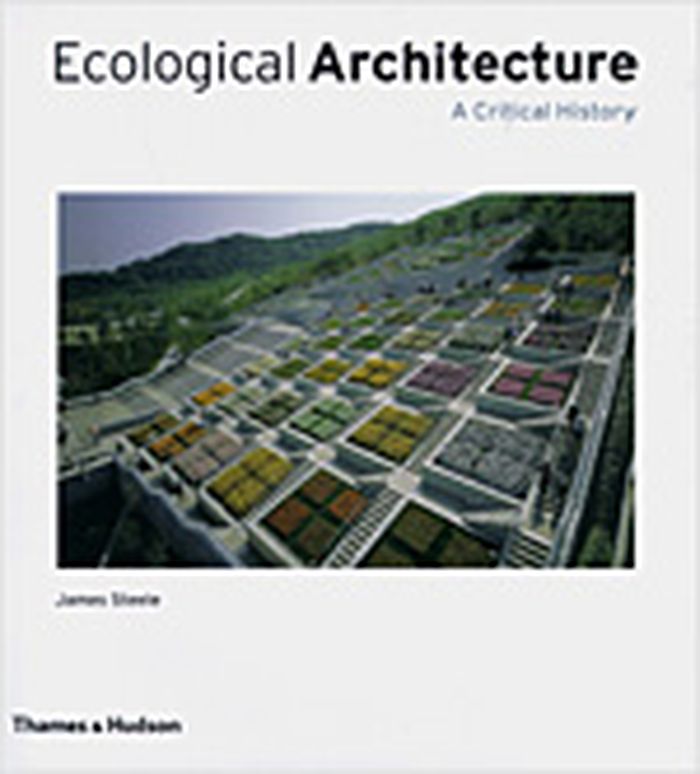
The ecological approach to building is the great untold story in the architectural history of the past century. This book is essential reading for architects and students. As an urgent wake-up call on the state of our built environment, it will be of interest to everyone who cares about the future of our planet. In the past, many of the key tenets of the ecological philosophy - sustainability, energy efficiency, harmonious relationship with the environment - appeared to stand contrast to the sweep of science-led ‘progress’ that characterized the modern movement. Today, however, past visionaries are vindicated and yesterday’s eccentricities are today’s legal requirements: every architect has an obligation to the environment as well as to his or her client. After an introduction to the terminology of ecological architecture - including terms such as ‘green’ and ‘sustainable’, ’Part one’ identifies recurring themes in ecological architecture. ‘Part two’ features twenty-five case studies each focusing on a specific architect, movement or topic. Some of the names are familiar in this context - Rasem Badran, Hassan Fathy - but there are also plenty of surprises - Le Corbusier, Buckminster Fuller, Rudolf Schindler. ‘Part three’ looks to the future as ecological architecture struggles to deal with global urbanization.
Ecological architecture : a critical history
Actions:
Price:
$83.00
(available to order)
Summary:
The ecological approach to building is the great untold story in the architectural history of the past century. This book is essential reading for architects and students. As an urgent wake-up call on the state of our built environment, it will be of interest to everyone who cares about the future of our planet. In the past, many of the key tenets of the ecological philosophy - sustainability, energy efficiency, harmonious relationship with the environment - appeared to stand contrast to the sweep of science-led ‘progress’ that characterized the modern movement. Today, however, past visionaries are vindicated and yesterday’s eccentricities are today’s legal requirements: every architect has an obligation to the environment as well as to his or her client. After an introduction to the terminology of ecological architecture - including terms such as ‘green’ and ‘sustainable’, ’Part one’ identifies recurring themes in ecological architecture. ‘Part two’ features twenty-five case studies each focusing on a specific architect, movement or topic. Some of the names are familiar in this context - Rasem Badran, Hassan Fathy - but there are also plenty of surprises - Le Corbusier, Buckminster Fuller, Rudolf Schindler. ‘Part three’ looks to the future as ecological architecture struggles to deal with global urbanization.
Form:
books
books
Publication:
October 2005, London
October 2005, London
Subject:
Green Architecture
Green Architecture
Form:
books
books
Title:
Designing the X
Designing the X
Actions:
Price:
$53.95
(available to order)
Summary:
As the pace of global change accelerates—ecologically, socially, and technologically—our traditional ways of understanding and responding to change fall short. We now live in an era of supercomplexity, where challenges like climate instability, migration, technological disruption, resource depletion, and systemic inequality converge and defy conventional(...)
$53.95
(available to order)
Summary:
As the pace of global change accelerates—ecologically, socially, and technologically—our traditional ways of understanding and responding to change fall short. We now live in an era of supercomplexity, where challenges like climate instability, migration, technological disruption, resource depletion, and systemic inequality converge and defy conventional(...)
Title:
Designing the X
Actions:
Price:
$53.95
(available to order)
Summary:
As the pace of global change accelerates—ecologically, socially, and technologically—our traditional ways of understanding and responding to change fall short. We now live in an era of supercomplexity, where challenges like climate instability, migration, technological disruption, resource depletion, and systemic inequality converge and defy conventional solutions. ''Designing the X'' meets this moment with a bold and timely proposition: when data, science, and analysis alone are insufficient to move us forward, we must turn to design as a powerful mode of reasoning through synthesis, where intuition meets insight and imagination drives action. Design enables us to move with complexity, not against it, and to shape futures beyond the limits of the present. Grounded in praxis and research—including 67 interviews with designers, technologists and scientists, innovators and entrepreneurs, urbanists, and educators— ''Designing the X'' makes a compelling case for design as an essential partner to science and technology: integrative, inventive, and profoundly human. The “X” stands for what’s missing in today’s analytic methods: the leap from parts to greater wholes, from current conditions to future potential. This book is for anyone seeking agency in an age of accelerating change. It’s a compass for those ready to imagine—and design—the future we cannot yet see.
Designing the X
Actions:
Price:
$53.95
(available to order)
Summary:
As the pace of global change accelerates—ecologically, socially, and technologically—our traditional ways of understanding and responding to change fall short. We now live in an era of supercomplexity, where challenges like climate instability, migration, technological disruption, resource depletion, and systemic inequality converge and defy conventional solutions. ''Designing the X'' meets this moment with a bold and timely proposition: when data, science, and analysis alone are insufficient to move us forward, we must turn to design as a powerful mode of reasoning through synthesis, where intuition meets insight and imagination drives action. Design enables us to move with complexity, not against it, and to shape futures beyond the limits of the present. Grounded in praxis and research—including 67 interviews with designers, technologists and scientists, innovators and entrepreneurs, urbanists, and educators— ''Designing the X'' makes a compelling case for design as an essential partner to science and technology: integrative, inventive, and profoundly human. The “X” stands for what’s missing in today’s analytic methods: the leap from parts to greater wholes, from current conditions to future potential. This book is for anyone seeking agency in an age of accelerating change. It’s a compass for those ready to imagine—and design—the future we cannot yet see.
Form:
books
books
Publication:
October 2025
October 2025
Subject:
Design Theory
Design Theory
Form:
books
books
Title:
Big, Formgiving
Big, Formgiving
Actions:
Price:
$70.00
(available to order)
Summary:
''Formgiving : an architectural future history,'' the new book by BIG (Bjarke Ingels Group), is a visionary attempt to look at the horizon of time. With ''Formgiving,'' BIG presents the third part of its TASCHEN trilogy, which began with ''Yes is More,'' one of the most successful architectural books of its generation, and continued with ''Hot to Cold.'' The book is(...)
$70.00
(available to order)
Summary:
''Formgiving : an architectural future history,'' the new book by BIG (Bjarke Ingels Group), is a visionary attempt to look at the horizon of time. With ''Formgiving,'' BIG presents the third part of its TASCHEN trilogy, which began with ''Yes is More,'' one of the most successful architectural books of its generation, and continued with ''Hot to Cold.'' The book is(...)
Title:
Big, Formgiving
Actions:
Price:
$70.00
(available to order)
Summary:
''Formgiving : an architectural future history,'' the new book by BIG (Bjarke Ingels Group), is a visionary attempt to look at the horizon of time. With ''Formgiving,'' BIG presents the third part of its TASCHEN trilogy, which began with ''Yes is More,'' one of the most successful architectural books of its generation, and continued with ''Hot to Cold.'' The book is presented in a timeline, stretching from the Big Bang into the most distant future. Projects are structured around six strands of evolution- ''Making,'' ''Sensing,'' ''Sustaining,'' ''Thinking,'' ''Healing,'' and ''Moving''- the multimedia-based, interdisciplinary concepts encompassing the building industry. Culture, climate, and landscape, as well as all the energies derived from the elements- the thermal mass of the ocean, the dynamics of currents, the energy and warmth of the sun, the power of the wind- are incorporated into these projects. Throughout more than 700 pages, Bjarke Ingels presents his personal selection of projects, including the 12,000-square-meter LEGO House in Denmark, the human-made ecosystems floating on oceans, the redesign of a World War II bunker into a contemplative museum, and the ski slope-infused power plant celebrating Copenhagen’s commitment to carbon neutrality. Through architecture and design, BIG gives shape to a sustainable and simultaneously colorful world.
Big, Formgiving
Actions:
Price:
$70.00
(available to order)
Summary:
''Formgiving : an architectural future history,'' the new book by BIG (Bjarke Ingels Group), is a visionary attempt to look at the horizon of time. With ''Formgiving,'' BIG presents the third part of its TASCHEN trilogy, which began with ''Yes is More,'' one of the most successful architectural books of its generation, and continued with ''Hot to Cold.'' The book is presented in a timeline, stretching from the Big Bang into the most distant future. Projects are structured around six strands of evolution- ''Making,'' ''Sensing,'' ''Sustaining,'' ''Thinking,'' ''Healing,'' and ''Moving''- the multimedia-based, interdisciplinary concepts encompassing the building industry. Culture, climate, and landscape, as well as all the energies derived from the elements- the thermal mass of the ocean, the dynamics of currents, the energy and warmth of the sun, the power of the wind- are incorporated into these projects. Throughout more than 700 pages, Bjarke Ingels presents his personal selection of projects, including the 12,000-square-meter LEGO House in Denmark, the human-made ecosystems floating on oceans, the redesign of a World War II bunker into a contemplative museum, and the ski slope-infused power plant celebrating Copenhagen’s commitment to carbon neutrality. Through architecture and design, BIG gives shape to a sustainable and simultaneously colorful world.
Form:
books
books
Publication:
December 2020
December 2020
Subject:
Architecture Monographs
Architecture Monographs
Form:
books
books
Price:
$45.00
(available to order)
Summary:
John Kriken of the planning firm Skidmore, Owings & Merrill has been at the forefront of urban planning for over forty years, and he brings both his wealth of experience and his great optimism for the future to "City Building". In writing that both experienced designers and typical city-dwellers will enjoy, he illustrates a means for comprehensive problem solving rather(...)
$45.00
(available to order)
Summary:
John Kriken of the planning firm Skidmore, Owings & Merrill has been at the forefront of urban planning for over forty years, and he brings both his wealth of experience and his great optimism for the future to "City Building". In writing that both experienced designers and typical city-dwellers will enjoy, he illustrates a means for comprehensive problem solving rather(...)
Title:
City building : nine planning principles for the twenty-first century
Actions:
Price:
$45.00
(available to order)
Summary:
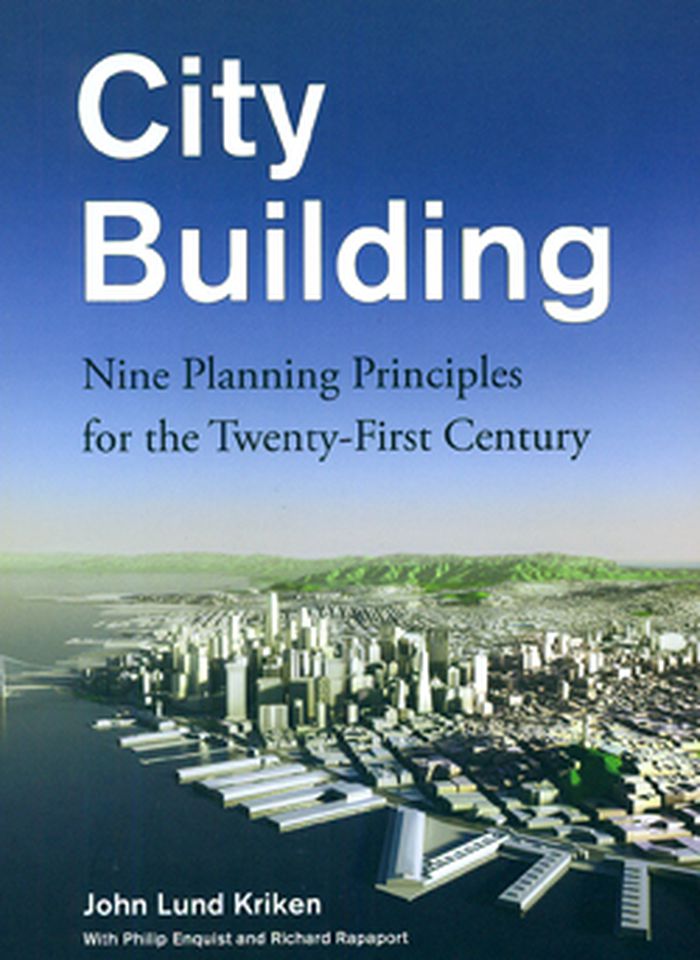
John Kriken of the planning firm Skidmore, Owings & Merrill has been at the forefront of urban planning for over forty years, and he brings both his wealth of experience and his great optimism for the future to "City Building". In writing that both experienced designers and typical city-dwellers will enjoy, he illustrates a means for comprehensive problem solving rather than symptom-based problem solving. The book is organized into three parts. Part 1 examines the past and defines the current practice of city building, addressing its shortcomings and proposing a comprehensive framework for rethinking the approach to cities in the future. Part 2 translates this framework into nine best-practice principles that are common to successful, livable, urban environments : sustainability, accessibility, diversity, open space, compatibility, incentives, adaptability, density, and identity. These principles are illustrated in a global portfolio of city building projects, designed by Skidmore, Owings & Merrill, that show how best practices have been applied successfully — and sometimes not so. Part 3 makes the case that, far from being the problem, cities, properly organized, can be a mechanism for sensible, sustainable uses of increasingly scarce resources. The book concludes with a call for a national planning process and a comprehensive framework for settlement.
City building : nine planning principles for the twenty-first century
Actions:
Price:
$45.00
(available to order)
Summary:
John Kriken of the planning firm Skidmore, Owings & Merrill has been at the forefront of urban planning for over forty years, and he brings both his wealth of experience and his great optimism for the future to "City Building". In writing that both experienced designers and typical city-dwellers will enjoy, he illustrates a means for comprehensive problem solving rather than symptom-based problem solving. The book is organized into three parts. Part 1 examines the past and defines the current practice of city building, addressing its shortcomings and proposing a comprehensive framework for rethinking the approach to cities in the future. Part 2 translates this framework into nine best-practice principles that are common to successful, livable, urban environments : sustainability, accessibility, diversity, open space, compatibility, incentives, adaptability, density, and identity. These principles are illustrated in a global portfolio of city building projects, designed by Skidmore, Owings & Merrill, that show how best practices have been applied successfully — and sometimes not so. Part 3 makes the case that, far from being the problem, cities, properly organized, can be a mechanism for sensible, sustainable uses of increasingly scarce resources. The book concludes with a call for a national planning process and a comprehensive framework for settlement.
Form:
books
books
Publication:
March 2010
March 2010
Subject:
Urban Theory
Urban Theory
Form:
books
books
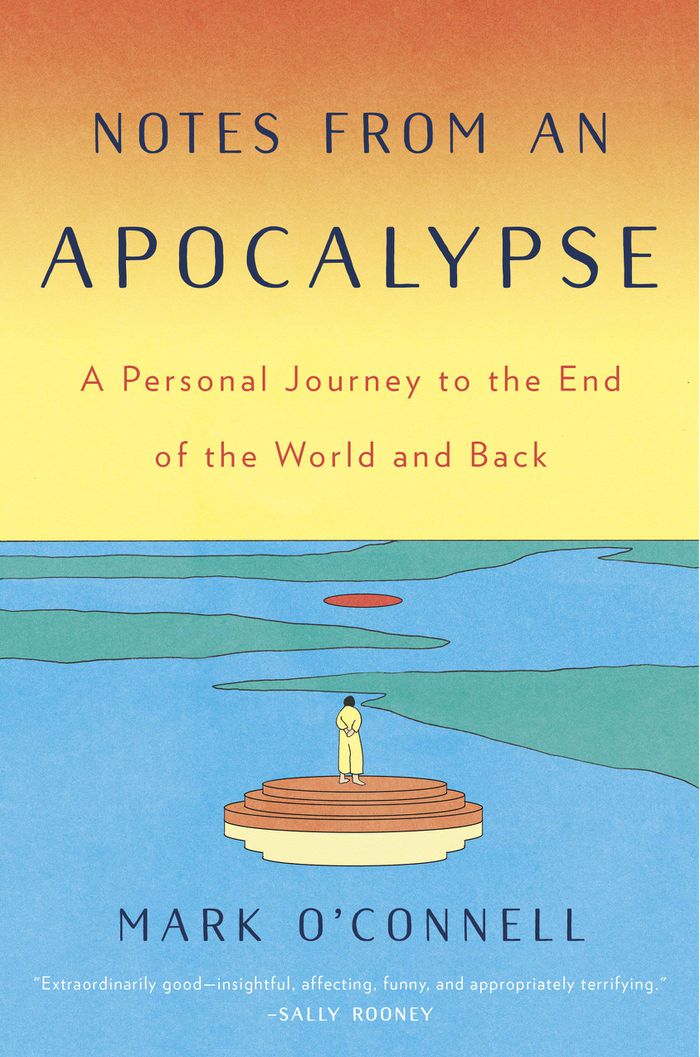
Title:
Notes from an apocalypse
Notes from an apocalypse
Actions:
Price:
$36.95
(available to order)
Summary:
We’re alive in a time of worst-case scenarios: The weather has gone uncanny. Old postwar alliances are crumbling. A pandemic draws our global community to a halt. Everywhere you look there’s an omen, a joke whose punchline is the end of the world. How is a person supposed to live in the shadow of such a grim future? What does it mean to have children—nothing if not an(...)
$36.95
(available to order)
Summary:
We’re alive in a time of worst-case scenarios: The weather has gone uncanny. Old postwar alliances are crumbling. A pandemic draws our global community to a halt. Everywhere you look there’s an omen, a joke whose punchline is the end of the world. How is a person supposed to live in the shadow of such a grim future? What does it mean to have children—nothing if not an(...)
Title:
Notes from an apocalypse
Actions:
Price:
$36.95
(available to order)
Summary:
We’re alive in a time of worst-case scenarios: The weather has gone uncanny. Old postwar alliances are crumbling. A pandemic draws our global community to a halt. Everywhere you look there’s an omen, a joke whose punchline is the end of the world. How is a person supposed to live in the shadow of such a grim future? What does it mean to have children—nothing if not an act of hope—in such unsettled times? What might it be like to live through the worst? And what on Earth is anybody doing about it? Dublin-based writer Mark O’Connell is consumed by these questions—and, as the father of two young children himself, he finds them increasingly urgent. In 'Notes from an Apocalypse', he crosses the globe in pursuit of answers. He tours survival bunkers in South Dakota. He ventures to New Zealand, a favored retreat of billionaires banking on civilization’s collapse. He engages with would-be Mars colonists, preppers, right-wing conspiracists. And he bears witness to those places, like Chernobyl, that the future has already visited—real-life portraits of the end of the world as we know it. In doing so, he comes to a resolution, while offering readers a unique window into our contemporary imagination.
Notes from an apocalypse
Actions:
Price:
$36.95
(available to order)
Summary:
We’re alive in a time of worst-case scenarios: The weather has gone uncanny. Old postwar alliances are crumbling. A pandemic draws our global community to a halt. Everywhere you look there’s an omen, a joke whose punchline is the end of the world. How is a person supposed to live in the shadow of such a grim future? What does it mean to have children—nothing if not an act of hope—in such unsettled times? What might it be like to live through the worst? And what on Earth is anybody doing about it? Dublin-based writer Mark O’Connell is consumed by these questions—and, as the father of two young children himself, he finds them increasingly urgent. In 'Notes from an Apocalypse', he crosses the globe in pursuit of answers. He tours survival bunkers in South Dakota. He ventures to New Zealand, a favored retreat of billionaires banking on civilization’s collapse. He engages with would-be Mars colonists, preppers, right-wing conspiracists. And he bears witness to those places, like Chernobyl, that the future has already visited—real-life portraits of the end of the world as we know it. In doing so, he comes to a resolution, while offering readers a unique window into our contemporary imagination.
Form:
books
books
Publication:
April 2020
April 2020
Subject:
Environment and environmental theory
Environment and environmental theory


