


12071 Results
Form:
books
books
Actions:
Price:
$30.00
(available in store)
Summary:
Portuguese architect Álvaro Siza (born 1933) is one of the most influential architects of the past half-century. His most famous work is perhaps the Serralves Museum in his hometown of Porto, his second museum building, following the Galician Center for Contemporary Art, erected in 1997. Low built and horizontal in axis, its white stucco walls are perforated with(...)
$30.00
(available in store)
Summary:
Portuguese architect Álvaro Siza (born 1933) is one of the most influential architects of the past half-century. His most famous work is perhaps the Serralves Museum in his hometown of Porto, his second museum building, following the Galician Center for Contemporary Art, erected in 1997. Low built and horizontal in axis, its white stucco walls are perforated with(...)
Title:
Àlvaro Siza: Museu De Arte Contemporânea de Serralves Porto
Actions:
Price:
$30.00
(available in store)
Summary:
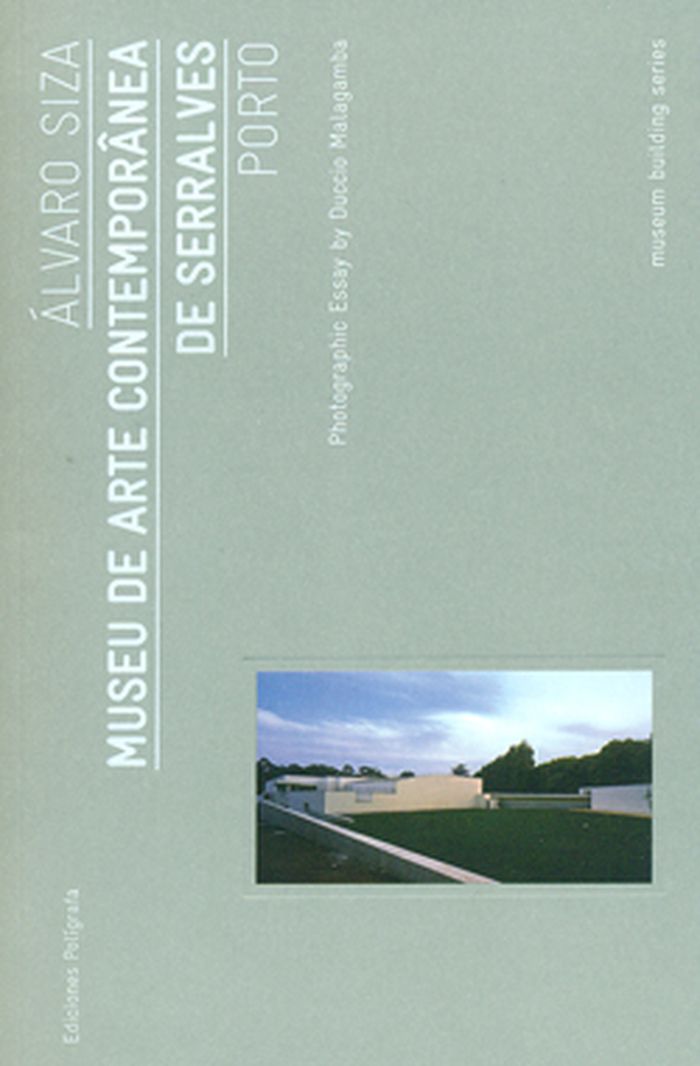
Portuguese architect Álvaro Siza (born 1933) is one of the most influential architects of the past half-century. His most famous work is perhaps the Serralves Museum in his hometown of Porto, his second museum building, following the Galician Center for Contemporary Art, erected in 1997. Low built and horizontal in axis, its white stucco walls are perforated with occasional openings that yield unexpected views of a surrounding garden. As with most of Siza's buildings, the furniture and fittings were also designed by the architect, including lighting fixtures, handrails, doorknobs and all signage. Building materials include hardwood floors and painted walls in gesso with marble skirting in the exhibition halls and marble floors in the foyers. This volume, published in Poligrafa's innovative Museum Building series, reviews the Serralves Museum, a disarmingly intimate space in pronounced contradistinction to much recent museum architecture.
Àlvaro Siza: Museu De Arte Contemporânea de Serralves Porto
Actions:
Price:
$30.00
(available in store)
Summary:
Portuguese architect Álvaro Siza (born 1933) is one of the most influential architects of the past half-century. His most famous work is perhaps the Serralves Museum in his hometown of Porto, his second museum building, following the Galician Center for Contemporary Art, erected in 1997. Low built and horizontal in axis, its white stucco walls are perforated with occasional openings that yield unexpected views of a surrounding garden. As with most of Siza's buildings, the furniture and fittings were also designed by the architect, including lighting fixtures, handrails, doorknobs and all signage. Building materials include hardwood floors and painted walls in gesso with marble skirting in the exhibition halls and marble floors in the foyers. This volume, published in Poligrafa's innovative Museum Building series, reviews the Serralves Museum, a disarmingly intimate space in pronounced contradistinction to much recent museum architecture.
Form:
books
books
Publication:
September 2011
September 2011
Subject:
Architecture Monographs
Architecture Monographs
Form:
books
books
Actions:
Price:
$33.00
(available to order)
Summary:
Following his Getty Center in Los Angeles and the Museum of Contemporary Art in Barcelona, celebrated American architect Richard Meier (born 1934) has created another stunning example of museum architecture. Full of light, the Sammlung Frieder Burda in Baden-Baden sits alongside the Staatliche Kunsthalle, and the two are linked via glass bridge. In contrast to the(...)
$33.00
(available to order)
Summary:
Following his Getty Center in Los Angeles and the Museum of Contemporary Art in Barcelona, celebrated American architect Richard Meier (born 1934) has created another stunning example of museum architecture. Full of light, the Sammlung Frieder Burda in Baden-Baden sits alongside the Staatliche Kunsthalle, and the two are linked via glass bridge. In contrast to the(...)
Title:
Richard Meier: Museum Frieder Burda
Actions:
Price:
$33.00
(available to order)
Summary:
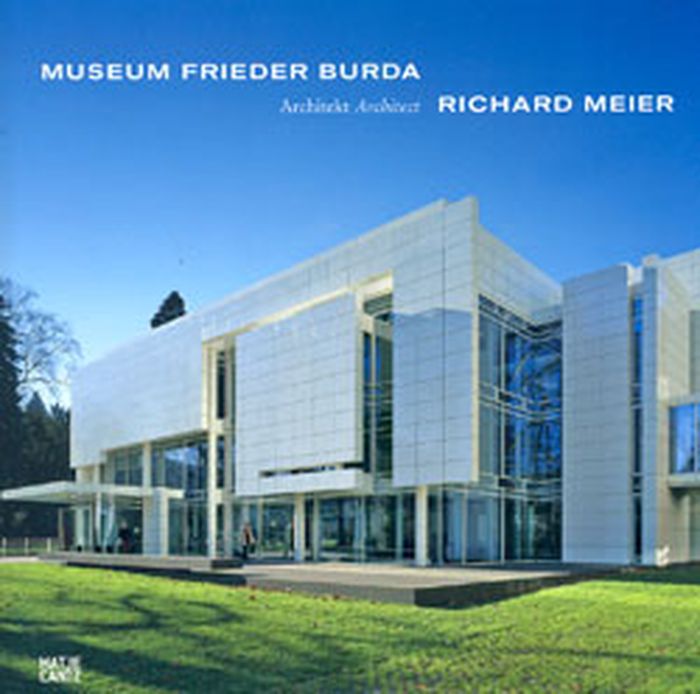
Following his Getty Center in Los Angeles and the Museum of Contemporary Art in Barcelona, celebrated American architect Richard Meier (born 1934) has created another stunning example of museum architecture. Full of light, the Sammlung Frieder Burda in Baden-Baden sits alongside the Staatliche Kunsthalle, and the two are linked via glass bridge. In contrast to the neo-classical Kunsthalle, Sammlung Frieder Burda has the air of a California mansion, distinguished by its elegance, transparency and openness. Set on the city's historic Lichtentaler Allee park and arboretum, the building is referred to by many--including its architect--as the “jewel in the park.” This newly revised assessment of the project charts the museum from its early phases to completion through numerous sketches, plans and photographs. The book also features essays by art historians and architecture critics that expand upon the structure, its function and its location.
Richard Meier: Museum Frieder Burda
Actions:
Price:
$33.00
(available to order)
Summary:
Following his Getty Center in Los Angeles and the Museum of Contemporary Art in Barcelona, celebrated American architect Richard Meier (born 1934) has created another stunning example of museum architecture. Full of light, the Sammlung Frieder Burda in Baden-Baden sits alongside the Staatliche Kunsthalle, and the two are linked via glass bridge. In contrast to the neo-classical Kunsthalle, Sammlung Frieder Burda has the air of a California mansion, distinguished by its elegance, transparency and openness. Set on the city's historic Lichtentaler Allee park and arboretum, the building is referred to by many--including its architect--as the “jewel in the park.” This newly revised assessment of the project charts the museum from its early phases to completion through numerous sketches, plans and photographs. The book also features essays by art historians and architecture critics that expand upon the structure, its function and its location.
Form:
books
books
Publication:
August 2011
August 2011
Subject:
Architecture Monographs
Architecture Monographs
Form:
books
books
Title:
Québec, je me souviens
Québec, je me souviens
Actions:
Price:
$14.95
(available to order)
Summary:
Québec, je me souviens brosse un tableau du Québec en 80 pages de photographies. L'ouvrage présente le Québec sous divers angles afin de fidèlement rendre compte de sa diversité et de ce qui en fait une terre unique. Parmi les thèmes abordés : Le Québec créatif; Le Québec des grands espaces; Le Québec urbain; Le patrimoine et l’architecture au Québec; Les grands attraits(...)
$14.95
(available to order)
Summary:
Québec, je me souviens brosse un tableau du Québec en 80 pages de photographies. L'ouvrage présente le Québec sous divers angles afin de fidèlement rendre compte de sa diversité et de ce qui en fait une terre unique. Parmi les thèmes abordés : Le Québec créatif; Le Québec des grands espaces; Le Québec urbain; Le patrimoine et l’architecture au Québec; Les grands attraits(...)
Title:
Québec, je me souviens
Actions:
Price:
$14.95
(available to order)
Summary:
Québec, je me souviens brosse un tableau du Québec en 80 pages de photographies. L'ouvrage présente le Québec sous divers angles afin de fidèlement rendre compte de sa diversité et de ce qui en fait une terre unique. Parmi les thèmes abordés : Le Québec créatif; Le Québec des grands espaces; Le Québec urbain; Le patrimoine et l’architecture au Québec; Les grands attraits du Québec; L’art de vivre à la québécoise; Le peuple québécois.
Québec, je me souviens
Actions:
Price:
$14.95
(available to order)
Summary:
Québec, je me souviens brosse un tableau du Québec en 80 pages de photographies. L'ouvrage présente le Québec sous divers angles afin de fidèlement rendre compte de sa diversité et de ce qui en fait une terre unique. Parmi les thèmes abordés : Le Québec créatif; Le Québec des grands espaces; Le Québec urbain; Le patrimoine et l’architecture au Québec; Les grands attraits du Québec; L’art de vivre à la québécoise; Le peuple québécois.
Form:
books
books
Publication:
July 2011
July 2011
Subject:
Architecture du Québec
Architecture du Québec
Form:
books
books
Actions:
Price:
$32.95
(available to order)
Summary:
The mastermind behind what he termed beautiful and functional “machines for living,” Le Corbusier has long been recognized as one of the foremost figures in the international style of architecture. Yet, beginning in the 1940s, the famed architect and urbanist increasingly took modernism in a new direction that has until now been insufficiently considered—and little(...)
$32.95
(available to order)
Summary:
The mastermind behind what he termed beautiful and functional “machines for living,” Le Corbusier has long been recognized as one of the foremost figures in the international style of architecture. Yet, beginning in the 1940s, the famed architect and urbanist increasingly took modernism in a new direction that has until now been insufficiently considered—and little(...)
Title:
Le Corbusier: The architect on the beach
Actions:
Price:
$32.95
(available to order)
Summary:
The mastermind behind what he termed beautiful and functional “machines for living,” Le Corbusier has long been recognized as one of the foremost figures in the international style of architecture. Yet, beginning in the 1940s, the famed architect and urbanist increasingly took modernism in a new direction that has until now been insufficiently considered—and little understood. Dispensing with his trademark suit and bowtie, Le Corbusier was spending increasing amounts of time at the shore in the 1940s, collecting stones, shells, and other jetsam, and enjoying the works of the philosopher and ardent shell collector Paul Valéry. And it was here that the seemingly hyper-rational architect developed a revolutionary new theory of design, built around these polished and splintered shapes. Stating that nature was the source of his inspiration, Le Corbusier embarked on a meandering odyssey through the literature and esoteric writings of his day, going on to produce such unorthodox projects as Chandigarh’s Palace of Assembly and the strange and beautiful Ronchamp Chapel in Paris, whose roof is said to have been modeled after an inverted crab’s shell. The development of Le Corbusier’s new approach not only changed modernism but also inspired—and continues to inspire—new shapes and lines in the work of a host of architects. In this superbly written and accessible piece of architectural history, Maak develops the intricate story of a breakthrough in architecture that began on a beach.
Le Corbusier: The architect on the beach
Actions:
Price:
$32.95
(available to order)
Summary:
The mastermind behind what he termed beautiful and functional “machines for living,” Le Corbusier has long been recognized as one of the foremost figures in the international style of architecture. Yet, beginning in the 1940s, the famed architect and urbanist increasingly took modernism in a new direction that has until now been insufficiently considered—and little understood. Dispensing with his trademark suit and bowtie, Le Corbusier was spending increasing amounts of time at the shore in the 1940s, collecting stones, shells, and other jetsam, and enjoying the works of the philosopher and ardent shell collector Paul Valéry. And it was here that the seemingly hyper-rational architect developed a revolutionary new theory of design, built around these polished and splintered shapes. Stating that nature was the source of his inspiration, Le Corbusier embarked on a meandering odyssey through the literature and esoteric writings of his day, going on to produce such unorthodox projects as Chandigarh’s Palace of Assembly and the strange and beautiful Ronchamp Chapel in Paris, whose roof is said to have been modeled after an inverted crab’s shell. The development of Le Corbusier’s new approach not only changed modernism but also inspired—and continues to inspire—new shapes and lines in the work of a host of architects. In this superbly written and accessible piece of architectural history, Maak develops the intricate story of a breakthrough in architecture that began on a beach.
Form:
books
books
Publication:
August 2011
August 2011
Subject:
Architecture Monographs
Architecture Monographs
Form:
books
books
Actions:
Price:
$18.95
(available to order)
Summary:
Kim Swoo Geun is one of the most famous and influential architect of the twentieth century in Korea. He designed monuments, planned cities for a rebuilding nation, set the stage for Korean modernism, and created spaces and forms no one had ever seen before. This publication is a catalogue of the exhibition Dense Modernities: Kim Swoo Geun held at Aedes am Pfefferberg in Berlin.
$18.95
(available to order)
Summary:
Kim Swoo Geun is one of the most famous and influential architect of the twentieth century in Korea. He designed monuments, planned cities for a rebuilding nation, set the stage for Korean modernism, and created spaces and forms no one had ever seen before. This publication is a catalogue of the exhibition Dense Modernities: Kim Swoo Geun held at Aedes am Pfefferberg in Berlin.
Title:
Dense modernities: Kim Swoo Geun, Korea's architect for the twenthieth century
Actions:
Price:
$18.95
(available to order)
Summary:
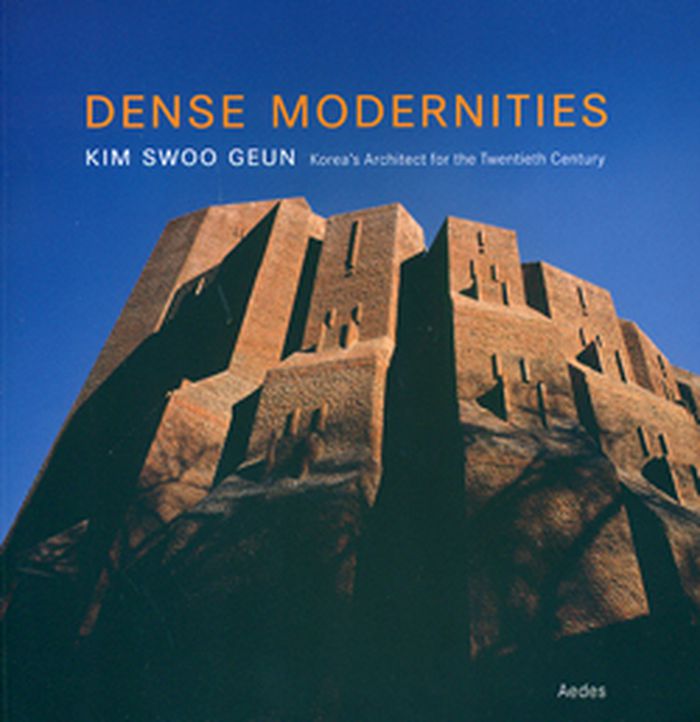
Kim Swoo Geun is one of the most famous and influential architect of the twentieth century in Korea. He designed monuments, planned cities for a rebuilding nation, set the stage for Korean modernism, and created spaces and forms no one had ever seen before. This publication is a catalogue of the exhibition Dense Modernities: Kim Swoo Geun held at Aedes am Pfefferberg in Berlin.
Dense modernities: Kim Swoo Geun, Korea's architect for the twenthieth century
Actions:
Price:
$18.95
(available to order)
Summary:
Kim Swoo Geun is one of the most famous and influential architect of the twentieth century in Korea. He designed monuments, planned cities for a rebuilding nation, set the stage for Korean modernism, and created spaces and forms no one had ever seen before. This publication is a catalogue of the exhibition Dense Modernities: Kim Swoo Geun held at Aedes am Pfefferberg in Berlin.
Form:
books
books
Publication:
July 2011
July 2011
Subject:
Architecture Monographs
Architecture Monographs
Form:
books
books
Actions:
Price:
$31.50
(available to order)
Summary:
With the advent of urbanization in the early modern period, the material worlds of children were vastly altered. In industrialized democracies, a broad consensus developed that children should not work, but rather learn and play in settings designed and built with these specific purposes in mind. Unregulated public spaces for children were no longer acceptable; and the(...)
$31.50
(available to order)
Summary:
With the advent of urbanization in the early modern period, the material worlds of children were vastly altered. In industrialized democracies, a broad consensus developed that children should not work, but rather learn and play in settings designed and built with these specific purposes in mind. Unregulated public spaces for children were no longer acceptable; and the(...)
Title:
Designing modern childhoods: history, space, and the material culture of children
Actions:
Price:
$31.50
(available to order)
Summary:
With the advent of urbanization in the early modern period, the material worlds of children were vastly altered. In industrialized democracies, a broad consensus developed that children should not work, but rather learn and play in settings designed and built with these specific purposes in mind. Unregulated public spaces for children were no longer acceptable; and the cultural landscapes of children's private lives were changed, with modifications in architecture and the objects of daily life. In Designing Modern Childhoods, architectural historians, social historians, social scientists, and architects examine the history and design of places and objects such as schools, hospitals, playgrounds, houses, cell phones, snowboards, and even the McDonald's Happy Meal. Special attention is given to how children use and interpret the spaces, buildings, and objects that are part of their lives, becoming themselves creators and carriers of culture. The authors extract common threads in children's understandings of their material worlds, but they also show how the experience of modernity varies for young people across time, through space, and according to age, gender, social class, race, and culture.
Designing modern childhoods: history, space, and the material culture of children
Actions:
Price:
$31.50
(available to order)
Summary:
With the advent of urbanization in the early modern period, the material worlds of children were vastly altered. In industrialized democracies, a broad consensus developed that children should not work, but rather learn and play in settings designed and built with these specific purposes in mind. Unregulated public spaces for children were no longer acceptable; and the cultural landscapes of children's private lives were changed, with modifications in architecture and the objects of daily life. In Designing Modern Childhoods, architectural historians, social historians, social scientists, and architects examine the history and design of places and objects such as schools, hospitals, playgrounds, houses, cell phones, snowboards, and even the McDonald's Happy Meal. Special attention is given to how children use and interpret the spaces, buildings, and objects that are part of their lives, becoming themselves creators and carriers of culture. The authors extract common threads in children's understandings of their material worlds, but they also show how the experience of modernity varies for young people across time, through space, and according to age, gender, social class, race, and culture.
Form:
books
books
Publication:
January 2008
January 2008
Subject:
Architectural Theory
Architectural Theory
Form:
books
books
Title:
J.Mayer H: Metropol parasol
J.Mayer H: Metropol parasol
Actions:
Price:
$50.00
(available to order)
Summary:
Reinvigorating Seville's central medieval district, J. Mayer H. Architects has created Metropol Parasol. The building complex derives its name from its large, umbrella-like structures and houses an archeological museum, indoor market and elevated square for events. With bars, restaurants and a panoramic pedestrian walkway, the landmark signals an important step forward in(...)
$50.00
(available to order)
Summary:
Reinvigorating Seville's central medieval district, J. Mayer H. Architects has created Metropol Parasol. The building complex derives its name from its large, umbrella-like structures and houses an archeological museum, indoor market and elevated square for events. With bars, restaurants and a panoramic pedestrian walkway, the landmark signals an important step forward in(...)
Title:
J.Mayer H: Metropol parasol
Actions:
Price:
$50.00
(available to order)
Summary:
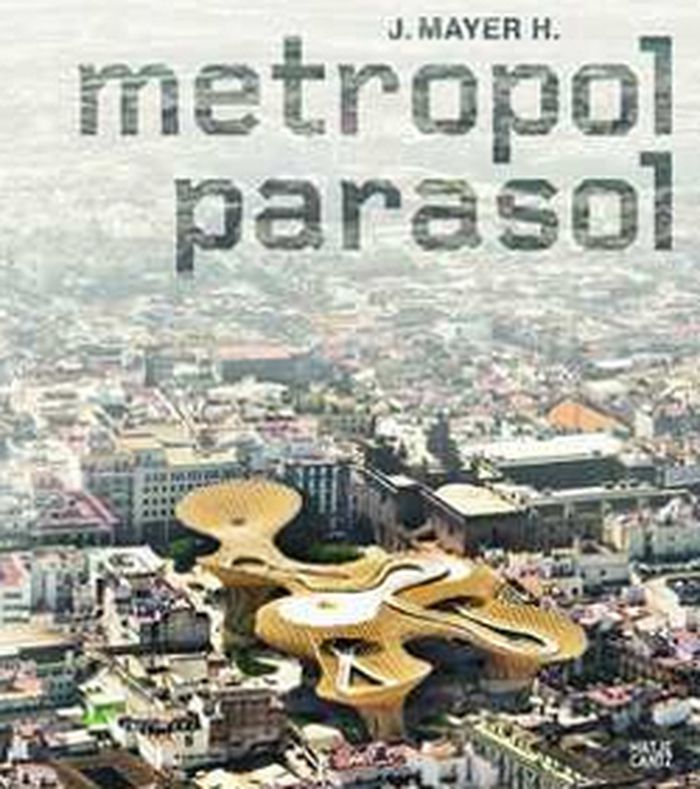
Reinvigorating Seville's central medieval district, J. Mayer H. Architects has created Metropol Parasol. The building complex derives its name from its large, umbrella-like structures and houses an archeological museum, indoor market and elevated square for events. With bars, restaurants and a panoramic pedestrian walkway, the landmark signals an important step forward in the city's development of cultural and commercial facilities.
J.Mayer H: Metropol parasol
Actions:
Price:
$50.00
(available to order)
Summary:
Reinvigorating Seville's central medieval district, J. Mayer H. Architects has created Metropol Parasol. The building complex derives its name from its large, umbrella-like structures and houses an archeological museum, indoor market and elevated square for events. With bars, restaurants and a panoramic pedestrian walkway, the landmark signals an important step forward in the city's development of cultural and commercial facilities.
Form:
books
books
Publication:
September 2011
September 2011
Subject:
Architecture Monographs
Architecture Monographs
Form:
books
books
Title:
Sadar + Vuga : a review
Sadar + Vuga : a review
Actions:
Price:
$85.00
(available to order)
Summary:
Sadar + Vuga is a Slovenian architectural office whose first building, the headquarters of the Slovenian Chamber of Commerce in Ljubljana, built in 1999, won international acclaim. This volume contains a comprehensive catalogue of their 16 completed buildings, a photo essay, and commentary by peers such as Jacob van Rijs, Philip Ursprung, Jorg Leeser, Mark Lee and Duncan Lewis.
$85.00
(available to order)
Summary:
Sadar + Vuga is a Slovenian architectural office whose first building, the headquarters of the Slovenian Chamber of Commerce in Ljubljana, built in 1999, won international acclaim. This volume contains a comprehensive catalogue of their 16 completed buildings, a photo essay, and commentary by peers such as Jacob van Rijs, Philip Ursprung, Jorg Leeser, Mark Lee and Duncan Lewis.
Title:
Sadar + Vuga : a review
Actions:
Price:
$85.00
(available to order)
Summary:
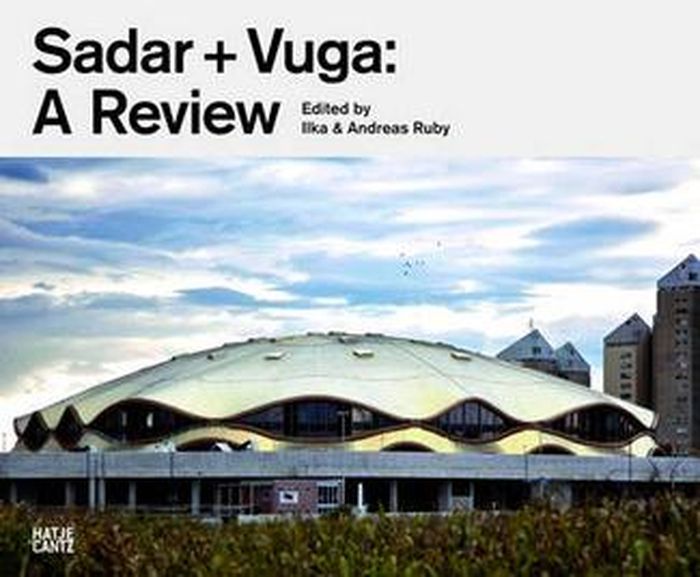
Sadar + Vuga is a Slovenian architectural office whose first building, the headquarters of the Slovenian Chamber of Commerce in Ljubljana, built in 1999, won international acclaim. This volume contains a comprehensive catalogue of their 16 completed buildings, a photo essay, and commentary by peers such as Jacob van Rijs, Philip Ursprung, Jorg Leeser, Mark Lee and Duncan Lewis.
Sadar + Vuga : a review
Actions:
Price:
$85.00
(available to order)
Summary:
Sadar + Vuga is a Slovenian architectural office whose first building, the headquarters of the Slovenian Chamber of Commerce in Ljubljana, built in 1999, won international acclaim. This volume contains a comprehensive catalogue of their 16 completed buildings, a photo essay, and commentary by peers such as Jacob van Rijs, Philip Ursprung, Jorg Leeser, Mark Lee and Duncan Lewis.
Form:
books
books
Publication:
November 2011
November 2011
Subject:
Architecture Monographs
Architecture Monographs
Form:
books
books
Title:
Water sensitive urban design
Water sensitive urban design
Actions:
Price:
$39.00
(available to order)
Summary:
In recent years, decentralized stormwater management has come to the forefront of debates on sustainable urban design. Water Sensitive Urban Design aims to harmonize the urban built environment and urban water systems.
$39.00
(available to order)
Summary:
In recent years, decentralized stormwater management has come to the forefront of debates on sustainable urban design. Water Sensitive Urban Design aims to harmonize the urban built environment and urban water systems.
Title:
Water sensitive urban design
Actions:
Price:
$39.00
(available to order)
Summary:
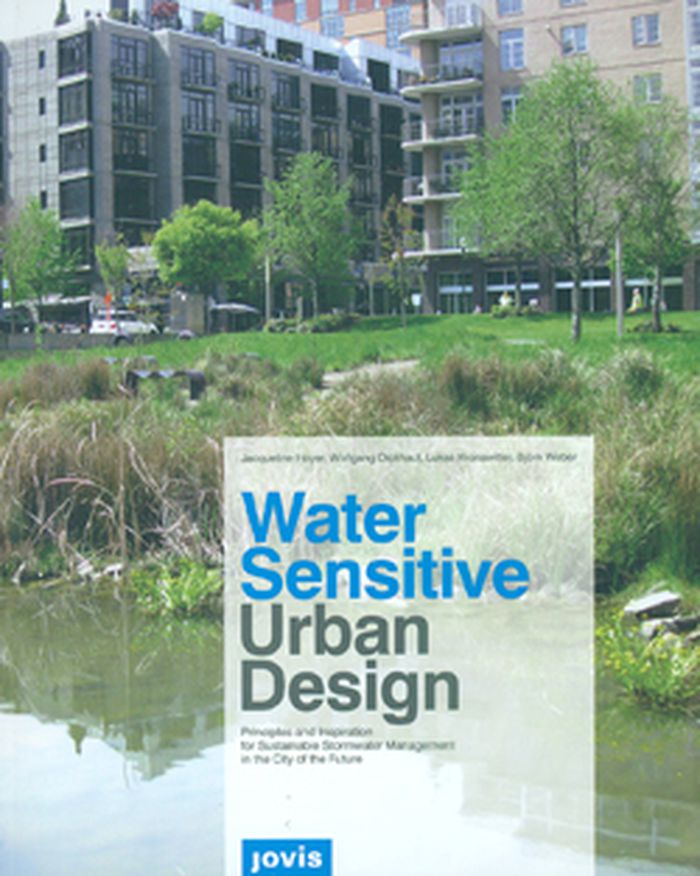
In recent years, decentralized stormwater management has come to the forefront of debates on sustainable urban design. Water Sensitive Urban Design aims to harmonize the urban built environment and urban water systems.
Water sensitive urban design
Actions:
Price:
$39.00
(available to order)
Summary:
In recent years, decentralized stormwater management has come to the forefront of debates on sustainable urban design. Water Sensitive Urban Design aims to harmonize the urban built environment and urban water systems.
Form:
books
books
Publication:
November 2011
November 2011
Subject:
Green Architecture
Green Architecture
Form:
books
books
Actions:
Price:
$76.00
(available to order)
Summary:
Founded in 2004 by Koichi Suzuno and Shinya Kamuro, Torafu Architects employs a working approach based on architectural thinking. Works by the duo include a diverse range of products, from architectural design to interior design for shops, exhibition space design, product design, spatial installations and film making. Projects include the Nike Pressroom, a House in(...)
$76.00
(available to order)
Summary:
Founded in 2004 by Koichi Suzuno and Shinya Kamuro, Torafu Architects employs a working approach based on architectural thinking. Works by the duo include a diverse range of products, from architectural design to interior design for shops, exhibition space design, product design, spatial installations and film making. Projects include the Nike Pressroom, a House in(...)
Title:
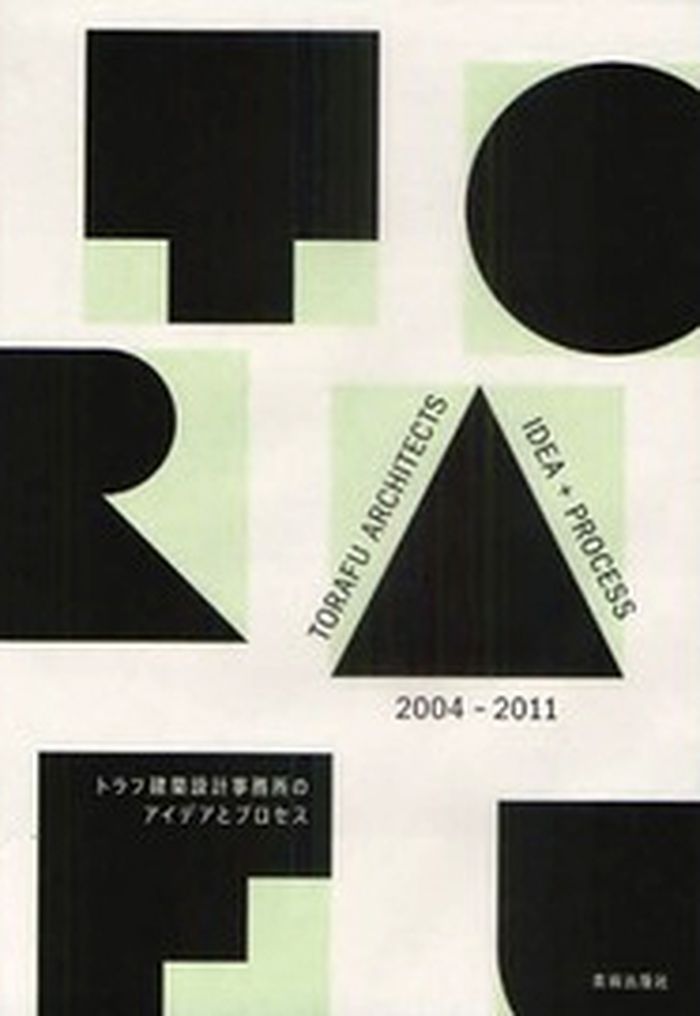
Torafu Architects: Idea + process 2004-2011
Actions:
Price:
$76.00
(available to order)
Summary:
Founded in 2004 by Koichi Suzuno and Shinya Kamuro, Torafu Architects employs a working approach based on architectural thinking. Works by the duo include a diverse range of products, from architectural design to interior design for shops, exhibition space design, product design, spatial installations and film making. Projects include the Nike Pressroom, a House in Kohoku, the Y150 Nissan Pavilion, the Herman Miller Tokyo Store, a House in Nakamaru, an exhibition space for minä perhonen, the air-vase, the 1-10 design Office in Kyoto, and many others. Introduction by Akira Minagawa (minä perhonen).
Torafu Architects: Idea + process 2004-2011
Actions:
Price:
$76.00
(available to order)
Summary:
Founded in 2004 by Koichi Suzuno and Shinya Kamuro, Torafu Architects employs a working approach based on architectural thinking. Works by the duo include a diverse range of products, from architectural design to interior design for shops, exhibition space design, product design, spatial installations and film making. Projects include the Nike Pressroom, a House in Kohoku, the Y150 Nissan Pavilion, the Herman Miller Tokyo Store, a House in Nakamaru, an exhibition space for minä perhonen, the air-vase, the 1-10 design Office in Kyoto, and many others. Introduction by Akira Minagawa (minä perhonen).
Form:
books
books
Publication:
July 2011
July 2011
Subject:
Architecture Monographs
Architecture Monographs


