


588 Results
Form:
books
books
Actions:
Price:
$30.00
(available to order)
Summary:
Issue 101 of Texte zur Kunst takes “Polarities” as its theme—a term that in the first degree we associate with what’s unfolding around us right now: ideological polarization, from Pegida to Donald Trump. In turn, this issue looks to the macro conditions in which art critical and art historical discourses are currently being formed, and within which they will need to(...)
$30.00
(available to order)
Summary:
Issue 101 of Texte zur Kunst takes “Polarities” as its theme—a term that in the first degree we associate with what’s unfolding around us right now: ideological polarization, from Pegida to Donald Trump. In turn, this issue looks to the macro conditions in which art critical and art historical discourses are currently being formed, and within which they will need to(...)
Title:
Texte zur Kunst 101: Polarities
Actions:
Price:
$30.00
(available to order)
Summary:
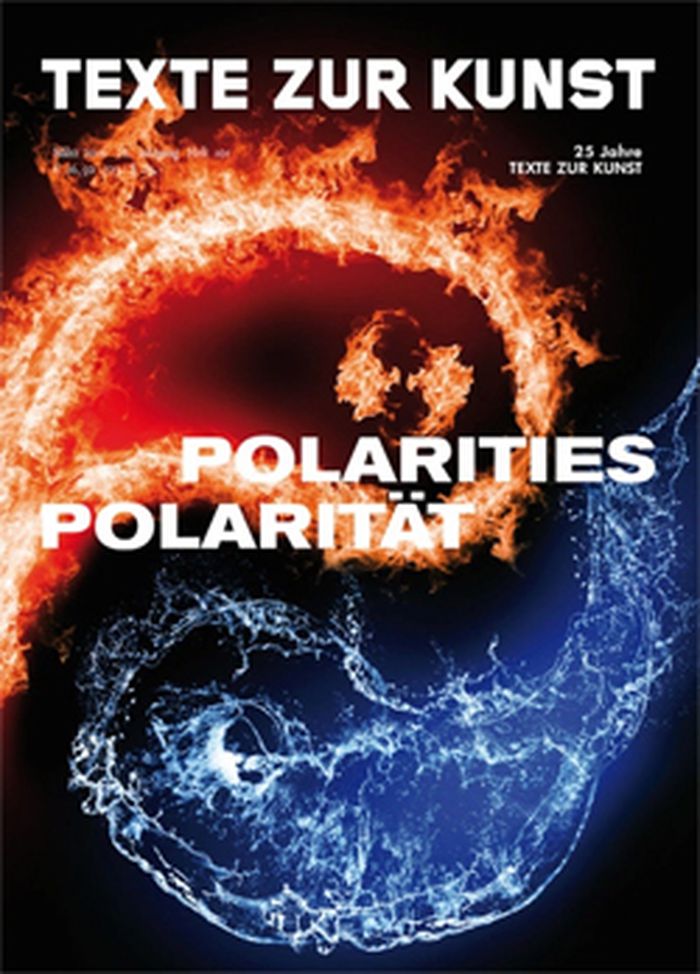
Issue 101 of Texte zur Kunst takes “Polarities” as its theme—a term that in the first degree we associate with what’s unfolding around us right now: ideological polarization, from Pegida to Donald Trump. In turn, this issue looks to the macro conditions in which art critical and art historical discourses are currently being formed, and within which they will need to position themselves. What’s particularly striking, we argue, is that this trend toward polarization is happening despite the popular tendency, in recent decades, to speak of increased unification. How, then, can such polarization be reconciled with the dominant, and inherently continuous, neoliberal system—one characterized by the global economy’s promise of inclusiveness; utopian visions of peace (if not survival) via the “singularity” of screen, mind, and body; and a European Union as project of post-Soviet unification, striving to push all conflict to its periphery? What do we make of this growing difference between the ideals of technological/smooth space (where the art world often resides, swiftly neutralizing any resistance as “content”) and the broadening expanses of material unrest? Could the image of polarization be something not to avoid but to engage, at least as a potentially generative model, for understanding true opposition within a continuous system—for times that are anything but free from ideological division?
Texte zur Kunst 101: Polarities
Actions:
Price:
$30.00
(available to order)
Summary:
Issue 101 of Texte zur Kunst takes “Polarities” as its theme—a term that in the first degree we associate with what’s unfolding around us right now: ideological polarization, from Pegida to Donald Trump. In turn, this issue looks to the macro conditions in which art critical and art historical discourses are currently being formed, and within which they will need to position themselves. What’s particularly striking, we argue, is that this trend toward polarization is happening despite the popular tendency, in recent decades, to speak of increased unification. How, then, can such polarization be reconciled with the dominant, and inherently continuous, neoliberal system—one characterized by the global economy’s promise of inclusiveness; utopian visions of peace (if not survival) via the “singularity” of screen, mind, and body; and a European Union as project of post-Soviet unification, striving to push all conflict to its periphery? What do we make of this growing difference between the ideals of technological/smooth space (where the art world often resides, swiftly neutralizing any resistance as “content”) and the broadening expanses of material unrest? Could the image of polarization be something not to avoid but to engage, at least as a potentially generative model, for understanding true opposition within a continuous system—for times that are anything but free from ideological division?
Form:
books
books
Publication:
March 2016
March 2016
Subject:
Magazines
Magazines
Form:
books
books
Actions:
Price:
$39.99
(available to order)
Summary:
We are living through a global catastrophe. Buildings affect how we feel, moment by moment, day by day. They have the power to lift us up and make us feel awestruck, playful, safe, and inspired, just as they can make us feel alienated and sad. But many of the places where we live, work, learn, and heal have become monotonous and disposable. We’re surrounded by cheap,(...)
$39.99
(available to order)
Summary:
We are living through a global catastrophe. Buildings affect how we feel, moment by moment, day by day. They have the power to lift us up and make us feel awestruck, playful, safe, and inspired, just as they can make us feel alienated and sad. But many of the places where we live, work, learn, and heal have become monotonous and disposable. We’re surrounded by cheap,(...)
Title:
Humanize: A maker's guide to designing our cities
Actions:
Price:
$39.99
(available to order)
Summary:
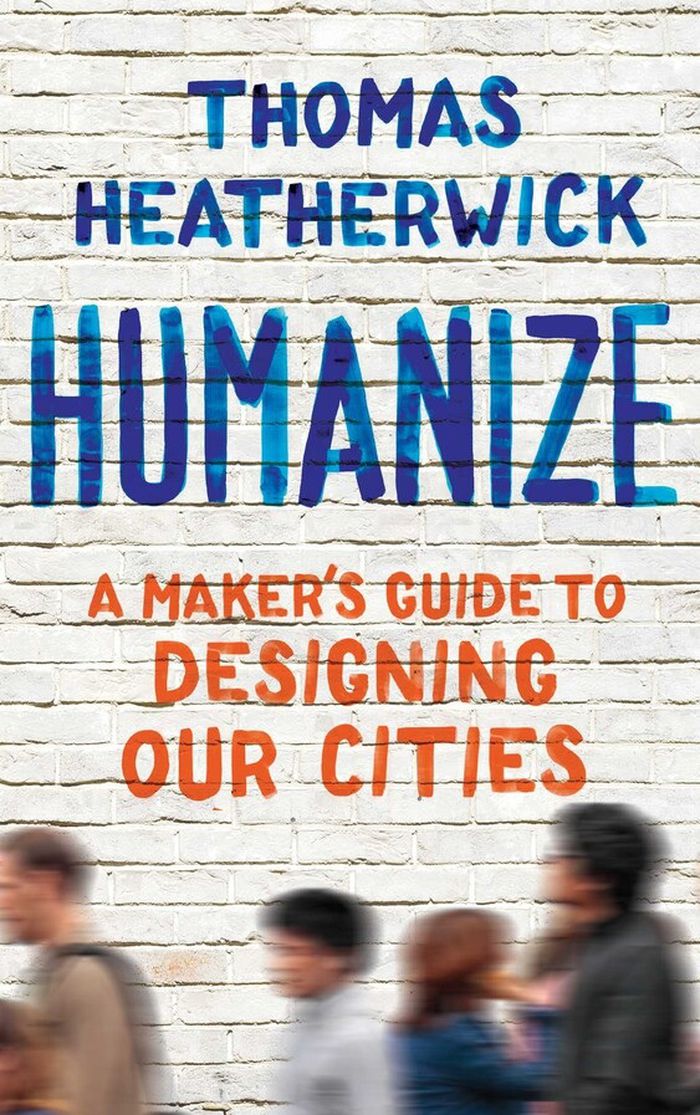
We are living through a global catastrophe. Buildings affect how we feel, moment by moment, day by day. They have the power to lift us up and make us feel awestruck, playful, safe, and inspired, just as they can make us feel alienated and sad. But many of the places where we live, work, learn, and heal have become monotonous and disposable. We’re surrounded by cheap, boring buildings that make people stressed, sick, and unhappy. In short, much of our world has been crafted in a way that is hostile to human experience. Now, drawing on his experience of the last thirty years in making bold, beautiful objects and buildings, Thomas Heatherwick offers both an informed critique of the inhumanity in most of today’s contemporary building design, and a rousing call for action. Looking through Heatherwick’s eyes, we see familiar landmarks and cityscapes around the world, from London, Paris, Barcelona, Singapore, New York, Vancouver, and beyond, both old and new, famous and obscure, to learn how places can either sap the life out of us—or nourish our senses and our psyche. The time has come, he says, to put emotion back at the heart of the design process, and the reasons to do so could not be more urgent. Design is not superficial: it has an impact upon economics, climate change, our mental and physical wellbeing—even the peace and cohesion of our societies.
Humanize: A maker's guide to designing our cities
Actions:
Price:
$39.99
(available to order)
Summary:
We are living through a global catastrophe. Buildings affect how we feel, moment by moment, day by day. They have the power to lift us up and make us feel awestruck, playful, safe, and inspired, just as they can make us feel alienated and sad. But many of the places where we live, work, learn, and heal have become monotonous and disposable. We’re surrounded by cheap, boring buildings that make people stressed, sick, and unhappy. In short, much of our world has been crafted in a way that is hostile to human experience. Now, drawing on his experience of the last thirty years in making bold, beautiful objects and buildings, Thomas Heatherwick offers both an informed critique of the inhumanity in most of today’s contemporary building design, and a rousing call for action. Looking through Heatherwick’s eyes, we see familiar landmarks and cityscapes around the world, from London, Paris, Barcelona, Singapore, New York, Vancouver, and beyond, both old and new, famous and obscure, to learn how places can either sap the life out of us—or nourish our senses and our psyche. The time has come, he says, to put emotion back at the heart of the design process, and the reasons to do so could not be more urgent. Design is not superficial: it has an impact upon economics, climate change, our mental and physical wellbeing—even the peace and cohesion of our societies.
Form:
books
books
Publication:
November 2023
November 2023
Subject:
Urban Theory
Urban Theory
Form:
books
books
Actions:
Price:
$82.50
(available to order)
Summary:
Room 4.1.3, an Australian landscape architecture firm, is renowned for producing some of the world's most finely tuned design work, striking a balance between theory and praxis, design and planning. The firm's projects engage visitors in a way that few public spaces have before. Founded in the 1990s by Richard Weller and Vladimir Sitta, Room 4.1.3 has received awards in(...)
$82.50
(available to order)
Summary:
Room 4.1.3, an Australian landscape architecture firm, is renowned for producing some of the world's most finely tuned design work, striking a balance between theory and praxis, design and planning. The firm's projects engage visitors in a way that few public spaces have before. Founded in the 1990s by Richard Weller and Vladimir Sitta, Room 4.1.3 has received awards in(...)
Title:
Room 4.1.3 : innovations in landscape architecture
Actions:
Price:
$82.50
(available to order)
Summary:
Room 4.1.3, an Australian landscape architecture firm, is renowned for producing some of the world's most finely tuned design work, striking a balance between theory and praxis, design and planning. The firm's projects engage visitors in a way that few public spaces have before. Founded in the 1990s by Richard Weller and Vladimir Sitta, Room 4.1.3 has received awards in more than forty open design competitions and is currently at work on a new city in Singapore, "fusion-polis." Adopting a new proscriptive approach, the designs exhibit a strong theoretical base that extends into cultural studies, art, geography, anthropology, and psychology. For example, the controversial Garden of Australian Dreams at the National Museum of Australia in Canberra is a veritable playground of meanings, invoking events of such varying cultural significance as the birth of Australia as a nation and the work of Jackson Pollock. This lavishly illustrated volume features many other award-winning Room 4.1.3 designs, including Namesti Miru in Prague, Potsdamer Platz in Berlin, and Gallipoli Peace Park in Turkey. Internationally renowned scholars and critics provide essays that contextualize each project and ultimately argue for the primacy and efficacy of poetic and subversive imagination in the formation of our environment. The works collected here, both built and unbuilt, will introduce Room 4.1.3's iconic style to an ever-widening audience in North America and open up an international discourse on new meanings of landscape architecture.
Room 4.1.3 : innovations in landscape architecture
Actions:
Price:
$82.50
(available to order)
Summary:
Room 4.1.3, an Australian landscape architecture firm, is renowned for producing some of the world's most finely tuned design work, striking a balance between theory and praxis, design and planning. The firm's projects engage visitors in a way that few public spaces have before. Founded in the 1990s by Richard Weller and Vladimir Sitta, Room 4.1.3 has received awards in more than forty open design competitions and is currently at work on a new city in Singapore, "fusion-polis." Adopting a new proscriptive approach, the designs exhibit a strong theoretical base that extends into cultural studies, art, geography, anthropology, and psychology. For example, the controversial Garden of Australian Dreams at the National Museum of Australia in Canberra is a veritable playground of meanings, invoking events of such varying cultural significance as the birth of Australia as a nation and the work of Jackson Pollock. This lavishly illustrated volume features many other award-winning Room 4.1.3 designs, including Namesti Miru in Prague, Potsdamer Platz in Berlin, and Gallipoli Peace Park in Turkey. Internationally renowned scholars and critics provide essays that contextualize each project and ultimately argue for the primacy and efficacy of poetic and subversive imagination in the formation of our environment. The works collected here, both built and unbuilt, will introduce Room 4.1.3's iconic style to an ever-widening audience in North America and open up an international discourse on new meanings of landscape architecture.
Form:
books
books
Publication:
January 2005, Philadelphia
January 2005, Philadelphia
Subject:
Gardens
Gardens
Form:
books
books
Title:
Billboard : art on the road
Billboard : art on the road
Actions:
Price:
$30.00
(available to order)
Summary:
This book accompanies the exhibition of artists' billboards that opens the Massachusetts Museum of Contemporary Art's (MASS MoCA's) inaugural season. The exhibition comprises a twenty-work retrospective of billboards designed by artists over the past three(...)
$30.00
(available to order)
Summary:
This book accompanies the exhibition of artists' billboards that opens the Massachusetts Museum of Contemporary Art's (MASS MoCA's) inaugural season. The exhibition comprises a twenty-work retrospective of billboards designed by artists over the past three(...)
Subject:
Graphic Design and Typography
Graphic Design and Typography
Publication:
July 1999, North Adams
July 1999, North Adams
Title:
Billboard : art on the road
Actions:
Price:
$30.00
(available to order)
Summary:
This book accompanies the exhibition of artists' billboards that opens the Massachusetts Museum of Contemporary Art's (MASS MoCA's) inaugural season. The exhibition comprises a twenty-work retrospective of billboards designed by artists over the past three decades as well as five newly commissioned ones. The retrospective includes works by, among others, John Baldessari, Geneviève Cadieux, Felix Gonzalez-Torres, Gran Fury, Group Material, the Guerrilla Girls, Jenny Holzer, Joseph Kosuth, and Barbara Kruger. The new works, made in cooperation with the communities where they will be installed, are by Julie Ault and Martin Beck, Lothar Baumgarten, Sue Coe, Leon Golub, and Gary Simmons. In addition to the descriptions and colour images of the historic and new billboards, the book contains almost three hundred short entries, offering the first broad survey of the medium. More than half of these entries include a small colour image. The book also contains three essays. In "Disturbances in the Field of Mammon: Toward a History of Artists' Billboards," Harriet Senie finds precursors for contemporary billboards in European art posters (Toulouse-Lautrec), modern political posters (Rodchenko), and war billboards ("Uncle Sam Wants You"). She looks at the subject matter of contemporary artists' billboards--racism, feminism, environmental issues, war and peace, consumerism, and AIDS--and at artists' strategies and site choices. Public artist Peggy Diggs discusses the process through which billboards are made and the problems encountered by billboard artists, and curator Laura Heon writes about works in the exhibition, in particular the (often conceptual) billboards that do not "sell" any political message.
Billboard : art on the road
Actions:
Price:
$30.00
(available to order)
Summary:
This book accompanies the exhibition of artists' billboards that opens the Massachusetts Museum of Contemporary Art's (MASS MoCA's) inaugural season. The exhibition comprises a twenty-work retrospective of billboards designed by artists over the past three decades as well as five newly commissioned ones. The retrospective includes works by, among others, John Baldessari, Geneviève Cadieux, Felix Gonzalez-Torres, Gran Fury, Group Material, the Guerrilla Girls, Jenny Holzer, Joseph Kosuth, and Barbara Kruger. The new works, made in cooperation with the communities where they will be installed, are by Julie Ault and Martin Beck, Lothar Baumgarten, Sue Coe, Leon Golub, and Gary Simmons. In addition to the descriptions and colour images of the historic and new billboards, the book contains almost three hundred short entries, offering the first broad survey of the medium. More than half of these entries include a small colour image. The book also contains three essays. In "Disturbances in the Field of Mammon: Toward a History of Artists' Billboards," Harriet Senie finds precursors for contemporary billboards in European art posters (Toulouse-Lautrec), modern political posters (Rodchenko), and war billboards ("Uncle Sam Wants You"). She looks at the subject matter of contemporary artists' billboards--racism, feminism, environmental issues, war and peace, consumerism, and AIDS--and at artists' strategies and site choices. Public artist Peggy Diggs discusses the process through which billboards are made and the problems encountered by billboard artists, and curator Laura Heon writes about works in the exhibition, in particular the (often conceptual) billboards that do not "sell" any political message.
Form:
books
books
Publication:
July 1999, North Adams
July 1999, North Adams
Subject:
Graphic Design and Typography
Graphic Design and Typography
Form:
books
books
Title:
Well-kept ruins
Well-kept ruins
Actions:
Price:
$33.95
(available to order)
Summary:
In the Lower Saxony region of northwestern Germany sits the city of Osnabrück. This is where, in 1648, the Peace of Westphalia was signed, bringing the Thirty Years’ War and one of the most calamitous periods of European history to an end. But the city was later to witness another calamity. Today, as one walks through Old Synagogue Street in a rich neighborhood of(...)
$33.95
(available to order)
Summary:
In the Lower Saxony region of northwestern Germany sits the city of Osnabrück. This is where, in 1648, the Peace of Westphalia was signed, bringing the Thirty Years’ War and one of the most calamitous periods of European history to an end. But the city was later to witness another calamity. Today, as one walks through Old Synagogue Street in a rich neighborhood of(...)
Title:
Well-kept ruins
Actions:
Price:
$33.95
(available to order)
Summary:
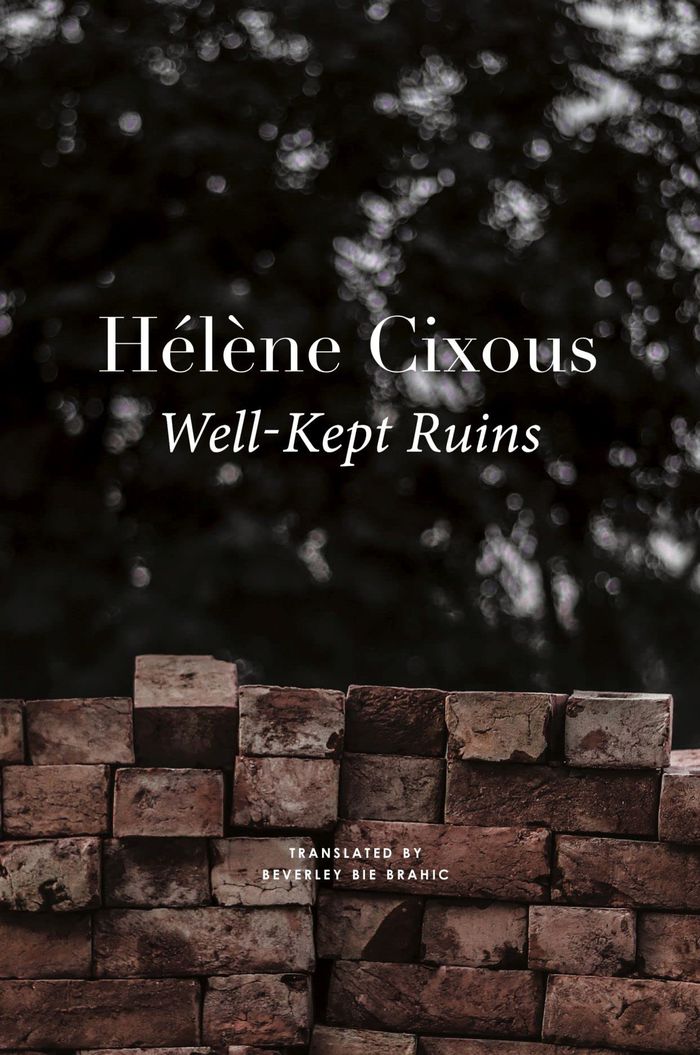
In the Lower Saxony region of northwestern Germany sits the city of Osnabrück. This is where, in 1648, the Peace of Westphalia was signed, bringing the Thirty Years’ War and one of the most calamitous periods of European history to an end. But the city was later to witness another calamity. Today, as one walks through Old Synagogue Street in a rich neighborhood of Osnabrück, one might miss noticing a pile of pale stones held together by chicken wire that sits between two fashionable homes. These are the well-kept ruins from behind which stares a gaping space—a place of memory and oblivion. Four polished plaques tell the tale of the horror-filled night of November 9, 1938—today known as Kristallnacht—when the synagogue that had stood on this spot was desecrated, looted, set on fire, and eventually demolished by Hitler’s forces. On the same day, ninety parishioners were imprisoned by the Gestapo and eventually sent to the Buchenwald concentration camp. Osnabrück was also home to Eve Klein, a member of the city’s early-twentieth-century Jewish community and the mother of author Hélène Cixous. In Well-Kept Ruins, Cixous returns to the historic city in 2019 and reflects on the remains of the synagogue that “express the life lost, the life kept.” Walking the streets of the city, plumbing the depths of the past along with her own family’s history, looking deep into the future, and punctuating her poetic prose with haunting photographs, Cixous explores the ruins at the heart of humanity. Part memoir, part philosophical meditation, ''Well-kept ruins'' is a genre-defying and timely reflection of the contemporary human condition.
Well-kept ruins
Actions:
Price:
$33.95
(available to order)
Summary:
In the Lower Saxony region of northwestern Germany sits the city of Osnabrück. This is where, in 1648, the Peace of Westphalia was signed, bringing the Thirty Years’ War and one of the most calamitous periods of European history to an end. But the city was later to witness another calamity. Today, as one walks through Old Synagogue Street in a rich neighborhood of Osnabrück, one might miss noticing a pile of pale stones held together by chicken wire that sits between two fashionable homes. These are the well-kept ruins from behind which stares a gaping space—a place of memory and oblivion. Four polished plaques tell the tale of the horror-filled night of November 9, 1938—today known as Kristallnacht—when the synagogue that had stood on this spot was desecrated, looted, set on fire, and eventually demolished by Hitler’s forces. On the same day, ninety parishioners were imprisoned by the Gestapo and eventually sent to the Buchenwald concentration camp. Osnabrück was also home to Eve Klein, a member of the city’s early-twentieth-century Jewish community and the mother of author Hélène Cixous. In Well-Kept Ruins, Cixous returns to the historic city in 2019 and reflects on the remains of the synagogue that “express the life lost, the life kept.” Walking the streets of the city, plumbing the depths of the past along with her own family’s history, looking deep into the future, and punctuating her poetic prose with haunting photographs, Cixous explores the ruins at the heart of humanity. Part memoir, part philosophical meditation, ''Well-kept ruins'' is a genre-defying and timely reflection of the contemporary human condition.
Form:
books
books
Publication:
December 2022
December 2022
Subject:
Literature and poetry
Literature and poetry
Form:
books
books
Title:
Building for hope
Building for hope
Actions:
Price:
$39.95
(available to order)
Summary:
This new book by Syrian architect Marwa al-Sabouni, seeks to understand how cities and buildings- scarred by conflict, blight, and pandemic- can be healed through design and urban mindfulness. When Marwa al-Sabouni published Battle for Home in 2016, she was a little-known architect, living in battle-ravaged Homs, Syria, unable to practice her profession. She turned her(...)
$39.95
(available to order)
Summary:
This new book by Syrian architect Marwa al-Sabouni, seeks to understand how cities and buildings- scarred by conflict, blight, and pandemic- can be healed through design and urban mindfulness. When Marwa al-Sabouni published Battle for Home in 2016, she was a little-known architect, living in battle-ravaged Homs, Syria, unable to practice her profession. She turned her(...)
Title:
Building for hope
Actions:
Price:
$39.95
(available to order)
Summary:
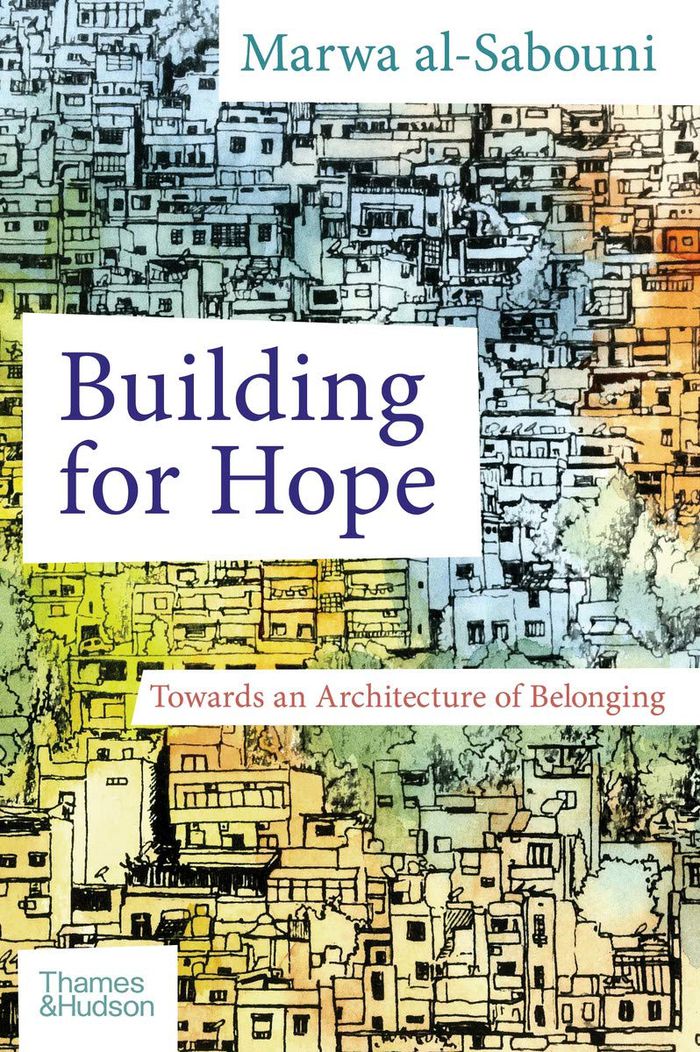
This new book by Syrian architect Marwa al-Sabouni, seeks to understand how cities and buildings- scarred by conflict, blight, and pandemic- can be healed through design and urban mindfulness. When Marwa al-Sabouni published Battle for Home in 2016, she was a little-known architect, living in battle-ravaged Homs, Syria, unable to practice her profession. She turned her fierce intelligence to chronicling how her city and country were undone through decades of architectural mismanagement and mistakes. Once published, Marwa al-Sabouni’s book and story attracted the attention of international media- CNN, The New York Times- and received critical acclaim worldwide. The United Nations called on her for insights and expertise. She became a TED fellow, was invited to speak to audiences around the world, and some suggested she be nominated for architecture’s highest honor, the Pritzker Prize. Al-Sabouni’s deep understanding of Middle Eastern heritage and architecture gives her insight into a wide range of cities, informing her views on how cities work best, how they might fail, and what can be done to harmonize the lives of all their inhabitants. In this new book, al-Sabouni draws together several narratives: her personal and professional observations of some of the world’s most fascinating cities, from Detroit to Helsinki; the lessons that Western societies might learn from Islamic culture and design; and philosophical reflections on how our personal and communal spaces can provide the basic foundations for happiness. Through this tapestry of personal experience, unblinking perspective, and insight, al-Sabouni offers real-world solutions- and hope- for how peace might be created through mindful urban planning.
Building for hope
Actions:
Price:
$39.95
(available to order)
Summary:
This new book by Syrian architect Marwa al-Sabouni, seeks to understand how cities and buildings- scarred by conflict, blight, and pandemic- can be healed through design and urban mindfulness. When Marwa al-Sabouni published Battle for Home in 2016, she was a little-known architect, living in battle-ravaged Homs, Syria, unable to practice her profession. She turned her fierce intelligence to chronicling how her city and country were undone through decades of architectural mismanagement and mistakes. Once published, Marwa al-Sabouni’s book and story attracted the attention of international media- CNN, The New York Times- and received critical acclaim worldwide. The United Nations called on her for insights and expertise. She became a TED fellow, was invited to speak to audiences around the world, and some suggested she be nominated for architecture’s highest honor, the Pritzker Prize. Al-Sabouni’s deep understanding of Middle Eastern heritage and architecture gives her insight into a wide range of cities, informing her views on how cities work best, how they might fail, and what can be done to harmonize the lives of all their inhabitants. In this new book, al-Sabouni draws together several narratives: her personal and professional observations of some of the world’s most fascinating cities, from Detroit to Helsinki; the lessons that Western societies might learn from Islamic culture and design; and philosophical reflections on how our personal and communal spaces can provide the basic foundations for happiness. Through this tapestry of personal experience, unblinking perspective, and insight, al-Sabouni offers real-world solutions- and hope- for how peace might be created through mindful urban planning.
Form:
books
books
Publication:
April 2021
April 2021
Subject:
Architectural Theory
Architectural Theory
Form:
books
books
Title:
London the biography
London the biography
Actions:
Price:
$37.95
(available to order)
Summary:
Novelist and biographer Ackroyd (The Plato Papers; T.S. Eliot; etc.) offers a huge, enthralling "biography" of the city of London. The reader segues through this litany of lists and anthology of anecdotes via the sketchiest of topical linkages, but no matter not a page is dull, until brief closing chapters in which Ackroyd succumbs to bathos, for which he's(...)
$37.95
(available to order)
Summary:
Novelist and biographer Ackroyd (The Plato Papers; T.S. Eliot; etc.) offers a huge, enthralling "biography" of the city of London. The reader segues through this litany of lists and anthology of anecdotes via the sketchiest of topical linkages, but no matter not a page is dull, until brief closing chapters in which Ackroyd succumbs to bathos, for which he's(...)
Title:
London the biography
Actions:
Price:
$37.95
(available to order)
Summary:
Novelist and biographer Ackroyd (The Plato Papers; T.S. Eliot; etc.) offers a huge, enthralling "biography" of the city of London. The reader segues through this litany of lists and anthology of anecdotes via the sketchiest of topical linkages, but no matter not a page is dull, until brief closing chapters in which Ackroyd succumbs to bathos, for which he's instantaneously redeemed by the preceding chapters. He admits to using no original research, openly crediting his printed sources. Ackroyd examines London from its pre-history through today, artfully selecting, organizing and pacing stories, and rendering the past in witty and imaginative ways. "The opium quarter of Limehouse," he tells readers, for example, "is now represented by a Chinese take-away." Fast food, it seems, was always part of the London scene. When poet Thomas Southey asked a pastry cook why she kept her shop open in the worst weather, she told him that otherwise she would lose business, "so many were the persons who took up buns or biscuits as they passed by and threw their pence in, not allowing themselves time to enter." Ackroyd covers unrest and peace, fires and ruins, river and rail transport, crime and punishment, wealth and poverty, markets and churches, uncontrolled growth and barely controlled filth. If there is a hero among the throngs, it may be engineer Joseph Bazalgette, who in 1855 began building 1,265 miles of sewers to contain the Stygian odor of progress and keep the huge, ugly metropolis livable. No one should mind the extraordinary price of this extraordinary achievement. B illus., maps not seen by PW. (On sale Oct. 16)Forecast: Published to acclaim in England, this is virtually guaranteed major review coverage here, and the publisher will also shoot for national media. Anglophiles and others will rejoice.
London the biography
Actions:
Price:
$37.95
(available to order)
Summary:
Novelist and biographer Ackroyd (The Plato Papers; T.S. Eliot; etc.) offers a huge, enthralling "biography" of the city of London. The reader segues through this litany of lists and anthology of anecdotes via the sketchiest of topical linkages, but no matter not a page is dull, until brief closing chapters in which Ackroyd succumbs to bathos, for which he's instantaneously redeemed by the preceding chapters. He admits to using no original research, openly crediting his printed sources. Ackroyd examines London from its pre-history through today, artfully selecting, organizing and pacing stories, and rendering the past in witty and imaginative ways. "The opium quarter of Limehouse," he tells readers, for example, "is now represented by a Chinese take-away." Fast food, it seems, was always part of the London scene. When poet Thomas Southey asked a pastry cook why she kept her shop open in the worst weather, she told him that otherwise she would lose business, "so many were the persons who took up buns or biscuits as they passed by and threw their pence in, not allowing themselves time to enter." Ackroyd covers unrest and peace, fires and ruins, river and rail transport, crime and punishment, wealth and poverty, markets and churches, uncontrolled growth and barely controlled filth. If there is a hero among the throngs, it may be engineer Joseph Bazalgette, who in 1855 began building 1,265 miles of sewers to contain the Stygian odor of progress and keep the huge, ugly metropolis livable. No one should mind the extraordinary price of this extraordinary achievement. B illus., maps not seen by PW. (On sale Oct. 16)Forecast: Published to acclaim in England, this is virtually guaranteed major review coverage here, and the publisher will also shoot for national media. Anglophiles and others will rejoice.
Form:
books
books
Publication:
September 2001, London
September 2001, London
Subject:
Urban Theory
Urban Theory
Form:
books
books
Title:
Alphabet city 10 : suspects
Alphabet city 10 : suspects
Actions:
Price:
$18.95
(available in store)
Summary:
What is the condition of the suspect in a post-9/11 world? Do perpetual detention, ubiquitous surveillance cameras, and the legal apparatus of the USA Patriot Act target suspects accurately or generate suspicion indiscriminately? "Suspect", the latest in a series from Alphabet City and the first in its new format of topical book-length magazines, gathers hard evidence(...)
$18.95
(available in store)
Summary:
What is the condition of the suspect in a post-9/11 world? Do perpetual detention, ubiquitous surveillance cameras, and the legal apparatus of the USA Patriot Act target suspects accurately or generate suspicion indiscriminately? "Suspect", the latest in a series from Alphabet City and the first in its new format of topical book-length magazines, gathers hard evidence(...)
Title:
Alphabet city 10 : suspects
Actions:
Price:
$18.95
(available in store)
Summary:
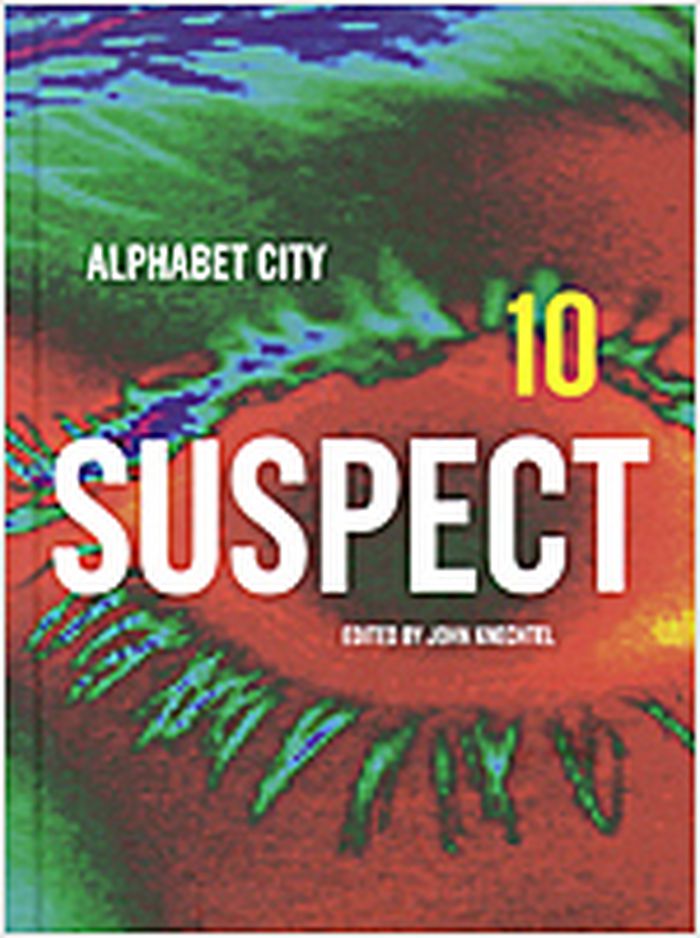
What is the condition of the suspect in a post-9/11 world? Do perpetual detention, ubiquitous surveillance cameras, and the legal apparatus of the USA Patriot Act target suspects accurately or generate suspicion indiscriminately? "Suspect", the latest in a series from Alphabet City and the first in its new format of topical book-length magazines, gathers hard evidence about the fate of the suspect in a culture of suspicion with contributions from writers, artists, and filmmakers. Their testimony takes a multiplicity of forms and formats. Among them:a 24-page color comic by graphic novelist Joey Dubuc asks the reader to make narrative choices in a web of surveillance, suspicion, and fear. Harper's contributor Mark Kingwell observes that while suspicion tries to isolate the suspect, in fact we are all the suspect. Slavoj Zizek reflects on the new cultural status of the suspect after Abu Ghraib. Philosopher George Bragues argues that even as the United Nations looks for ways to discipline "suspect nations," it simply cannot succeed under current international conditions. Alphabet City editor John Knechtel interviews Naomi Klein, author of No Logo, about the legal and political strategies of the Bush administration. Sylwia Chrostowska describes what happens, in the the 1970 Italian film Investigation of a Citizen Above Suspicion, when a corrupt official investigates himself. Screenwriter Timothy Stock and illustrator Warren Heise create a documentary in comic form about Critical Ensemble artist Steve Kurtz, charged under the bioterrorism provisions of the Patriot Act. Novelist Camilla Gibb portrays, in "Things Collapse," the terrifying effects of a "separating sickness" of unknown origin, which perhaps exists only in the fears of the population it strikes. And novelist Diana Fitzgerald Bryden follows her character Rafa Ahmed, a PFLP hijacker from the 1970s, as, many years later, she is to appear at a peace conference. Filmmaker Patricia Rozema, director of Mansfield Park and other films, contributes a 16-page film-in-a-book, "Suspect." Suspect is a non-partisan handbook on the mechanisms and machinations of suspicion for the twenty-first century national security state.
Alphabet city 10 : suspects
Actions:
Price:
$18.95
(available in store)
Summary:
What is the condition of the suspect in a post-9/11 world? Do perpetual detention, ubiquitous surveillance cameras, and the legal apparatus of the USA Patriot Act target suspects accurately or generate suspicion indiscriminately? "Suspect", the latest in a series from Alphabet City and the first in its new format of topical book-length magazines, gathers hard evidence about the fate of the suspect in a culture of suspicion with contributions from writers, artists, and filmmakers. Their testimony takes a multiplicity of forms and formats. Among them:a 24-page color comic by graphic novelist Joey Dubuc asks the reader to make narrative choices in a web of surveillance, suspicion, and fear. Harper's contributor Mark Kingwell observes that while suspicion tries to isolate the suspect, in fact we are all the suspect. Slavoj Zizek reflects on the new cultural status of the suspect after Abu Ghraib. Philosopher George Bragues argues that even as the United Nations looks for ways to discipline "suspect nations," it simply cannot succeed under current international conditions. Alphabet City editor John Knechtel interviews Naomi Klein, author of No Logo, about the legal and political strategies of the Bush administration. Sylwia Chrostowska describes what happens, in the the 1970 Italian film Investigation of a Citizen Above Suspicion, when a corrupt official investigates himself. Screenwriter Timothy Stock and illustrator Warren Heise create a documentary in comic form about Critical Ensemble artist Steve Kurtz, charged under the bioterrorism provisions of the Patriot Act. Novelist Camilla Gibb portrays, in "Things Collapse," the terrifying effects of a "separating sickness" of unknown origin, which perhaps exists only in the fears of the population it strikes. And novelist Diana Fitzgerald Bryden follows her character Rafa Ahmed, a PFLP hijacker from the 1970s, as, many years later, she is to appear at a peace conference. Filmmaker Patricia Rozema, director of Mansfield Park and other films, contributes a 16-page film-in-a-book, "Suspect." Suspect is a non-partisan handbook on the mechanisms and machinations of suspicion for the twenty-first century national security state.
Form:
books
books
Publication:
October 2005, Cambridge, London
October 2005, Cambridge, London
Subject:
small format
small format


