


6004 Results
Form:
books
books
Actions:
Price:
$62.00
(available in store)
Summary:
his is a book about socio-spatial dynamics, the intertwinement of design and politics, and the agency of the architect(s) in rethinking collectivity and collective practices in architecture. In response to the commodification of housing and the ongoing global housing crisis, the publication addresses access to adequate housing as a fundamental human right. It looks at(...)
Publication:
March 2025
March 2025
Title:
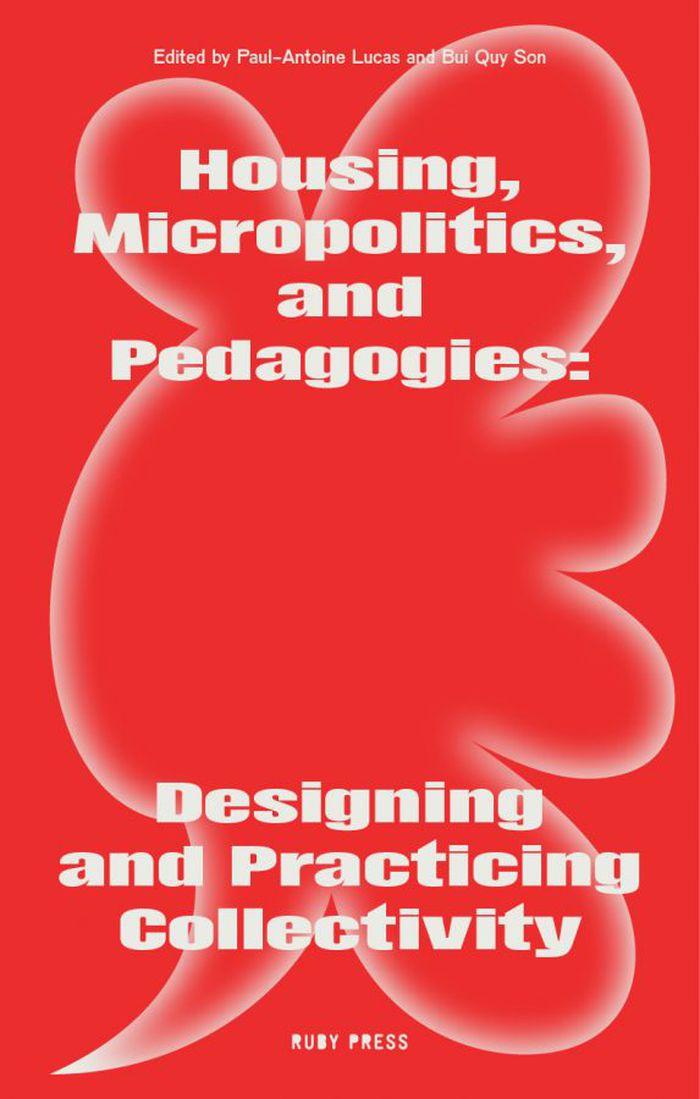
Housing, Micropolitics, and Pedagogies: Designing and Practicing Collectivity
Actions:
Price:
$62.00
(available in store)
Summary:
his is a book about socio-spatial dynamics, the intertwinement of design and politics, and the agency of the architect(s) in rethinking collectivity and collective practices in architecture. In response to the commodification of housing and the ongoing global housing crisis, the publication addresses access to adequate housing as a fundamental human right. It looks at historical and contemporary socially-oriented housing precedents in Norway and Europe to imagine twenty-first- century not-for-profit housing alternatives in Oslo for marginalized populations and diversified family configurations. Beyond formalism, it also argues that innovative architectural solutions in a perspective of systemic societal change need to come from design processes rooted in community, cooperation, and equity. In a later section, the book expands on how radical, emancipatory pedagogies in architecture can facilitate critical thinking and action. The different visions of collectivity put forth here urge spatial practitioners, activists, and students to deeply engage with social justice by means of design and education. With contributions by Paul-Antoine Lucas, Bui Quy Son, Céline Zimmer, Patricia Lucena Ventura, Nagy Makhlouf, Aurélie M. Nzuzi De Mol, Rosaura Noemy Hernandez Romero, María Mazzanti.
Form:
books
books
Publication:
March 2025
March 2025
Form:
books
books
Actions:
Price:
$88.00
(available in store)
Summary:
Architecture shapes both human and more-than-human worlds. Historically, it has served (and still does) as an instrument of power—creating, restricting, and distributing both control and access. Yet architecture also carries the potential for care and inclusivity, offering shelter, and fostering belonging. Shifting the focus from the designers and creators of the built(...)
Title:
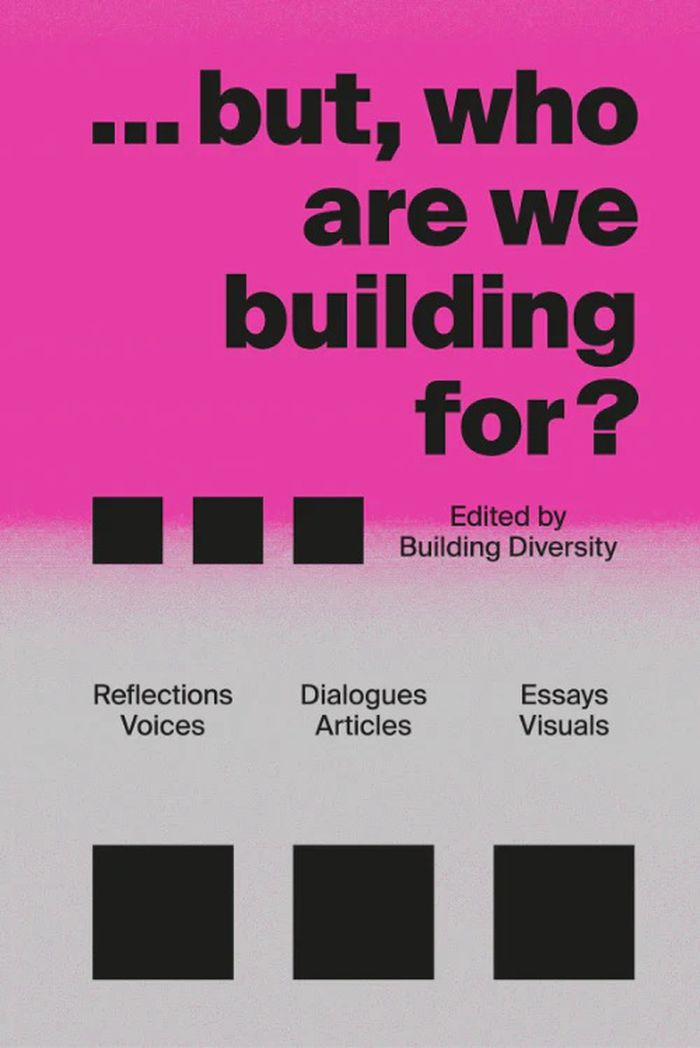
...but, who are we building for?
Actions:
Price:
$88.00
(available in store)
Summary:
Architecture shapes both human and more-than-human worlds. Historically, it has served (and still does) as an instrument of power—creating, restricting, and distributing both control and access. Yet architecture also carries the potential for care and inclusivity, offering shelter, and fostering belonging. Shifting the focus from the designers and creators of the built environment to its inhabitants, Building Diversity’s second publication offers a critical lens to explore for whom cities, buildings, spaces, and infrastructures are shaped for and with. The publication creates a space for diverse voices by bringing in different perspectives to highlight the complexities of the question: ... but, who are we building for? These multifaceted contributions spark curiosity and offer ideas and thoughts for further conversations and reflections. Building Diversity is a non-profit organisation based in Denmark, dedicated to foster diversity and inclusivity in the built environment. They believe that shaping architecture and design is a collective effort that thrives on diverse perspectives and inclusive collaborations. Building Diversity is powered by volunteers united by the vision of inclusive and equitable futures. With over 90 members from more than 40 nationalities, the community brings together a diverse group of perspectives.
Form:
books
books
Publication:
September 2025
September 2025
Subject:
Contemporary Architecture
Contemporary Architecture
Form:
books
books
Actions:
Price:
$38.00
(available in store)
Summary:
''Common Treasures'' is a new series of books about the challenges faced by rural communities, written by people who are working on the ground and in the fields. Each volume gathers the very best essays about climate adaptation, food production and land use, and presents them as alternatives to the prevailing political discourse. This anthology, the second in the(...)
Subject:
Architectural Theory
Architectural Theory
Publication:
February 2026
February 2026
Title:
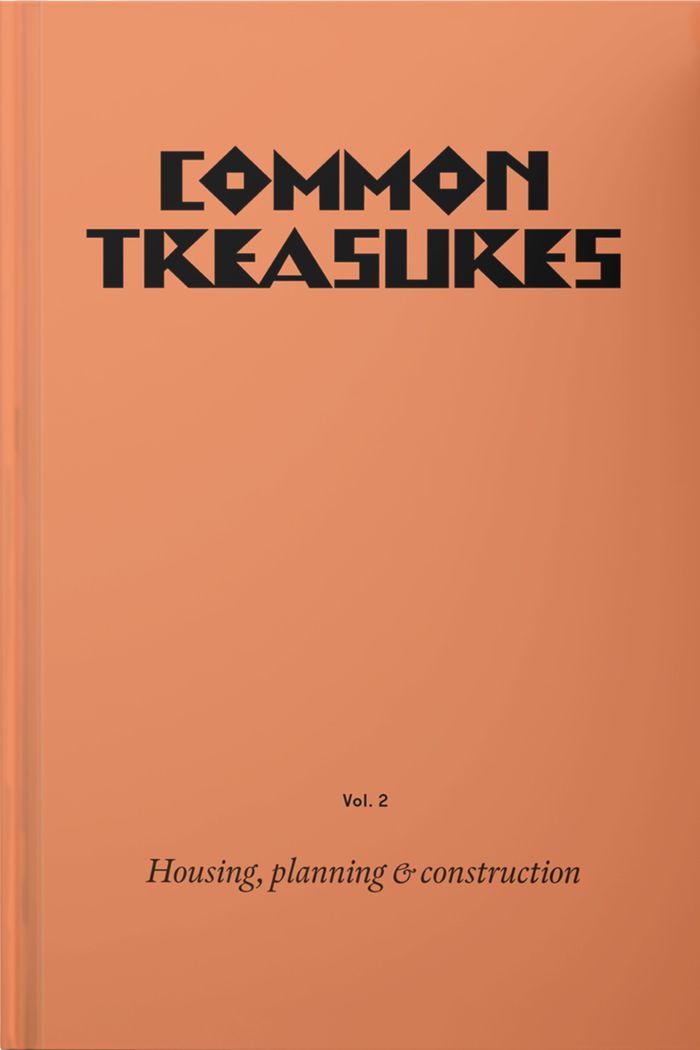
Common treasures. Vol.2: Housing, planning & construction
Actions:
Price:
$38.00
(available in store)
Summary:
''Common Treasures'' is a new series of books about the challenges faced by rural communities, written by people who are working on the ground and in the fields. Each volume gathers the very best essays about climate adaptation, food production and land use, and presents them as alternatives to the prevailing political discourse. This anthology, the second in the ''Common Treasures'' project, developed from a series of conversations between the architecture collective Assemble and the arts organisation Common Ground. It takes as its premise the idea that approaches to housing that are grounded in greater levels of community ownership, management and maintenance have the potential to empower communities, overcome the opposition to local development and create conditions in which skilled rural workers are part of stronger local networks of industry and agriculture. Housing built by, for and with the people who live in it makes characterful neighbourhoods that last well, are able to be maintained by their residents and facilitate investment in local labour, materials and skilled workmanship. The contributors to this anthology share their work to overcome the many obstacles to this way of working, and offer a vision which is grounded, imaginative and hopeful.
Form:
books
books
Publication:
February 2026
February 2026
Subject:
Architectural Theory
Architectural Theory
Form:
books
books
Title:
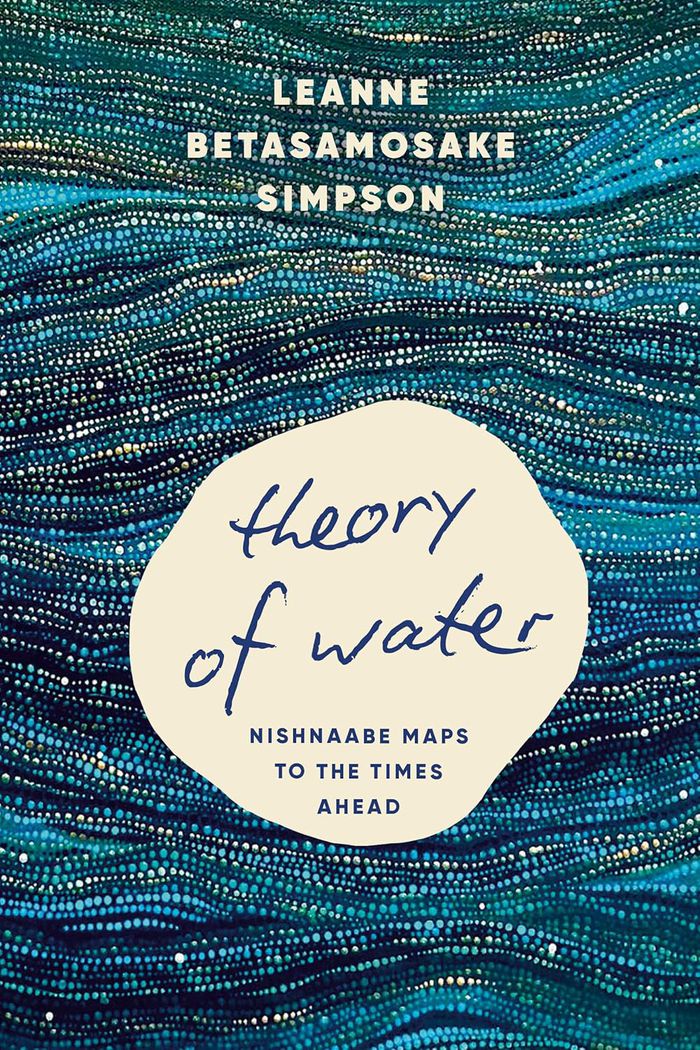
Theory of water
Theory of water
Actions:
Price:
$22.00
(available in store)
Summary:
For many years, Leanne Betasamosake Simpson has found refuge in skiing—in all kinds of weather across different forms of terrain, often following the trail beside a beloved creek near her home. Recently, as she skimmed along this path and meditated on our world's uncertainty—including environmental devastation, the rise of authoritarianism, and the effects of ongoing(...)
Title:
Theory of water
Actions:
Price:
$22.00
(available in store)
Summary:
For many years, Leanne Betasamosake Simpson has found refuge in skiing—in all kinds of weather across different forms of terrain, often following the trail beside a beloved creek near her home. Recently, as she skimmed along this path and meditated on our world's uncertainty—including environmental devastation, the rise of authoritarianism, and the effects of ongoing social injustice—her mind turned to the ice beside her, and the snow beneath her feet. And she asked herself: What might it mean to truly listen to water? To know not only the land on which we live, but the water that surrounds and inhabits us? To coexist with and alongside water? So begins this renowned writer's quest to discover, understand, and trace the historical and cultural interactions of Indigenous peoples with water in all its forms. On her journey, she reflects on the teachings, traditions, stories, and creative work of others in her community—particularly those of her longtime friend Doug Williams, an Elder whose presence suffuses these pages; reads deeply the words of thinkers from other communities whose writing expands her own; and begins to shape a "Theory of Water" that reimagines relationships among all beings and life-forces.
Form:
books
books
Publication:
March 2026
March 2026
Subject:
indigenous
indigenous
Form:
books
books
Title:
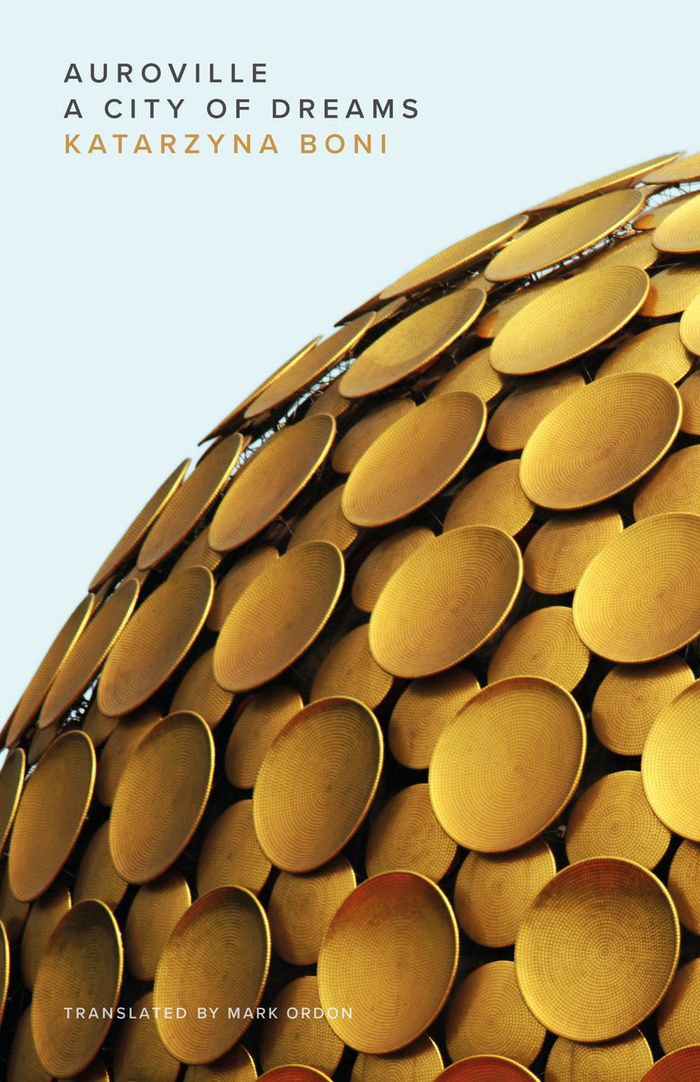
Auroville: A city of dreams
Auroville: A city of dreams
Actions:
Price:
$27.95
(available to order)
Summary:
In 1967 the Mother founded Auroville, a planned utopia that would be both self-sustaining and, through the yogic practices of Sri Aurobindo, a community that would herald the next evolution of humanity. She designed a city to resemble the galaxy, and to house 50,000 people from around the world who, through a series of utopic ideals—transforming the desert into(...)
Title:
Auroville: A city of dreams
Actions:
Price:
$27.95
(available to order)
Summary:
In 1967 the Mother founded Auroville, a planned utopia that would be both self-sustaining and, through the yogic practices of Sri Aurobindo, a community that would herald the next evolution of humanity. She designed a city to resemble the galaxy, and to house 50,000 people from around the world who, through a series of utopic ideals—transforming the desert into self-sustaining farmland, eliminating the need for money, removing religious conflicts, among others—would transform the world into a more just place. Despite the death of the Mother, contentious infighting, and the Indian government taking control of the city, Auroville has survived, and still attracts thousands of visitors every year. Katarzyna Boni merges the official history of Auroville with her experiences with the people she meets while living in this unique city, from Daniel who owns a local bakery, to Auroson, the reincarnation of the first child born in Auroville. A fascinating work that is never judgmental, ''Auroville: A City of Dreams'' looks at the successes and failures of this unique attempt at utopia, and the benefits such ambitious dreams can have regardless of outcome.
Form:
books
books
Publication:
August 2026
August 2026
Subject:
Urban Theory
Urban Theory
Form:
books
books
Title:
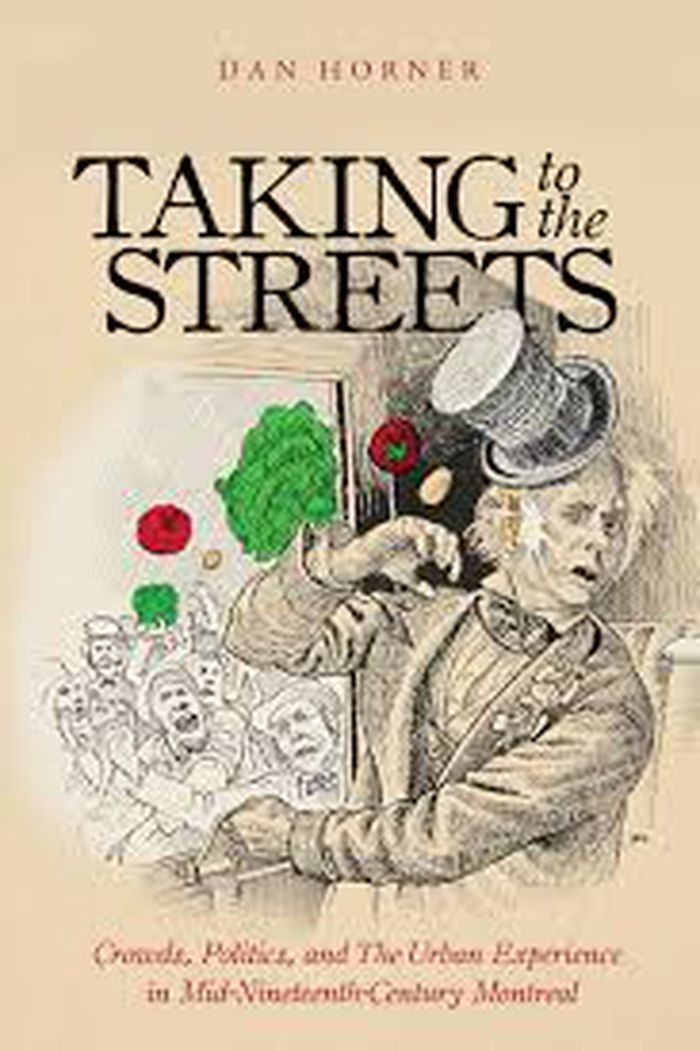
Taking to the streets: crowds, politics, and the urban experience in mid-nineteenth-Century Montreal
Taking to the streets: crowds, politics, and the urban experience in mid-nineteenth-Century Montreal
Actions:
Price:
$37.95
(available to order)
Summary:
The 1840s were a period of rapid growth and social conflict in Montreal. The city''s public life was marked by a series of labour conflicts and bloody sectarian riots; at the same time, the ways that elites wielded power and ordinary people engaged in the political process were changing, particularly in public space. In Taking to the Streets Dan Horner examines how the(...)
Title:
Taking to the streets: crowds, politics, and the urban experience in mid-nineteenth-Century Montreal
Actions:
Price:
$37.95
(available to order)
Summary:
The 1840s were a period of rapid growth and social conflict in Montreal. The city''s public life was marked by a series of labour conflicts and bloody sectarian riots; at the same time, the ways that elites wielded power and ordinary people engaged in the political process were changing, particularly in public space. In Taking to the Streets Dan Horner examines how the urban environment became a vital and contentious political site during the tumultuous period from the end of the 1837-38 rebellions to the burning of Parliament in 1849. Employing a close reading of newspaper and judicial archives, he looks at a broad range of collective crowd experiences, including riots, labour demonstrations, religious processions, and parades. By examining how crowd events were used both to assert claims of political authority and to challenge their legitimacy, Horner charts the development of a contentious democratic political culture in British North America. Taking to the Streets is an important contribution to the political and urban history of pre-Confederation Canada and a timely reminder of how Montrealers from all walks of life have always used the streets to build community and make their voices heard.
Form:
books
books
Publication:
June 2020
June 2020
Form:
books
books
Actions:
Price:
$45.00
(available to order)
Summary:
Scott Ruff’s studio, 'Gullah/Geechee Institute', investigated architecture’s role as a cultural signifier in the African-American Gullah–Geechee community off the South Carolina coast. It challenged students to translate cultural ideas into tectonic and spatial strategies for a monument, museum, and memorial that serves as a gateway to the Gullah–Geechee corridor,(...)
Title:
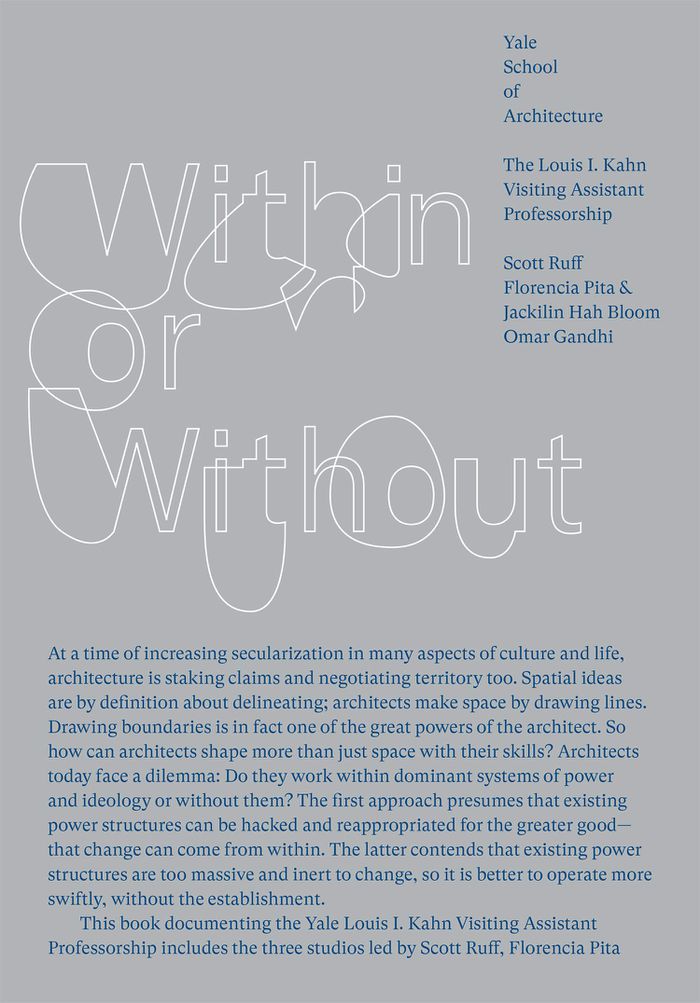
Within or without (Louis I. Kahn assistant professorship)
Actions:
Price:
$45.00
(available to order)
Summary:
Scott Ruff’s studio, 'Gullah/Geechee Institute', investigated architecture’s role as a cultural signifier in the African-American Gullah–Geechee community off the South Carolina coast. It challenged students to translate cultural ideas into tectonic and spatial strategies for a monument, museum, and memorial that serves as a gateway to the Gullah–Geechee corridor, incorporating public interpretive and historical programs. In Florencia Pita and Jackilin Bloom’s studio, 'Easy Office', students experimented with ways of generating new spatial, formal, material, and narrative ideas through the processes of collecting, collaging, and casting everyday objects. The studio considered notions of the creative office and the workplace based on the unexpected space, form, and materiality that emerged from these processes. Students in Omar Gandhi’s studio, 'Where the Wild Things Are', designed a campus of creatures for Rabbit Snare Gorge on the north coast of Cape Breton Island. They focused on a series of interventions that used vernacular approaches to produce specific functions, develop a process or ideology, and frame sensory experience. The students explored how Nova Scotia’s regional architecture takes advantage of phenomenological opportunities available on the site and inspires new responses to climate and geography.
Form:
books
books
Publication:
January 2020
January 2020
Subject:
Architectural Theory
Architectural Theory
Form:
books
books
Title:
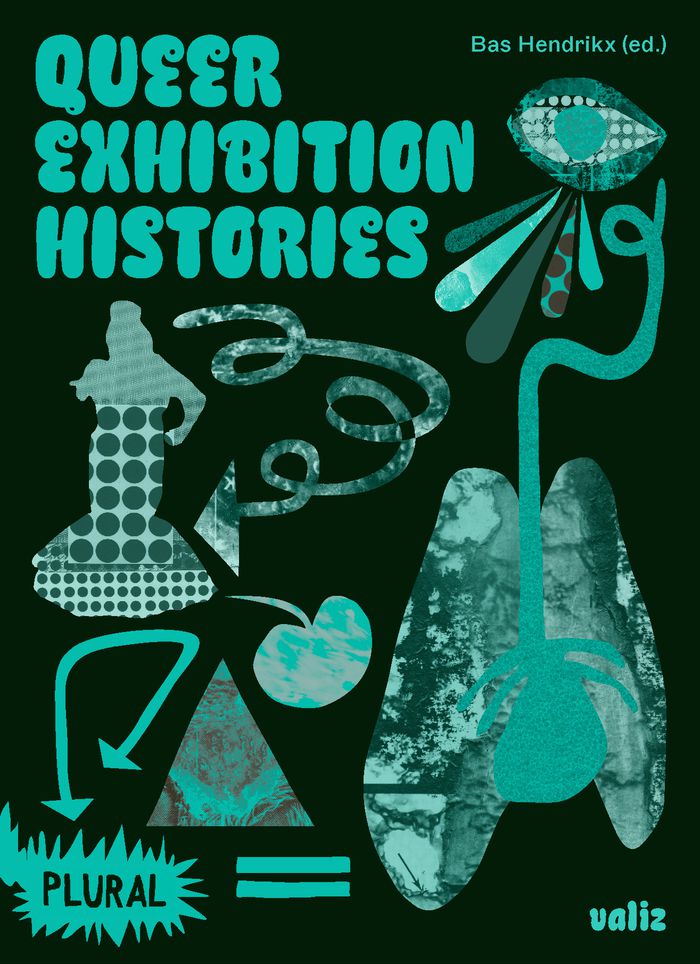
Queer Exhibition Histories
Queer Exhibition Histories
Actions:
Price:
$50.50
(available to order)
Summary:
In the histories of art exhibitions that we know, LGBTQIA+ artists and curators have always been underexposed or forgotten. This new title in the PLURAL series focuses on these forgotten and hidden histories, by scrutinizing a wide variety of exhibitions and other presentations by LGBTQIA+ artists and curators. ''Queer exhibition histories'' is composed of case studies,(...)
Title:
Queer Exhibition Histories
Actions:
Price:
$50.50
(available to order)
Summary:
In the histories of art exhibitions that we know, LGBTQIA+ artists and curators have always been underexposed or forgotten. This new title in the PLURAL series focuses on these forgotten and hidden histories, by scrutinizing a wide variety of exhibitions and other presentations by LGBTQIA+ artists and curators. ''Queer exhibition histories'' is composed of case studies, interviews and essays that emphasize different queer exhibitions and their modes of presentation and archiving. Many of these projects were short-lived or were executed between the walls of the private or domestic space, far beyond the scope of any institutional recognition. Therefore, the exhibitions materialized on limited budgets, were hardly documented and received barely any media coverage. For this reason, the legacy of these projects is highly dependent on personal archives, memories and paraphernalia, whereof the entries are not always easy to find. The events were not only artistic, but they could equally be discursive, activist and educational, or serve as a tool for community building. At the intersection of queerness and contemporary art, ''Queer exhibition histories'' investigates how the efforts of LGBTQIA+ artists and curators have advanced their public presence.
Form:
books
books
Publication:
November 2022
November 2022
Subject:
Art Theory
Art Theory
Form:
books
books
Actions:
Price:
$52.95
(available to order)
Summary:
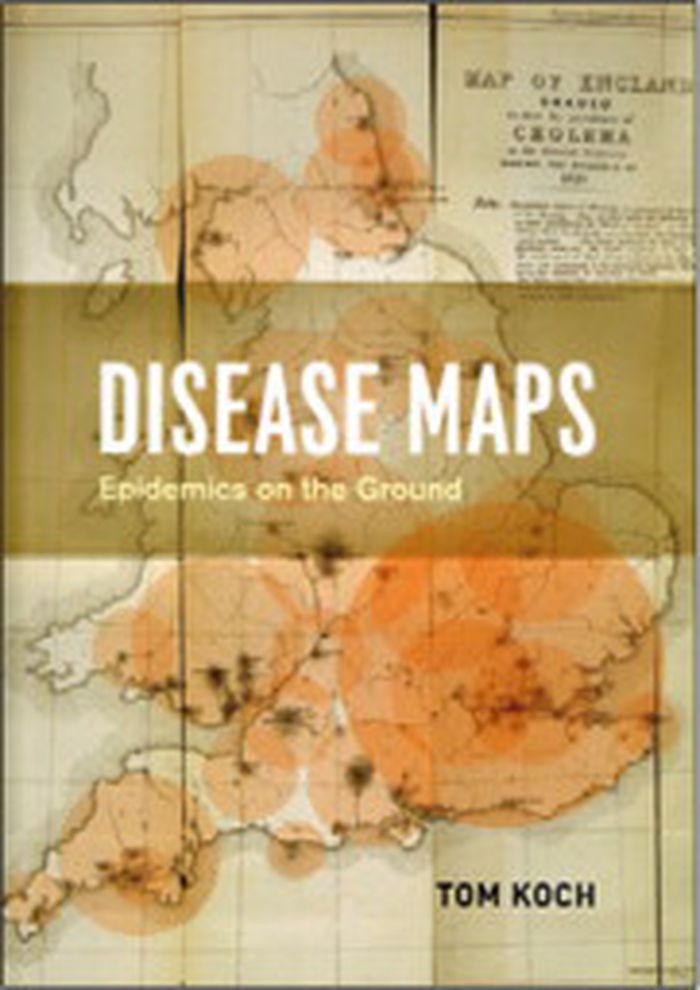
In the seventeenth century, a map of the plague suggested a radical idea—that the disease was carried and spread by humans. In the nineteenth century, maps of cholera cases were used to prove its waterborne nature. More recently, maps charting the swine flu pandemic caused worldwide panic and sent shockwaves through the medical community. In Disease Maps, Tom Koch(...)
Title:
Disease maps: epidemics on the ground
Actions:
Price:
$52.95
(available to order)
Summary:
In the seventeenth century, a map of the plague suggested a radical idea—that the disease was carried and spread by humans. In the nineteenth century, maps of cholera cases were used to prove its waterborne nature. More recently, maps charting the swine flu pandemic caused worldwide panic and sent shockwaves through the medical community. In Disease Maps, Tom Koch contends that to understand epidemics and their history we need to think about maps of varying scale, from the individual body to shared symptoms evidenced across cities, nations, and the world. Disease Maps begins with a brief review of epidemic mapping today and a detailed example of its power. Koch then traces the early history of medical cartography, including pandemics such as European plague and yellow fever, and the advancements in anatomy, printing, and world atlases that paved the way for their mapping. Moving on to the scourge of the nineteenth century—cholera—Koch considers the many choleras argued into existence by the maps of the day, including a new perspective on John Snow’s science and legacy. Finally, Koch addresses contemporary outbreaks such as AIDS, cancer, and H1N1, and reaches into the future, toward the coming epidemics.
Form:
books
books
Publication:
August 2011
August 2011
Subject:
Architectural Plans and Cartography
Architectural Plans and Cartography
Form:
books
books
Price:
$29.95
(available to order)
Summary:
In the late 1990s, three monuments -- Crab Park "Boulder," "Marker of Change," and Standing "with Courage, Strength and Pride" -- were built in Vancouver's Downtown Eastside. Located within a few city blocks of one another, the monuments were grassroots initiatives that challenged the norms of civic art by claiming a place in public space for society's more(...)
Title:
Speaking for a long time : public space & social memory in Vancouver
Actions:
Price:
$29.95
(available to order)
Summary:
In the late 1990s, three monuments -- Crab Park "Boulder," "Marker of Change," and Standing "with Courage, Strength and Pride" -- were built in Vancouver's Downtown Eastside. Located within a few city blocks of one another, the monuments were grassroots initiatives that challenged the norms of civic art by claiming a place in public space for society's more vulnerable groups, and each figured in debates about many kinds of violence. "Speaking for a Long Time" offers unique insights into the creation of memorials and the multiple, often contested meanings that can be attached to them in local communities. Part 1, "Act," explores the monuments' origin stories and highlights the distinctive perspectives of their founders. Part 2, "Frame," places these narratives in the context of modern debates and theories on public space and social memory. Part 3, "Forge," returns to the Downtown Eastside to show how the resilience and agency of grassroots activists can give the socially marginalized a visible presence in our urban landscapes. This vivid account of the creation of memory-scapes in a marginalized community asks us to reconsider what constitutes public art that will "speak for a long time."
Form:
books
books
Publication:
April 2011
April 2011
Subject:
Architecture in Canada
Architecture in Canada


