


12071 Results
Form:
books
books
Actions:
Price:
$45.95
(available to order)
Summary:
Today, R. M. Schindler's Kings Road House is celebrated as an icon of early modern architecture, but this wasn't the case when it was finished in 1922. Though Schindler and his wife Pauline recognized its genius early on, its radical appearance was - and remains - incomprehensible to many. This book is an incisive examination of the house, placing it in the context of the(...)
$45.95
(available to order)
Summary:
Today, R. M. Schindler's Kings Road House is celebrated as an icon of early modern architecture, but this wasn't the case when it was finished in 1922. Though Schindler and his wife Pauline recognized its genius early on, its radical appearance was - and remains - incomprehensible to many. This book is an incisive examination of the house, placing it in the context of the(...)
Title:
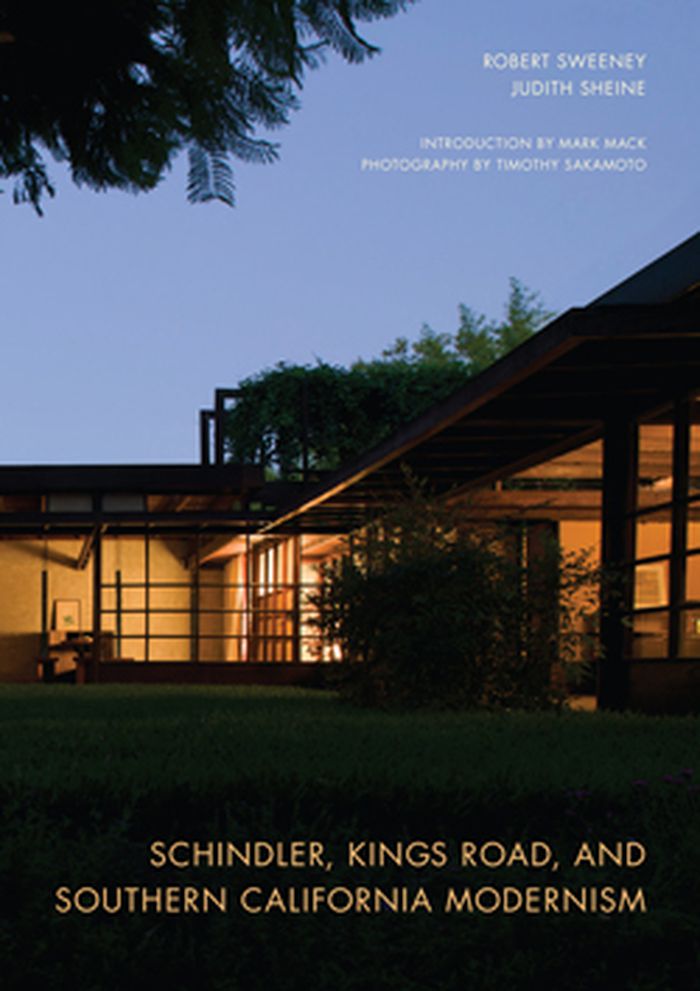
Schindler, Kings Road, and Southern California modernism
Actions:
Price:
$45.95
(available to order)
Summary:
Today, R. M. Schindler's Kings Road House is celebrated as an icon of early modern architecture, but this wasn't the case when it was finished in 1922. Though Schindler and his wife Pauline recognized its genius early on, its radical appearance was - and remains - incomprehensible to many. This book is an incisive examination of the house, placing it in the context of the architect's career and clarifying its influence on modern architecture and its practitioners. Little-known aspects of Schindler's life, his relationship with his mentors, and the development of his unique theories about space enrich the narrative. Robert Sweeney focuses on the construction of the house and the people who lived, worked, and performed there, demonstrating the building's significance in the social history of Southern California. He includes new research on Schindler's educational and personal background in Vienna and a discussion of the critical influence of Pauline Schindler in formulating the social underpinnings of the house. Judith Sheine's essay places the house in the context of Schindler's career, in which it established the basis of the spatial development of his work. She also examines the influence of the house on the work of numerous architects from Frank Lloyd Wright to Frank Gehry.
Schindler, Kings Road, and Southern California modernism
Actions:
Price:
$45.95
(available to order)
Summary:
Today, R. M. Schindler's Kings Road House is celebrated as an icon of early modern architecture, but this wasn't the case when it was finished in 1922. Though Schindler and his wife Pauline recognized its genius early on, its radical appearance was - and remains - incomprehensible to many. This book is an incisive examination of the house, placing it in the context of the architect's career and clarifying its influence on modern architecture and its practitioners. Little-known aspects of Schindler's life, his relationship with his mentors, and the development of his unique theories about space enrich the narrative. Robert Sweeney focuses on the construction of the house and the people who lived, worked, and performed there, demonstrating the building's significance in the social history of Southern California. He includes new research on Schindler's educational and personal background in Vienna and a discussion of the critical influence of Pauline Schindler in formulating the social underpinnings of the house. Judith Sheine's essay places the house in the context of Schindler's career, in which it established the basis of the spatial development of his work. She also examines the influence of the house on the work of numerous architects from Frank Lloyd Wright to Frank Gehry.
Form:
books
books
Publication:
October 2012
October 2012
Subject:
Architecture Monographs
Architecture Monographs
Form:
books
books
Actions:
Price:
$22.95
(available to order)
Summary:
Fit is a book about architecture and society that seeks to fundamentally change how architects and the public think about the task of design. Distinguished architect and urbanist Robert Geddes argues that buildings, landscapes, and cities should be designed to fit: fit the purpose, fit the place, fit future possibilities. Fit replaces old paradigms, such as form follows(...)
$22.95
(available to order)
Summary:
Fit is a book about architecture and society that seeks to fundamentally change how architects and the public think about the task of design. Distinguished architect and urbanist Robert Geddes argues that buildings, landscapes, and cities should be designed to fit: fit the purpose, fit the place, fit future possibilities. Fit replaces old paradigms, such as form follows(...)
Title:
FIT: an architect's manifesto
Actions:
Price:
$22.95
(available to order)
Summary:
Fit is a book about architecture and society that seeks to fundamentally change how architects and the public think about the task of design. Distinguished architect and urbanist Robert Geddes argues that buildings, landscapes, and cities should be designed to fit: fit the purpose, fit the place, fit future possibilities. Fit replaces old paradigms, such as form follows function, and less is more, by recognizing that the relationship between architecture and society is a true dialogue -dynamic, complex, and, if carried out with knowledge and skill, richly rewarding.
FIT: an architect's manifesto
Actions:
Price:
$22.95
(available to order)
Summary:
Fit is a book about architecture and society that seeks to fundamentally change how architects and the public think about the task of design. Distinguished architect and urbanist Robert Geddes argues that buildings, landscapes, and cities should be designed to fit: fit the purpose, fit the place, fit future possibilities. Fit replaces old paradigms, such as form follows function, and less is more, by recognizing that the relationship between architecture and society is a true dialogue -dynamic, complex, and, if carried out with knowledge and skill, richly rewarding.
Form:
books
books
Publication:
November 2012
November 2012
Subject:
Architectural Theory
Architectural Theory
Form:
books
books
Price:
$44.00
(available to order)
Summary:
A rare exploration of the racial and class politics of architecture, Little White Houses examines how postwar media representations associated the ordinary single-family house with middle-class whites to the exclusion of others, creating a powerful and invidious cultural iconography that continues to resonate today. Drawing from popular and trade magazines, floor plans(...)
$44.00
(available to order)
Summary:
A rare exploration of the racial and class politics of architecture, Little White Houses examines how postwar media representations associated the ordinary single-family house with middle-class whites to the exclusion of others, creating a powerful and invidious cultural iconography that continues to resonate today. Drawing from popular and trade magazines, floor plans(...)
Title:
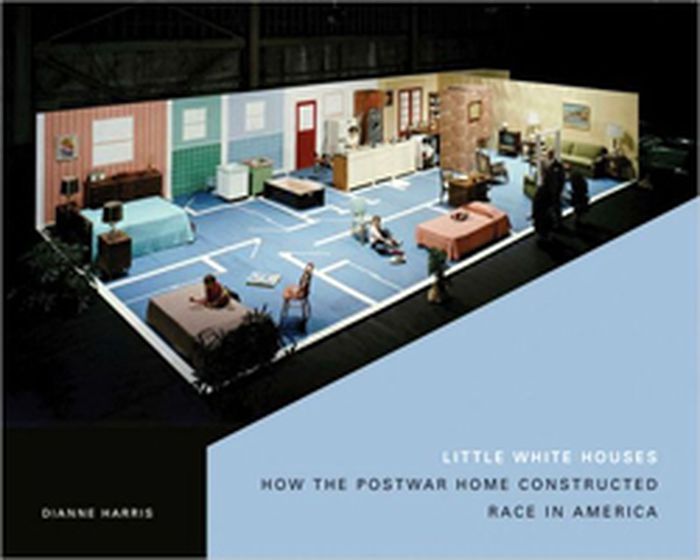
Little white houses : how the postwar home constructed race in America
Actions:
Price:
$44.00
(available to order)
Summary:
A rare exploration of the racial and class politics of architecture, Little White Houses examines how postwar media representations associated the ordinary single-family house with middle-class whites to the exclusion of others, creating a powerful and invidious cultural iconography that continues to resonate today. Drawing from popular and trade magazines, floor plans and architectural drawings, television programs, advertisements, and beyond, Dianne Harris shows how the depiction of houses and their interiors, furnishings, and landscapes shaped and reinforced the ways in which Americans perceived white, middle-class identities and helped support a housing market already defined by racial segregation and deep economic inequalities.
Little white houses : how the postwar home constructed race in America
Actions:
Price:
$44.00
(available to order)
Summary:
A rare exploration of the racial and class politics of architecture, Little White Houses examines how postwar media representations associated the ordinary single-family house with middle-class whites to the exclusion of others, creating a powerful and invidious cultural iconography that continues to resonate today. Drawing from popular and trade magazines, floor plans and architectural drawings, television programs, advertisements, and beyond, Dianne Harris shows how the depiction of houses and their interiors, furnishings, and landscapes shaped and reinforced the ways in which Americans perceived white, middle-class identities and helped support a housing market already defined by racial segregation and deep economic inequalities.
Form:
books
books
Publication:
January 2013
January 2013
Subject:
Architectural Theory
Architectural Theory
Form:
books
books
Actions:
Price:
$61.00
(available to order)
Summary:
Christ & Gantenbein Review is a new series of books edited by Swiss architects Emanuel Christ and Christoph Gantenbein, in which they explore issues and topics arising from their architectural work. Pictures From Italy, the series' initial volume, also represents Christ & Gantenbein's first architectural project after they had setup their studio in Basel. The pictures(...)
$61.00
(available to order)
Summary:
Christ & Gantenbein Review is a new series of books edited by Swiss architects Emanuel Christ and Christoph Gantenbein, in which they explore issues and topics arising from their architectural work. Pictures From Italy, the series' initial volume, also represents Christ & Gantenbein's first architectural project after they had setup their studio in Basel. The pictures(...)
Subject:
Architecture Monographs
Architecture Monographs
Publication:
September 2012
September 2012
Title:
Review N. 1 : Pictures from Italy
Actions:
Price:
$61.00
(available to order)
Summary:
Christ & Gantenbein Review is a new series of books edited by Swiss architects Emanuel Christ and Christoph Gantenbein, in which they explore issues and topics arising from their architectural work. Pictures From Italy, the series' initial volume, also represents Christ & Gantenbein's first architectural project after they had setup their studio in Basel. The pictures were shot during a six week journey throughout Italy in 1999. The journey itself and the images seen and taken proved to be of fundamental influence to Christ & Gantenbein's entire work since. Intending to look at historical architecture, in a quasi-unhistorical way, with the contemporary view of the 21st century, they chose Italy in search for absolute timelessness.
Review N. 1 : Pictures from Italy
Actions:
Price:
$61.00
(available to order)
Summary:
Christ & Gantenbein Review is a new series of books edited by Swiss architects Emanuel Christ and Christoph Gantenbein, in which they explore issues and topics arising from their architectural work. Pictures From Italy, the series' initial volume, also represents Christ & Gantenbein's first architectural project after they had setup their studio in Basel. The pictures were shot during a six week journey throughout Italy in 1999. The journey itself and the images seen and taken proved to be of fundamental influence to Christ & Gantenbein's entire work since. Intending to look at historical architecture, in a quasi-unhistorical way, with the contemporary view of the 21st century, they chose Italy in search for absolute timelessness.
Form:
books
books
Publication:
September 2012
September 2012
Subject:
Architecture Monographs
Architecture Monographs
Form:
books
books
Price:
$54.95
(available to order)
Summary:
Following the formation of the German National Socialist Party in the 1920s, various forms of sound (popular music, voice, noise and silence) and media technology (radio and loudspeaker systems) were configured as useful to the party's political programme. Focusing on the urban "soundscape" of Düsseldorf, the author makes a persuasive case for investigating such sound(...)
$54.95
(available to order)
Summary:
Following the formation of the German National Socialist Party in the 1920s, various forms of sound (popular music, voice, noise and silence) and media technology (radio and loudspeaker systems) were configured as useful to the party's political programme. Focusing on the urban "soundscape" of Düsseldorf, the author makes a persuasive case for investigating such sound(...)
Title:
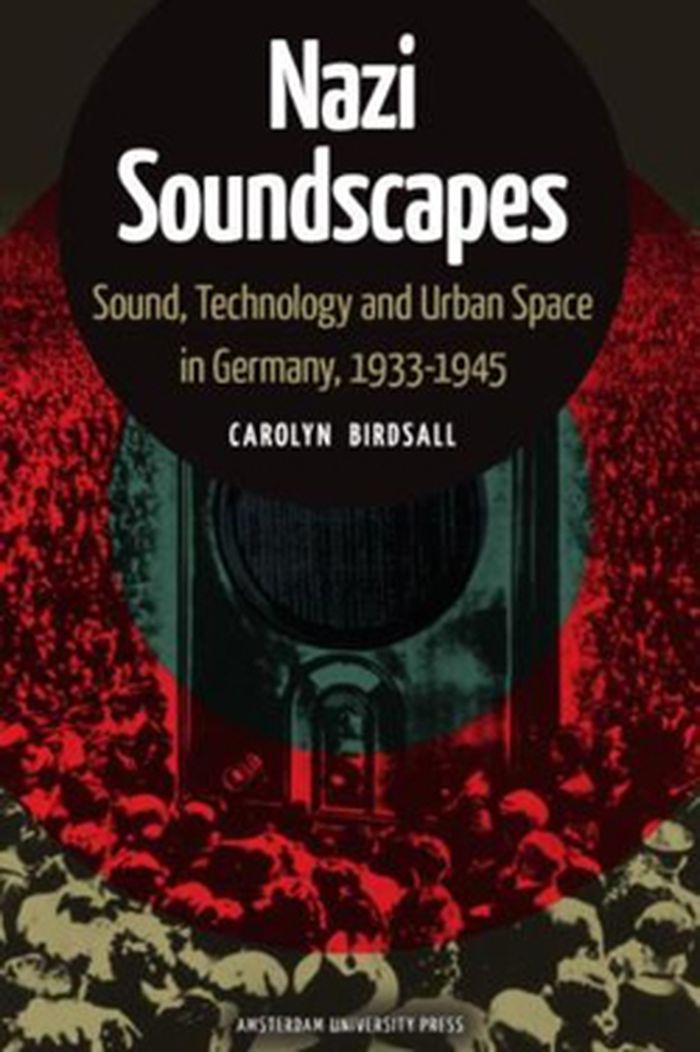
Nazi soundscapes : sound, technology and urban space in Germany, 1933-1945
Actions:
Price:
$54.95
(available to order)
Summary:
Following the formation of the German National Socialist Party in the 1920s, various forms of sound (popular music, voice, noise and silence) and media technology (radio and loudspeaker systems) were configured as useful to the party's political programme. Focusing on the urban "soundscape" of Düsseldorf, the author makes a persuasive case for investigating such sound events and technological devices in their specific contexts of production and reception. Nazi Soundscapes identifies strategies for controlling space and reworking identity patterns, but also the ongoing difficulties in manipulating mediated sounds and the spaces of listening reception, whether in the home, workplace, the cinema, public rituals or with wartime siren systems. The study revises visualist notions of social control, and reveals the disciplinary functions of listening (as eavesdropping) as well as the sonic dimensions to exclusion and violence during Nazism. An essential title for everyone interested in the links between German political culture, audiovisual media and urban history,Nazi Soundscapes provides a fascinating analysis of the cultural significance of sound between the 1920s and early 1940s.
Nazi soundscapes : sound, technology and urban space in Germany, 1933-1945
Actions:
Price:
$54.95
(available to order)
Summary:
Following the formation of the German National Socialist Party in the 1920s, various forms of sound (popular music, voice, noise and silence) and media technology (radio and loudspeaker systems) were configured as useful to the party's political programme. Focusing on the urban "soundscape" of Düsseldorf, the author makes a persuasive case for investigating such sound events and technological devices in their specific contexts of production and reception. Nazi Soundscapes identifies strategies for controlling space and reworking identity patterns, but also the ongoing difficulties in manipulating mediated sounds and the spaces of listening reception, whether in the home, workplace, the cinema, public rituals or with wartime siren systems. The study revises visualist notions of social control, and reveals the disciplinary functions of listening (as eavesdropping) as well as the sonic dimensions to exclusion and violence during Nazism. An essential title for everyone interested in the links between German political culture, audiovisual media and urban history,Nazi Soundscapes provides a fascinating analysis of the cultural significance of sound between the 1920s and early 1940s.
Form:
books
books
Publication:
September 2012
September 2012
Subject:
Architectural Theory
Architectural Theory
Form:
books
books
Title:
Three cultural ecologies
Three cultural ecologies
Actions:
Price:
$71.95
(available to order)
Summary:
"Three Cultural Ecologies" reverses common conceptions of modern architecture. It reveals how selected works of two modern architects, Le Corbusier and Frank Lloyd Wright, embraced environmental and cultural conditions as reciprocal and complementary.
$71.95
(available to order)
Summary:
"Three Cultural Ecologies" reverses common conceptions of modern architecture. It reveals how selected works of two modern architects, Le Corbusier and Frank Lloyd Wright, embraced environmental and cultural conditions as reciprocal and complementary.
Title:
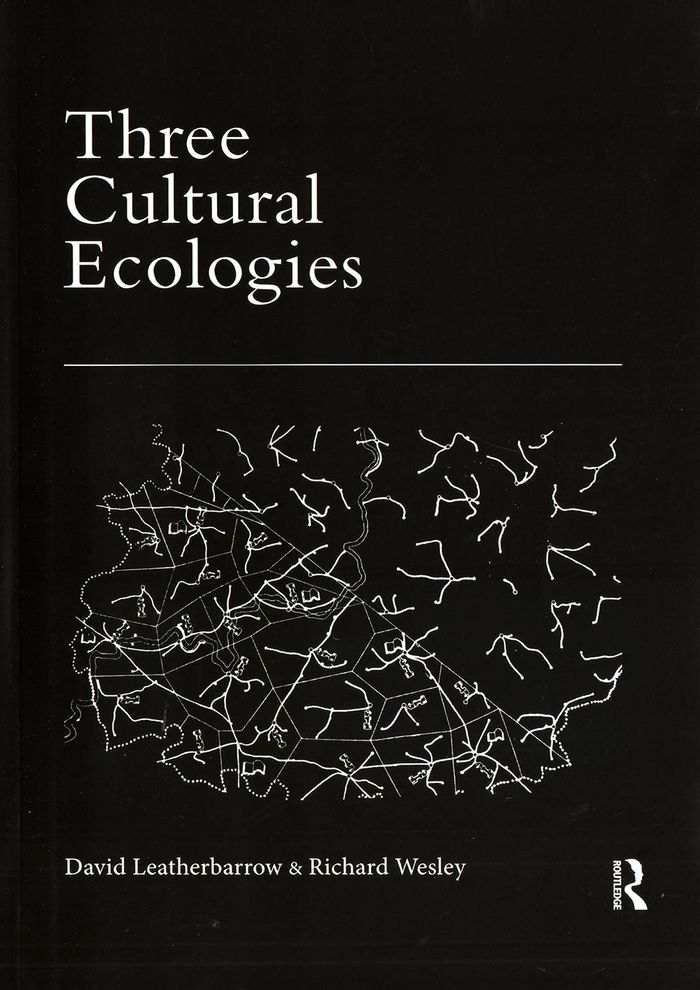
Three cultural ecologies
Actions:
Price:
$71.95
(available to order)
Summary:
"Three Cultural Ecologies" reverses common conceptions of modern architecture. It reveals how selected works of two modern architects, Le Corbusier and Frank Lloyd Wright, embraced environmental and cultural conditions as reciprocal and complementary.
Three cultural ecologies
Actions:
Price:
$71.95
(available to order)
Summary:
"Three Cultural Ecologies" reverses common conceptions of modern architecture. It reveals how selected works of two modern architects, Le Corbusier and Frank Lloyd Wright, embraced environmental and cultural conditions as reciprocal and complementary.
Form:
books
books
Publication:
June 2019
June 2019
Subject:
Architectural Theory
Architectural Theory
Form:
books
books

Title:
Selected writings
Selected writings
Actions:
Price:
$16.50
(available to order)
Summary:
John Ruskin was the most powerful and influential art critic and social commentator of the Victorian nineteenth century. A true polymath, he wrote about nature, art, architecture, politics, history, myth and much more. All of his work is characterized by a clarity of vision as unsettling and intense now as it was for his first readers. This new selection includes(...)
$16.50
(available to order)
Summary:
John Ruskin was the most powerful and influential art critic and social commentator of the Victorian nineteenth century. A true polymath, he wrote about nature, art, architecture, politics, history, myth and much more. All of his work is characterized by a clarity of vision as unsettling and intense now as it was for his first readers. This new selection includes(...)
Title:
Selected writings
Actions:
Price:
$16.50
(available to order)
Summary:
John Ruskin was the most powerful and influential art critic and social commentator of the Victorian nineteenth century. A true polymath, he wrote about nature, art, architecture, politics, history, myth and much more. All of his work is characterized by a clarity of vision as unsettling and intense now as it was for his first readers. This new selection includes wide-ranging extracts of Ruskin's texts, from the early 1840s to the late 1880s, as well as representative material from each of his major works.
Selected writings
Actions:
Price:
$16.50
(available to order)
Summary:
John Ruskin was the most powerful and influential art critic and social commentator of the Victorian nineteenth century. A true polymath, he wrote about nature, art, architecture, politics, history, myth and much more. All of his work is characterized by a clarity of vision as unsettling and intense now as it was for his first readers. This new selection includes wide-ranging extracts of Ruskin's texts, from the early 1840s to the late 1880s, as well as representative material from each of his major works.
Form:
books
books
Publication:
February 2009
February 2009
Subject:
Architectural Theory
Architectural Theory
Form:
books
books
Price:
$140.00
(available to order)
Summary:
Sigfried Giedion (1888–1968) and Carola Giedion-Welcker (1893–1979) were among the most influential scholars of art and architectural history during the early twentieth century. Of particular impact was their role in connecting leading protagonists of modernism in architecture, art, and literature, such as Alvar Aalto, Hans Arp, Constantin Brancusi, Marcel Breuer, Max(...)
$140.00
(available to order)
Summary:
Sigfried Giedion (1888–1968) and Carola Giedion-Welcker (1893–1979) were among the most influential scholars of art and architectural history during the early twentieth century. Of particular impact was their role in connecting leading protagonists of modernism in architecture, art, and literature, such as Alvar Aalto, Hans Arp, Constantin Brancusi, Marcel Breuer, Max(...)
Title:
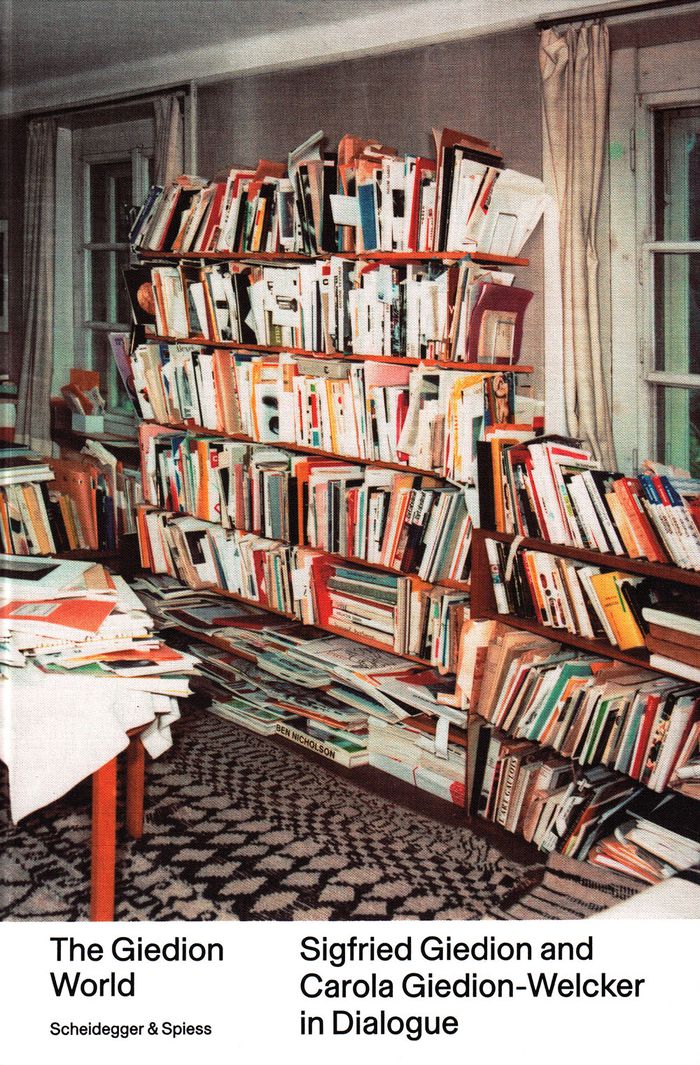
The Giedion world: Sigfried Giedion and Carola Giedion-Welcker in dialogue
Actions:
Price:
$140.00
(available to order)
Summary:
Sigfried Giedion (1888–1968) and Carola Giedion-Welcker (1893–1979) were among the most influential scholars of art and architectural history during the early twentieth century. Of particular impact was their role in connecting leading protagonists of modernism in architecture, art, and literature, such as Alvar Aalto, Hans Arp, Constantin Brancusi, Marcel Breuer, Max Ernst, Walter Gropius, Barbara Hepworth, Le Corbusier, László Moholy-Nagy, Piet Mondrian, and Sophie Taeuber-Arp. The interactions they initiated, for example, on the new vision in photography or the synthesis of arts continue to be highly relevant to the present day. "The Giedion World" offers a long-awaited reevaluation of Sigfried and Carola Giedion-Welcker’s work and lasting significance.
The Giedion world: Sigfried Giedion and Carola Giedion-Welcker in dialogue
Actions:
Price:
$140.00
(available to order)
Summary:
Sigfried Giedion (1888–1968) and Carola Giedion-Welcker (1893–1979) were among the most influential scholars of art and architectural history during the early twentieth century. Of particular impact was their role in connecting leading protagonists of modernism in architecture, art, and literature, such as Alvar Aalto, Hans Arp, Constantin Brancusi, Marcel Breuer, Max Ernst, Walter Gropius, Barbara Hepworth, Le Corbusier, László Moholy-Nagy, Piet Mondrian, and Sophie Taeuber-Arp. The interactions they initiated, for example, on the new vision in photography or the synthesis of arts continue to be highly relevant to the present day. "The Giedion World" offers a long-awaited reevaluation of Sigfried and Carola Giedion-Welcker’s work and lasting significance.
Form:
books
books
Publication:
June 2019
June 2019
Subject:
Architectural Theory
Architectural Theory
Form:
books
books
Actions:
Price:
$50.95
(available to order)
Summary:
In her new book, Mary Ann Caws explores a rich variety of gathering places, past and present, which have been conducive to the release and sustenance of creative energies. ''Creative Gatherings'' surveys meeting locations across Europe and the United States, from cityscapes to island hideouts, from private homes to public cafes and artists’ colonies. Examples include(...)
$50.95
(available to order)
Summary:
In her new book, Mary Ann Caws explores a rich variety of gathering places, past and present, which have been conducive to the release and sustenance of creative energies. ''Creative Gatherings'' surveys meeting locations across Europe and the United States, from cityscapes to island hideouts, from private homes to public cafes and artists’ colonies. Examples include(...)
Title:
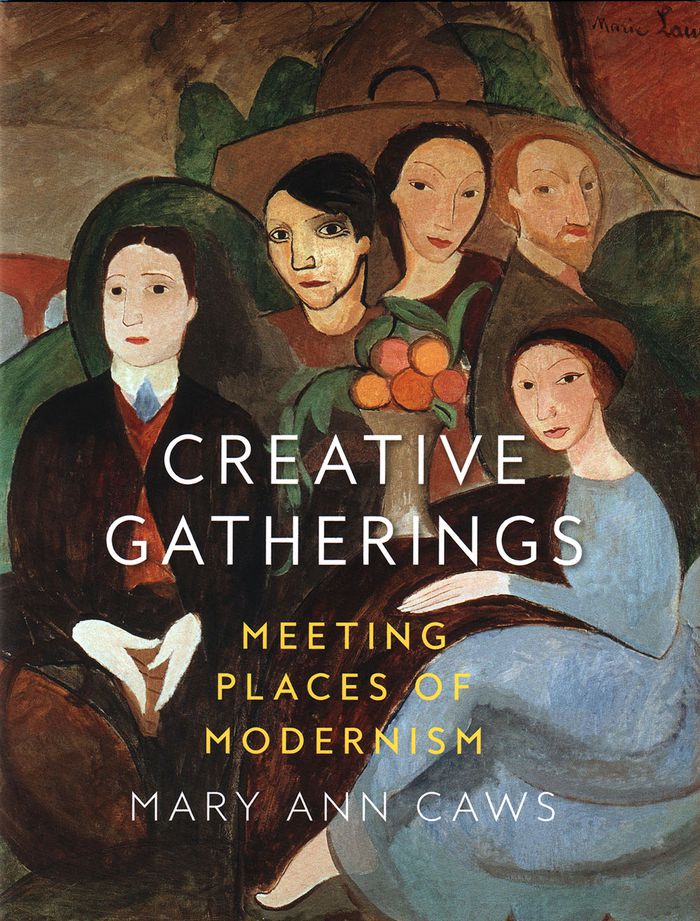
Creative gatherings: meeting places of modernism
Actions:
Price:
$50.95
(available to order)
Summary:
In her new book, Mary Ann Caws explores a rich variety of gathering places, past and present, which have been conducive to the release and sustenance of creative energies. ''Creative Gatherings'' surveys meeting locations across Europe and the United States, from cityscapes to island hideouts, from private homes to public cafes and artists’ colonies. Examples include Florence Griswold’s house in Old Lyme, Connecticut, meeting place of the Old Lyme Art Colony; Prague’s Le Louvre café, haunt of Kafka and Einstein; Picasso’s modernist hangout in Barcelona, Els Quatre Gats; Charleston, gathering place of Virginia Woolf and Vanessa and Duncan Bell; and the cafés of Saint-Germain-des-Prés and Montparnasse: the hangouts of Apollinaire, Sartre, and Patti Smith.
Creative gatherings: meeting places of modernism
Actions:
Price:
$50.95
(available to order)
Summary:
In her new book, Mary Ann Caws explores a rich variety of gathering places, past and present, which have been conducive to the release and sustenance of creative energies. ''Creative Gatherings'' surveys meeting locations across Europe and the United States, from cityscapes to island hideouts, from private homes to public cafes and artists’ colonies. Examples include Florence Griswold’s house in Old Lyme, Connecticut, meeting place of the Old Lyme Art Colony; Prague’s Le Louvre café, haunt of Kafka and Einstein; Picasso’s modernist hangout in Barcelona, Els Quatre Gats; Charleston, gathering place of Virginia Woolf and Vanessa and Duncan Bell; and the cafés of Saint-Germain-des-Prés and Montparnasse: the hangouts of Apollinaire, Sartre, and Patti Smith.
Form:
books
books
Publication:
July 2019
July 2019
Subject:
Architectural Theory
Architectural Theory
Form:
books
books
Actions:
Price:
$52.00
(available to order)
Summary:
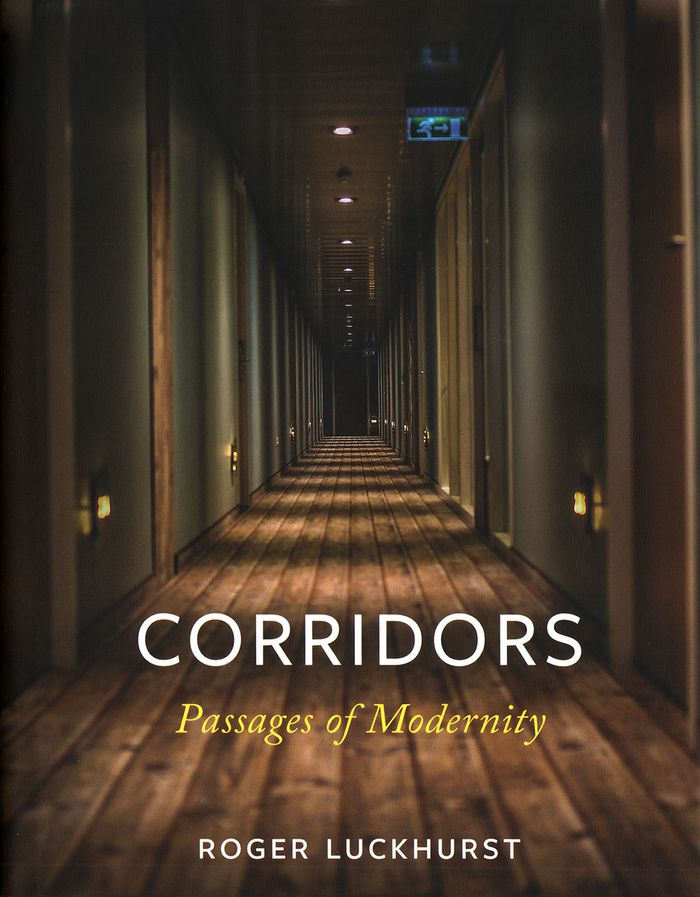
This book is the first definitive history of the corridor, from its origins in country houses and utopian communities in the seventeenth and eighteenth centuries, through reformist Victorian prisons, hospitals and asylums, to the ‘corridors of power’, bureaucratic labyrinths, and housing estates of the twentieth century. The book takes in wide range of sources, from(...)
$52.00
(available to order)
Summary:
This book is the first definitive history of the corridor, from its origins in country houses and utopian communities in the seventeenth and eighteenth centuries, through reformist Victorian prisons, hospitals and asylums, to the ‘corridors of power’, bureaucratic labyrinths, and housing estates of the twentieth century. The book takes in wide range of sources, from(...)
Title:
Corridors: passages of modernity
Actions:
Price:
$52.00
(available to order)
Summary:
This book is the first definitive history of the corridor, from its origins in country houses and utopian communities in the seventeenth and eighteenth centuries, through reformist Victorian prisons, hospitals and asylums, to the ‘corridors of power’, bureaucratic labyrinths, and housing estates of the twentieth century. The book takes in wide range of sources, from architectural history to fiction, film and TV, to explore how the corridor went from a utopian ideal to a place of unease: the archetypal stuff of nightmares.
Corridors: passages of modernity
Actions:
Price:
$52.00
(available to order)
Summary:
This book is the first definitive history of the corridor, from its origins in country houses and utopian communities in the seventeenth and eighteenth centuries, through reformist Victorian prisons, hospitals and asylums, to the ‘corridors of power’, bureaucratic labyrinths, and housing estates of the twentieth century. The book takes in wide range of sources, from architectural history to fiction, film and TV, to explore how the corridor went from a utopian ideal to a place of unease: the archetypal stuff of nightmares.
Form:
books
books
Publication:
April 2019
April 2019
Subject:
Architectural Theory
Architectural Theory


