


3779 Results
Form:
research
research
Title:
Visiting Scholars 1997–1998
Visiting Scholars 1997–1998
Actions:
Description:
Theme: The Baroque Phenomenon beyond Rome Barbara Arciszewska, Yale Center for British Art, New Haven, United States Topic: Continental Baroque and the Emergence of Palladianism in England Hugh Cullum, School of Architecture, University of Cambridge and Cullum and Nightingale Architects, London, United Kingdom Topic: On the Ducal Palace La Venaria Reale near Turin and(...)
Theme: The Baroque Phenomenon beyond Rome Barbara Arciszewska, Yale Center for British Art, New Haven, United States Topic: Continental Baroque and the Emergence of Palladianism in England Hugh Cullum, School of Architecture, University of Cambridge and Cullum and Nightingale Architects, London, United Kingdom Topic: On the Ducal Palace La Venaria Reale near Turin and(...)
Date:
September 1997 to August 1998
September 1997 to August 1998
Title:
Visiting Scholars 1997–1998
Actions:
Description:
Theme: The Baroque Phenomenon beyond Rome Barbara Arciszewska, Yale Center for British Art, New Haven, United States Topic: Continental Baroque and the Emergence of Palladianism in England Hugh Cullum, School of Architecture, University of Cambridge and Cullum and Nightingale Architects, London, United Kingdom Topic: On the Ducal Palace La Venaria Reale near Turin and(...)
Visiting Scholars 1997–1998
Actions:
Description:
Theme: The Baroque Phenomenon beyond Rome Barbara Arciszewska, Yale Center for British Art, New Haven, United States Topic: Continental Baroque and the Emergence of Palladianism in England Hugh Cullum, School of Architecture, University of Cambridge and Cullum and Nightingale Architects, London, United Kingdom Topic: On the Ducal Palace La Venaria Reale near Turin and(...)
Form:
research
research
Date:
September 1997 to
August 1998
September 1997 to
August 1998
Level of archival description:
Project
Project
Actions:
Reference number:
AP194.S1.1997.PR02
Description:
Project records document the design process for OCEAN North’s competition entry for the Jyväskylä Music and Arts Centre in 1997. The project was titled Terra Cultura by OCEAN North. The competition was to create a multi-usage space that would include a venue for the symphonic orchestra, a music school, exhibition spaces and the possibility to host a variety of small cultural events in the Finnish city of Jyväskylä. The proposed site is in the center of the town, across the street from the Jyväskylä city church and its park, and nearby buildings designed by Alvar Aalto. OCEAN North’s concept presents a topological surface as an extension of the surrounding urban scape with two masses that would host the formal functions of the building (concert hall, music school, exhibition halls). The two volumes, or raised blocks, are divided along a diagonal elevated space, which is the extension of the ground’s topological surface filled and dubbed “Liquid Flow Space” by the design team. In their interview with Greg Lynn, Johan Bettum and Kivi Sotamaa mentioned that the idea for Jyväskylä was that it was a cloud. To reach this goal, the team used CAD software to trace streams of particles as a modelling approach. The masses of linear elements that were generated were further deconstructed and turned into “peels” and rearranged to create the masses of the building. Physical models were also used to test and further what had emerged from the digital design process, with results being fed back into the digital drawings. During the process, Bettum also brought in the idea of the internalisation of the outside, taking inspiration from the Centre Georges Pompidou. Digital records document the creative process with raster and vector images, CAD drawings and models, and few digital textual records describing the project and the program charts. Drawings and models show site and building plans, perspectives and sections; particles streaming and resulting linear masses; peels and sections identified per color; and renderings of aerials, perspectives and elevation views. OCEAN North seems to have mostly used Microstation for modelling, although there are a few files created with form*Z and 3D Studio. Some of the raster images might have been created with these software as well, showing a given stage of the design process and including renderings. There are also screen captures showing the top, front, left and perspective views of 3D models. Adobe Photoshop and Illustrator were also used to create and modify drawings and diagrams. Program charts were created in Microsoft Excel. Sources: Softspace: from a representation of form to a simulation of space, Edited by Sean Lally and Jessica Young. London, New York: Routledge, 2007. Greg Lynn, ed. Archaeology of the Digital 17: OCEAN North, Jyväskylä Music and Arts Centre, Montréal: Canadian Centre for Architecture, 2017. ePub.
AP194.S1.1997.PR02
Description:
Project records document the design process for OCEAN North’s competition entry for the Jyväskylä Music and Arts Centre in 1997. The project was titled Terra Cultura by OCEAN North. The competition was to create a multi-usage space that would include a venue for the symphonic orchestra, a music school, exhibition spaces and the possibility to host a variety of small cultural events in the Finnish city of Jyväskylä. The proposed site is in the center of the town, across the street from the Jyväskylä city church and its park, and nearby buildings designed by Alvar Aalto. OCEAN North’s concept presents a topological surface as an extension of the surrounding urban scape with two masses that would host the formal functions of the building (concert hall, music school, exhibition halls). The two volumes, or raised blocks, are divided along a diagonal elevated space, which is the extension of the ground’s topological surface filled and dubbed “Liquid Flow Space” by the design team. In their interview with Greg Lynn, Johan Bettum and Kivi Sotamaa mentioned that the idea for Jyväskylä was that it was a cloud. To reach this goal, the team used CAD software to trace streams of particles as a modelling approach. The masses of linear elements that were generated were further deconstructed and turned into “peels” and rearranged to create the masses of the building. Physical models were also used to test and further what had emerged from the digital design process, with results being fed back into the digital drawings. During the process, Bettum also brought in the idea of the internalisation of the outside, taking inspiration from the Centre Georges Pompidou. Digital records document the creative process with raster and vector images, CAD drawings and models, and few digital textual records describing the project and the program charts. Drawings and models show site and building plans, perspectives and sections; particles streaming and resulting linear masses; peels and sections identified per color; and renderings of aerials, perspectives and elevation views. OCEAN North seems to have mostly used Microstation for modelling, although there are a few files created with form*Z and 3D Studio. Some of the raster images might have been created with these software as well, showing a given stage of the design process and including renderings. There are also screen captures showing the top, front, left and perspective views of 3D models. Adobe Photoshop and Illustrator were also used to create and modify drawings and diagrams. Program charts were created in Microsoft Excel. Sources: Softspace: from a representation of form to a simulation of space, Edited by Sean Lally and Jessica Young. London, New York: Routledge, 2007. Greg Lynn, ed. Archaeology of the Digital 17: OCEAN North, Jyväskylä Music and Arts Centre, Montréal: Canadian Centre for Architecture, 2017. ePub.
People:
Date:
1997-1998
1997-1998
Title:
Terra Cultura – Jyväskylä Music and Arts Centre, international competition entry, Jyväskylä, Finland (1997)
Actions:
AP194.S1.1997.PR02
Description:
Project records document the design process for OCEAN North’s competition entry for the Jyväskylä Music and Arts Centre in 1997. The project was titled Terra Cultura by OCEAN North. The competition was to create a multi-usage space that would include a venue for the symphonic orchestra, a music school, exhibition spaces and the possibility to host a variety of small cultural events in the Finnish city of Jyväskylä. The proposed site is in the center of the town, across the street from the Jyväskylä city church and its park, and nearby buildings designed by Alvar Aalto. OCEAN North’s concept presents a topological surface as an extension of the surrounding urban scape with two masses that would host the formal functions of the building (concert hall, music school, exhibition halls). The two volumes, or raised blocks, are divided along a diagonal elevated space, which is the extension of the ground’s topological surface filled and dubbed “Liquid Flow Space” by the design team. In their interview with Greg Lynn, Johan Bettum and Kivi Sotamaa mentioned that the idea for Jyväskylä was that it was a cloud. To reach this goal, the team used CAD software to trace streams of particles as a modelling approach. The masses of linear elements that were generated were further deconstructed and turned into “peels” and rearranged to create the masses of the building. Physical models were also used to test and further what had emerged from the digital design process, with results being fed back into the digital drawings. During the process, Bettum also brought in the idea of the internalisation of the outside, taking inspiration from the Centre Georges Pompidou. Digital records document the creative process with raster and vector images, CAD drawings and models, and few digital textual records describing the project and the program charts. Drawings and models show site and building plans, perspectives and sections; particles streaming and resulting linear masses; peels and sections identified per color; and renderings of aerials, perspectives and elevation views. OCEAN North seems to have mostly used Microstation for modelling, although there are a few files created with form*Z and 3D Studio. Some of the raster images might have been created with these software as well, showing a given stage of the design process and including renderings. There are also screen captures showing the top, front, left and perspective views of 3D models. Adobe Photoshop and Illustrator were also used to create and modify drawings and diagrams. Program charts were created in Microsoft Excel. Sources: Softspace: from a representation of form to a simulation of space, Edited by Sean Lally and Jessica Young. London, New York: Routledge, 2007. Greg Lynn, ed. Archaeology of the Digital 17: OCEAN North, Jyväskylä Music and Arts Centre, Montréal: Canadian Centre for Architecture, 2017. ePub.
Terra Cultura – Jyväskylä Music and Arts Centre, international competition entry, Jyväskylä, Finland (1997)
Actions:
AP194.S1.1997.PR02
Description:
Project records document the design process for OCEAN North’s competition entry for the Jyväskylä Music and Arts Centre in 1997. The project was titled Terra Cultura by OCEAN North. The competition was to create a multi-usage space that would include a venue for the symphonic orchestra, a music school, exhibition spaces and the possibility to host a variety of small cultural events in the Finnish city of Jyväskylä. The proposed site is in the center of the town, across the street from the Jyväskylä city church and its park, and nearby buildings designed by Alvar Aalto. OCEAN North’s concept presents a topological surface as an extension of the surrounding urban scape with two masses that would host the formal functions of the building (concert hall, music school, exhibition halls). The two volumes, or raised blocks, are divided along a diagonal elevated space, which is the extension of the ground’s topological surface filled and dubbed “Liquid Flow Space” by the design team. In their interview with Greg Lynn, Johan Bettum and Kivi Sotamaa mentioned that the idea for Jyväskylä was that it was a cloud. To reach this goal, the team used CAD software to trace streams of particles as a modelling approach. The masses of linear elements that were generated were further deconstructed and turned into “peels” and rearranged to create the masses of the building. Physical models were also used to test and further what had emerged from the digital design process, with results being fed back into the digital drawings. During the process, Bettum also brought in the idea of the internalisation of the outside, taking inspiration from the Centre Georges Pompidou. Digital records document the creative process with raster and vector images, CAD drawings and models, and few digital textual records describing the project and the program charts. Drawings and models show site and building plans, perspectives and sections; particles streaming and resulting linear masses; peels and sections identified per color; and renderings of aerials, perspectives and elevation views. OCEAN North seems to have mostly used Microstation for modelling, although there are a few files created with form*Z and 3D Studio. Some of the raster images might have been created with these software as well, showing a given stage of the design process and including renderings. There are also screen captures showing the top, front, left and perspective views of 3D models. Adobe Photoshop and Illustrator were also used to create and modify drawings and diagrams. Program charts were created in Microsoft Excel. Sources: Softspace: from a representation of form to a simulation of space, Edited by Sean Lally and Jessica Young. London, New York: Routledge, 2007. Greg Lynn, ed. Archaeology of the Digital 17: OCEAN North, Jyväskylä Music and Arts Centre, Montréal: Canadian Centre for Architecture, 2017. ePub.
Level of archival description:
Project
Project
Date:
1997-1998
1997-1998
People:
Level of archival description:
Project
Project
Title:
Miragaia, Porto
Miragaia, Porto
Actions:
Reference number:
CD034.S1.1975.PR01
Description:
This project series contains reproductions of drawings and panels displayed in the exhibit to document the neighbourhood Miragaia, in Porto Portugal. The exhibit text explained that: ... although the Miragaia project was never built, its seminal and programmatic character contributed significantly to the development of the SAAL Process. The project architect Fernando Távora first worked on the Barredo Neighbourhood ― a very poor area in the Porto's historic centre ― as an architect and teacher at the city's School of Fine Arts, and the Miragaia project built on this research, demonstrating a knowledge of and sensitivity to both the physical terrain and the social landscape of Porto, presenting a nuanced view of life in an urban space. Despite the strengths of the plan, the city council's policy on Porto's historic centre subsequently did not include Távora's project for Miragaia. Nonetheless, in the seriousness of its design and the depth of knowledge that it displayed, the project was a significant attempt to recover and rationalize Miragaia's vacant riverside zone. The highly developed nature of the proposal, its level of surgical precision, and Fernando Távora's thoughtful notes reveal a great deal about SAAL, its structure, its relationship with residents, and the overall model for urban intervention. (The SAAL Process, Housing in Portugal 1974–76) Fernando Távora worked for SAAL/North with Antónia Nolo, Bernardo Ferrão, Gil Carneiro, Joaquim Jordão, Jorge Barros, Manuel Campos, Pedro Paredes and the residents' association Miragaia, that was founded on March 30th, 1976. The project was for 900 dwellings, but none were built. The operation began in June 1975. This project series contains reproductions of design development drawings, presentation panels, site plans and a study of a logo. The original drawings and panels were produced from 1975 to 1977 and were reproduced in 2015 for the exhibit.
CD034.S1.1975.PR01
Description:
This project series contains reproductions of drawings and panels displayed in the exhibit to document the neighbourhood Miragaia, in Porto Portugal. The exhibit text explained that: ... although the Miragaia project was never built, its seminal and programmatic character contributed significantly to the development of the SAAL Process. The project architect Fernando Távora first worked on the Barredo Neighbourhood ― a very poor area in the Porto's historic centre ― as an architect and teacher at the city's School of Fine Arts, and the Miragaia project built on this research, demonstrating a knowledge of and sensitivity to both the physical terrain and the social landscape of Porto, presenting a nuanced view of life in an urban space. Despite the strengths of the plan, the city council's policy on Porto's historic centre subsequently did not include Távora's project for Miragaia. Nonetheless, in the seriousness of its design and the depth of knowledge that it displayed, the project was a significant attempt to recover and rationalize Miragaia's vacant riverside zone. The highly developed nature of the proposal, its level of surgical precision, and Fernando Távora's thoughtful notes reveal a great deal about SAAL, its structure, its relationship with residents, and the overall model for urban intervention. (The SAAL Process, Housing in Portugal 1974–76) Fernando Távora worked for SAAL/North with Antónia Nolo, Bernardo Ferrão, Gil Carneiro, Joaquim Jordão, Jorge Barros, Manuel Campos, Pedro Paredes and the residents' association Miragaia, that was founded on March 30th, 1976. The project was for 900 dwellings, but none were built. The operation began in June 1975. This project series contains reproductions of design development drawings, presentation panels, site plans and a study of a logo. The original drawings and panels were produced from 1975 to 1977 and were reproduced in 2015 for the exhibit.
People:
Date:
1975-1977
1975-1977
Title:
Miragaia, Porto
Actions:
CD034.S1.1975.PR01
Description:
This project series contains reproductions of drawings and panels displayed in the exhibit to document the neighbourhood Miragaia, in Porto Portugal. The exhibit text explained that: ... although the Miragaia project was never built, its seminal and programmatic character contributed significantly to the development of the SAAL Process. The project architect Fernando Távora first worked on the Barredo Neighbourhood ― a very poor area in the Porto's historic centre ― as an architect and teacher at the city's School of Fine Arts, and the Miragaia project built on this research, demonstrating a knowledge of and sensitivity to both the physical terrain and the social landscape of Porto, presenting a nuanced view of life in an urban space. Despite the strengths of the plan, the city council's policy on Porto's historic centre subsequently did not include Távora's project for Miragaia. Nonetheless, in the seriousness of its design and the depth of knowledge that it displayed, the project was a significant attempt to recover and rationalize Miragaia's vacant riverside zone. The highly developed nature of the proposal, its level of surgical precision, and Fernando Távora's thoughtful notes reveal a great deal about SAAL, its structure, its relationship with residents, and the overall model for urban intervention. (The SAAL Process, Housing in Portugal 1974–76) Fernando Távora worked for SAAL/North with Antónia Nolo, Bernardo Ferrão, Gil Carneiro, Joaquim Jordão, Jorge Barros, Manuel Campos, Pedro Paredes and the residents' association Miragaia, that was founded on March 30th, 1976. The project was for 900 dwellings, but none were built. The operation began in June 1975. This project series contains reproductions of design development drawings, presentation panels, site plans and a study of a logo. The original drawings and panels were produced from 1975 to 1977 and were reproduced in 2015 for the exhibit.
Miragaia, Porto
Actions:
CD034.S1.1975.PR01
Description:
This project series contains reproductions of drawings and panels displayed in the exhibit to document the neighbourhood Miragaia, in Porto Portugal. The exhibit text explained that: ... although the Miragaia project was never built, its seminal and programmatic character contributed significantly to the development of the SAAL Process. The project architect Fernando Távora first worked on the Barredo Neighbourhood ― a very poor area in the Porto's historic centre ― as an architect and teacher at the city's School of Fine Arts, and the Miragaia project built on this research, demonstrating a knowledge of and sensitivity to both the physical terrain and the social landscape of Porto, presenting a nuanced view of life in an urban space. Despite the strengths of the plan, the city council's policy on Porto's historic centre subsequently did not include Távora's project for Miragaia. Nonetheless, in the seriousness of its design and the depth of knowledge that it displayed, the project was a significant attempt to recover and rationalize Miragaia's vacant riverside zone. The highly developed nature of the proposal, its level of surgical precision, and Fernando Távora's thoughtful notes reveal a great deal about SAAL, its structure, its relationship with residents, and the overall model for urban intervention. (The SAAL Process, Housing in Portugal 1974–76) Fernando Távora worked for SAAL/North with Antónia Nolo, Bernardo Ferrão, Gil Carneiro, Joaquim Jordão, Jorge Barros, Manuel Campos, Pedro Paredes and the residents' association Miragaia, that was founded on March 30th, 1976. The project was for 900 dwellings, but none were built. The operation began in June 1975. This project series contains reproductions of design development drawings, presentation panels, site plans and a study of a logo. The original drawings and panels were produced from 1975 to 1977 and were reproduced in 2015 for the exhibit.
Level of archival description:
Project
Project
Date:
1975-1977
1975-1977
People:
Level of archival description:
Project
Project
Actions:
Reference number:
AP018.S1.1978.PR07
Description:
This project series documents a site study for the new National Gallery of Canada in Ottawa, Ontario in 1978. The office identified the project number as 7809. In 1977, Parkin Architects Planners won a limited architectural competition for their design of the new National Gallery of Canada. The selected site for the competition, next to the Ottawa River, was controversial due to its uneven ground and lack of access to main streets in Ottawa. This project consisted of an extended site study for the construction of that building following the announcement of the competition winner if the original site was to be used. This was a brief urban design study to consider appropriate massing, exterior spaces, access, and vistas to and from the proposed building. It also included studying the best use of land next to the new gallery. The project is recorded through drawings and textual records dating from 1976-1978. The textual records include the predesign programme and schemes, correspondence, notes, meeting reports and research.
AP018.S1.1978.PR07
Description:
This project series documents a site study for the new National Gallery of Canada in Ottawa, Ontario in 1978. The office identified the project number as 7809. In 1977, Parkin Architects Planners won a limited architectural competition for their design of the new National Gallery of Canada. The selected site for the competition, next to the Ottawa River, was controversial due to its uneven ground and lack of access to main streets in Ottawa. This project consisted of an extended site study for the construction of that building following the announcement of the competition winner if the original site was to be used. This was a brief urban design study to consider appropriate massing, exterior spaces, access, and vistas to and from the proposed building. It also included studying the best use of land next to the new gallery. The project is recorded through drawings and textual records dating from 1976-1978. The textual records include the predesign programme and schemes, correspondence, notes, meeting reports and research.
People:
Date:
1976-1978
1976-1978
Title:
National Gallery of Canada, Extended Site Study, Ottawa, Ontario (1978)
Actions:
AP018.S1.1978.PR07
Description:
This project series documents a site study for the new National Gallery of Canada in Ottawa, Ontario in 1978. The office identified the project number as 7809. In 1977, Parkin Architects Planners won a limited architectural competition for their design of the new National Gallery of Canada. The selected site for the competition, next to the Ottawa River, was controversial due to its uneven ground and lack of access to main streets in Ottawa. This project consisted of an extended site study for the construction of that building following the announcement of the competition winner if the original site was to be used. This was a brief urban design study to consider appropriate massing, exterior spaces, access, and vistas to and from the proposed building. It also included studying the best use of land next to the new gallery. The project is recorded through drawings and textual records dating from 1976-1978. The textual records include the predesign programme and schemes, correspondence, notes, meeting reports and research.
National Gallery of Canada, Extended Site Study, Ottawa, Ontario (1978)
Actions:
AP018.S1.1978.PR07
Description:
This project series documents a site study for the new National Gallery of Canada in Ottawa, Ontario in 1978. The office identified the project number as 7809. In 1977, Parkin Architects Planners won a limited architectural competition for their design of the new National Gallery of Canada. The selected site for the competition, next to the Ottawa River, was controversial due to its uneven ground and lack of access to main streets in Ottawa. This project consisted of an extended site study for the construction of that building following the announcement of the competition winner if the original site was to be used. This was a brief urban design study to consider appropriate massing, exterior spaces, access, and vistas to and from the proposed building. It also included studying the best use of land next to the new gallery. The project is recorded through drawings and textual records dating from 1976-1978. The textual records include the predesign programme and schemes, correspondence, notes, meeting reports and research.
Level of archival description:
Project
Project
Date:
1976-1978
1976-1978
People:
Level of archival description:
Project
Project
Reference number:
AP148.S1.1970.PR02
Description:
The project series documents Poli's work on the Interplanetary Architecture project, which was also made into a film by Superstudio directed by Alessandro Poli (the film is not included in the fonds). The project reflects Poli's deep fascination with the moon landing in 1969. Poli uses this major media event as a catalyst for thinking about a new approach to architecture and tools for design, including the idea that film and the movie camera should become part of the toolset. The project also seems to be in some way a response to Epoch magazine's challenge for a "Primo concorso di architettura nello spazio" (the first architectural competition in space), and includes much imagery and textual references to a new road or architectural links between the earth and other planets, including an earth moon highway. In his storyboard, Poli also makes reference to his earlier Piper project, and some imagery features wheels and an amusement park. The Interplanetary Architecture project was exhibited by Superstudio in Rome in 1972 and featured in "Casabella" magazine in April 1972 (no. 364). The project was also featured in the 2010 CCA exhibition "Other Space Odysseys". In the accompanying CCA publication, Poli describes this project as "a voyage off earthbound routes in quest of architecture unfettered by the urban nightmare, by induced needs or by planning as the only tool for regulating and solving the world's problems" (Poli quoted in Borasi and Zardini, 2010, 110). Poli's work on this project is deeply tied to the Zeno project, which was also featured in this exhibition and is included in this fonds (see AP148.S1.1972.PR01). For the Zeno project, Poli envisioned a dialogue between astronaut Buzz Aldrin and an Italian peasant, Zeno of Riparbella. Poli felt that these two shared a similarity in that both their homes were isolated capsules, one that provided a lens from which to see the rest of the world and understand their place in it. The material in the series includes numerous photomontages and collages of astronauts in space, as well as drawings of plantery shapes and structures. There are also texts, some of which include calculations of distances and diameters of planets, as well as notebooks and sketchbooks, many of which Poli included in a folder he entitled "Storyboard." The series also includes an unsent letter from Poli to Adolfo Natalini which describes how, after the moon landing, everything - the planet, the moon, the stars - is architecture, and that this will necessitate the need for new design tools, such as the movie camera. Some works are signed Alessandro Poli-Superstudio. Source cited: Giovanna Borasi and Mirko Zardini, eds., Other Space Odysseys, Montreal and Baden: Canadian Centre for Architecture/Lars Müller Publishers, 2010.
AP148.S1.1970.PR02
Description:
The project series documents Poli's work on the Interplanetary Architecture project, which was also made into a film by Superstudio directed by Alessandro Poli (the film is not included in the fonds). The project reflects Poli's deep fascination with the moon landing in 1969. Poli uses this major media event as a catalyst for thinking about a new approach to architecture and tools for design, including the idea that film and the movie camera should become part of the toolset. The project also seems to be in some way a response to Epoch magazine's challenge for a "Primo concorso di architettura nello spazio" (the first architectural competition in space), and includes much imagery and textual references to a new road or architectural links between the earth and other planets, including an earth moon highway. In his storyboard, Poli also makes reference to his earlier Piper project, and some imagery features wheels and an amusement park. The Interplanetary Architecture project was exhibited by Superstudio in Rome in 1972 and featured in "Casabella" magazine in April 1972 (no. 364). The project was also featured in the 2010 CCA exhibition "Other Space Odysseys". In the accompanying CCA publication, Poli describes this project as "a voyage off earthbound routes in quest of architecture unfettered by the urban nightmare, by induced needs or by planning as the only tool for regulating and solving the world's problems" (Poli quoted in Borasi and Zardini, 2010, 110). Poli's work on this project is deeply tied to the Zeno project, which was also featured in this exhibition and is included in this fonds (see AP148.S1.1972.PR01). For the Zeno project, Poli envisioned a dialogue between astronaut Buzz Aldrin and an Italian peasant, Zeno of Riparbella. Poli felt that these two shared a similarity in that both their homes were isolated capsules, one that provided a lens from which to see the rest of the world and understand their place in it. The material in the series includes numerous photomontages and collages of astronauts in space, as well as drawings of plantery shapes and structures. There are also texts, some of which include calculations of distances and diameters of planets, as well as notebooks and sketchbooks, many of which Poli included in a folder he entitled "Storyboard." The series also includes an unsent letter from Poli to Adolfo Natalini which describes how, after the moon landing, everything - the planet, the moon, the stars - is architecture, and that this will necessitate the need for new design tools, such as the movie camera. Some works are signed Alessandro Poli-Superstudio. Source cited: Giovanna Borasi and Mirko Zardini, eds., Other Space Odysseys, Montreal and Baden: Canadian Centre for Architecture/Lars Müller Publishers, 2010.
People:
Date:
1969-1971
1969-1971
Title:
Architettura Interplanetaria [Interplanetary Architecture] (1970-1971)
Actions:
AP148.S1.1970.PR02
Description:
The project series documents Poli's work on the Interplanetary Architecture project, which was also made into a film by Superstudio directed by Alessandro Poli (the film is not included in the fonds). The project reflects Poli's deep fascination with the moon landing in 1969. Poli uses this major media event as a catalyst for thinking about a new approach to architecture and tools for design, including the idea that film and the movie camera should become part of the toolset. The project also seems to be in some way a response to Epoch magazine's challenge for a "Primo concorso di architettura nello spazio" (the first architectural competition in space), and includes much imagery and textual references to a new road or architectural links between the earth and other planets, including an earth moon highway. In his storyboard, Poli also makes reference to his earlier Piper project, and some imagery features wheels and an amusement park. The Interplanetary Architecture project was exhibited by Superstudio in Rome in 1972 and featured in "Casabella" magazine in April 1972 (no. 364). The project was also featured in the 2010 CCA exhibition "Other Space Odysseys". In the accompanying CCA publication, Poli describes this project as "a voyage off earthbound routes in quest of architecture unfettered by the urban nightmare, by induced needs or by planning as the only tool for regulating and solving the world's problems" (Poli quoted in Borasi and Zardini, 2010, 110). Poli's work on this project is deeply tied to the Zeno project, which was also featured in this exhibition and is included in this fonds (see AP148.S1.1972.PR01). For the Zeno project, Poli envisioned a dialogue between astronaut Buzz Aldrin and an Italian peasant, Zeno of Riparbella. Poli felt that these two shared a similarity in that both their homes were isolated capsules, one that provided a lens from which to see the rest of the world and understand their place in it. The material in the series includes numerous photomontages and collages of astronauts in space, as well as drawings of plantery shapes and structures. There are also texts, some of which include calculations of distances and diameters of planets, as well as notebooks and sketchbooks, many of which Poli included in a folder he entitled "Storyboard." The series also includes an unsent letter from Poli to Adolfo Natalini which describes how, after the moon landing, everything - the planet, the moon, the stars - is architecture, and that this will necessitate the need for new design tools, such as the movie camera. Some works are signed Alessandro Poli-Superstudio. Source cited: Giovanna Borasi and Mirko Zardini, eds., Other Space Odysseys, Montreal and Baden: Canadian Centre for Architecture/Lars Müller Publishers, 2010.
Architettura Interplanetaria [Interplanetary Architecture] (1970-1971)
Actions:
AP148.S1.1970.PR02
Description:
The project series documents Poli's work on the Interplanetary Architecture project, which was also made into a film by Superstudio directed by Alessandro Poli (the film is not included in the fonds). The project reflects Poli's deep fascination with the moon landing in 1969. Poli uses this major media event as a catalyst for thinking about a new approach to architecture and tools for design, including the idea that film and the movie camera should become part of the toolset. The project also seems to be in some way a response to Epoch magazine's challenge for a "Primo concorso di architettura nello spazio" (the first architectural competition in space), and includes much imagery and textual references to a new road or architectural links between the earth and other planets, including an earth moon highway. In his storyboard, Poli also makes reference to his earlier Piper project, and some imagery features wheels and an amusement park. The Interplanetary Architecture project was exhibited by Superstudio in Rome in 1972 and featured in "Casabella" magazine in April 1972 (no. 364). The project was also featured in the 2010 CCA exhibition "Other Space Odysseys". In the accompanying CCA publication, Poli describes this project as "a voyage off earthbound routes in quest of architecture unfettered by the urban nightmare, by induced needs or by planning as the only tool for regulating and solving the world's problems" (Poli quoted in Borasi and Zardini, 2010, 110). Poli's work on this project is deeply tied to the Zeno project, which was also featured in this exhibition and is included in this fonds (see AP148.S1.1972.PR01). For the Zeno project, Poli envisioned a dialogue between astronaut Buzz Aldrin and an Italian peasant, Zeno of Riparbella. Poli felt that these two shared a similarity in that both their homes were isolated capsules, one that provided a lens from which to see the rest of the world and understand their place in it. The material in the series includes numerous photomontages and collages of astronauts in space, as well as drawings of plantery shapes and structures. There are also texts, some of which include calculations of distances and diameters of planets, as well as notebooks and sketchbooks, many of which Poli included in a folder he entitled "Storyboard." The series also includes an unsent letter from Poli to Adolfo Natalini which describes how, after the moon landing, everything - the planet, the moon, the stars - is architecture, and that this will necessitate the need for new design tools, such as the movie camera. Some works are signed Alessandro Poli-Superstudio. Source cited: Giovanna Borasi and Mirko Zardini, eds., Other Space Odysseys, Montreal and Baden: Canadian Centre for Architecture/Lars Müller Publishers, 2010.
Level of archival description:
Project
Project
Date:
1969-1971
1969-1971
People:
Form:
articles
articles
Title:
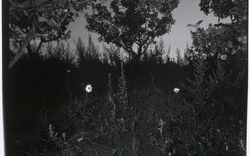
Are You Afraid of the Dark?
Are You Afraid of the Dark?
Actions:
Zainab Marvi on how superstitions regulate women's urban experience in Karachi
Title:
Are You Afraid of the Dark?
Zainab Marvi on how superstitions regulate women's urban experience in Karachi
Actions:
Are You Afraid of the Dark?
Zainab Marvi on how superstitions regulate women's urban experience in Karachi
Actions:
Issue:
Keep Safe
Keep Safe
Form:
events
events
Description:
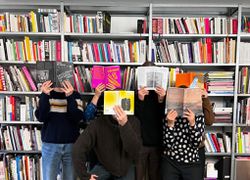
Please join us for a conversation about the independent international publisher Valiz with Guy Cools and Pascal Gielen. Focusing on contemporary art, theory, critique, design, and urban affairs, Valiz’s books offer critical reflection and interdisciplinary inspiration, often establishing a connection between cultural disciplines and socio-political questions. They(...)
Please join us for a conversation about the independent international publisher Valiz with Guy Cools and Pascal Gielen. Focusing on contemporary art, theory, critique, design, and urban affairs, Valiz’s books offer critical reflection and interdisciplinary inspiration, often establishing a connection between cultural disciplines and socio-political questions. They(...)
Date:
27 November 2025, 7pm
27 November 2025, 7pm
Title:
Valiz with Guy Cools, Pascal Gielen, and Carolyn F. Strauss
Actions:
Description:
Please join us for a conversation about the independent international publisher Valiz with Guy Cools and Pascal Gielen. Focusing on contemporary art, theory, critique, design, and urban affairs, Valiz’s books offer critical reflection and interdisciplinary inspiration, often establishing a connection between cultural disciplines and socio-political questions. They(...)
Valiz with Guy Cools, Pascal Gielen, and Carolyn F. Strauss
Actions:
Description:
Please join us for a conversation about the independent international publisher Valiz with Guy Cools and Pascal Gielen. Focusing on contemporary art, theory, critique, design, and urban affairs, Valiz’s books offer critical reflection and interdisciplinary inspiration, often establishing a connection between cultural disciplines and socio-political questions. They(...)
Form:
events
events
Date:
27 November 2025
7pm
27 November 2025
7pm
Form:
archives
Level of archival description:
Fonds
archives
Level of archival description:
Fonds
Reference number:
AP195
Synopsis:
The Zaha Hadid Architects Phaeno Science Centre project records, 1996-2015, consist of approximately 43,800 digital files that document the design and construction of an interactive science museum in Wolfsburg, Germany. Materials related to presentations, publications, events, and the press are also represented. Formats include chiefly CAD files, especially plotter files and AutoCAD drawings, though related text documents and images are also represented. The majority of the records date from 2000 to 2006.
AP195
Synopsis:
The Zaha Hadid Architects Phaeno Science Centre project records, 1996-2015, consist of approximately 43,800 digital files that document the design and construction of an interactive science museum in Wolfsburg, Germany. Materials related to presentations, publications, events, and the press are also represented. Formats include chiefly CAD files, especially plotter files and AutoCAD drawings, though related text documents and images are also represented. The majority of the records date from 2000 to 2006.
People:
Date:
1996 - 2015
1996 - 2015
Title:
Zaha Hadid Architects Phaeno Science Centre project records
Actions:
AP195
Synopsis:
The Zaha Hadid Architects Phaeno Science Centre project records, 1996-2015, consist of approximately 43,800 digital files that document the design and construction of an interactive science museum in Wolfsburg, Germany. Materials related to presentations, publications, events, and the press are also represented. Formats include chiefly CAD files, especially plotter files and AutoCAD drawings, though related text documents and images are also represented. The majority of the records date from 2000 to 2006.
Zaha Hadid Architects Phaeno Science Centre project records
Actions:
AP195
Synopsis:
The Zaha Hadid Architects Phaeno Science Centre project records, 1996-2015, consist of approximately 43,800 digital files that document the design and construction of an interactive science museum in Wolfsburg, Germany. Materials related to presentations, publications, events, and the press are also represented. Formats include chiefly CAD files, especially plotter files and AutoCAD drawings, though related text documents and images are also represented. The majority of the records date from 2000 to 2006.
Form:
archives
Level of archival description:
Fonds
archives
Level of archival description:
Fonds
Date:
1996 - 2015
1996 - 2015
People:
Form:
archives
Level of archival description:
Fonds
archives
Level of archival description:
Fonds
Actions:
Reference number:
AP226
Synopsis:
The Toyo Ito & Associates, Architects fonds, 1970 – 2011, documents the studio’s architectural work and involvement in selected exhibitions in the 1970s and 1980s. The records in this fonds represent 34 architectural projects, including built, unbuilt, and conceptual projects. The majority of the projects are located in Japan and are mostly documented through drawings as well as a limited number of videos, models, panels, textual records, and photographs. The fonds also contains records related to Toyo Ito & Associates, Architects’ participation in three exhibitions in the USA and the UK in 1978 and 1986.
AP226
Synopsis:
The Toyo Ito & Associates, Architects fonds, 1970 – 2011, documents the studio’s architectural work and involvement in selected exhibitions in the 1970s and 1980s. The records in this fonds represent 34 architectural projects, including built, unbuilt, and conceptual projects. The majority of the projects are located in Japan and are mostly documented through drawings as well as a limited number of videos, models, panels, textual records, and photographs. The fonds also contains records related to Toyo Ito & Associates, Architects’ participation in three exhibitions in the USA and the UK in 1978 and 1986.
People:
Date:
1970 - 2011
1970 - 2011
Title:
Toyo Ito & Associates, Architects fonds
Actions:
AP226
Synopsis:
The Toyo Ito & Associates, Architects fonds, 1970 – 2011, documents the studio’s architectural work and involvement in selected exhibitions in the 1970s and 1980s. The records in this fonds represent 34 architectural projects, including built, unbuilt, and conceptual projects. The majority of the projects are located in Japan and are mostly documented through drawings as well as a limited number of videos, models, panels, textual records, and photographs. The fonds also contains records related to Toyo Ito & Associates, Architects’ participation in three exhibitions in the USA and the UK in 1978 and 1986.
Toyo Ito & Associates, Architects fonds
Actions:
AP226
Synopsis:
The Toyo Ito & Associates, Architects fonds, 1970 – 2011, documents the studio’s architectural work and involvement in selected exhibitions in the 1970s and 1980s. The records in this fonds represent 34 architectural projects, including built, unbuilt, and conceptual projects. The majority of the projects are located in Japan and are mostly documented through drawings as well as a limited number of videos, models, panels, textual records, and photographs. The fonds also contains records related to Toyo Ito & Associates, Architects’ participation in three exhibitions in the USA and the UK in 1978 and 1986.
Form:
archives
Level of archival description:
Fonds
archives
Level of archival description:
Fonds
Date:
1970 - 2011
1970 - 2011
People:
Form:
archives
Level of archival description:
Fonds
archives
Level of archival description:
Fonds
Actions:
Reference number:
AP194
Synopsis:
The Johan Bettum OCEAN North projects records, 1995-2000, consist of born-digital files and a physical drawing that document three projects by the OCEAN North collective: Synthetic Landscape (1995-2000), Jyväskylä Music and Arts Centre (competition, 1997), and Tölöö Football Stadium (competition, 1997). The archive also includes a small amount of additional born-digital reference materials on 11 projects from the collective, including the three projects mentioned above.
AP194
Synopsis:
The Johan Bettum OCEAN North projects records, 1995-2000, consist of born-digital files and a physical drawing that document three projects by the OCEAN North collective: Synthetic Landscape (1995-2000), Jyväskylä Music and Arts Centre (competition, 1997), and Tölöö Football Stadium (competition, 1997). The archive also includes a small amount of additional born-digital reference materials on 11 projects from the collective, including the three projects mentioned above.
People:
Date:
1995-2000
1995-2000
Title:
Johan Bettum OCEAN North project records
Actions:
AP194
Synopsis:
The Johan Bettum OCEAN North projects records, 1995-2000, consist of born-digital files and a physical drawing that document three projects by the OCEAN North collective: Synthetic Landscape (1995-2000), Jyväskylä Music and Arts Centre (competition, 1997), and Tölöö Football Stadium (competition, 1997). The archive also includes a small amount of additional born-digital reference materials on 11 projects from the collective, including the three projects mentioned above.
Johan Bettum OCEAN North project records
Actions:
AP194
Synopsis:
The Johan Bettum OCEAN North projects records, 1995-2000, consist of born-digital files and a physical drawing that document three projects by the OCEAN North collective: Synthetic Landscape (1995-2000), Jyväskylä Music and Arts Centre (competition, 1997), and Tölöö Football Stadium (competition, 1997). The archive also includes a small amount of additional born-digital reference materials on 11 projects from the collective, including the three projects mentioned above.
Form:
archives
Level of archival description:
Fonds
archives
Level of archival description:
Fonds
Date:
1995-2000
1995-2000
People:


