


627 Results
Form:
books
books
Actions:
Price:
$29.95
(available to order)
Summary:
Once considered a mere caretaker for collections, the curator is now widely viewed as a globally connected auteur. Over the last twenty-five years, as international group exhibitions and biennials have become the dominant mode of presenting contemporary art to the public, curatorship has begun to be perceived as a constellation of creative activities not unlike artistic(...)
$29.95
(available to order)
Summary:
Once considered a mere caretaker for collections, the curator is now widely viewed as a globally connected auteur. Over the last twenty-five years, as international group exhibitions and biennials have become the dominant mode of presenting contemporary art to the public, curatorship has begun to be perceived as a constellation of creative activities not unlike artistic(...)
Title:
The culture of curating and the curating of culture(s)
Actions:
Price:
$29.95
(available to order)
Summary:
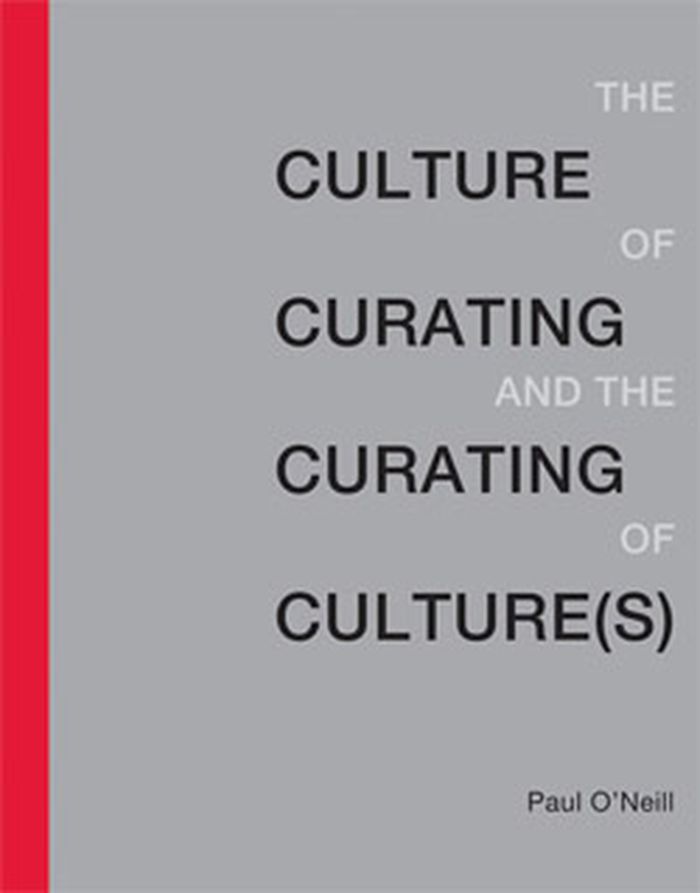
Once considered a mere caretaker for collections, the curator is now widely viewed as a globally connected auteur. Over the last twenty-five years, as international group exhibitions and biennials have become the dominant mode of presenting contemporary art to the public, curatorship has begun to be perceived as a constellation of creative activities not unlike artistic praxis. The curator has gone from being a behind-the-scenes organizer and selector to a visible, centrally important cultural producer. In The Culture of Curating and the Curating of Culture(s), Paul O’Neill examines the emergence of independent curatorship and the discourse that helped to establish it. O’Neill describes how, by the 1980s, curated group exhibitions - large-scale, temporary projects with artworks cast as illustrative fragments - came to be understood as the creative work of curator-auteurs. The proliferation of new biennials and other large international exhibitions in the 1990s created a cohort of high-profile, globally mobile curators, moving from Venice to Paris to Kassel. In the 1990s, curatorial and artistic practice converged, blurring the distinction between artist and curator. O’Neill argues that this change in the understanding of curatorship was shaped by a curator-centered discourse that effectively advocated - and authorized - the new independent curatorial practice. Drawing on the extensive curatorial literature and his own interviews with leading curators, critics, art historians, and artists, O’Neill traces the development of the curator-as-artist model and the ways it has been contested. The Culture of Curating and the Curating of Culture(s) documents the many ways in which our perception of art has been transformed by curating and the discourses surrounding it.
The culture of curating and the curating of culture(s)
Actions:
Price:
$29.95
(available to order)
Summary:
Once considered a mere caretaker for collections, the curator is now widely viewed as a globally connected auteur. Over the last twenty-five years, as international group exhibitions and biennials have become the dominant mode of presenting contemporary art to the public, curatorship has begun to be perceived as a constellation of creative activities not unlike artistic praxis. The curator has gone from being a behind-the-scenes organizer and selector to a visible, centrally important cultural producer. In The Culture of Curating and the Curating of Culture(s), Paul O’Neill examines the emergence of independent curatorship and the discourse that helped to establish it. O’Neill describes how, by the 1980s, curated group exhibitions - large-scale, temporary projects with artworks cast as illustrative fragments - came to be understood as the creative work of curator-auteurs. The proliferation of new biennials and other large international exhibitions in the 1990s created a cohort of high-profile, globally mobile curators, moving from Venice to Paris to Kassel. In the 1990s, curatorial and artistic practice converged, blurring the distinction between artist and curator. O’Neill argues that this change in the understanding of curatorship was shaped by a curator-centered discourse that effectively advocated - and authorized - the new independent curatorial practice. Drawing on the extensive curatorial literature and his own interviews with leading curators, critics, art historians, and artists, O’Neill traces the development of the curator-as-artist model and the ways it has been contested. The Culture of Curating and the Curating of Culture(s) documents the many ways in which our perception of art has been transformed by curating and the discourses surrounding it.
Form:
books
books
Publication:
September 2012
September 2012
Subject:
Museology
Museology
Form:
books
books
Price:
$28.50
(available to order)
Summary:
"Downtown America" was once the vibrant urban center romanticized in the Petula Clark song-a place where the lights were brighter, where people went to spend their money and forget their worries. But in the second half of the twentieth century, "downtown" became a shadow of its former self, succumbing to economic competition and commercial decline. And the death of Main(...)
$28.50
(available to order)
Summary:
"Downtown America" was once the vibrant urban center romanticized in the Petula Clark song-a place where the lights were brighter, where people went to spend their money and forget their worries. But in the second half of the twentieth century, "downtown" became a shadow of its former self, succumbing to economic competition and commercial decline. And the death of Main(...)
Title:
Downtown America : a history of the place and the people who made it
Actions:
Price:
$28.50
(available to order)
Summary:
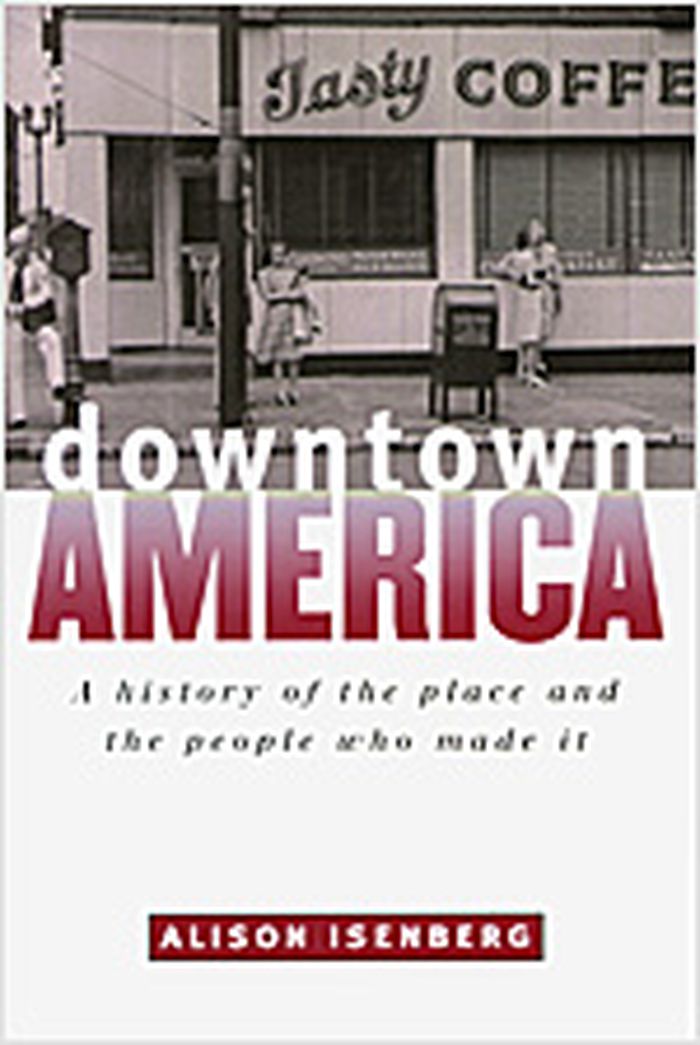
"Downtown America" was once the vibrant urban center romanticized in the Petula Clark song-a place where the lights were brighter, where people went to spend their money and forget their worries. But in the second half of the twentieth century, "downtown" became a shadow of its former self, succumbing to economic competition and commercial decline. And the death of Main Streets across the country came to be seen as sadly inexorable, like the passing of an aged loved one. "Downtown America" cuts beneath the archetypal story of downtown's rise and fall and offers a new story of urban development in the United States. Moving beyond conventional narratives, Alison Isenberg shows that downtown's trajectory was not dictated by inevitable free market forces or natural life-and-death cycles. Instead, it was the product of human actors-the contested creation of retailers, developers, government leaders, architects, and planners, as well as political activists, consumers, civic clubs, real estate appraisers, even postcard artists. Throughout the twentieth century, conflicts over downtown's mundane conditions-what it should look like and who should walk its streets-pointed to fundamental disagreements over American values. Isenberg reveals how the innovative efforts of these participants infused Main Street with its resonant symbolism, while still accounting for pervasive uncertainty and fears of decline. Readers of this work will find anything but a story of inevitability. Even some of the downtown's darkest moments-the Great Depression's collapse in land values, the rioting and looting of the 1960s, or abandonment and vacancy during the 1970s-illuminate how core cultural values have animated and intertwined with economic investment to reinvent the physical form and social experiences of urban commerce. "Downtown America"-its empty stores, revitalized marketplaces, and romanticized past-will never look quite the same again.
Downtown America : a history of the place and the people who made it
Actions:
Price:
$28.50
(available to order)
Summary:
"Downtown America" was once the vibrant urban center romanticized in the Petula Clark song-a place where the lights were brighter, where people went to spend their money and forget their worries. But in the second half of the twentieth century, "downtown" became a shadow of its former self, succumbing to economic competition and commercial decline. And the death of Main Streets across the country came to be seen as sadly inexorable, like the passing of an aged loved one. "Downtown America" cuts beneath the archetypal story of downtown's rise and fall and offers a new story of urban development in the United States. Moving beyond conventional narratives, Alison Isenberg shows that downtown's trajectory was not dictated by inevitable free market forces or natural life-and-death cycles. Instead, it was the product of human actors-the contested creation of retailers, developers, government leaders, architects, and planners, as well as political activists, consumers, civic clubs, real estate appraisers, even postcard artists. Throughout the twentieth century, conflicts over downtown's mundane conditions-what it should look like and who should walk its streets-pointed to fundamental disagreements over American values. Isenberg reveals how the innovative efforts of these participants infused Main Street with its resonant symbolism, while still accounting for pervasive uncertainty and fears of decline. Readers of this work will find anything but a story of inevitability. Even some of the downtown's darkest moments-the Great Depression's collapse in land values, the rioting and looting of the 1960s, or abandonment and vacancy during the 1970s-illuminate how core cultural values have animated and intertwined with economic investment to reinvent the physical form and social experiences of urban commerce. "Downtown America"-its empty stores, revitalized marketplaces, and romanticized past-will never look quite the same again.
Form:
books
books
Publication:
January 1900, Chicago, London
January 1900, Chicago, London
Subject:
Urban Theory
Urban Theory
Form:
books
books

Price:
$58.95
(available to order)
Summary:
After seizing Jerusalem's eastern precincts from Jordan at the conclusion of the Six-Day War in 1967, Israel unilaterally unified the city and plunged into an ambitious building program, eager to transform the very meaning of one of the world's most emotionally charged urban spaces. The goal was as simple as it was controversial: to both Judaize and modernize Jerusalem.(...)
$58.95
(available to order)
Summary:
After seizing Jerusalem's eastern precincts from Jordan at the conclusion of the Six-Day War in 1967, Israel unilaterally unified the city and plunged into an ambitious building program, eager to transform the very meaning of one of the world's most emotionally charged urban spaces. The goal was as simple as it was controversial: to both Judaize and modernize Jerusalem.(...)
Title:
Seizing Jerusalem: the architectures of unilateral unification
Actions:
Price:
$58.95
(available to order)
Summary:
After seizing Jerusalem's eastern precincts from Jordan at the conclusion of the Six-Day War in 1967, Israel unilaterally unified the city and plunged into an ambitious building program, eager to transform the very meaning of one of the world's most emotionally charged urban spaces. The goal was as simple as it was controversial: to both Judaize and modernize Jerusalem. Seizing Jerusalem, the first architectural history of "united Jerusalem," chronicles how numerous disciplines, including architecture, landscape design, and urban planning, as well as everyone from municipal politicians to state bureaucrats, from Israeli-born architects to international luminaries such as Louis Kahn, Buckminster Fuller, and Bruno Zevi, competed to create Jerusalem's new image. This decade-long competition happened with the Palestinian residents still living in the city, even as the new image was inspired by the city's Arab legacy. The politics of space in the Holy City, still contested today, were shaped in this post-1967 decade not only by the legacy of the war and the politics of dispossession, but curiously also by emerging trends in postwar architectural culture.Drawing on previously unexamined archival documents and in-depth interviews with architects, planners, and politicians, Alona Nitzan-Shiftan analyzes the cultural politics of the Israeli state and, in particular, of Jerusalem's influential mayor, Teddy Kollek, whose efforts to legitimate Israeli rule over Jerusalem provided architects a unique, real-world laboratory to explore the possibilities and limits of modernist design--as built form as well as political and social action. Seizing Jerusalem reveals architecture as an active agent in the formation of urban and national identity, and demonstrates how contemporary debates about Zionism, and the crisis within the discipline of architecture over postwar modernism, affected Jerusalem's built environment in ways that continue to resonate today.
Seizing Jerusalem: the architectures of unilateral unification
Actions:
Price:
$58.95
(available to order)
Summary:
After seizing Jerusalem's eastern precincts from Jordan at the conclusion of the Six-Day War in 1967, Israel unilaterally unified the city and plunged into an ambitious building program, eager to transform the very meaning of one of the world's most emotionally charged urban spaces. The goal was as simple as it was controversial: to both Judaize and modernize Jerusalem. Seizing Jerusalem, the first architectural history of "united Jerusalem," chronicles how numerous disciplines, including architecture, landscape design, and urban planning, as well as everyone from municipal politicians to state bureaucrats, from Israeli-born architects to international luminaries such as Louis Kahn, Buckminster Fuller, and Bruno Zevi, competed to create Jerusalem's new image. This decade-long competition happened with the Palestinian residents still living in the city, even as the new image was inspired by the city's Arab legacy. The politics of space in the Holy City, still contested today, were shaped in this post-1967 decade not only by the legacy of the war and the politics of dispossession, but curiously also by emerging trends in postwar architectural culture.Drawing on previously unexamined archival documents and in-depth interviews with architects, planners, and politicians, Alona Nitzan-Shiftan analyzes the cultural politics of the Israeli state and, in particular, of Jerusalem's influential mayor, Teddy Kollek, whose efforts to legitimate Israeli rule over Jerusalem provided architects a unique, real-world laboratory to explore the possibilities and limits of modernist design--as built form as well as political and social action. Seizing Jerusalem reveals architecture as an active agent in the formation of urban and national identity, and demonstrates how contemporary debates about Zionism, and the crisis within the discipline of architecture over postwar modernism, affected Jerusalem's built environment in ways that continue to resonate today.
Form:
books
books
Publication:
June 2017
June 2017
Subject:
Arch Southwest Asia & North Africa
Arch Southwest Asia & North Africa
Form:
books
books
Actions:
Price:
$31.25
(available to order)
Summary:
"Sowing Empire" identifies the cultivation and landscaping of colonies as one of the primary ways imperial nations justified their empires. Planting and transplanting, seeding and reshaping - the landscaping practices that emerged in the eighteenth century - are inextricable from the contested terrain of empire within which they operated. From the plantations of the(...)
$31.25
(available to order)
Summary:
"Sowing Empire" identifies the cultivation and landscaping of colonies as one of the primary ways imperial nations justified their empires. Planting and transplanting, seeding and reshaping - the landscaping practices that emerged in the eighteenth century - are inextricable from the contested terrain of empire within which they operated. From the plantations of the(...)
Title:
Sowing empire : landscape and colonization
Actions:
Price:
$31.25
(available to order)
Summary:
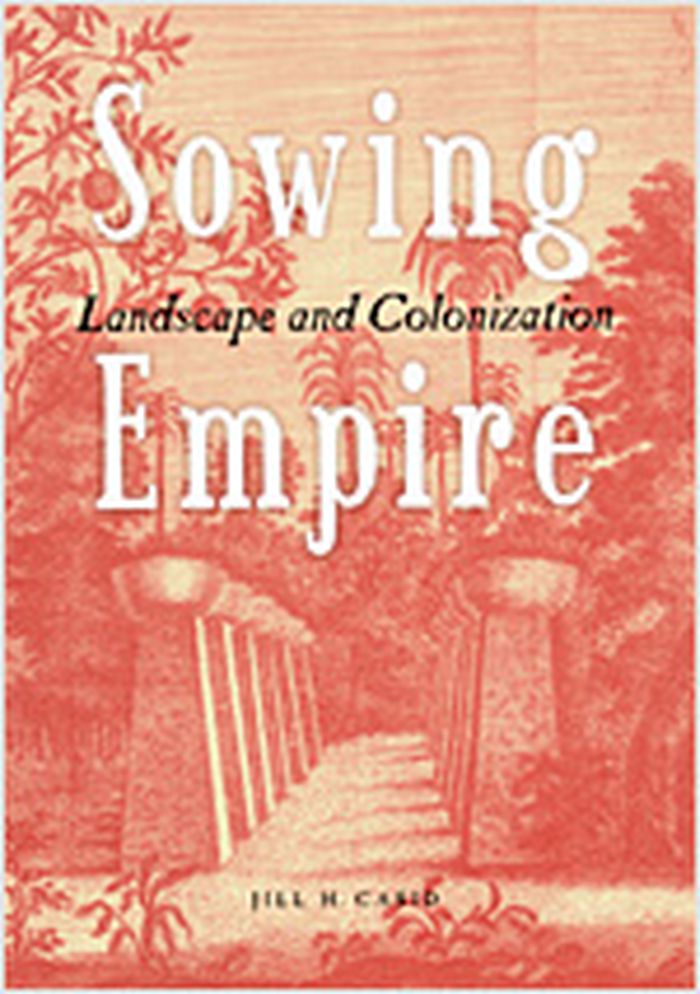
"Sowing Empire" identifies the cultivation and landscaping of colonies as one of the primary ways imperial nations justified their empires. Planting and transplanting, seeding and reshaping - the landscaping practices that emerged in the eighteenth century - are inextricable from the contested terrain of empire within which they operated. From the plantations of the “nabobs” to the island gardens of narrative fiction, from William Beckford’s estate at Fonthill to Marie Antoinette’s ornamented farm, "Sowing Empire" considers imperial relandscaping - its patriarchal organization, heterosexual reproduction, and slavery - and how it contributed to the construction of imperial power. At the same time, the book shows how these picturesque landscapes and sugar plantations contained within them the seeds of resistance - how, for instance, slave gardens and the Afro-Caribbean practice of Vodou threatened authority and created new possibilities for once again transforming the landscape. In an ambitious work of wide-ranging literary, visual, and historical allusion, Jill H. Casid examines how landscaping functioned in an imperial mode that defined and remade the “heartlands” of nations as well as the contact zones and colonial peripheries in the West and East Indies. Revealing the colonial landscape as far more than an agricultural system - as a means of regulating national, sexual, and gender identities - Casid also traces how the circulation of plants and hybridity influenced agriculture and landscaping on European soil and how colonial contacts materially shaped what we take as “European.” Utilizing a wide range of both visual and written sources - maps, literature, and travel writing - this book is interdisciplinary in its methodology and in its scope. Sowing Empire explores how postcolonial and queer studies can alter art history and visual studies and, in turn, what close attention to the visual may offer to both postcolonial theorizing and historically and materially based colonial cultural studies.
Sowing empire : landscape and colonization
Actions:
Price:
$31.25
(available to order)
Summary:
"Sowing Empire" identifies the cultivation and landscaping of colonies as one of the primary ways imperial nations justified their empires. Planting and transplanting, seeding and reshaping - the landscaping practices that emerged in the eighteenth century - are inextricable from the contested terrain of empire within which they operated. From the plantations of the “nabobs” to the island gardens of narrative fiction, from William Beckford’s estate at Fonthill to Marie Antoinette’s ornamented farm, "Sowing Empire" considers imperial relandscaping - its patriarchal organization, heterosexual reproduction, and slavery - and how it contributed to the construction of imperial power. At the same time, the book shows how these picturesque landscapes and sugar plantations contained within them the seeds of resistance - how, for instance, slave gardens and the Afro-Caribbean practice of Vodou threatened authority and created new possibilities for once again transforming the landscape. In an ambitious work of wide-ranging literary, visual, and historical allusion, Jill H. Casid examines how landscaping functioned in an imperial mode that defined and remade the “heartlands” of nations as well as the contact zones and colonial peripheries in the West and East Indies. Revealing the colonial landscape as far more than an agricultural system - as a means of regulating national, sexual, and gender identities - Casid also traces how the circulation of plants and hybridity influenced agriculture and landscaping on European soil and how colonial contacts materially shaped what we take as “European.” Utilizing a wide range of both visual and written sources - maps, literature, and travel writing - this book is interdisciplinary in its methodology and in its scope. Sowing Empire explores how postcolonial and queer studies can alter art history and visual studies and, in turn, what close attention to the visual may offer to both postcolonial theorizing and historically and materially based colonial cultural studies.
Form:
books
books
Publication:
January 2005, Minneapolis
January 2005, Minneapolis
Subject:
Landscape Theory
Landscape Theory
Form:
books
books
Actions:
Description:
1 online resource
Author:
- Linnet Taylor, Gargi Sharma, Aaron Martin, and Shazade Jameson -- Sean Martin McDonald -- Vidushi Marda -- Michael Veale -- Lilian Edwards -- Karen Yeung -- Os Keyes -- Dragana Kaurin -- Anonymous I -- Angela Daly -- Ramiro Alvarez Ugarte -- Fleur Johns -- Rafael Evangelista and Rodrigo Firmino -- Bianca Wylie -- Wayne W. Wang -- Helen Eenmaa-Dimitrieva, Eneken Tikk, and Mika Kerttunen -- Francesca Musiani -- Ben Wagner -- Smith Oduro-Marfo -- István Böröcz -- Rob Kitchin -- David Murakami Wood -- Raya Sharbain and Anonymous II -- Grace Mutung'u -- Arely Cruz-Santiago -- Naomi Appelman, Jill Toh, Ronan Ó Fathaigh, and Joris van Hoboken -- Marisa Duarte -- Kristin Bergtora Sandvik -- Vino Lucero,
- Taylor, Linnet,,
- Sharma, Gargi,,
- Martin, Aaron,,
- Jameson, Shazade,,
- Sutcliffe, David,,
- Romo-Melgar, Carlos,,
- Sage, John Philip,,
- Ugarte, Ramiro Alvarez,,
- Appelman, Naomi,,
- Moliner, Lilana Arroyo,,
- Böröcz, István,,
- Brewczyńska, Magda,,
- Chen, Julienne,,
- Cohen, Julie E.,,
- Cruz-Santiago, Arely,,
- Daly, Angela,,
- Duarte, Marisa,,
- Edwards, Lilian,,
- Eenmaa-Dimitrieva, Helen,,
- Evangelista, Rafael,,
- Fathaigh, Ronan Ó,,
- Firmino, Rodrigo,,
- Gillwald, Alison,,
- Hoboken, Joris van,,
- Johns, Fleur,,
- Kim, Hye Jung,,
- Kaurin, Dragana,,
- Kerttunen, Mika,,
- Keyes, Os,,
- Kitchin, Rob,,
- Kostic, Bojana,,
- Krivokapic, Danilo,,
- Lucero, Vino,,
- Luján, Enric,,
- Marda, Vidushi,,
- McDonald, Sean Martin,,
- Mollicchi, Silvia,,
- Wood, David Murakami,,
- Musiani, Francesca,,
- Mutung'u, Grace,,
- Mwesigwa, Daniel,,
- Oduro-Marfo, Smith,,
- Peppin, Aidan,,
- Perkov, Bojan,,
- Petrovski, Andrej,,
- Poorthuis, Ate,,
- Razzano, Gabriella,,
- Rens, Andrew,,
- Safak, Cansu,,
- Sandvik, Kristin Bergtora,,
- Sharbain, Raya,,
- Tikk, Eneken,,
- Toh, Jill,,
- Spuy, Anri van der,,
- Veale, Michael,,
- Wagner, Ben,,
- Walker, Tom,,
- Wylie, Bianca,,
- Yeung, Karen,,
- Yoon, Hye Shun,,
- Wayne W. Wang,,
- Anonymous,,
- Library Stack,
(See more)
Subject:
Publication:
[Place of publication not identified] : Meatspace Press, 2020.
[Place of publication not identified] : Meatspace Press, 2020.
Form:
books
books
Publication:
[Place of publication not identified] : Meatspace Press, 2020.
[Place of publication not identified] : Meatspace Press, 2020.
Author:
- Linnet Taylor, Gargi Sharma, Aaron Martin, and Shazade Jameson -- Sean Martin McDonald -- Vidushi Marda -- Michael Veale -- Lilian Edwards -- Karen Yeung -- Os Keyes -- Dragana Kaurin -- Anonymous I -- Angela Daly -- Ramiro Alvarez Ugarte -- Fleur Johns -- Rafael Evangelista and Rodrigo Firmino -- Bianca Wylie -- Wayne W. Wang -- Helen Eenmaa-Dimitrieva, Eneken Tikk, and Mika Kerttunen -- Francesca Musiani -- Ben Wagner -- Smith Oduro-Marfo -- István Böröcz -- Rob Kitchin -- David Murakami Wood -- Raya Sharbain and Anonymous II -- Grace Mutung'u -- Arely Cruz-Santiago -- Naomi Appelman, Jill Toh, Ronan Ó Fathaigh, and Joris van Hoboken -- Marisa Duarte -- Kristin Bergtora Sandvik -- Vino Lucero,
- Taylor, Linnet,,
- Sharma, Gargi,,
- Martin, Aaron,,
- Jameson, Shazade,,
- Sutcliffe, David,,
- Romo-Melgar, Carlos,,
- Sage, John Philip,,
- Ugarte, Ramiro Alvarez,,
- Appelman, Naomi,,
- Moliner, Lilana Arroyo,,
- Böröcz, István,,
- Brewczyńska, Magda,,
- Chen, Julienne,,
- Cohen, Julie E.,,
- Cruz-Santiago, Arely,,
- Daly, Angela,,
- Duarte, Marisa,,
- Edwards, Lilian,,
- Eenmaa-Dimitrieva, Helen,,
- Evangelista, Rafael,,
- Fathaigh, Ronan Ó,,
- Firmino, Rodrigo,,
- Gillwald, Alison,,
- Hoboken, Joris van,,
- Johns, Fleur,,
- Kim, Hye Jung,,
- Kaurin, Dragana,,
- Kerttunen, Mika,,
- Keyes, Os,,
- Kitchin, Rob,,
- Kostic, Bojana,,
- Krivokapic, Danilo,,
- Lucero, Vino,,
- Luján, Enric,,
- Marda, Vidushi,,
- McDonald, Sean Martin,,
- Mollicchi, Silvia,,
- Wood, David Murakami,,
- Musiani, Francesca,,
- Mutung'u, Grace,,
- Mwesigwa, Daniel,,
- Oduro-Marfo, Smith,,
- Peppin, Aidan,,
- Perkov, Bojan,,
- Petrovski, Andrej,,
- Poorthuis, Ate,,
- Razzano, Gabriella,,
- Rens, Andrew,,
- Safak, Cansu,,
- Sandvik, Kristin Bergtora,,
- Sharbain, Raya,,
- Tikk, Eneken,,
- Toh, Jill,,
- Spuy, Anri van der,,
- Veale, Michael,,
- Wagner, Ben,,
- Walker, Tom,,
- Wylie, Bianca,,
- Yeung, Karen,,
- Yoon, Hye Shun,,
- Wayne W. Wang,,
- Anonymous,,
- Library Stack,
(See more)
Form:
books
books
Holdings:
Description:
xiii, 254 pages : illustrations, maps ; 24 cm
Description:
xiii, 254 pages : illustrations, maps ; 24 cm
Subject:
- Inschrift,
- Romeinse oudheid.,
- Archeologische vindplaatsen.,
- Excavations (Archaeology) Italy Pompeii.,
- Pompeii (Extinct city),
- Pompéi (Ville ancienne),
- Italy Pompeii (Extinct city),
- Pompeji,
- Pompeii (Extinct city) Antiquities.,
- Pompeii (Extinct city) History Sources.,
- Pompeii [44 F4],
- Quelle.
(See more)
Publication:
London ; New York : Routledge, 2004.
London ; New York : Routledge, 2004.
Title:
Pompeii : a sourcebook / Alison E. Cooley and M.G.L. Cooley.
Actions:
Holdings:
Description:
xiii, 254 pages : illustrations, maps ; 24 cm
Pompeii : a sourcebook / Alison E. Cooley and M.G.L. Cooley.
Actions:
Holdings:
Description:
xiii, 254 pages : illustrations, maps ; 24 cm
Form:
books
books
Publication:
London ; New York : Routledge, 2004.
London ; New York : Routledge, 2004.
Subject:
- Inschrift,
- Romeinse oudheid.,
- Archeologische vindplaatsen.,
- Excavations (Archaeology) Italy Pompeii.,
- Pompeii (Extinct city),
- Pompéi (Ville ancienne),
- Italy Pompeii (Extinct city),
- Pompeji,
- Pompeii (Extinct city) Antiquities.,
- Pompeii (Extinct city) History Sources.,
- Pompeii [44 F4],
- Quelle.
(See more)
Form:
books
books
Holdings:
Description:
144 pages : illustrations (chiefly color), charts, map ; 24 cm
Description:
144 pages : illustrations (chiefly color), charts, map ; 24 cm
Subject:
Publication:
Berlin : Hatje Cantz Verlag GmbH ; Cambridge, Massachusetts : The MIT Press, [2022], ©2022
Berlin : Hatje Cantz Verlag GmbH ; Cambridge, Massachusetts : The MIT Press, [2022], ©2022
Title:
Spatializing justice : building blocks / Teddy Cruz and Fonna Forman.
Actions:
Holdings:
Description:
144 pages : illustrations (chiefly color), charts, map ; 24 cm
Spatializing justice : building blocks / Teddy Cruz and Fonna Forman.
Actions:
Holdings:
Description:
144 pages : illustrations (chiefly color), charts, map ; 24 cm
Form:
books
books
Publication:
Berlin : Hatje Cantz Verlag GmbH ; Cambridge, Massachusetts : The MIT Press, [2022], ©2022
Berlin : Hatje Cantz Verlag GmbH ; Cambridge, Massachusetts : The MIT Press, [2022], ©2022


