


647 Results
Form:
books
books
Actions:
Price:
$42.95
(available to order)
Summary:
After visiting hundreds of museums across Alberta, Lianne McTavish chronicles some of the most challenging and unexpected sites where the idea of the museum is being reshaped. Addressing themes of place, land, colonization, rurality, heritage, childhood, and play, McTavish reveals the museum visitor as multifaceted, with locals and tourists often interpreting museums(...)
$42.95
(available to order)
Summary:
After visiting hundreds of museums across Alberta, Lianne McTavish chronicles some of the most challenging and unexpected sites where the idea of the museum is being reshaped. Addressing themes of place, land, colonization, rurality, heritage, childhood, and play, McTavish reveals the museum visitor as multifaceted, with locals and tourists often interpreting museums(...)
Title:
Voluntary detours: small town and rural museums
Actions:
Price:
$42.95
(available to order)
Summary:
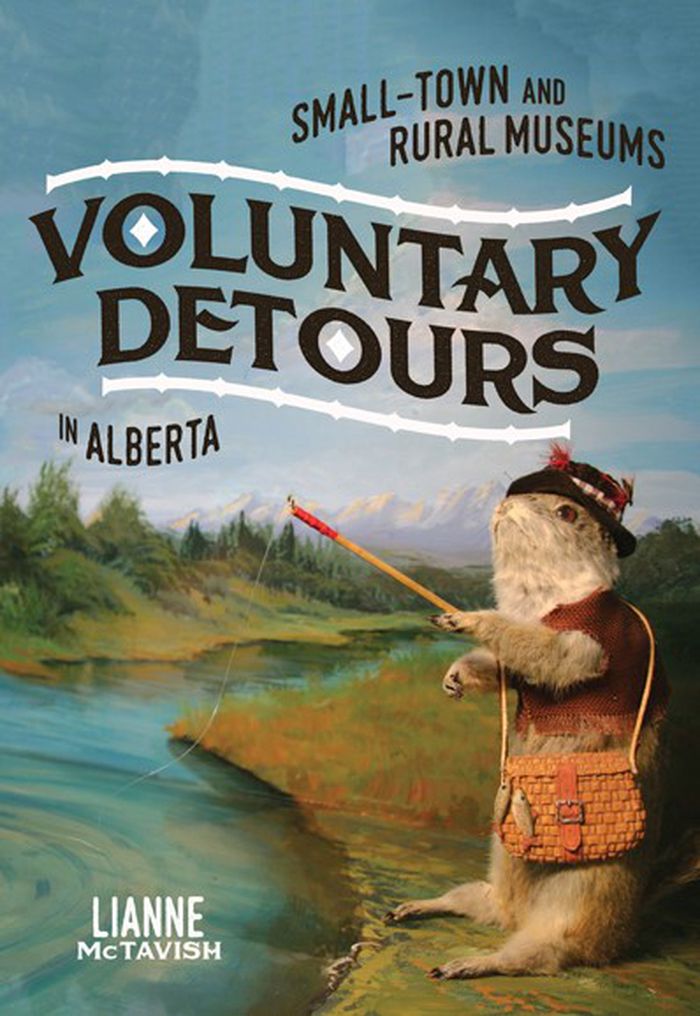
After visiting hundreds of museums across Alberta, Lianne McTavish chronicles some of the most challenging and unexpected sites where the idea of the museum is being reshaped. Addressing themes of place, land, colonization, rurality, heritage, childhood, and play, McTavish reveals the museum visitor as multifaceted, with locals and tourists often interpreting museums very differently. Case studies include the World Famous Gopher Hole Museum, Fort Chipewyan Bicentennial Museum, Blackfoot Crossing Historical Park, and the Museum of Fear and Wonder. A key chapter analyzing sites devoted to resource extraction explores how these places promote settler colonial understandings of land use. By contrast, Indigenous museums and cultural centres defy colonial messages in displays that adapt and refuse conventional museum formats. Honouring local, rural, and Indigenous knowledge, 'Voluntary Detours' enriches critical accounts of the past, present, and future of museums.
Voluntary detours: small town and rural museums
Actions:
Price:
$42.95
(available to order)
Summary:
After visiting hundreds of museums across Alberta, Lianne McTavish chronicles some of the most challenging and unexpected sites where the idea of the museum is being reshaped. Addressing themes of place, land, colonization, rurality, heritage, childhood, and play, McTavish reveals the museum visitor as multifaceted, with locals and tourists often interpreting museums very differently. Case studies include the World Famous Gopher Hole Museum, Fort Chipewyan Bicentennial Museum, Blackfoot Crossing Historical Park, and the Museum of Fear and Wonder. A key chapter analyzing sites devoted to resource extraction explores how these places promote settler colonial understandings of land use. By contrast, Indigenous museums and cultural centres defy colonial messages in displays that adapt and refuse conventional museum formats. Honouring local, rural, and Indigenous knowledge, 'Voluntary Detours' enriches critical accounts of the past, present, and future of museums.
Form:
books
books
Publication:
October 2021
October 2021
Subject:
Museology
Museology
Form:
books
books
Actions:
Price:
$83.00
(available to order)
Summary:
Walter Niedermayr (born 1952) is among Europe's finest contemporary photographers, a virtuoso in the portrayal of contemporary architecture and Alpine landscapes whose subtle handling of scale, diffuse light effects and desaturated color has been much imitated in recent years. Between 2005 and 2008, Niedermayr traveled in Iran, visiting Tehran, Isfahan, Yazd, Shiraz and(...)
$83.00
(available to order)
Summary:
Walter Niedermayr (born 1952) is among Europe's finest contemporary photographers, a virtuoso in the portrayal of contemporary architecture and Alpine landscapes whose subtle handling of scale, diffuse light effects and desaturated color has been much imitated in recent years. Between 2005 and 2008, Niedermayr traveled in Iran, visiting Tehran, Isfahan, Yazd, Shiraz and(...)
Title:
Walter Niedermayr : recollection
Actions:
Price:
$83.00
(available to order)
Summary:
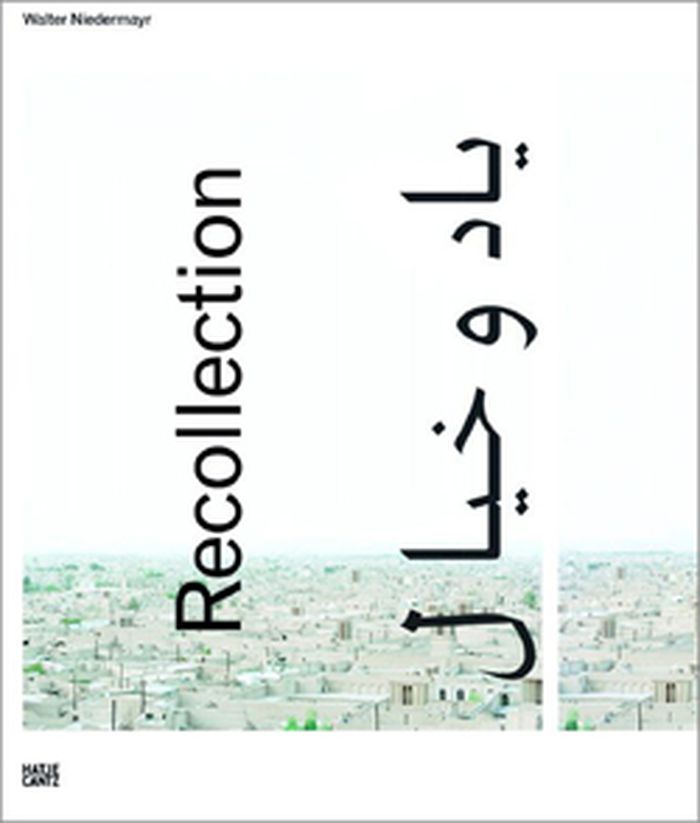
Walter Niedermayr (born 1952) is among Europe's finest contemporary photographers, a virtuoso in the portrayal of contemporary architecture and Alpine landscapes whose subtle handling of scale, diffuse light effects and desaturated color has been much imitated in recent years. Between 2005 and 2008, Niedermayr traveled in Iran, visiting Tehran, Isfahan, Yazd, Shiraz and other smaller cities and historical sites. His travels spurred the undertaking of a new series examining Iranian architecture in its cultural and historical context. The resulting photographs reveal a wild mingling of east and west as older buildings jostle with colorful billboards, beltways and apartment blocks that look as if they could be located anywhere in the world. As with Niedermayr's famous winter landscapes, the majestic, pale color composition of these photographs transports them far beyond mere documentary, towards a sense of tremendous scale and implied political narrative.
Walter Niedermayr : recollection
Actions:
Price:
$83.00
(available to order)
Summary:
Walter Niedermayr (born 1952) is among Europe's finest contemporary photographers, a virtuoso in the portrayal of contemporary architecture and Alpine landscapes whose subtle handling of scale, diffuse light effects and desaturated color has been much imitated in recent years. Between 2005 and 2008, Niedermayr traveled in Iran, visiting Tehran, Isfahan, Yazd, Shiraz and other smaller cities and historical sites. His travels spurred the undertaking of a new series examining Iranian architecture in its cultural and historical context. The resulting photographs reveal a wild mingling of east and west as older buildings jostle with colorful billboards, beltways and apartment blocks that look as if they could be located anywhere in the world. As with Niedermayr's famous winter landscapes, the majestic, pale color composition of these photographs transports them far beyond mere documentary, towards a sense of tremendous scale and implied political narrative.
Form:
books
books
Publication:
January 2011
January 2011
Subject:
Photography monographs
Photography monographs
Form:
books
books
Title:
Cultural cues
Cultural cues
Actions:
Price:
$48.95
(available to order)
Summary:
Cutural Cues is the sixth book featured the work of the Louis I. Kahn Visiting Assistant Professorship, which brings young innovators in architectural design to the Yale School of Architecture. This book includes the studio research and projects of Joe Day of Deegan Day Design in “NOWplex” a cinema in L.A., Tom Wiscombe of Tom Wiscombe Architecture in “The Broad Redux,”(...)
$48.95
(available to order)
Summary:
Cutural Cues is the sixth book featured the work of the Louis I. Kahn Visiting Assistant Professorship, which brings young innovators in architectural design to the Yale School of Architecture. This book includes the studio research and projects of Joe Day of Deegan Day Design in “NOWplex” a cinema in L.A., Tom Wiscombe of Tom Wiscombe Architecture in “The Broad Redux,”(...)
Subject:
Contemporary Architecture
Contemporary Architecture
Publication:
September 2015
September 2015
Title:
Cultural cues
Actions:
Price:
$48.95
(available to order)
Summary:
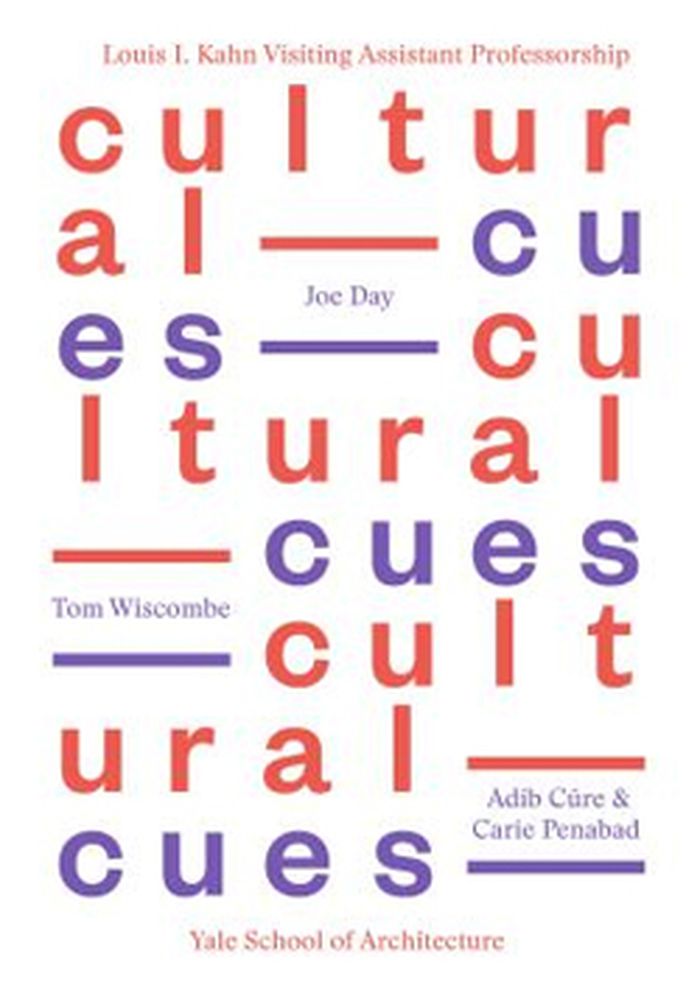
Cutural Cues is the sixth book featured the work of the Louis I. Kahn Visiting Assistant Professorship, which brings young innovators in architectural design to the Yale School of Architecture. This book includes the studio research and projects of Joe Day of Deegan Day Design in “NOWplex” a cinema in L.A., Tom Wiscombe of Tom Wiscombe Architecture in “The Broad Redux,” for a new interpretation of the Broad Museum in L.A., and Adib Cure & Carie Penabad of Cure Penabade in the studio “Havana: Housing in the Historic Center.” The studios explore contemporary interpretations of the implications of cinema, the museum, and housing, taking cues from their complex cultural and urban contexts. Along with student work, interviews with the architects about the work of their professional offices and essays framing the themes of the work are combined with insight into the pedagogical approach of these practitioner-educators.
Cultural cues
Actions:
Price:
$48.95
(available to order)
Summary:
Cutural Cues is the sixth book featured the work of the Louis I. Kahn Visiting Assistant Professorship, which brings young innovators in architectural design to the Yale School of Architecture. This book includes the studio research and projects of Joe Day of Deegan Day Design in “NOWplex” a cinema in L.A., Tom Wiscombe of Tom Wiscombe Architecture in “The Broad Redux,” for a new interpretation of the Broad Museum in L.A., and Adib Cure & Carie Penabad of Cure Penabade in the studio “Havana: Housing in the Historic Center.” The studios explore contemporary interpretations of the implications of cinema, the museum, and housing, taking cues from their complex cultural and urban contexts. Along with student work, interviews with the architects about the work of their professional offices and essays framing the themes of the work are combined with insight into the pedagogical approach of these practitioner-educators.
Form:
books
books
Publication:
September 2015
September 2015
Subject:
Contemporary Architecture
Contemporary Architecture
Form:
books
books
Actions:
Price:
$67.50
(available in store)
Summary:
Formerly the Louis I. Kahn Visiting Assistant Professor at Yale University, architect Fernanda Canales (born 1974), together with her studio, was named one of the world's "100+ Best Architecture Firms" by Domus magazine, and was cited by the New York Times as one of 10 women changing the face of international leadership. Canales' practice almost exclusively focuses on(...)
$67.50
(available in store)
Summary:
Formerly the Louis I. Kahn Visiting Assistant Professor at Yale University, architect Fernanda Canales (born 1974), together with her studio, was named one of the world's "100+ Best Architecture Firms" by Domus magazine, and was cited by the New York Times as one of 10 women changing the face of international leadership. Canales' practice almost exclusively focuses on(...)
Title:
2G Essays: My house, your city. Privacy in a shared world
Actions:
Price:
$67.50
(available in store)
Summary:
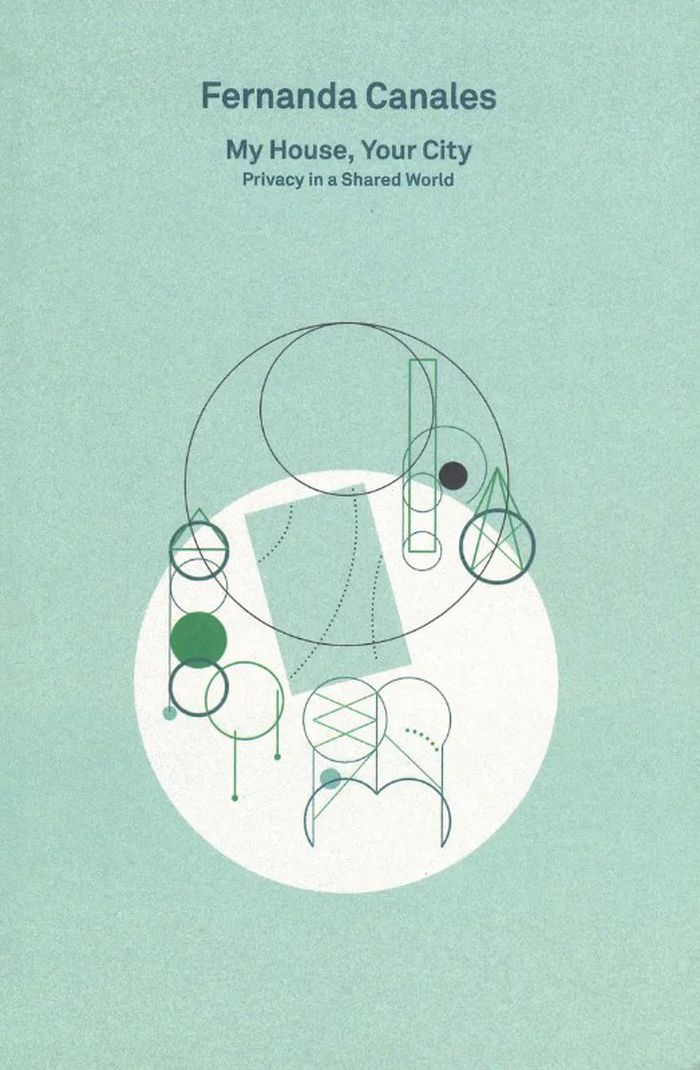
Formerly the Louis I. Kahn Visiting Assistant Professor at Yale University, architect Fernanda Canales (born 1974), together with her studio, was named one of the world's "100+ Best Architecture Firms" by Domus magazine, and was cited by the New York Times as one of 10 women changing the face of international leadership. Canales' practice almost exclusively focuses on residential buildings. Her solutions address the environmental challenges of a given area or of a changing climate at large: whether rebuilding a family home damaged by an earthquake or designing a new house around the existing trees and vegetation. In this collection of essays published by 2G, Canales analyzes the evolution of the house by dismantling three critical assumptions: the house as a place of rest separate from work, the house as an object of private property and the house as a sanctuary for the nuclear family.
2G Essays: My house, your city. Privacy in a shared world
Actions:
Price:
$67.50
(available in store)
Summary:
Formerly the Louis I. Kahn Visiting Assistant Professor at Yale University, architect Fernanda Canales (born 1974), together with her studio, was named one of the world's "100+ Best Architecture Firms" by Domus magazine, and was cited by the New York Times as one of 10 women changing the face of international leadership. Canales' practice almost exclusively focuses on residential buildings. Her solutions address the environmental challenges of a given area or of a changing climate at large: whether rebuilding a family home damaged by an earthquake or designing a new house around the existing trees and vegetation. In this collection of essays published by 2G, Canales analyzes the evolution of the house by dismantling three critical assumptions: the house as a place of rest separate from work, the house as an object of private property and the house as a sanctuary for the nuclear family.
Form:
books
books
Publication:
May 2025
May 2025
Subject:
Architectural Theory
Architectural Theory
Form:
books
books
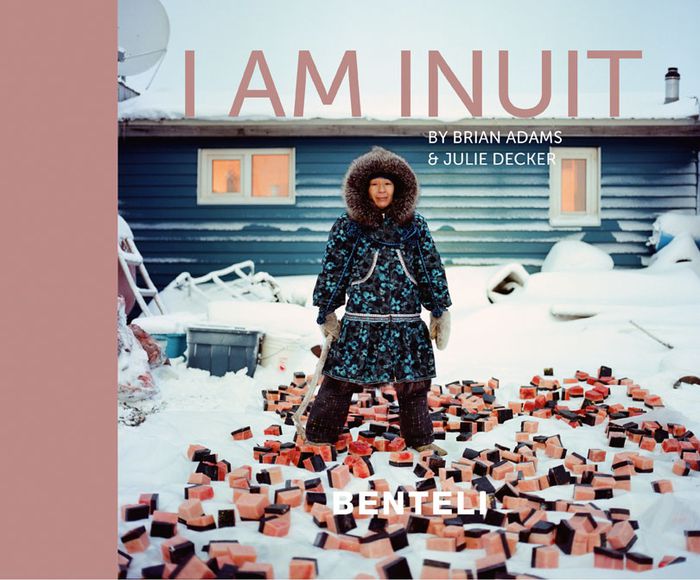
Title:
I am Inuit
I am Inuit
Actions:
Price:
$74.95
(available to order)
Summary:
Inuit indigenous ethnic groups inhabit an area stretching from North-East Siberia across the Bering Strait to Alaska up to Northern Canada all the way to Greenland. Climate change is already causing significant transformations having all kinds of impacts. For around four million people, the Arctic region is neither a curiosity, nor is it untouched wilderness: It is(...)
$74.95
(available to order)
Summary:
Inuit indigenous ethnic groups inhabit an area stretching from North-East Siberia across the Bering Strait to Alaska up to Northern Canada all the way to Greenland. Climate change is already causing significant transformations having all kinds of impacts. For around four million people, the Arctic region is neither a curiosity, nor is it untouched wilderness: It is(...)
Title:
I am Inuit
Actions:
Price:
$74.95
(available to order)
Summary:
Inuit indigenous ethnic groups inhabit an area stretching from North-East Siberia across the Bering Strait to Alaska up to Northern Canada all the way to Greenland. Climate change is already causing significant transformations having all kinds of impacts. For around four million people, the Arctic region is neither a curiosity, nor is it untouched wilderness: It is home. Since 2015, photographer Brian Adams from the Inupiaq ethnic group has been traveling through Alaska, capturing the Inuit and their individual stories and finding out how they spend their individual lives in the 21st century. Visiting around 20 communities, he took portraits of the residents and recorded their narratives, sharing these across social media. This project I am Inuit as well as this book has the aim of promoting understanding, dismantling stereotypes as well as misperceptions and connecting the world with Alaskan Inuits, and the Arctic, through common humanity.
I am Inuit
Actions:
Price:
$74.95
(available to order)
Summary:
Inuit indigenous ethnic groups inhabit an area stretching from North-East Siberia across the Bering Strait to Alaska up to Northern Canada all the way to Greenland. Climate change is already causing significant transformations having all kinds of impacts. For around four million people, the Arctic region is neither a curiosity, nor is it untouched wilderness: It is home. Since 2015, photographer Brian Adams from the Inupiaq ethnic group has been traveling through Alaska, capturing the Inuit and their individual stories and finding out how they spend their individual lives in the 21st century. Visiting around 20 communities, he took portraits of the residents and recorded their narratives, sharing these across social media. This project I am Inuit as well as this book has the aim of promoting understanding, dismantling stereotypes as well as misperceptions and connecting the world with Alaskan Inuits, and the Arctic, through common humanity.
Form:
books
books
Publication:
December 2017
December 2017
Subject:
Photography monographs
Photography monographs
Form:
books
books
Price:
$46.95
(available to order)
Summary:
Luis Barragán’s house, Louis Kahn wrote after visiting it, is a place that “could have been built a hundred years ago or a hundred years from now.” So, in more ways than one, is The Air is Blue, an exhibition orchestrated in the master's house and studio by Hans Ulrich Obrist and Pedro Reyes, over the course of three years. The ever-growing list of participants comprised(...)
$46.95
(available to order)
Summary:
Luis Barragán’s house, Louis Kahn wrote after visiting it, is a place that “could have been built a hundred years ago or a hundred years from now.” So, in more ways than one, is The Air is Blue, an exhibition orchestrated in the master's house and studio by Hans Ulrich Obrist and Pedro Reyes, over the course of three years. The ever-growing list of participants comprised(...)
Title:
The air is blue: insights on art and architecture. Luis Barragan revisited
Actions:
Price:
$46.95
(available to order)
Summary:
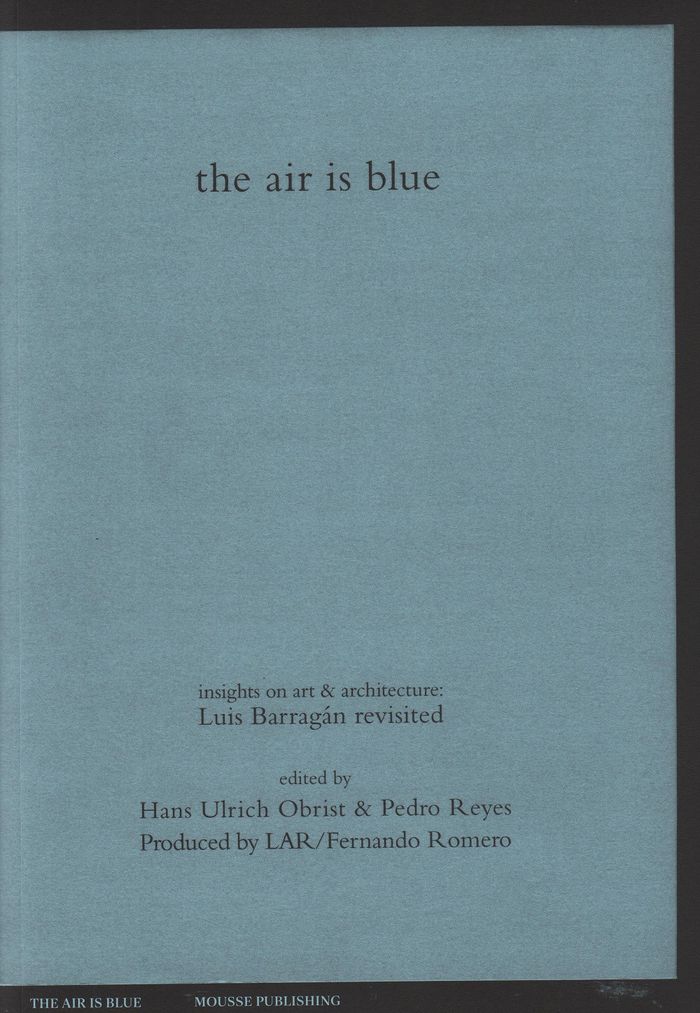
Luis Barragán’s house, Louis Kahn wrote after visiting it, is a place that “could have been built a hundred years ago or a hundred years from now.” So, in more ways than one, is The Air is Blue, an exhibition orchestrated in the master's house and studio by Hans Ulrich Obrist and Pedro Reyes, over the course of three years. The ever-growing list of participants comprised at the end forty-seven artists and contributors, including Francis Alÿs, Daniel Buren, Gilbert & George, Dominique Gonzales-Foerster, Joseph Grigely, Rem Koolhaas, Lygia Pape, Anri Sala, Ettore Sottsass, Rikrit Tiravanija, and Niele Toroni. Their interventions collided visions and conversations about poetry, urbanism, music, sexuality, art, and architecture. A catalogue was published in 2006, but never circulated. After ten years, this reprint consists on an integral black-and-white scan of the original book, with a small appendix of previously unpublished images and a new afterword written by Reyes. All on blue paper.
The air is blue: insights on art and architecture. Luis Barragan revisited
Actions:
Price:
$46.95
(available to order)
Summary:
Luis Barragán’s house, Louis Kahn wrote after visiting it, is a place that “could have been built a hundred years ago or a hundred years from now.” So, in more ways than one, is The Air is Blue, an exhibition orchestrated in the master's house and studio by Hans Ulrich Obrist and Pedro Reyes, over the course of three years. The ever-growing list of participants comprised at the end forty-seven artists and contributors, including Francis Alÿs, Daniel Buren, Gilbert & George, Dominique Gonzales-Foerster, Joseph Grigely, Rem Koolhaas, Lygia Pape, Anri Sala, Ettore Sottsass, Rikrit Tiravanija, and Niele Toroni. Their interventions collided visions and conversations about poetry, urbanism, music, sexuality, art, and architecture. A catalogue was published in 2006, but never circulated. After ten years, this reprint consists on an integral black-and-white scan of the original book, with a small appendix of previously unpublished images and a new afterword written by Reyes. All on blue paper.
Form:
books
books
Publication:
April 2017
April 2017
Subject:
Architecture Monographs
Architecture Monographs
Form:
books
books
Actions:
Price:
$16.95
(available to order)
Summary:
Mary Heilmann is one of the most important abstract painters of her generation. Her distinctively fluid, humorous, and bright canvases combine the modes of Abstract Expressionism with a vibrant Pop sensibility. Heilmannn's 1979 painting in hot pink and black, evocatively titled Save the Last Dance for Me, marked a shift in the artist's perspective. Heilmann describes it:(...)
$16.95
(available to order)
Summary:
Mary Heilmann is one of the most important abstract painters of her generation. Her distinctively fluid, humorous, and bright canvases combine the modes of Abstract Expressionism with a vibrant Pop sensibility. Heilmannn's 1979 painting in hot pink and black, evocatively titled Save the Last Dance for Me, marked a shift in the artist's perspective. Heilmann describes it:(...)
Title:
Mary Heilmann: save the last dance for me
Actions:
Price:
$16.95
(available to order)
Summary:
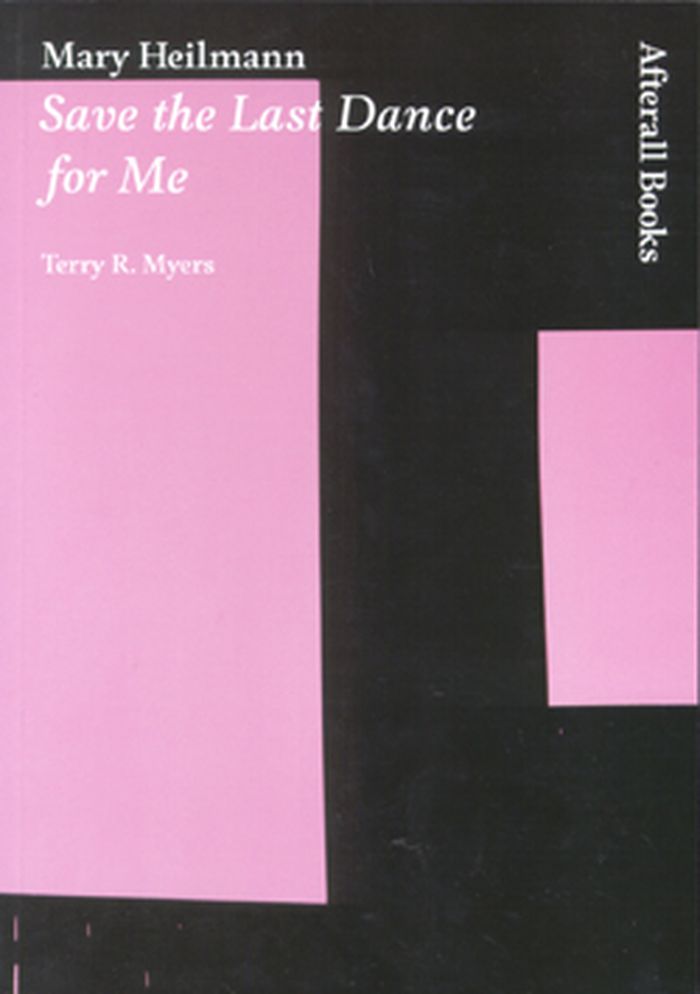
Mary Heilmann is one of the most important abstract painters of her generation. Her distinctively fluid, humorous, and bright canvases combine the modes of Abstract Expressionism with a vibrant Pop sensibility. Heilmannn's 1979 painting in hot pink and black, evocatively titled Save the Last Dance for Me, marked a shift in the artist's perspective. Heilmann describes it: "Now the work came from a different place. Instead of working out of modernist non-image formalism, I began to see that the choices in the work depended more on content for their meaning." This beautifully illustrated study of Save the Last Dance for Me explores the development of Heilmann's work, and the way it continues to engage us—psychologically, sensually, and socially. Terry R. Myers is a lecturer, critic, and independent curator based in Los Angeles, Visiting Lecturer at the School of the Art Institute of Chicago, and Adjunct Associate Professor at Art Center College of Design in Pasadena.
Mary Heilmann: save the last dance for me
Actions:
Price:
$16.95
(available to order)
Summary:
Mary Heilmann is one of the most important abstract painters of her generation. Her distinctively fluid, humorous, and bright canvases combine the modes of Abstract Expressionism with a vibrant Pop sensibility. Heilmannn's 1979 painting in hot pink and black, evocatively titled Save the Last Dance for Me, marked a shift in the artist's perspective. Heilmann describes it: "Now the work came from a different place. Instead of working out of modernist non-image formalism, I began to see that the choices in the work depended more on content for their meaning." This beautifully illustrated study of Save the Last Dance for Me explores the development of Heilmann's work, and the way it continues to engage us—psychologically, sensually, and socially. Terry R. Myers is a lecturer, critic, and independent curator based in Los Angeles, Visiting Lecturer at the School of the Art Institute of Chicago, and Adjunct Associate Professor at Art Center College of Design in Pasadena.
Form:
books
books
Publication:
January 1900, London
January 1900, London
Subject:
Art Theory
Art Theory
Form:
books
books
Actions:
Price:
$60.00
(available to order)
Summary:
This book represents the fruits of a year long forum carried out in the Delft School of Design (Faculty of Architecture, University of Technology Delft). The papers in this collection are gathered from renowned visiting scholars, faculty members, and doctoral candidates who contributed to workshops, seminars and lectures. The essays contained in this volume contribute to(...)
$60.00
(available to order)
Summary:
This book represents the fruits of a year long forum carried out in the Delft School of Design (Faculty of Architecture, University of Technology Delft). The papers in this collection are gathered from renowned visiting scholars, faculty members, and doctoral candidates who contributed to workshops, seminars and lectures. The essays contained in this volume contribute to(...)
Title:
De-/signing the urban : techno-genesis and the urban image
Actions:
Price:
$60.00
(available to order)
Summary:
This book represents the fruits of a year long forum carried out in the Delft School of Design (Faculty of Architecture, University of Technology Delft). The papers in this collection are gathered from renowned visiting scholars, faculty members, and doctoral candidates who contributed to workshops, seminars and lectures. The essays contained in this volume contribute to matters which have come to increasingly shift our understanding of architecture and urbanism. The authors offer insight on urban processes and the aesthetic challenge for contemporary design in relation to image, technology and life sciences. Contributions include discussion on : the structure of the network city in terms of temporal manipulations; the virtual emergence and resilience of contemporary urban place in the context of Beijing; the practice of the 'production of space' is detailed with a study of Nowa Huta, Poland, a post communist city and a phenomenological account of habitat and the urban body is presented in relation to Bogotá.
De-/signing the urban : techno-genesis and the urban image
Actions:
Price:
$60.00
(available to order)
Summary:
This book represents the fruits of a year long forum carried out in the Delft School of Design (Faculty of Architecture, University of Technology Delft). The papers in this collection are gathered from renowned visiting scholars, faculty members, and doctoral candidates who contributed to workshops, seminars and lectures. The essays contained in this volume contribute to matters which have come to increasingly shift our understanding of architecture and urbanism. The authors offer insight on urban processes and the aesthetic challenge for contemporary design in relation to image, technology and life sciences. Contributions include discussion on : the structure of the network city in terms of temporal manipulations; the virtual emergence and resilience of contemporary urban place in the context of Beijing; the practice of the 'production of space' is detailed with a study of Nowa Huta, Poland, a post communist city and a phenomenological account of habitat and the urban body is presented in relation to Bogotá.
Form:
books
books
Publication:
December 2006, Rotterdam
December 2006, Rotterdam
Subject:
Urban Theory
Urban Theory
Form:
books
books
Actions:
Price:
$16.95
(available to order)
Summary:
Becoming Water takes the reader on a tour of Canada’s glaciers, describing the stories they tell and educating the reader about how glaciers came to be, how they work and what their future holds in our warming world. By visiting Canada’s high and low Arctic and the mountain West, the reader will learn how varied and complex our glaciers really are, how they are measured(...)
$16.95
(available to order)
Summary:
Becoming Water takes the reader on a tour of Canada’s glaciers, describing the stories they tell and educating the reader about how glaciers came to be, how they work and what their future holds in our warming world. By visiting Canada’s high and low Arctic and the mountain West, the reader will learn how varied and complex our glaciers really are, how they are measured(...)
Title:
Becoming water: glaciers in a warming world
Actions:
Price:
$16.95
(available to order)
Summary:
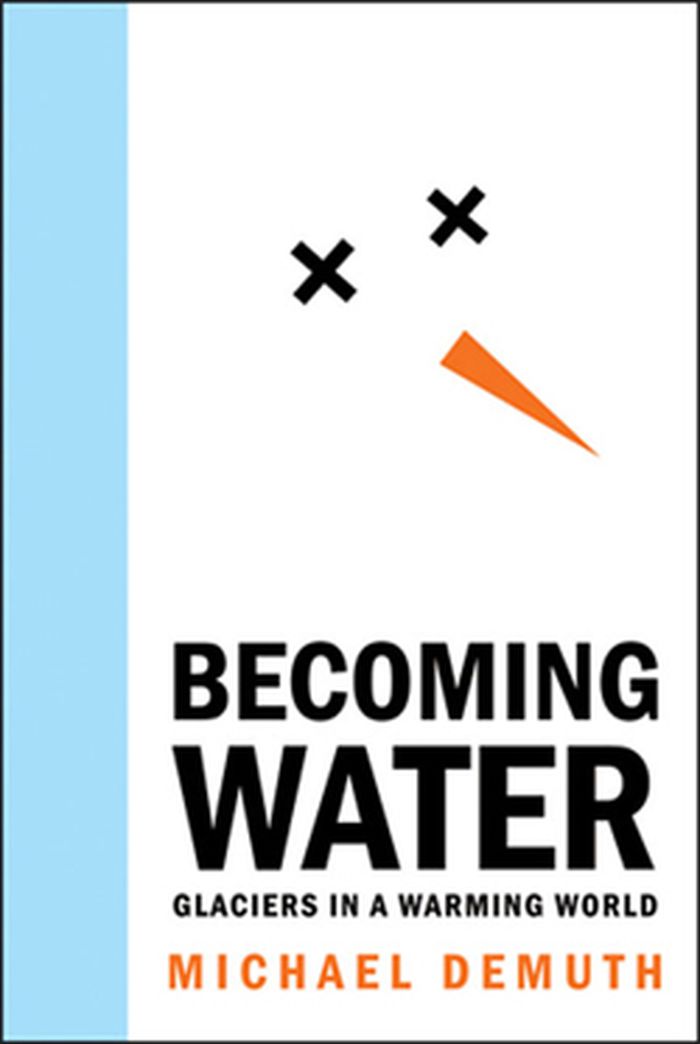
Becoming Water takes the reader on a tour of Canada’s glaciers, describing the stories they tell and educating the reader about how glaciers came to be, how they work and what their future holds in our warming world. By visiting Canada’s high and low Arctic and the mountain West, the reader will learn how varied and complex our glaciers really are, how they are measured and how they figure into the national and global story of inevitable change. The reader will learn to think like a scientist, in particular how to look at climate-related data that contains cycles, trends and shifts, and then ponder what questions to ask in the face of our dramatically changing environment. This book encourages Canadians to explore upstream from ourselves, learning about our origins and how climate change and encroaching human settlement are drastically affecting our glaciers and therefore the natural and human landscapes that lie below—and are dependent upon—them.
Becoming water: glaciers in a warming world
Actions:
Price:
$16.95
(available to order)
Summary:
Becoming Water takes the reader on a tour of Canada’s glaciers, describing the stories they tell and educating the reader about how glaciers came to be, how they work and what their future holds in our warming world. By visiting Canada’s high and low Arctic and the mountain West, the reader will learn how varied and complex our glaciers really are, how they are measured and how they figure into the national and global story of inevitable change. The reader will learn to think like a scientist, in particular how to look at climate-related data that contains cycles, trends and shifts, and then ponder what questions to ask in the face of our dramatically changing environment. This book encourages Canadians to explore upstream from ourselves, learning about our origins and how climate change and encroaching human settlement are drastically affecting our glaciers and therefore the natural and human landscapes that lie below—and are dependent upon—them.
Form:
books
books
Publication:
February 2016
February 2016
Subject:
Architecture in Canada
Architecture in Canada
Form:
books
books
Price:
$64.95
(available in store)
Summary:
How did a small art college in Nova Scotia become the epicenter of art education - and to a large extent of the postmimimalist and conceptual art world itself - in the 1960s and 1970s ? Like the unorthodox experiments and rich human resources that made Black Mountain College an improbable center of art a generation earlier, the activities and artists at Nova Scotia(...)
$64.95
(available in store)
Summary:
How did a small art college in Nova Scotia become the epicenter of art education - and to a large extent of the postmimimalist and conceptual art world itself - in the 1960s and 1970s ? Like the unorthodox experiments and rich human resources that made Black Mountain College an improbable center of art a generation earlier, the activities and artists at Nova Scotia(...)
Publication:
April 2012
April 2012
Title:
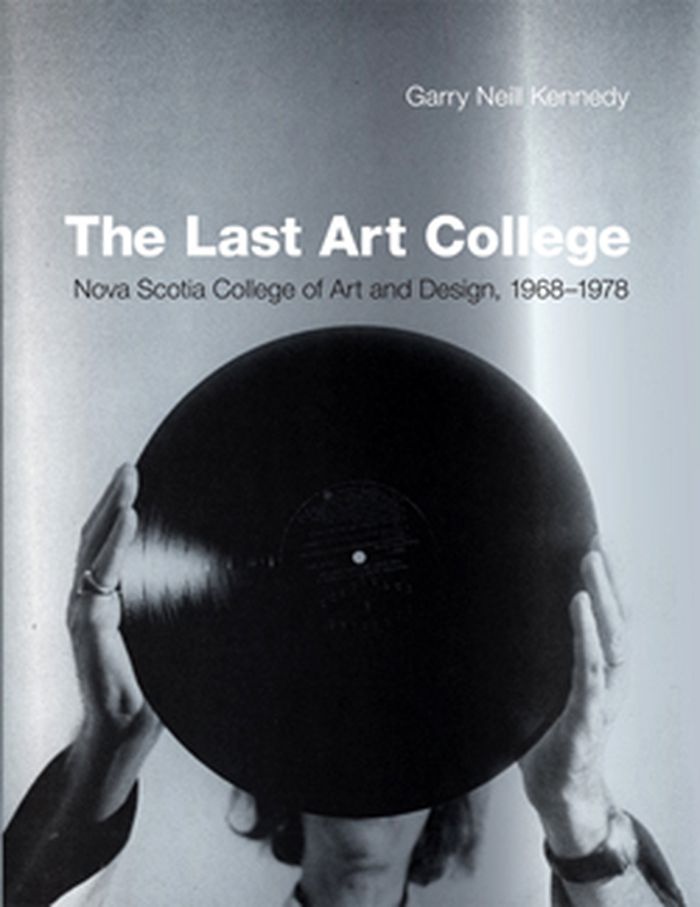
The last art college: Nova Scotia College of Art and Design, 1968-1978
Actions:
Price:
$64.95
(available in store)
Summary:
How did a small art college in Nova Scotia become the epicenter of art education - and to a large extent of the postmimimalist and conceptual art world itself - in the 1960s and 1970s ? Like the unorthodox experiments and rich human resources that made Black Mountain College an improbable center of art a generation earlier, the activities and artists at Nova Scotia College of Art and Design (aka NSCAD) in the 1970s redefined the means and methods of art education and the shape of art far beyond Halifax. A partial list of visiting artists and faculty members at NSCAD would include: Joseph Beuys, Sol LeWitt, Gerhard Richter, Dan Graham, Lucy Lippard, John Baldessari, Jenny Holzer and Eric Fischl. Kasper Koenig and Benjamin Buchloh ran the NSCAD Press, publishing books by Hollis Frampton, Lawrence Weiner, Donald Judd, Daniel Buren, Michael Asher, Martha Rosler, and Michael Snow, among others. The Lithography Workshop produced early works by many of today's masters, including John Baldessari, Vito Acconci, and Claes Oldenburg.
The last art college: Nova Scotia College of Art and Design, 1968-1978
Actions:
Price:
$64.95
(available in store)
Summary:
How did a small art college in Nova Scotia become the epicenter of art education - and to a large extent of the postmimimalist and conceptual art world itself - in the 1960s and 1970s ? Like the unorthodox experiments and rich human resources that made Black Mountain College an improbable center of art a generation earlier, the activities and artists at Nova Scotia College of Art and Design (aka NSCAD) in the 1970s redefined the means and methods of art education and the shape of art far beyond Halifax. A partial list of visiting artists and faculty members at NSCAD would include: Joseph Beuys, Sol LeWitt, Gerhard Richter, Dan Graham, Lucy Lippard, John Baldessari, Jenny Holzer and Eric Fischl. Kasper Koenig and Benjamin Buchloh ran the NSCAD Press, publishing books by Hollis Frampton, Lawrence Weiner, Donald Judd, Daniel Buren, Michael Asher, Martha Rosler, and Michael Snow, among others. The Lithography Workshop produced early works by many of today's masters, including John Baldessari, Vito Acconci, and Claes Oldenburg.
Form:
books
books
Publication:
April 2012
April 2012


