


6372 Results
Form:
books
books
Title:
The transdisciplinary studio
The transdisciplinary studio
Actions:
Price:
$46.95
(available to order)
Summary:
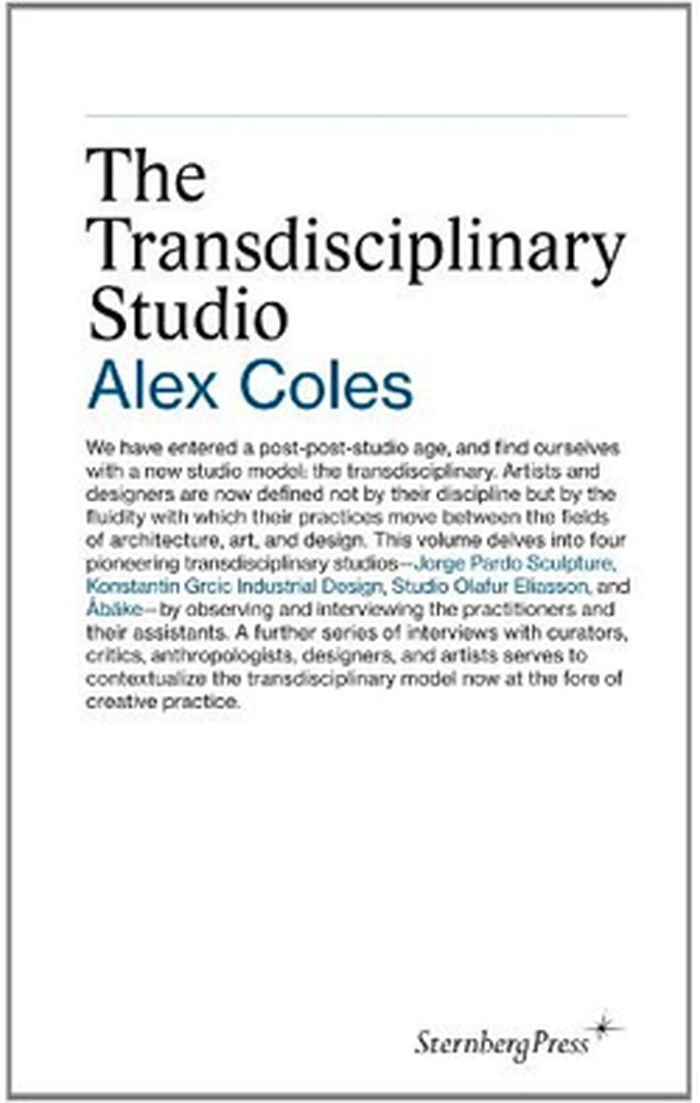
We have entered a post-post-studio age, and find ourselves with a new studio model: the transdisciplinary. Artists and designers are now defined not by their discipline but by the fluidity with which their practices move between the fields of architecture, art, and design. This volume delves into four pioneering transdisciplinary studios — Jorge Pardo Sculpture,(...)
Title:
The transdisciplinary studio
Actions:
Price:
$46.95
(available to order)
Summary:
We have entered a post-post-studio age, and find ourselves with a new studio model: the transdisciplinary. Artists and designers are now defined not by their discipline but by the fluidity with which their practices move between the fields of architecture, art, and design. This volume delves into four pioneering transdisciplinary studios — Jorge Pardo Sculpture, Konstantin Grcic Industrial Design, Studio Olafur Eliasson, and Åbäke — by observing and interviewing the practitioners and their assistants. A further series of interviews with curators, critics, anthropologists, designers, and artists serves to contextualize the transdisciplinary model now at the fore of creative practice. Including interviews with Jorge Pardo, Konstantin Grcic, Olafur Eliasson, and Åbäke; and Vito Acconci, Gui Bonsiepe, James Clifford, Dexter Sinister, Martino Gamper, Ryan Gander, Caroline Jones, Ronald Jones, Maria Lind, Alessandro Mendini, Rick Poynor, and Andrea Zittel. The Transdisciplinary Studio is the first volume of a series of books by Alex Coles on the expanded studio model and contemporary praxis.
Form:
books
books
Publication:
April 2012
April 2012
Subject:
Art Theory
Art Theory
Form:
books
books
Actions:
Price:
$44.00
(available to order)
Summary:
The production of architecture, both intellectually and physically, is on the brink of a fundamental change. Computational design enables architects to integrate ever more multifaceted and complex design information, while the industrial logics of conventional building construction are eroding rapidly in a context of increasingly ubiquitous computer-controlled(...)
Title:
AD 82:02 : material computation
Actions:
Price:
$44.00
(available to order)
Summary:
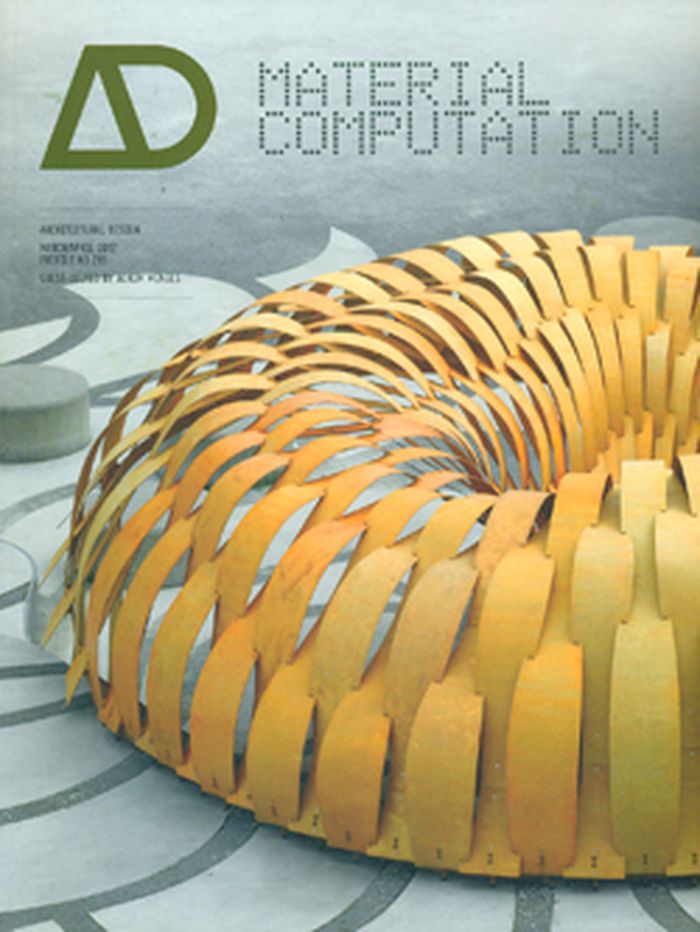
The production of architecture, both intellectually and physically, is on the brink of a fundamental change. Computational design enables architects to integrate ever more multifaceted and complex design information, while the industrial logics of conventional building construction are eroding rapidly in a context of increasingly ubiquitous computer-controlled manufacturing and fabrication. A novel convergence of computation and materialisation is about to emerge, bringing the virtual process of design and the physical realisation of architecture much closer together, more so than ever before. Computation provides a powerful agency for both informing the design process through specific material behaviour and characteristics, and in turn informing the organisation of matter and material across multiple scales based on feedback from the environment. In order to effectively introduce and outline the enabling power of computational design along with its inherent relationship to a biological paradigm, this publication looks at formation and materialisation in nature, integrative computational design, and engineering and manufacturing integration.
Form:
books
books
Publication:
May 2012
May 2012
Subject:
Magazines
Magazines
Form:
books
books
Actions:
Price:
$63.00
(available to order)
Summary:
Despite its importance to place-making, urban planning, and the environment, landscape design has often played an inferior role to architecture. Typically, as little as three percent of a project's construction budget is allocated to the space that surrounds a building, but that is changing. A greater desire to blend buildings into their contexts, ecological(...)
Title:
Digital landscape architecture now
Actions:
Price:
$63.00
(available to order)
Summary:
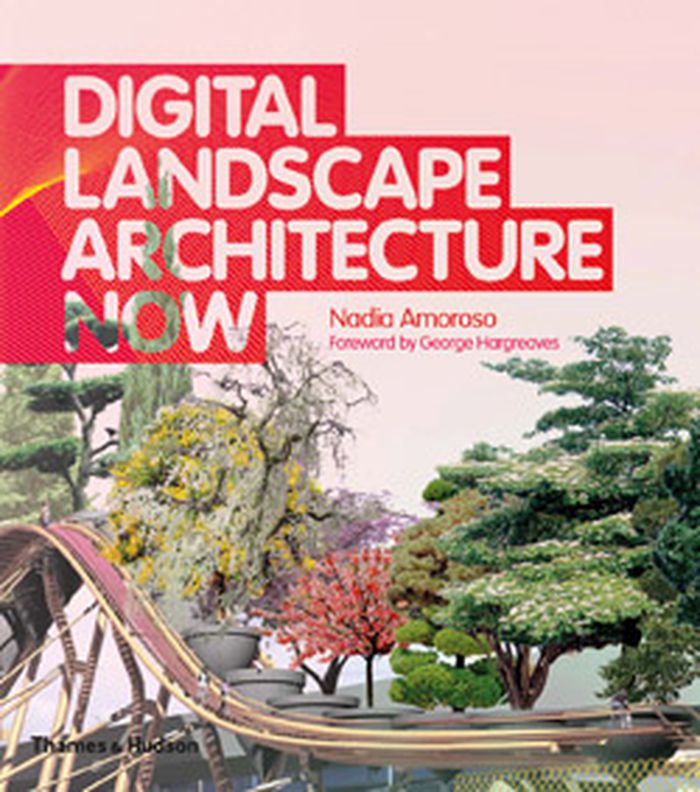
Despite its importance to place-making, urban planning, and the environment, landscape design has often played an inferior role to architecture. Typically, as little as three percent of a project's construction budget is allocated to the space that surrounds a building, but that is changing. A greater desire to blend buildings into their contexts, ecological considerations, legislation, and new definitions of "scaping" have opened up exciting possibilities. Coinciding with heightened social sensitivities, advances in material application, data-driven mapping techniques, and digital technologies and construction methods, landscape designers are producing a new wave of work around the world, reshaping gardens, public squares, leisure areas, and industrial parks. Among the practices included in this survey are designers who have bridged modernism with newer forms (Emergent, West 8); architects whose work fuses with the earth's contours (Zaha Hadid, MVRDV); and a generation of designers only just emerging from universities. Nadia Amoroso is Professor of Landscape Architecture at the University of Toronto and has lectured at Harvard and Cornell universities.
Form:
books
books
Publication:
October 2012
October 2012
Form:
books
books
Title:
Ezra Stoller, photographer
Ezra Stoller, photographer
Actions:
Price:
$69.95
(available to order)
Summary:
Ezra Stoller's iconic photographs of 20th-century architectural masterpieces, such as Frank Lloyd Wright's Fallingwater and Mies van der Rohe's Seagram Building, are often cited in aiding the rise of modernism in America. Stoller (1915–2004) elevated architectural photography to an art form, capturing the mood of numerous buildings in their best light. Living and(...)
Title:
Ezra Stoller, photographer
Actions:
Price:
$69.95
(available to order)
Summary:
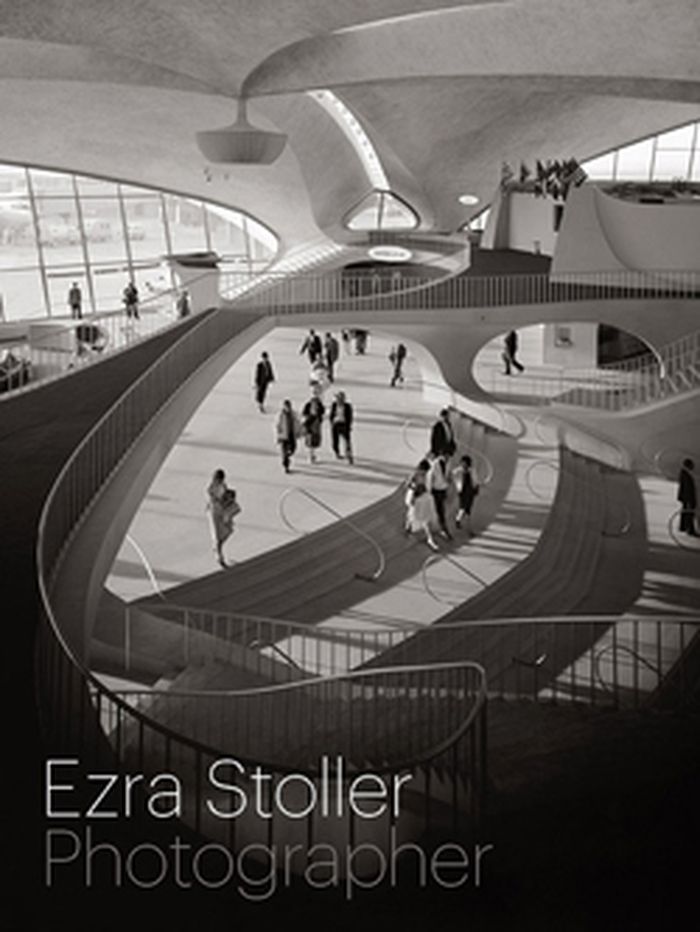
Ezra Stoller's iconic photographs of 20th-century architectural masterpieces, such as Frank Lloyd Wright's Fallingwater and Mies van der Rohe's Seagram Building, are often cited in aiding the rise of modernism in America. Stoller (1915–2004) elevated architectural photography to an art form, capturing the mood of numerous buildings in their best light. Living and working in New York from the early 1940s to the mid-1970s, Stoller photographed buildings by such architects as Alvar Aalto, Eero Saarinen, Marcel Breuer, Paul Rudolph, and Louis I. Kahn. His striking images earned him the admiration of critics and contemporaries, but few people are aware of the stunning breadth of his oeuvre, which also included domestic and industrial spaces and important editorial depictions of American labor in the 1950s and 1960s. Ezra Stoller, Photographer, a survey of Stoller's artistic accomplishments, examines the photographer's full range with a fresh eye and unprecedented scope, offering a unique commentary on postwar America's changing landscape.
Form:
books
books
Publication:
November 2012
November 2012
Subject:
Photography monographs
Photography monographs
Form:
books
books

Actions:
Price:
$98.00
(available to order)
Summary:
When, in 1909, the color photography pioneer Sergei Mikhailovich Prokudin-Gorskii began his journey to capture all of Russia in color images on behalf of the czar, the scope and importance of his undertaking were clear. Since 1905 he had planned to systematically document the empire with the color photography technique he had developed in order to give all Russians,(...)
Subject:
Photography monographs
Photography monographs
Publication:
September 2012
September 2012
Title:
Nostalgia : the Russian empire of Czar Nicholas II captured in color photographs by Sergei Mikhailovich Prokudin-Gorskii
Actions:
Price:
$98.00
(available to order)
Summary:
When, in 1909, the color photography pioneer Sergei Mikhailovich Prokudin-Gorskii began his journey to capture all of Russia in color images on behalf of the czar, the scope and importance of his undertaking were clear. Since 1905 he had planned to systematically document the empire with the color photography technique he had developed in order to give all Russians, particularly schoolchildren, a deeper connection to their country. His color images were not only meant to document the diverse citizens, ethnicities, settlements, folklore, and landscapes of a vast empire, but to create nothing less than a common identity for its populace. The subjects of Prokudin-Gorskii's landscape photography range from the medieval churches and monasteries of old Russia to the railroads and factories of an emerging industrial power. The United States Library of Congress purchased his work in 1948, but it was only recently laboriously restored. Nostalgia showcases these restored masterpieces of early color photography that are a milestone in Russia's cultural history.
Form:
books
books
Publication:
September 2012
September 2012
Subject:
Photography monographs
Photography monographs
Form:
books
books
Actions:
Price:
$49.95
(available to order)
Summary:
Detroit 1968 was first published in 1972 under the title New American People, and was the subject of Enrico Natali's 1969 solo exhibition at the Art Institute of Chicago. In his introduction to the 1972 edition, Hugh Edwards, former Curator of Photography at the Art Institute of Chicago, wrote: "All the photographs in the present collection were taken in 1967-1970 in(...)
Title:
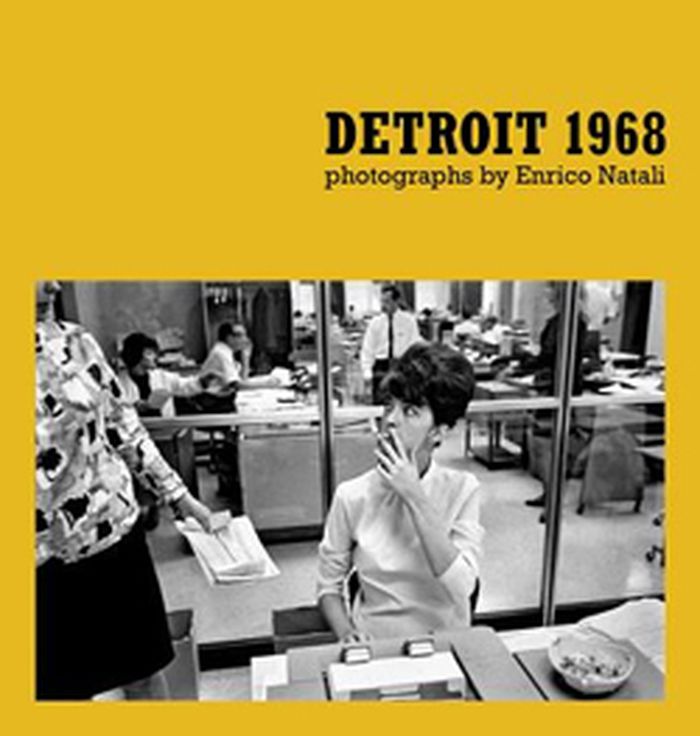
Detroit 1968 : photographs by Enrico Natali
Actions:
Price:
$49.95
(available to order)
Summary:
Detroit 1968 was first published in 1972 under the title New American People, and was the subject of Enrico Natali's 1969 solo exhibition at the Art Institute of Chicago. In his introduction to the 1972 edition, Hugh Edwards, former Curator of Photography at the Art Institute of Chicago, wrote: "All the photographs in the present collection were taken in 1967-1970 in Detroit, which in no way restricts their presentation as a brief of how Americans look and live today. These scenes and incidents might have occurred anywhere in the United States in this time when regional characteristics are disappearing ... this is a view of a situation and condition, not a localization." Forty years later, we can now also appreciate the specificity of Natali's subject, as this body of work presents an insightful exploration of Detroit when it was on the cusp of losing half of its inhabitants, along with its status as America's industrial capital.
Form:
books
books
Publication:
October 2013
October 2013
Subject:
Photography monographs
Photography monographs
Form:
books
books
Price:
$40.00
(available to order)
Summary:
Ugo La Pietra. Disequilibrating Design, the book that accompanies the exhibition of the same name at the Triennale Design Museum, is the first major monograph on unorthodox designer Ugo La Pietra. A humanist and eclectic designer, an architect by training, artist, filmmaker (and actor), editor, musician, cartoonist and teacher, La Pietra successfully identified new(...)
Title:
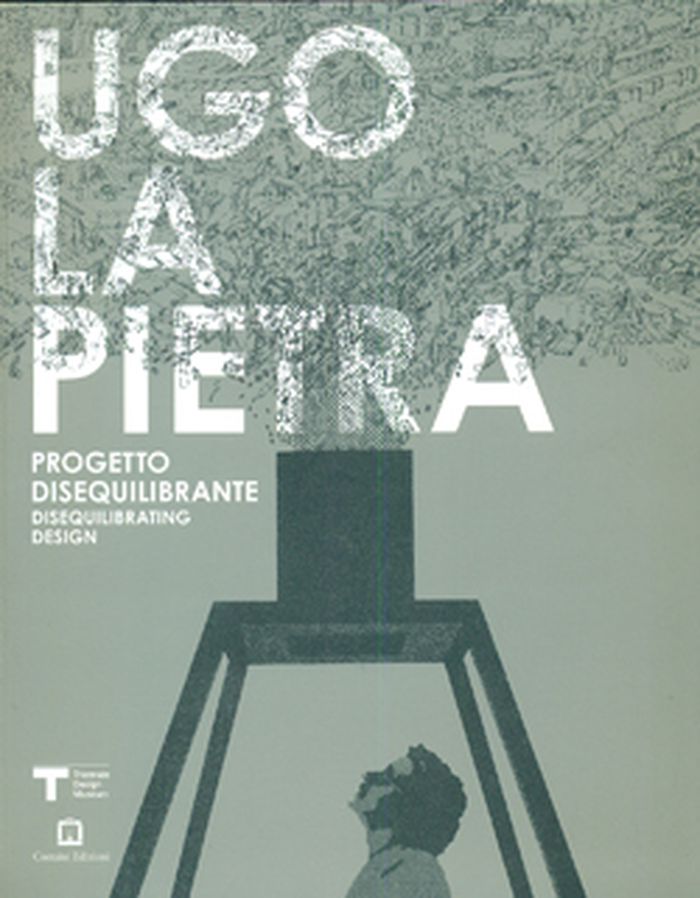
Ugo La Pietra: progetto disequilibrante / Disequilibrating design
Actions:
Price:
$40.00
(available to order)
Summary:
Ugo La Pietra. Disequilibrating Design, the book that accompanies the exhibition of the same name at the Triennale Design Museum, is the first major monograph on unorthodox designer Ugo La Pietra. A humanist and eclectic designer, an architect by training, artist, filmmaker (and actor), editor, musician, cartoonist and teacher, La Pietra successfully identified new relationships between design and crafts, the culture of ‘making’ and design. Theoretician of the “genius loci”, he rediscovered the value of craftsmanship at a time when almost everyone was celebrating the “magnificent progress” brought by industrial mass production. Often using humour and even sarcasm, La Pietra places at the centre of his work the relationship between man and environment. With the eye of an anthropologist he reflects on the transformation of cities and proposes ways of making them more livable and sustainable, anticipating the times when these concepts would become central not only to the world of design.
Form:
books
books
Publication:
December 2014
December 2014
Subject:
Design Monographs
Design Monographs
Form:
books
books
Title:
Lynn Saville: Dark City
Lynn Saville: Dark City
Actions:
Price:
$60.00
(available to order)
Summary:
Arthur Danto has described Lynn Saville as New York's answer to Eugène Atget, because she "prowls her city at the other end of the day, picking up pieces of the past in the present, just before it is swallowed by shadows." For her new monograph, Dark City, Saville focused on vacant spaces--shuttered storefronts, back alleys, blank billboards, empty lots--with the(...)
Title:
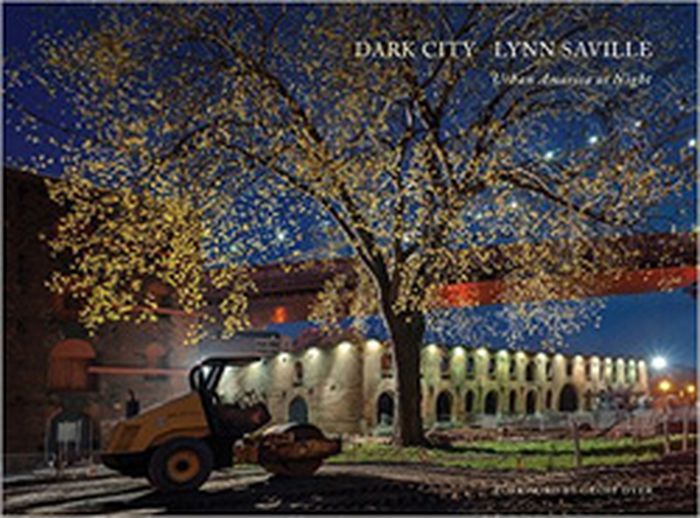
Lynn Saville: Dark City
Actions:
Price:
$60.00
(available to order)
Summary:
Arthur Danto has described Lynn Saville as New York's answer to Eugène Atget, because she "prowls her city at the other end of the day, picking up pieces of the past in the present, just before it is swallowed by shadows." For her new monograph, Dark City, Saville focused on vacant spaces--shuttered storefronts, back alleys, blank billboards, empty lots--with the occasional ghostly figure hurrying through the frame. Working at twilight and dawn with a medium-format camera (setting up her tripod quickly so as not to attract police attention), Saville captured busy city streets depopulated and emptied out, industrial spaces and storefronts alike gone quiet. Color and light come from the sky, streetlights, neon signs or surveillance lighting. Seemingly otherworldly, the images in Dark City also tell a more pragmatic story of the changing urban landscape--vacancies caused by financial crisis, and construction projects spurred on by economic recovery, gentrification and development.
Form:
books
books
Publication:
June 2015
June 2015
Subject:
Photography monographs
Photography monographs
Form:
books
books
Actions:
Price:
$37.95
(available to order)
Summary:
Since 1955, when they were first standardized, shipping containers have had a radical effect on our physical reality. Seven million of these steel containers are now moving around the world, and their measurements have defined the design of ships, railroad cars, trucks, and cargo airplanes, as well as the landscape of ports, airports, and trucking yards. And that doesn't(...)
Subject:
Architecture Monographs
Architecture Monographs
Publication:
June 2003, New York
June 2003, New York
Title:
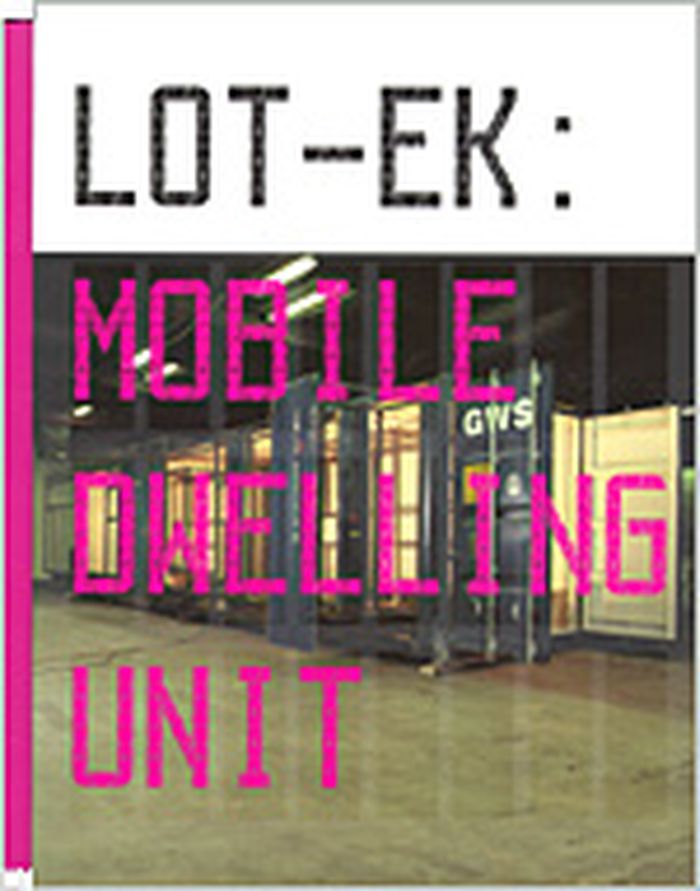
Lot-ek : mobile dwelling unit
Actions:
Price:
$37.95
(available to order)
Summary:
Since 1955, when they were first standardized, shipping containers have had a radical effect on our physical reality. Seven million of these steel containers are now moving around the world, and their measurements have defined the design of ships, railroad cars, trucks, and cargo airplanes, as well as the landscape of ports, airports, and trucking yards. And that doesn't even begin to touch on the wider and much more invisible system of distribution, of just-in-time-inventory, of information networks in which the container moves. LOT/EK, the New York-based studio with a reputation for creating architecture and environments using industrial objects, here takes on the standard shipping container as medium. The Mobile DwellingUnit (MDU) is "a shipping container transformed into a dwelling that nevertheless retains the attributes of a shipping container, i.e. it remains shippable." It is a "discreet mobile element" that can be moved around the globe, to anywhere with that can receive standard shipping containers. It's full-service interior includes push-out elements with space for sleeping, storage, eating, bathing, and cooking; these elements can be pushed smoothly back into the container when the occupant moves and needs to ship his or her living space along. Consider the MDU a trailer home for travelling between global villages. LOT/EK: Mobile Dwelling Unit, the book, will not only document the MDU concept but will provide greater understanding of the work’s cultural and social context with essays by leading architectural critics, theorists, historians, and practitioners. An interview with the designers by Chris Scoates will illuminate LOT/EK’s process in the creation and development of the MDU as well as their unique approach to architecture. Henry Urbach will place the MDU project in the context of LOT/EK’s larger body of work. Professor Robert Kronenberg, a leading expert on portable architecture, will consider the project within the history of the genre. Aaron Betsky, a leading design critic and Director of NAi, will explore the meaning of the MDU within a larger contemporary cultural and social context of mobility and habitation. A visual essay by Andrew Blauvelt and LOT/EK will explore the territories of the MDU’s inspiration and related themes of nomadic travel and industrial systems of transportation.
Form:
books
books
Publication:
June 2003, New York
June 2003, New York
Subject:
Architecture Monographs
Architecture Monographs
Form:
books
books
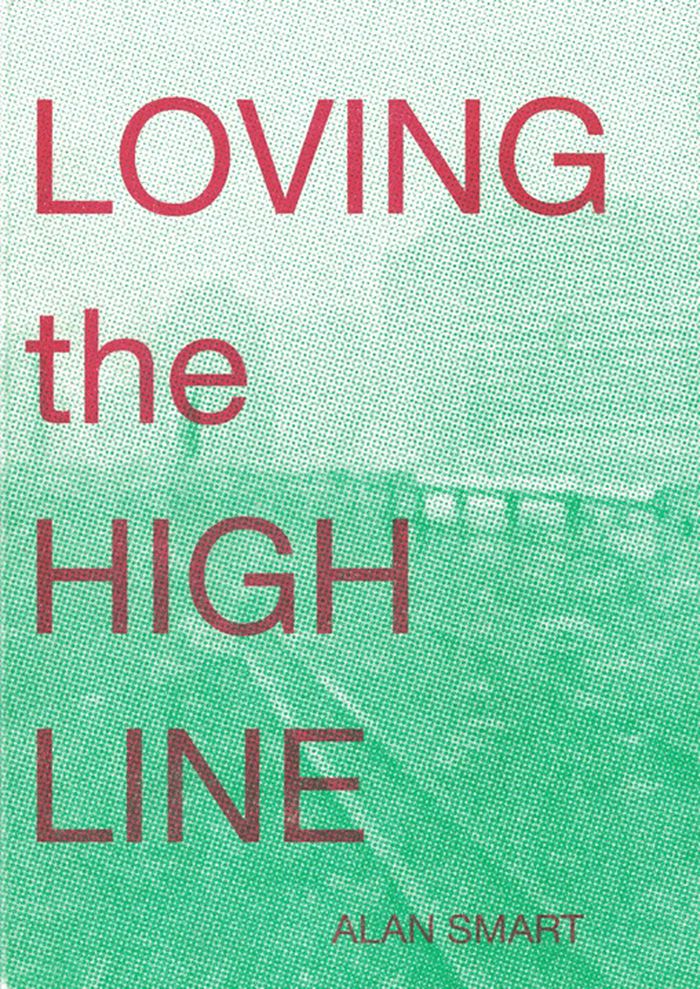
Title:
Loving the High Line
Loving the High Line
Actions:
Price:
$20.00
(available to order)
Summary:
As an elevated rail line, designed to lift freight trains serving the Hudson River docks above street level circulation, The High Line was originally constructed as material infrastructure for an industrial city. It was closed in 1960s and stood abandoned for the next forty years. In this time organic debris accumulated and decayed, and seeds landed on the newly forming(...)
Title:
Loving the High Line
Actions:
Price:
$20.00
(available to order)
Summary:
As an elevated rail line, designed to lift freight trains serving the Hudson River docks above street level circulation, The High Line was originally constructed as material infrastructure for an industrial city. It was closed in 1960s and stood abandoned for the next forty years. In this time organic debris accumulated and decayed, and seeds landed on the newly forming soil creating a meadow on the derelict railbed. This microcosmic biome then also became a heterotopic, other space, in the social ecology of the city as an efflorescence of new art forms and underground subcultures flourished in the evacuated post-industrial spaces of Chelsea. These processes would unfold as New York City was being transformed into a global center in an emerging political-economy defined by the integration of finance capital with media and information industries. In this, marginal spaces of the kind that developed in Chelsea, and the cultures that create them, became important sources of new aesthetic and cultural innovation, that offer an exploitable social ground from which to extract semiotic value. As the Bloomberg administration gave shape to this new regime, a project was initiated to convert the High Line into a publicly accessible, linear park. This would be realized through a convoluted process in which the manifold tensions and contradictions of the postmodern city would be dramatically played out and the disjunctions between ideal image regimes and the reality of the material substrates that support them would be brought to light, if only to be newly obscured. The High Line urban park has been both heralded as a definitive model for new urban development, and denounced as a driver, or at least a morbid symptom, of devastating gentrification, and the destructive financialization of urban space. This text, originally published in 2015 as part of the Deconstructing the High Line anthology, edited by Mark Linder and Brian Rosa, tracks a collection of interconnected historical treads that converge in the reconstruction of the High Line, and situates the project within architectural discourse and practice, and social and material conditions with which it struggles to engage.
Form:
books
books
Publication:
November 2022
November 2022
Subject:
Urban Landscapes
Urban Landscapes


