


6673 Results
Form:
books
books
Title:
Agustín Hernández: Praxis
Agustín Hernández: Praxis
Actions:
Price:
$54.95
(available to order)
Summary:
Born in 1924, Agusti´n Herna´ndez came of age as an architect in Mexico as modernist ideas coalesced with a renewed pride in the country’s past. He was a frontrunner in combining the symbols, myths, and urban planning principles of pre-Columbian civilisations to create imposing architectural monuments that even today retain their avant-garde nature—from the military(...)
$54.95
(available to order)
Summary:
Born in 1924, Agusti´n Herna´ndez came of age as an architect in Mexico as modernist ideas coalesced with a renewed pride in the country’s past. He was a frontrunner in combining the symbols, myths, and urban planning principles of pre-Columbian civilisations to create imposing architectural monuments that even today retain their avant-garde nature—from the military(...)
Title:
Agustín Hernández: Praxis
Actions:
Price:
$54.95
(available to order)
Summary:
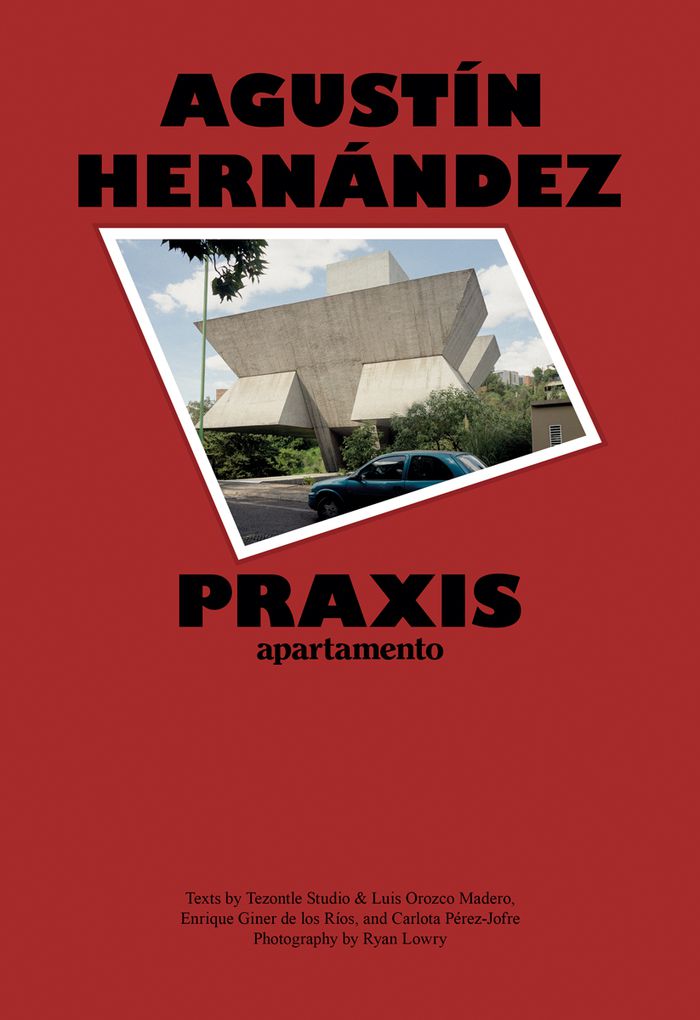
Born in 1924, Agusti´n Herna´ndez came of age as an architect in Mexico as modernist ideas coalesced with a renewed pride in the country’s past. He was a frontrunner in combining the symbols, myths, and urban planning principles of pre-Columbian civilisations to create imposing architectural monuments that even today retain their avant-garde nature—from the military academy he built as a modern-day Mayan ceremonial ground to the remote meditation centre commissioned by his sister, based on the symbolism of the snake, and the studio-home that he built for himself in 1975: Praxis, a geometric treehouse that still towers over the Bosques de las Lomas neighbourhood of Mexico City. Original photography by Ryan Lowry. Texts by Tezontle Studio & Luis Orozco Madero, Carlota Pérez-Jofre, and Enrique Giner de los Ríos.
Agustín Hernández: Praxis
Actions:
Price:
$54.95
(available to order)
Summary:
Born in 1924, Agusti´n Herna´ndez came of age as an architect in Mexico as modernist ideas coalesced with a renewed pride in the country’s past. He was a frontrunner in combining the symbols, myths, and urban planning principles of pre-Columbian civilisations to create imposing architectural monuments that even today retain their avant-garde nature—from the military academy he built as a modern-day Mayan ceremonial ground to the remote meditation centre commissioned by his sister, based on the symbolism of the snake, and the studio-home that he built for himself in 1975: Praxis, a geometric treehouse that still towers over the Bosques de las Lomas neighbourhood of Mexico City. Original photography by Ryan Lowry. Texts by Tezontle Studio & Luis Orozco Madero, Carlota Pérez-Jofre, and Enrique Giner de los Ríos.
Form:
books
books
Publication:
March 2020
March 2020
Subject:
Architecture Monographs
Architecture Monographs
Form:
video
video
Actions:
Price:
$29.99
(available to order)
Summary:
Louise Bourgeois: The Spider, the Mistress and the Tangerine is a mesmerizing cinematic journey inside the world of the modern art legend and feminist icon. As an artist, Louise Bourgeois always worked on her own vigorously inventive and disquieting terms. In 1982, at the age of 71, she became the first woman honored with a major retrospective at The Museum of Modern Art.(...)
$29.99
(available to order)
Summary:
Louise Bourgeois: The Spider, the Mistress and the Tangerine is a mesmerizing cinematic journey inside the world of the modern art legend and feminist icon. As an artist, Louise Bourgeois always worked on her own vigorously inventive and disquieting terms. In 1982, at the age of 71, she became the first woman honored with a major retrospective at The Museum of Modern Art.(...)
Title:
Louise Bourgeois: the spider, the mistress and the tangerine
Actions:
Price:
$29.99
(available to order)
Summary:
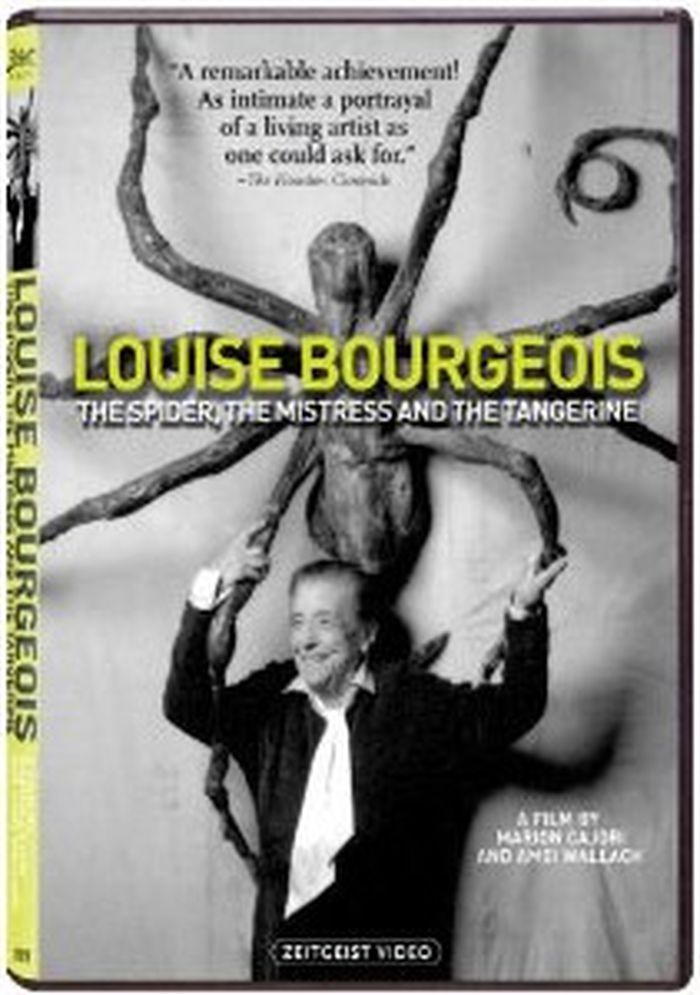
Louise Bourgeois: The Spider, the Mistress and the Tangerine is a mesmerizing cinematic journey inside the world of the modern art legend and feminist icon. As an artist, Louise Bourgeois always worked on her own vigorously inventive and disquieting terms. In 1982, at the age of 71, she became the first woman honored with a major retrospective at The Museum of Modern Art. She went on to create her most powerful and persuasive work--the massive spider sculptures that have since been exhibited all over the world. Filmed with unparalleled access between 1993 and 2007, this documentary delicately sheds light on the ways in which her childhood traumas and memories became embodied in objects and installations. An intimate and human engagement with an artist’s world, this documentary is a comprehensive and dramatic work of creativity and revelation.
Louise Bourgeois: the spider, the mistress and the tangerine
Actions:
Price:
$29.99
(available to order)
Summary:
Louise Bourgeois: The Spider, the Mistress and the Tangerine is a mesmerizing cinematic journey inside the world of the modern art legend and feminist icon. As an artist, Louise Bourgeois always worked on her own vigorously inventive and disquieting terms. In 1982, at the age of 71, she became the first woman honored with a major retrospective at The Museum of Modern Art. She went on to create her most powerful and persuasive work--the massive spider sculptures that have since been exhibited all over the world. Filmed with unparalleled access between 1993 and 2007, this documentary delicately sheds light on the ways in which her childhood traumas and memories became embodied in objects and installations. An intimate and human engagement with an artist’s world, this documentary is a comprehensive and dramatic work of creativity and revelation.
Form:
video
video
Publication:
July 2012
July 2012
Subject:
DVDs
DVDs
Form:
books
books
Actions:
Price:
$47.00
(available to order)
Summary:
During their 40-year career, Bernd and Hilla Becher created their own architectural typology as they photographed buildings in a unique style. Basic Forms represents the culmination of their career. Although the subject matter is unglamorous--mine shafts, blast furnaces, cooling towers, water towers, silos, and gas tanks--the Bechers' passion for their work imbues these(...)
$47.00
(available to order)
Summary:
During their 40-year career, Bernd and Hilla Becher created their own architectural typology as they photographed buildings in a unique style. Basic Forms represents the culmination of their career. Although the subject matter is unglamorous--mine shafts, blast furnaces, cooling towers, water towers, silos, and gas tanks--the Bechers' passion for their work imbues these(...)
Title:
Bernd & Hilla Becher: Basic forms
Actions:
Price:
$47.00
(available to order)
Summary:
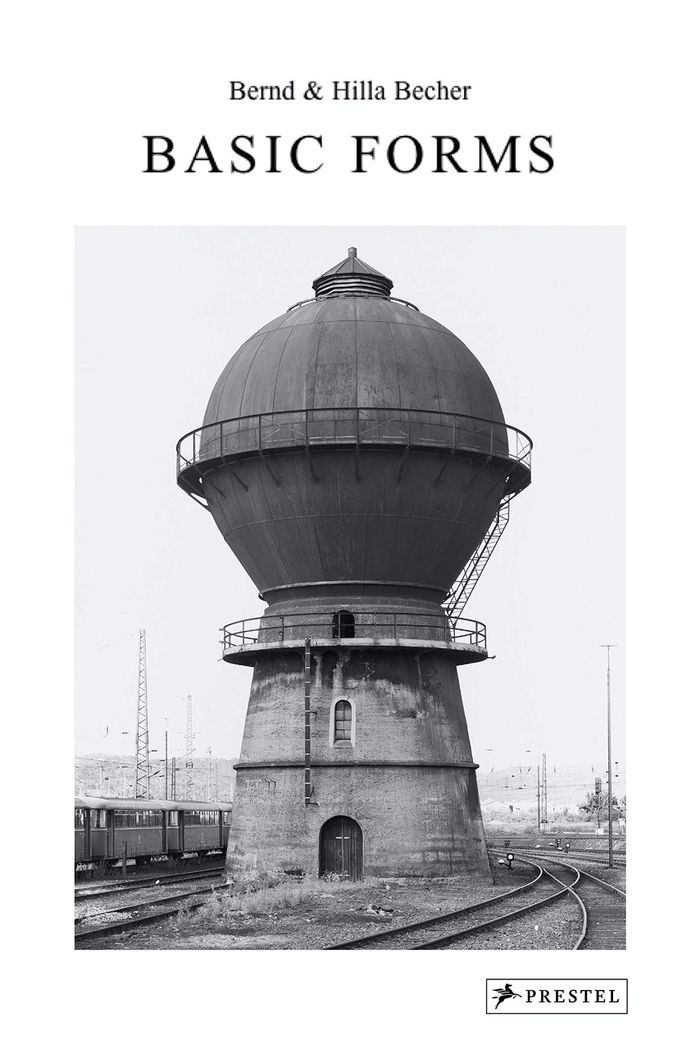
During their 40-year career, Bernd and Hilla Becher created their own architectural typology as they photographed buildings in a unique style. Basic Forms represents the culmination of their career. Although the subject matter is unglamorous--mine shafts, blast furnaces, cooling towers, water towers, silos, and gas tanks--the Bechers' passion for their work imbues these photographs with beauty and solemnity. The Bechers restricted the conditions of each photograph--taking them early in the morning, on overcast days, so as to eliminate shadow and distribute light evenly. Each image is centered and frontally framed, its parallel lines set on an even plane. There are no human figures, nor are there birds in the sky. The result is a treasury of precisely functional architectural forms, a sublime example of conceptual artistic practices, and a series of "perfect sculptures of a bygone industrial age."
Bernd & Hilla Becher: Basic forms
Actions:
Price:
$47.00
(available to order)
Summary:
During their 40-year career, Bernd and Hilla Becher created their own architectural typology as they photographed buildings in a unique style. Basic Forms represents the culmination of their career. Although the subject matter is unglamorous--mine shafts, blast furnaces, cooling towers, water towers, silos, and gas tanks--the Bechers' passion for their work imbues these photographs with beauty and solemnity. The Bechers restricted the conditions of each photograph--taking them early in the morning, on overcast days, so as to eliminate shadow and distribute light evenly. Each image is centered and frontally framed, its parallel lines set on an even plane. There are no human figures, nor are there birds in the sky. The result is a treasury of precisely functional architectural forms, a sublime example of conceptual artistic practices, and a series of "perfect sculptures of a bygone industrial age."
Form:
books
books
Publication:
October 2020
October 2020
Subject:
Photography monographs
Photography monographs
Form:
books
books

Actions:
Price:
$42.00
(available to order)
Summary:
Profit is the original genius of homo sapiens, who learned how to unleash the energy stored in wood, exploit the land, and refashion ecosystems. As civilization developed, we found more and more ways of extracting surplus value from the earth, often deploying brutally effective methods to discipline people to do the work needed. Historian Mark Stoll explains how(...)
$42.00
(available to order)
Summary:
Profit is the original genius of homo sapiens, who learned how to unleash the energy stored in wood, exploit the land, and refashion ecosystems. As civilization developed, we found more and more ways of extracting surplus value from the earth, often deploying brutally effective methods to discipline people to do the work needed. Historian Mark Stoll explains how(...)
Title:
Profit: an environmental history
Actions:
Price:
$42.00
(available to order)
Summary:
Profit is the original genius of homo sapiens, who learned how to unleash the energy stored in wood, exploit the land, and refashion ecosystems. As civilization developed, we found more and more ways of extracting surplus value from the earth, often deploying brutally effective methods to discipline people to do the work needed. Historian Mark Stoll explains how capitalism supercharged this process and traces its many environmental consequences. The financial innovations of medieval Italy created trade networks that, with the European discovery of the Americas, made possible vast profits and sweeping cultural changes, to the detriment of millions of slaves and indigenous Americans; the industrial age united the world in trade and led to an energy revolution that changed lives everywhere. But when efficient production left society awash in goods, a new sort of capitalism, predicated on endless individual consumption, took its place.
Profit: an environmental history
Actions:
Price:
$42.00
(available to order)
Summary:
Profit is the original genius of homo sapiens, who learned how to unleash the energy stored in wood, exploit the land, and refashion ecosystems. As civilization developed, we found more and more ways of extracting surplus value from the earth, often deploying brutally effective methods to discipline people to do the work needed. Historian Mark Stoll explains how capitalism supercharged this process and traces its many environmental consequences. The financial innovations of medieval Italy created trade networks that, with the European discovery of the Americas, made possible vast profits and sweeping cultural changes, to the detriment of millions of slaves and indigenous Americans; the industrial age united the world in trade and led to an energy revolution that changed lives everywhere. But when efficient production left society awash in goods, a new sort of capitalism, predicated on endless individual consumption, took its place.
Form:
books
books
Publication:
January 2023
January 2023
Subject:
Environment and environmental theory
Environment and environmental theory
Form:
books
books

Actions:
Price:
$27.00
(available to order)
Summary:
Thomas Demand’s photographic practice - the depiction of meticulously recreated life-size interiors and environments - takes on a new twist with this volume. The Getty Research Institute in Los Angeles is home to the architectural maquettes of architect John Lautner, whose buildings are highlights of Californian architecture. Lautner’s space-age structures - such as the(...)
$27.00
(available to order)
Summary:
Thomas Demand’s photographic practice - the depiction of meticulously recreated life-size interiors and environments - takes on a new twist with this volume. The Getty Research Institute in Los Angeles is home to the architectural maquettes of architect John Lautner, whose buildings are highlights of Californian architecture. Lautner’s space-age structures - such as the(...)
Title:
Thomas Demand : model studies
Actions:
Price:
$27.00
(available to order)
Summary:
Thomas Demand’s photographic practice - the depiction of meticulously recreated life-size interiors and environments - takes on a new twist with this volume. The Getty Research Institute in Los Angeles is home to the architectural maquettes of architect John Lautner, whose buildings are highlights of Californian architecture. Lautner’s space-age structures - such as the legendary “Chemosphere,” a four-bedroom house resembling a flying saucer, mounted atop a 20-foot concrete pillar - are particularly toy-like in their maquette versions, and for this project, Demand photographed 12 of these models in close-up detail. Model Studies includes more than 130 color images of Lautner’s models. With this volume, Demand, who has always been concerned with the intersections of art and architecture, now looks at the architect as sculptor, paying tribute to Lautner on the centenary of the architect’s birth.
Thomas Demand : model studies
Actions:
Price:
$27.00
(available to order)
Summary:
Thomas Demand’s photographic practice - the depiction of meticulously recreated life-size interiors and environments - takes on a new twist with this volume. The Getty Research Institute in Los Angeles is home to the architectural maquettes of architect John Lautner, whose buildings are highlights of Californian architecture. Lautner’s space-age structures - such as the legendary “Chemosphere,” a four-bedroom house resembling a flying saucer, mounted atop a 20-foot concrete pillar - are particularly toy-like in their maquette versions, and for this project, Demand photographed 12 of these models in close-up detail. Model Studies includes more than 130 color images of Lautner’s models. With this volume, Demand, who has always been concerned with the intersections of art and architecture, now looks at the architect as sculptor, paying tribute to Lautner on the centenary of the architect’s birth.
Form:
books
books
Publication:
March 2012
March 2012
Subject:
Photography monographs
Photography monographs
Form:
books
books

Actions:
Price:
$34.95
(available to order)
Summary:
Piecing Together Los Angeles: An Esther McCoy Reader is the first anthology of McCoy's writing. It features a selection of some 70 pieces--ranging from her 1945 article "Schindler, Space Architect" to "Arts & Architecture: Case Study Houses," a 1989 essay commissioned by the Museum of Contemporary Art, Los Angeles. From fiction for The New Yorker to seminal essays on(...)
$34.95
(available to order)
Summary:
Piecing Together Los Angeles: An Esther McCoy Reader is the first anthology of McCoy's writing. It features a selection of some 70 pieces--ranging from her 1945 article "Schindler, Space Architect" to "Arts & Architecture: Case Study Houses," a 1989 essay commissioned by the Museum of Contemporary Art, Los Angeles. From fiction for The New Yorker to seminal essays on(...)
Title:
Piecing together Los Angeles: an Esther McCoy reader
Actions:
Price:
$34.95
(available to order)
Summary:
Piecing Together Los Angeles: An Esther McCoy Reader is the first anthology of McCoy's writing. It features a selection of some 70 pieces--ranging from her 1945 article "Schindler, Space Architect" to "Arts & Architecture: Case Study Houses," a 1989 essay commissioned by the Museum of Contemporary Art, Los Angeles. From fiction for The New Yorker to seminal essays on new architectural forms, McCoy charts the progressive edge of American idealism, from the collective utopian spirit of Jazz Age Greenwich Village, through the Depression and the war years, to the optimism of the 1950s and 1960s. In preparing this volume, writer and editor Susan Morgan extensively researched the McCoy papers at the Archives of American Art. Her editorial decisions were based, in part, on McCoy's original selections for an unrealized anthology solicited by W. W. Norton in 1968.
Piecing together Los Angeles: an Esther McCoy reader
Actions:
Price:
$34.95
(available to order)
Summary:
Piecing Together Los Angeles: An Esther McCoy Reader is the first anthology of McCoy's writing. It features a selection of some 70 pieces--ranging from her 1945 article "Schindler, Space Architect" to "Arts & Architecture: Case Study Houses," a 1989 essay commissioned by the Museum of Contemporary Art, Los Angeles. From fiction for The New Yorker to seminal essays on new architectural forms, McCoy charts the progressive edge of American idealism, from the collective utopian spirit of Jazz Age Greenwich Village, through the Depression and the war years, to the optimism of the 1950s and 1960s. In preparing this volume, writer and editor Susan Morgan extensively researched the McCoy papers at the Archives of American Art. Her editorial decisions were based, in part, on McCoy's original selections for an unrealized anthology solicited by W. W. Norton in 1968.
Form:
books
books
Publication:
May 2012
May 2012
Subject:
Urban Theory
Urban Theory
Form:
books
books
Title:
A history of future cities
A history of future cities
Actions:
Price:
$29.50
(available to order)
Summary:
On May 27, 1703, Tsar Peter the Great founded a new capital on a barren Baltic marsh. Modeled on Amsterdam, he believed it would erase Russian backwardness and usher in a modernized, Westernized future. In the nineteenth-century Age of Imperialism, the British rebuilt Bombay as a tropical London, while three Western powers made Shanghai look just like home. And in our own(...)
$29.50
(available to order)
Summary:
On May 27, 1703, Tsar Peter the Great founded a new capital on a barren Baltic marsh. Modeled on Amsterdam, he believed it would erase Russian backwardness and usher in a modernized, Westernized future. In the nineteenth-century Age of Imperialism, the British rebuilt Bombay as a tropical London, while three Western powers made Shanghai look just like home. And in our own(...)
Title:
A history of future cities
Actions:
Price:
$29.50
(available to order)
Summary:
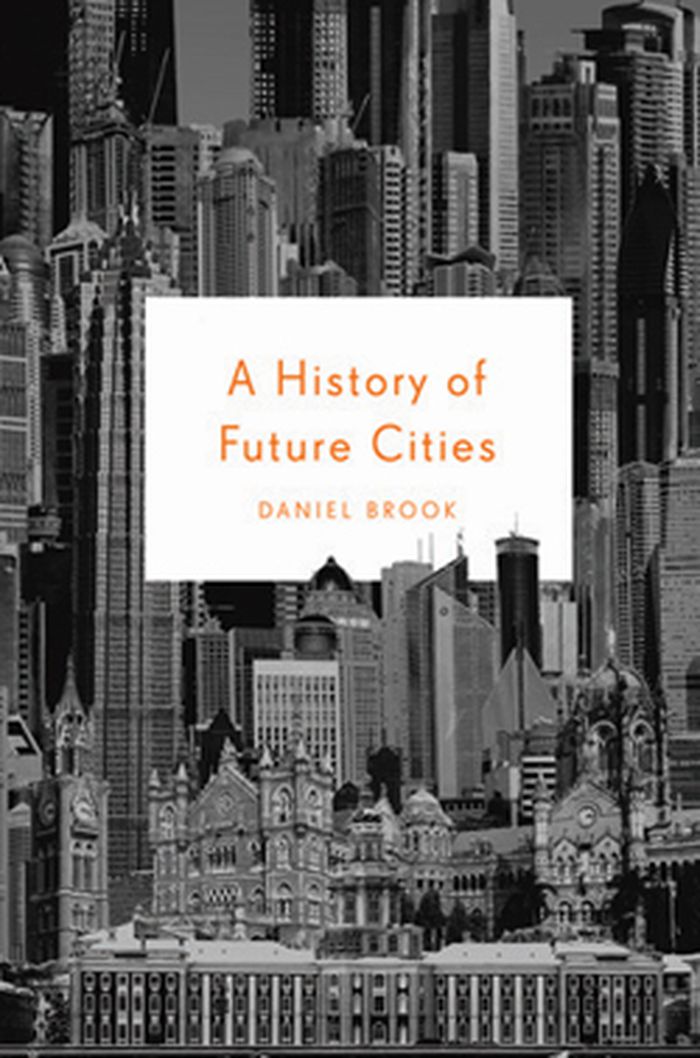
On May 27, 1703, Tsar Peter the Great founded a new capital on a barren Baltic marsh. Modeled on Amsterdam, he believed it would erase Russian backwardness and usher in a modernized, Westernized future. In the nineteenth-century Age of Imperialism, the British rebuilt Bombay as a tropical London, while three Western powers made Shanghai look just like home. And in our own time, the sheikh of Dubai has endeavored to transform his desert city into a Vegas-esque skyscraper-studded global hub. The cultural and historical threads that connect these cities and their conflicted embrace of modernity are brought into relief in Daniel Brook’s captivating mix of history and reportage—a story of architects and authoritarians, artists and revolutionaries who take these facsimiles of the West and turn them into crucibles of non-Western modernity.
A history of future cities
Actions:
Price:
$29.50
(available to order)
Summary:
On May 27, 1703, Tsar Peter the Great founded a new capital on a barren Baltic marsh. Modeled on Amsterdam, he believed it would erase Russian backwardness and usher in a modernized, Westernized future. In the nineteenth-century Age of Imperialism, the British rebuilt Bombay as a tropical London, while three Western powers made Shanghai look just like home. And in our own time, the sheikh of Dubai has endeavored to transform his desert city into a Vegas-esque skyscraper-studded global hub. The cultural and historical threads that connect these cities and their conflicted embrace of modernity are brought into relief in Daniel Brook’s captivating mix of history and reportage—a story of architects and authoritarians, artists and revolutionaries who take these facsimiles of the West and turn them into crucibles of non-Western modernity.
Form:
books
books
Publication:
February 2013
February 2013
Subject:
Urban Theory
Urban Theory
Form:
books
books
Actions:
Price:
$50.00
(available to order)
Summary:
When Diane Arbus died in 1971 at the age of 48, she was already a significant influence--even something of a legend--for serious photographers, although only a relatively small number of her most important pictures were widely known at the time. The publication of Diane Arbus: An Aperture Monograph in 1972--along with the posthumous retrospective at The Museum of Modern(...)
$50.00
(available to order)
Summary:
When Diane Arbus died in 1971 at the age of 48, she was already a significant influence--even something of a legend--for serious photographers, although only a relatively small number of her most important pictures were widely known at the time. The publication of Diane Arbus: An Aperture Monograph in 1972--along with the posthumous retrospective at The Museum of Modern(...)
Title:
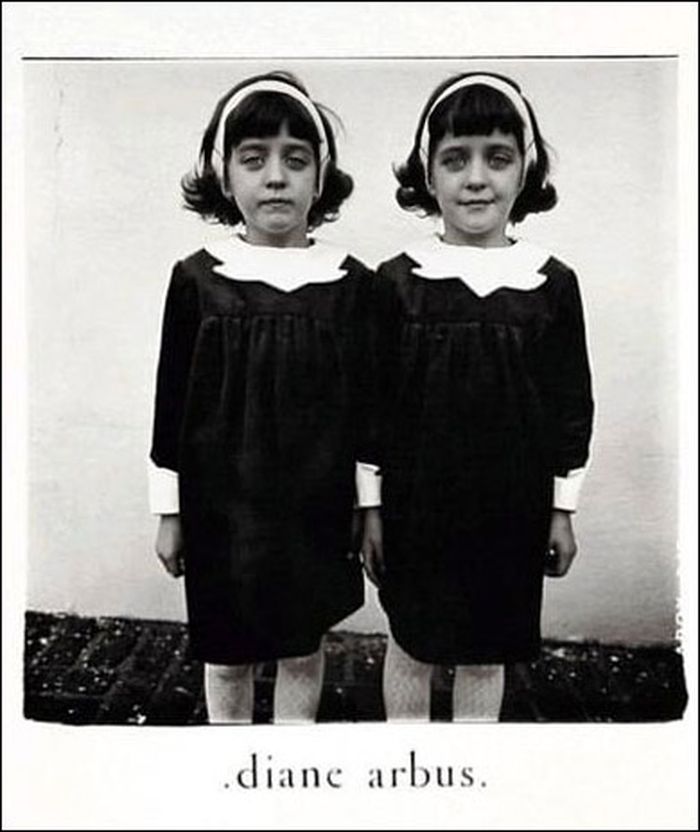
Diane Arbus: an aperture monograph
Actions:
Price:
$50.00
(available to order)
Summary:
When Diane Arbus died in 1971 at the age of 48, she was already a significant influence--even something of a legend--for serious photographers, although only a relatively small number of her most important pictures were widely known at the time. The publication of Diane Arbus: An Aperture Monograph in 1972--along with the posthumous retrospective at The Museum of Modern Art--offered the general public its first encounter with the breadth and power of her achievements. The monograph, composed of 80 photographs, was edited and designed by the painter Marvin Israel, Diane Arbus’ friend and colleague, and by her daughter Doon Arbus. Their goal in producing the book was to remain as faithful as possible to the standards by which Arbus judged her own work and to the ways in which she hoped it would be seen.
Diane Arbus: an aperture monograph
Actions:
Price:
$50.00
(available to order)
Summary:
When Diane Arbus died in 1971 at the age of 48, she was already a significant influence--even something of a legend--for serious photographers, although only a relatively small number of her most important pictures were widely known at the time. The publication of Diane Arbus: An Aperture Monograph in 1972--along with the posthumous retrospective at The Museum of Modern Art--offered the general public its first encounter with the breadth and power of her achievements. The monograph, composed of 80 photographs, was edited and designed by the painter Marvin Israel, Diane Arbus’ friend and colleague, and by her daughter Doon Arbus. Their goal in producing the book was to remain as faithful as possible to the standards by which Arbus judged her own work and to the ways in which she hoped it would be seen.
Form:
books
books
Publication:
September 2012
September 2012
Subject:
Photography monographs
Photography monographs
Form:
books
books

Actions:
Price:
$90.00
(available to order)
Summary:
Danish designers are renowned around the world for their beautiful and functional chairs. This substantial new book tells the full story of the Danish chairs that were created during the 20th century. “The Danish Chair: An International Affair” is structured around chair types and illustrates how the “golden age” of Danish furniture design was driven by the study and(...)
$90.00
(available to order)
Summary:
Danish designers are renowned around the world for their beautiful and functional chairs. This substantial new book tells the full story of the Danish chairs that were created during the 20th century. “The Danish Chair: An International Affair” is structured around chair types and illustrates how the “golden age” of Danish furniture design was driven by the study and(...)
Title:
The Danish chair: an international affair
Actions:
Price:
$90.00
(available to order)
Summary:
Danish designers are renowned around the world for their beautiful and functional chairs. This substantial new book tells the full story of the Danish chairs that were created during the 20th century. “The Danish Chair: An International Affair” is structured around chair types and illustrates how the “golden age” of Danish furniture design was driven by the study and refinement of historical furniture types, including chairs from abroad that served as important sources of inspiration. It traces the family relations between the chairs and shows how they influenced each other in terms of detailing, construction and concept. Design was the cultural phenomenon that put Denmark on the world map in the mid-20th century. The international brand of Danish design arose in 1949 when American journalists began to write about the Danish furniture at the Copenhagen Cabinetmakers’ Guild exhibition.
The Danish chair: an international affair
Actions:
Price:
$90.00
(available to order)
Summary:
Danish designers are renowned around the world for their beautiful and functional chairs. This substantial new book tells the full story of the Danish chairs that were created during the 20th century. “The Danish Chair: An International Affair” is structured around chair types and illustrates how the “golden age” of Danish furniture design was driven by the study and refinement of historical furniture types, including chairs from abroad that served as important sources of inspiration. It traces the family relations between the chairs and shows how they influenced each other in terms of detailing, construction and concept. Design was the cultural phenomenon that put Denmark on the world map in the mid-20th century. The international brand of Danish design arose in 1949 when American journalists began to write about the Danish furniture at the Copenhagen Cabinetmakers’ Guild exhibition.
Form:
books
books
Publication:
February 2019
February 2019
Subject:
Design, Periods and Styles
Design, Periods and Styles
Form:
books
books
Actions:
Price:
$49.95
(available to order)
Summary:
This book provides the first complete documentation of Benjamin Katz’s Berlin Havelhöhe photographs. Today the Clinic for Anthroposophical Medicine, Berlin Havelhöhe was in 1960 the hospital where Katz stayed while ill with tuberculosis. During the year and a half he was there, Katz produced an extensive collection of photographs, which comprised his beginnings as a(...)
$49.95
(available to order)
Summary:
This book provides the first complete documentation of Benjamin Katz’s Berlin Havelhöhe photographs. Today the Clinic for Anthroposophical Medicine, Berlin Havelhöhe was in 1960 the hospital where Katz stayed while ill with tuberculosis. During the year and a half he was there, Katz produced an extensive collection of photographs, which comprised his beginnings as a(...)
Title:
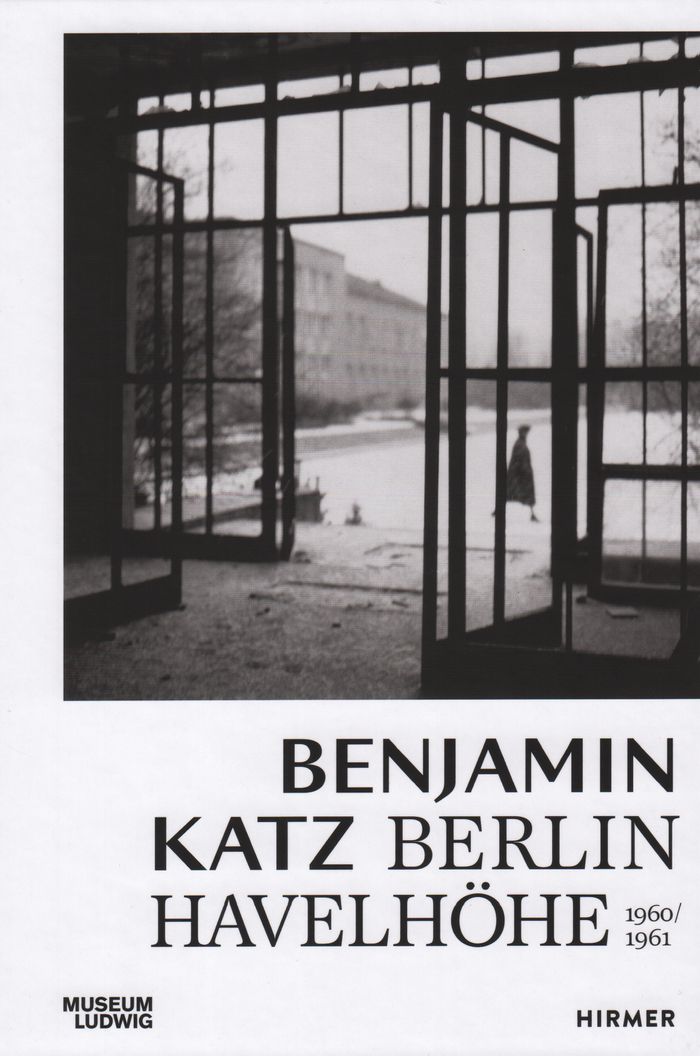
Benjamin Katz: Berlin Havelhöhe 1960
Actions:
Price:
$49.95
(available to order)
Summary:
This book provides the first complete documentation of Benjamin Katz’s Berlin Havelhöhe photographs. Today the Clinic for Anthroposophical Medicine, Berlin Havelhöhe was in 1960 the hospital where Katz stayed while ill with tuberculosis. During the year and a half he was there, Katz produced an extensive collection of photographs, which comprised his beginnings as a photographer and his interest in the photography of the modern age, as well as forms an artistic documentation of the location itself. The hospital in Berlin Havelhöhe took over the building in the 1950s, but it had originally been erected as the National Socialist State Academy for Aviation, training the pilots who attacked Guernica in 1934 as part of the Condor Legion. When it became a hospital, it cared for patients from all walks of society—both Nazis and those they persecuted.
Benjamin Katz: Berlin Havelhöhe 1960
Actions:
Price:
$49.95
(available to order)
Summary:
This book provides the first complete documentation of Benjamin Katz’s Berlin Havelhöhe photographs. Today the Clinic for Anthroposophical Medicine, Berlin Havelhöhe was in 1960 the hospital where Katz stayed while ill with tuberculosis. During the year and a half he was there, Katz produced an extensive collection of photographs, which comprised his beginnings as a photographer and his interest in the photography of the modern age, as well as forms an artistic documentation of the location itself. The hospital in Berlin Havelhöhe took over the building in the 1950s, but it had originally been erected as the National Socialist State Academy for Aviation, training the pilots who attacked Guernica in 1934 as part of the Condor Legion. When it became a hospital, it cared for patients from all walks of society—both Nazis and those they persecuted.
Form:
books
books
Publication:
September 2019
September 2019
Subject:
Photography monographs
Photography monographs


