


643 Results
Form:
books
books
Actions:
Price:
$21.99
(available in store)
Summary:
This is the fifth book in the annual series A Series of Open Questions published by CCA Wattis Institute for Contemporary Arts and Sternberg Press. Each book includes newly commissioned writing as well a selection of perspectives, images, and references related to the Wattis’s year-long research seasons dedicated to single artists. This volume is informed by themes found(...)
$21.99
(available in store)
Summary:
This is the fifth book in the annual series A Series of Open Questions published by CCA Wattis Institute for Contemporary Arts and Sternberg Press. Each book includes newly commissioned writing as well a selection of perspectives, images, and references related to the Wattis’s year-long research seasons dedicated to single artists. This volume is informed by themes found(...)
Title:
Does the sun have a translucent shell? AnickaYi
Actions:
Price:
$21.99
(available in store)
Summary:
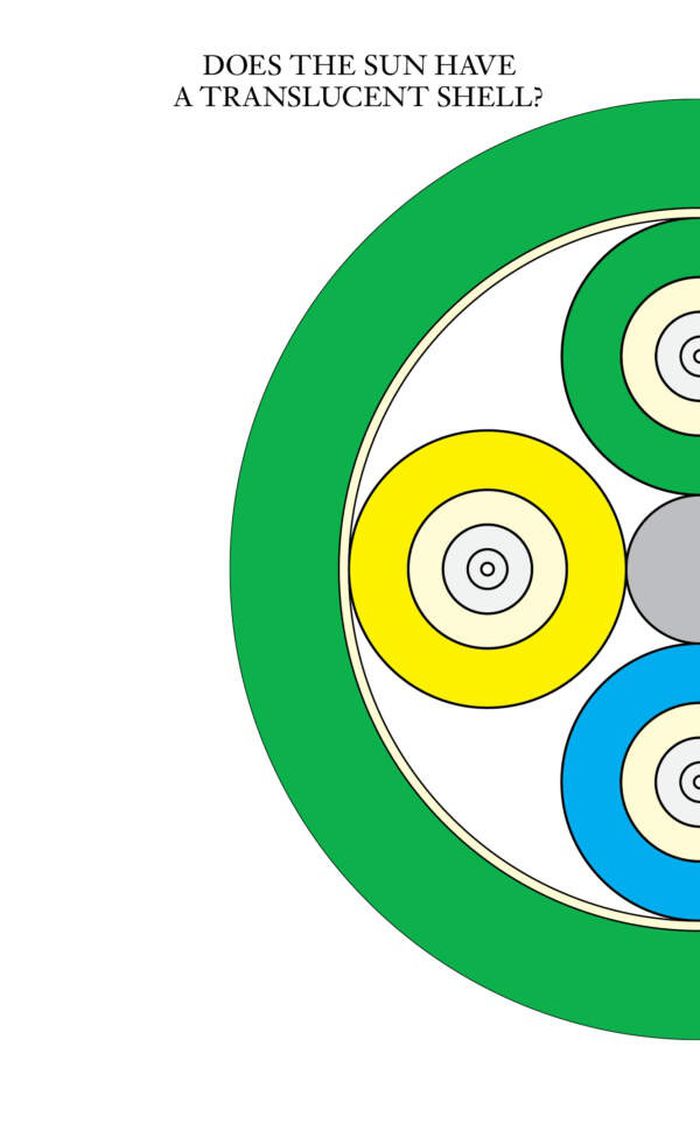
This is the fifth book in the annual series A Series of Open Questions published by CCA Wattis Institute for Contemporary Arts and Sternberg Press. Each book includes newly commissioned writing as well a selection of perspectives, images, and references related to the Wattis’s year-long research seasons dedicated to single artists. This volume is informed by themes found in the work of Anicka Yi, such as AI, umwelt, scent and taste, the anthropocene, decay and rot, the animal world, feminism, and Asian American experiences. Contributions include a cocktail recipe by Pierre Huyghe, an academic essay on psychedelic mushrooms in Native American culture, and a short story by Argentinian author Julio Cortázar, along with photographs and drawings relating to the themes. Through an eclectic range of international voices, the book encompasses many mediums in an attempt to address some of the most pressing issues of our time. Includes a fold out insert with drawings by Anicka Yi.
Does the sun have a translucent shell? AnickaYi
Actions:
Price:
$21.99
(available in store)
Summary:
This is the fifth book in the annual series A Series of Open Questions published by CCA Wattis Institute for Contemporary Arts and Sternberg Press. Each book includes newly commissioned writing as well a selection of perspectives, images, and references related to the Wattis’s year-long research seasons dedicated to single artists. This volume is informed by themes found in the work of Anicka Yi, such as AI, umwelt, scent and taste, the anthropocene, decay and rot, the animal world, feminism, and Asian American experiences. Contributions include a cocktail recipe by Pierre Huyghe, an academic essay on psychedelic mushrooms in Native American culture, and a short story by Argentinian author Julio Cortázar, along with photographs and drawings relating to the themes. Through an eclectic range of international voices, the book encompasses many mediums in an attempt to address some of the most pressing issues of our time. Includes a fold out insert with drawings by Anicka Yi.
Form:
books
books
Publication:
August 2025
August 2025
Subject:
Art Theory
Art Theory
Form:
books
books
Actions:
Price:
$35.95
(available in store)
Summary:
Architecture, as we know it, is in crisis. The authority of architects is crumbling, their methods no longer tenable. In a highly critical introspection, architect and writer Reinier de Graaf explores the tough choices ahead and the course of action that must follow. ''Architecture Against Architecture'' demands we rethink both how and why we build. With wit and(...)
$35.95
(available in store)
Summary:
Architecture, as we know it, is in crisis. The authority of architects is crumbling, their methods no longer tenable. In a highly critical introspection, architect and writer Reinier de Graaf explores the tough choices ahead and the course of action that must follow. ''Architecture Against Architecture'' demands we rethink both how and why we build. With wit and(...)
Title:
Architecture against architecture: A manifesto
Actions:
Price:
$35.95
(available in store)
Summary:
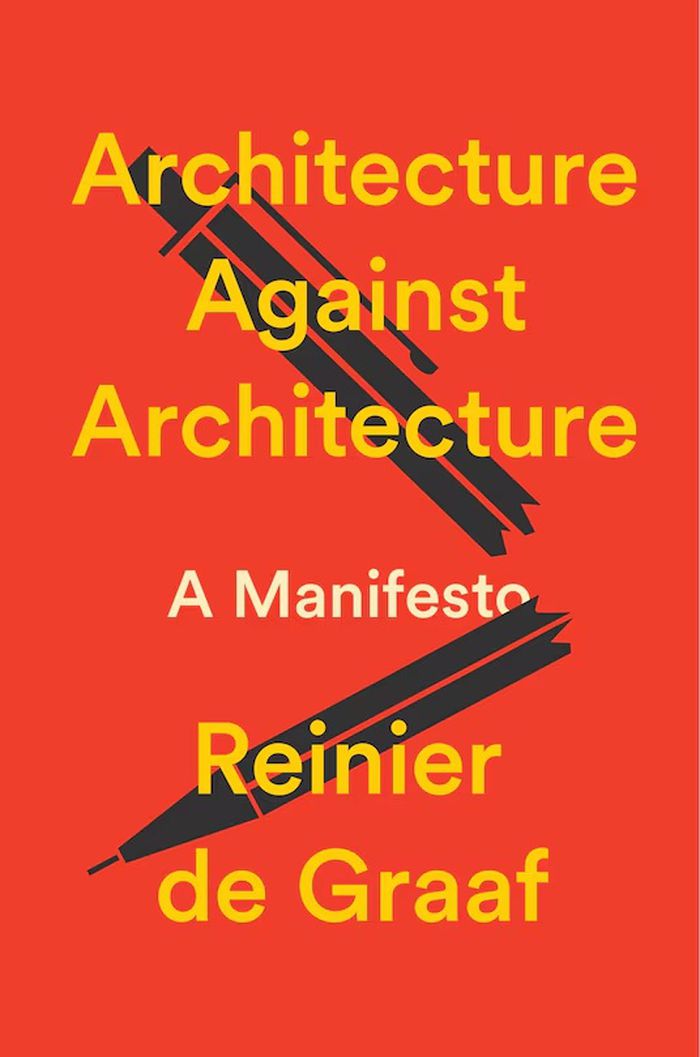
Architecture, as we know it, is in crisis. The authority of architects is crumbling, their methods no longer tenable. In a highly critical introspection, architect and writer Reinier de Graaf explores the tough choices ahead and the course of action that must follow. ''Architecture Against Architecture'' demands we rethink both how and why we build. With wit and insight, De Graaf lays out the future of the profession, challenging readers to question the fundamental assumptions of the discipline. How do we end the feudal veneration of starchitects? When will architects finally recognize that it is in their own best interest to unionize? Why aren’t more practices collectively owned? Why do so many architects over sixty-seven refuse to retire? How do we stop buildings from being copy-righted? What will remain of architecture after AI? What can prevent iconic structures from being embroiled in money laundering? And the vital question: What projects should architects refuse on moral grounds?
Architecture against architecture: A manifesto
Actions:
Price:
$35.95
(available in store)
Summary:
Architecture, as we know it, is in crisis. The authority of architects is crumbling, their methods no longer tenable. In a highly critical introspection, architect and writer Reinier de Graaf explores the tough choices ahead and the course of action that must follow. ''Architecture Against Architecture'' demands we rethink both how and why we build. With wit and insight, De Graaf lays out the future of the profession, challenging readers to question the fundamental assumptions of the discipline. How do we end the feudal veneration of starchitects? When will architects finally recognize that it is in their own best interest to unionize? Why aren’t more practices collectively owned? Why do so many architects over sixty-seven refuse to retire? How do we stop buildings from being copy-righted? What will remain of architecture after AI? What can prevent iconic structures from being embroiled in money laundering? And the vital question: What projects should architects refuse on moral grounds?
Form:
books
books
Publication:
March 2026
March 2026
Subject:
Architectural Theory
Architectural Theory
Form:
books
books
Actions:
Price:
$69.95
(available in store)
Summary:
Bien que Karl Waldmann ai disparu dans les années 1950 son œuvre n'a été découverte que récemment, à la fin des années 1980. Si cette œuvre s'impose immédiatement par sa force et sa beauté, c'est aussi sa singularité qui retient l'attention : entre Dada et le Constructivisme, sa place dans l'histoire de l'art parait singulière, singularité qui tient également au fait que(...)
$69.95
(available in store)
Summary:
Bien que Karl Waldmann ai disparu dans les années 1950 son œuvre n'a été découverte que récemment, à la fin des années 1980. Si cette œuvre s'impose immédiatement par sa force et sa beauté, c'est aussi sa singularité qui retient l'attention : entre Dada et le Constructivisme, sa place dans l'histoire de l'art parait singulière, singularité qui tient également au fait que(...)
Title:
Les collages de Karl Waldmann
Actions:
Price:
$69.95
(available in store)
Summary:
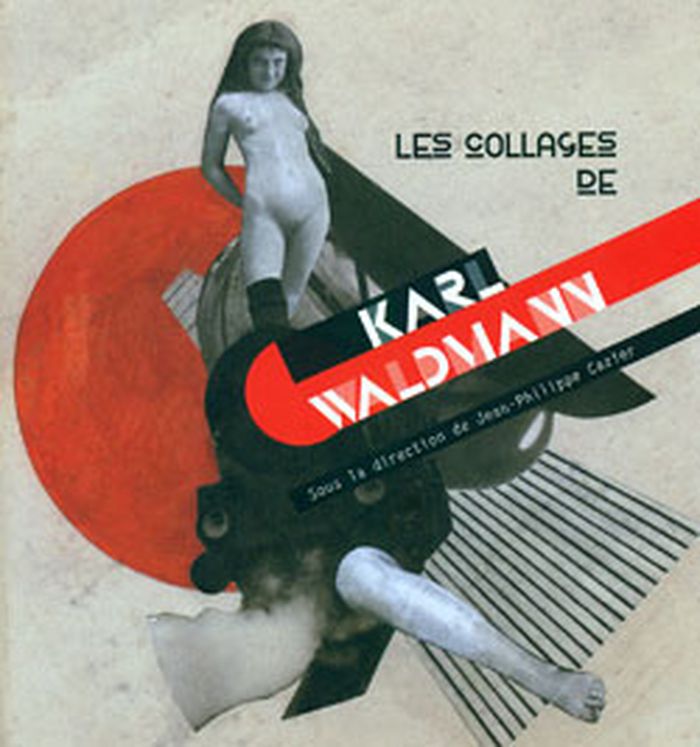
Bien que Karl Waldmann ai disparu dans les années 1950 son œuvre n'a été découverte que récemment, à la fin des années 1980. Si cette œuvre s'impose immédiatement par sa force et sa beauté, c'est aussi sa singularité qui retient l'attention : entre Dada et le Constructivisme, sa place dans l'histoire de l'art parait singulière, singularité qui tient également au fait que cette œuvre est constituée essentiellement d'une forme d'expression marginale, le collage. Ce livre, le premier consacré au travail de Waldmann, présente une série d'études qui interrogent l'originalité de cette œuvre, son rapport à l'histoire de l'art, ses choix formels et thématiques, mais qui mettent également en évidence les questions que cette œuvre pose au sujet de la notion d'auteur, du rapport de l'art à l'Histoire et à la politique, du jugement esthétique, de la philosophie de l'art et de l'image. Par tous ces aspects, l'œuvre de cet artiste jusqu'alors inconnu apparaît étonnamment proche de certains des questionnements actuels de l'art et de la philosophie esthétique.
Les collages de Karl Waldmann
Actions:
Price:
$69.95
(available in store)
Summary:
Bien que Karl Waldmann ai disparu dans les années 1950 son œuvre n'a été découverte que récemment, à la fin des années 1980. Si cette œuvre s'impose immédiatement par sa force et sa beauté, c'est aussi sa singularité qui retient l'attention : entre Dada et le Constructivisme, sa place dans l'histoire de l'art parait singulière, singularité qui tient également au fait que cette œuvre est constituée essentiellement d'une forme d'expression marginale, le collage. Ce livre, le premier consacré au travail de Waldmann, présente une série d'études qui interrogent l'originalité de cette œuvre, son rapport à l'histoire de l'art, ses choix formels et thématiques, mais qui mettent également en évidence les questions que cette œuvre pose au sujet de la notion d'auteur, du rapport de l'art à l'Histoire et à la politique, du jugement esthétique, de la philosophie de l'art et de l'image. Par tous ces aspects, l'œuvre de cet artiste jusqu'alors inconnu apparaît étonnamment proche de certains des questionnements actuels de l'art et de la philosophie esthétique.
Form:
books
books
Publication:
May 2011
May 2011
Subject:
Contemporary Art Monographs
Contemporary Art Monographs
Form:
journals and magazines
journals and magazines
Price:
$29.95
(available to order)
Summary:
ANCB The Aedes Metropolitan Laboratory was launched in 2009 as a physical and intellectual space focused on the inseparable interplay between urban form and social life. Now in its eighth year, ANCB decided to broaden its experimental journey as an independent public platform with an annual magazine entitled The Metropolitan Laboratory that further explores our deliberate(...)
$29.95
(available to order)
Summary:
ANCB The Aedes Metropolitan Laboratory was launched in 2009 as a physical and intellectual space focused on the inseparable interplay between urban form and social life. Now in its eighth year, ANCB decided to broaden its experimental journey as an independent public platform with an annual magazine entitled The Metropolitan Laboratory that further explores our deliberate(...)
Title:
The Metropolitan Laboratory Magazine, Vol. 1. Education: trial and error
Actions:
Price:
$29.95
(available to order)
Summary:
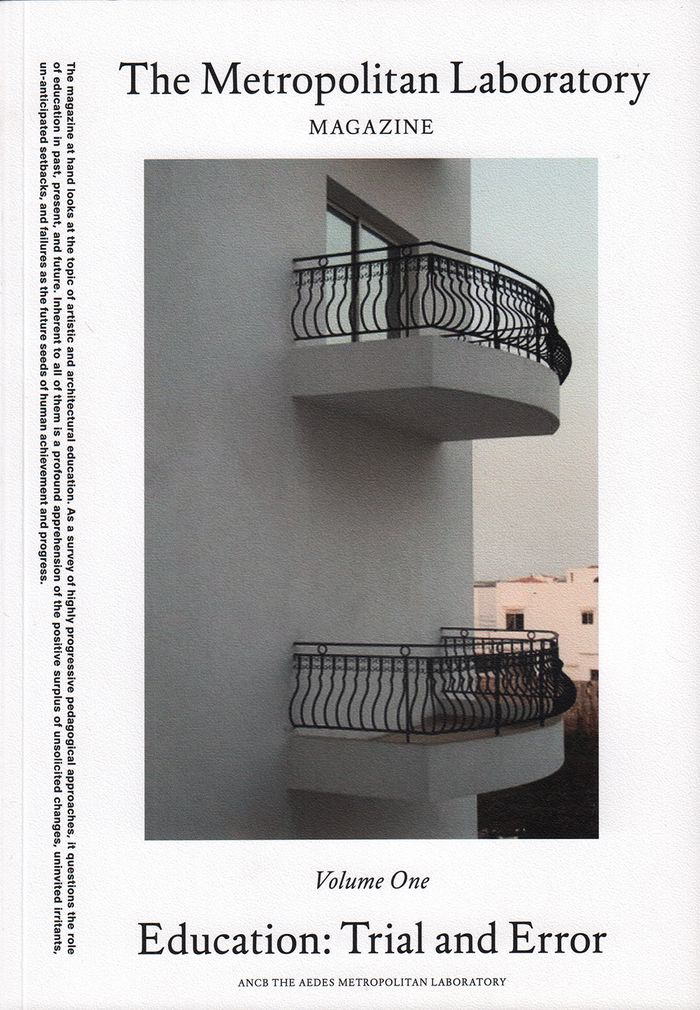
ANCB The Aedes Metropolitan Laboratory was launched in 2009 as a physical and intellectual space focused on the inseparable interplay between urban form and social life. Now in its eighth year, ANCB decided to broaden its experimental journey as an independent public platform with an annual magazine entitled The Metropolitan Laboratory that further explores our deliberate goal of providing an alternative urban discourse. Entitled “Education: Trial and Error”, this first issue looks at the topic of artistic and architectural education. As a survey of highly progressive pedagogical approaches, it questions the role of education in past, present, and future. The broad spectrum of articles and essays ranges from Black Mountain College, Joseph Beuys, Paul Thek, Cedric Price, and Oswald Ungers all the way to Beatriz Colomina, Olafur Eliasson, Ai Wei Wei, Thom Mayne, Odile Decq, Peter Cook, and Joan Ockmann, to mention but a few. Inherent to all of these contributions is a profound apprehension of the positive surplus of unsolicited changes, uninvited irritants, unanticipated setbacks, and failures as the future seeds of human achievement and progress.
The Metropolitan Laboratory Magazine, Vol. 1. Education: trial and error
Actions:
Price:
$29.95
(available to order)
Summary:
ANCB The Aedes Metropolitan Laboratory was launched in 2009 as a physical and intellectual space focused on the inseparable interplay between urban form and social life. Now in its eighth year, ANCB decided to broaden its experimental journey as an independent public platform with an annual magazine entitled The Metropolitan Laboratory that further explores our deliberate goal of providing an alternative urban discourse. Entitled “Education: Trial and Error”, this first issue looks at the topic of artistic and architectural education. As a survey of highly progressive pedagogical approaches, it questions the role of education in past, present, and future. The broad spectrum of articles and essays ranges from Black Mountain College, Joseph Beuys, Paul Thek, Cedric Price, and Oswald Ungers all the way to Beatriz Colomina, Olafur Eliasson, Ai Wei Wei, Thom Mayne, Odile Decq, Peter Cook, and Joan Ockmann, to mention but a few. Inherent to all of these contributions is a profound apprehension of the positive surplus of unsolicited changes, uninvited irritants, unanticipated setbacks, and failures as the future seeds of human achievement and progress.
Form:
journals and magazines
journals and magazines
Publication:
July 2016
July 2016
Subject:
Magazines
Magazines
Form:
books
books
Actions:
Price:
$45.00
(available to order)
Summary:
The People's Republic of China is currently the largest market for architectural services in the world, and its cities — sites of the greatest economic migration in modern history — are rapidly being transformed into rival centers for global trade and commerce. "On the edge : ten architects from China" is a critical anthology on new architecture in China, the first book(...)
$45.00
(available to order)
Summary:
The People's Republic of China is currently the largest market for architectural services in the world, and its cities — sites of the greatest economic migration in modern history — are rapidly being transformed into rival centers for global trade and commerce. "On the edge : ten architects from China" is a critical anthology on new architecture in China, the first book(...)
Subject:
Contemporary Asian Architecture
Contemporary Asian Architecture
Publication:
January 2007, New York
January 2007, New York
Title:
On the edge : ten archtiects from China
Actions:
Price:
$45.00
(available to order)
Summary:
The People's Republic of China is currently the largest market for architectural services in the world, and its cities — sites of the greatest economic migration in modern history — are rapidly being transformed into rival centers for global trade and commerce. "On the edge : ten architects from China" is a critical anthology on new architecture in China, the first book of its kind devoted to the development and maturation of an indigenous approach to modern architecture and urbanism in China. Focusing on the work of ten young design firms based in mainland China, Hong Kong, and Taiwan, "On the edge" documents the rise of a new aesthetic, the evolution of contemporary architectural practice, and the irresistible, global aspirations of an emerging avant-garde.Included in the book are completed buildings, proposed projects, and urban master plans by Gary Chang of Edge HK, Rocco Yim, Zi and Ming Zhang of Original Design Studio, Li Hu of Open Architecture Studio, Ai We Wei, Qingyun Ma of MADA, Jiakun Liu, and Yung Ho Chang, who is the present dean of the Architecture School at MIT.
On the edge : ten archtiects from China
Actions:
Price:
$45.00
(available to order)
Summary:
The People's Republic of China is currently the largest market for architectural services in the world, and its cities — sites of the greatest economic migration in modern history — are rapidly being transformed into rival centers for global trade and commerce. "On the edge : ten architects from China" is a critical anthology on new architecture in China, the first book of its kind devoted to the development and maturation of an indigenous approach to modern architecture and urbanism in China. Focusing on the work of ten young design firms based in mainland China, Hong Kong, and Taiwan, "On the edge" documents the rise of a new aesthetic, the evolution of contemporary architectural practice, and the irresistible, global aspirations of an emerging avant-garde.Included in the book are completed buildings, proposed projects, and urban master plans by Gary Chang of Edge HK, Rocco Yim, Zi and Ming Zhang of Original Design Studio, Li Hu of Open Architecture Studio, Ai We Wei, Qingyun Ma of MADA, Jiakun Liu, and Yung Ho Chang, who is the present dean of the Architecture School at MIT.
Form:
books
books
Publication:
January 2007, New York
January 2007, New York
Subject:
Contemporary Asian Architecture
Contemporary Asian Architecture
Form:
books
books
Actions:
Price:
$82.95
(available to order)
Summary:
Artpress est né quand Beaubourg n'était encore qu'un grand trou, attendant qu'on y dresse le Centre Georges-Pompidou. L'art minimal s'imposait à New York, là où venait d'ouvrir The Kitchen, foyer de toute une génération nouvelle de danseurs et de performers. Aujourd'hui, le magazine montre le palais de Tokyo rénové et disposant désormais de 22 000 mètres carrés pour(...)
$82.95
(available to order)
Summary:
Artpress est né quand Beaubourg n'était encore qu'un grand trou, attendant qu'on y dresse le Centre Georges-Pompidou. L'art minimal s'imposait à New York, là où venait d'ouvrir The Kitchen, foyer de toute une génération nouvelle de danseurs et de performers. Aujourd'hui, le magazine montre le palais de Tokyo rénové et disposant désormais de 22 000 mètres carrés pour(...)
Title:
Art press, l'album : 40 ans de création
Actions:
Price:
$82.95
(available to order)
Summary:
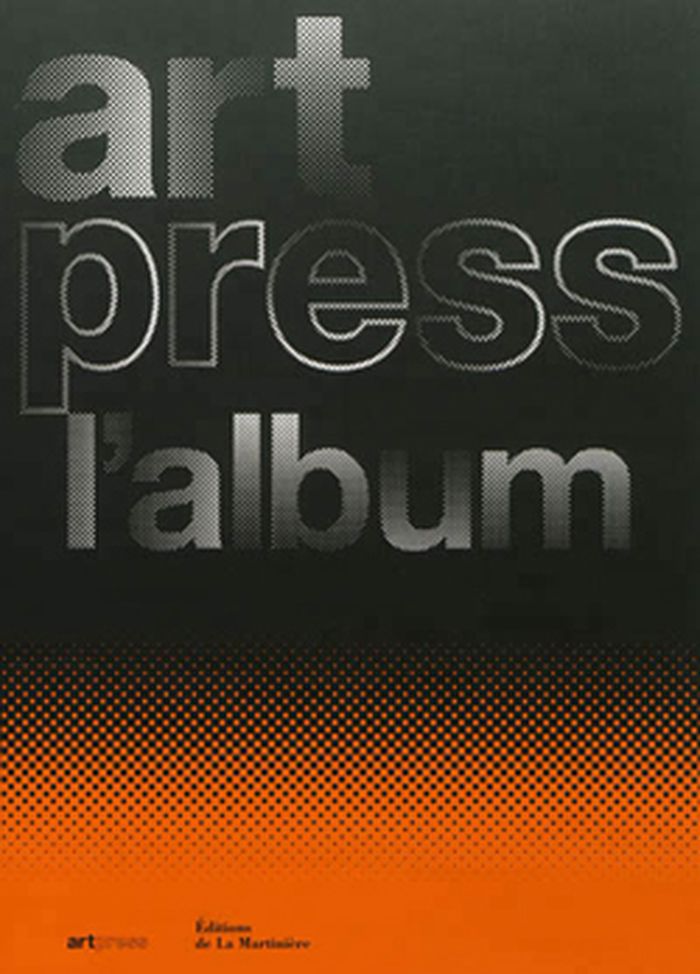
Artpress est né quand Beaubourg n'était encore qu'un grand trou, attendant qu'on y dresse le Centre Georges-Pompidou. L'art minimal s'imposait à New York, là où venait d'ouvrir The Kitchen, foyer de toute une génération nouvelle de danseurs et de performers. Aujourd'hui, le magazine montre le palais de Tokyo rénové et disposant désormais de 22 000 mètres carrés pour exposer l'art contemporain et interviewe l'artiste chinois Ai Weiwei, assigné à résidence par les autorités de son pays. Pour une liberté d'expression inconditionnelle, contre tous les sectarismes et les archaïsmes, d'Andy Warhol à Jeff Wall, de Jacques Lacan à Jean-Paul II, de Tel Quel à Michel Houellebecq, de Pierre Boulez à Christian Marclay, ce sont 40 ans de vie artistique et littéraire que retrace cet album. Une large sélection de couvertures et d'articles met en lumière quatre décennies d'existence d'un magazine indépendant, considéré comme le meilleur en France dans son domaine, et qui ne manque jamais d'être partie prenante des débats esthétiques et des combats idéologiques de son époque.
Art press, l'album : 40 ans de création
Actions:
Price:
$82.95
(available to order)
Summary:
Artpress est né quand Beaubourg n'était encore qu'un grand trou, attendant qu'on y dresse le Centre Georges-Pompidou. L'art minimal s'imposait à New York, là où venait d'ouvrir The Kitchen, foyer de toute une génération nouvelle de danseurs et de performers. Aujourd'hui, le magazine montre le palais de Tokyo rénové et disposant désormais de 22 000 mètres carrés pour exposer l'art contemporain et interviewe l'artiste chinois Ai Weiwei, assigné à résidence par les autorités de son pays. Pour une liberté d'expression inconditionnelle, contre tous les sectarismes et les archaïsmes, d'Andy Warhol à Jeff Wall, de Jacques Lacan à Jean-Paul II, de Tel Quel à Michel Houellebecq, de Pierre Boulez à Christian Marclay, ce sont 40 ans de vie artistique et littéraire que retrace cet album. Une large sélection de couvertures et d'articles met en lumière quatre décennies d'existence d'un magazine indépendant, considéré comme le meilleur en France dans son domaine, et qui ne manque jamais d'être partie prenante des débats esthétiques et des combats idéologiques de son époque.
Form:
books
books
Publication:
February 2013
February 2013
Subject:
Art Theory
Art Theory
Form:
books
books
Actions:
Price:
$36.95
(available to order)
Summary:
The world is marked by deepening conflicts—between democracies and autocracies, woke and populist identity politics, rich and poor, continued environmental exploitation and harsh complications like climate change. In "The monadic age," Ingo Niermann argues that, stirred by rapid developments in automation and AI, these manifold crises are about to culminate in a new(...)
$36.95
(available to order)
Summary:
The world is marked by deepening conflicts—between democracies and autocracies, woke and populist identity politics, rich and poor, continued environmental exploitation and harsh complications like climate change. In "The monadic age," Ingo Niermann argues that, stirred by rapid developments in automation and AI, these manifold crises are about to culminate in a new(...)
Title:
The monadic age: Notes on the coming social order
Actions:
Price:
$36.95
(available to order)
Summary:
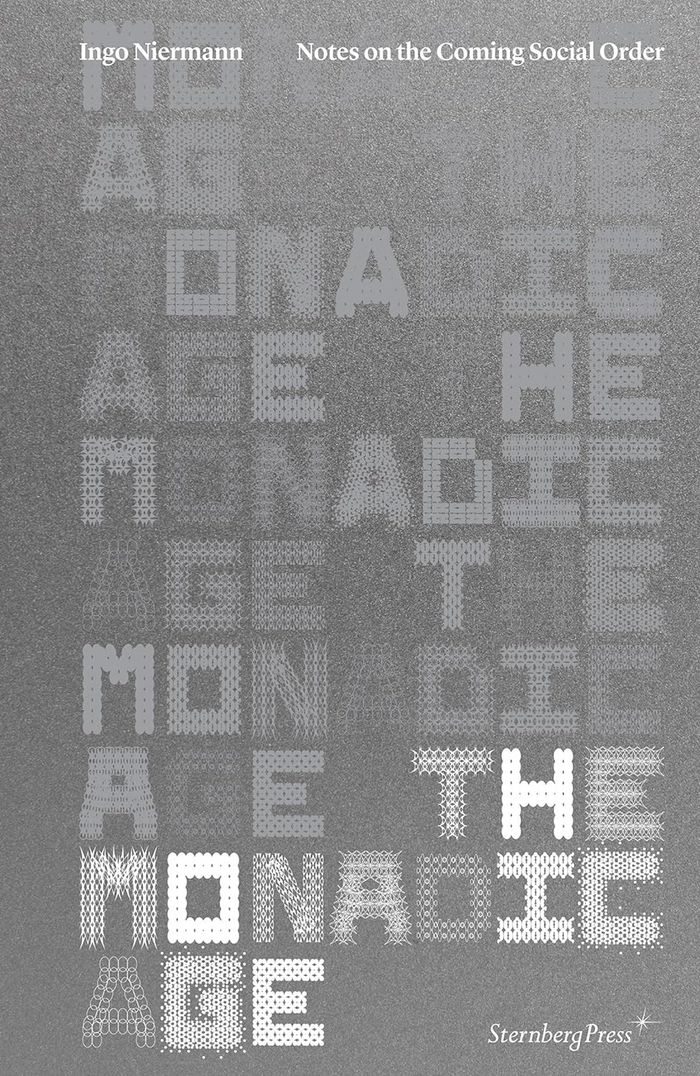
The world is marked by deepening conflicts—between democracies and autocracies, woke and populist identity politics, rich and poor, continued environmental exploitation and harsh complications like climate change. In "The monadic age," Ingo Niermann argues that, stirred by rapid developments in automation and AI, these manifold crises are about to culminate in a new paradigm of self-sufficiency—monadism—that overturns the liberal era and forces a reinvention of all social parameters. Today, two major post-liberal dispositions are unfolding. On the one side, people envision a harmonious community of all human and nonhuman beings (multi-species kinship, a rainbow of identities). On the other side, people isolate themselves within their own identities and belongings (filter bubbles, safe spaces, gated communities, charter cities, prepping). Monadism recognizes that these two seemingly contradictory dispositions stem from a similar understanding of the world: one is more optimistic, the other more pessimistic, but ultimately they’re interdependent. Before seeking harmony, we humans, a highly dominant species, must first of all restrain ourselves from coercive interactions with our environment. And to protect ourselves sufficiently from our environment, we must minimize its abuse.
The monadic age: Notes on the coming social order
Actions:
Price:
$36.95
(available to order)
Summary:
The world is marked by deepening conflicts—between democracies and autocracies, woke and populist identity politics, rich and poor, continued environmental exploitation and harsh complications like climate change. In "The monadic age," Ingo Niermann argues that, stirred by rapid developments in automation and AI, these manifold crises are about to culminate in a new paradigm of self-sufficiency—monadism—that overturns the liberal era and forces a reinvention of all social parameters. Today, two major post-liberal dispositions are unfolding. On the one side, people envision a harmonious community of all human and nonhuman beings (multi-species kinship, a rainbow of identities). On the other side, people isolate themselves within their own identities and belongings (filter bubbles, safe spaces, gated communities, charter cities, prepping). Monadism recognizes that these two seemingly contradictory dispositions stem from a similar understanding of the world: one is more optimistic, the other more pessimistic, but ultimately they’re interdependent. Before seeking harmony, we humans, a highly dominant species, must first of all restrain ourselves from coercive interactions with our environment. And to protect ourselves sufficiently from our environment, we must minimize its abuse.
Form:
books
books
Publication:
April 2024
April 2024
Subject:
Critical Theory
Critical Theory
Form:
books
books
Actions:
Price:
$20.00
(available to order)
Summary:
The gesture of pointing is the perfect embodiment of photography’s function as a visual document: an injunction to look at this. In this textual and visual essay, artist Joan Fontcuberta takes the index finger as his point of departure for an insightful and irreverent consideration of photography’s relation to indexicality. He refutes, as well as draws on, Roland(...)
$20.00
(available to order)
Summary:
The gesture of pointing is the perfect embodiment of photography’s function as a visual document: an injunction to look at this. In this textual and visual essay, artist Joan Fontcuberta takes the index finger as his point of departure for an insightful and irreverent consideration of photography’s relation to indexicality. He refutes, as well as draws on, Roland(...)
Title:
Against Barthes: The eye and the index
Actions:
Price:
$20.00
(available to order)
Summary:
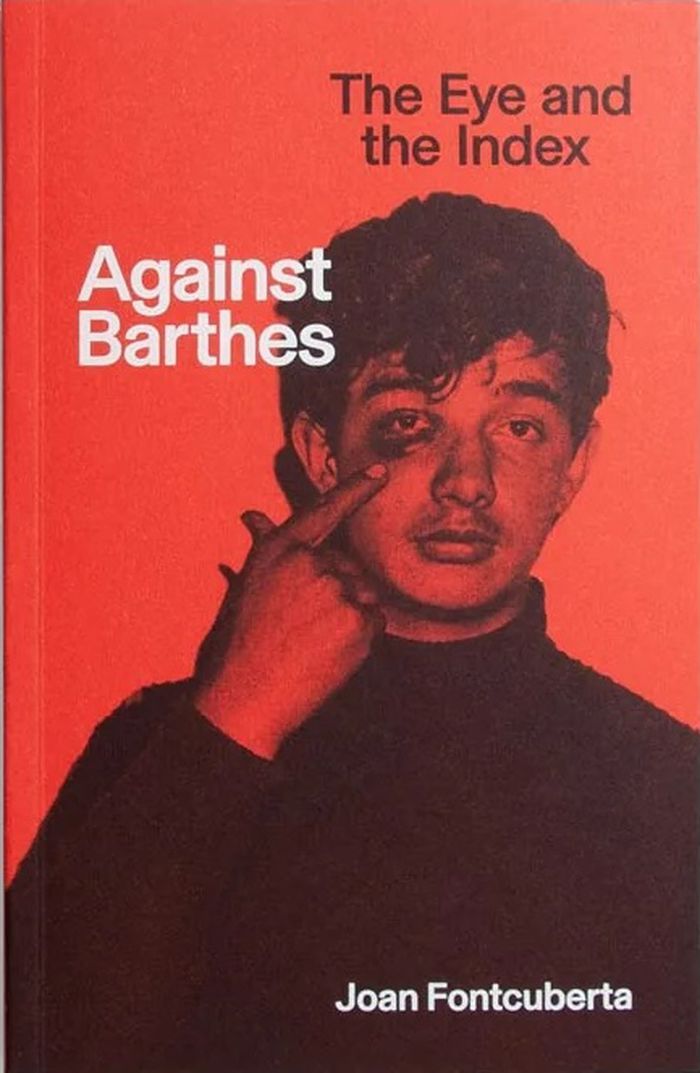
The gesture of pointing is the perfect embodiment of photography’s function as a visual document: an injunction to look at this. In this textual and visual essay, artist Joan Fontcuberta takes the index finger as his point of departure for an insightful and irreverent consideration of photography’s relation to indexicality. He refutes, as well as draws on, Roland Barthes’s suggestion that every photograph tells us ‘'this has been'’ (‘ça a été’), reckoning with the inconvenient multiplicity of thises in any given image. If a photograph constitutes such a statement – as made explicit in images that include a pointing finger – does the camera witness reality or performance? These existential issues are further complicated by the emergence of post-photography and generative AI. In this typically engaging and iconoclastic essay, Fontcuberta destabilises our ideas about the authority and authoriality of images, drawing on psychoanalysis, semiotics, and his own autobiography. His text is interleaved between two compelling visual essays formed of images from the archive of Mexican tabloid Alerta from the 1960s to 1980s, in which the pointing index finger forms a haunting and often humorous through-line.
Against Barthes: The eye and the index
Actions:
Price:
$20.00
(available to order)
Summary:
The gesture of pointing is the perfect embodiment of photography’s function as a visual document: an injunction to look at this. In this textual and visual essay, artist Joan Fontcuberta takes the index finger as his point of departure for an insightful and irreverent consideration of photography’s relation to indexicality. He refutes, as well as draws on, Roland Barthes’s suggestion that every photograph tells us ‘'this has been'’ (‘ça a été’), reckoning with the inconvenient multiplicity of thises in any given image. If a photograph constitutes such a statement – as made explicit in images that include a pointing finger – does the camera witness reality or performance? These existential issues are further complicated by the emergence of post-photography and generative AI. In this typically engaging and iconoclastic essay, Fontcuberta destabilises our ideas about the authority and authoriality of images, drawing on psychoanalysis, semiotics, and his own autobiography. His text is interleaved between two compelling visual essays formed of images from the archive of Mexican tabloid Alerta from the 1960s to 1980s, in which the pointing index finger forms a haunting and often humorous through-line.
Form:
books
books
Publication:
August 2025
August 2025
Subject:
Theory of Photography
Theory of Photography
Form:
books
books
Actions:
Price:
$26.95
(available to order)
Summary:
We see notebooks everywhere we go. But where did these indispensable implements come from? How did they revolutionize our lives? And how can using a notebook help change the way you think? In this wide-ranging history, Roland Allen reveals how the notebook became our most dependable and versatile tool for creative thinking. He tells the notebook stories of Leonardo and(...)
$26.95
(available to order)
Summary:
We see notebooks everywhere we go. But where did these indispensable implements come from? How did they revolutionize our lives? And how can using a notebook help change the way you think? In this wide-ranging history, Roland Allen reveals how the notebook became our most dependable and versatile tool for creative thinking. He tells the notebook stories of Leonardo and(...)
Title:
The notebook: A history of thinking on paper
Actions:
Price:
$26.95
(available to order)
Summary:
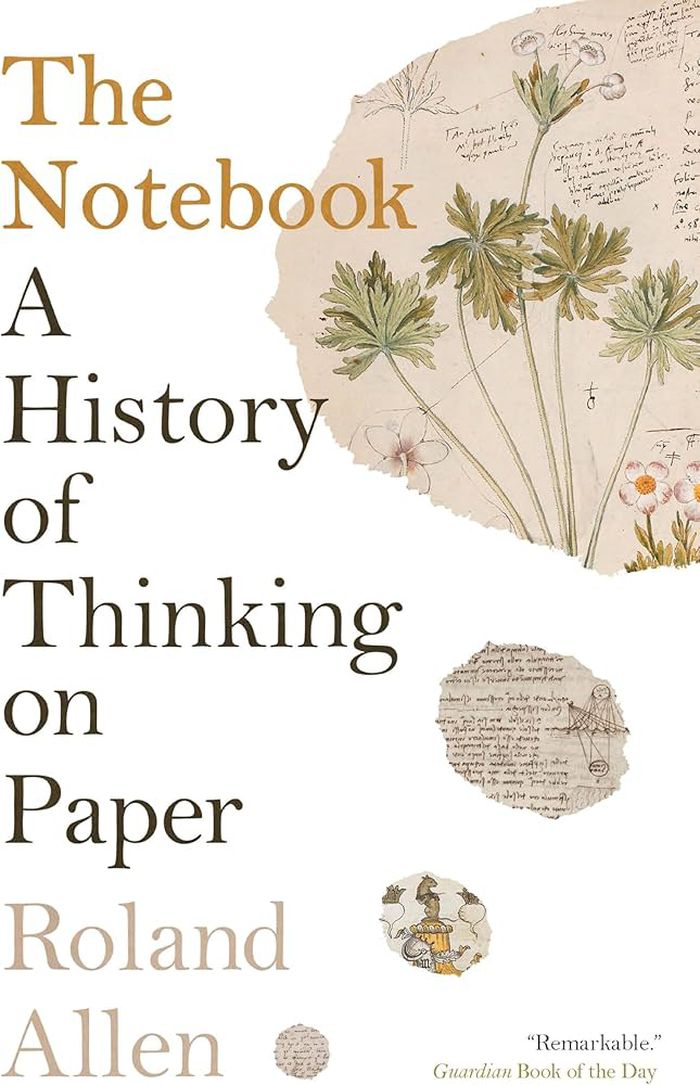
We see notebooks everywhere we go. But where did these indispensable implements come from? How did they revolutionize our lives? And how can using a notebook help change the way you think? In this wide-ranging history, Roland Allen reveals how the notebook became our most dependable and versatile tool for creative thinking. He tells the notebook stories of Leonardo and Frida Kahlo, Isaac Newton and Marie Curie, and writers from Chaucer to Henry James; shows how Darwin developed his theory of evolution in tiny pocket books and Agatha Christie plotted a hundred murders in scrappy exercise books; and introduces a host of cooks, kings, sailors, fishermen, musicians, engineers, politicians, adventurers, and mathematicians, all of whom used their notebooks as a space to think—and in doing so, shaped the modern world. In an age of AI and digital overload, the humble notebook is more relevant than ever. Allen shows how bullet points can combat ADHD, journals can ease PTSD, and patient diaries soften the trauma of reawakening from coma. The everyday act of moving a pen across paper, he finds, can have profound consequences, changing the way we think and feel: making us more creative, more productive—and maybe even happier.
The notebook: A history of thinking on paper
Actions:
Price:
$26.95
(available to order)
Summary:
We see notebooks everywhere we go. But where did these indispensable implements come from? How did they revolutionize our lives? And how can using a notebook help change the way you think? In this wide-ranging history, Roland Allen reveals how the notebook became our most dependable and versatile tool for creative thinking. He tells the notebook stories of Leonardo and Frida Kahlo, Isaac Newton and Marie Curie, and writers from Chaucer to Henry James; shows how Darwin developed his theory of evolution in tiny pocket books and Agatha Christie plotted a hundred murders in scrappy exercise books; and introduces a host of cooks, kings, sailors, fishermen, musicians, engineers, politicians, adventurers, and mathematicians, all of whom used their notebooks as a space to think—and in doing so, shaped the modern world. In an age of AI and digital overload, the humble notebook is more relevant than ever. Allen shows how bullet points can combat ADHD, journals can ease PTSD, and patient diaries soften the trauma of reawakening from coma. The everyday act of moving a pen across paper, he finds, can have profound consequences, changing the way we think and feel: making us more creative, more productive—and maybe even happier.
Form:
books
books
Publication:
September 2024
September 2024
Subject:
Literature and poetry
Literature and poetry
Form:
books
books
Price:
$55.50
(available to order)
Summary:
Human obsolescence is imminent. The factories of the future will be dark, staffed by armies of tireless robots. The hospitals of the future will have fewer doctors, depending instead on cloud-based AI to diagnose patients and recommend treatments. The homes of the future will anticipate our wants and needs and provide all the entertainment, food, and distraction we could(...)
$55.50
(available to order)
Summary:
Human obsolescence is imminent. The factories of the future will be dark, staffed by armies of tireless robots. The hospitals of the future will have fewer doctors, depending instead on cloud-based AI to diagnose patients and recommend treatments. The homes of the future will anticipate our wants and needs and provide all the entertainment, food, and distraction we could(...)
Title:
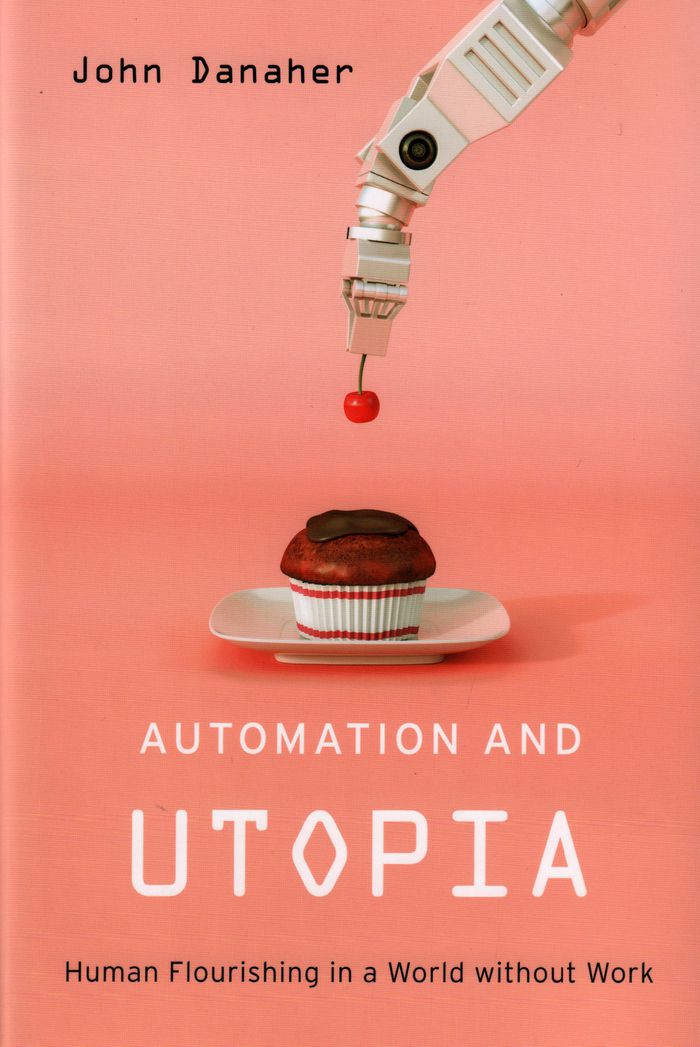
Automation and utopia: human flourishing in a world without work
Actions:
Price:
$55.50
(available to order)
Summary:
Human obsolescence is imminent. The factories of the future will be dark, staffed by armies of tireless robots. The hospitals of the future will have fewer doctors, depending instead on cloud-based AI to diagnose patients and recommend treatments. The homes of the future will anticipate our wants and needs and provide all the entertainment, food, and distraction we could ever desire. To many, this is a depressing prognosis, an image of civilization replaced by its machines. But what if an automated future is something to be welcomed rather than feared? Work is a source of misery and oppression for most people, so shouldn’t we do what we can to hasten its demise? Automation and Utopia makes the case for a world in which, free from need or want, we can spend our time inventing and playing games and exploring virtual realities that are more deeply engaging and absorbing than any we have experienced before, allowing us to achieve idealized forms of human flourishing. The idea that we should “give up” and retreat to the virtual may seem shocking, even distasteful. But John Danaher urges us to embrace the possibilities of this new existence. The rise of automating technologies presents a utopian moment for humankind, providing both the motive and the means to build a better future.
Automation and utopia: human flourishing in a world without work
Actions:
Price:
$55.50
(available to order)
Summary:
Human obsolescence is imminent. The factories of the future will be dark, staffed by armies of tireless robots. The hospitals of the future will have fewer doctors, depending instead on cloud-based AI to diagnose patients and recommend treatments. The homes of the future will anticipate our wants and needs and provide all the entertainment, food, and distraction we could ever desire. To many, this is a depressing prognosis, an image of civilization replaced by its machines. But what if an automated future is something to be welcomed rather than feared? Work is a source of misery and oppression for most people, so shouldn’t we do what we can to hasten its demise? Automation and Utopia makes the case for a world in which, free from need or want, we can spend our time inventing and playing games and exploring virtual realities that are more deeply engaging and absorbing than any we have experienced before, allowing us to achieve idealized forms of human flourishing. The idea that we should “give up” and retreat to the virtual may seem shocking, even distasteful. But John Danaher urges us to embrace the possibilities of this new existence. The rise of automating technologies presents a utopian moment for humankind, providing both the motive and the means to build a better future.
Form:
books
books
Publication:
September 2019
September 2019
Subject:
Architectural Theory
Architectural Theory


