


6372 Results
Form:
books
books
Price:
$51.95
(available to order)
Summary:
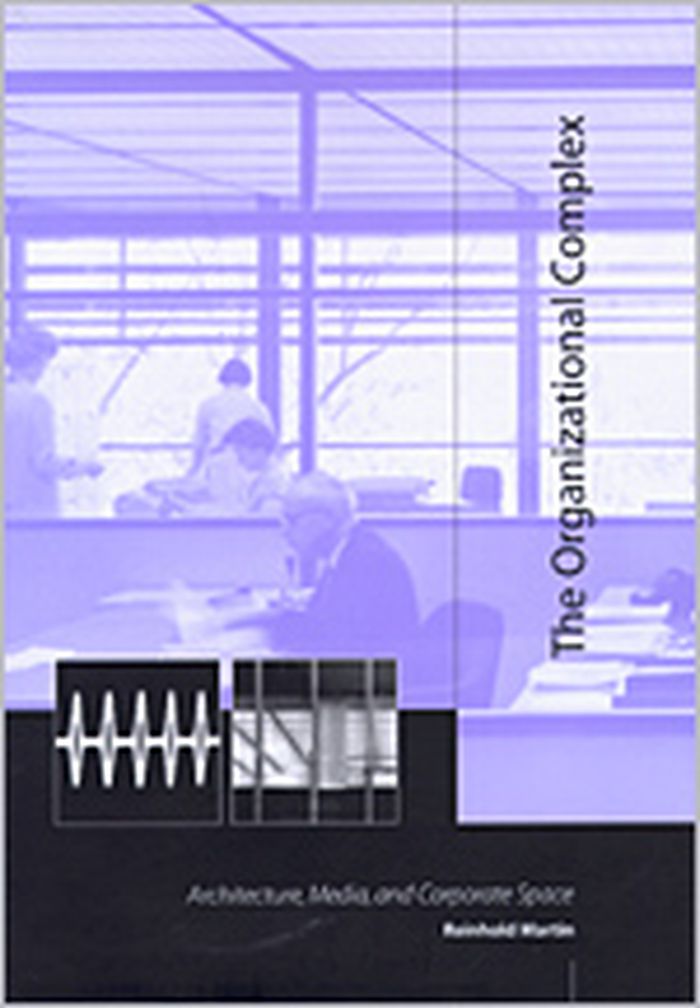
"The Organizational Complex" is a historical and theoretical analysis of corporate architecture in the United States after the Second World War. Its title refers to the aesthetic and technological extension of the military-industrial complex, in which architecture, computers, and corporations formed a network of objects, images, and discourses that realigned social(...)
Subject:
Architectural Theory
Architectural Theory
Publication:
July 2003, Cambridge, Massachusetts
July 2003, Cambridge, Massachusetts
Title:
The organizational complex : architecture, media, and corporate space
Actions:
Price:
$51.95
(available to order)
Summary:
"The Organizational Complex" is a historical and theoretical analysis of corporate architecture in the United States after the Second World War. Its title refers to the aesthetic and technological extension of the military-industrial complex, in which architecture, computers, and corporations formed a network of objects, images, and discourses that realigned social relations and transformed the postwar landscape. In-depth case studies of architect Eero Saarinen's work for General Motors, IBM, and Bell Laboratories and analyses of office buildings designed by Skidmore, Owings & Merrill trace the emergence of a systems-based model of organization in architecture, in which the modular curtain wall acts as both an organizational device and a carrier of the corporate image. Such an image--of the corporation as a flexible, integrated system--is seen to correspond with a "humanization" of corporate life, as corporations decentralize both spatially and administratively. Parallel analyses follow the assimilation of cybernetics into aesthetics in the writings of artist and visual theorist Gyorgy Kepes, as art merges with techno-science in the service of a dynamic new "pattern-seeing." Image and system thus converge in the organizational complex, while top-down power dissolves into networked, pattern-based control. Architecture, as one among many media technologies, supplies the patterns--images of organic integration designed to regulate new and unstable human-machine assemblages.
Form:
books
books
Publication:
July 2003, Cambridge, Massachusetts
July 2003, Cambridge, Massachusetts
Subject:
Architectural Theory
Architectural Theory
Form:
books
books
Actions:
Price:
$49.95
(available in store)
Summary:
''The Unimportance of Form and Other Arguments'' gathers the early writings of British designer Jasper Morrison, written between 1984 and 2002 and collected and edited by industrial designer Sina Sohrab. Published together here for the first time, these texts map the formation of ideas that would come to define his practice: the responsibilities of design, the value of(...)
Title:
Jasper Morrison: The unimportance of form
Actions:
Price:
$49.95
(available in store)
Summary:
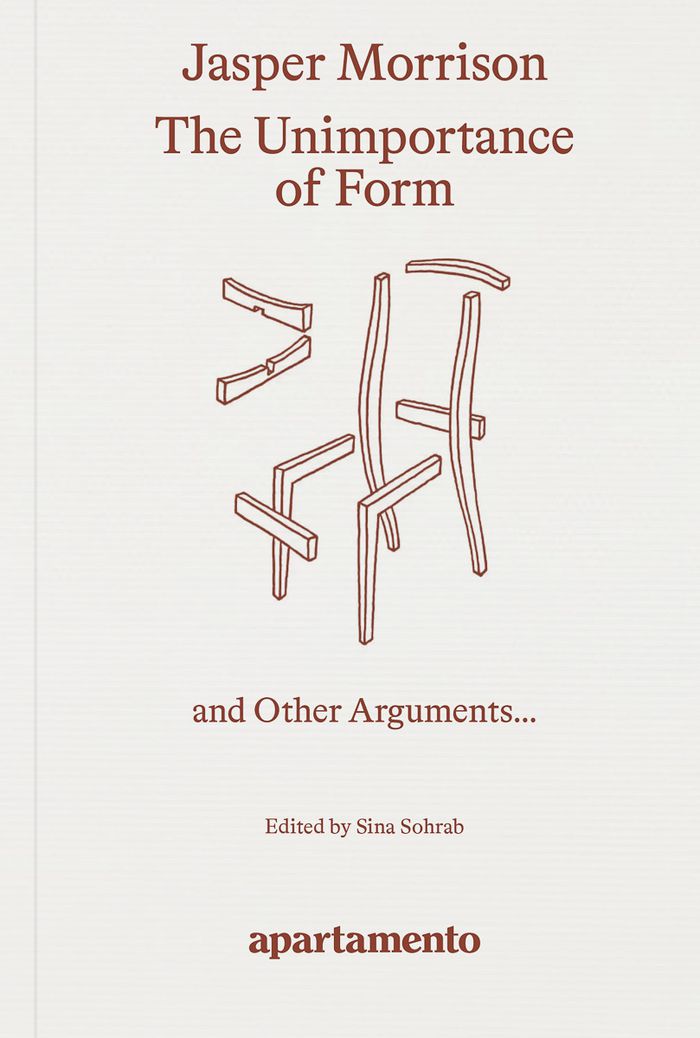
''The Unimportance of Form and Other Arguments'' gathers the early writings of British designer Jasper Morrison, written between 1984 and 2002 and collected and edited by industrial designer Sina Sohrab. Published together here for the first time, these texts map the formation of ideas that would come to define his practice: the responsibilities of design, the value of usefulness, and the quiet authority of ordinary things. From autobiographical manifestos and his 1985 RCA thesis to later essays, musings, and even notes for an unfinished novel, this compendium of 31 texts captures the honing of a lifelong argument about what design is—and what it should be. Taking its title from his 1991 essay ''The Unimportance of Form'', one of his most searching critiques of the designer’s role, the book offers rare access to the early thinking of one of design’s most influential figures, from ideas behind objects not yet iconic to reflections on his expanding relationship with the industry. Celebrated for objects that feel as though they were always meant to exist, Jasper is also a sharp, sceptical, and often humorous writer. A longtime contributor to the Apartamento world—including ''The Hard Life Notebook'' (2016) and his introduction to ''Miguel Milá: A Life in Design''—this volume provides a singular glimpse into the formative ideas that would shape a remarkable career.
Form:
books
books
Publication:
April 2026
April 2026
Subject:
Design Monographs
Design Monographs
Form:
books
books
Actions:
Price:
$45.00
(available to order)
Summary:
Contemporary artist Roni Horn first visited Iceland in 1975 at the age of nineteen, and since then, the island’s treeless expanse has had an enduring hold on Horn’s creative work. Through a series of remarkable and poetic reflections, vignettes, episodes, and illustrated essays, ''Island zombie'' distills the artist’s lifelong experience of Iceland’s natural environment.(...)
Title:
Island zombie: Iceland writings
Actions:
Price:
$45.00
(available to order)
Summary:
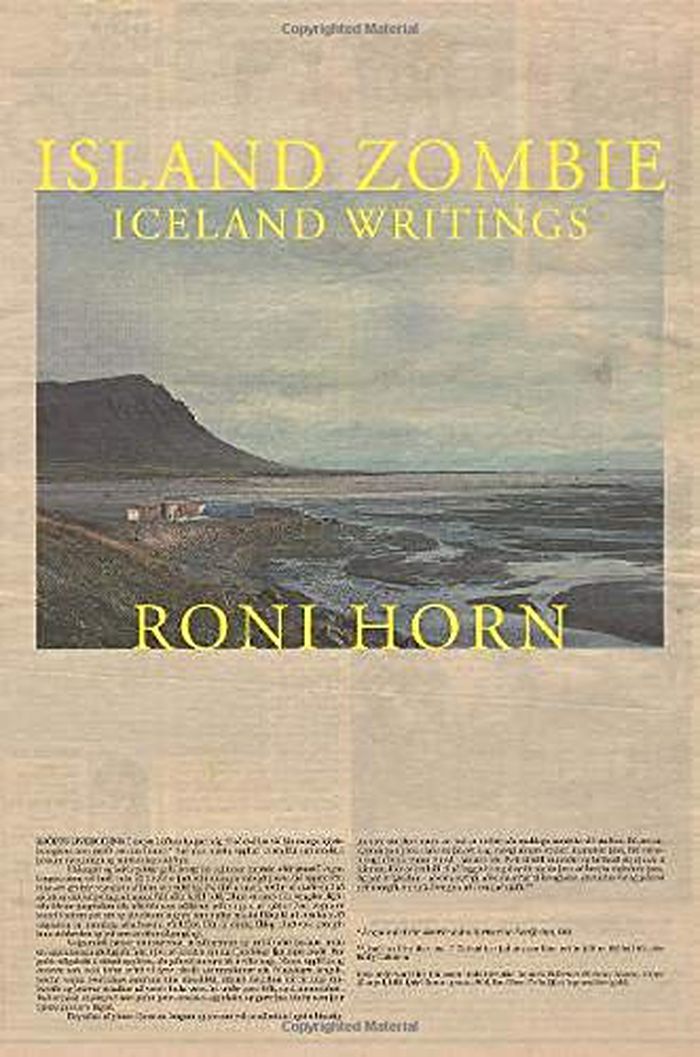
Contemporary artist Roni Horn first visited Iceland in 1975 at the age of nineteen, and since then, the island’s treeless expanse has had an enduring hold on Horn’s creative work. Through a series of remarkable and poetic reflections, vignettes, episodes, and illustrated essays, ''Island zombie'' distills the artist’s lifelong experience of Iceland’s natural environment. Together, these pieces offer an unforgettable exploration of the indefinable and inescapable force of remote, elemental places, and provide a sustained look at how an island and its atmosphere can take possession of the innermost self. ''Island zombie'' is a meditation on being present. It vividly conveys Horn’s experiences, from the deeply profound to the joyful and absurd. Through powerful evocations of the changing weather and other natural phenomena- the violence of the wind, the often aggressive birds, the imposing influence of glaciers, and the ubiquitous presence of water in all its variety- we come to understand the author’s abiding need for Iceland, a place uniquely essential to Horn’s creative and spiritual life. The dramatic surroundings provoke examinations of self-sufficiency and isolation, and these ruminations summon a range of cultural companions, including El Greco, Emily Dickinson, Judy Garland, Wallace Stevens, Edgar Allan Poe, William Morris, and Rachel Carson. While brilliantly portraying nature’s sublime energy, Horn also confronts issues of consumption, destruction, and loss, as the industrial and man-made encroach on Icelandic wilderness.
Form:
books
books
Publication:
December 2020
December 2020
Form:
books
books
Price:
$32.00
(available to order)
Summary:
Things in life tend to fall apart. Cars break down. Buildings fall into disrepair. Personal items deteriorate. Yet today’s researchers are exploiting newly understood properties of matter to program materials that physically sense, adapt, and fall together instead of apart. These materials open new directions for industrial innovation and challenge us to rethink the way(...)
Title:
Things fall together: a guide to the new materials revolution
Actions:
Price:
$32.00
(available to order)
Summary:
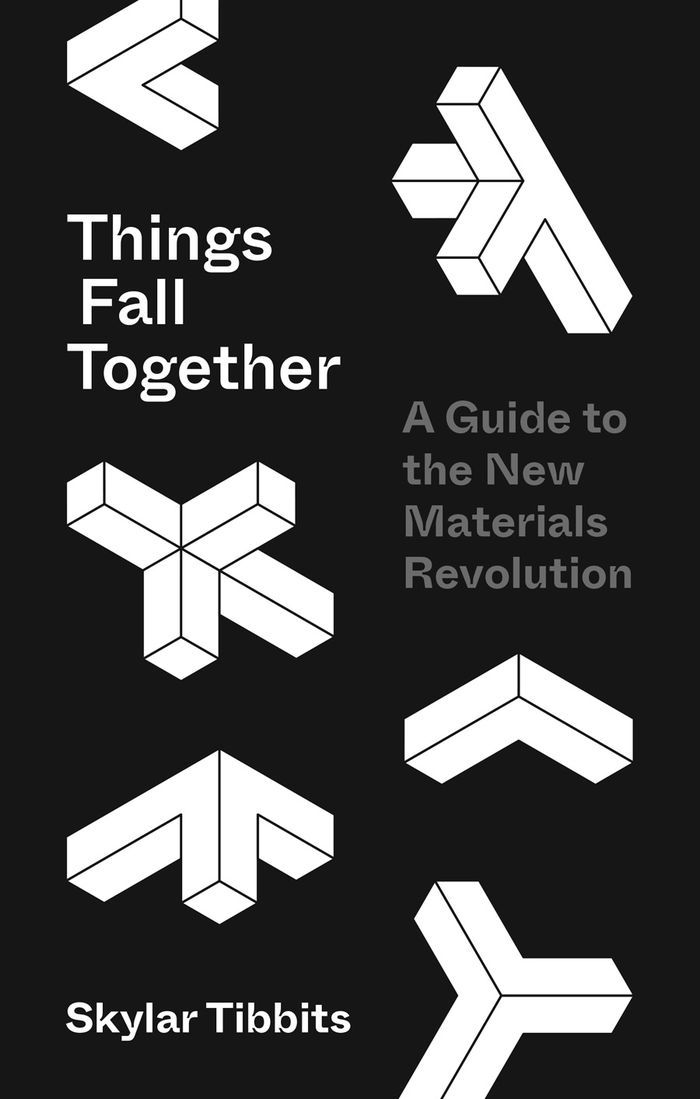
Things in life tend to fall apart. Cars break down. Buildings fall into disrepair. Personal items deteriorate. Yet today’s researchers are exploiting newly understood properties of matter to program materials that physically sense, adapt, and fall together instead of apart. These materials open new directions for industrial innovation and challenge us to rethink the way we build and collaborate with our environment. "Things fall together" is a provocative guide to this emerging, often mind-bending reality, presenting a bold vision for harnessing the intelligence embedded in the material world. Drawing on his pioneering work on self-assembly and programmable material technologies, Skylar Tibbits lays out the core, frequently counterintuitive ideas and strategies that animate this new approach to design and innovation. From furniture that builds itself to shoes printed flat that jump into shape to islands that grow themselves, he describes how matter can compute and exhibit behaviors that we typically associate with biological organisms, and challenges our fundamental assumptions about what physical materials can do and how we can interact with them. Intelligent products today often rely on electronics, batteries, and complicated mechanisms. Tibbits offers a different approach, showing how we can design simple and elegant material intelligence that may one day animate and improve itself—and along the way help us build a more sustainable future.
Form:
books
books
Publication:
June 2021
June 2021
Subject:
Design Theory
Design Theory
Form:
books
books
Title:
Atelier Deshaus 2001-2020
Atelier Deshaus 2001-2020
Actions:
Price:
$88.50
(available to order)
Summary:
Shanghai-based Atelier Deshaus, founded in 2001 as one of the first private architectural firms in China, is also one of the country’s most distinguished and innovative design studios. The firm made its name worldwide in 2014 with the much-acclaimed West Bund site for Shanghai’s Long Museum, which has since been followed by a series of further museum and other art-related(...)
Title:
Atelier Deshaus 2001-2020
Actions:
Price:
$88.50
(available to order)
Summary:
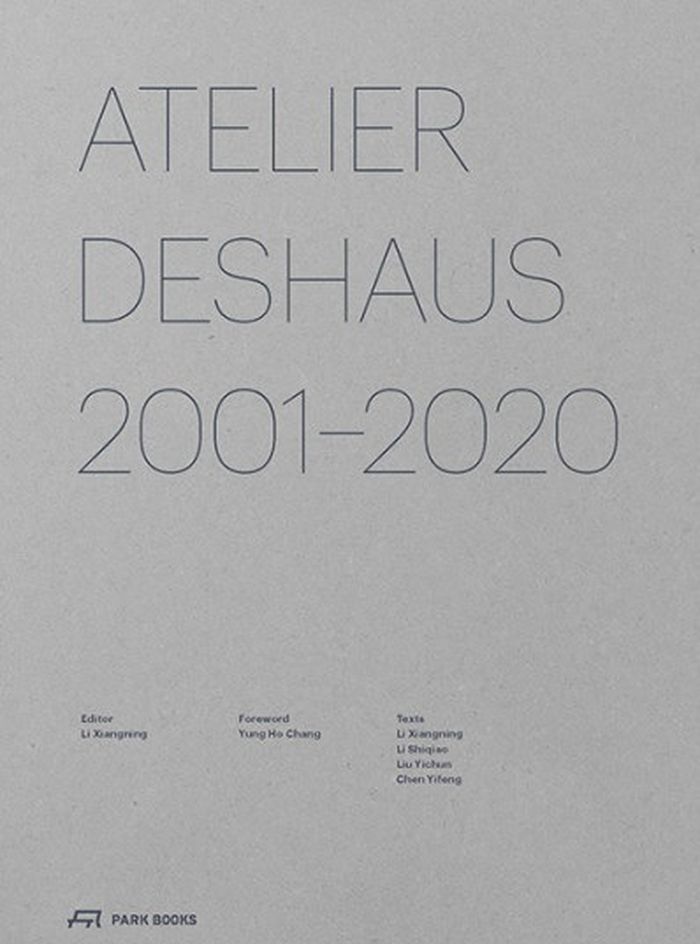
Shanghai-based Atelier Deshaus, founded in 2001 as one of the first private architectural firms in China, is also one of the country’s most distinguished and innovative design studios. The firm made its name worldwide in 2014 with the much-acclaimed West Bund site for Shanghai’s Long Museum, which has since been followed by a series of further museum and other art-related projects. Such cultural and community buildings of various scales are the main focus of Atelier Deshaus, who deliberately eschew the usual commercial construction tasks in China. Their strong buildings are developed from reading the sites with special attention paid to the preservation of Shanghai’s industrial heritage after decades of a tabula rasa policy in the city’s urban development. At the core of this book are Atelier Deshaus’s twenty most important designs from 2001 to 2020. They are documented in detail through plans and images as well as concise explanatory texts by the architects. In an extensive conversation with Hubertus Adam, the firm’s principals Liu Yichun and Chen Yifeng offer insights into their way of thinking, their understanding of Chinese tradition, their relation to art, and the challenges of working as a nongovernmental office in China. Additional essays place Atelier Deshaus in the context of contemporary international architecture and discuss their key projects with regards to constructive qualities and atmosphere.
Form:
books
books
Publication:
April 2023
April 2023
Subject:
Architecture Monographs
Architecture Monographs
Form:
books
books
Title:
Mining photography
Mining photography
Actions:
Price:
$63.00
(available to order)
Summary:
Photography has always depended on the extraction and exploitation of so-called natural raw materials. Having started out using copper, coal, silver, and paper—the raw materials of analogue image production in the nineteenth and twentieth centuries—photography now relies, in the age of the smartphone, on rare earths and metals like coltan, cobalt, and europium. The(...)
Publication:
March 2023
March 2023
Title:
Mining photography
Actions:
Price:
$63.00
(available to order)
Summary:
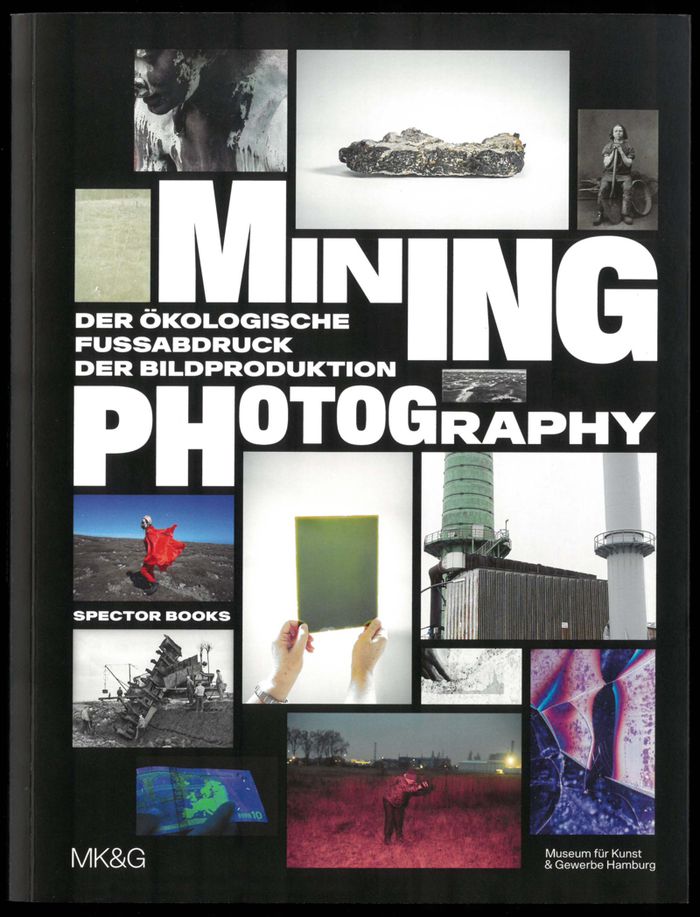
Photography has always depended on the extraction and exploitation of so-called natural raw materials. Having started out using copper, coal, silver, and paper—the raw materials of analogue image production in the nineteenth and twentieth centuries—photography now relies, in the age of the smartphone, on rare earths and metals like coltan, cobalt, and europium. The exhibition focuses on the history of key raw materials utilized in photography and establishes a connection between the history of their extraction, their disposal, and climate change. Looking at historical and contemporary works, it tells the story of photography as a history of industrial production and demonstrates that the medium is deeply implicated in human-induced changes to nature. The exhibition shows contemporary works by a range of photographers and artists, including Ignacio Acosta, Lisa Barnard, F Cartier, Susanne Kriemann, Mary Mattingly, Daphné Nan Le Sergent, Lisa Rave, Alison Rossiter, Metabolic Studio’s Optics Division, Robert Smithson, Simon Starling, Anaïs Tondeur, James Welling, Noa Yafe and Tobias Zielony, along with historical works by Eduard Christian Arning, Hermann Biow, Oscar and Theodor Hofmeister, Jürgen Friedrich Mahrt, Hermann Reichling, and others, and historical material from the Agfa Foto-Historama in Leverkusen, the Eastman Kodak Archive in Rochester and the FOMU Photo Museum in Antwerp as well as mineral samples collected by Alexander von Humboldt from the collection of the Museum für Naturkunde, Berlin.
Form:
books
books
Publication:
March 2023
March 2023
Form:
books
books
Title:
La Fábrica, Ricardo Bofill
La Fábrica, Ricardo Bofill
Actions:
Price:
$81.00
(available to order)
Summary:
La Fábrica is one of Ricardo Bofill’s most iconoclastic creations. A former cement factory on the outskirts of Barcelona, serendipitously discovered while driving, the building became the centre of the late Catalan architect’s life, serving both as his home and as the headquarters of his practice since 1973. Here, Ricardo created a world of his own, exposing the concrete(...)
Title:
La Fábrica, Ricardo Bofill
Actions:
Price:
$81.00
(available to order)
Summary:
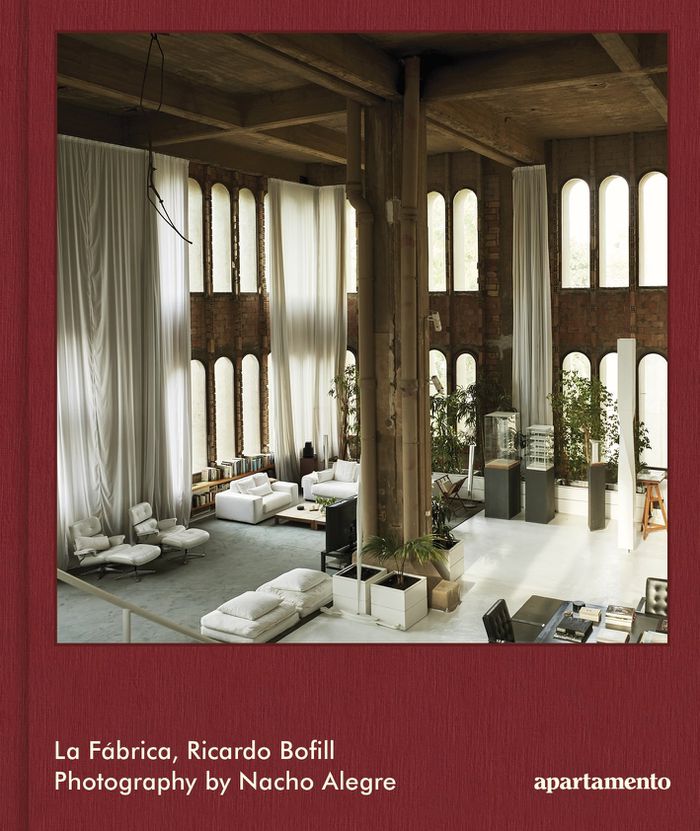
La Fábrica is one of Ricardo Bofill’s most iconoclastic creations. A former cement factory on the outskirts of Barcelona, serendipitously discovered while driving, the building became the centre of the late Catalan architect’s life, serving both as his home and as the headquarters of his practice since 1973. Here, Ricardo created a world of his own, exposing the concrete forms from beneath years of dust and smoke, encouraging nature back onto the structure, and fine-tuning the balance between its monumental scale and a delicate, human sensibility, in one of the earliest examples of the reuse of an industrial building—and it’s still changing. This new edition expands on the book originally published in 2018, featuring exclusive archival imagery courtesy of RBTA and an expansive selection of photographs taken by Nacho Alegre on his visits to La Fábrica over the last decade. He returned in November 2022 to document the building in its current state, closing the book with 32 pages of otherwise unseen images—a portrait of Ricardo’s most cherished work at a moment of profound transformation. With an introduction by Pablo Bofill, the book also features an interview with Ricardo himself by Barcelona-based architects Arquitectura-G and Guillermo López, an extended version of the conversation originally published in issue #11 of Apartamento magazine.
Form:
books
books
Publication:
December 2022
December 2022
Subject:
Architecture Monographs
Architecture Monographs
Form:
books
books
Price:
$35.95
(available to order)
Summary:
The "ruins" of the modern era are the landmarks of recent art’s turn toward site and situation, history and memory. The abiding interest of artists in ruination and decay has led in particular to the concept of the modern ruin - an ambiguous site of artistic and architectural modernism, personal and collective memories, and the cultural afterlife of eras such as those of(...)
Title:
Ruins
Actions:
Price:
$35.95
(available to order)
Summary:
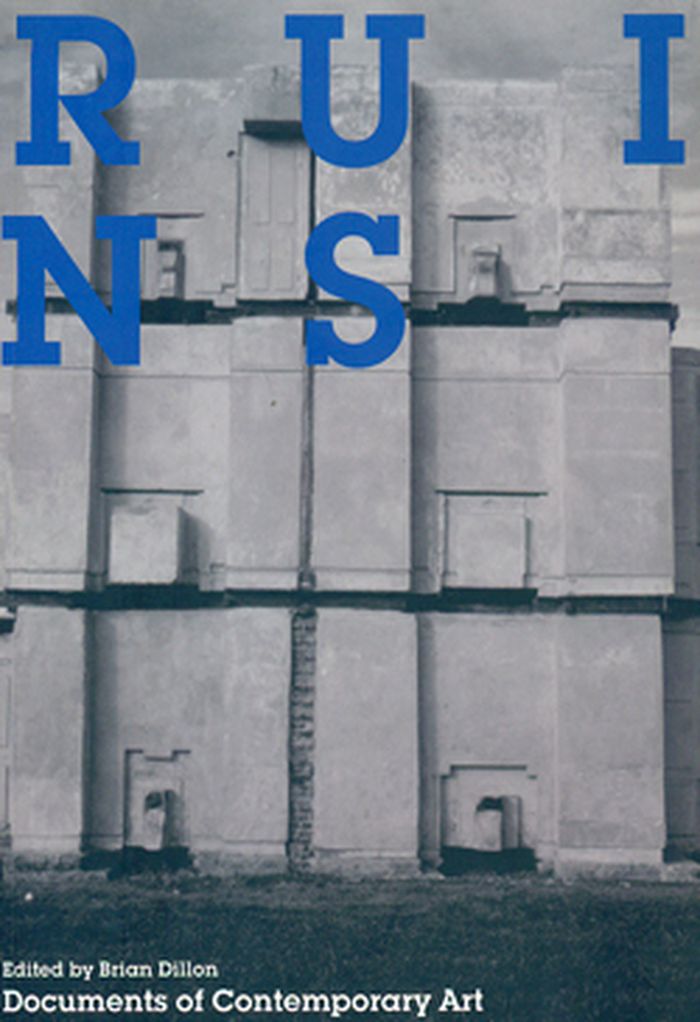
The "ruins" of the modern era are the landmarks of recent art’s turn toward site and situation, history and memory. The abiding interest of artists in ruination and decay has led in particular to the concept of the modern ruin - an ambiguous site of artistic and architectural modernism, personal and collective memories, and the cultural afterlife of eras such as those of state communism and colonialism. Contemporary art’s explorations of the ruin can evoke on the one hand diverse experiences of nostalgia and on the other a ceaselessly renewed encounter with catastrophes of the recent past and apprehensions of the future. For every relic of a harmonious era or utopian dream stands another recalling industrial decline, environmental disaster, and the depredations of war. This anthology provides a comprehensive survey of the contemporary ruin in cultural discourse, aesthetics, and artistic practice. It examines the development of ruin aesthetics from the early modern era to the present; the ruin as a privileged emblem of modernity’s decline; the relic as a portal onto the political history of the recent past; the destruction and decline of cities and landscapes, with the emergence of "non-places" and “drosscape”; the symbolism of the entropic and decayed in critical environmentalism; and the confusing temporalities of the ruin in recent art - its involution of timescales and perspectives as it addresses not just the past but the future.
Form:
books
books
Publication:
September 2011
September 2011
Subject:
Art Theory
Art Theory
Form:
books
books
Actions:
Holdings:
Description:
xvii, 342 pages, 8 unnumbered leaves of plates : illustrations, maps ; 22 cm
Description:
xvii, 342 pages, 8 unnumbered leaves of plates : illustrations, maps ; 22 cm
Subject:
- Geography,
- Travel,
- geographical aspect.,
- history.,
- demographic aspect.,
- political aspect.,
- economic structure.,
- social structure.,
- rural area.,
- natural resources.,
- economic resources.,
- economic policy.,
- economic planning.,
- rural development.,
- industrialization.,
- aspect géographique.,
- histoire.,
- aspect démographique.,
- aspect politique.,
- structure économique.,
- structure sociale.,
- zone rurale.,
- ressources naturelles.,
- ressources économiques.,
- politique économique.,
- planification économique.,
- développement rural.,
- industrialisation.,
- aspecto geográfico.,
- historia.,
- aspecto demográfico.,
- aspecto político.,
- estructura económica.,
- estructura social.,
- zona rural.,
- recursos naturales.,
- recursos económicos.,
- política económica.,
- planificación económica.,
- desarrollo rural.,
- industrialización.,
- China Geography.,
- China Description and travel.,
- China History.,
- Chine Descriptions et voyages.,
- Chine Histoire.,
- China,
- Chine.,
- Imperial China.,
- Ancient China.,
- History,
- bibliography.,
- general study.,
- bibliographie.,
- étude générale.,
- bibliografía.,
- estudio general.
(See more)
Publication:
Chicago, Ill. : Aldine Pub. Co., 1965.
Chicago, Ill. : Aldine Pub. Co., 1965.
Title:
A geography of China / by T.R. Tregear.
Actions:
Holdings:
Description:
xvii, 342 pages, 8 unnumbered leaves of plates : illustrations, maps ; 22 cm
A geography of China / by T.R. Tregear.
Actions:
Holdings:
Description:
xvii, 342 pages, 8 unnumbered leaves of plates : illustrations, maps ; 22 cm
Form:
books
books
Publication:
Chicago, Ill. : Aldine Pub. Co., 1965.
Chicago, Ill. : Aldine Pub. Co., 1965.
Subject:
- Geography,
- Travel,
- geographical aspect.,
- history.,
- demographic aspect.,
- political aspect.,
- economic structure.,
- social structure.,
- rural area.,
- natural resources.,
- economic resources.,
- economic policy.,
- economic planning.,
- rural development.,
- industrialization.,
- aspect géographique.,
- histoire.,
- aspect démographique.,
- aspect politique.,
- structure économique.,
- structure sociale.,
- zone rurale.,
- ressources naturelles.,
- ressources économiques.,
- politique économique.,
- planification économique.,
- développement rural.,
- industrialisation.,
- aspecto geográfico.,
- historia.,
- aspecto demográfico.,
- aspecto político.,
- estructura económica.,
- estructura social.,
- zona rural.,
- recursos naturales.,
- recursos económicos.,
- política económica.,
- planificación económica.,
- desarrollo rural.,
- industrialización.,
- China Geography.,
- China Description and travel.,
- China History.,
- Chine Descriptions et voyages.,
- Chine Histoire.,
- China,
- Chine.,
- Imperial China.,
- Ancient China.,
- History,
- bibliography.,
- general study.,
- bibliographie.,
- étude générale.,
- bibliografía.,
- estudio general.
(See more)
Form:
books
books
Price:
$41.99
(available in store)
Summary:
Americans spend, on average, 90 percent of their lives indoors, with two-thirds of that time spent in their homes. Globally, the construction and maintenance of residential buildings account for a staggering portion of carbon emissions. In this timely and fascinating work, architect and urban-planning scholar Stefan Al deftly weaves together archaeology, engineering,(...)
Title:
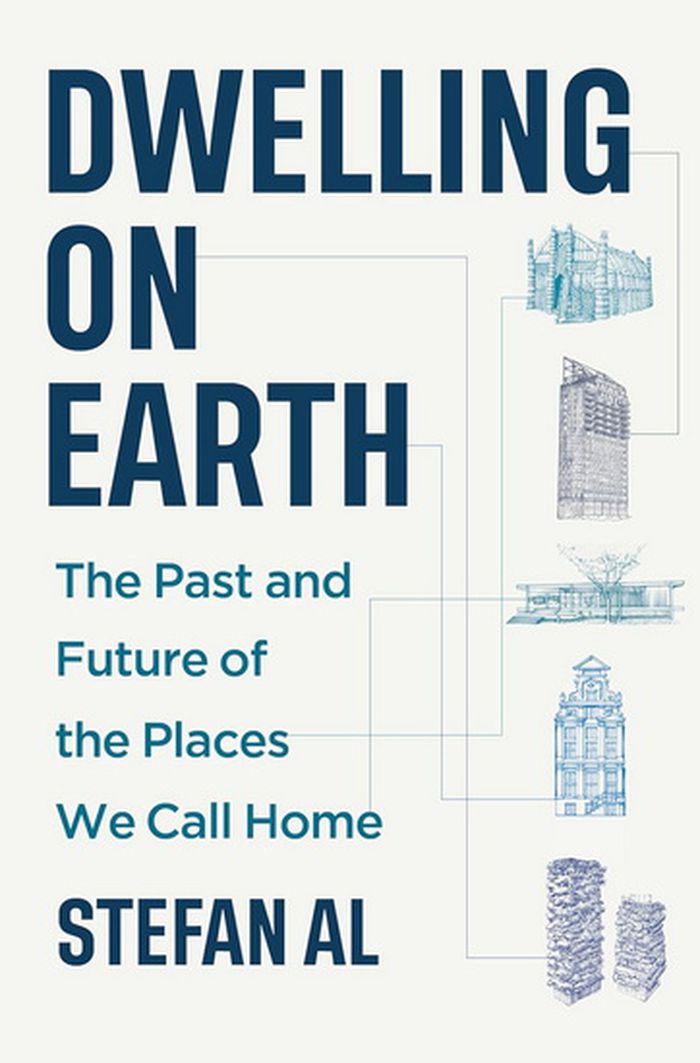
Dwelling on Earth: the past and future of the places we call home
Actions:
Price:
$41.99
(available in store)
Summary:
Americans spend, on average, 90 percent of their lives indoors, with two-thirds of that time spent in their homes. Globally, the construction and maintenance of residential buildings account for a staggering portion of carbon emissions. In this timely and fascinating work, architect and urban-planning scholar Stefan Al deftly weaves together archaeology, engineering, social history, and environmental science to explain how our homes have developed through the ages and in turn shaped civilization and the planet itself. From tiny pit-houses in the Levant and Mesoamerica thousands of years ago to soaring skyscrapers in Dubai, New York, and Shanghai today, ''Dwelling on Earth'' takes readers on a swift and absorbing tour of the evolution of human habitation. Whisking readers from ancient Pompeii to contemporary Hong Kong, industrial-age Liverpool to postwar Levittown, Al shows how our choices in housing have both reflected and affected ideas about gender roles, privacy, and comfort. Discover how seemingly mundane elements—like door-knockers and corridors—have altered everyday interactions, and how material choices have remade the planet's surface. He also confronts the darker side of domesticity, exposing the unintended consequences of our architectural choices across millennia, including smoke-filled Neolithic dwellings, deadly fires in crowded Roman apartment buildings, and worsening social isolation in car-dependent suburbs. Finally, he examines the myths and reality of future housing, including 3D-printed homes and space architecture built by robots.
Form:
books
books
Publication:
April 2026
April 2026
Subject:
Social
Social


