


6900 Results
Form:
exhibitions
exhibitions
Description:
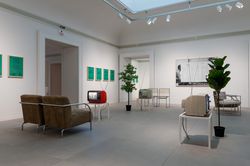
This exhibition will explore the third-year undergraduate arts course, “A305: History of Architecture and Design, 1890–1939,” offered by the Open University via television and radio broadcasts that aired from 1975 to 1982. Beyond its many innovations in new forms of higher education, the Open University—founded in 1969 with headquarters in Milton Keynes, UK—was a key(...)
This exhibition will explore the third-year undergraduate arts course, “A305: History of Architecture and Design, 1890–1939,” offered by the Open University via television and radio broadcasts that aired from 1975 to 1982. Beyond its many innovations in new forms of higher education, the Open University—founded in 1969 with headquarters in Milton Keynes, UK—was a key(...)
Date:
15 November 2017 to 1 April 2018
15 November 2017 to 1 April 2018
Title:
The University Is Now on Air: Broadcasting Modern Architecture
Actions:
Description:
This exhibition will explore the third-year undergraduate arts course, “A305: History of Architecture and Design, 1890–1939,” offered by the Open University via television and radio broadcasts that aired from 1975 to 1982. Beyond its many innovations in new forms of higher education, the Open University—founded in 1969 with headquarters in Milton Keynes, UK—was a key(...)
The University Is Now on Air: Broadcasting Modern Architecture
Actions:
Description:
This exhibition will explore the third-year undergraduate arts course, “A305: History of Architecture and Design, 1890–1939,” offered by the Open University via television and radio broadcasts that aired from 1975 to 1982. Beyond its many innovations in new forms of higher education, the Open University—founded in 1969 with headquarters in Milton Keynes, UK—was a key(...)
Form:
exhibitions
exhibitions
Date:
15 November 2017 to
1 April 2018
15 November 2017 to
1 April 2018
Form:
exhibitions
exhibitions
Description:
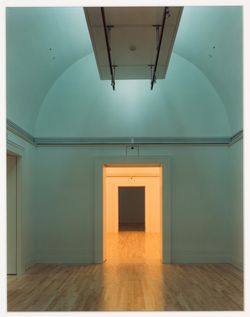
Celebrating the opening of the CCAs new building, Canadian Centre for Architecture: Building and Gardens reveals the potential of a museum of architecture as a statement: about the nature of the works it collects and exhibits; about its role in the life of a culture or a city; and about architecture itself. Both the restoration of the nineteenth-century Shaughnessy House(...)
Celebrating the opening of the CCAs new building, Canadian Centre for Architecture: Building and Gardens reveals the potential of a museum of architecture as a statement: about the nature of the works it collects and exhibits; about its role in the life of a culture or a city; and about architecture itself. Both the restoration of the nineteenth-century Shaughnessy House(...)
Location:
Octagonal gallery
Octagonal gallery
Date:
7 May 1989 to 25 March 1990
7 May 1989 to 25 March 1990
Title:
Canadian Centre for Architecture: Building and Gardens
Actions:
Description:
Celebrating the opening of the CCAs new building, Canadian Centre for Architecture: Building and Gardens reveals the potential of a museum of architecture as a statement: about the nature of the works it collects and exhibits; about its role in the life of a culture or a city; and about architecture itself. Both the restoration of the nineteenth-century Shaughnessy House(...)
Canadian Centre for Architecture: Building and Gardens
Actions:
Description:
Celebrating the opening of the CCAs new building, Canadian Centre for Architecture: Building and Gardens reveals the potential of a museum of architecture as a statement: about the nature of the works it collects and exhibits; about its role in the life of a culture or a city; and about architecture itself. Both the restoration of the nineteenth-century Shaughnessy House(...)
Form:
exhibitions
exhibitions
Date:
7 May 1989 to
25 March 1990
7 May 1989 to
25 March 1990
Location:
Octagonal gallery
Octagonal gallery
Form:
events
events
Title:
Learning from... Copenhagen
Learning from... Copenhagen
Actions:
Description:
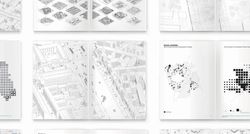
Deane Simpson presents the Atlas of the Copenhagens, a book project addressing an urban territory that has been posited in the media and celebrated by the municipality of Copenhagen as the world’s most sustainable and liveable city. Such claims suggest that Copenhagen is a fitting site to study and engage in a debate on sustainability and liveability. The Atlas operates(...)
Deane Simpson presents the Atlas of the Copenhagens, a book project addressing an urban territory that has been posited in the media and celebrated by the municipality of Copenhagen as the world’s most sustainable and liveable city. Such claims suggest that Copenhagen is a fitting site to study and engage in a debate on sustainability and liveability. The Atlas operates(...)
Location:
Paul-Desmarais Theatre
Paul-Desmarais Theatre
Date:
21 May 2015 , 6pm
21 May 2015 , 6pm
Title:
Learning from... Copenhagen
Actions:
Description:
Deane Simpson presents the Atlas of the Copenhagens, a book project addressing an urban territory that has been posited in the media and celebrated by the municipality of Copenhagen as the world’s most sustainable and liveable city. Such claims suggest that Copenhagen is a fitting site to study and engage in a debate on sustainability and liveability. The Atlas operates(...)
Learning from... Copenhagen
Actions:
Description:
Deane Simpson presents the Atlas of the Copenhagens, a book project addressing an urban territory that has been posited in the media and celebrated by the municipality of Copenhagen as the world’s most sustainable and liveable city. Such claims suggest that Copenhagen is a fitting site to study and engage in a debate on sustainability and liveability. The Atlas operates(...)
Form:
events
events
Date:
21 May 2015
6pm
21 May 2015
6pm
Location:
Paul-Desmarais Theatre
Paul-Desmarais Theatre
Form:
events
events
Title:
Learning from... Chisasibi
Learning from... Chisasibi
Actions:
Description:
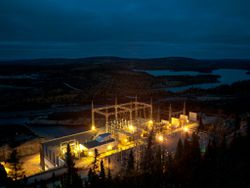
A conversation between artist Thomas Kneubühler and filmmaker Ernest Webb, who explore housing and human migration in a small town on the eastern shore of James Bay. The conversation will be moderated by Alessandra Ponte. Taking the hydroelectric installations in Northern Quebec as his cue, Kneubühler documents how the generation of power touches the land and by extension(...)
A conversation between artist Thomas Kneubühler and filmmaker Ernest Webb, who explore housing and human migration in a small town on the eastern shore of James Bay. The conversation will be moderated by Alessandra Ponte. Taking the hydroelectric installations in Northern Quebec as his cue, Kneubühler documents how the generation of power touches the land and by extension(...)
Location:
Paul Desmarais Theatre
Paul Desmarais Theatre
Date:
25 October 2012 , 7pm
25 October 2012 , 7pm
Title:
Learning from... Chisasibi
Actions:
Description:
A conversation between artist Thomas Kneubühler and filmmaker Ernest Webb, who explore housing and human migration in a small town on the eastern shore of James Bay. The conversation will be moderated by Alessandra Ponte. Taking the hydroelectric installations in Northern Quebec as his cue, Kneubühler documents how the generation of power touches the land and by extension(...)
Learning from... Chisasibi
Actions:
Description:
A conversation between artist Thomas Kneubühler and filmmaker Ernest Webb, who explore housing and human migration in a small town on the eastern shore of James Bay. The conversation will be moderated by Alessandra Ponte. Taking the hydroelectric installations in Northern Quebec as his cue, Kneubühler documents how the generation of power touches the land and by extension(...)
Form:
events
events
Date:
25 October 2012
7pm
25 October 2012
7pm
Location:
Paul Desmarais Theatre
Paul Desmarais Theatre
Form:
exhibitions
exhibitions
Actions:
Description:
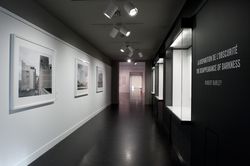
The exhibition Robert Burley: The Disappearance of Darkness presents a series of photographs by Canadian artist Robert Burley, documenting the decline of traditional photographic equipment manufacturing brought on by new technologies. Since 2005, digital photographic technology has increasingly displaced its analog predecessor, resulting in a plummeting demand for(...)
The exhibition Robert Burley: The Disappearance of Darkness presents a series of photographs by Canadian artist Robert Burley, documenting the decline of traditional photographic equipment manufacturing brought on by new technologies. Since 2005, digital photographic technology has increasingly displaced its analog predecessor, resulting in a plummeting demand for(...)
Location:
Hall cases
Hall cases
Date:
11 September 2009 to 15 November 2009
11 September 2009 to 15 November 2009
Title:
Robert Burley: The Disappearance of Darkness
Actions:
Description:
The exhibition Robert Burley: The Disappearance of Darkness presents a series of photographs by Canadian artist Robert Burley, documenting the decline of traditional photographic equipment manufacturing brought on by new technologies. Since 2005, digital photographic technology has increasingly displaced its analog predecessor, resulting in a plummeting demand for(...)
Robert Burley: The Disappearance of Darkness
Actions:
Description:
The exhibition Robert Burley: The Disappearance of Darkness presents a series of photographs by Canadian artist Robert Burley, documenting the decline of traditional photographic equipment manufacturing brought on by new technologies. Since 2005, digital photographic technology has increasingly displaced its analog predecessor, resulting in a plummeting demand for(...)
Form:
exhibitions
exhibitions
Date:
11 September 2009 to
15 November 2009
11 September 2009 to
15 November 2009
Location:
Hall cases
Hall cases
Form:
photographs
photographs
Actions:
Reference number:
DR2012:0012:155:004
Description:
Binder containing slides related to the following projects: - In flight 1990-1995 (52 slides, 25 slides appear to be duplicates); - Parables 1989-1996 (116 slides, 83 slides appear to be duplicates); - Mott Haven on the run 1984 (5 slides, 4 slides appear to be duplicates); - After four days 1993 (6 slides, 5 slides appear to be duplicates); - Mrs. Birch 1993 (8 slides, 7 slides appear to be duplicates); - Walking stiffs 1993 (21 slides, 17 slides appear to be duplicates); - The remains of Lenin's tomb 1993 (4 slides, 3 slides appear to be duplicates); - This must have been the place 1993-1994 (5 slides, 3 slides appear to be duplicates); - The nation 1995 (20 slides, 15 slides appear to be duplicates); - Fathers and sons 1996-1997 (5 slides, 2 slides appear to be duplicates); - Re: visions of the temple 1996-1998 (4 slides, 1 slide appears to be a duplicate); - The American city 1996-2000 (12 slides, 5 slides appear to be duplicates); - Emplacements à Hérouville-Saint-Clair 1995 (3 slides, 1 slide appears to be a duplicate); - Cities on the run 1996-1998 (71 slides, 48 slides appear to be duplicates, 2 slides require housing); - One fit sizes all 1999-2002 (6 slides, 4 slides appear to be duplicates). Ring binder labelled: DUPLICATE SLIDES / 3
DR2012:0012:155:004
Description:
Binder containing slides related to the following projects: - In flight 1990-1995 (52 slides, 25 slides appear to be duplicates); - Parables 1989-1996 (116 slides, 83 slides appear to be duplicates); - Mott Haven on the run 1984 (5 slides, 4 slides appear to be duplicates); - After four days 1993 (6 slides, 5 slides appear to be duplicates); - Mrs. Birch 1993 (8 slides, 7 slides appear to be duplicates); - Walking stiffs 1993 (21 slides, 17 slides appear to be duplicates); - The remains of Lenin's tomb 1993 (4 slides, 3 slides appear to be duplicates); - This must have been the place 1993-1994 (5 slides, 3 slides appear to be duplicates); - The nation 1995 (20 slides, 15 slides appear to be duplicates); - Fathers and sons 1996-1997 (5 slides, 2 slides appear to be duplicates); - Re: visions of the temple 1996-1998 (4 slides, 1 slide appears to be a duplicate); - The American city 1996-2000 (12 slides, 5 slides appear to be duplicates); - Emplacements à Hérouville-Saint-Clair 1995 (3 slides, 1 slide appears to be a duplicate); - Cities on the run 1996-1998 (71 slides, 48 slides appear to be duplicates, 2 slides require housing); - One fit sizes all 1999-2002 (6 slides, 4 slides appear to be duplicates). Ring binder labelled: DUPLICATE SLIDES / 3
People:
Date:
1990-2002
1990-2002
Title:
Photographs of various projects by Melvin Charney
Actions:
DR2012:0012:155:004
Description:
Binder containing slides related to the following projects: - In flight 1990-1995 (52 slides, 25 slides appear to be duplicates); - Parables 1989-1996 (116 slides, 83 slides appear to be duplicates); - Mott Haven on the run 1984 (5 slides, 4 slides appear to be duplicates); - After four days 1993 (6 slides, 5 slides appear to be duplicates); - Mrs. Birch 1993 (8 slides, 7 slides appear to be duplicates); - Walking stiffs 1993 (21 slides, 17 slides appear to be duplicates); - The remains of Lenin's tomb 1993 (4 slides, 3 slides appear to be duplicates); - This must have been the place 1993-1994 (5 slides, 3 slides appear to be duplicates); - The nation 1995 (20 slides, 15 slides appear to be duplicates); - Fathers and sons 1996-1997 (5 slides, 2 slides appear to be duplicates); - Re: visions of the temple 1996-1998 (4 slides, 1 slide appears to be a duplicate); - The American city 1996-2000 (12 slides, 5 slides appear to be duplicates); - Emplacements à Hérouville-Saint-Clair 1995 (3 slides, 1 slide appears to be a duplicate); - Cities on the run 1996-1998 (71 slides, 48 slides appear to be duplicates, 2 slides require housing); - One fit sizes all 1999-2002 (6 slides, 4 slides appear to be duplicates). Ring binder labelled: DUPLICATE SLIDES / 3
Photographs of various projects by Melvin Charney
Actions:
DR2012:0012:155:004
Description:
Binder containing slides related to the following projects: - In flight 1990-1995 (52 slides, 25 slides appear to be duplicates); - Parables 1989-1996 (116 slides, 83 slides appear to be duplicates); - Mott Haven on the run 1984 (5 slides, 4 slides appear to be duplicates); - After four days 1993 (6 slides, 5 slides appear to be duplicates); - Mrs. Birch 1993 (8 slides, 7 slides appear to be duplicates); - Walking stiffs 1993 (21 slides, 17 slides appear to be duplicates); - The remains of Lenin's tomb 1993 (4 slides, 3 slides appear to be duplicates); - This must have been the place 1993-1994 (5 slides, 3 slides appear to be duplicates); - The nation 1995 (20 slides, 15 slides appear to be duplicates); - Fathers and sons 1996-1997 (5 slides, 2 slides appear to be duplicates); - Re: visions of the temple 1996-1998 (4 slides, 1 slide appears to be a duplicate); - The American city 1996-2000 (12 slides, 5 slides appear to be duplicates); - Emplacements à Hérouville-Saint-Clair 1995 (3 slides, 1 slide appears to be a duplicate); - Cities on the run 1996-1998 (71 slides, 48 slides appear to be duplicates, 2 slides require housing); - One fit sizes all 1999-2002 (6 slides, 4 slides appear to be duplicates). Ring binder labelled: DUPLICATE SLIDES / 3
Form:
photographs
photographs
Date:
1990-2002
1990-2002
People:
Level of archival description:
Series
Series
Title:
Projects
Projects
Reference number:
AP144.S2
Description:
Series documents Cedric Price's projects from his early work in the late 1950s to work dating from the time he founded his own practice in 1960 until 2000. Material includes numerous competition entries, planning and building projects, transportation-related projects, exhibitions, conceptual projects, furniture and interior designs, and monuments, follies, and decorations. Some projects also reflect his teaching, research, lecture and publication activities. Price also worked on several competition juries (see projects Musique, Elephant). Many of Cedric Price's projects in the series are unexecuted. Significant unrealized projects from the 1960s and 1970s include Fun Palace (1961-1974), Potteries Thinkbelt (1963-1967), Oxford Corner House (1965-1966), and Generator (1976-1980). Significant built projects from the same period include the New Aviary (1960-1966), his first major realized project (with Lord Snowdon and Frank Newby), and Inter-Action Centre (1971-1979). Other realized projects include an office building (BTDB Computer, 1968-1973) and restaurant (Blackpool Project, 1971-1975). Planning projects from the 1960s and 1970s include Potteries Thinkbelt, Detroit Think Grid (1969-1971) and Rice University's design charette, Atom (1967). In the 1980s and 1990s, Cedric Price worked on several building proposals including greenhouses (Serre, Serre (2)), museums, galleries, and pavilions (Trafalgar, Pertpavs, Snake), a railway station (Strate (2)), a cultural centre (Tiff), houses (Perthut, Castel), a bus station (Walsall), an aviary (CP Aviary) and office buildings (Domain, Berlin). Planning projects from the same time include parks and cultural complexes, (Parc, South Bank), urban areas, (Strate, Stratton, IFPRI, Haven, Mills), university campuses (Frankfurt, Unibad, Bedford), and rural areas (Stark, Arkage). Transportation-related projects include railways (Strate, Control, Rink), roadways (Stratton) and pedestrian links (Magnet, Halmag, South Bank). Only a few of his projects from that period were executed and those include the renovation projects Congress and SAS 29; a mobile market stall design for Westminster City Council (Westal) for which prototypes were built; a coffee cup design (Crowbar); and building conversion projects Gatard and Juke. Exhibition projects in the series include some devoted to Cedric Price's works (AA Exhibition, Aedes, AFX, Afella), some designed by him (Strike, Food for the Future, Topolski/Waterloo, Ashmole, Mean, AFX), as well as projects designed for exhibition (Citlin, Castel). The series also contains self-financed research and client-less projects, which form a significant part of Cedric Price's practice. Undertaken in anticipation of future clients or new planning needs, they include research into air structures and lightweight enclosures as well as integrated construction and transportation solutions (Trucksafe Air Portable Dock Ahoy), and housing research. South Bank, Magnet, and Duck Land represent a few of the client-less projects. The material in this series documents Cedric Price's work in the United Kingdom, in particular England (the Greater London area, and other areas) and Scotland, Germany, France, Austria, Australia, Japan, the United Arab Emirates, and the United States and other locations such as Canada, Nigeria, and Norway. Major clients include J. Lyons & Co. (Oxford Corner House), David Keddie (Two Tree Island, Southend Roof), Howard Gilman (Generator), British Railways (Strate and Strate (2), and others), the McAlpine family , particularly Alistair McAlpine, and their company Sir Robert McAlpine & Sons Ltd. (McAppy, Perthut, Trafalgar, Pertpavs, Ashmole, Perth, Obeliq, McVance); Établissement Public du Parc de la Villette (Parc, Serre, Serre (2), Musique) and the Canadian Centre for Architecture (IFPRI, Mean). He collaborated with several architects and engineers during the course of his career, his closest association being with engineer Frank Newby and quantity surveyor Douglas Smith. Some of his other collaborators include engineer Max Fordham (Strate (2), Tiff, Berlin), engineering firms Scott Wilson Kirkpatrick and Partners (Stratton, Rink, Control), and Sir Frederick Snow & Partners (South Bank), cybernetician Gordon Pask (Kawasaki/Japnet), architectural firm YRM/Yorke Rosenberg Mardall (Unibad), and architect Richard Rogers (Marman). He also collaborated with members of Archigram on the Trondheim Competition, (1972-1974), and with John and Julia Frazer who provided the computer modelling for Generator. David Price, Cedric Price's brother was the model maker for several projects. The series contains conceptual drawings, design development drawings, reference drawings and maps, presentation drawings (particularly for competitions), and working drawings. A significant amount of textual records are included, especially for projects involving a large amount of research or publicity (Air Structures, Lightweight Enclosures, South Bank, CP Aviary, Stratton), for executed projects, and for the larger unrealized projects like Fun Palace and Generator. Also includes photographic materials of project sites and models. Some models included in the series are made from durable materials (wood, metal, plastic), while others are in-office constructions made out of paper, cardboard and Fome-Cor (TM). Of particular note are the 11 models for Magnet, and a full-size prototype of a market stall for Westal. Series also contains publication layouts, including material for the "Cedric Price Supplement", 'Architectural Design' vols. 40- 42 (1970-1972). Changes in office practice are noted around 1971, evident in the Blackpool Project and later, including the adoption of the metric system, and the creation of working and detail drawings on A4 size paper and filed with textual records (e.g. approximately 300 such drawings are included in the textual records for Blackpool Project). At the same time fewer preamble drawings that relate to site sensing, progress and life-cycle graphs and tables are created for the projects (a common feature from the 1960s), although project progress tables are still used. Of particular interest is material in the Early Work and Miscellaneous Records file (AP144.S2.D1) that relates to office work methods and programmes.
AP144.S2
Description:
Series documents Cedric Price's projects from his early work in the late 1950s to work dating from the time he founded his own practice in 1960 until 2000. Material includes numerous competition entries, planning and building projects, transportation-related projects, exhibitions, conceptual projects, furniture and interior designs, and monuments, follies, and decorations. Some projects also reflect his teaching, research, lecture and publication activities. Price also worked on several competition juries (see projects Musique, Elephant). Many of Cedric Price's projects in the series are unexecuted. Significant unrealized projects from the 1960s and 1970s include Fun Palace (1961-1974), Potteries Thinkbelt (1963-1967), Oxford Corner House (1965-1966), and Generator (1976-1980). Significant built projects from the same period include the New Aviary (1960-1966), his first major realized project (with Lord Snowdon and Frank Newby), and Inter-Action Centre (1971-1979). Other realized projects include an office building (BTDB Computer, 1968-1973) and restaurant (Blackpool Project, 1971-1975). Planning projects from the 1960s and 1970s include Potteries Thinkbelt, Detroit Think Grid (1969-1971) and Rice University's design charette, Atom (1967). In the 1980s and 1990s, Cedric Price worked on several building proposals including greenhouses (Serre, Serre (2)), museums, galleries, and pavilions (Trafalgar, Pertpavs, Snake), a railway station (Strate (2)), a cultural centre (Tiff), houses (Perthut, Castel), a bus station (Walsall), an aviary (CP Aviary) and office buildings (Domain, Berlin). Planning projects from the same time include parks and cultural complexes, (Parc, South Bank), urban areas, (Strate, Stratton, IFPRI, Haven, Mills), university campuses (Frankfurt, Unibad, Bedford), and rural areas (Stark, Arkage). Transportation-related projects include railways (Strate, Control, Rink), roadways (Stratton) and pedestrian links (Magnet, Halmag, South Bank). Only a few of his projects from that period were executed and those include the renovation projects Congress and SAS 29; a mobile market stall design for Westminster City Council (Westal) for which prototypes were built; a coffee cup design (Crowbar); and building conversion projects Gatard and Juke. Exhibition projects in the series include some devoted to Cedric Price's works (AA Exhibition, Aedes, AFX, Afella), some designed by him (Strike, Food for the Future, Topolski/Waterloo, Ashmole, Mean, AFX), as well as projects designed for exhibition (Citlin, Castel). The series also contains self-financed research and client-less projects, which form a significant part of Cedric Price's practice. Undertaken in anticipation of future clients or new planning needs, they include research into air structures and lightweight enclosures as well as integrated construction and transportation solutions (Trucksafe Air Portable Dock Ahoy), and housing research. South Bank, Magnet, and Duck Land represent a few of the client-less projects. The material in this series documents Cedric Price's work in the United Kingdom, in particular England (the Greater London area, and other areas) and Scotland, Germany, France, Austria, Australia, Japan, the United Arab Emirates, and the United States and other locations such as Canada, Nigeria, and Norway. Major clients include J. Lyons & Co. (Oxford Corner House), David Keddie (Two Tree Island, Southend Roof), Howard Gilman (Generator), British Railways (Strate and Strate (2), and others), the McAlpine family , particularly Alistair McAlpine, and their company Sir Robert McAlpine & Sons Ltd. (McAppy, Perthut, Trafalgar, Pertpavs, Ashmole, Perth, Obeliq, McVance); Établissement Public du Parc de la Villette (Parc, Serre, Serre (2), Musique) and the Canadian Centre for Architecture (IFPRI, Mean). He collaborated with several architects and engineers during the course of his career, his closest association being with engineer Frank Newby and quantity surveyor Douglas Smith. Some of his other collaborators include engineer Max Fordham (Strate (2), Tiff, Berlin), engineering firms Scott Wilson Kirkpatrick and Partners (Stratton, Rink, Control), and Sir Frederick Snow & Partners (South Bank), cybernetician Gordon Pask (Kawasaki/Japnet), architectural firm YRM/Yorke Rosenberg Mardall (Unibad), and architect Richard Rogers (Marman). He also collaborated with members of Archigram on the Trondheim Competition, (1972-1974), and with John and Julia Frazer who provided the computer modelling for Generator. David Price, Cedric Price's brother was the model maker for several projects. The series contains conceptual drawings, design development drawings, reference drawings and maps, presentation drawings (particularly for competitions), and working drawings. A significant amount of textual records are included, especially for projects involving a large amount of research or publicity (Air Structures, Lightweight Enclosures, South Bank, CP Aviary, Stratton), for executed projects, and for the larger unrealized projects like Fun Palace and Generator. Also includes photographic materials of project sites and models. Some models included in the series are made from durable materials (wood, metal, plastic), while others are in-office constructions made out of paper, cardboard and Fome-Cor (TM). Of particular note are the 11 models for Magnet, and a full-size prototype of a market stall for Westal. Series also contains publication layouts, including material for the "Cedric Price Supplement", 'Architectural Design' vols. 40- 42 (1970-1972). Changes in office practice are noted around 1971, evident in the Blackpool Project and later, including the adoption of the metric system, and the creation of working and detail drawings on A4 size paper and filed with textual records (e.g. approximately 300 such drawings are included in the textual records for Blackpool Project). At the same time fewer preamble drawings that relate to site sensing, progress and life-cycle graphs and tables are created for the projects (a common feature from the 1960s), although project progress tables are still used. Of particular interest is material in the Early Work and Miscellaneous Records file (AP144.S2.D1) that relates to office work methods and programmes.
People:
Date:
1903-2003, predominant 1960-2000
1903-2003, predominant 1960-2000
Title:
Projects
Actions:
AP144.S2
Description:
Series documents Cedric Price's projects from his early work in the late 1950s to work dating from the time he founded his own practice in 1960 until 2000. Material includes numerous competition entries, planning and building projects, transportation-related projects, exhibitions, conceptual projects, furniture and interior designs, and monuments, follies, and decorations. Some projects also reflect his teaching, research, lecture and publication activities. Price also worked on several competition juries (see projects Musique, Elephant). Many of Cedric Price's projects in the series are unexecuted. Significant unrealized projects from the 1960s and 1970s include Fun Palace (1961-1974), Potteries Thinkbelt (1963-1967), Oxford Corner House (1965-1966), and Generator (1976-1980). Significant built projects from the same period include the New Aviary (1960-1966), his first major realized project (with Lord Snowdon and Frank Newby), and Inter-Action Centre (1971-1979). Other realized projects include an office building (BTDB Computer, 1968-1973) and restaurant (Blackpool Project, 1971-1975). Planning projects from the 1960s and 1970s include Potteries Thinkbelt, Detroit Think Grid (1969-1971) and Rice University's design charette, Atom (1967). In the 1980s and 1990s, Cedric Price worked on several building proposals including greenhouses (Serre, Serre (2)), museums, galleries, and pavilions (Trafalgar, Pertpavs, Snake), a railway station (Strate (2)), a cultural centre (Tiff), houses (Perthut, Castel), a bus station (Walsall), an aviary (CP Aviary) and office buildings (Domain, Berlin). Planning projects from the same time include parks and cultural complexes, (Parc, South Bank), urban areas, (Strate, Stratton, IFPRI, Haven, Mills), university campuses (Frankfurt, Unibad, Bedford), and rural areas (Stark, Arkage). Transportation-related projects include railways (Strate, Control, Rink), roadways (Stratton) and pedestrian links (Magnet, Halmag, South Bank). Only a few of his projects from that period were executed and those include the renovation projects Congress and SAS 29; a mobile market stall design for Westminster City Council (Westal) for which prototypes were built; a coffee cup design (Crowbar); and building conversion projects Gatard and Juke. Exhibition projects in the series include some devoted to Cedric Price's works (AA Exhibition, Aedes, AFX, Afella), some designed by him (Strike, Food for the Future, Topolski/Waterloo, Ashmole, Mean, AFX), as well as projects designed for exhibition (Citlin, Castel). The series also contains self-financed research and client-less projects, which form a significant part of Cedric Price's practice. Undertaken in anticipation of future clients or new planning needs, they include research into air structures and lightweight enclosures as well as integrated construction and transportation solutions (Trucksafe Air Portable Dock Ahoy), and housing research. South Bank, Magnet, and Duck Land represent a few of the client-less projects. The material in this series documents Cedric Price's work in the United Kingdom, in particular England (the Greater London area, and other areas) and Scotland, Germany, France, Austria, Australia, Japan, the United Arab Emirates, and the United States and other locations such as Canada, Nigeria, and Norway. Major clients include J. Lyons & Co. (Oxford Corner House), David Keddie (Two Tree Island, Southend Roof), Howard Gilman (Generator), British Railways (Strate and Strate (2), and others), the McAlpine family , particularly Alistair McAlpine, and their company Sir Robert McAlpine & Sons Ltd. (McAppy, Perthut, Trafalgar, Pertpavs, Ashmole, Perth, Obeliq, McVance); Établissement Public du Parc de la Villette (Parc, Serre, Serre (2), Musique) and the Canadian Centre for Architecture (IFPRI, Mean). He collaborated with several architects and engineers during the course of his career, his closest association being with engineer Frank Newby and quantity surveyor Douglas Smith. Some of his other collaborators include engineer Max Fordham (Strate (2), Tiff, Berlin), engineering firms Scott Wilson Kirkpatrick and Partners (Stratton, Rink, Control), and Sir Frederick Snow & Partners (South Bank), cybernetician Gordon Pask (Kawasaki/Japnet), architectural firm YRM/Yorke Rosenberg Mardall (Unibad), and architect Richard Rogers (Marman). He also collaborated with members of Archigram on the Trondheim Competition, (1972-1974), and with John and Julia Frazer who provided the computer modelling for Generator. David Price, Cedric Price's brother was the model maker for several projects. The series contains conceptual drawings, design development drawings, reference drawings and maps, presentation drawings (particularly for competitions), and working drawings. A significant amount of textual records are included, especially for projects involving a large amount of research or publicity (Air Structures, Lightweight Enclosures, South Bank, CP Aviary, Stratton), for executed projects, and for the larger unrealized projects like Fun Palace and Generator. Also includes photographic materials of project sites and models. Some models included in the series are made from durable materials (wood, metal, plastic), while others are in-office constructions made out of paper, cardboard and Fome-Cor (TM). Of particular note are the 11 models for Magnet, and a full-size prototype of a market stall for Westal. Series also contains publication layouts, including material for the "Cedric Price Supplement", 'Architectural Design' vols. 40- 42 (1970-1972). Changes in office practice are noted around 1971, evident in the Blackpool Project and later, including the adoption of the metric system, and the creation of working and detail drawings on A4 size paper and filed with textual records (e.g. approximately 300 such drawings are included in the textual records for Blackpool Project). At the same time fewer preamble drawings that relate to site sensing, progress and life-cycle graphs and tables are created for the projects (a common feature from the 1960s), although project progress tables are still used. Of particular interest is material in the Early Work and Miscellaneous Records file (AP144.S2.D1) that relates to office work methods and programmes.
Projects
Actions:
AP144.S2
Description:
Series documents Cedric Price's projects from his early work in the late 1950s to work dating from the time he founded his own practice in 1960 until 2000. Material includes numerous competition entries, planning and building projects, transportation-related projects, exhibitions, conceptual projects, furniture and interior designs, and monuments, follies, and decorations. Some projects also reflect his teaching, research, lecture and publication activities. Price also worked on several competition juries (see projects Musique, Elephant). Many of Cedric Price's projects in the series are unexecuted. Significant unrealized projects from the 1960s and 1970s include Fun Palace (1961-1974), Potteries Thinkbelt (1963-1967), Oxford Corner House (1965-1966), and Generator (1976-1980). Significant built projects from the same period include the New Aviary (1960-1966), his first major realized project (with Lord Snowdon and Frank Newby), and Inter-Action Centre (1971-1979). Other realized projects include an office building (BTDB Computer, 1968-1973) and restaurant (Blackpool Project, 1971-1975). Planning projects from the 1960s and 1970s include Potteries Thinkbelt, Detroit Think Grid (1969-1971) and Rice University's design charette, Atom (1967). In the 1980s and 1990s, Cedric Price worked on several building proposals including greenhouses (Serre, Serre (2)), museums, galleries, and pavilions (Trafalgar, Pertpavs, Snake), a railway station (Strate (2)), a cultural centre (Tiff), houses (Perthut, Castel), a bus station (Walsall), an aviary (CP Aviary) and office buildings (Domain, Berlin). Planning projects from the same time include parks and cultural complexes, (Parc, South Bank), urban areas, (Strate, Stratton, IFPRI, Haven, Mills), university campuses (Frankfurt, Unibad, Bedford), and rural areas (Stark, Arkage). Transportation-related projects include railways (Strate, Control, Rink), roadways (Stratton) and pedestrian links (Magnet, Halmag, South Bank). Only a few of his projects from that period were executed and those include the renovation projects Congress and SAS 29; a mobile market stall design for Westminster City Council (Westal) for which prototypes were built; a coffee cup design (Crowbar); and building conversion projects Gatard and Juke. Exhibition projects in the series include some devoted to Cedric Price's works (AA Exhibition, Aedes, AFX, Afella), some designed by him (Strike, Food for the Future, Topolski/Waterloo, Ashmole, Mean, AFX), as well as projects designed for exhibition (Citlin, Castel). The series also contains self-financed research and client-less projects, which form a significant part of Cedric Price's practice. Undertaken in anticipation of future clients or new planning needs, they include research into air structures and lightweight enclosures as well as integrated construction and transportation solutions (Trucksafe Air Portable Dock Ahoy), and housing research. South Bank, Magnet, and Duck Land represent a few of the client-less projects. The material in this series documents Cedric Price's work in the United Kingdom, in particular England (the Greater London area, and other areas) and Scotland, Germany, France, Austria, Australia, Japan, the United Arab Emirates, and the United States and other locations such as Canada, Nigeria, and Norway. Major clients include J. Lyons & Co. (Oxford Corner House), David Keddie (Two Tree Island, Southend Roof), Howard Gilman (Generator), British Railways (Strate and Strate (2), and others), the McAlpine family , particularly Alistair McAlpine, and their company Sir Robert McAlpine & Sons Ltd. (McAppy, Perthut, Trafalgar, Pertpavs, Ashmole, Perth, Obeliq, McVance); Établissement Public du Parc de la Villette (Parc, Serre, Serre (2), Musique) and the Canadian Centre for Architecture (IFPRI, Mean). He collaborated with several architects and engineers during the course of his career, his closest association being with engineer Frank Newby and quantity surveyor Douglas Smith. Some of his other collaborators include engineer Max Fordham (Strate (2), Tiff, Berlin), engineering firms Scott Wilson Kirkpatrick and Partners (Stratton, Rink, Control), and Sir Frederick Snow & Partners (South Bank), cybernetician Gordon Pask (Kawasaki/Japnet), architectural firm YRM/Yorke Rosenberg Mardall (Unibad), and architect Richard Rogers (Marman). He also collaborated with members of Archigram on the Trondheim Competition, (1972-1974), and with John and Julia Frazer who provided the computer modelling for Generator. David Price, Cedric Price's brother was the model maker for several projects. The series contains conceptual drawings, design development drawings, reference drawings and maps, presentation drawings (particularly for competitions), and working drawings. A significant amount of textual records are included, especially for projects involving a large amount of research or publicity (Air Structures, Lightweight Enclosures, South Bank, CP Aviary, Stratton), for executed projects, and for the larger unrealized projects like Fun Palace and Generator. Also includes photographic materials of project sites and models. Some models included in the series are made from durable materials (wood, metal, plastic), while others are in-office constructions made out of paper, cardboard and Fome-Cor (TM). Of particular note are the 11 models for Magnet, and a full-size prototype of a market stall for Westal. Series also contains publication layouts, including material for the "Cedric Price Supplement", 'Architectural Design' vols. 40- 42 (1970-1972). Changes in office practice are noted around 1971, evident in the Blackpool Project and later, including the adoption of the metric system, and the creation of working and detail drawings on A4 size paper and filed with textual records (e.g. approximately 300 such drawings are included in the textual records for Blackpool Project). At the same time fewer preamble drawings that relate to site sensing, progress and life-cycle graphs and tables are created for the projects (a common feature from the 1960s), although project progress tables are still used. Of particular interest is material in the Early Work and Miscellaneous Records file (AP144.S2.D1) that relates to office work methods and programmes.
Level of archival description:
Series
Series
Date:
1903-2003, predominant 1960-2000
1903-2003, predominant 1960-2000
People:
Form:
events
events
Title:
The expanded role: SITU
The expanded role: SITU
Actions:
Description:
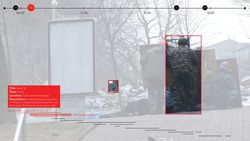
Bradley Samuels presents recent SITU Research work and the role that research plays within the larger practice of SITU as a whole. A series of case studies will be presented which explore an expanded role for architectural and spatial practice across a range of fields—from human rights and public policy to earth science and workspace design. SITU Research’s past work(...)
Bradley Samuels presents recent SITU Research work and the role that research plays within the larger practice of SITU as a whole. A series of case studies will be presented which explore an expanded role for architectural and spatial practice across a range of fields—from human rights and public policy to earth science and workspace design. SITU Research’s past work(...)
Location:
Paul-Desmarais Theatre
Paul-Desmarais Theatre
Date:
14 January 2016
14 January 2016
Title:
The expanded role: SITU
Actions:
Description:
Bradley Samuels presents recent SITU Research work and the role that research plays within the larger practice of SITU as a whole. A series of case studies will be presented which explore an expanded role for architectural and spatial practice across a range of fields—from human rights and public policy to earth science and workspace design. SITU Research’s past work(...)
The expanded role: SITU
Actions:
Description:
Bradley Samuels presents recent SITU Research work and the role that research plays within the larger practice of SITU as a whole. A series of case studies will be presented which explore an expanded role for architectural and spatial practice across a range of fields—from human rights and public policy to earth science and workspace design. SITU Research’s past work(...)
Form:
events
events
Date:
14 January 2016
14 January 2016
Location:
Paul-Desmarais Theatre
Paul-Desmarais Theatre
Form:
exhibitions
exhibitions
Title:
Starting From... Travel
Starting From... Travel
Actions:
Description:
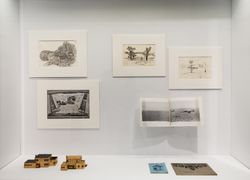
Interpreting the subject of travel to distant places, the exhibition charts an expanded notion of travel that spans imaginary journeys, strange sites, vanishing points, floating and portable houses, endless caves, swirling diamond domes, tombs, crypts and catacombs, tunnel adventures, formal studies, technical innovation, cultural imagination, and experimental(...)
Interpreting the subject of travel to distant places, the exhibition charts an expanded notion of travel that spans imaginary journeys, strange sites, vanishing points, floating and portable houses, endless caves, swirling diamond domes, tombs, crypts and catacombs, tunnel adventures, formal studies, technical innovation, cultural imagination, and experimental(...)
Location:
Hall cases
Hall cases
Date:
3 December 2008 to 1 May 2009
3 December 2008 to 1 May 2009
Title:
Starting From... Travel
Actions:
Description:
Interpreting the subject of travel to distant places, the exhibition charts an expanded notion of travel that spans imaginary journeys, strange sites, vanishing points, floating and portable houses, endless caves, swirling diamond domes, tombs, crypts and catacombs, tunnel adventures, formal studies, technical innovation, cultural imagination, and experimental(...)
Starting From... Travel
Actions:
Description:
Interpreting the subject of travel to distant places, the exhibition charts an expanded notion of travel that spans imaginary journeys, strange sites, vanishing points, floating and portable houses, endless caves, swirling diamond domes, tombs, crypts and catacombs, tunnel adventures, formal studies, technical innovation, cultural imagination, and experimental(...)
Form:
exhibitions
exhibitions
Date:
3 December 2008 to
1 May 2009
3 December 2008 to
1 May 2009
Location:
Hall cases
Hall cases
Form:
events
events
Description:
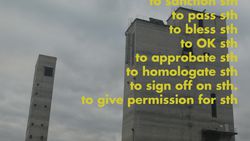
Legislating Architecture explores how architecture is shaped by law and other societal regulatory systems. The film, directed by Arno Brandlhuber and Christopher Roth, presents excerpts from conversations conducted with architects including Luigi Snozzi, Adam Caruso, Tom Emerson, and Christian Kerez. It is a point of departure for an issue of ARCH+ also entitled(...)
Legislating Architecture explores how architecture is shaped by law and other societal regulatory systems. The film, directed by Arno Brandlhuber and Christopher Roth, presents excerpts from conversations conducted with architects including Luigi Snozzi, Adam Caruso, Tom Emerson, and Christian Kerez. It is a point of departure for an issue of ARCH+ also entitled(...)
Date:
27 October 2016, 6pm
27 October 2016, 6pm
Title:
Legislating Architecture: Arno Brandlhuber and Christopher Roth
Actions:
Description:
Legislating Architecture explores how architecture is shaped by law and other societal regulatory systems. The film, directed by Arno Brandlhuber and Christopher Roth, presents excerpts from conversations conducted with architects including Luigi Snozzi, Adam Caruso, Tom Emerson, and Christian Kerez. It is a point of departure for an issue of ARCH+ also entitled(...)
Legislating Architecture: Arno Brandlhuber and Christopher Roth
Actions:
Description:
Legislating Architecture explores how architecture is shaped by law and other societal regulatory systems. The film, directed by Arno Brandlhuber and Christopher Roth, presents excerpts from conversations conducted with architects including Luigi Snozzi, Adam Caruso, Tom Emerson, and Christian Kerez. It is a point of departure for an issue of ARCH+ also entitled(...)
Form:
events
events
Date:
27 October 2016
6pm
27 October 2016
6pm


