


6673 Results
Form:
books
books
Actions:
Price:
$23.95
(available to order)
Summary:
First published in 1967, Guy Debord's stinging revolutionary critique of contemporary society, The Society of the Spectacle has since acquired a cult status. Credited by many as being the inspiration for the ideas generated by the events of May 1968 in France, Debord's pitiless attack on commodity fetishism and its incrustation in the practices of everyday life continues(...)
$23.95
(available to order)
Summary:
First published in 1967, Guy Debord's stinging revolutionary critique of contemporary society, The Society of the Spectacle has since acquired a cult status. Credited by many as being the inspiration for the ideas generated by the events of May 1968 in France, Debord's pitiless attack on commodity fetishism and its incrustation in the practices of everyday life continues(...)
Title:
Comments on the society of the spectacle
Actions:
Price:
$23.95
(available to order)
Summary:
First published in 1967, Guy Debord's stinging revolutionary critique of contemporary society, The Society of the Spectacle has since acquired a cult status. Credited by many as being the inspiration for the ideas generated by the events of May 1968 in France, Debord's pitiless attack on commodity fetishism and its incrustation in the practices of everyday life continues to burn brightly in today's age of satellite television and the soundbite. In Comments on the Society of the Spectacle, published twenty years later, Debord returned to the themes of his previous analysis and demonstrated how they were all the more relevant in a period when the integrated spectacle was dominant. Resolutely refusing to be reconciled to the system, Debord trenchantly slices through the doxa and mystification offered tip by journalists and pundits to show how aspects of reality as diverse as terrorism and the environment, the Mafia and the media, were caught up in the logic of the spectacular society. Pointing the finger clearly at those who benefit from the logic of domination, Debord's comments convey the revolutionary impulse at the heart of situationism.
Comments on the society of the spectacle
Actions:
Price:
$23.95
(available to order)
Summary:
First published in 1967, Guy Debord's stinging revolutionary critique of contemporary society, The Society of the Spectacle has since acquired a cult status. Credited by many as being the inspiration for the ideas generated by the events of May 1968 in France, Debord's pitiless attack on commodity fetishism and its incrustation in the practices of everyday life continues to burn brightly in today's age of satellite television and the soundbite. In Comments on the Society of the Spectacle, published twenty years later, Debord returned to the themes of his previous analysis and demonstrated how they were all the more relevant in a period when the integrated spectacle was dominant. Resolutely refusing to be reconciled to the system, Debord trenchantly slices through the doxa and mystification offered tip by journalists and pundits to show how aspects of reality as diverse as terrorism and the environment, the Mafia and the media, were caught up in the logic of the spectacular society. Pointing the finger clearly at those who benefit from the logic of domination, Debord's comments convey the revolutionary impulse at the heart of situationism.
Form:
books
books
Publication:
January 2011
January 2011
Subject:
Critical Theory
Critical Theory
Form:
books
books
Actions:
Price:
$31.50
(available to order)
Summary:
With the advent of urbanization in the early modern period, the material worlds of children were vastly altered. In industrialized democracies, a broad consensus developed that children should not work, but rather learn and play in settings designed and built with these specific purposes in mind. Unregulated public spaces for children were no longer acceptable; and the(...)
$31.50
(available to order)
Summary:
With the advent of urbanization in the early modern period, the material worlds of children were vastly altered. In industrialized democracies, a broad consensus developed that children should not work, but rather learn and play in settings designed and built with these specific purposes in mind. Unregulated public spaces for children were no longer acceptable; and the(...)
Title:
Designing modern childhoods: history, space, and the material culture of children
Actions:
Price:
$31.50
(available to order)
Summary:
With the advent of urbanization in the early modern period, the material worlds of children were vastly altered. In industrialized democracies, a broad consensus developed that children should not work, but rather learn and play in settings designed and built with these specific purposes in mind. Unregulated public spaces for children were no longer acceptable; and the cultural landscapes of children's private lives were changed, with modifications in architecture and the objects of daily life. In Designing Modern Childhoods, architectural historians, social historians, social scientists, and architects examine the history and design of places and objects such as schools, hospitals, playgrounds, houses, cell phones, snowboards, and even the McDonald's Happy Meal. Special attention is given to how children use and interpret the spaces, buildings, and objects that are part of their lives, becoming themselves creators and carriers of culture. The authors extract common threads in children's understandings of their material worlds, but they also show how the experience of modernity varies for young people across time, through space, and according to age, gender, social class, race, and culture.
Designing modern childhoods: history, space, and the material culture of children
Actions:
Price:
$31.50
(available to order)
Summary:
With the advent of urbanization in the early modern period, the material worlds of children were vastly altered. In industrialized democracies, a broad consensus developed that children should not work, but rather learn and play in settings designed and built with these specific purposes in mind. Unregulated public spaces for children were no longer acceptable; and the cultural landscapes of children's private lives were changed, with modifications in architecture and the objects of daily life. In Designing Modern Childhoods, architectural historians, social historians, social scientists, and architects examine the history and design of places and objects such as schools, hospitals, playgrounds, houses, cell phones, snowboards, and even the McDonald's Happy Meal. Special attention is given to how children use and interpret the spaces, buildings, and objects that are part of their lives, becoming themselves creators and carriers of culture. The authors extract common threads in children's understandings of their material worlds, but they also show how the experience of modernity varies for young people across time, through space, and according to age, gender, social class, race, and culture.
Form:
books
books
Publication:
January 2008
January 2008
Subject:
Architectural Theory
Architectural Theory
Form:
books
books

Actions:
Price:
$14.95
(available in store)
Summary:
Alexander Blok (November 28, 1880 – August 7, 1921) was a major poet of the Russian Symbolism movement. His early poetry was dominated by the theme of searching for his ideal beauty. Sound, rhythm, colour and repetition played a crucial part in setting the mood and conveying emotions in his writing. With subsequent collections, the focus shifted to depicting human(...)
$14.95
(available in store)
Summary:
Alexander Blok (November 28, 1880 – August 7, 1921) was a major poet of the Russian Symbolism movement. His early poetry was dominated by the theme of searching for his ideal beauty. Sound, rhythm, colour and repetition played a crucial part in setting the mood and conveying emotions in his writing. With subsequent collections, the focus shifted to depicting human(...)
Title:
The Stranger: selected poetry
Actions:
Price:
$14.95
(available in store)
Summary:
Alexander Blok (November 28, 1880 – August 7, 1921) was a major poet of the Russian Symbolism movement. His early poetry was dominated by the theme of searching for his ideal beauty. Sound, rhythm, colour and repetition played a crucial part in setting the mood and conveying emotions in his writing. With subsequent collections, the focus shifted to depicting human psychology. His writing became more ironic and pessimistic, as he struggled to balance his quest for an ideal with his disenchantment in everyday life. In the later stages of his career, he wrote predominately about political themes and the changes that were happening in Russia. To this day, he is considered by many to be the most important Russian poet since Alexander Pushkin, and his work would have a lasting influence on the likes of Anna Akhmatova, Boris Pasternak and Marina Tsvetaeva, among other prominent poets of the Silver Age. This dual-language collection of his poetry seeks to represent the continuum of Alexander Blok’s growth as a poet, with particular attention paid to the rhythm and melody of his writing.
The Stranger: selected poetry
Actions:
Price:
$14.95
(available in store)
Summary:
Alexander Blok (November 28, 1880 – August 7, 1921) was a major poet of the Russian Symbolism movement. His early poetry was dominated by the theme of searching for his ideal beauty. Sound, rhythm, colour and repetition played a crucial part in setting the mood and conveying emotions in his writing. With subsequent collections, the focus shifted to depicting human psychology. His writing became more ironic and pessimistic, as he struggled to balance his quest for an ideal with his disenchantment in everyday life. In the later stages of his career, he wrote predominately about political themes and the changes that were happening in Russia. To this day, he is considered by many to be the most important Russian poet since Alexander Pushkin, and his work would have a lasting influence on the likes of Anna Akhmatova, Boris Pasternak and Marina Tsvetaeva, among other prominent poets of the Silver Age. This dual-language collection of his poetry seeks to represent the continuum of Alexander Blok’s growth as a poet, with particular attention paid to the rhythm and melody of his writing.
Form:
books
books
Publication:
March 2011
March 2011
Subject:
Literature and poetry
Literature and poetry
Form:
books
books

Title:
This house is not a home
This house is not a home
Actions:
Price:
$24.00
(available to order)
Summary:
After a hunting trip one fall, a family in the far reaches of so-called Canada’s north return to nothing but an empty space where their home once stood. Finding themselves suddenly homeless, they have no choice but to assimilate into settler-colonial society in a mining town that has encroached on their freedom.This intergenerational coming-of-age novel follows Ko`, a(...)
$24.00
(available to order)
Summary:
After a hunting trip one fall, a family in the far reaches of so-called Canada’s north return to nothing but an empty space where their home once stood. Finding themselves suddenly homeless, they have no choice but to assimilate into settler-colonial society in a mining town that has encroached on their freedom.This intergenerational coming-of-age novel follows Ko`, a(...)
Title:
This house is not a home
Actions:
Price:
$24.00
(available to order)
Summary:
After a hunting trip one fall, a family in the far reaches of so-called Canada’s north return to nothing but an empty space where their home once stood. Finding themselves suddenly homeless, they have no choice but to assimilate into settler-colonial society in a mining town that has encroached on their freedom.This intergenerational coming-of-age novel follows Ko`, a Dene man who grew up entirely on the land before being taken to residential school. When he finally returns home, he struggles to connect with his family: his younger brother whom he has never met, his mother because he has lost his language, and an absent father whose disappearance he is too afraid to question. The third book from acclaimed Dene, Cree and Metis writer Katlià, this is a fictional story based on true events, presenting a clear trajectory of how settlers dispossessed Indigenous Peoples of their land — and how Indigenous communities, with dignity and resilience, continue to live and honour their culture, values, inherent knowledge systems, and Indigenous rights towards re-establishing sovereignty.
This house is not a home
Actions:
Price:
$24.00
(available to order)
Summary:
After a hunting trip one fall, a family in the far reaches of so-called Canada’s north return to nothing but an empty space where their home once stood. Finding themselves suddenly homeless, they have no choice but to assimilate into settler-colonial society in a mining town that has encroached on their freedom.This intergenerational coming-of-age novel follows Ko`, a Dene man who grew up entirely on the land before being taken to residential school. When he finally returns home, he struggles to connect with his family: his younger brother whom he has never met, his mother because he has lost his language, and an absent father whose disappearance he is too afraid to question. The third book from acclaimed Dene, Cree and Metis writer Katlià, this is a fictional story based on true events, presenting a clear trajectory of how settlers dispossessed Indigenous Peoples of their land — and how Indigenous communities, with dignity and resilience, continue to live and honour their culture, values, inherent knowledge systems, and Indigenous rights towards re-establishing sovereignty.
Form:
books
books
Publication:
September 2022
September 2022
Subject:
indigenous
indigenous
Form:
books
books
Actions:
Price:
$82.00
(available in store)
Summary:
This pack includes the four books of the main exhibitions of Lisbon Architecture Triennale 2022, curated by Diogo Burnay and Cristina Veríssimo. ''Cycles'': This book brings together contemporary architectural practices and artists reflecting upon the art of designing cycles, addressing the past and present of construction, relationships to the geopolitics of(...)
$82.00
(available in store)
Summary:
This pack includes the four books of the main exhibitions of Lisbon Architecture Triennale 2022, curated by Diogo Burnay and Cristina Veríssimo. ''Cycles'': This book brings together contemporary architectural practices and artists reflecting upon the art of designing cycles, addressing the past and present of construction, relationships to the geopolitics of(...)
Title:
Terra collection, Lisbon Triennale 2022
Actions:
Price:
$82.00
(available in store)
Summary:
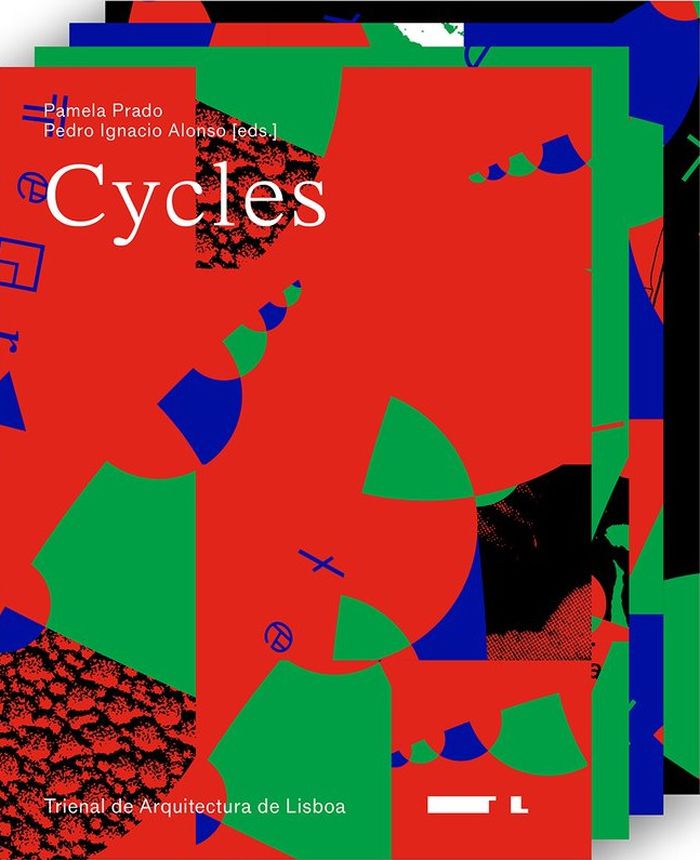
This pack includes the four books of the main exhibitions of Lisbon Architecture Triennale 2022, curated by Diogo Burnay and Cristina Veríssimo. ''Cycles'': This book brings together contemporary architectural practices and artists reflecting upon the art of designing cycles, addressing the past and present of construction, relationships to the geopolitics of extractivism, and possible futures for the building industry. ''Multiplicity'': This book features the work of practices from across the globe experimenting in a myriad of ways with architecture. Often working in challenging environmental, social, and political conditions, these practitioners are pushing the boundaries of architectural practice. ''Retroactive'': Through eight essays focusing on pressing issues in the architectural and urban design fields, this book reflects on the challenges and opportunities in addressing broken cities, which fail to provide services and optimal liveable conditions to their inhabitants, and in which one third of humanity dwells. ''Visionaries'': The project ''Visionaries'' – an exhibition and a publication – explores both the process and agents of visionary design production in the age of the next grand narrative.
Terra collection, Lisbon Triennale 2022
Actions:
Price:
$82.00
(available in store)
Summary:
This pack includes the four books of the main exhibitions of Lisbon Architecture Triennale 2022, curated by Diogo Burnay and Cristina Veríssimo. ''Cycles'': This book brings together contemporary architectural practices and artists reflecting upon the art of designing cycles, addressing the past and present of construction, relationships to the geopolitics of extractivism, and possible futures for the building industry. ''Multiplicity'': This book features the work of practices from across the globe experimenting in a myriad of ways with architecture. Often working in challenging environmental, social, and political conditions, these practitioners are pushing the boundaries of architectural practice. ''Retroactive'': Through eight essays focusing on pressing issues in the architectural and urban design fields, this book reflects on the challenges and opportunities in addressing broken cities, which fail to provide services and optimal liveable conditions to their inhabitants, and in which one third of humanity dwells. ''Visionaries'': The project ''Visionaries'' – an exhibition and a publication – explores both the process and agents of visionary design production in the age of the next grand narrative.
Form:
books
books
Publication:
November 2022
November 2022
Subject:
Biennial
Biennial
Form:
books
books
Actions:
Price:
$87.00
(available to order)
Summary:
When Swedish artist Hilma af Klint died in 1944 at the age of 81, she left behind more than 1,000 paintings and works on paper that she had kept largely private during her lifetime. Believing the world was not yet ready for her art, she stipulated that it should remain unseen for another 20 years. But only in recent decades has the public had a chance to reckon with af(...)
$87.00
(available to order)
Summary:
When Swedish artist Hilma af Klint died in 1944 at the age of 81, she left behind more than 1,000 paintings and works on paper that she had kept largely private during her lifetime. Believing the world was not yet ready for her art, she stipulated that it should remain unseen for another 20 years. But only in recent decades has the public had a chance to reckon with af(...)
Title:
Hilma af Klint: paintings for the future
Actions:
Price:
$87.00
(available to order)
Summary:
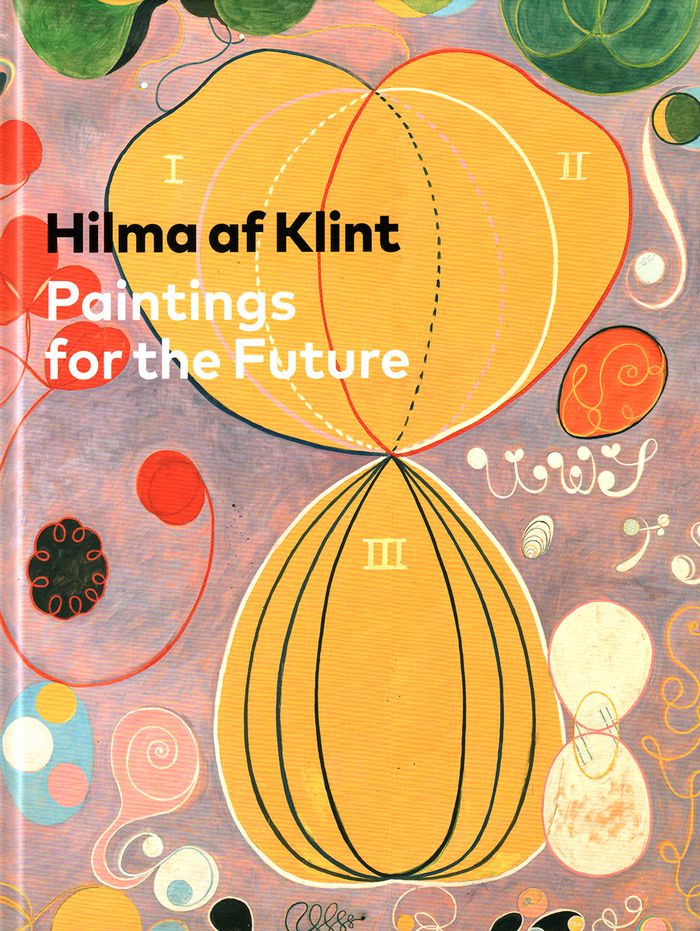
When Swedish artist Hilma af Klint died in 1944 at the age of 81, she left behind more than 1,000 paintings and works on paper that she had kept largely private during her lifetime. Believing the world was not yet ready for her art, she stipulated that it should remain unseen for another 20 years. But only in recent decades has the public had a chance to reckon with af Klint's radically abstract painting practice — one which predates the work of Vasily Kandinsky and other artists widely considered trailblazers of modernist abstraction. Accompanying the first major survey exhibition of the artist's work in the United States, 'Hilma af Klint: Paintings for the Future' represents her groundbreaking painting series while expanding recent scholarship to present the fullest picture yet of her life and art. Essays explore the social, intellectual and artistic context of af Klint's 1906 break with figuration and her subsequent development, placing her in the context of Swedish modernism and folk art traditions, contemporary scientific discoveries, and spiritualist and occult movements.
Hilma af Klint: paintings for the future
Actions:
Price:
$87.00
(available to order)
Summary:
When Swedish artist Hilma af Klint died in 1944 at the age of 81, she left behind more than 1,000 paintings and works on paper that she had kept largely private during her lifetime. Believing the world was not yet ready for her art, she stipulated that it should remain unseen for another 20 years. But only in recent decades has the public had a chance to reckon with af Klint's radically abstract painting practice — one which predates the work of Vasily Kandinsky and other artists widely considered trailblazers of modernist abstraction. Accompanying the first major survey exhibition of the artist's work in the United States, 'Hilma af Klint: Paintings for the Future' represents her groundbreaking painting series while expanding recent scholarship to present the fullest picture yet of her life and art. Essays explore the social, intellectual and artistic context of af Klint's 1906 break with figuration and her subsequent development, placing her in the context of Swedish modernism and folk art traditions, contemporary scientific discoveries, and spiritualist and occult movements.
Form:
books
books
Publication:
October 2018
October 2018
Subject:
Contemporary Art Monographs
Contemporary Art Monographs
Form:
journals and magazines
journals and magazines
Title:
Idea 340: Forms of practice
Idea 340: Forms of practice
Actions:
Price:
$54.00
(available in store)
Summary:
A number of young designers in Europe and America are attempting to develop their own paths in exploring graphic design through innovative small-scale practices. Many of the designers featured here were born in the 1970s and 1980s, coming of age in commercial practice in the digital environment. The majority of those featured operate within the sphere of graphic design(...)
$54.00
(available in store)
Summary:
A number of young designers in Europe and America are attempting to develop their own paths in exploring graphic design through innovative small-scale practices. Many of the designers featured here were born in the 1970s and 1980s, coming of age in commercial practice in the digital environment. The majority of those featured operate within the sphere of graphic design(...)
Title:
Idea 340: Forms of practice
Actions:
Price:
$54.00
(available in store)
Summary:
A number of young designers in Europe and America are attempting to develop their own paths in exploring graphic design through innovative small-scale practices. Many of the designers featured here were born in the 1970s and 1980s, coming of age in commercial practice in the digital environment. The majority of those featured operate within the sphere of graphic design production from the approach of a more personal practice, inflecting their work with nuanced, idiosyncratic conceptual and formal approaches. While widely varied due to cultural context and social/environmental differences, all have a kinship in unique approaches to developing formal options for clients. The use of the word "option" as applied here is perhaps the most relevant key point for the latest wave of graphic design from abroad- perhaps the "solution" as an end result of graphic design as a process is a dead methodology. What are instead offered are graphic "options" in lieu of "solutions"- inquiries answered with inquiries, questions answered with questions. The work featured offers playful, tentative answers instead of cold, hard end results.
Idea 340: Forms of practice
Actions:
Price:
$54.00
(available in store)
Summary:
A number of young designers in Europe and America are attempting to develop their own paths in exploring graphic design through innovative small-scale practices. Many of the designers featured here were born in the 1970s and 1980s, coming of age in commercial practice in the digital environment. The majority of those featured operate within the sphere of graphic design production from the approach of a more personal practice, inflecting their work with nuanced, idiosyncratic conceptual and formal approaches. While widely varied due to cultural context and social/environmental differences, all have a kinship in unique approaches to developing formal options for clients. The use of the word "option" as applied here is perhaps the most relevant key point for the latest wave of graphic design from abroad- perhaps the "solution" as an end result of graphic design as a process is a dead methodology. What are instead offered are graphic "options" in lieu of "solutions"- inquiries answered with inquiries, questions answered with questions. The work featured offers playful, tentative answers instead of cold, hard end results.
Form:
journals and magazines
journals and magazines
Publication:
April 2010
April 2010
Subject:
Magazines
Magazines
Form:
books
books
Actions:
Price:
$54.95
(available to order)
Summary:
Rassembler principaux plans anciens de Paris relève de l'évidence : pourtant l'ouvrage manquait. Il devra figurer dans la bibliothèque des historiens et des aménageurs, dans celle aussi des curieux ou des simples amoureux de la capitale. En cinquante planches, il donne à voir l'image de Paris depuis la fin du Moyen-Age et les traces anciennes conservées dans la cité(...)
$54.95
(available to order)
Summary:
Rassembler principaux plans anciens de Paris relève de l'évidence : pourtant l'ouvrage manquait. Il devra figurer dans la bibliothèque des historiens et des aménageurs, dans celle aussi des curieux ou des simples amoureux de la capitale. En cinquante planches, il donne à voir l'image de Paris depuis la fin du Moyen-Age et les traces anciennes conservées dans la cité(...)
Subject:
History until 1900, France
History until 1900, France
Publication:
October 2014
October 2014
Title:
Les plans de Paris: histoire d'une capitale
Actions:
Price:
$54.95
(available to order)
Summary:
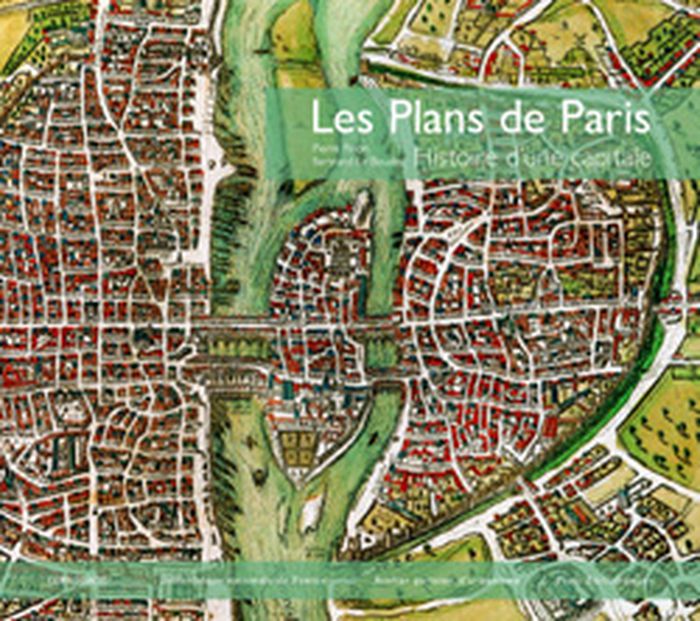
Rassembler principaux plans anciens de Paris relève de l'évidence : pourtant l'ouvrage manquait. Il devra figurer dans la bibliothèque des historiens et des aménageurs, dans celle aussi des curieux ou des simples amoureux de la capitale. En cinquante planches, il donne à voir l'image de Paris depuis la fin du Moyen-Age et les traces anciennes conservées dans la cité moderne. Les plans, commentés, sont précédés d'un exposé sur ce qu'ils apportent à la compréhension de la ville. Que représentent-ils au-delà des rues, des parcelles, des maisons, des monuments ? Pourquoi a-t-on représenté Pans ? Pour préparer des projets d'aménagement par un savant arpentage ou pour magnifier les réalisations des princes ? Comment l'a-t-on représenté ? Dans les vues cavalières qui révèlent sa complexité, dans les plans géométriques qui auscultent la forme urbaine ? L'analyse de cette cartographie montre des familles, des générations, une évolution non linéaire : le plan a valeur d'image qui excite le désir de découverte du voyageur et où l'habitant reconnaît sa ville ; il répond également à une recherche de l'exactitude satisfaisant l'esprit technique et tendant à l'abstraction.
Les plans de Paris: histoire d'une capitale
Actions:
Price:
$54.95
(available to order)
Summary:
Rassembler principaux plans anciens de Paris relève de l'évidence : pourtant l'ouvrage manquait. Il devra figurer dans la bibliothèque des historiens et des aménageurs, dans celle aussi des curieux ou des simples amoureux de la capitale. En cinquante planches, il donne à voir l'image de Paris depuis la fin du Moyen-Age et les traces anciennes conservées dans la cité moderne. Les plans, commentés, sont précédés d'un exposé sur ce qu'ils apportent à la compréhension de la ville. Que représentent-ils au-delà des rues, des parcelles, des maisons, des monuments ? Pourquoi a-t-on représenté Pans ? Pour préparer des projets d'aménagement par un savant arpentage ou pour magnifier les réalisations des princes ? Comment l'a-t-on représenté ? Dans les vues cavalières qui révèlent sa complexité, dans les plans géométriques qui auscultent la forme urbaine ? L'analyse de cette cartographie montre des familles, des générations, une évolution non linéaire : le plan a valeur d'image qui excite le désir de découverte du voyageur et où l'habitant reconnaît sa ville ; il répond également à une recherche de l'exactitude satisfaisant l'esprit technique et tendant à l'abstraction.
Form:
books
books
Publication:
October 2014
October 2014
Subject:
History until 1900, France
History until 1900, France
Form:
books
books
Title:
1972: Nakagin Capsule Tower
1972: Nakagin Capsule Tower
Actions:
Price:
$66.50
(available to order)
Summary:
In the city of Tokyo, a building stands as an anachronism in relation to the surrounding urban landscape. The building in question is the Nakagin Capsule Tower designed by Kisho Kurokawa (1934 – 2007), one of the founders of an influential architectural movement in the 1960s called Metabolism. The movement’s aim was to formulate flexible designs that facilitate continual(...)
$66.50
(available to order)
Summary:
In the city of Tokyo, a building stands as an anachronism in relation to the surrounding urban landscape. The building in question is the Nakagin Capsule Tower designed by Kisho Kurokawa (1934 – 2007), one of the founders of an influential architectural movement in the 1960s called Metabolism. The movement’s aim was to formulate flexible designs that facilitate continual(...)
Title:
1972: Nakagin Capsule Tower
Actions:
Price:
$66.50
(available to order)
Summary:
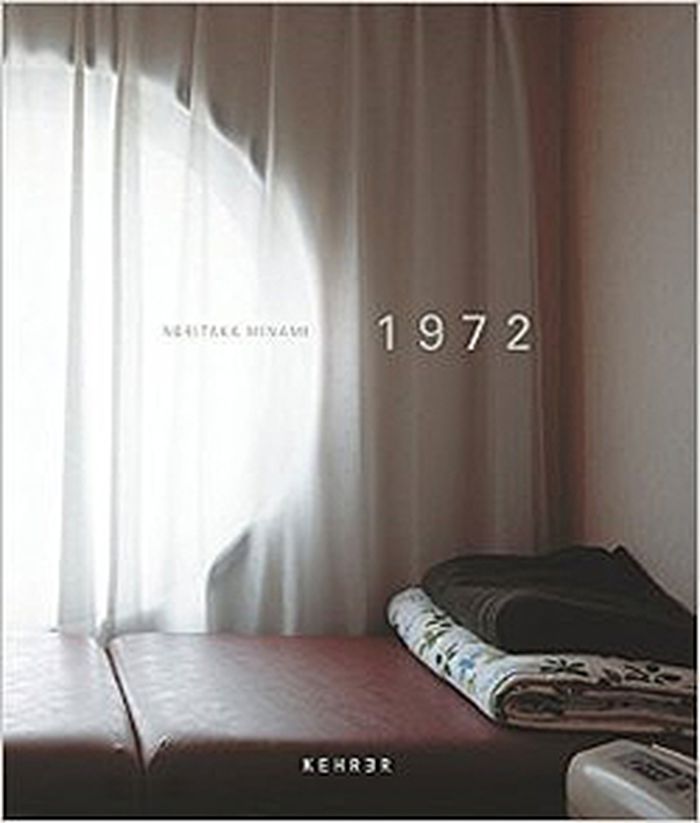
In the city of Tokyo, a building stands as an anachronism in relation to the surrounding urban landscape. The building in question is the Nakagin Capsule Tower designed by Kisho Kurokawa (1934 – 2007), one of the founders of an influential architectural movement in the 1960s called Metabolism. The movement’s aim was to formulate flexible designs that facilitate continual growth and renewal of architecture. As the first capsule apartment in history constructed for everyday use, the Nakagin Capsule Tower is considered the most ambitious attempt in implementing the principles of Metabolism. Kurokawa attached the building with 140 removable capsules to promote modifications to the structure over time, theoretically improving its capacity to adjust to the rapidly changing conditions of the post-industrial society. When the building first opened in March of 1972, it was advertised in the media to signal “the dawn of the capsule age.” At the time, Kurokawa had additional capsule projects planned in the coming years and predicted the mass production of these living unit. Noritaka Minami has been photographing the Nakagin Capsule Tower in Tokyo for the past four years.
1972: Nakagin Capsule Tower
Actions:
Price:
$66.50
(available to order)
Summary:
In the city of Tokyo, a building stands as an anachronism in relation to the surrounding urban landscape. The building in question is the Nakagin Capsule Tower designed by Kisho Kurokawa (1934 – 2007), one of the founders of an influential architectural movement in the 1960s called Metabolism. The movement’s aim was to formulate flexible designs that facilitate continual growth and renewal of architecture. As the first capsule apartment in history constructed for everyday use, the Nakagin Capsule Tower is considered the most ambitious attempt in implementing the principles of Metabolism. Kurokawa attached the building with 140 removable capsules to promote modifications to the structure over time, theoretically improving its capacity to adjust to the rapidly changing conditions of the post-industrial society. When the building first opened in March of 1972, it was advertised in the media to signal “the dawn of the capsule age.” At the time, Kurokawa had additional capsule projects planned in the coming years and predicted the mass production of these living unit. Noritaka Minami has been photographing the Nakagin Capsule Tower in Tokyo for the past four years.
Form:
books
books
Publication:
August 2015
August 2015
Subject:
Photography monographs
Photography monographs
Form:
books
books
Actions:
Price:
$89.95
(available to order)
Summary:
This monograph surveys thirty of the most iconic buildings designed by Skidmore, Owings Merrill (SOM), the legendary American architecture firm, since its founding in 1936. Along with such architects as Ludwig Mies van der Rohe and Le Corbusier, SOM is largely credited with propagating the Internationalist style of architecture that filled the New York skyline with such(...)
$89.95
(available to order)
Summary:
This monograph surveys thirty of the most iconic buildings designed by Skidmore, Owings Merrill (SOM), the legendary American architecture firm, since its founding in 1936. Along with such architects as Ludwig Mies van der Rohe and Le Corbusier, SOM is largely credited with propagating the Internationalist style of architecture that filled the New York skyline with such(...)
Title:
Skidmore, Owings & Merrill : SOM since 1936
Actions:
Price:
$89.95
(available to order)
Summary:
This monograph surveys thirty of the most iconic buildings designed by Skidmore, Owings Merrill (SOM), the legendary American architecture firm, since its founding in 1936. Along with such architects as Ludwig Mies van der Rohe and Le Corbusier, SOM is largely credited with propagating the Internationalist style of architecture that filled the New York skyline with such mid-century masterworks as Lever House (1952) and Chase Manhattan Plaza (1961). Before the current age of the super skyscraper, SOM designed what was for almost thirty years the world's tallest building, Chicago's Sears Tower (1973), as well as the city's John Hancock Center (1970). With an essay by the American critic Nicholas Adams that contextualizes the importance of SOM's contribution to the globalization of architecture - and its participation in less emphatically vertical structures, such as the Albright-Knox Art Gallery in Buffalo (1962) and the l Hajj Terminal at King Abdul Aziz International Airport in Jeddah, Saudi Arabia (1981) - this title provides the first-ever independently authored overview on a firm that continues to make headlines to this day.
Skidmore, Owings & Merrill : SOM since 1936
Actions:
Price:
$89.95
(available to order)
Summary:
This monograph surveys thirty of the most iconic buildings designed by Skidmore, Owings Merrill (SOM), the legendary American architecture firm, since its founding in 1936. Along with such architects as Ludwig Mies van der Rohe and Le Corbusier, SOM is largely credited with propagating the Internationalist style of architecture that filled the New York skyline with such mid-century masterworks as Lever House (1952) and Chase Manhattan Plaza (1961). Before the current age of the super skyscraper, SOM designed what was for almost thirty years the world's tallest building, Chicago's Sears Tower (1973), as well as the city's John Hancock Center (1970). With an essay by the American critic Nicholas Adams that contextualizes the importance of SOM's contribution to the globalization of architecture - and its participation in less emphatically vertical structures, such as the Albright-Knox Art Gallery in Buffalo (1962) and the l Hajj Terminal at King Abdul Aziz International Airport in Jeddah, Saudi Arabia (1981) - this title provides the first-ever independently authored overview on a firm that continues to make headlines to this day.
Form:
books
books
Publication:
June 2007, Milan
June 2007, Milan
Subject:
Architecture Monographs
Architecture Monographs


