


6673 Results
Form:
books
books
Actions:
Price:
$112.50
(available to order)
Summary:
From the end of the fifteenth century to the closing years of the seventeenth, England underwent radical social change. English architecture changed radically as well, and the homes of the gentry were transformed as members of this class grew in numbers, wealth, and importance. This abundantly illustrated book provides for the first time a full account of the houses(...)
$112.50
(available to order)
Summary:
From the end of the fifteenth century to the closing years of the seventeenth, England underwent radical social change. English architecture changed radically as well, and the homes of the gentry were transformed as members of this class grew in numbers, wealth, and importance. This abundantly illustrated book provides for the first time a full account of the houses(...)
Title:
Houses of the Gentry 1480-1680
Actions:
Price:
$112.50
(available to order)
Summary:
From the end of the fifteenth century to the closing years of the seventeenth, England underwent radical social change. English architecture changed radically as well, and the homes of the gentry were transformed as members of this class grew in numbers, wealth, and importance. This abundantly illustrated book provides for the first time a full account of the houses that were built and inhabited by the upper classes during this rich and fascinating period. Architectural historian Nicholas Cooper explores hundreds of gentry houses, some well known and others far less familiar, and considers their evolution in the light of economic, political, and social changes of the age. The book begins with a discussion of the members of the gentry class, their increasing influence, notions of gentility, and evolving attitudes toward the art of architecture and the craft of building. Cooper then traces changes in the architecture and layout of many specific upper class houses and shows how broader social trends and needs were reflected in such developments as the reception of classicism and the evolution of the new types of plans. This book is a treasury of information about English upper-class houses of 1480 to 1680, and about the attitudes and motives of those who built, owned, and lived in them.
Houses of the Gentry 1480-1680
Actions:
Price:
$112.50
(available to order)
Summary:
From the end of the fifteenth century to the closing years of the seventeenth, England underwent radical social change. English architecture changed radically as well, and the homes of the gentry were transformed as members of this class grew in numbers, wealth, and importance. This abundantly illustrated book provides for the first time a full account of the houses that were built and inhabited by the upper classes during this rich and fascinating period. Architectural historian Nicholas Cooper explores hundreds of gentry houses, some well known and others far less familiar, and considers their evolution in the light of economic, political, and social changes of the age. The book begins with a discussion of the members of the gentry class, their increasing influence, notions of gentility, and evolving attitudes toward the art of architecture and the craft of building. Cooper then traces changes in the architecture and layout of many specific upper class houses and shows how broader social trends and needs were reflected in such developments as the reception of classicism and the evolution of the new types of plans. This book is a treasury of information about English upper-class houses of 1480 to 1680, and about the attitudes and motives of those who built, owned, and lived in them.
Form:
books
books
Publication:
December 1999, New Haven
December 1999, New Haven
Subject:
History until 1900
History until 1900
Form:
books
books
Actions:
Price:
$90.00
(available to order)
Summary:
Widely acknowledged as Britain's leading architectural historian, Sir Howard Colvin has been responsible for fundamental research that has helped to bring about a renaissance in English architectural history in the second half of the twentieth century. In this volume, Colvin gathers eighteen new and revised essays written throughout his distinguished career. The(...)
$90.00
(available to order)
Summary:
Widely acknowledged as Britain's leading architectural historian, Sir Howard Colvin has been responsible for fundamental research that has helped to bring about a renaissance in English architectural history in the second half of the twentieth century. In this volume, Colvin gathers eighteen new and revised essays written throughout his distinguished career. The(...)
Title:
Essays in English architectural history
Actions:
Price:
$90.00
(available to order)
Summary:
Widely acknowledged as Britain's leading architectural historian, Sir Howard Colvin has been responsible for fundamental research that has helped to bring about a renaissance in English architectural history in the second half of the twentieth century. In this volume, Colvin gathers eighteen new and revised essays written throughout his distinguished career. The collection includes five essays never before published, including one which looks afresh at the architectural apparatus of sixteenth-century state entries and another that explores the use of caryatids and other formalized human figures in English architecture from Tudor times onwards. The author also offers reprinted essays, revised where necessary, on such topics as the idea of a "Court Style" in medieval English architecture, the south front of Wilton House, and the infiltration of the Georgian Office of Works by an architectural pressure group led by Lord Burlington. Several essays reflect the author's long-standing interest in the problem of the persistence of Gothic architecture in the sixteenth and seventeenth centuries and its revival in the eighteenth, and another treats his equally long-standing interest in the history of the architectural profession. The author concludes with his recollections of what can now be seen as a golden age of English architectural research in the years following the Second World War.
Essays in English architectural history
Actions:
Price:
$90.00
(available to order)
Summary:
Widely acknowledged as Britain's leading architectural historian, Sir Howard Colvin has been responsible for fundamental research that has helped to bring about a renaissance in English architectural history in the second half of the twentieth century. In this volume, Colvin gathers eighteen new and revised essays written throughout his distinguished career. The collection includes five essays never before published, including one which looks afresh at the architectural apparatus of sixteenth-century state entries and another that explores the use of caryatids and other formalized human figures in English architecture from Tudor times onwards. The author also offers reprinted essays, revised where necessary, on such topics as the idea of a "Court Style" in medieval English architecture, the south front of Wilton House, and the infiltration of the Georgian Office of Works by an architectural pressure group led by Lord Burlington. Several essays reflect the author's long-standing interest in the problem of the persistence of Gothic architecture in the sixteenth and seventeenth centuries and its revival in the eighteenth, and another treats his equally long-standing interest in the history of the architectural profession. The author concludes with his recollections of what can now be seen as a golden age of English architectural research in the years following the Second World War.
Form:
books
books
Publication:
August 1999, New Haven
August 1999, New Haven
Subject:
History until 1900
History until 1900
Form:
books
books
Actions:
Price:
$71.95
(available to order)
Summary:
One of the most profound thinkers of the modern age, Friedrich Wilhelm Nietzsche (1844-1900) has been the subject of volumes of literature that document his life and work. Until now there has been no in-depth study devoted to Nietzsche's thoughts and impact on architecture, (...)
$71.95
(available to order)
Summary:
One of the most profound thinkers of the modern age, Friedrich Wilhelm Nietzsche (1844-1900) has been the subject of volumes of literature that document his life and work. Until now there has been no in-depth study devoted to Nietzsche's thoughts and impact on architecture, (...)
Title:
Nietzsche and an architecture of our minds
Actions:
Price:
$71.95
(available to order)
Summary:
One of the most profound thinkers of the modern age, Friedrich Wilhelm Nietzsche (1844-1900) has been the subject of volumes of literature that document his life and work. Until now there has been no in-depth study devoted to Nietzsche's thoughts and impact on architecture, specifically his far-reaching notion of an architecture commensurate with the modern mind. In the essays that comprise this book, thirteen contributors from a wide variety of disciplines (including art history, architecture and architectural theory, literature, philosophy, and city planning) assess the relationship of Nietzschean philosophy to art and architecture, elucidate frequent misunderstandings, and determine patterns of influence. The book is divided into three parts: "The Metaphors of Architecture," "Between Art, Literature, and Architecture," and "Nietzsche and the Architects." Contributors include Paolo Baldacci, the Giorgio and Isa de Chirico Foundation, Rome; Hanne Bergius, Hochschule fur Kunst und Design Burg Giebichenstein, Halle, Germany; Rolf Bothe, Kunstsammlungen zu Weimar, Germany; Claudia Brodsky Lacour, Princeton University; Tilmann Buddensieg, Humbolt-Universität Berlin; Jean-Louis Cohen, Université de Paris and Institute of Fine Arts, New York University; Karsten Harries, Yale University; Werner Hofmann, Germany; Fritz Neumeyer, Technische Universität Berlin; Léon Ploegaerts, University of Ottawa, Canada; and Anthony Vidler, University of California at Los Angeles. Edited by Alexandre Kostka and Irving Wohlfarth.
Nietzsche and an architecture of our minds
Actions:
Price:
$71.95
(available to order)
Summary:
One of the most profound thinkers of the modern age, Friedrich Wilhelm Nietzsche (1844-1900) has been the subject of volumes of literature that document his life and work. Until now there has been no in-depth study devoted to Nietzsche's thoughts and impact on architecture, specifically his far-reaching notion of an architecture commensurate with the modern mind. In the essays that comprise this book, thirteen contributors from a wide variety of disciplines (including art history, architecture and architectural theory, literature, philosophy, and city planning) assess the relationship of Nietzschean philosophy to art and architecture, elucidate frequent misunderstandings, and determine patterns of influence. The book is divided into three parts: "The Metaphors of Architecture," "Between Art, Literature, and Architecture," and "Nietzsche and the Architects." Contributors include Paolo Baldacci, the Giorgio and Isa de Chirico Foundation, Rome; Hanne Bergius, Hochschule fur Kunst und Design Burg Giebichenstein, Halle, Germany; Rolf Bothe, Kunstsammlungen zu Weimar, Germany; Claudia Brodsky Lacour, Princeton University; Tilmann Buddensieg, Humbolt-Universität Berlin; Jean-Louis Cohen, Université de Paris and Institute of Fine Arts, New York University; Karsten Harries, Yale University; Werner Hofmann, Germany; Fritz Neumeyer, Technische Universität Berlin; Léon Ploegaerts, University of Ottawa, Canada; and Anthony Vidler, University of California at Los Angeles. Edited by Alexandre Kostka and Irving Wohlfarth.
Form:
books
books
Publication:
July 1999, Los Angeles
July 1999, Los Angeles
Subject:
Architectural Theory
Architectural Theory
Form:
books
books
Title:
Lance Wyman: Mexico
Lance Wyman: Mexico
Actions:
Price:
$50.00
(available to order)
Summary:
Widely admired for his powerful but whimsical imagery, Lance Wyman is a leading figure of contemporary graphic design. Throughout a career that spans over 50 years, Wyman has made his name by designing for museums, zoos, metro stations and the 2008 Barack Obama presidential campaign. But it was when he won a competition at age 29 to design the Mexico Olympic graphics for(...)
$50.00
(available to order)
Summary:
Widely admired for his powerful but whimsical imagery, Lance Wyman is a leading figure of contemporary graphic design. Throughout a career that spans over 50 years, Wyman has made his name by designing for museums, zoos, metro stations and the 2008 Barack Obama presidential campaign. But it was when he won a competition at age 29 to design the Mexico Olympic graphics for(...)
Title:
Lance Wyman: Mexico
Actions:
Price:
$50.00
(available to order)
Summary:
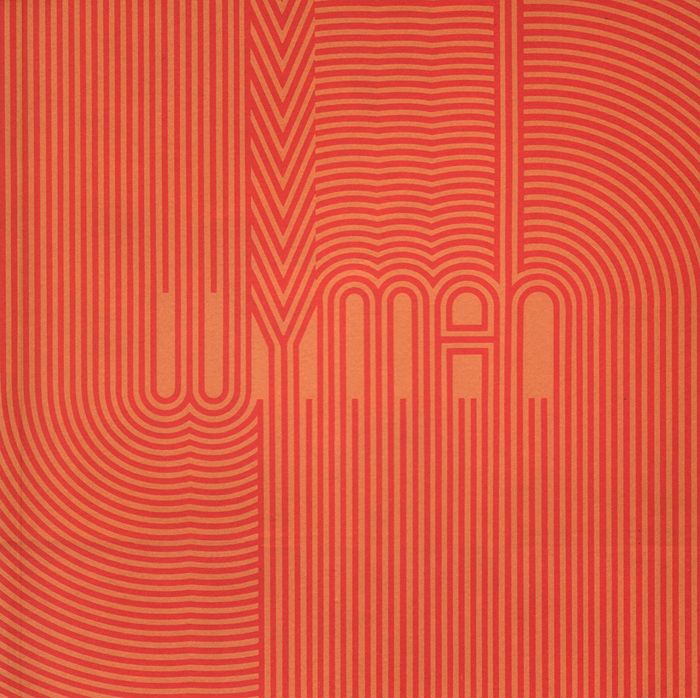
Widely admired for his powerful but whimsical imagery, Lance Wyman is a leading figure of contemporary graphic design. Throughout a career that spans over 50 years, Wyman has made his name by designing for museums, zoos, metro stations and the 2008 Barack Obama presidential campaign. But it was when he won a competition at age 29 to design the Mexico Olympic graphics for the 1968 games that Wyman launched his career; his work is now a cornerstone for understanding the visual culture of present-day Mexico. In lieu of the extravagance typical of Olympic designs, Wyman offered something refreshing, spacious and above all modern as he unwittingly entered a tumultuous and revolutionary moment in Mexican history. His bold image of a modern Mexico would last beyond the nation's moment in the international spotlight; Wyman stayed for another four years, designing graphic systems for the Mexico City Metro, Central de Abasto and Camino Real Hotel. This bilingual English-Spanish monograph is the very first retrospective publication on the designer's work. Published in conjunction with an exhibition at MUAC in Mexico City, the book celebrates the influence of Wyman's system of visual icons—work so iconic that we find its traces in the emojis available on iPhones today.
Lance Wyman: Mexico
Actions:
Price:
$50.00
(available to order)
Summary:
Widely admired for his powerful but whimsical imagery, Lance Wyman is a leading figure of contemporary graphic design. Throughout a career that spans over 50 years, Wyman has made his name by designing for museums, zoos, metro stations and the 2008 Barack Obama presidential campaign. But it was when he won a competition at age 29 to design the Mexico Olympic graphics for the 1968 games that Wyman launched his career; his work is now a cornerstone for understanding the visual culture of present-day Mexico. In lieu of the extravagance typical of Olympic designs, Wyman offered something refreshing, spacious and above all modern as he unwittingly entered a tumultuous and revolutionary moment in Mexican history. His bold image of a modern Mexico would last beyond the nation's moment in the international spotlight; Wyman stayed for another four years, designing graphic systems for the Mexico City Metro, Central de Abasto and Camino Real Hotel. This bilingual English-Spanish monograph is the very first retrospective publication on the designer's work. Published in conjunction with an exhibition at MUAC in Mexico City, the book celebrates the influence of Wyman's system of visual icons—work so iconic that we find its traces in the emojis available on iPhones today.
Form:
books
books
Publication:
April 2015
April 2015
Subject:
Graphic Designers, Monographs
Graphic Designers, Monographs
Form:
books
books
Actions:
Price:
$56.95
(available to order)
Summary:
How do we live well? The first sentence of ''Grace and gravity'' raises the fundamental question that constantly occupies our minds-and of all those who lived before us. Paradoxically, the impossibility of answering this question opens up the very room needed to find ways of living well. It is the gap where all disciplines fall short, where architecture does not fit its(...)
$56.95
(available to order)
Summary:
How do we live well? The first sentence of ''Grace and gravity'' raises the fundamental question that constantly occupies our minds-and of all those who lived before us. Paradoxically, the impossibility of answering this question opens up the very room needed to find ways of living well. It is the gap where all disciplines fall short, where architecture does not fit its(...)
Title:
Grace and gravity: Architectures of the figure
Actions:
Price:
$56.95
(available to order)
Summary:
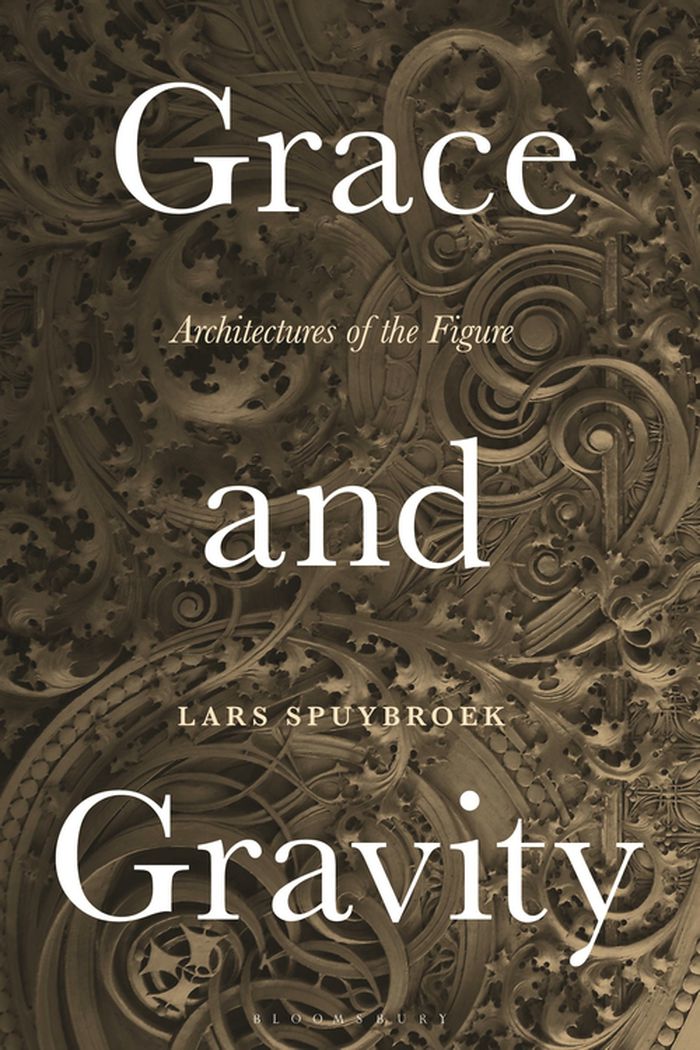
How do we live well? The first sentence of ''Grace and gravity'' raises the fundamental question that constantly occupies our minds-and of all those who lived before us. Paradoxically, the impossibility of answering this question opens up the very room needed to find ways of living well. It is the gap where all disciplines fall short, where architecture does not fit its inhabitants, where economy is not based on shortage, where religion cannot be explained by its followers, and where technology works far beyond its own principles. According to Lars Spuybroek, the prize-winning former architect, this marks the point where the “paradoxical machine” of grace reveals its powers, a point where we “cannot say if we are moving or being moved”. Following the trail of grace leads him to a new form of analysis that transcends the age-old opposition between appearances and technology. Linking up a dazzling and often delightful variety of sources-monkeys, paintings, lamp posts, octopuses, tattoos, bleeding fingers, rose windows, robots, smart phones, spirits, saints, and fossils-with profound meditations on living, death, consciousness, and existence, ''Grace and gravity'' offers an eye-opening provocation to a wide range of art historians, architects, theologians, anthropologists, artists, media theorists and philosophers.
Grace and gravity: Architectures of the figure
Actions:
Price:
$56.95
(available to order)
Summary:
How do we live well? The first sentence of ''Grace and gravity'' raises the fundamental question that constantly occupies our minds-and of all those who lived before us. Paradoxically, the impossibility of answering this question opens up the very room needed to find ways of living well. It is the gap where all disciplines fall short, where architecture does not fit its inhabitants, where economy is not based on shortage, where religion cannot be explained by its followers, and where technology works far beyond its own principles. According to Lars Spuybroek, the prize-winning former architect, this marks the point where the “paradoxical machine” of grace reveals its powers, a point where we “cannot say if we are moving or being moved”. Following the trail of grace leads him to a new form of analysis that transcends the age-old opposition between appearances and technology. Linking up a dazzling and often delightful variety of sources-monkeys, paintings, lamp posts, octopuses, tattoos, bleeding fingers, rose windows, robots, smart phones, spirits, saints, and fossils-with profound meditations on living, death, consciousness, and existence, ''Grace and gravity'' offers an eye-opening provocation to a wide range of art historians, architects, theologians, anthropologists, artists, media theorists and philosophers.
Form:
books
books
Publication:
November 2020
November 2020
Subject:
Architectural Theory
Architectural Theory
Form:
books
books
Title:
Logic of the collection
Logic of the collection
Actions:
Price:
$39.00
(available to order)
Summary:
In modernity, the museum was the institution that made art accessible to the broader public. An artwork was collected if it was considered beautiful, passionate, engaged, or critical—and primarily if it was deemed historically relevant. But today, with the total availability and saturation of images, the museum has lost its privileged status as the exclusive place for the(...)
$39.00
(available to order)
Summary:
In modernity, the museum was the institution that made art accessible to the broader public. An artwork was collected if it was considered beautiful, passionate, engaged, or critical—and primarily if it was deemed historically relevant. But today, with the total availability and saturation of images, the museum has lost its privileged status as the exclusive place for the(...)
Title:
Logic of the collection
Actions:
Price:
$39.00
(available to order)
Summary:
In modernity, the museum was the institution that made art accessible to the broader public. An artwork was collected if it was considered beautiful, passionate, engaged, or critical—and primarily if it was deemed historically relevant. But today, with the total availability and saturation of images, the museum has lost its privileged status as the exclusive place for the display of art. In our age of digital media, how does a particular artwork get selected for a museum collection? Which symbolic criteria must this artwork satisfy for it to obtain value? And in what ways does the institution of the museum remain relevant? 'Logic of the Collection' is framed by Boris Groys’s original and provocative proposition: an artwork is considered historically relevant if it fits the logic of the museum collection. In these critical essays, the philosopher and theorist of art and media analyzes the relationship between the logic of the collection and various modern ideologies. He reflects on the explosion of art production and distribution through the ascendency of digital media as well as the ways in which the accumulated artworks will be collected and preserved in the future, as the potential limits of public and private collections are reached.
Logic of the collection
Actions:
Price:
$39.00
(available to order)
Summary:
In modernity, the museum was the institution that made art accessible to the broader public. An artwork was collected if it was considered beautiful, passionate, engaged, or critical—and primarily if it was deemed historically relevant. But today, with the total availability and saturation of images, the museum has lost its privileged status as the exclusive place for the display of art. In our age of digital media, how does a particular artwork get selected for a museum collection? Which symbolic criteria must this artwork satisfy for it to obtain value? And in what ways does the institution of the museum remain relevant? 'Logic of the Collection' is framed by Boris Groys’s original and provocative proposition: an artwork is considered historically relevant if it fits the logic of the museum collection. In these critical essays, the philosopher and theorist of art and media analyzes the relationship between the logic of the collection and various modern ideologies. He reflects on the explosion of art production and distribution through the ascendency of digital media as well as the ways in which the accumulated artworks will be collected and preserved in the future, as the potential limits of public and private collections are reached.
Form:
books
books
Publication:
August 2021
August 2021
Subject:
Museology
Museology
Form:
books
books
Title:
Blind maps and blue dots: the blurring of the producer-user divide in the production of visual
Blind maps and blue dots: the blurring of the producer-user divide in the production of visual
Actions:
Price:
$56.00
(available to order)
Summary:
Mapmaking has been an essential part of human development since ancient times: through the art of cartography, people have been able to record geographical explorations and communicate spatial information in relation to themselves and the land around them, using fixed points and lived experiences as references. In the digital age, maps are just as likely to convey the(...)
$56.00
(available to order)
Summary:
Mapmaking has been an essential part of human development since ancient times: through the art of cartography, people have been able to record geographical explorations and communicate spatial information in relation to themselves and the land around them, using fixed points and lived experiences as references. In the digital age, maps are just as likely to convey the(...)
Title:
Blind maps and blue dots: the blurring of the producer-user divide in the production of visual
Actions:
Price:
$56.00
(available to order)
Summary:
Mapmaking has been an essential part of human development since ancient times: through the art of cartography, people have been able to record geographical explorations and communicate spatial information in relation to themselves and the land around them, using fixed points and lived experiences as references. In the digital age, maps are just as likely to convey the relationships between individual users and amorphous data as they are to depict the relationships between human beings and the stars and planets above. "Blind maps and blue dots" examines the impact of the omnipresent computer on current understandings of data visualization and graphic design, in which the boundaries between producers and users of maps has become increasingly blurred. This text is structured around three contemporary mapmaking practices: Google Maps' location function, referred to as the Blue Dot; a global map that displays the physical activity of users of the fitness app Strava; and the 'Situation in Syria' maps series, a regularly updated map of the Syrian conflict designed by an Amsterdam teenager. Like every other field, graphic design must evolve to reflect the modern world and the needs of its people. "Blind maps and blue dots" offers a new approach that acknowledges and even encourages the breakdown of the binary between producer and user.
Blind maps and blue dots: the blurring of the producer-user divide in the production of visual
Actions:
Price:
$56.00
(available to order)
Summary:
Mapmaking has been an essential part of human development since ancient times: through the art of cartography, people have been able to record geographical explorations and communicate spatial information in relation to themselves and the land around them, using fixed points and lived experiences as references. In the digital age, maps are just as likely to convey the relationships between individual users and amorphous data as they are to depict the relationships between human beings and the stars and planets above. "Blind maps and blue dots" examines the impact of the omnipresent computer on current understandings of data visualization and graphic design, in which the boundaries between producers and users of maps has become increasingly blurred. This text is structured around three contemporary mapmaking practices: Google Maps' location function, referred to as the Blue Dot; a global map that displays the physical activity of users of the fitness app Strava; and the 'Situation in Syria' maps series, a regularly updated map of the Syrian conflict designed by an Amsterdam teenager. Like every other field, graphic design must evolve to reflect the modern world and the needs of its people. "Blind maps and blue dots" offers a new approach that acknowledges and even encourages the breakdown of the binary between producer and user.
Form:
books
books
Publication:
June 2021
June 2021
Subject:
Graphic Design and Typography
Graphic Design and Typography
Form:
books
books
Title:
Miroslav Sasek
Miroslav Sasek
Actions:
Price:
$39.95
(available to order)
Summary:
Czech artist Miroslav Šašek (1916–1980) is celebrated for his pioneering approach to narrative nonfiction picture books, particularly his bestselling This Is series, which began with ''This is Paris'' in 1959 and eventually totaled eighteen books. With their distinct visual vocabulary, this witty collection of travel guides illustrating life and culture in a variety of(...)
$39.95
(available to order)
Summary:
Czech artist Miroslav Šašek (1916–1980) is celebrated for his pioneering approach to narrative nonfiction picture books, particularly his bestselling This Is series, which began with ''This is Paris'' in 1959 and eventually totaled eighteen books. With their distinct visual vocabulary, this witty collection of travel guides illustrating life and culture in a variety of(...)
Title:
Miroslav Sasek
Actions:
Price:
$39.95
(available to order)
Summary:
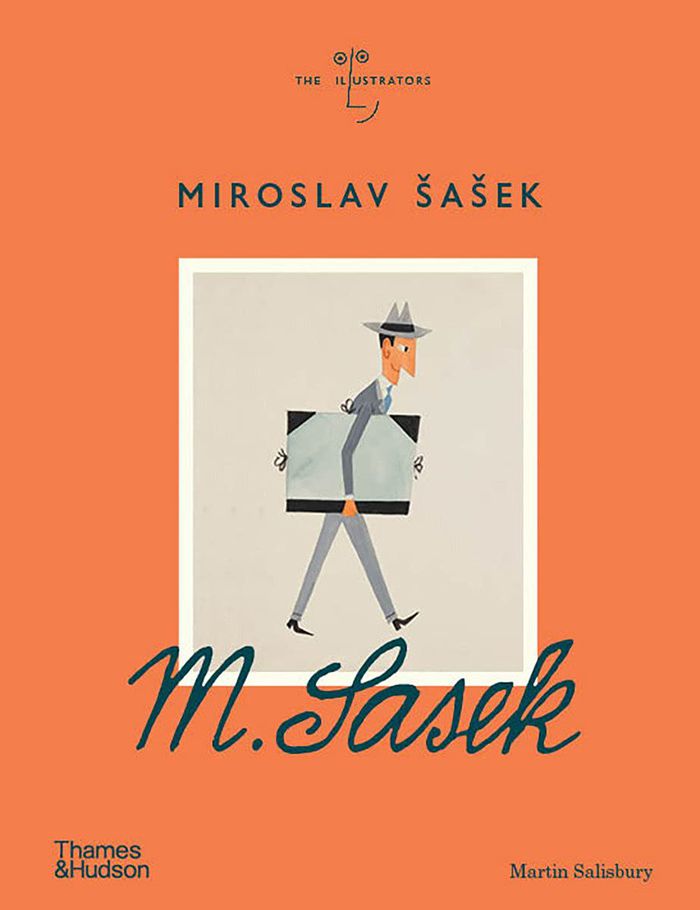
Czech artist Miroslav Šašek (1916–1980) is celebrated for his pioneering approach to narrative nonfiction picture books, particularly his bestselling This Is series, which began with ''This is Paris'' in 1959 and eventually totaled eighteen books. With their distinct visual vocabulary, this witty collection of travel guides illustrating life and culture in a variety of cities and countries around the world from a child’s perspective, became immensely popular and garnered many awards. The artist’s charming travelogues continue to appeal to adults and children alike, even in a digital age exploding with travel imagery. Acclaimed author Martin Salisbury analyzes Šašek’s techniques and how his work not only reflects his architectural training and the ideas of the midcentury European avant-garde, but also the influence of contemporaries such as Saul Steinberg. In this beautifully designed volume, illustrated with sketches and original artwork from the Šašek Foundation in Prague, with examples ranging from Greece to Hong Kong, Rome to San Francisco, Ireland to Israel, Paris to New York, and more, Šašek’s best-known works come alive alongside lesser-known aspects of his practice, such as oil painting. Full of insight into the life and work of a singular talent, ''Miroslav Šašek'' will appeal to illustrators and those interested in the midcentury modern period.
Miroslav Sasek
Actions:
Price:
$39.95
(available to order)
Summary:
Czech artist Miroslav Šašek (1916–1980) is celebrated for his pioneering approach to narrative nonfiction picture books, particularly his bestselling This Is series, which began with ''This is Paris'' in 1959 and eventually totaled eighteen books. With their distinct visual vocabulary, this witty collection of travel guides illustrating life and culture in a variety of cities and countries around the world from a child’s perspective, became immensely popular and garnered many awards. The artist’s charming travelogues continue to appeal to adults and children alike, even in a digital age exploding with travel imagery. Acclaimed author Martin Salisbury analyzes Šašek’s techniques and how his work not only reflects his architectural training and the ideas of the midcentury European avant-garde, but also the influence of contemporaries such as Saul Steinberg. In this beautifully designed volume, illustrated with sketches and original artwork from the Šašek Foundation in Prague, with examples ranging from Greece to Hong Kong, Rome to San Francisco, Ireland to Israel, Paris to New York, and more, Šašek’s best-known works come alive alongside lesser-known aspects of his practice, such as oil painting. Full of insight into the life and work of a singular talent, ''Miroslav Šašek'' will appeal to illustrators and those interested in the midcentury modern period.
Form:
books
books
Publication:
October 2021
October 2021
Subject:
Design Monographs
Design Monographs
Form:
books
books
Title:
Elisabeth Wild: Fantasias
Elisabeth Wild: Fantasias
Actions:
Price:
$47.95
(available in store)
Summary:
This monograph exhibits Elisabeth Wild’s kaleidoscopic and vibrant collages. Using cutouts of commercial imagery from glossy magazines, Wild composes a dimensionless reality that is witty yet menacing, ancient yet immortal. Imagining figures that are structural and anatomical, her work presents a shimmering dream logic. Wooden totems and stone altars, woven rugs, and(...)
$47.95
(available in store)
Summary:
This monograph exhibits Elisabeth Wild’s kaleidoscopic and vibrant collages. Using cutouts of commercial imagery from glossy magazines, Wild composes a dimensionless reality that is witty yet menacing, ancient yet immortal. Imagining figures that are structural and anatomical, her work presents a shimmering dream logic. Wooden totems and stone altars, woven rugs, and(...)
Title:
Elisabeth Wild: Fantasias
Actions:
Price:
$47.95
(available in store)
Summary:
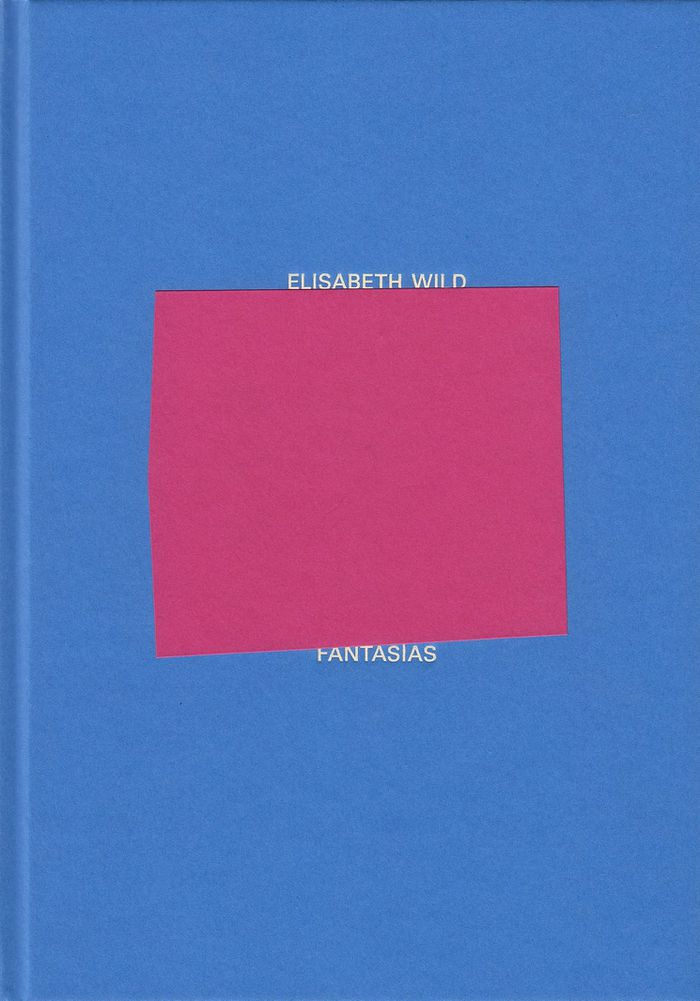
This monograph exhibits Elisabeth Wild’s kaleidoscopic and vibrant collages. Using cutouts of commercial imagery from glossy magazines, Wild composes a dimensionless reality that is witty yet menacing, ancient yet immortal. Imagining figures that are structural and anatomical, her work presents a shimmering dream logic. Wooden totems and stone altars, woven rugs, and precious stones are the cosmic architectural inhabitants that unveil the artist’s fantasies. Along with Wild’s collages, this volume includes contributions by poet Negma Coy, curator Adam Szymczyk, art educator and writer Barbara Casavecchia, art historian and critic Noit Banai, and gallerist Karolina Dankow of Karma International, all which frame the importance of this singular artist’s work and life. Born in Austria, Elisabeth Wild (1922-2020) fled to Argentina during WWII with her parents. In 1962 the family escaped the regime of Juan Peron and found a new home in Basel, Switzerland. Wild opened an antique shop at St. Johannstor which became the outlet for her creativity at the time and also supported her and her family financially. Until her death at the age of 98, Wild was carefully crafting her light-hearted, joyous abstract worlds walking the line between construction and deconstruction. Alongside her daughter, Vivian Suter, Wild has exhibited at Kunsthalle Basel, documenta 14, and the Powerplant in Toronto.
Elisabeth Wild: Fantasias
Actions:
Price:
$47.95
(available in store)
Summary:
This monograph exhibits Elisabeth Wild’s kaleidoscopic and vibrant collages. Using cutouts of commercial imagery from glossy magazines, Wild composes a dimensionless reality that is witty yet menacing, ancient yet immortal. Imagining figures that are structural and anatomical, her work presents a shimmering dream logic. Wooden totems and stone altars, woven rugs, and precious stones are the cosmic architectural inhabitants that unveil the artist’s fantasies. Along with Wild’s collages, this volume includes contributions by poet Negma Coy, curator Adam Szymczyk, art educator and writer Barbara Casavecchia, art historian and critic Noit Banai, and gallerist Karolina Dankow of Karma International, all which frame the importance of this singular artist’s work and life. Born in Austria, Elisabeth Wild (1922-2020) fled to Argentina during WWII with her parents. In 1962 the family escaped the regime of Juan Peron and found a new home in Basel, Switzerland. Wild opened an antique shop at St. Johannstor which became the outlet for her creativity at the time and also supported her and her family financially. Until her death at the age of 98, Wild was carefully crafting her light-hearted, joyous abstract worlds walking the line between construction and deconstruction. Alongside her daughter, Vivian Suter, Wild has exhibited at Kunsthalle Basel, documenta 14, and the Powerplant in Toronto.
Form:
books
books
Publication:
August 2021
August 2021
Subject:
Contemporary Art Monographs
Contemporary Art Monographs
Form:
books
books
Actions:
Price:
$44.00
(available to order)
Summary:
This unprecedented collection compiles the writings of artist and poet Jesse Murry (1948–93), an extraordinary thinker who believed in the capacity of painting to hold the complexity of human meaning. Painting Is a Supreme Fiction brings together Murry’s published art criticism with previously unpublished philosophical writing and poetry from 1980 to his tragic death from(...)
$44.00
(available to order)
Summary:
This unprecedented collection compiles the writings of artist and poet Jesse Murry (1948–93), an extraordinary thinker who believed in the capacity of painting to hold the complexity of human meaning. Painting Is a Supreme Fiction brings together Murry’s published art criticism with previously unpublished philosophical writing and poetry from 1980 to his tragic death from(...)
Title:
Painting is a supreme fiction: Writings by Jesse Murry
Actions:
Price:
$44.00
(available to order)
Summary:
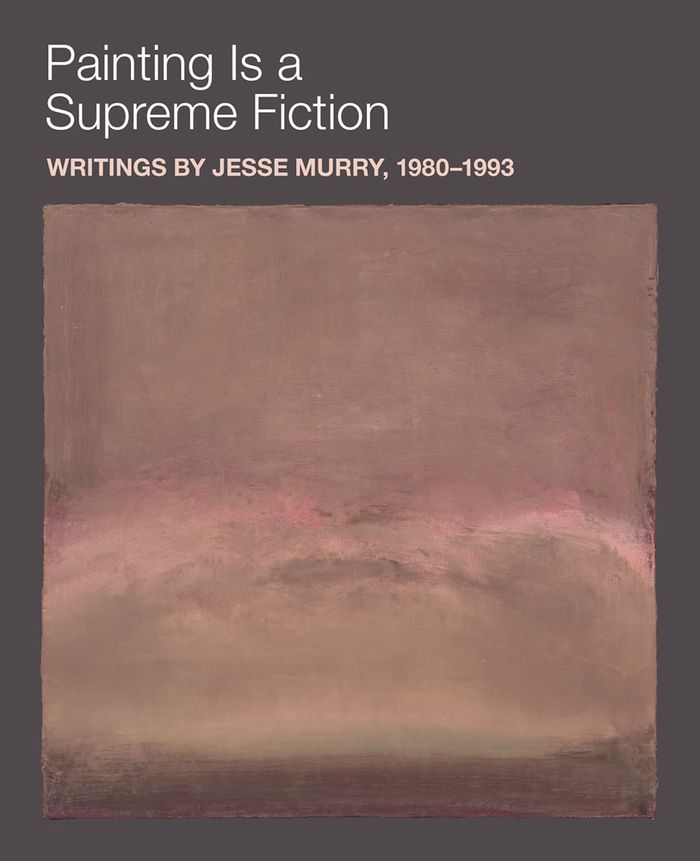
This unprecedented collection compiles the writings of artist and poet Jesse Murry (1948–93), an extraordinary thinker who believed in the capacity of painting to hold the complexity of human meaning. Painting Is a Supreme Fiction brings together Murry’s published art criticism with previously unpublished philosophical writing and poetry from 1980 to his tragic death from AIDS-related illness at the age of 44. The result is a portrait of an original mind who sought to unite the histories of Romantic landscape painting with the realities of Black experience through ''a belief in the restorative and creative powers of the imagination.'' No artist before occupied the exact intersections Murry created through his work, which aimed to reclaim ''painting as a poetic act amid the ''death of painting'' discourse of the 1980s. In addition to Murry’s writings, this volume also includes reproductions of selected paintings; excerpts from a a pair of panel discussions on art criticism and expressionism that took place in 1980; as well as transcriptions of two of the artist's notebooks, in which the spatialization of the words across the page approaches the condition of thought. ''Painting is a supreme fiction'' presents Jesse Murry in his own words, offering intimate access to this remarkable figure.
Painting is a supreme fiction: Writings by Jesse Murry
Actions:
Price:
$44.00
(available to order)
Summary:
This unprecedented collection compiles the writings of artist and poet Jesse Murry (1948–93), an extraordinary thinker who believed in the capacity of painting to hold the complexity of human meaning. Painting Is a Supreme Fiction brings together Murry’s published art criticism with previously unpublished philosophical writing and poetry from 1980 to his tragic death from AIDS-related illness at the age of 44. The result is a portrait of an original mind who sought to unite the histories of Romantic landscape painting with the realities of Black experience through ''a belief in the restorative and creative powers of the imagination.'' No artist before occupied the exact intersections Murry created through his work, which aimed to reclaim ''painting as a poetic act amid the ''death of painting'' discourse of the 1980s. In addition to Murry’s writings, this volume also includes reproductions of selected paintings; excerpts from a a pair of panel discussions on art criticism and expressionism that took place in 1980; as well as transcriptions of two of the artist's notebooks, in which the spatialization of the words across the page approaches the condition of thought. ''Painting is a supreme fiction'' presents Jesse Murry in his own words, offering intimate access to this remarkable figure.
Form:
books
books
Publication:
September 2021
September 2021
Subject:
Art Theory
Art Theory


